What is an “Arm Pull Machine” and Why Should You Care?
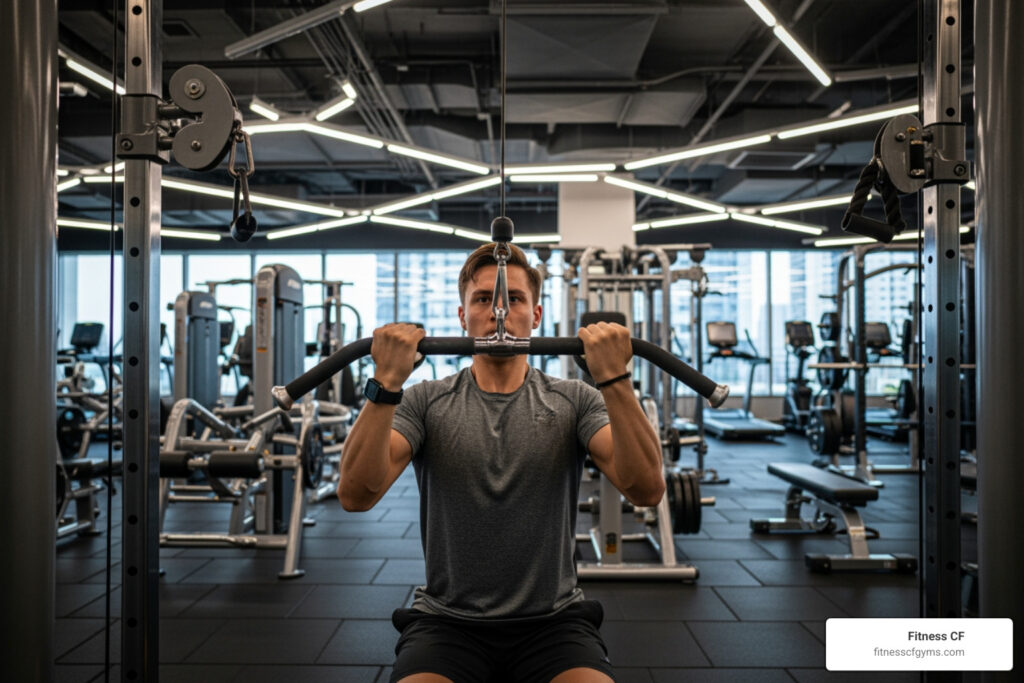
An arm pull machine is a cable-based resistance training device that allows you to perform vertical and horizontal pulling movements to strengthen your back, arms, and shoulders. These machines include lat pulldown stations, seated row machines, cable crossover systems, and functional trainers that use adjustable weight stacks or plates to provide smooth, controlled resistance.
Quick Answer: Types of Arm Pull Machines
- Lat Pulldown Machine – Vertical pulling motion targeting your lats and upper back
- Seated Row Machine – Horizontal pulling for back thickness and posture
- Cable Crossover Station – Versatile multi-angle pulling exercises
- Functional Trainers – Adjustable pulley systems for varied movements
Understanding how to use these machines properly can transform your strength training routine. Pulling exercises balance out the pushing movements most people focus on, like bench presses and pushups. This balance is crucial for healthy shoulders, better posture, and functional strength that carries over to everyday activities like lifting groceries or carrying luggage.
The research shows that arm pull machines offer significant advantages for beginners and advanced athletes alike. They provide a stable, controlled path of motion that reduces injury risk while you learn proper form. Unlike free weights, these machines let you isolate specific muscle groups effectively, making them ideal for building strength safely.
Price ranges for quality arm pull machines vary widely—from around $245 for basic attachments to over $3,995 for commercial-grade equipment. Most gym-quality lat pulldown machines fall between $700 and $2,800, with features like smooth cable systems, adjustable seats, and multiple grip options. Incorporating proper pulling exercises into your routine can truly transform your fitness journey.
Arm pull machine basics:
The Anatomy of a Pull: Muscles Targeted and Key Benefits
When we engage with an arm pull machine, we’re not just moving weight; we’re activating a symphony of muscles across our back and arms. These machines are specifically designed to target and strengthen the muscles responsible for pulling movements, which are often underdeveloped compared to our pushing muscles. This imbalance can lead to poor posture and an increased risk of injury. By incorporating regular pulling exercises, we can build a more balanced, resilient physique.
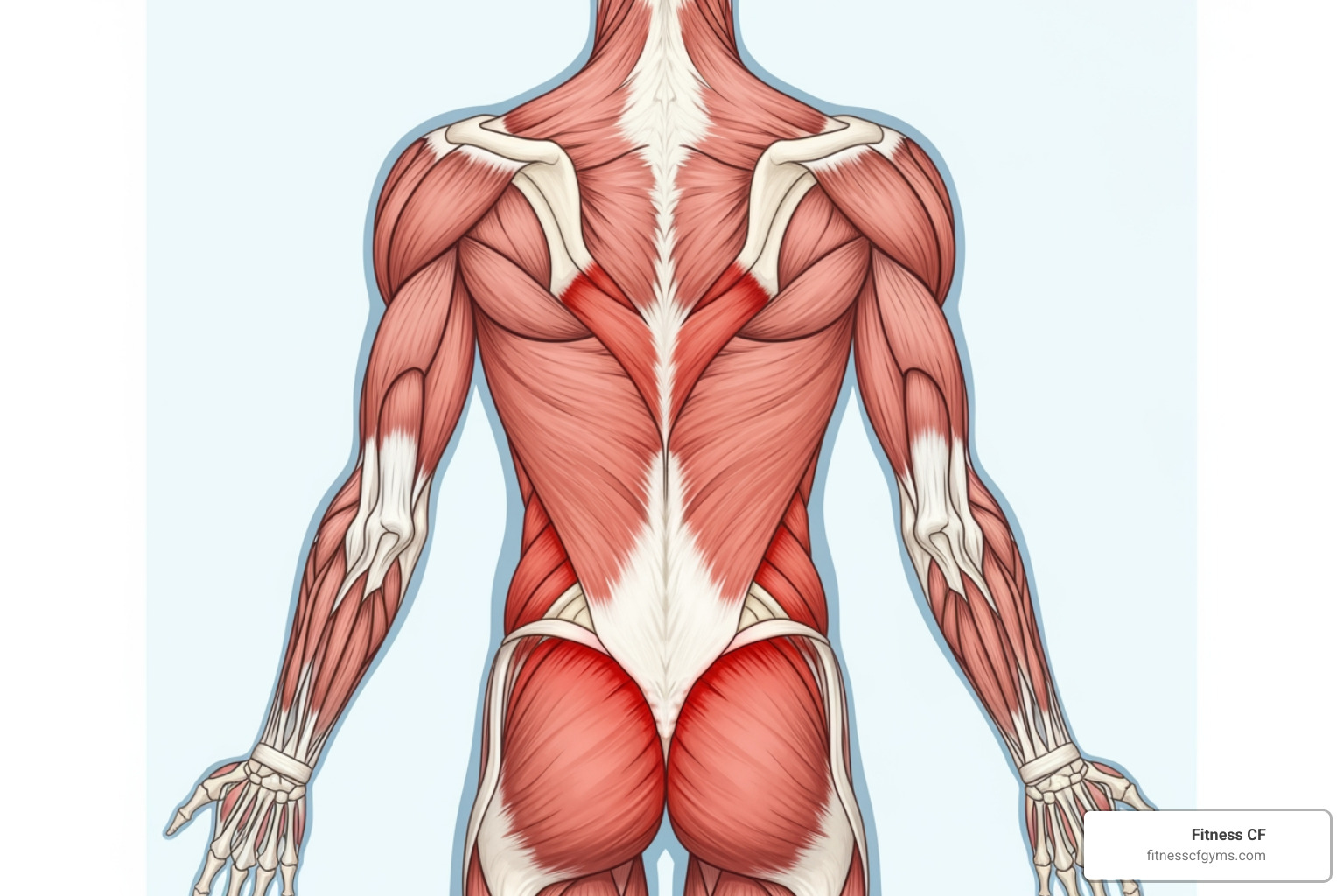
The primary muscles that get a fantastic workout on an arm pull machine include:
- Latissimus Dorsi (Lats): These are the large, V-shaped muscles of your middle and lower back. They are the primary movers in vertical pulling exercises like the lat pulldown, giving your back that coveted width.
- Biceps Brachii: Located on the front of your upper arm, the biceps are heavily involved in curling and pulling movements. While often a secondary muscle in many pull exercises, dedicated machines like the Technogym Pure Biceps machine can specifically isolate them, replicating the physiological strength curve of the elbow for optimal bicep development.
- Rhomboids: These muscles are situated between your shoulder blades and are crucial for retracting (squeezing together) and rotating your scapulae. They’re key to good posture and often targeted in seated row variations.
- Rear Deltoids: The posterior head of your shoulder muscles, the rear deltoids, play a significant role in pulling movements, especially those where your arms move away from your body, like in a face pull.
- Trapezius (Traps): This large, kite-shaped muscle covers much of your upper back and neck. It assists in various pulling motions, particularly in shrugging and stabilizing the shoulder blades.
Beyond building impressive muscle, the benefits of consistently using an arm pull machine are profound and extend far beyond aesthetics:
- Improved Posture: By strengthening our back muscles, especially the rhomboids and lower traps, we counteract the effects of prolonged sitting and forward-slouching. This helps pull our shoulders back and down, leading to a more upright and confident stance. Exercises like the face pull are particularly excellent for this, targeting the muscles that stabilize our shoulders and upper back.
- Increased Functional Strength: The pulling movements on these machines translate directly to everyday tasks. Think about opening a heavy door, carrying groceries, or even pulling yourself up from a seated position. A stronger back and arms make these activities easier and safer.
- Building a Strong Back: A strong back is the foundation of a strong body. It protects our spine, supports our core, and acts as a powerhouse for almost every other movement we make.
- Rehabilitation and Controlled Movement: For those recovering from injuries or needing to build strength in a controlled environment, arm pull machines are invaluable. They offer a fixed plane of motion, minimizing the risk of improper form and allowing for precise muscle activation. The Eleiko Cable Cross, for instance, allows for accessible starting resistance (as low as 3 kg / 6.6 lb pulling resistance) and small incremental jumps, making it ideal for carefully progressing strength.
To further improve your arm strength and definition, explore our guide on 8 arm exercises for strength and definition.
Exploring the Gym: Common Types of Arm Pull Machines
A well-equipped gym will offer a diverse range of equipment to help you achieve a well-rounded physique. A collection of arm pull machines is designed to target your back and arm muscles from various angles, ensuring comprehensive development. While the term “arm pull machine” might sound general, it encompasses several distinct types, each with its unique advantages.
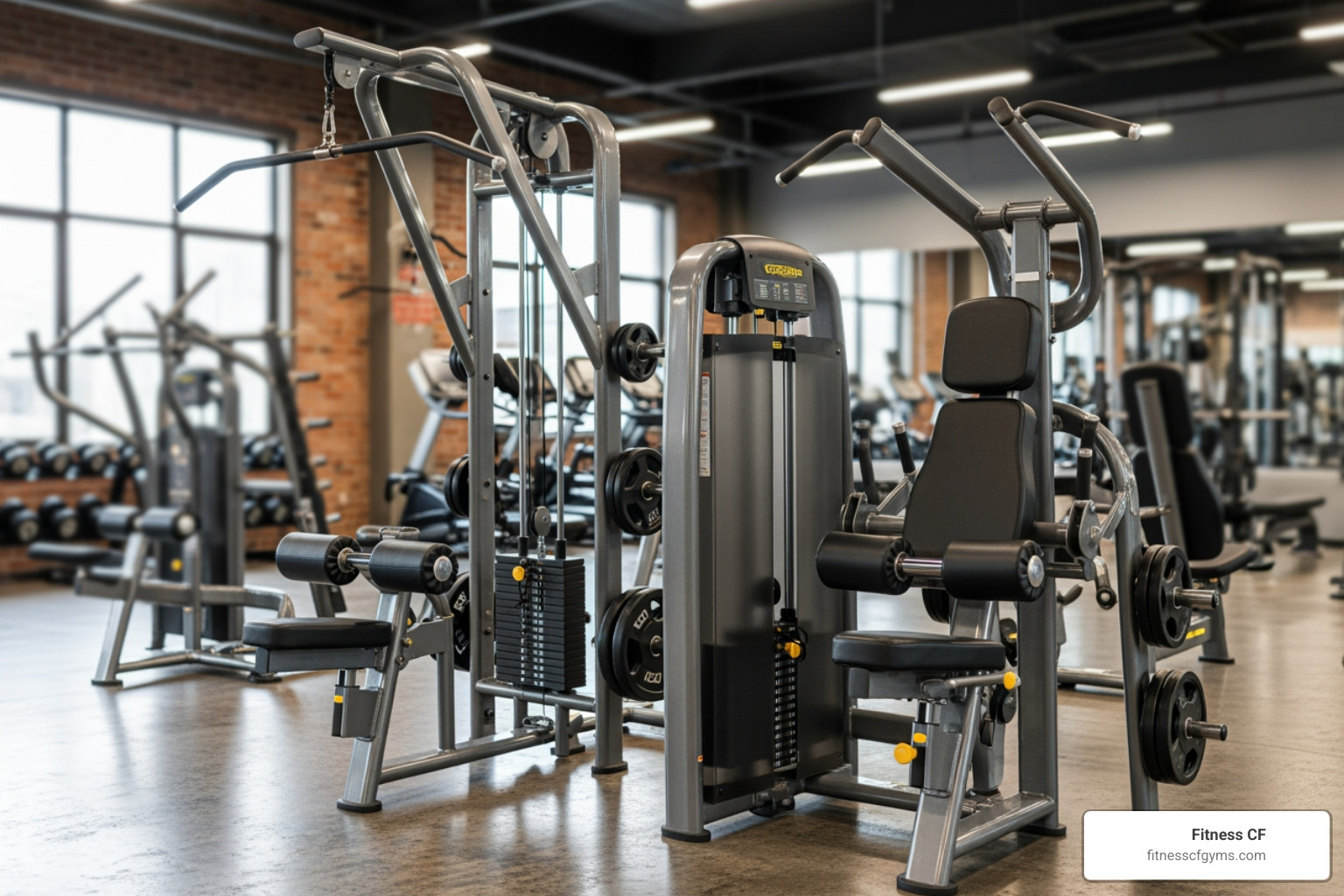
Here are some of the most common types you’ll find in a well-stocked gym:
- Lat Pulldown Machine: This is perhaps the most iconic arm pull machine. It uses a high pulley system, often with a wide bar, to simulate a pull-up motion, allowing you to work your lats and upper back effectively.
- Seated Row Machine: Typically featuring a low or adjustable pulley, the seated row machine focuses on horizontal pulling movements. This is fantastic for building thickness in your middle back and strengthening your rhomboids and traps.
- Cable Crossover Station: While primarily known for chest exercises, the versatility of a cable crossover station makes it an excellent arm pull machine. With adjustable pulleys and various handle attachments, you can perform a multitude of pulling exercises from different angles, engaging a wider range of muscles.
- Functional Trainers: Similar to cable crossovers but often with more advanced features and dual weight stacks, functional trainers offer unparalleled versatility. Their independently adjustable pulleys allow for highly customized pulling movements, mimicking natural body motions.
- Plate-loaded vs. Weight Stack Machines: You’ll encounter both types. Weight stack machines offer convenience, allowing you to quickly change resistance by moving a pin. Plate-loaded machines, like some of the ATX options, require you to add Olympic plates, which some users prefer for a more “free weight” feel and often higher maximum resistance. Both are effective, and your preference might come down to ease of use or the specific feel of the resistance.
The Lat Pulldown Machine
The lat pulldown machine is a staple in any gym, and for good reason. It allows us to effectively target the latissimus dorsi, the broad muscles of our back, which are essential for that strong, V-tapered look. The machine typically consists of a high pulley system, a long bar, and knee pads to stabilize your lower body. This setup focuses on a vertical pulling motion, mimicking a pull-up but with adjustable resistance, making it accessible to all fitness levels. By securing your thighs under the knee pads, you isolate your back muscles, preventing your body from swaying and ensuring that the work is concentrated where it should be.
The Seated Row and Cable Crossover
Where the lat pulldown focuses on vertical pulling, the seated row machine excels at horizontal pulling, helping us build thickness and density in our mid-back. These machines usually feature a low or adjustable pulley, allowing for various handle attachments like a V-bar, D-handle, or rope. The seated position, often with a chest pad for support, helps stabilize your torso, ensuring a controlled movement that deeply engages your rhomboids, traps, and lats.
The cable crossover station, or functional trainer, takes versatility to a new level. With pulleys that can be adjusted from high to low in 50 mm increments, as seen in the Eleiko Cable Cross, we can perform a vast array of pulling exercises. This includes traditional rows, single-arm pulls, face pulls, and even rotational movements that engage our core. The ability of the pulley to swivel 270 degrees, as in the Eleiko model, means we can optimize our setup for diverse movements and make the most of our gym space. This adaptability makes these machines incredibly valuable for targeting specific muscle groups, improving stability, and adding dynamic movements to our routine.
How to Use an Arm Pull Machine for Maximum Results
Mastering an arm pull machine isn’t just about moving the weight; it’s about moving it correctly. Proper form ensures you effectively target the intended muscles, maximize your results, and, most importantly, prevent injuries. Feeling strong and safe during every workout is paramount.
Here are some general tips to keep in mind when using any arm pull machine:
- General Safety Tips: Always inspect the machine before use. Ensure pins are fully inserted into weight stacks and attachments are securely fastened. If you’re unsure about anything, don’t hesitate to ask a qualified trainer for assistance.
- Proper Posture: Maintain a tall, upright posture. Keep your core engaged and your shoulders pulled back and down, not hunched forward. Your head should be in line with your spine.
- Controlled Movements: Avoid jerky, fast movements. The eccentric (return) phase of the exercise is just as important as the concentric (pulling) phase. Control the weight both up and down.
- Avoiding Momentum: Don’t swing your body or use excessive momentum to move the weight. If you find yourself doing this, the weight is likely too heavy. Lower the resistance and focus on muscle activation.
- Breathing Techniques: Exhale during the exertion (pulling) phase and inhale during the release (return) phase. Proper breathing helps stabilize your core and provides your muscles with oxygen.
For more ways to build impressive arm muscle, check out our guide on how to build arm muscle 10 workouts you have to try.
The Wide-Grip Lat Pulldown
The wide-grip lat pulldown is a fantastic exercise for building a broad back and developing our lats. The research shows it’s an excellent alternative for those who can’t perform pull-ups yet.
- Adjusting the Pads: First, adjust the leg support pads so your thighs are comfortably secured. This prevents your body from lifting during the pull, isolating the back muscles.
- Grip Width: Grasp the wide bar with an overhand grip, slightly wider than shoulder-width apart. Your palms should face forward.
- Pulling to the Chest: Sit down, keeping your back straight or with a slight lean backward (about 10-15 degrees). Engage your core. Initiate the pull by retracting your shoulder blades, then pull the bar down towards your upper chest, aiming to bring it to a few inches above your chest. Focus on squeezing your shoulder blades together at the bottom.
- Controlled Return: Slowly allow the bar to return to the starting position, extending your arms fully but without locking out your elbows. Feel the stretch in your lats.
- Targeting the Lats: The key here is to feel your back muscles doing the work, not just your biceps. Many people make the mistake of making it an arm exercise. Think about pulling with your elbows, driving them down towards your hips.
The Seated Cable Row
The seated cable row is a powerhouse for building a thick, strong back and improving posture.
- Proper Setup: Sit on the bench with your feet firmly against the footplates, knees slightly bent. Lean forward to grasp the handle (a V-bar or neutral grip attachment is common).
- Neutral Grip: If using a V-bar, your palms will face each other. This neutral grip can often feel more comfortable for the wrists and elbows.
- Squeezing the Shoulder Blades: With the weight unstacked and your arms extended, sit upright, maintaining a straight back. Initiate the pull by squeezing your shoulder blades together. As you pull the handle towards your lower abdomen, drive your elbows back, keeping them close to your body.
- Full Range of Motion: Pull until the handle touches your torso, ensuring a good contraction in your back muscles. Avoid leaning back excessively.
- Building Back Thickness: Control the return phase, allowing your arms to extend fully and your shoulder blades to protract forward, getting a good stretch in your back before starting the next rep.
The Face Pull for Shoulder Health
The face pull is a highly underrated exercise, particularly beneficial for shoulder health, posture, and strengthening the often-neglected rear deltoids and rotator cuff muscles. It’s a fantastic way to balance out all the pushing movements we do.
- Setting up a High Pulley with a Rope: Attach a rope handle to a high pulley on a cable machine.
- Proper Stance: Stand facing the machine, a step or two back, with your feet shoulder-width apart and knees slightly bent. Grasp the rope with an overhand grip, thumbs pointing towards you.
- Pulling Towards the Face: Initiate the movement by retracting your shoulder blades. Pull the rope towards your face, aiming for your ears or forehead. As you pull, your hands should move wider than your elbows, and your upper arms should externally rotate.
- External Rotation of Shoulders: This external rotation is crucial for hitting the rear deltoids and rotator cuff muscles effectively. The NSCA emphasizes that as you pull, you should externally rotate your upper arms as they align with the frontal plane, continuing until the handle clasp is near your face.
- Preventing Shoulder Injuries: By strengthening these posterior shoulder muscles, the face pull helps stabilize the shoulder joint, counteracting imbalances that can lead to pain and injury, especially for those who do a lot of pressing exercises. Control the return phase, allowing your arms to extend and shoulder blades to protract back to the start.
For a comprehensive breakdown of this exercise, refer to the Detailed technique for the Face Pull exercise.
Machines vs. Free Weights for Arm Development
When it comes to developing our arms and overall upper body, both arm pull machines and free weights offer distinct advantages. A balanced approach, incorporating both into your routine, can lead to optimal results. Let’s compare them to help you understand where each shines.
| Feature | Arm Pull Machines | Free Weights (Dumbbells, Barbells) –
| Stability | High. The machine guides the movement, which is great for beginners and for isolating specific muscles. | Lower. Requires more core and stabilizer muscle engagement to maintain proper form. –
| Muscle Isolation | Excellent. The fixed path of motion helps isolate specific muscle groups, which is great for targeted muscle building. | Moderate. Engages more stabilizing muscles, which can be a benefit but makes pure isolation more challenging. –
| Learning Curve | Low. Machines are generally easier and safer for beginners to learn and use correctly. | High. Requires more skill and control to maintain proper form and avoid injury. –
| Safety | High. The controlled movement reduces the risk of injury, especially when lifting heavy. | Lower. Higher risk of injury without a spotter or proper technique, especially with heavy weights. –
| Functional Strength | Good. While the movement is fixed, it still builds strength that translates to real-world activities. | Excellent. Engages more stabilizer muscles, mimicking real-life movements and improving overall coordination and balance. –
–
| Variety | Limited to the machine’s specific motion, though different grips and attachments can add variety. | High. A single pair of dumbbells can be used for a vast range of exercises targeting multiple muscle groups. –
For more ways to incorporate resistance training into your routine, check out our guide on using weight bands for arms.