Why Muscle Relief Therapies Are Taking Center Florida by Storm
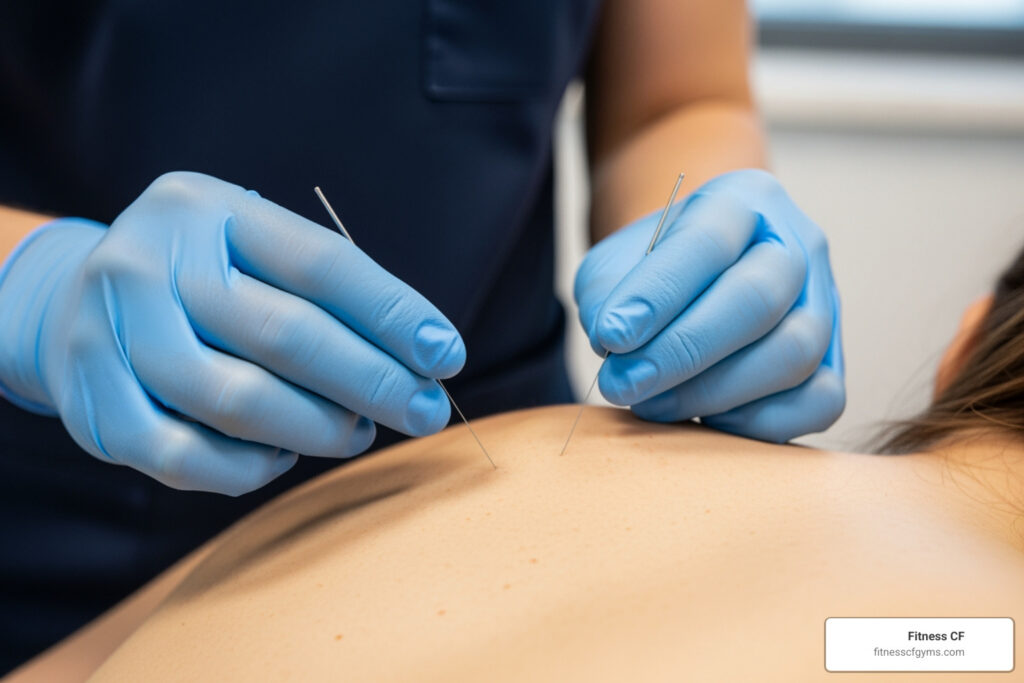
Dry needling therapy is a technique where trained healthcare providers insert thin, solid needles into muscle trigger points—those tight, painful knots in your muscles—to relieve pain and improve movement. Here’s what you need to know:
Quick Facts About Dry Needling:
- What it does: Releases muscle tension, increases blood flow, and reduces pain
- How it works: Stimulates trigger points to restore normal muscle function
- What it treats: Low back pain, neck pain, headaches, tendonitis, muscle strains, and more
- Who performs it: Physical therapists and licensed acupuncturists with specialized training
- Pain level: Minimal discomfort; needles are 2-3 times thinner than flu shot needles
- Recovery time: Most soreness resolves within 24 hours
You may have heard about dry needling from friends at the gym or seen it mentioned alongside other recovery methods. While the name might sound intimidating, this modern therapy has become increasingly popular because it targets the root cause of muscle pain—those stubborn trigger points that can limit your workouts and daily activities.
The science behind it is straightforward: when muscles are overused or injured, they can develop tight bands that restrict blood flow and cause pain. Dry needling helps restore normal blood supply to these areas, which allows the muscle to heal and function properly again. Many people experience immediate relief, though some soreness similar to post-workout muscle fatigue is common.
What makes dry needling different from acupuncture? Despite using similar needles, dry needling is based on modern Western medicine principles and focuses specifically on musculoskeletal pain and movement problems. Acupuncture, which has been practiced for about 3,000 years, is rooted in traditional Chinese medicine and aims to balance energy flow throughout the body.
I’m Pleasant Lewis, and in my 40 years in the fitness industry, I’ve seen how muscle recovery therapies like dry needling therapy complement strength training and cardio programs to help our members overcome plateaus and stay active. Whether you’re dealing with chronic pain or looking to optimize your workout recovery, understanding these trending therapies can help we make informed decisions about your health journey.
Discover more about Dry needling therapy:
What is Dry Needling Therapy?
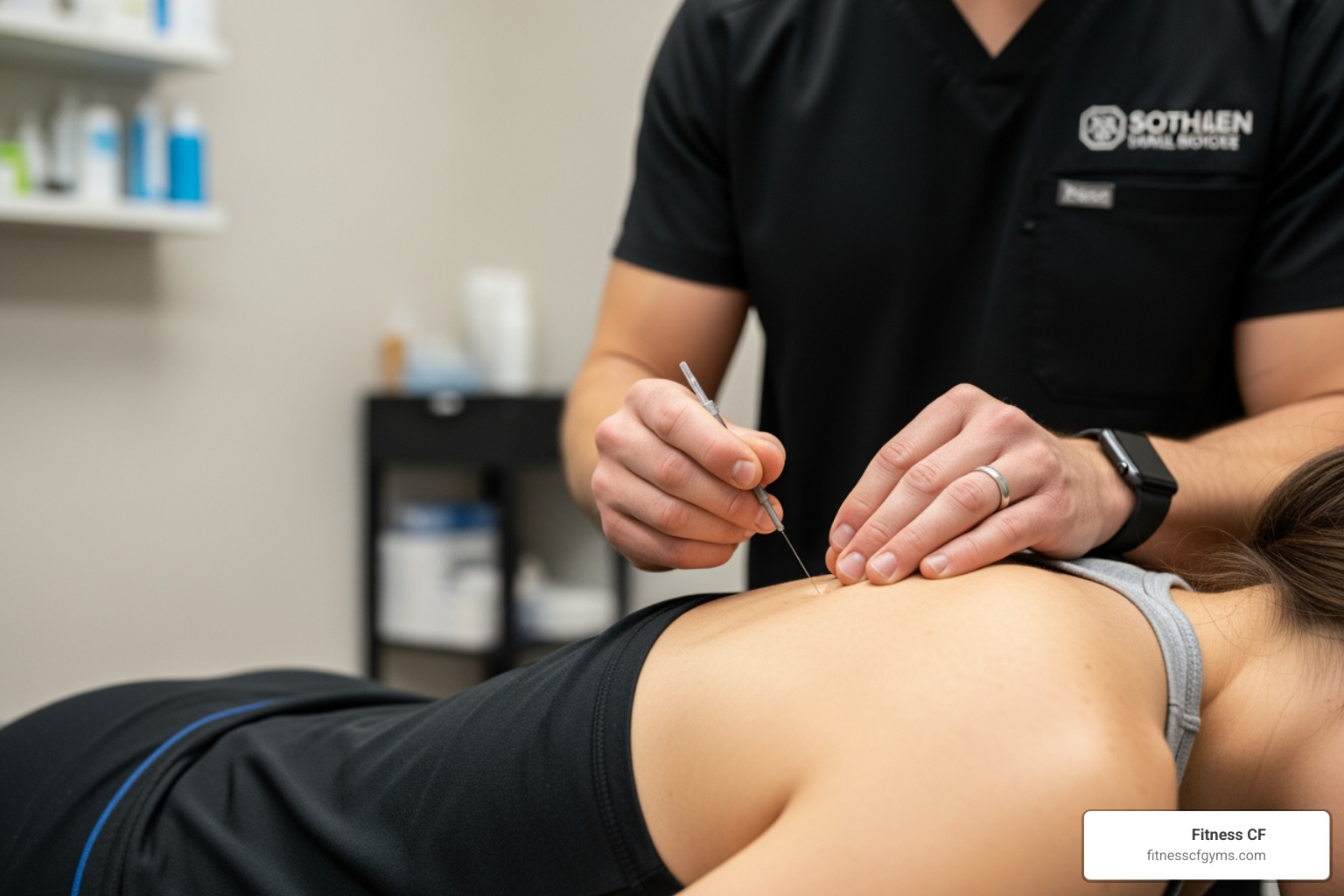
At its core, dry needling therapy is a skilled intervention used by physical therapists and other healthcare providers to manage neuromusculoskeletal pain and movement impairments. You might hear it referred to by other names, such as trigger point dry needling (TDN) or intramuscular stimulation (IMS). Regardless of the name, the goal remains the same: to deactivate those painful knots that interfere with your daily life and fitness goals.
To understand how it works, we first need to look at the “myofascial” system. “Myo” refers to muscle, and “fascia” refers to the connective tissue that surrounds and separates those muscles. When everything is healthy, these tissues slide and move easily. However, due to injury, repetitive stress, or poor posture, we can develop myofascial trigger points. These are hyperirritable spots within a taut band of skeletal muscle. They aren’t just “tight muscles”; they are dysfunctional areas that can cause local pain or even “referred pain”—pain that is felt in a completely different part of the body.
The “dry” in dry needling simply means that the needle is solid and does not inject any medication or fluid. This distinguishes it from “wet needling” or trigger point injections, where a physician might inject lidocaine or corticosteroids using a hollow-bore needle. In dry needling, the needle itself is the treatment. These needles are incredibly thin—about 2 to 3 times thinner than the needle used for a standard flu shot—making the process much more comfortable than most people expect.
According to scientific research on dry needling for musculoskeletal pain, this therapy is deeply rooted in modern Western medical principles. It is based on our current understanding of anatomy, physiology, and neurology rather than traditional energetic concepts. By targeting these specific points, we can effectively “reset” the muscle, allowing it to return to its natural, relaxed state.
How Dry Needling Works to Relieve Sore Muscles
So, what actually happens under the skin when that tiny needle makes contact? It’s not magic; it’s biology. When a muscle is overused or chronically stressed, it can enter what experts call an “energy crisis.” In this state, the muscle fibers are constantly contracted, which squeezes the local capillaries. This leads to inadequate blood supply, a lack of oxygen, and an accumulation of acidic waste products. This toxic environment sensitizes the local nerves, creating that familiar “knot” that hurts when you touch it.
Dry needling therapy breaks this cycle through several physiological mechanisms:
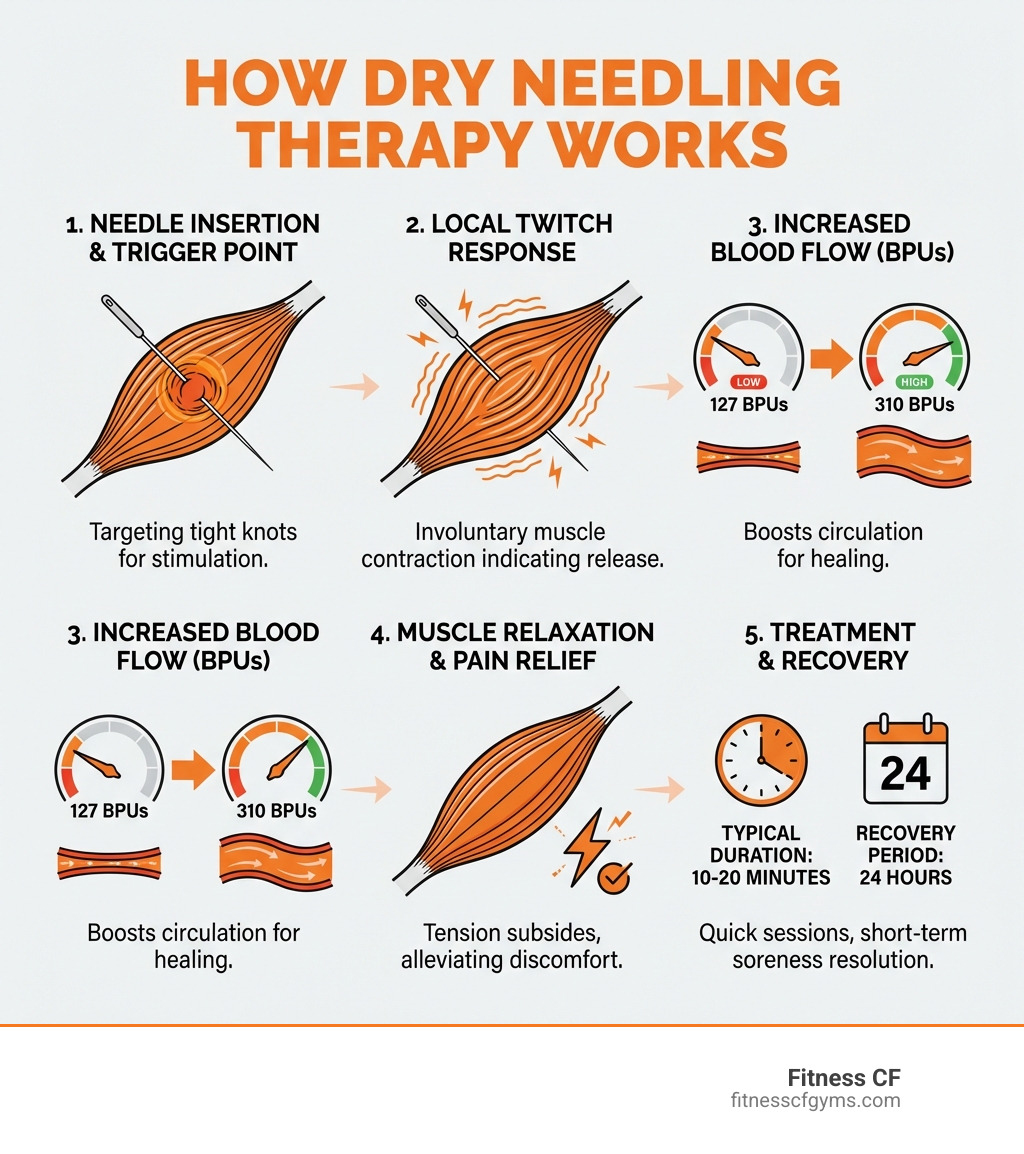
- Microcirculation Boost: Research has shown that microcirculation above myofascial trigger points can increase from 127.3 to 310.2 BPUs (Blood Perfusion Units) following needle stimulation. That is a greater than two-fold increase in blood flow! This surge of blood flushes out acidic waste and brings in the oxygen and nutrients needed for the tissue to heal.
- The Local Twitch Response (LTR): One of the primary goals of the therapist is to elicit a “local twitch response.” This is an involuntary contraction of the muscle fibers around the needle. While it might feel like a momentary cramp or a strange “thump,” it is a sign that the needle has hit the right spot. This twitch helps to immediately release the tension in the taut band.
- Endorphin Release: The physical stimulus of the needle pricking the tissue signals the brain to release endorphins—the body’s natural pain-relieving chemicals. This helps to dampen the pain signals being sent from the injured area.
- Mechanotransduction: This is a fancy way of saying that the mechanical stretch of the needle affects the cells at a microscopic level. It can induce remodeling in the connective tissue fibroblasts, helping to repair scar tissue and improve the overall structural integrity of the muscle.
Interestingly, the duration the needles remain in the tissue matters. While some techniques involve quick insertion and removal (sometimes called “pistoning” or “sparrow pecking”), scientific research on needle retention for low back pain suggests that for certain chronic conditions, leaving the needles in place for about 10 to 20 minutes can lead to better long-term outcomes than immediate removal. This allows the nervous system more time to process the stimulus and settle into a state of relaxation.
Conditions Treated by Dry Needling Therapy
Because dry needling therapy focuses on the neuromuscular system, it is versatile enough to treat a wide range of conditions that we see every day in our Central Florida communities, from Orlando to St Cloud.
- Low Back Pain and Sciatica: Chronic back pain is one of the most common reasons people seek this therapy. By targeting the deep muscles of the spine and hips, therapists can relieve pressure on the sciatic nerve and restore mobility.
- Neck Pain and Tension Headaches: Many of us carry our stress in our shoulders and neck. Dry needling can release the “knots” in the upper trapezius muscle that often refer pain up into the head, causing debilitating headaches.
- Carpal Tunnel Syndrome: While often thought of as just a wrist issue, carpal tunnel symptoms can often be exacerbated by trigger points in the forearm and neck. Scientific research on acupuncture for carpal tunnel has shown that needle-based therapies can significantly improve nerve conduction and reduce pain in these patients.
- Plantar Fasciitis: That stabbing heel pain in the morning is often linked to tightness in the calf muscles. Dry needling the gastrocnemius and soleus can provide much-needed relief for runners and walkers.
- Fibromyalgia: While fibromyalgia is a complex systemic condition, dry needling can help manage the localized “tender points” that contribute to the overall pain burden.
- TMJ Disorders: Pain in the jaw and face can be addressed by carefully needling the masseter and other muscles involved in chewing and clenching.
It’s important to note that therapists often use a concept called “regional interdependence.” This means they might treat your neck to help with your elbow pain, or your lower back to help with your knee. Everything in our bodies is connected, and dry needling therapy is a fantastic tool for addressing these complex relationships.
Is Dry Needling Therapy Right for You?
While dry needling therapy is a safe and effective tool for many, it isn’t for everyone. As with any medical intervention, a thorough evaluation is the first step.
Who should avoid dry needling or proceed with caution?
- Children under 12: Generally, providers do not recommend dry needling for young children due to the invasive nature of the treatment and the availability of less invasive options.
- Pregnancy: It is typically avoided during the first trimester, and certain points are avoided throughout the pregnancy.
- Bleeding Disorders or Blood Thinners: If you have a condition that prevents clotting or are on medications like warfarin, you must consult your physician first, as bruising is a common side effect.
- Compromised Immune Systems: Those with weakened immune systems are at a higher risk for infection, making the procedure less ideal.
- Needle Phobia: If the sight of a needle causes extreme anxiety or fainting, other manual therapies might be a better fit.
One of the most common questions we hear is: Is dry needling covered by insurance? The answer, unfortunately, is “it depends.” While its popularity is growing, the regulatory and insurance landscape is still catching up. Some private insurers in Florida do cover it, while others consider it “experimental.” CMS (Medicare) currently does not pay for dry needling. We always recommend calling your provider in advance to verify your specific coverage.
The role of the physical therapist is crucial here. They aren’t just “needlers”; they are movement experts. A qualified PT will use dry needling as one part of a larger plan that includes how to work out safely while recovering from injuries and specific corrective exercises. For more resources on the professional standards of this practice, you can visit physical therapy resources.
The Benefits of a Healthy Lifestyle and Strength Training
While therapies like dry needling are incredible for “putting out fires” and managing pain, the ultimate goal is to build a body that is resilient to injury in the first place. This is where a commitment to a healthy lifestyle and consistent strength training comes into play.
Recovery therapies and exercise are two sides of the same coin. When you engage in regular strength training, you aren’t just building “vanity muscles.” You are increasing your bone density, improving your metabolic rate, and strengthening the connective tissues—the very same tendons and ligaments that dry needling often treats. By keeping these tissues strong, you reduce the likelihood of developing the trigger points that cause pain.
Why Strength Training is Essential for Recovery:
- Injury Prevention: Stronger muscles provide better support for your joints. If your glutes and core are strong, your lower back doesn’t have to work as hard, which can prevent the need for how to work out with lower back pain modifications later on.
- Improved Circulation: Like dry needling, aerobic exercise and strength training increase blood flow throughout the body, keeping your tissues oxygenated and healthy.
- Active Recovery: On your “off” days, light movement or workout-recovery sessions can help prevent the stiffness that leads to muscle knots.
- Metabolic Health: A higher muscle mass helps regulate blood sugar and hormone levels, which can reduce systemic inflammation and chronic pain.
We believe that fitness should be holistic. Balanced nutrition, adequate hydration, and flexibility work (like yoga or dedicated stretching) create the foundation. When you add benefits of cardio to a solid strength program, you’re not just living longer; you’re living better. If you do run into a snag, dry needling therapy is there to help get you back on track, but the work you do in the gym is what keeps you there.
What to Expect During and After Your Session
If you’ve decided to give dry needling a try, you might be a little nervous about your first session. Don’t worry—that’s completely normal! Here is a general breakdown of what a typical visit looks like.
During the Session: The therapist will first perform an in-depth evaluation to identify the specific muscles and trigger points causing your trouble. Once the target areas are identified, the skin is cleaned with alcohol. The therapist will use a sterile, single-use needle and a plastic guide tube to quickly insert the needle through the skin.
You might feel a tiny “prick,” but many people feel nothing at all during insertion. The sensation happens when the needle reaches the trigger point. You might feel a deep ache, a pressure sensation, or that “local twitch response” we mentioned earlier. The needles may stay in for as little as 10 seconds or up to 20 minutes, depending on your specific needs. In some cases, the therapist may hook the needles up to a low-voltage electrical stimulation unit, which causes the muscle to gently contract and relax, further enhancing the healing effect.
After the Session: It is very common to feel some soreness in the area for 24 to 48 hours. Most people describe it as feeling like they had a very intense workout in that specific muscle. This soreness usually resolves within 24 hours. You might also notice some minor bruising at the insertion site, which is perfectly normal.
Post-Treatment Tips:
- Hydrate: Drink plenty of water to help your body process the waste products released during the session.
- Keep Moving: We don’t recommend going home and sitting on the couch. Gentle movement and what are the best ways to relieve sore muscles like light stretching can help maintain the mobility gained during the session.
- Heat or Ice: Most patients find that gentle heat helps soothe the post-treatment soreness.
- Follow the Plan: Your therapist will likely give you specific exercises to perform. These are essential for “retraining” the muscle to stay relaxed and functional.
The goal isn’t just to feel better for an hour; it’s to see a functional improvement in how you move and exercise. Whether you’re trying to how to relieve a strained neck muscle or looking for hip muscle pain relief guide tips, dry needling can be the “reset” button your body needs.
Frequently Asked Questions about Muscle Relief
Does dry needling hurt?
The most honest answer is: it depends on the person and the muscle being treated. The insertion of the needle is usually painless because it is so thin. The discomfort comes when the needle hits the trigger point. This can feel like a deep ache or a quick, intense muscle cramp (the twitch response). While it can be “uncomfortable,” most patients find it very tolerable and well worth the relief that follows.
How long does the soreness last?
Soreness after a dry needling therapy session is very common and typically feels like “Delayed Onset Muscle Soreness” (DOMS) after a heavy lifting day. For the vast majority of people, this soreness resolves within 24 hours, though in some cases, it can last up to 48 hours. If you experience bruising, that may take a few days to fade.
Is dry needling covered by insurance?
Insurance coverage for dry needling is currently a mixed bag. Some major medical plans in Central Florida cover it as part of a physical therapy visit, while others may require a small “supply fee” or out-of-pocket payment because they still classify the procedure as experimental. It is always best to check with your insurance provider and your therapist’s office before your first appointment.
Conclusion
The journey to optimal health is rarely a straight line. It involves a combination of hard work in the gym, smart recovery choices, and a willingness to try modern, evidence-based therapies when our bodies need a little extra help. Dry needling therapy has earned its place as a trending wellness tool because it works. By targeting the physiological source of muscle pain, it helps athletes and fitness enthusiasts across Central Florida stay in the game.
Whether you are looking to how to prevent and recover from common workout injuries or trying to how to ease pain after workout, recovery is just as important as the workout itself. Strength training, cardio, and balanced nutrition are your foundation, but tools like dry needling are the “special forces” that can help you overcome specific obstacles.
If you’re dealing with persistent aches, don’t just ignore them. Talk to a healthcare professional about whether dry needling might be the right “reset” for you. For more information on how physical therapists use this technique to improve lives, check out these wellness services.
Keep moving, stay hydrated, and we’ll see you at the gym!
Ready to start your recovery journey?