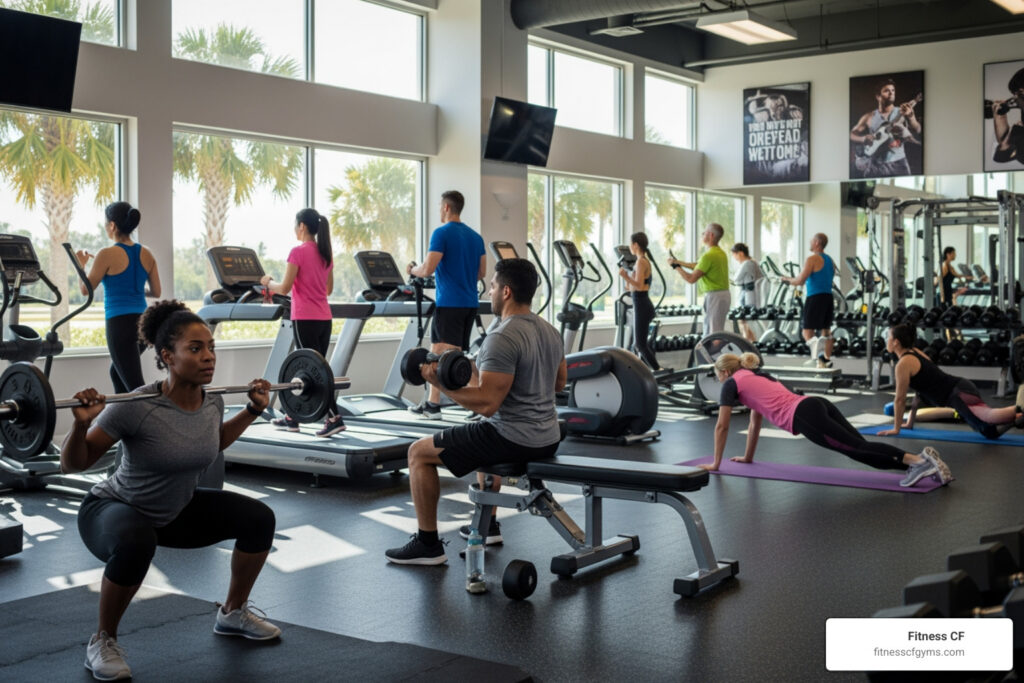
Why a Flexible Approach Matters for Your Fitness Journey
Building a healthy lifestyle works best when your plan can adapt to real life. A flexible approach lets you prioritize movement, nutrition, sleep, and stress management without an all-or-nothing mindset.
Life changes fast—travel, family schedules, work shifts, or energy levels can all affect your routine. Flexible fitness means you adjust your goals and methods as life evolves: swap a long workout for a brisk walk, trade heavy lifting for mobility work when you’re sore, or shift your training day to protect your sleep. The result is consistency over time, which is what truly drives progress.
This mindset also makes healthy living more enjoyable. You have room to try different workouts, learn what you like, and build habits you’ll actually keep. Over time, small, repeatable actions—daily steps, a few strength moves, a short stretch, a balanced plate—compound into big results.
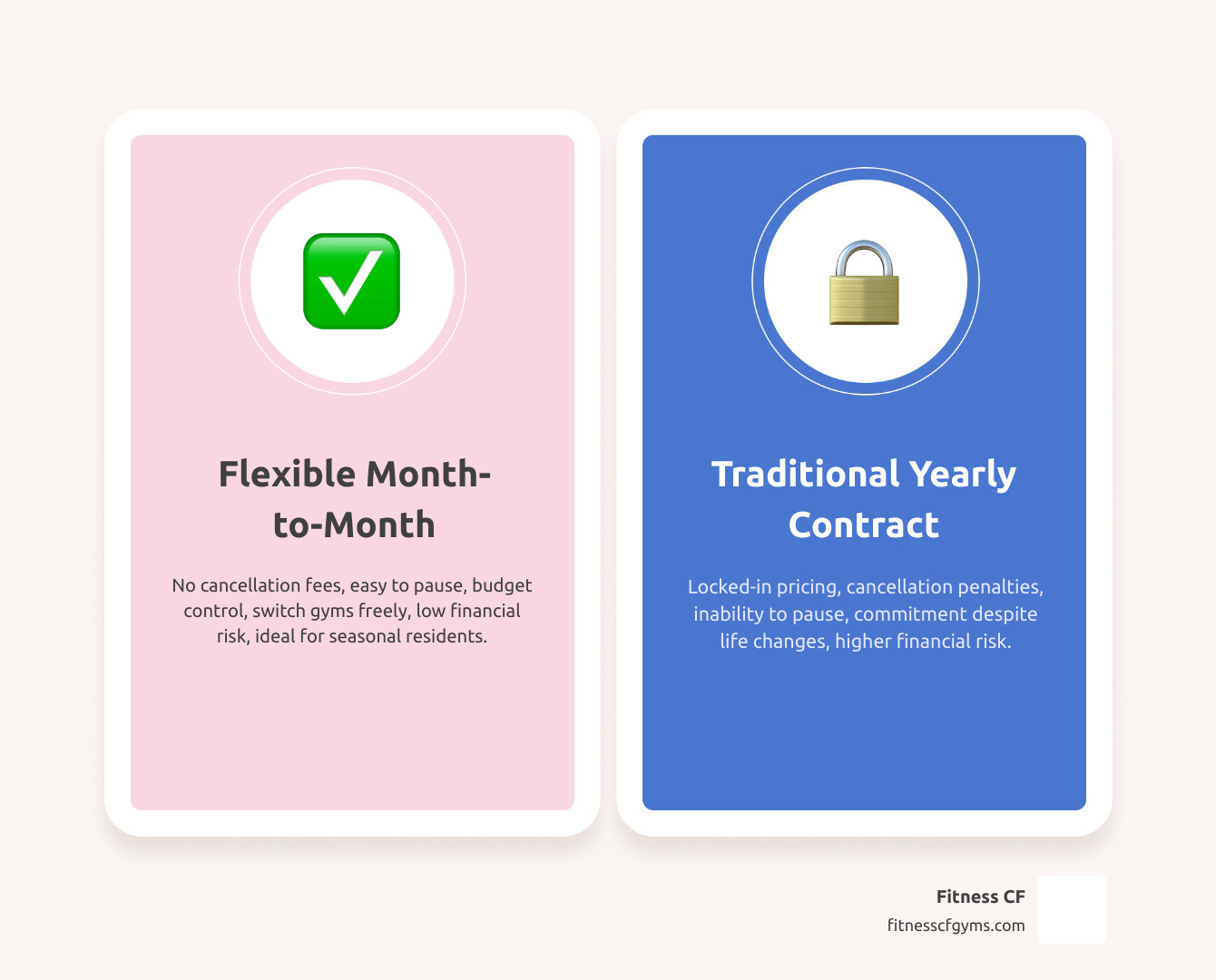
The Perks of a No-Strings-Attached Fitness Journey
Choosing a flexible, sustainable approach to wellness means you’re putting your health first—without rigid rules that don’t fit your life. Your routine can evolve as your priorities shift, helping you stay consistent through busy seasons and calm ones alike.
Give yourself permission to adjust. Some weeks you may favor strength and mobility; others you might focus on walking, cycling, or recovery. Flexibility helps reduce stress, supports better adherence, and keeps you motivated because you’re working with your reality, not against it.

Financial and Personal Freedom
Healthy living doesn’t have to be expensive. Walking, running, bodyweight exercises, stair climbs, and mobility flows are low- or no-cost ways to build fitness. A few simple items—like resistance bands, a jump rope, or a yoga mat—can expand your options without straining your budget.
Flexibility also means budgeting your time and energy wisely. On hectic days, choose short, high-value sessions (10–20 minutes of strength or intervals). On calmer days, enjoy longer workouts or active recovery. Aligning your routine with your schedule lowers friction and boosts consistency.
The ‘Try Before You Buy’ Advantage
Think of your fitness routine as a series of experiments. Sample different activities—strength circuits, yoga, cycling, hiking, swimming, or dance—and notice what you enjoy and what your body responds to best. Pay attention to how workouts affect your mood, sleep, and energy.
Testing formats (solo, partner, or virtual group sessions), intensities (steady vs. intervals), and environments (outdoors vs. at-home) helps you personalize your plan. The more your routine fits your preferences, the easier it is to stick with and the better your results will be.
What to Look for in a Supportive Fitness Environment
Creating a supportive environment for healthy living involves more than just picking a workout. You deserve a space—at home, outdoors, or wherever you move—that helps you stay consistent and feel good doing it.
Aim for a clean, organized area with room to move safely. Keep essentials accessible so starting is easy: shoes by the door for walks, a mat and bands in a visible spot, water ready to go. An encouraging atmosphere—music you like, good lighting, a clear plan—reduces barriers and boosts follow-through.

Key Amenities and Equipment
Variety keeps training fresh and well-rounded. Consider:
- Cardio options: walking, jogging, cycling, jump rope, stair climbing, or an at-home cardio circuit.
- Strength tools: resistance bands, adjustable dumbbells, kettlebell, or a sturdy backpack for loaded carries; bodyweight moves (squats, push-ups, rows, planks) go a long way.
- Mobility and recovery: yoga mat, foam roller, massage ball, and a quiet space for stretching or breathwork.
Dedicated zones can help: a corner for yoga, a spot for cycling or intervals, and a small area for lifting. Organizing your space signals your brain that it’s time to move.
Quality Group Fitness Classes
Group energy—whether in person with friends or virtually—can add accountability and fun. Look for experienced, certified instructors when following programs online; they cue proper form, offer modifications, and structure sessions for balanced progress. Class variety (spin-style cycling, yoga, strength circuits, HIIT) prevents plateaus and keeps motivation high.
Prefer solo sessions? Build your own rotation: two or three strength days, one or two cardio days, and regular mobility. Periodically switch formats or focus areas to stay engaged.
Support Systems for Your Goals
Support accelerates results. Consider:
- Guidance: certified fitness professionals, physical therapists, or credible training apps and evidence-based programs.
- Accountability: a workout buddy, community challenges, or simple habit trackers.
- Family logistics: plan movement windows, stroller walks, play-based workouts with kids, or childcare swaps with a friend.
The right mix of tools, knowledge, and encouragement helps you show up consistently and safely.
Building a Balanced Routine for Overall Health
The secret to lasting fitness isn’t found in one magic workout or a single perfect exercise. It’s about building a balanced routine that works different parts of your body in different ways. Think of it like eating a balanced diet—you wouldn’t eat only protein or only vegetables, right? Your workouts need that same variety.
When you mix strength training, cardio, flexibility work, and even some recovery time into your weekly routine, something amazing happens. You’re not just getting stronger or faster—you’re creating sustainable habits that support your body for the long haul. You’re reducing your risk of injury because you’re not overworking the same muscles every single day. And you’re keeping things interesting, which means you’re way more likely to stick with it.
This holistic approach to health is what transforms exercise from a chore into a lifestyle. Your cardiovascular system gets stronger. Your muscles get more defined. Your joints become more flexible. Your stress levels drop. And all these benefits work together to improve your overall wellness in ways that feel natural and achievable.
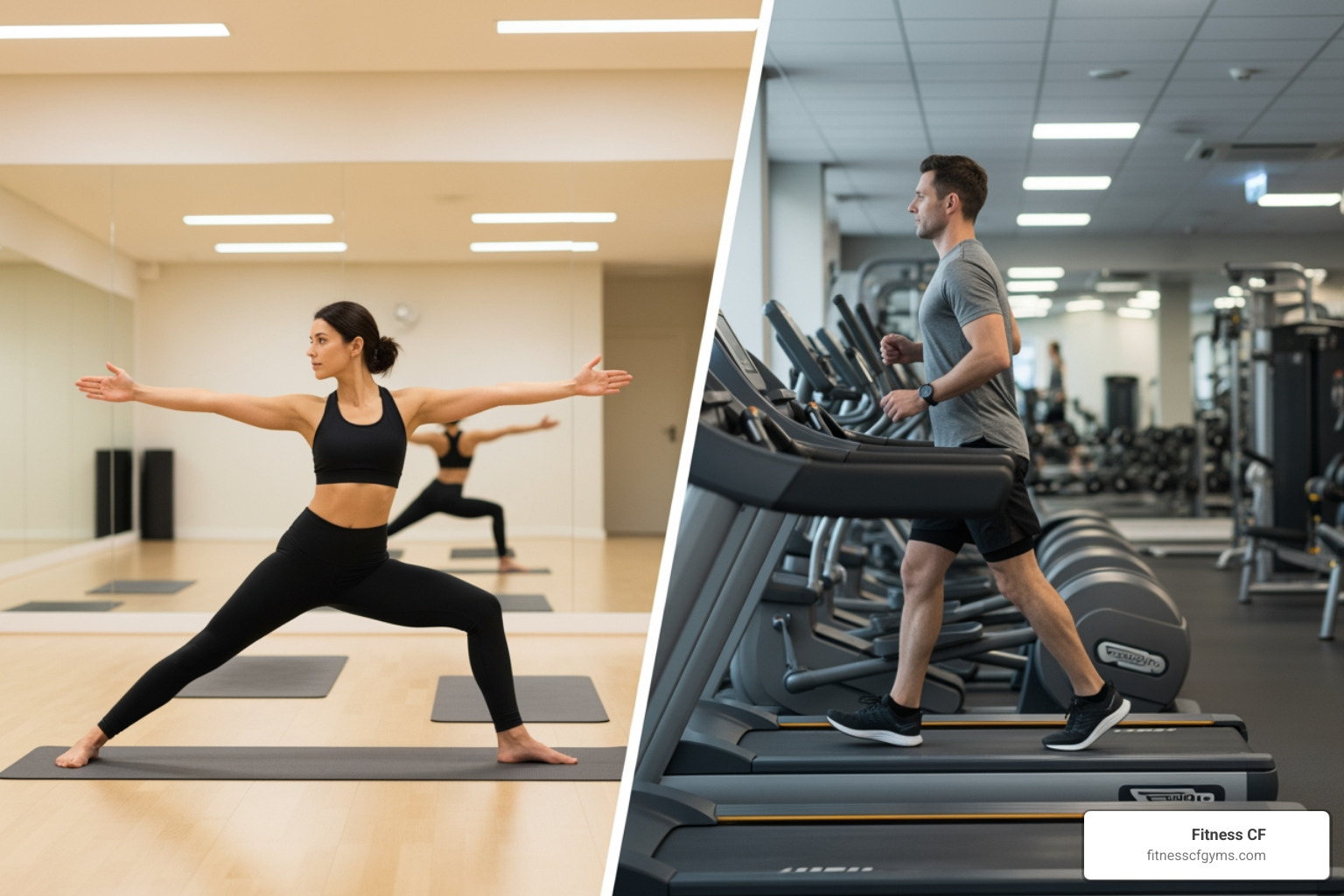
The Power of Strength Training
Here’s something that surprises a lot of people: strength training isn’t just for bodybuilders or athletes. It’s actually one of the most important things you can do for your health, no matter your age or fitness level.
When you lift weights or do resistance exercises, you’re building lean muscle mass. And muscle is metabolically active tissue, which is a fancy way of saying it burns calories even when you’re sitting on the couch watching TV. The more muscle you have, the higher your resting metabolism becomes. This makes it easier to maintain a healthy weight and gives you more energy throughout your day.
But the benefits go way deeper than that. Strength training improves your bone density, which becomes increasingly important as you get older. When you put healthy stress on your bones through resistance exercise, your body responds by making those bones stronger and denser. This is your best defense against osteoporosis and fractures later in life.
Then there’s functional strength—the kind that makes everyday life easier. Carrying groceries up the stairs. Lifting your kids or grandkids. Rearranging furniture. Getting up from a low chair. These daily activities all become simpler and safer when you’ve built a foundation of strength. You’re also protecting your joints and reducing your risk of injury, whether you’re playing sports or just living your normal life.
The Mayo Clinic has done extensive research on this topic, and their findings consistently show that strength training delivers benefits across all age groups. You can read more about the benefits of strength training on their site.
The Cardiovascular Connection
If strength training builds the house, cardiovascular exercise keeps all the systems running. Cardio is anything that gets your heart rate up and keeps it there—running, cycling, swimming, dancing, or even a brisk walk around your neighborhood.
The most obvious benefit is what it does for your heart health. Your heart is a muscle, and like any muscle, it gets stronger when you work it regularly. A stronger heart pumps blood more efficiently, which means it doesn’t have to work as hard to do its job. Over time, this lowers your resting heart rate and blood pressure, dramatically reducing your risk of heart disease, stroke, and other cardiovascular problems.
Cardio also builds endurance, which is your body’s ability to keep going without getting tired. This isn’t just about running marathons—it’s about having the stamina to keep up with your kids at the park, to enjoy a full day of activities without feeling exhausted, or to tackle a busy workday with energy to spare.
When it comes to weight management, cardio is incredibly effective because it burns a significant number of calories during your workout. Combined with strength training and healthy eating, it creates the perfect environment for reaching and maintaining a healthy weight.
But here’s what might be the best part: the mental health benefits. When you do cardio, your brain releases endorphins—those feel-good chemicals that naturally boost your mood. Regular cardiovascular exercise is one of the most powerful tools for stress reduction, helping to ease anxiety and even alleviate symptoms of depression. Many people find that a good cardio session clears their head better than anything else, giving them mental clarity and emotional resilience that carries into the rest of their day.
A flexible mindset lets you experiment with different types of workouts, find what makes you feel your best, and build a balanced routine that truly supports your overall health.
Understanding the Terms of a Flexible Fitness Plan
Freedom works best when you have a clear, personalized plan. Even with a flexible approach, knowing what you’re aiming for—and how you’ll adapt—keeps your progress steady and stress-free.
Think of your plan as a living document. Set goals, track what matters, adjust when life shifts, and keep showing up.
Planning Your Flexible Routine
- Define clear, realistic goals: use simple milestones (e.g., 3 strength sessions per week, 8,000–10,000 steps/day, mobility on off days).
- Schedule your week: pair workouts with existing habits (after coffee, during lunch, after school drop-off). Treat sessions like appointments.
- Balance training: 2–4 strength days, 2–4 cardio days (mix steady and intervals), plus mobility and at least one full rest day.
- Progress gradually: add a little weight, a few reps, or a few minutes over time. Small, steady improvements beat big, sporadic efforts.
- Support recovery: prioritize sleep, hydration, protein, colorful plants, and light movement on easier days.
Adjusting, Resting, and Recovering
- Expect ebbs and flows: reduce intensity during stressful weeks; return to baseline when energy rebounds.
- Use deloads: every 4–8 weeks, cut volume or intensity to let your body adapt.
- Listen to your body: pain signals a need to modify; discomfort from effort is normal, sharp pain is not.
- If you pause, resume smart: start slightly below where you left off and rebuild over 1–2 weeks.
- Keep perspective: consistency over months matters more than perfection this week. Aim for better, not perfect.
If you have medical conditions or are new to exercise, consult a qualified healthcare professional before starting or significantly changing your routine.
Conclusion: Build Sustainable Health on Your Terms
Your health journey should fit your life. A flexible approach—grounded in consistent movement, balanced nutrition, quality sleep, and stress management—makes fitness sustainable and rewarding.
Strength training builds muscle, supports bone density, protects joints, and powers everyday life. Cardio strengthens your heart, boosts endurance, lifts mood, and supports weight management. Mobility and recovery keep you feeling good so you can keep going.
Start where you are. Choose a few actions you can repeat this week, then layer in more as they become habits. With patience and consistency, small steps add up to lasting results—and a healthier, more energized you.