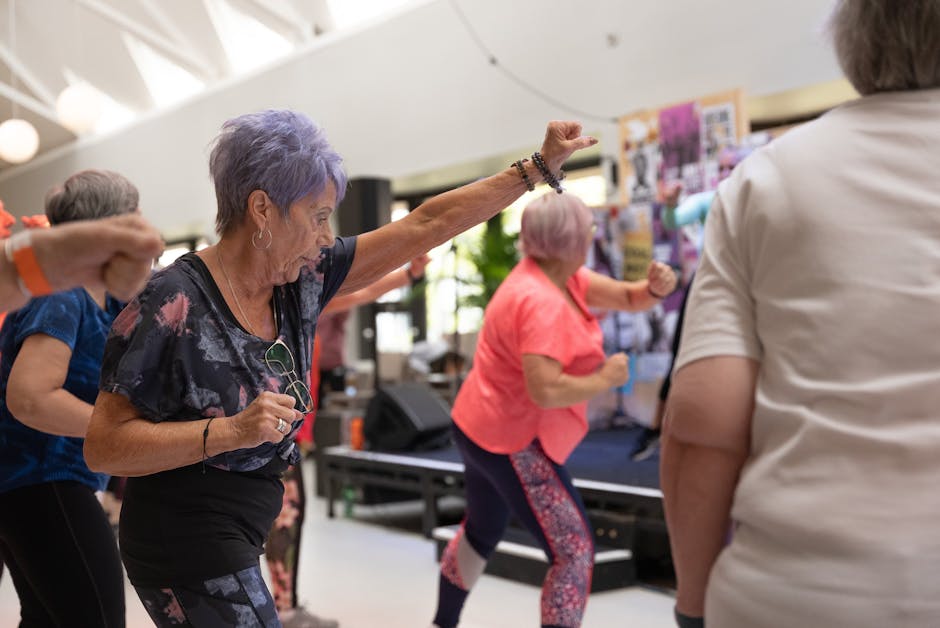
The Golden Age of Fitness: Why Staying Active After 60 is Your Best Move Yet
Exercise classes designed for older adults offer a variety of options for those who want to stay healthy, strong, and socially connected. Here’s a quick guide to what you can find:
Quick Guide to Class Types:
| Class Type | Best For | Common Venues |
|---|---|---|
| Strength & Balance | Fall prevention, mobility, independence | Fitness centers, community programs, dedicated studios |
| Low-Impact Cardio | Heart health, endurance | Pools, dance studios, walking groups |
| Mind-Body Classes | Flexibility, stress relief, posture | Yoga and Pilates studios, community centers |
| Online/Virtual | Convenience, exercising from home | Live-streamed sessions, online video platforms |
| Beginner Programs | Returning to fitness, building confidence | Introductory classes, gentle fitness programs |
One of the greatest health risks for older adults is sedentary living. The World Health Organization confirms what many fitness professionals already know: staying physically active isn’t just about adding years to your life—it’s about adding life to your years.
Regular movement delivers powerful benefits beyond just physical health. It’s proven to boost mental well-being and reduce loneliness. Strength and balance classes enable you to maintain health, mobility, and independence, helping you keep doing what you love for longer. Being active also boosts energy levels and general wellbeing. There are more choices than ever before, whether you prefer in-person classes where you can meet like-minded people or online options that let you exercise from home.
This guide will help you understand the different types of exercise available so you can find the perfect activity for your goals, whether you’re looking to prevent falls, manage a health condition, or simply stay social and active.
The Incredible Health & Social Benefits of Group Fitness
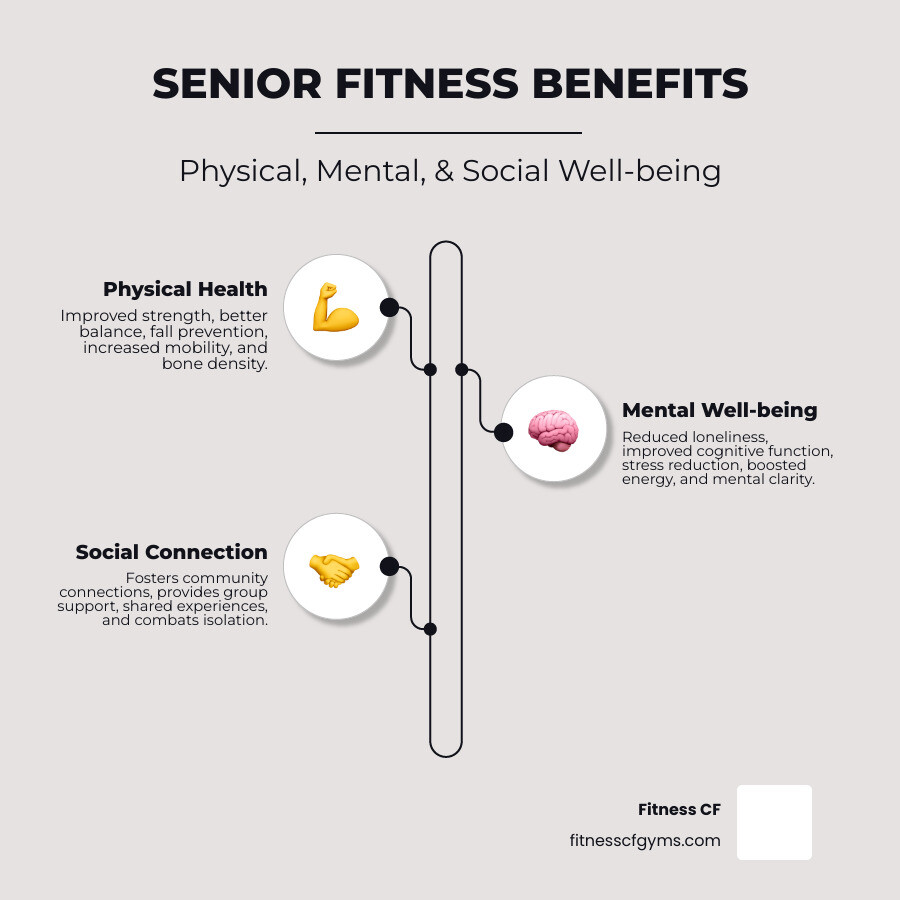
It’s no secret that staying active is good for you, but for those over 60, the benefits of participating in group fitness classes are truly transformative. This means a holistic improvement in your quality of life, touching on everything from your physical capabilities to your mental well-being and social connections.
Physical Health: Stronger Body, Stronger You
Let’s start with the tangible physical advantages. Regular participation in fitness classes, especially those focused on strength and balance, can significantly improve your physical health.
- Improved Strength and Mobility: As we age, muscle mass can naturally decline. Group fitness, particularly classes incorporating light weights or resistance bands, helps to counteract this, building and maintaining crucial muscle strength. This isn’t just about lifting heavier things; it’s about making everyday tasks like carrying groceries or playing with grandchildren feel easier. Increased strength also directly translates to better overall mobility, allowing you to move more freely and confidently.
- Better Balance and Fall Prevention: Falls represent a major threat to the health and independence of older adults. The good news is that falls are often preventable. Classes designed with balance exercises can dramatically reduce your risk. These often include movements that challenge your stability in a safe, controlled environment, helping to improve your proprioception (your body’s sense of where it is in space). This increased stability gives you more confidence in walking and navigating uneven surfaces.
- Increased Bone Density: Weight-bearing exercises and strength training are vital for maintaining bone density, which helps prevent osteoporosis and reduces the risk of fractures.
- Cardiovascular Health: Low-impact cardio options, like water aerobics or dance fitness, are excellent for strengthening your heart and lungs without putting undue stress on your joints. This improves endurance and overall stamina, making you feel more energetic throughout the day.
Mental Well-being: A Clearer Mind, A Happier Spirit
The benefits aren’t just physical. Our mental health flourishes when our bodies are active.
- Reduced Loneliness and Improved Social Connection: One of the most powerful benefits of group fitness classes is the social component. Many people love the camaraderie and friendships formed in class. These programs provide a built-in community and a shared experience that combats isolation and fosters a sense of belonging. These interactions are invaluable for boosting mental well-being.
- Boosted Energy and Mood: Regular physical activity releases endorphins, natural mood lifters that can reduce stress, anxiety, and symptoms of depression. Being active is a great way to boost energy levels and general wellbeing, leaving you feeling more invigorated and positive.
- Cognitive Function: Some programs specifically integrate physical activity with mental stimulation, demonstrating how exercise can support brain health and cognitive function. This is particularly beneficial for those experiencing early symptoms of memory loss.
- Improved Confidence: Mastering new movements, seeing improvements in strength, and engaging with peers all contribute to a significant boost in self-confidence.
To learn more about how staying active supports healthy aging, you can explore general background information on Exercise and Aging, which summarizes how regular movement benefits older adults physically and mentally.
What Types of Fitness Classes Are Best for Over 60s?
You’ll find a wonderful array of options designed to cater to diverse needs and fitness levels. The key is to find classes that are safe, effective, and enjoyable. Here are some of the best types of classes to look for:
Strength & Balance Classes
These classes are the cornerstone of senior fitness because they address critical areas for maintaining independence and preventing injuries.
- Functional Mobility: They focus on exercises that mimic everyday movements, improving your ability to perform daily tasks with ease.
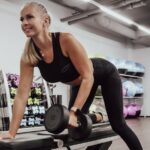
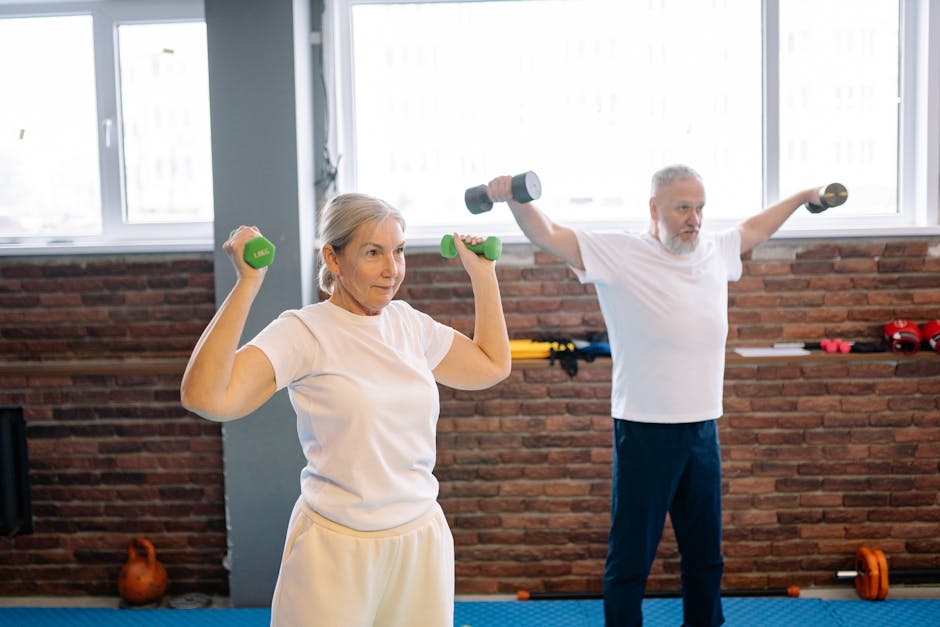
- Muscle Strength and Bone Density: Using resistance bands, light weights, or body weight, these classes help build and maintain muscle mass and improve bone density.
- Fall Prevention Drills: A significant component is dedicated to balance exercises, such as standing on one leg or heel-to-toe walking, to improve stability and reaction time.
- Adaptability: Most classes are highly adaptable, with options for seated exercises or using chairs for support. Low-impact workouts are gentle on joints, as detailed in this Low Impact Workout for Seniors guide.
Low-Impact Cardio & Aerobics
For a healthy heart and improved stamina, low-impact cardio gets your heart rate up without jarring your joints.
- Cardiovascular Health: Consistent cardio workouts strengthen your heart, improve circulation, and increase lung capacity, leading to better endurance.
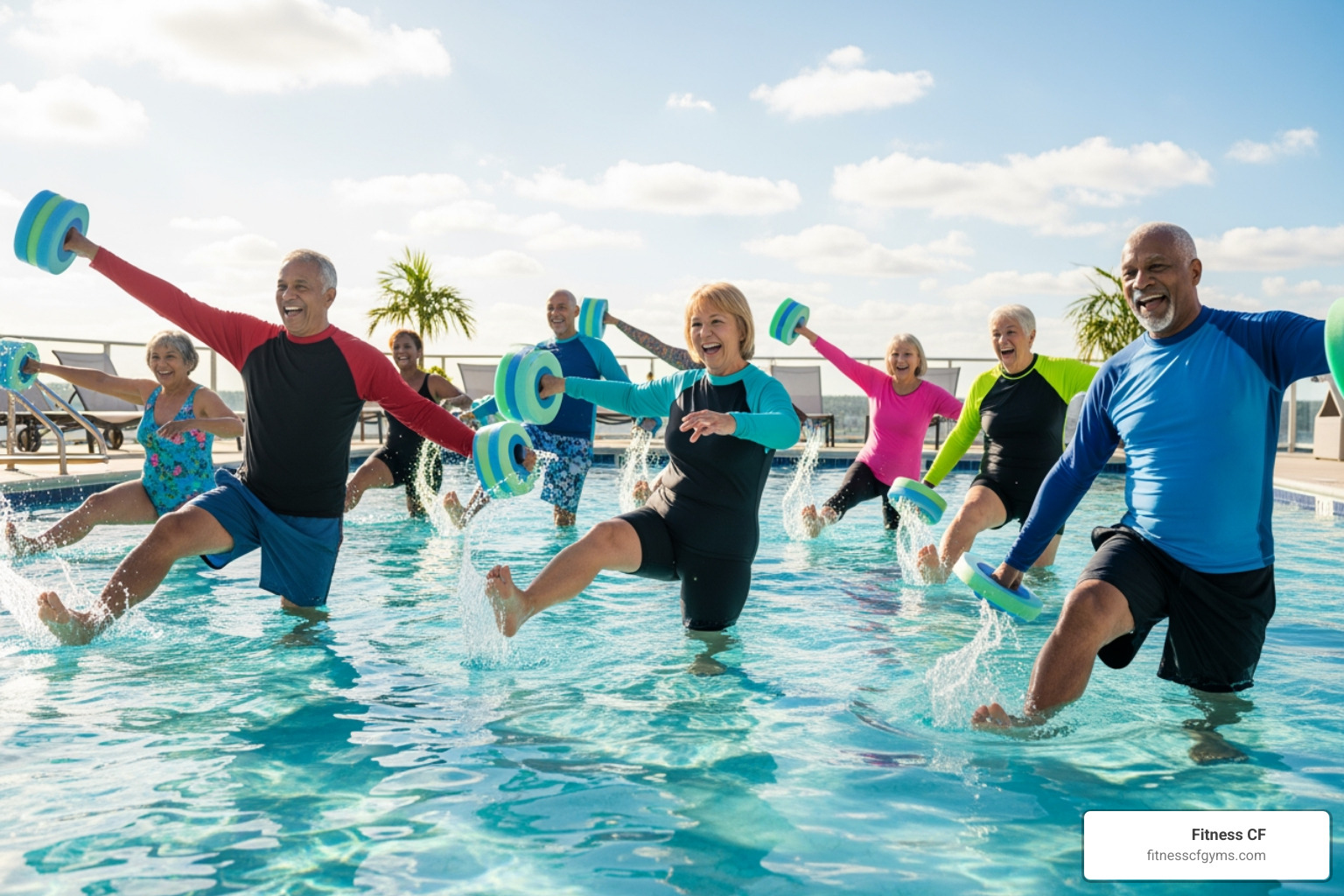
- Water Aerobics: The water’s buoyancy reduces stress on joints while its resistance strengthens muscles, providing a gentle, full-body workout.
- Low-Impact Dance Fitness: Classes like low-impact Zumba offer a fun, rhythmic way to improve cardiovascular health, coordination, and flexibility. This Low Impact Zumba: Seniors Guide dives deeper into this exciting option.
- Joint-Friendly Workouts: These classes are designed to minimize impact, making them ideal for individuals with arthritis or other joint concerns.
Mind, Body & Flexibility Classes
These classes focus on the connection between physical and mental well-being, promoting flexibility, balance, and inner calm.
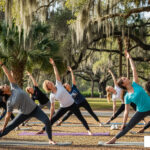
- Yoga: Senior-friendly yoga emphasizes gentle stretching, controlled breathing, and mindful movement to improve flexibility, balance, and strength while reducing stress.
- Tai Chi: Often described as “meditation in motion,” Tai Chi involves slow, flowing movements that are renowned for improving balance, flexibility, and mental focus.
- Pilates: Focusing on core strength, posture, and flexibility, Pilates can be incredibly beneficial for alleviating back pain and improving overall body awareness.
- Stress Reduction and Mindfulness: The emphasis on breath and mindful movement helps calm the nervous system and improve mental clarity.
Introductory & Beginner-Focused Classes
If you’re new to fitness or returning after a break, beginner-focused classes are the perfect starting point.
- Slower Pace and Detailed Instruction: These classes introduce movements gradually, with instructors providing clear explanations and demonstrations.
- Modified Exercises: Instructors are skilled at offering modifications for each exercise, ensuring that everyone can participate safely.
- Building Confidence: Starting with a beginner class allows you to build foundational strength and confidence in a positive and empowering environment.
- No Experience Necessary: These classes are for everyone, whether you’ve never exercised before or are simply getting back into a routine. It’s never too late to start, a philosophy reinforced in this guide on Aging Gracefully: Fitness Tips for Seniors.
Exploring Popular Senior Fitness Programs & Concepts
Beyond general class types, it’s helpful to understand the different approaches and concepts behind senior fitness programs. This can help you find an activity that perfectly matches your needs and goals.
Insurance-Based Fitness Options
Many health and fitness programs are designed for seniors and may be included as a benefit with certain health insurance plans. It’s worth checking with your insurance provider to see if they offer benefits that provide access to fitness opportunities and classes at no additional cost. These programs often offer a diverse range of sessions, from strength and cardio to yoga and water aerobics, both in-person and online, making health and wellness more accessible.
Specialized Programs for Specific Health Needs
Many programs are custom to help seniors manage chronic conditions or address particular health concerns.
- Arthritis-Friendly Exercise: Low-impact activities like water aerobics, gentle yoga, and seated exercises are excellent for individuals with arthritis, as they reduce joint stress while improving flexibility and strength.
- Diabetes and Heart Health Focus: Supervised exercise programs are often designed for individuals with conditions like pre-diabetes or high blood pressure. These programs combine exercise with education to improve quality of life and reduce health risks.
- Osteoporosis Support: Weight-bearing exercises and strength training are crucial for maintaining bone density and supporting skeletal health.
- Cognitive Health Programs: Some unique programs combine physical activity with mental stimulation, which can be beneficial for individuals experiencing early symptoms of memory loss. The integration of physical and mental challenges is a powerful approach to supporting brain health.
- Fall Risk and Movement Disorder Support: You can also find specialized classes that focus on balance and coordination for individuals at high risk of falls or those with conditions that affect movement and stability.
Community-Led & Fun-Focused Initiatives
Some programs emphasize community, fun, and accessibility, often with a strong social component. The philosophy is that staying active should be enjoyable and friendly. Classes often feature exercises that can be done seated or standing, making them ideal for all levels of mobility. The focus is not just on physical activity but also on boosting mental well-being and reducing loneliness through social interaction. Many communities also foster programs where trained volunteers lead physical activity groups, promoting health and injury prevention in an accessible way. For a broader overview of how social interaction and movement support health in later life, you can read about Healthy aging and its emphasis on physical activity and community engagement.
How to Find Fitness Classes for Over 60s Near Me
Finding the perfect fitness class is easier than you might think. With a combination of online tools, local resources, and an understanding of costs, you’ll be well on your way to a more active lifestyle.
Using Online Tools and Local Resources
The internet is your best friend when it comes to locating fitness opportunities.
- Online Search: Use a search engine with phrases like “fitness classes for over 60s near me” or “senior yoga classes.” This can bring up local options from fitness centers, studios, and community organizations.
- Community Organization Websites: Many local community and senior centers offer dedicated fitness programs. Visiting their websites or giving them a call can provide information on schedules, class types, and costs.
Exploring Virtual and Online Class Options
For those who prefer the convenience of exercising from home, online and virtual classes are a fantastic solution.
- Live-Streamed Classes: Many fitness providers offer live-streamed classes via video platforms. These allow you to participate in real-time with an instructor, bringing the group class experience to your living room.
- On-Demand Videos: A wealth of on-demand exercise videos for seniors can be found online. Video-sharing platforms host countless free workouts, from gentle stretching to low-impact cardio. This offers unparalleled flexibility, allowing you to exercise whenever it suits your schedule.
- Benefits of Home Workouts: The convenience and accessibility of online options are huge. You eliminate travel time and can exercise in a familiar environment, which is especially beneficial for those with limited mobility or transportation challenges.
Understanding Costs and Finding Free Options
Cost can be a factor, but many affordable and even free options are available.
- Insurance Programs: Check with your health insurance provider to see if they offer fitness benefits, which may cover memberships or classes at no extra charge.
- Membership Benefits: Joining a fitness center often provides access to a wide range of group fitness classes included in a membership fee.
- Community Fees: While some community center classes might have a small fee, they are generally very affordable.
- Free Trial Passes: Many fitness studios offer free trial passes, allowing you to try out classes and facilities before committing. This is a great way to see what fits best.
- Free Community Programs: Keep an eye out for free initiatives offered by local non-profits or health organizations. To learn more about the value of staying active in retirement, read this article on Fitness for Seniors: The Importance of Joining a Gym During Retirement.
Frequently Asked Questions About Senior Fitness
We understand you might have some questions as you start your fitness journey. Here are answers to some common queries.
How often should a person over 60 exercise?
Consistency is more important than intensity. The World Health Organization (WHO) recommends that adults 65 and older get at least 150 minutes of moderate-intensity aerobic activity or 75 minutes of vigorous-intensity activity each week. They should also perform muscle-strengthening activities involving major muscle groups on 2 or more days a week.
This often translates to:
- Cardio: Aim for 30 minutes of moderate-intensity cardio (like brisk walking or swimming) most days of the week.
- Strength Training: Incorporate strength exercises for all major muscle groups at least twice a week.
- Balance and Flexibility: Integrate balance and flexibility exercises into your routine 2-3 times a week, or even daily.
The most important advice is to listen to your body. Start slowly, gradually increase duration and intensity, and rest when needed. Consistency is key for long-term success and injury prevention.
What should I bring to my first class?
Being prepared can make your first class more comfortable. We recommend bringing:
- Comfortable Clothing: Wear loose-fitting, breathable clothing that allows for a full range of motion.
- Supportive Shoes: Choose athletic shoes with good support and cushioning. For water aerobics, water shoes are a good idea.
- Water Bottle: Staying hydrated is crucial, so bring a full water bottle.
- Small Towel: Useful for wiping away sweat or for extra cushioning.
- Any Required Medications: If you need medications like an inhaler during exercise, keep them accessible.
- A Positive Attitude: Come ready to learn, move, and have fun in a welcoming atmosphere.
Are these classes safe if I have a health condition like arthritis?
Absolutely. Many fitness classes for older adults are designed with health conditions in mind. However, a few key steps are important:
- Consult Your Doctor: Always speak with your physician before starting any new exercise program, especially if you have a pre-existing health condition like arthritis, diabetes, or heart disease.
- Certified Instructors: Look for classes led by instructors who are certified in senior fitness. They are trained to offer modifications and ensure safety.
- Modified Exercises: Good instructors will always offer modifications. If something causes pain, they can show you an easier version or an alternative.
- Communication is Key: Don’t hesitate to communicate with your instructor about your health conditions or any discomfort you experience. They are there to help you exercise safely.
Many programs are specifically structured to support individuals with various health conditions, proving that exercise can be a powerful tool for health management.
Conclusion: Take the First Step to a More Active You
Starting a fitness journey after 60 is one of the best decisions you can make for your overall well-being. As we’ve seen, exercise offers a wealth of benefits, from bolstering your physical health and preventing falls to boosting your mental clarity and enriching your social life. It’s never too late to start, and the options available are more diverse and accessible than ever before.
Remember the power of consistency, the importance of listening to your body, and the joy of moving with others. The right class can help you maintain your independence, keep doing what you love, and forge new friendships along the way.
Find an activity that fits your schedule and goals, and take that first step towards a healthier, happier, and more connected you. Your journey to a more active life starts now.