
Why Picky Eating is More Normal Than You Think
Diet tips for picky eaters are essential knowledge for parents navigating the challenging world of mealtimes with selective children. The good news? You’re not alone, and this phase is completely normal.
Quick Diet Tips for Picky Eaters:
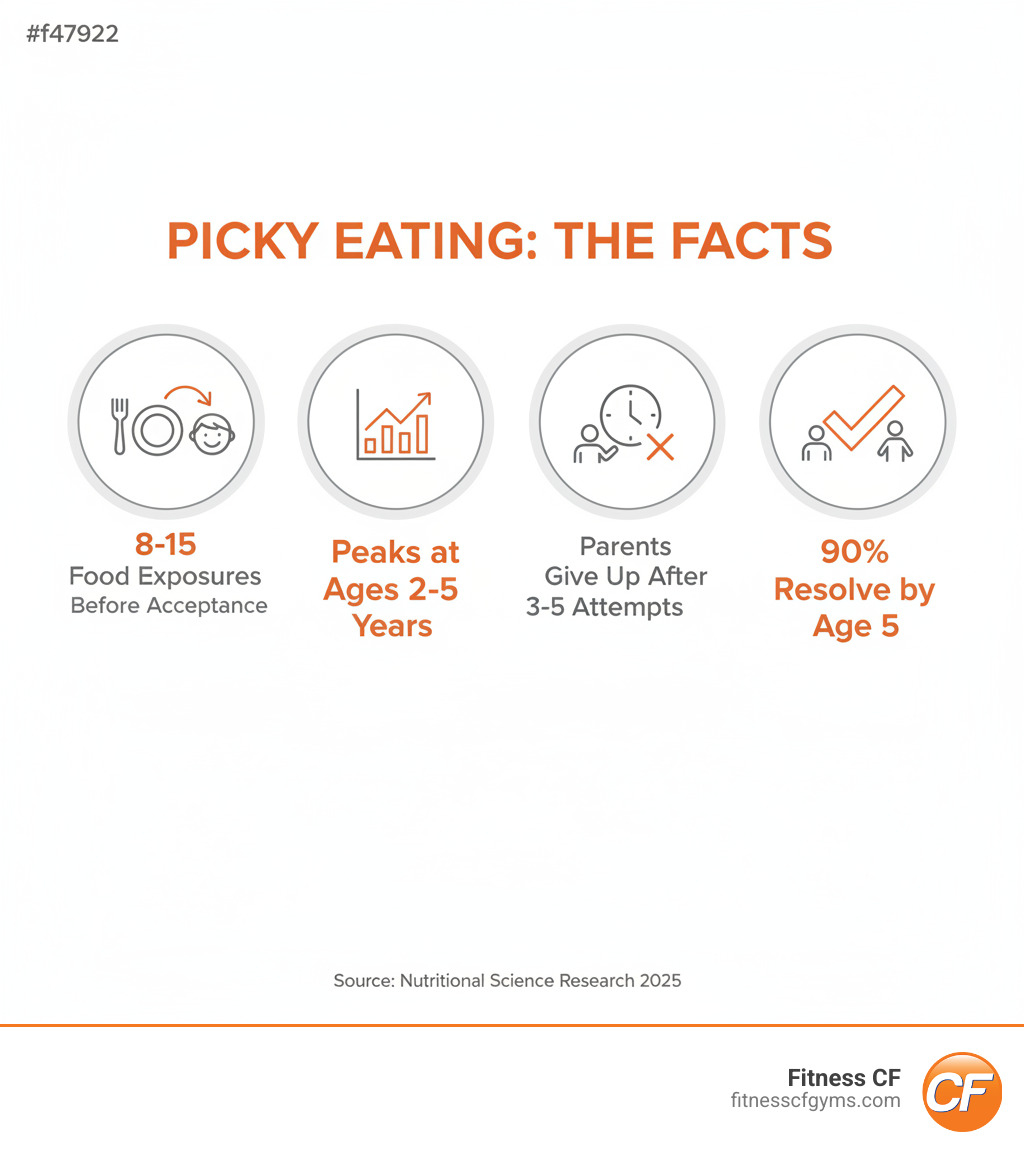
- Offer new foods 8-15 times – Research shows parents typically give up after just 3-5 attempts
- Stick to scheduled meals and snacks – No grazing between designated eating times
- Be a role model – Eat the same foods and show enthusiasm
- Involve kids in cooking – Children are more likely to try foods they help prepare
- Keep mealtimes pressure-free – No bribes, rewards, or forcing
- Trust their appetite – Children naturally regulate their food intake
Picky eating affects children globally from about age 2 to 5 years. This behavior stems from natural developmental changes including slower growth rates after infancy and an instinctive wariness of new foods. While frustrating for parents, these behaviors typically resolve by school age.
The key is understanding your role versus your child’s role. You decide what, when, and where food is served. Your child decides if and how much they eat. This division reduces power struggles and builds lifelong healthy eating habits.
As Pleasant Lewis, owner of Fitness CF with over 40 years in the fitness industry, I’ve seen how proper nutrition and diet tips for picky eaters support overall family wellness and active lifestyles. Creating positive food relationships early sets the foundation for healthy habits that complement an active lifestyle throughout life.
The ‘Why’ and ‘How’: Understanding Picky Eating & Your Role
Ever wonder why your sweet toddler suddenly turned into a food detective, examining every bite like it might contain mysterious ingredients? Understanding the “why” behind picky eating is your first step toward mastering effective diet tips for picky eaters.
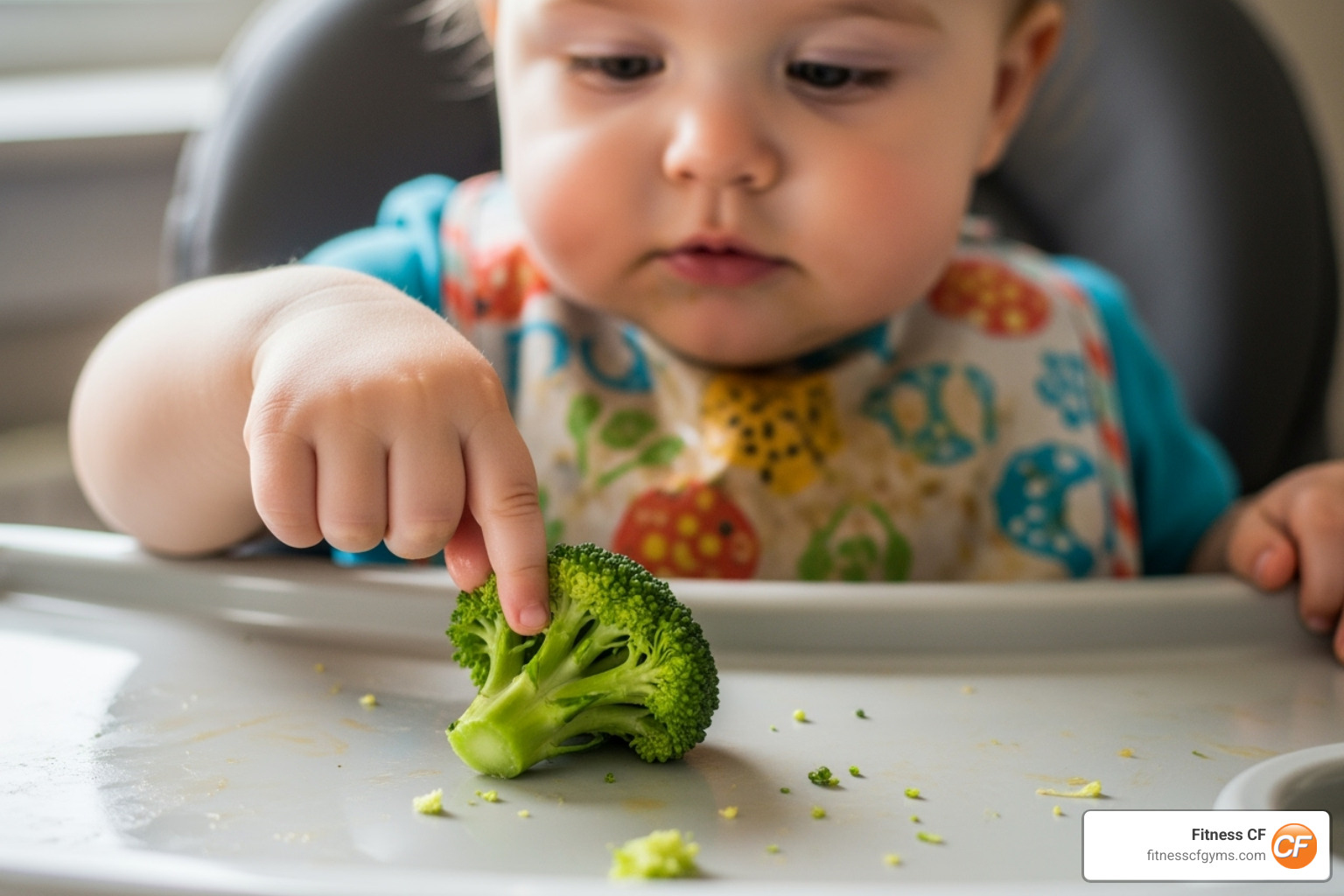
The truth is, your child isn’t being difficult on purpose. Around 18 months, something called developmental neophobia kicks in – basically, your little one develops an instinctive wariness of new foods. Think of it as their built-in safety system, designed to protect them as they become more adventurous and mobile. This natural caution typically lasts until around age 6, so patience becomes your superpower.
Here’s something that might surprise you: after their first birthday, your child’s growth naturally slows down dramatically. While babies triple their weight in year one, toddlers grow at a much gentler pace. This means they simply don’t need as many calories, and their appetite will bounce around like a ping-pong ball. What they devour on Monday might barely get a sniff on Tuesday – and that’s completely normal.
Around age two, your child finds something powerful: their desire for independence. Food becomes one of the few things they can completely control. That rejected dinner? It might not be about the food at all – it could be their way of saying “I’m my own person!” This is where many well-meaning parents accidentally start food battles.
Some children also experience heightened sensory sensitivity. What feels perfectly normal to us might feel overwhelming to them. That “slightly bumpy” texture of strawberry seeds could feel like sandpaper in their mouth. The smell of broccoli that you barely notice might seem incredibly strong to their sensitive nose. This texture aversion is real and valid – not just pickiness for the sake of being difficult.
So how do you steer all this complexity? Enter the game-changing Division of Responsibility – a framework that clearly defines your job versus your child’s job at mealtimes.
Your parent role covers the what, when, and where of eating. You decide what healthy foods to serve, when meals and snacks happen, and where eating takes place (hopefully at the table, not while chasing them around the house!). You’re the meal planner, the grocery shopper, the food preparer.
Your child’s role is simpler but equally important: they decide if and how much they’ll eat from what you’ve offered. They’re in charge of listening to their own hunger and fullness signals – something they’re naturally good at if we don’t interfere.
This approach eliminates the need for bribing, pleading, or turning into a short-order cook. It reduces power struggles because everyone knows their job. You provide nutritious options consistently, and they decide what works for their body that day.
The beauty of this system is that it builds trust. Your child learns to trust their internal cues while you trust their ability to self-regulate. It creates calm, pleasant mealtimes where trying new foods feels safe rather than pressured. For additional guidance on implementing these strategies, the CDC offers excellent Tips to Help Your Picky Eater.
Just like building strength through consistent workouts, developing healthy eating habits takes time and patience. The goal isn’t perfection at every meal – it’s creating a foundation for lifelong wellness that supports an active, healthy lifestyle for your entire family.
10 Practical Diet Tips for Picky Eaters
Navigating picky eating doesn’t have to feel like an uphill battle. With the right approach and these proven diet tips for picky eaters, we can transform mealtimes from stressful standoffs into enjoyable family moments that build lifelong healthy habits.
1. Establish a Reliable Routine
Think of meal schedules as your secret weapon in the picky eating toolkit. When we offer scheduled meals and scheduled snacks at the same times each day, something magical happens – children’s bodies naturally begin to expect food at these times, creating genuine hunger.
This consistent timing works because it allows their natural appetite regulation to kick in. If your little one refuses breakfast, don’t panic or offer alternatives. Simply wait until the scheduled snack time. They’ll often make up for missed calories at the next eating opportunity.
The key here is no grazing between these designated times. Those crackers or juice boxes might seem harmless, but they can completely derail appetite for the next meal. Instead, offer water between meals to keep them hydrated without interfering with their natural hunger cues.
When children come to the table genuinely hungry, they’re much more willing to try new foods or eat what’s offered. It’s like giving their natural appetite regulation system the space it needs to work properly.
2. Be a Healthy Role Model
Children are incredible observers, watching our every move – especially around food. One of the most powerful diet tips for picky eaters happens when we simply eat together as a family and show genuine enthusiasm for healthy foods.
When parents eat the same foods we’re offering our children, we send a clear message that these foods are worthy of excitement. Instead of saying “you need to eat your vegetables,” try “mmm, these carrots are so sweet and crunchy!” This positive food talk focuses on the sensory experience rather than creating pressure.
This approach extends beyond individual meals to our overall family health and active lifestyle. When children see us choosing to go for walks, play outside, or engage in physical activities we enjoy, they learn that taking care of our bodies is a natural part of life, not a chore.
Building these habits creates a foundation where nutritious eating and staying active feel normal and enjoyable. For families looking to deepen their understanding of how nutrition supports an active lifestyle, exploring more about nutrition can provide valuable insights.
3. Involve Kids in the Kitchen
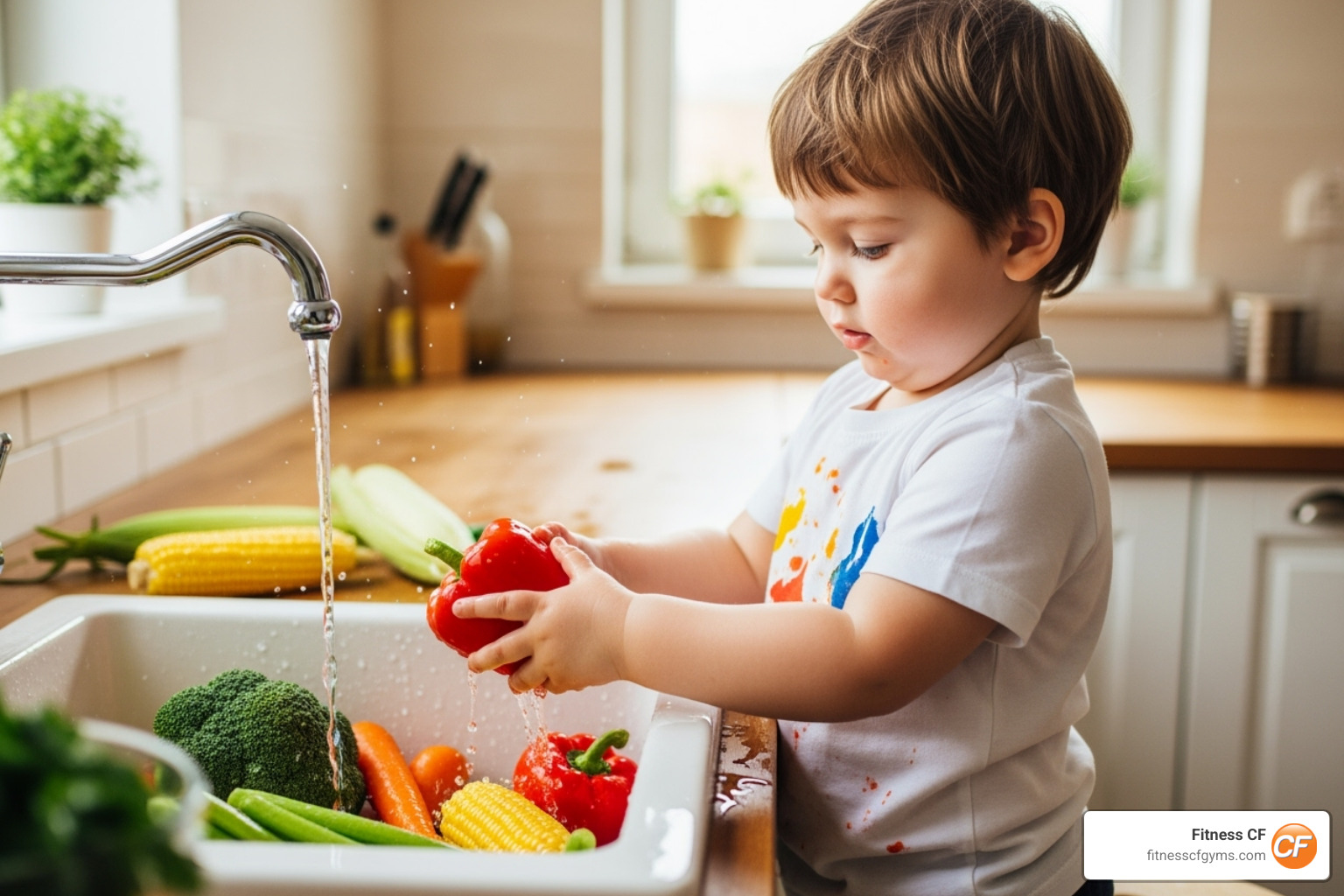
There’s something almost magical about watching a child taste a vegetable they just helped prepare. Involving kids in the kitchen transforms food from something that appears on their plate to something they helped create.
Start with grocery shopping adventures where they can pick out a new fruit or vegetable to try. Let them be part of meal planning by choosing one healthy meal each week. Even toddlers can handle simple cooking tasks like washing produce in the sink or stirring ingredients in a bowl.
As they get older, they can tear lettuce, mash soft foods, or help set the table. This hands-on involvement builds excitement and ownership over meals. Instead of being suspicious of new foods, they become curious explorers eager to taste their creations.
The Canada Health website offers wonderful inspiration for families interested in making meals together, showing how cooking can become quality family time that naturally encourages healthy eating.
4. Master the Art of Introducing New Foods
Patience might be the most important ingredient when introducing new foods. Research shows children typically need 15+ tries before accepting something new, yet most parents give up after just three to five attempts.
The secret lies in repeated exposure without pressure. Offer small portions – even a pea-sized amount – of new foods alongside familiar favorites. The goal isn’t consumption; it’s simply getting them comfortable with the food’s presence on their plate.
Try food pairing by serving new vegetables next to their favorite pasta or rice. Experiment with different preparations – if they reject steamed broccoli, try roasting vs. steaming. Roasting brings out natural sweetness and creates different textures that might appeal to their developing palates.
There’s no pressure to actually eat the new food. Sometimes children need to see, smell, and even touch foods multiple times before they’re ready to taste them. This gentle approach respects their natural development while keeping the door open for future acceptance.
5. Make Mealtimes Positive and Pressure-Free
Creating a calm, enjoyable mealtime atmosphere is one of the most effective diet tips for picky eaters. This means avoiding no bribes, no rewards, and no punishments around food. While “eat your vegetables to get dessert” might work short-term, it actually teaches children that vegetables are unpleasant and dessert is the real prize.
Keep mealtimes distraction-free by turning off screens and putting away toys. This helps children focus on their food and tune into their hunger and fullness signals. Engage in pleasant conversation about their day, upcoming activities, or anything that keeps the mood light and connected.
Set a 20-30 minute limit for meals. Children typically consume most of their calories in the first 20 minutes, and extending mealtime beyond 30 minutes often leads to playing with food rather than eating. When time’s up, simply clear the plate without drama. This teaches them that meals have natural beginnings and endings.
6. Get Creative with Presentation
Sometimes the simplest changes make the biggest difference. Making food visually appealing can turn hesitant eaters into curious tasters. Use cookie cutters to create fun shapes from sandwiches, pancakes, or even sliced fruits and vegetables.
Accept colorful foods by creating rainbow plates with different colored fruits and vegetables. Children are naturally drawn to bright, varied colors, and this approach ensures they’re getting diverse nutrients too.
Try deconstructed meals for children who don’t like foods touching each other. Serve taco ingredients in separate small bowls, letting them build their own creations. Create simple food art by arranging vegetables into faces or animals, or thread colorful fruits onto skewers to make appealing fruit kebabs.
These creative approaches remove pressure while making food feel like play rather than work.
7. Understand the Power of an Active Lifestyle
Physical activity plays a crucial role in natural appetite regulation. When children burn energy through movement, they develop genuine hunger – and hungry children are much more willing to try new foods or eat what’s offered.
Encourage regular movement through family walks, playing outside, or engaging in fun cardio activities together. This doesn’t need to be structured exercise; dancing in the living room, playing tag in the backyard, or walking to the park all count.
This holistic health approach recognizes that nutrition and physical activity work together to support overall wellness. Active children not only have better appetites but also sleep better, have more stable moods, and develop positive associations with taking care of their bodies.
Understanding the role of nutrition in fitness can help families see how proper fueling supports an active lifestyle, creating positive cycles of healthy choices.
8. Smart Swaps and Nutrient Boosts
Sometimes we need creative strategies to ensure picky eaters get essential nutrients. Hiding vegetables in familiar foods can be incredibly effective – try adding pureed vegetables to tomato sauces, soups, or even baked goods like zucchini bread.
Smoothies are perfect vehicles for sneaking in leafy greens like spinach or kale alongside sweet fruits. The fruit flavors typically mask any vegetable taste while providing concentrated nutrition.
Gradually introduce whole grains by mixing them with familiar white versions, slowly increasing the ratio over time. Focus on nutrient-dense foods so that whatever they do eat provides maximum nutritional value.
For families concerned about nutritional gaps, resources like debunking common nutrition myths can help separate fact from fiction when making food choices.
9. Know the Do’s and Don’ts: A Quick Guide for parents of picky eaters
Having clear guidelines helps parents stay consistent and confident during challenging mealtimes. Stay calm and remember that picky eating is typically a normal phase. Offer variety regularly, even if foods get rejected initially. Respect hunger and fullness cues, trusting that children can self-regulate their intake. Be a role model by eating healthy foods yourself with genuine enthusiasm.
On the flip side, avoid force-feeding, which creates negative food associations. Don’t bribe or use food as rewards and punishments. Resist making separate meals for picky eaters, as this reinforces selective eating. Keep your own frustration in check – children pick up on our emotions around food.
| Do’s | Don’ts |
|---|---|
| Stay calm – Remember this is normal | Force-feed – Creates negative associations |
| Offer variety – Present healthy options regularly | Bribe – Avoid using food as reward/punishment |
| Respect hunger – Trust their internal cues | Make separate meals – Reinforces picky habits |
| Be a role model – Eat healthy foods enthusiastically | Show frustration – Keep mealtimes positive |
10. Trust Their Tummy
Perhaps the most liberating of all diet tips for picky eaters is learning to trust children’s innate hunger cues and fullness cues. Children are born with remarkable self-regulation abilities – they know when they’re hungry and when they’ve had enough.
This means we don’t need to enforce the “clean plate” rule. When children say they’re full, we can trust them, even if they’ve eaten what seems like a tiny amount. Their appetite variation from day to day is completely normal, influenced by growth spurts, activity levels, and even emotions.
By respecting their internal signals, we help them maintain this natural ability throughout life. Children who are allowed to self-regulate their food intake are more likely to maintain healthy weights and develop positive relationships with food as they grow.
Trusting their tummy also means accepting that some days they’ll eat like tiny lumberjacks, and other days they’ll survive on what seems like air and sunshine. Both are normal, and over time, their intake balances out perfectly.
When to Seek Professional Help
Most picky eating is just a normal part of growing up, but sometimes we need to recognize when it’s time to get extra support. As parents, we know our children best, and trusting our instincts about when something doesn’t feel right is important.
Weight loss or poor growth is one of the clearest signs that picky eating has moved beyond typical childhood behavior. If your little one is consistently losing weight, not gaining appropriately, or dropping off their usual growth curve, this needs immediate attention. Children should generally be growing steadily, even if their eating seems erratic day to day.
Some children experience choking or gagging frequently, especially with certain textures. While occasional gagging when trying new foods can be normal, persistent difficulty swallowing or frequent choking episodes may indicate underlying medical or sensory processing issues that require professional evaluation.
Extreme distress around food goes far beyond the usual mealtime protests. If your child experiences intense anxiety, panic, or severe tantrums specifically related to eating or being around certain foods, this level of distress isn’t typical pickiness and deserves professional attention.

When children start avoiding entire food groups completely, nutritional concerns become real. If your child won’t touch any fruits, vegetables, or protein sources, their body might not be getting essential nutrients needed for healthy development. Similarly, if they suddenly develop strong aversions to foods they previously enjoyed, or if their diet includes fewer than 20 different foods total, professional guidance can help.
Consulting a pediatrician should always be your first step when concerns arise. They can rule out medical conditions that might be contributing to eating difficulties and assess whether your child’s growth and development are on track. Your pediatrician might recommend working with a registered dietitian who specializes in children’s nutrition, or refer you to a feeding therapist who can address behavioral and sensory aspects of eating.
These professionals can provide personalized diet tips for picky eaters that go beyond general advice, helping identify specific sensory sensitivities, addressing behavioral challenges, and ensuring your child receives adequate nutrition for their active, growing body. The CDC offers helpful resources on Picky Eaters and What to Do that can guide you in making these decisions.
Seeking help isn’t admitting failure as a parent. It’s ensuring your child gets the support they need to develop healthy eating habits that will fuel their active lifestyle for years to come.
Frequently Asked Questions
How many times do I really need to offer a new food?
This is hands down the most common question we hear from exhausted parents! Here’s the truth that might surprise you: research shows it can take anywhere from 8 to 15 times for a child to accept a new food. Some studies even push that number up to 20 exposures before a toddler’s taste buds truly warm up to something new.
We know this requires immense patience, especially when most parents throw in the towel after just 3 to 5 attempts. But here’s what counts as an “exposure” – it doesn’t have to be a full bite every time. Simply smelling the food, touching it with their finger, or even just having it sit on their plate while they eat other things all count toward those crucial exposures.
That normal rejection you’re seeing? It’s just part of the process, not a personal defeat. Each “no thank you” is actually bringing you one step closer to that magical “yes” moment.
Should I make a separate meal for my picky eater?
In most cases, absolutely not. This is one of the most important diet tips for picky eaters we can share – avoid becoming a “short-order cook” at all costs. When we make separate meals for picky children, we’re actually reinforcing their selective eating habits. It creates a power dynamic where they learn they can dictate what’s served, and trust us, that’s a slippery slope.
Instead, we strongly recommend sticking to one family meal for everyone. To make this transition smoother, always include at least one “safe” food that you know your child enjoys alongside the family meal. This ensures they won’t go hungry, even if they choose not to try the new components.
The beautiful thing about this approach? It avoids reinforcing picky habits while still respecting your child’s autonomy. Plus, they might just surprise you and sneak a bite of what everyone else is enjoying when they see the whole family digging in.
What are the most effective diet tips for picky eaters who refuse vegetables?
Ah, vegetables – the ultimate battleground for most picky eaters! But don’t worry, we’ve got some tried-and-true strategies that actually work.
Role modeling is absolutely crucial here. When children see us genuinely enjoying our vegetables and talking about them positively, they’re much more likely to give them a chance. Make a big deal about how crunchy those carrots are or how colorful the bell peppers look.
Involving them in prep work is pure magic. Let them wash the vegetables, tear lettuce leaves, or help stir them into dishes. There’s something about having their hands in the process that makes children far more curious about tasting their creations.
Don’t underestimate creative presentation either. Cut vegetables into fun shapes with cookie cutters, arrange them into silly faces on the plate, or offer a rainbow of colors that naturally appeals to their visual senses.
For the more resistant eaters, try adding vegetables to sauces and smoothies. Puree cooked vegetables into pasta sauces, blend spinach into fruit smoothies, or sneak pureed cauliflower into mac and cheese. They’re getting the nutrition without the visual resistance.
Most importantly, stick with repeated, no-pressure exposure. Keep offering small portions of various vegetables prepared in different ways – steamed one day, roasted the next, raw with dip another time. No pressure to eat them, just consistent, patient exposure. It might take many tries, but consistency truly pays off in the long run.
Conclusion: Building a Foundation for Lifelong Health
The journey through picky eating isn’t just about getting vegetables on the plate—it’s about building something much bigger. When we accept these diet tips for picky eaters with patience and consistency, we’re laying the groundwork for our children’s lifelong relationship with food and health.
Think about it: every time we stay calm during a mealtime meltdown, we’re teaching our kids that food doesn’t have to be a battlefield. Every time we offer that rejected broccoli for the tenth time without pressure, we’re showing them that trying new things is safe. These moments, as challenging as they feel in the thick of it, are actually building a positive relationship with food that will serve them well into adulthood.
But the benefits stretch far beyond the dinner table. Children who learn to listen to their hunger cues and appreciate a variety of foods naturally develop a better understanding of how nutrition fuels their bodies. This awareness becomes the foundation for overall family wellness and an appreciation for the connection between what we eat and how we feel.
When we model enthusiastic eating alongside regular physical activity, we’re showing our children that health is about balance and joy, not restriction and rules. A child who grows up seeing their parents enjoy both nutritious meals and active movement learns that healthy habits aren’t chores—they’re part of a vibrant, energetic life.
The beauty of this approach is how it ripples through the whole family. As we implement these strategies, we often find ourselves becoming more mindful about our own eating patterns and lifestyle choices. Leading by example becomes natural when we’re all working toward the same goal of feeling our best.
For parents who want to strengthen their own foundation of health and energy, exploring options like personal training can provide the guidance and support needed to model that active lifestyle. After all, when we feel strong and energetic, we’re better equipped to handle the marathon of parenting—including those longer-than-expected mealtimes with our budding food explorers.
Every small step counts. Today’s picky eater often becomes tomorrow’s adventurous eater, and the patience you show now is an investment in their future health and happiness.