Kickstart Your Health: Your 30 Day Weight Loss Workout Plan
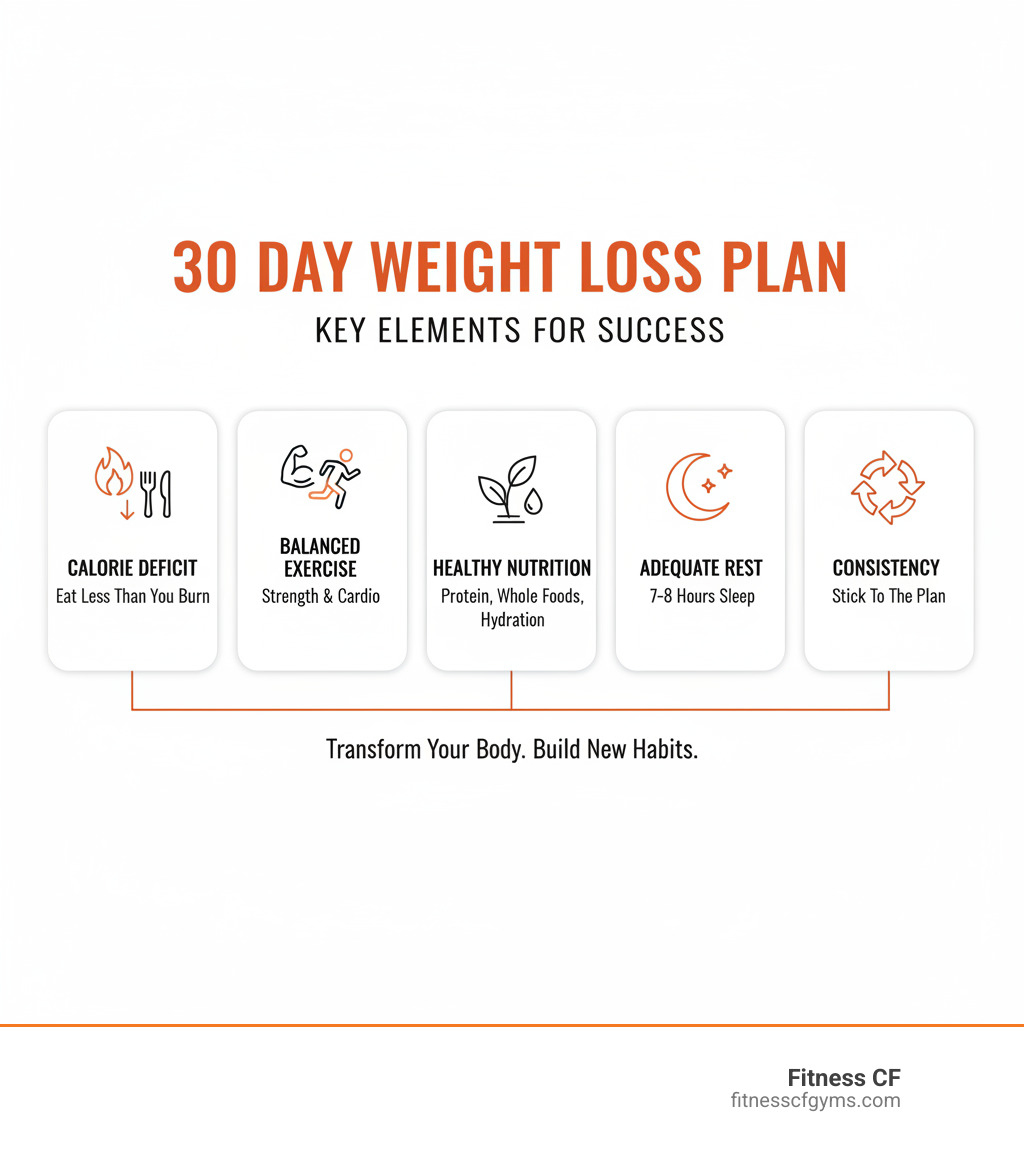
Starting on a 30 day weight loss workout plan can feel like a big step. Many people are looking for a way to quickly jumpstart their fitness journey. If you want to lose weight in 30 days, here are the core elements to focus on:
- Calorie Deficit: Consume fewer calories than your body burns daily.
- Balanced Exercise: Combine strength training (3-4 times a week) and cardio (3-5 times a week).
- Nutrient-Rich Diet: Prioritize protein, whole foods, fruits, and vegetables.
- Adequate Hydration: Drink 2-3 liters of water daily.
- Quality Sleep: Aim for 7-8 hours of sleep each night.
- Consistency: Stick to your plan most days, allowing for active recovery.
This approach combines fat-burning exercises, metabolism-boosting routines, and sustainable habits. It helps you shed pounds efficiently without extreme diets or unrealistic expectations. You can expect results like 5-10 lbs of fat loss, increased energy, and better muscle definition. Consistency, not perfection, is your key to success.
I’m Pleasant Lewis. With over 40 years in the fitness industry, I’ve seen countless individuals transform their health, making me an expert in developing effective strategies like a 30 day weight loss workout plan. This guide will help you create a lasting change.
The Science-Backed Principles of a 30-Day Change
Ready to really make a change with your 30 day weight loss workout plan? It’s super helpful to peek behind the curtain and understand why certain things work for weight loss. It’s not just about hitting the gym; it’s about creating a whole environment where your body can truly thrive.
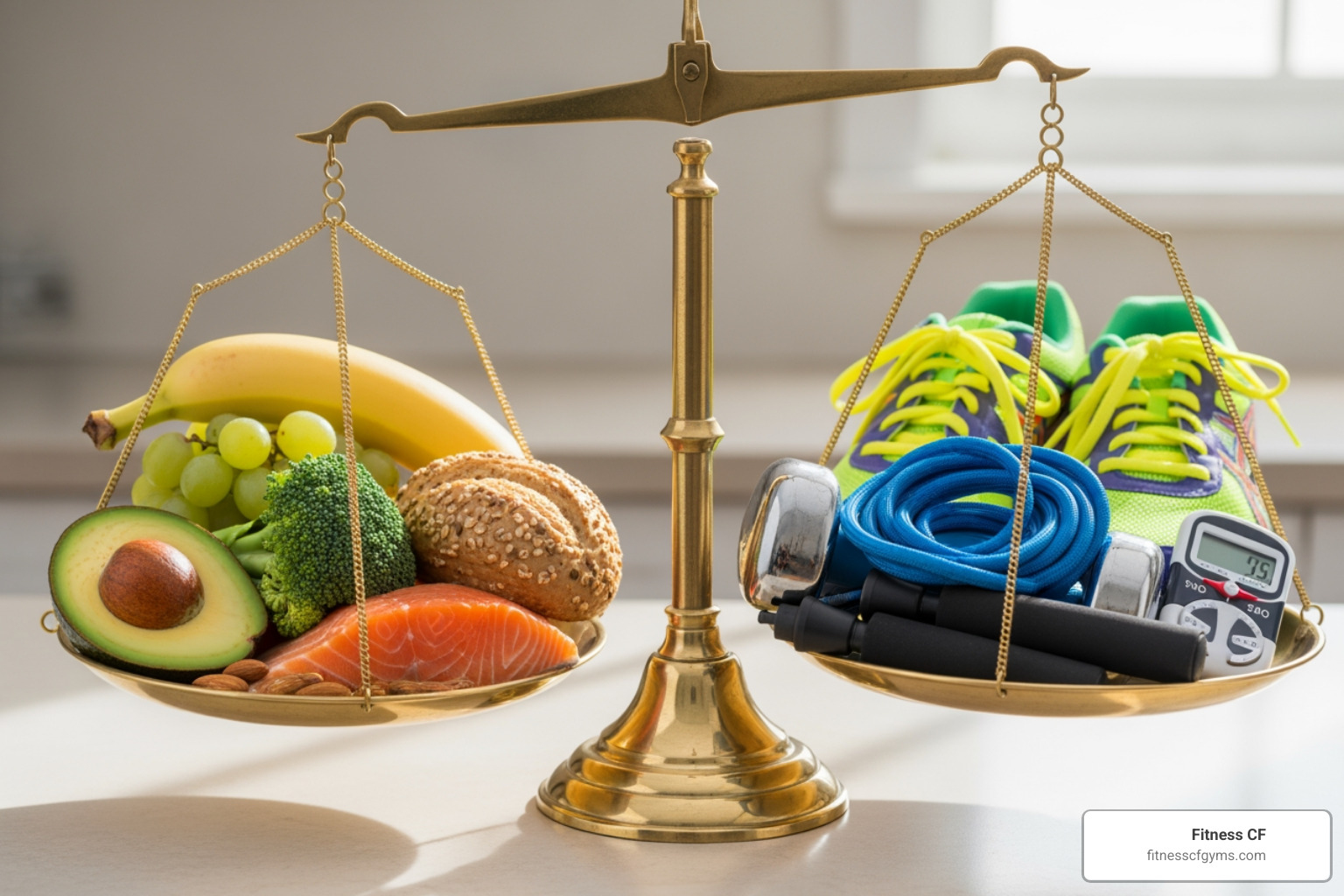
At the heart of weight loss is a calorie deficit: consuming fewer calories than your body burns. This prompts your body to use stored fat for energy. A 500-calorie daily deficit is a healthy, sustainable goal, leading to about 1 pound of fat loss per week. Consistent effort leads to significant health improvements, especially if you’re starting at a higher weight. You can explore the science behind a 500-calorie daily deficit.
To figure out your perfect calorie goal, you first need to know your Total Daily Energy Expenditure (TDEE). This might sound a bit technical, but it’s just the total number of calories your body burns in a day. It includes everything from simply existing (your Basal Metabolic Rate or BMR) to all your daily activities. Once you know your TDEE, you can easily subtract 500 calories to find your sweet spot for daily intake to encourage weight loss.
When it comes to exercise, especially strength training, a key principle is Progressive Overload. Ever heard the saying, “what doesn’t challenge you, doesn’t change you”? That’s progressive overload in a nutshell! It means you gradually increase the demands you place on your muscles over time. This could be by lifting slightly heavier weights, doing more repetitions, or making your workouts a bit more intense. This continuous challenge is what builds strength, carves out muscle definition, and keeps your metabolism fired up, making your 30 day weight loss workout plan even more effective.
But our bodies are wonderfully complex, and it’s not just about calories and exercise. Holistic Health plays a huge role. Factors like getting enough sleep and managing stress significantly impact your ability to lose weight and keep it off. For instance, adequate sleep is absolutely vital. Research suggests that regular sleep patterns don’t just help you lose weight; they also help you maintain a healthy weight over time. When you’re well-rested (aim for 7-8 hours per night!), your hormones are balanced, your metabolism works its best, and you have the energy and willpower to stick to your plan.
On the flip side, chronic stress can throw a wrench in your weight loss efforts. It can lead to higher levels of cortisol, a stress hormone that can hinder weight loss and even encourage your body to store more fat. So, taking time for stress management – whether it’s through yoga, meditation, deep breathing, or simply enjoying a quiet moment – is an often-overlooked but incredibly powerful part of a successful weight loss journey.
Your Complete 30 Day Weight Loss Workout Plan
Ready to dive into action? Our 30 day weight loss workout plan is crafted to be a comprehensive guide for your fitness journey. We’ll blend strength training, cardio, and active recovery, all designed to boost fat burning, build lean muscle, and boost your overall health. Consistency is your best friend here, so aim for about five workout days and two days dedicated to active recovery or full rest each week. This plan is a fantastic starting point, but always listen to your body and adjust as you go!
Here’s a snapshot of what your four weeks could look like. You’ll notice the intensity and focus shift slightly as you get stronger and fitter.
| Week | Monday (Strength) | Tuesday (Cardio/HIIT) | Wednesday (Strength) | Thursday (Cardio/LISS) | Friday (Full Body/HIIT) | Saturday (Active Recovery) | Sunday (Rest) |
|---|---|---|---|---|---|---|---|
| Week 1 | Full Body Strength (3 sets x 12 reps) | 20-30 min LISS Cardio (Brisk walk/jog) | Full Body Strength (3 sets x 12 reps) | 20-30 min LISS Cardio (Cycling/Swimming) | 15-20 min Beginner HIIT (e.g., 30s work/30s rest x 8 rounds) | Yoga/Stretching/Light Walk | Full Rest |
| Week 2 | Upper Body Strength (3 sets x 12 reps) | 20-25 min HIIT (e.g., Tabata: 20s max/10s rest x 8 rounds) | Lower Body Strength (3 sets x 12 reps) | 30-40 min LISS Cardio (Brisk walk/jog) | Full Body Strength (3 sets x 10 reps) | Yoga/Stretching/Light Walk | Full Rest |
| Week 3 | Full Body Strength (3 sets x 10 reps) | 25-30 min HIIT (Increased rounds/intensity) | Upper Body Strength (3 sets x 10 reps) | 30-40 min LISS Cardio (Cycling/Swimming) | Lower Body Strength (3 sets x 10 reps) | Yoga/Stretching/Light Walk | Full Rest |
| Week 4 | Full Body Strength (3 sets x 8-10 reps) | 25-30 min HIIT (Advanced Tabata/Sprints) | Upper Body Strength (3 sets x 8-10 reps) | 40-50 min LISS Cardio (Brisk walk/jog) | Lower Body Strength (3 sets x 8-10 reps) | Yoga/Stretching/Light Walk | Full Rest |
The Most Effective Exercises for Your Change
To get the most out of our time and truly see changes, we’ll focus on a mix of exercises, each bringing its own special benefits to your weight loss journey and overall fitness. Exercise plays a huge role in creating that calorie deficit we talked about and building muscle, which gives your metabolism a nice boost. Want to learn more about how exercise helps? You can read about the role of exercise in weight loss.
First up, Strength Training is absolutely essential. Building muscle isn’t just for looking good; it actually revs up your metabolism, meaning your body burns more calories even when you’re just resting! We’ll concentrate on compound movements – exercises that work several muscle groups at once. Think powerful moves like squats, deadlifts, and push-ups. These movements also create something called an “afterburn effect” (EPOC), where your body keeps burning extra calories long after you’ve finished your workout. We’ll aim for 3-4 strength sessions weekly, gradually increasing the challenge as you get stronger.
Next, let’s talk about High-Intensity Interval Training (HIIT). This is where you push yourself hard for short bursts, then take brief recovery periods. Imagine sprinting for 30 seconds, then resting for 30 seconds, or trying a Tabata workout (20 seconds of max effort, 10 seconds rest, repeated eight times). HIIT is fantastic for burning a lot of calories in a short amount of time and gives your metabolism a serious kick!
Then there’s Low-Intensity Steady-State (LISS) Cardio. This includes activities like a brisk walk, a gentle jog, cycling, or swimming. LISS cardio is wonderful for burning calories and improving your heart health without pushing your body too hard. It’s perfect for daily calorie expenditure and can be done on active recovery days or as a longer, steady workout.
Finally, don’t ever skip Active Recovery & Mobility! These are crucial for keeping you healthy and moving well. Activities like stretching, yoga, or foam rolling help prevent injuries, improve how flexible you are, and aid your muscles in recovering. Even a light walk counts here, helping your blood flow and burning a few extra calories without adding stress.
How to Adapt this 30 day weight loss workout plan for Beginners
If you’re just starting, a 30 day weight loss workout plan can feel overwhelming. Don’t worry; this plan is flexible and can be adjusted to your fitness level. The most important thing is to start where you are and be consistent.
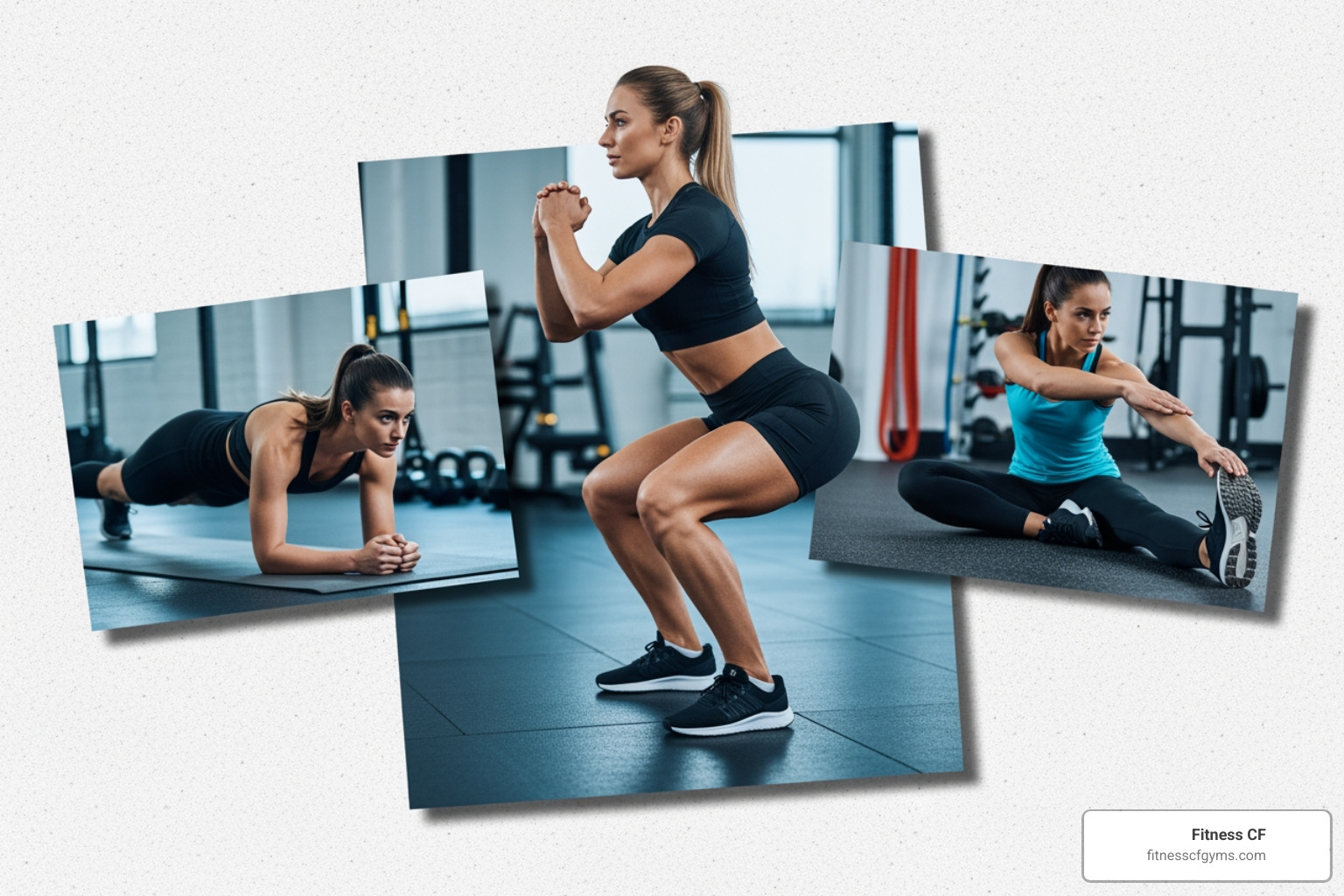
A great way to start is with bodyweight exercises. Before you even think about adding weights, focus on getting the form right for fundamental movements using just your own body. Things like squats, lunges, push-ups (you can do them on your knees or against a wall!), and planks are fantastic starting points. Remember to master form first – proper technique keeps you safe and makes sure you’re working the right muscles.
You can also reduce your workout duration and intensity. If the plan suggests a 30-minute HIIT, start with 15-20 minutes. For LISS cardio, a brisk 20-minute walk is absolutely perfect. There’s no need to push yourself to keep up with faster paces; just go at your own speed. If jogging feels too much, simply walk instead of run. You’ll still get your heart rate up and burn those calories!
During strength or HIIT workouts, if the suggested rest periods feel too short, take longer rests – an extra 30-60 seconds can make a big difference. The goal is to complete your exercises with good form, not to rush through them. Most importantly, always listen to your body. If you feel a sharp pain, stop immediately. It’s important to learn the difference between tired muscles (which is good!) and joint pain (which is not).
Finally, don’t be afraid to add extra rest days if you’re feeling overly tired or sore. Swapping a workout for some light active recovery is a smart move. Consistency over perfection means showing up most days and making sustainable choices, not pushing yourself to injury. Every fitness expert started as a beginner, and building a lasting habit means making the plan truly achievable for you.
Fueling Your Success: Nutrition for a 30-Day Challenge
You can’t out-exercise a poor diet. For your 30 day weight loss workout plan to succeed, nutrition is just as important as exercise. Proper fueling isn’t about deprivation; it’s about making smart, sustainable choices that support your workouts, aid recovery, and keep you satisfied.
Protein is your secret weapon during this 30-day journey. When we exercise, especially with strength training, we’re creating tiny tears in our muscle fibers. Protein repairs those tears, building stronger, leaner muscle in the process. But protein does something else that’s equally important: it keeps us full. Have you ever noticed how a protein-rich breakfast keeps you satisfied for hours, while a sugary pastry leaves you hungry an hour later? That’s protein working its magic. Aim for lean meats, poultry, fish, eggs, legumes, and dairy at every meal. A good target is around 150+ grams per day for men and 100+ grams for women, though your exact needs may vary based on your body size and activity level.
Now, let’s talk about carbs and fats—two nutrients that often get unfairly villainized. We need smart carbohydrates to fuel our workouts and help our bodies recover. Think whole grains, fruits, and vegetables rather than refined white bread or sugary snacks. These complex carbs provide steady energy without the crash. Healthy fats are equally essential. Foods like avocado, nuts, seeds, and olive oil help regulate our hormones (which is crucial for weight loss) and keep our bodies functioning optimally. The key word here is “healthy”—we’re talking about whole food sources, not the trans fats found in processed snacks.
Hydration might be the most underrated aspect of weight loss. Water plays a vital role in our metabolism and helps our bodies burn fat efficiently. It also helps us distinguish between actual hunger and thirst—something many of us struggle with. Aim for 2-3 liters of water daily, and make a conscious effort to cut out sugary drinks. Those sodas and fancy coffee drinks add hundreds of empty calories without providing any satiety or nutrition.
When it comes to practical eating strategies, meal prepping is a game-changer. When we’re tired, stressed, or hungry, we tend to make impulsive food choices. Having healthy meals ready to go removes that decision fatigue and sets us up for success. Focus on limiting processed foods—those convenient packaged items are often loaded with hidden sugars, unhealthy fats, and sodium that sabotage our efforts. Instead, build your meals around whole foods: a palm-sized portion of lean protein, plenty of colorful vegetables, and a moderate serving of complex carbs.
Here’s a simple tip that can make a real difference: eat your protein first at each meal. This helps with satiety and keeps your blood sugar stable, preventing those mid-afternoon energy crashes. And when you’re choosing dairy products, opt for low-fat or fat-free options to reduce your overall calorie and saturated fat intake without sacrificing the protein and calcium benefits.
Sustainable nutrition isn’t about perfection or following some extreme diet that leaves you miserable. It’s about making consistently good choices that nourish your body, support your workouts, and help you create that calorie deficit we need for weight loss. You’re building habits that will last far beyond these 30 days.
Beyond the Scale: Tracking Progress and Staying Motivated
A 30 day weight loss workout plan is a fantastic kickstart, but true success isn’t just about the number on the scale. It’s about how we feel, how our clothes fit, and the healthy habits we build. This journey is about changing our overall well-being, not just a fleeting number.
Realistic Results and Non-Scale Victories
While the allure of rapid weight loss is strong, it’s important to set realistic expectations. After 30 days, we can realistically expect to lose 5-10 lbs of fat, depending on our starting weight and how consistently we stick to the plan. This aligns perfectly with the healthy recommendation of losing 1-2 pounds per week. You might even see a bit more initial weight loss due to water weight, which is perfectly normal. The truly exciting part is that even modest weight loss can lead to drastic improvements in our health.
But let’s not forget the “non-scale victories” – these are often the most motivating and lasting changes we’ll experience! You’ll likely notice increased energy, feeling more vibrant and less tired throughout your day. Many people also experience better sleep, as regular exercise and a healthier diet often lead to deeper, more restorative rest. You’ll likely find your clothes fitting better, which is a huge motivator! Even if the scale hasn’t moved as much as you hoped, changes in body composition can make your favorite outfits feel looser and more comfortable. Expect an improved mood and confidence too; exercise is a powerful mood booster, helping to reduce stress and anxiety. Plus, achieving your fitness goals, even small ones, really builds self-esteem. As fat decreases and muscle increases, you’ll also notice better muscle definition, and your body will become more efficient at burning calories, leading to an improved metabolism. These victories are a testament to your hard work and should absolutely be celebrated!
How to Stay Consistent and Motivated
Consistency is the superpower of any successful 30 day weight loss workout plan. Here’s how we can cultivate that staying power:
First, find your ‘why’. Why are you doing this? Is it for better health, more energy, increased confidence, or something else deeply personal? Connecting to this deeper purpose will fuel your motivation, especially when things get tough. Then, set clear, action-based goals. Instead of just saying “lose weight,” aim for goals you can actively control, like “complete 5 workouts this week” or “meal prep on Sundays.” These specific actions build momentum.
Next, schedule your workouts as if they were important appointments. Put them in your calendar and commit to them. Consider finding a workout buddy; having someone to exercise with can provide great accountability and make workouts more enjoyable. Speaking of accountability, share your goals with a friend, family member, or even a coach. Knowing someone is checking in can make a huge difference. And don’t forget to celebrate small wins! Acknowledging your progress, no matter how tiny, reinforces positive behavior and keeps you motivated. Did you hit a new rep record? Celebrate! Stuck to your meal plan for a week? High five!
Life After the 30-Day Challenge: Maintaining Your Results
Completing a 30 day weight loss workout plan is a fantastic achievement, but remember, it’s just the beginning! The goal isn’t just to lose weight for 30 days; it’s to create a sustainable, healthy lifestyle that you can maintain long-term.
After the intense 30-day push, you can gracefully transition to a maintenance phase. This often means reducing your vigorous workouts to 3-4 times per week, while still maintaining a healthy diet and continuing with active recovery. The key here is to find a balance that fits seamlessly into your long-term life. The aim is to make fitness a lifestyle, accepting it as an integral part of who you are, not just a temporary fix. Experiment with different types of exercise to find what you genuinely enjoy. Whether it’s dancing, hiking, swimming, or strength training, finding joy in movement makes it sustainable.
It’s crucial to know how to avoid burnout. Listen to your body! Don’t be afraid to take extra rest days or reduce intensity if you’re feeling exhausted. Over-training can lead to injuries and a serious loss of motivation. Also, be mindful of how to avoid plateaus. Our bodies are incredibly smart and adapt quickly. To keep seeing progress, you’ll need to continually challenge yourself. This could mean changing your workout routine, increasing intensity, or slightly adjusting your calorie intake. Sometimes, expert guidance can be incredibly valuable here, helping you adjust your plan and keep things fresh and exciting.
Frequently Asked Questions about the 30 Day Weight Loss Workout Plan
Starting a 30 day weight loss workout plan often brings up a few common questions. Let’s tackle them head-on, so you feel confident and prepared for your journey!
How much weight can I realistically lose in 30 days?
It’s great to have goals, and setting realistic expectations is key to staying motivated! When we talk about healthy and sustainable weight loss, aiming for about 1 to 2 pounds per week is the sweet spot. This means over 30 days, you can realistically expect to lose around 4 to 8 pounds of body fat. While some people might see a slightly larger initial drop, especially if they’re starting with more weight, much of that can be water weight. The exact results will vary for everyone, depending on things like your starting weight, how consistently you follow the diet and exercise plan, and your individual metabolism. This journey is about steady progress, not chasing perfection!
What should I do if I miss a workout?
Life happens to all of us! If you miss a workout, please don’t let it derail your entire 30 day weight loss workout plan. The most important thing is to avoid beating yourself up over it. We have a couple of sensible options: you could reschedule the workout if your week allows, perhaps by fitting it in on an active recovery day. Or, sometimes it’s best to simply skip that session and pick up right where you left off with your next scheduled workout. The golden rule here is “consistency over perfection.” Don’t let one missed day turn into a missed week. Just get right back on track!
Are there any risks I should be aware of?
Any time you start a new exercise program, it’s smart to be aware of potential risks, especially if you’re new to fitness or have any existing health conditions. We always recommend that you consult with your doctor before diving into any new 30 day weight loss workout plan, just to make sure it’s the right fit for you. As you work out, it’s incredibly important to listen to your body. Learn to tell the difference between healthy muscle soreness (which is totally normal!) and sharp, persistent pain, which is your body telling you to stop. Always make sure to include a proper warm-up before your exercises and a gentle cool-down with stretches afterward. This prepares your muscles and helps with recovery. Lastly, focus on good form for every exercise. It’s far better to do fewer repetitions with correct technique than to rush through many with poor form, which can lead to injury. If you’re ever unsure about your form, consider seeking guidance from a qualified fitness professional.
Conclusion: Your Journey to a Healthier You
Congratulations on taking the first step toward a healthier, more vibrant you! Starting a 30 day weight loss workout plan isn’t just about dropping pounds—it’s about finding what your body is truly capable of and building habits that will serve you for years to come.
Throughout this guide, we’ve explored the essential ingredients for success: consistency in showing up for ourselves, creating a sensible calorie deficit without deprivation, balancing strength training with cardio, nourishing our bodies with whole foods, prioritizing quality sleep, and managing stress. These aren’t just tactics for 30 days—they’re the foundation of a holistic approach to health that transforms lives.
The beauty of this plan is that it’s designed to be a starting point, not an endpoint. Those first 30 days build momentum, prove to ourselves what we can achieve, and establish patterns that become second nature. The scale might show 5-10 pounds of fat loss, but the real magic happens in how we feel—the surge of energy in the afternoon, the confidence when we catch our reflection, the pride in completing a workout we once thought impossible.
This journey is uniquely yours. Some days will feel effortless, while others might require every ounce of determination you have. That’s perfectly normal and part of the process. What matters most is that we keep moving forward, celebrating the small victories along the way, and embracing fitness not as punishment but as a gift we give ourselves.
As you move beyond these 30 days, continue to challenge yourself, explore new forms of movement, and listen to what your body needs. The habits you’ve built are the seeds of a long-term lifestyle change—one that prioritizes health, strength, and vitality.
For personalized guidance to help you reach your goals and build a sustainable routine, the expert trainers at Fitness CF are here to help. Explore our personal training options today!
Your healthier, stronger, more energized self is waiting. Let’s make it happen—one day, one workout, one healthy choice at a time.