Why Healthy Living Habits Matter
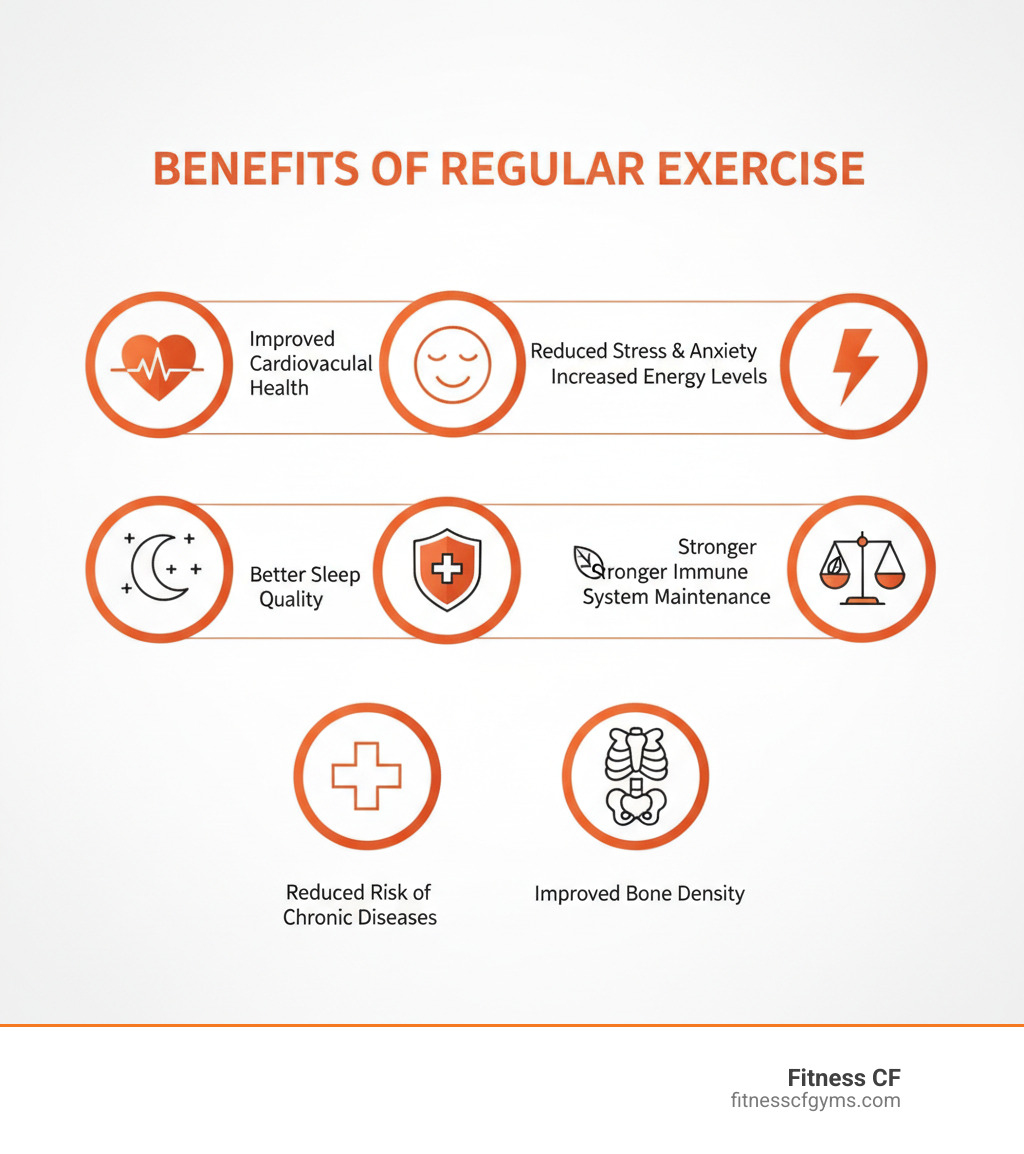
A healthy lifestyle is built on consistent movement, balanced nutrition, quality sleep, and stress management. When you make regular physical activity part of your routine, you reduce your risk of chronic conditions like heart disease and diabetes, support your mental health, and boost energy for everyday life.
Regular exercise can improve sleep quality, strengthen your immune system, and support a healthy body composition. According to the Centers for Disease Control and Prevention, adults need at least 150 minutes of moderate-intensity aerobic activity every week, plus muscle-strengthening activities on 2 or more days a week. The real challenge for most people isn’t knowing that movement matters—it’s finding simple, sustainable ways to make it a daily habit.
Physical activity doesn’t just transform your body; it transforms your entire approach to life. When you exercise regularly, you develop discipline that carries over into other areas. You sleep better, which improves your focus at work. You have more energy to play with your kids or pursue hobbies. Your mood stabilizes, making you more resilient to daily stressors.
The beauty of a fitness routine is that it compounds over time. What starts as a 10-minute walk can evolve into a comprehensive wellness practice that includes strength training, cardiovascular exercise, flexibility work, and mindfulness. Each component supports the others, creating a synergistic effect that amplifies your results.
Below, you’ll find practical guidance on strength training, cardiovascular exercise, and everyday habits that make healthy living realistic and rewarding. Whether you’re just starting your fitness journey or looking to optimize your current routine, these evidence-based strategies will help you build a sustainable practice that fits your life.
Opening Up Your Personal Fitness Toolkit
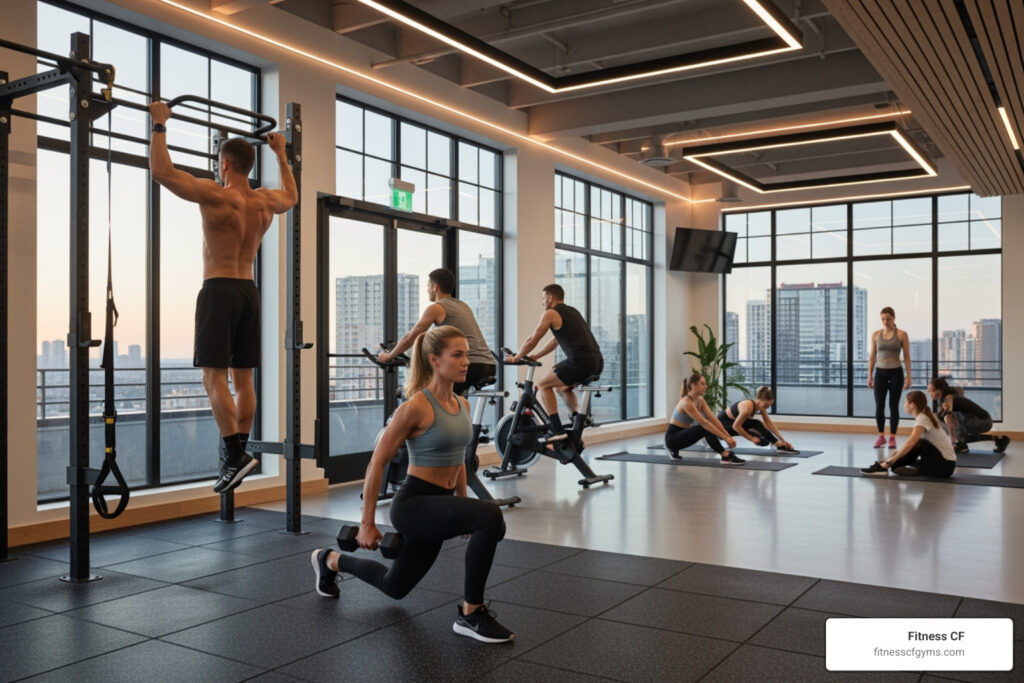
Healthy living is more than one workout—it’s a system of small, repeatable actions that build upon each other to create lasting change. Your fitness toolkit should be personalized to your goals, preferences, and lifestyle, but certain foundational elements remain universal.
Build your comprehensive wellness toolkit with:
- Movement variety: a strategic mix of strength training, cardiovascular exercise, and mobility work distributed throughout the week
- Nutritional foundation: protein at each meal to support muscle recovery, fiber-rich plants for digestive health, and adequate hydration (at least half your body weight in ounces of water daily)
- Recovery protocols: 7-9 hours of quality sleep, planned rest days, and active recovery sessions
- Stress management techniques: diaphragmatic breathing exercises, walking breaks every hour, morning sunlight exposure, and clear boundaries between work and personal time
- Progress tracking: simple logs to monitor daily steps, workout completion, sleep quality, energy levels, and mood patterns
- Support systems: workout partners, online communities, or fitness apps that provide accountability and motivation
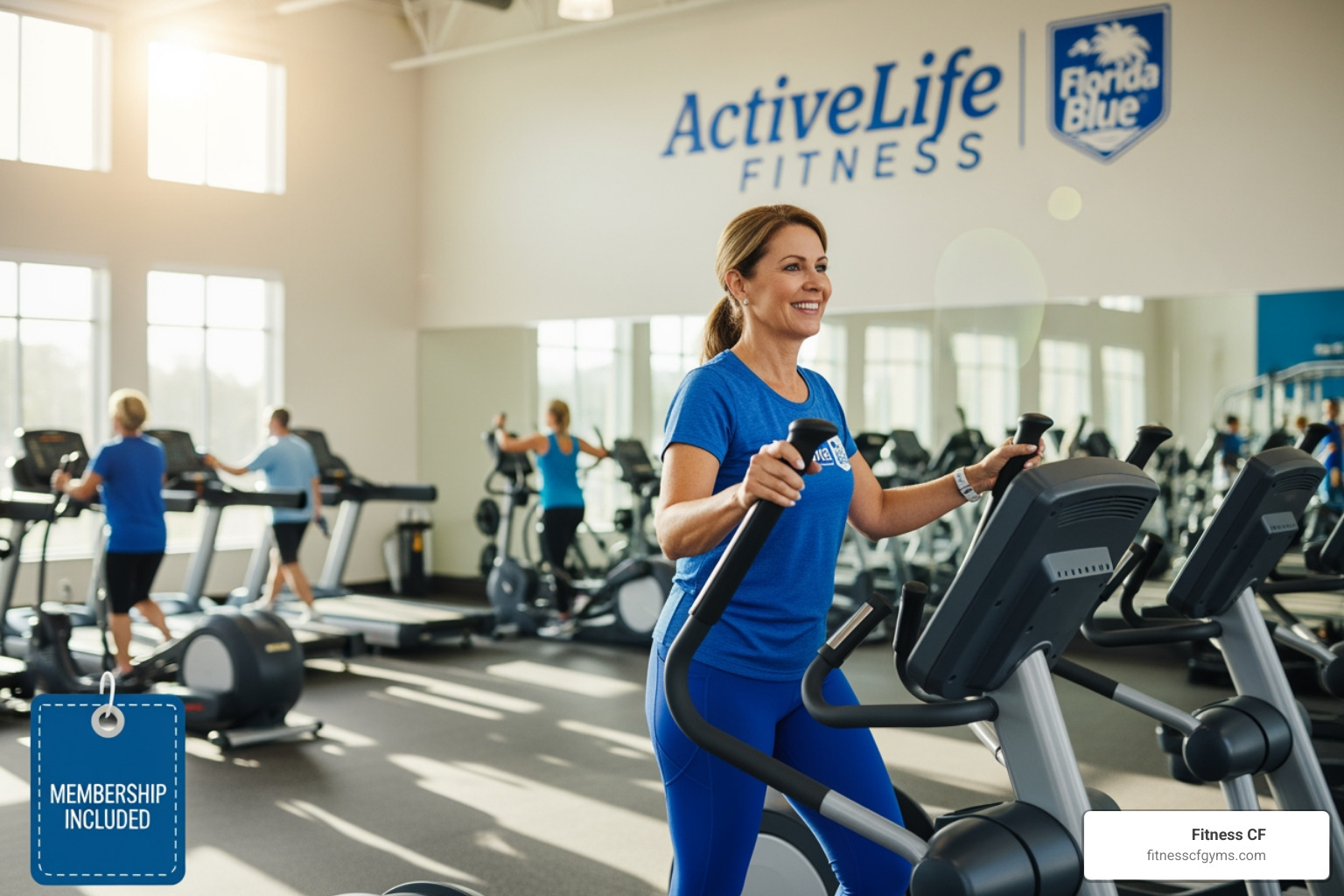
How to get started with your fitness journey
Starting a fitness routine can feel overwhelming, but breaking it down into manageable steps makes the process achievable. The key is to start where you are, not where you think you should be.
- Set a clear, measurable goal: for example, “30 minutes of activity, 5 days per week” or “complete 3 strength workouts weekly”
- Choose your activity mix: 2-3 days of strength training, 2-3 days of cardiovascular exercise, and daily light movement like stretching or walking
- Schedule it like an appointment: anchor workouts to existing habits (after morning coffee, during lunch break, immediately after work)
- Prepare your environment: lay out workout clothes the night before, fill your water bottle, queue up your workout playlist, and clear a space for exercise
- Track one primary metric: this could be steps per day, minutes moved, workouts completed per week, or how you feel on a scale of 1-10
- Progress gradually: add 1 additional set, increase weight by 5 pounds, add 5 minutes to your cardio session, or increase intensity by 10% each week
- Celebrate small wins: acknowledge when you complete a week of planned workouts, increase your weights, or simply feel more energetic
Consistency beats perfection. A 15-minute workout done regularly is far more valuable than a sporadic 2-hour session. Focus on building the habit first, then gradually increase the challenge as your body adapts.
Simple, Sustainable Ways to Stay Active
Staying active doesnt need to be complicated or expensive. Start with what you have: your bodyweight, a timer, and a small space.
- Walking: brisk pace for 20 30 minutes; add hills or intervals as you improve
- Bodyweight circuits: squats, push-ups (incline if needed), glute bridges, rows with a backpack, planks
- Intervals: 1 minute fast / 1 3 minutes easy repeated 6 10 times (walk, cycle, or low-impact cardio)
- Mobility: 5 10 minutes of hips/shoulders/ankles daily to move better and reduce stiffness

How to structure a week
- 2 3 strength sessions: 30 45 minutes, full-body
- 2 cardio sessions: 20 60 minutes total, steady or intervals
- Daily light movement: 5 10k steps or short activity breaks
- 1 2 recovery-focused sessions: stretching, easy walks, or gentle yoga
Progression: add a set, increase time under tension (slower reps), or extend cardio by 5 minutes weekly.
Prefer to work out at home?
Home routines are effective and convenient. Combine bodyweight moves (squats, lunges, push-ups, planks), resistance bands for pulling movements, and low-impact cardio (marching, step-ups, cycling). Keep sessions short and consistent: 15 30 minutes is enough when done regularly.
Beyond Numbers: The Lifelong Benefits of Regular Exercise
The real treasure of fitness isn’t just the metrics we can measure—it’s the profound change in how we feel, function, and engage with life when movement becomes a non-negotiable part of our daily routine. Research from the American Heart Association shows that regular physical activity can add years to your life and life to your years.
Consistency is the secret ingredient that separates those who achieve lasting results from those who struggle with yo-yo fitness patterns. Show up consistently, even for just 10-20 minutes on busy days. Over time, these small efforts compound into remarkable changes—not just in your physique, but in your confidence, resilience, and overall quality of life.
Focus on safety and longevity by learning proper form before adding intensity, warming up for at least 5-10 minutes before each session, cooling down with gentle stretching, and respecting recovery as an essential part of the process. This approach keeps you progressing steadily without the setbacks that come from overtraining or poor technique.
The psychological benefits of regular exercise are equally compelling. Exercise acts as a natural antidepressant, releasing endorphins that lift mood and reduce anxiety. It provides a healthy outlet for stress, improves cognitive function, and improves creativity. Many people find that their best ideas come during or after a workout, when the mind is clear and focused.

Why Strength Training is Essential for a Healthy Body
Strength training benefits everyone, regardless of age, gender, or fitness level. It’s not about becoming a bodybuilder—it’s about building functional strength that improves every aspect of your life:
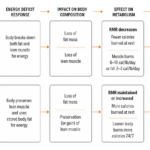
- Increased metabolism: every pound of lean muscle burns approximately 6-10 calories per day at rest, compared to 2-3 calories for a pound of fat
- Improved bone density: resistance training signals bones to stay strong and can reduce osteoporosis risk by up to 40%
- Functional strength: carry groceries with ease, lift children without strain, and move furniture without injury
- Joint protection: stronger muscles act as shock absorbers, stabilizing and protecting your joints from wear and tear
- Better posture: strengthening your core and back muscles naturally improves alignment and reduces back pain
- Improved insulin sensitivity: muscle tissue helps regulate blood sugar, reducing diabetes risk
- Increased confidence: feeling physically strong translates to mental and emotional resilience
Aim for 6-10 total sets per major muscle group weekly, using bodyweight exercises, resistance bands, or weights. Focus on compound movements that work multiple muscle groups simultaneously—squats, deadlifts, push-ups, rows, and overhead presses. Progress by adding reps first (8-12 range), then sets (2-4 per exercise), then resistance, always maintaining proper form.
The Heart of the Matter: Benefits of Cardiovascular Exercise
Cardiovascular exercise is the foundation of heart health and endurance. It strengthens your most important muscle—your heart—while delivering benefits throughout your entire body:
- Heart health: regular cardio can reduce blood pressure by 5-10 points and lower resting heart rate by 10-20 beats per minute
- Improved endurance: climb stairs without getting winded, play with kids longer, and maintain energy throughout the day
- Effective weight management: burns 300-600 calories per hour depending on intensity and body weight
- Mood improvement: triggers the release of endorphins, serotonin, and dopamine for natural mood elevation
- Better sleep: moderate cardio can help you fall asleep faster and achieve deeper sleep cycles
- Cognitive benefits: increases blood flow to the brain, improving memory and reducing dementia risk
- Immune system boost: moderate cardio strengthens immune function when not overdone
Mix steady-state efforts at a conversational pace (Zone 2 training) with interval training that alternates between short bursts of higher intensity and longer recovery periods. This combination optimizes both aerobic and anaerobic fitness systems. Aim for at least 150 minutes of moderate-intensity or 75 minutes of vigorous-intensity cardio weekly, spread across multiple sessions for optimal results.
Frequently Asked Questions About Healthy Fitness Routines
How many days per week should I train?
Aim for 4 6 total movement days: 2 3 strength, 2 3 cardio, with light daily activity.
Can I do strength and cardio on the same day?
Yes. Do strength first, then cardio, or split morning/evening. Keep total session length manageable.
How do I avoid injury?
Warm up 5 10 minutes, use controlled technique, increase volume gradually, and include rest days.
What if Im short on time?
Try 10 15 minute micro-workouts : 3 4 rounds of squats, push-ups, rows, and a 60-second brisk walk or march-in-place.
How should beginners start?
Begin with 2 full-body strength sessions (2 3 sets each) and 2 short cardio sessions (15 20 minutes). Focus on consistency over intensity.
What about older adults?
Prioritize balance, mobility, and strength for hips/back/legs. Use controlled tempo and moderate effort; progress slowly.
How do I know Im progressing?
Track one metric at a time: reps with good form, time under tension, total weekly minutes, or daily steps.
Conclusion: Your Path to a Healthier Lifestyle
Healthy living thrives on simple, sustainable actions: regular movement, nourishing food, quality sleep, and stress management. Start small, be consistent, and progress gradually.
A quick starter plan:
- Daily: 10 15 minutes of walking + 5 minutes of mobility
- 2 3 days/week: full-body strength (squats, hinges, pushes, pulls, core)
- 2 days/week: cardio (steady or intervals)
- Weekly: one longer recovery session (stretching or easy movement)
Choose one step to begin today, and build from there. Your future self will thank you.