What is a Healthy Balanced Diet and Why Does It Matter?
A healthy balanced diet provides your body with the nutrients it needs by including the right proportions of different food groups. It’s not a restrictive fad diet, but a sustainable way of eating that supports long-term health.
Core Principles:
- Variety: Eat from all major food groups (fruits, vegetables, whole grains, lean proteins, dairy).
- Proportions: Fill half your plate with fruits and vegetables, a quarter with whole grains, and a quarter with lean protein.
- Limits: Keep added sugars, saturated fat, and sodium low.
- Hydration: Choose water, tea, or coffee over sugary drinks.
- Quality: Prioritize whole, minimally processed foods.
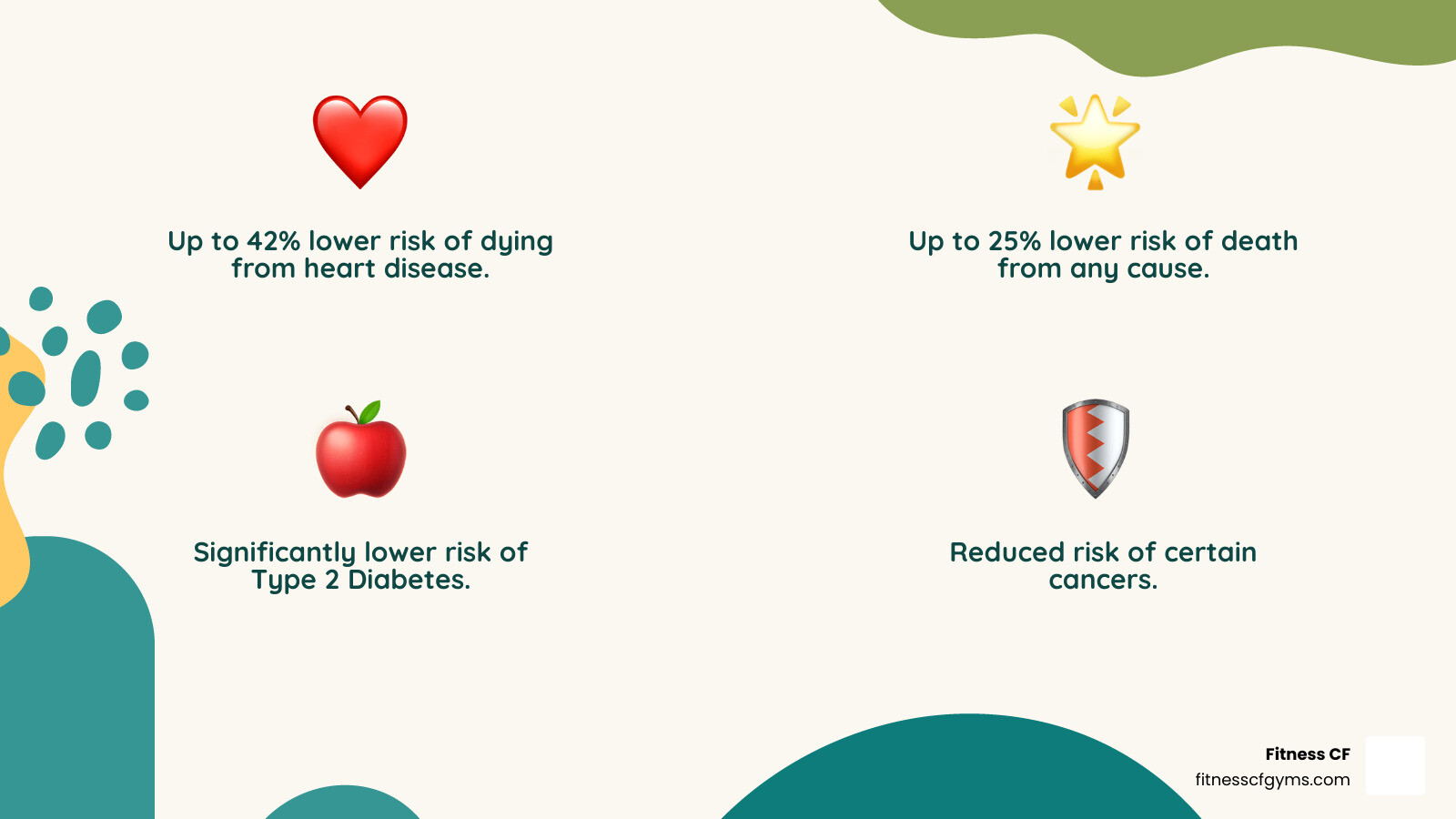
The benefits are significant. A healthy diet substantially lowers the risk of heart disease, stroke, type 2 diabetes, and certain cancers. Research shows that healthy eating patterns can reduce the risk of death from heart disease by up to 42% and from any cause by 25%.
I’m Pleasant Lewis, and with over 40 years in the fitness industry, I’ve seen how a healthy balanced diet combined with regular exercise transforms lives. My passion is making these principles accessible and practical, focusing on sustainable changes that fit into real life.
Find more about a healthy balanced diet:
The Core Components: Mastering Your Nutrients
To understand a healthy balanced diet, we must know our food’s building blocks: nutrients. These are categorized into macronutrients (carbohydrates, proteins, fats), which we need in large amounts for energy, and micronutrients (vitamins, minerals), which we need in smaller amounts for functions like immunity and bone health.
The Main Food Groups
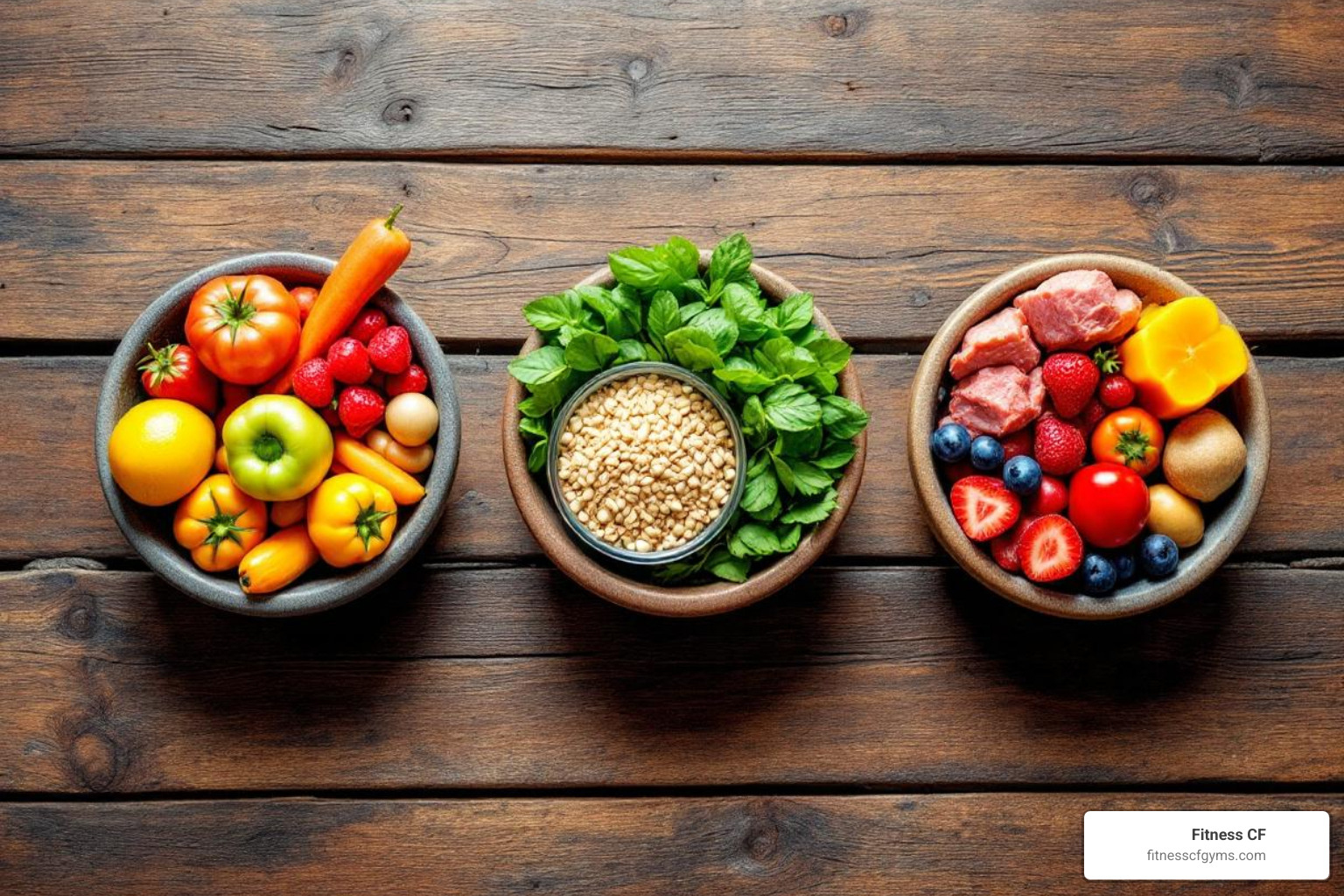
A balanced diet includes a variety of foods from the main groups to ensure a full spectrum of nutrients:
- Fruits: Packed with vitamins, minerals, and antioxidants.
- Vegetables: Nutrient powerhouses with diverse health benefits.
- Grains: Our primary source of energy, ideally in their whole form.
- Protein Foods: Essential for building and repairing tissues.
- Dairy and Alternatives: Important for bone health, providing calcium and vitamin D.
Variety is key. Eating a diverse range of foods, or “eating the rainbow,” ensures a broader array of vitamins and minerals. For more tips, check out these 8 tips for healthy eating.
Carbohydrates: Fueling Your Body the Right Way
Carbohydrates are our body’s preferred energy source. The key is choosing the right kind. Healthy (complex) carbohydrates are found in whole foods like whole grains (oats, brown rice), legumes (beans, lentils), and starchy vegetables. They provide sustained energy and fiber.
Unhealthy carbohydrates are typically refined grains and foods high in added sugars. These include white bread, pastries, sugary drinks, and candies. These have been stripped of fiber and nutrients. Limit added sugars to less than 10% of your total energy intake, as excess can lead to weight gain, type 2 diabetes, and heart disease. Learn more about how to Cut Down on Added Sugars.
Protein Power: Building and Repairing
Protein is vital for building and repairing tissues, making enzymes, and supporting immune function. Good sources include:
- Animal-based: Lean meats (chicken, turkey), fish (aim for two portions a week, one oily), eggs, and dairy.
- Plant-based: Legumes (beans, lentils), nuts and seeds, and soy products (tofu, tempeh).
For a deeper dive into your protein needs, check out our article: The Truth About Protein: How Much Do You Really Need?.
Fats: Understanding the Good, the Bad, and the Necessary
Fats are essential for energy, vitamin absorption, and organ protection. The key is distinguishing between healthy and unhealthy types.
- Healthy Fats (Unsaturated): These are beneficial for heart health. Find them in olive oil, avocados, nuts, seeds, and fatty fish (omega-3s).
- Unhealthy Fats (Saturated and Trans): Saturated fat is found in fatty meats, full-fat dairy, butter, and coconut oil. Limit intake to under 10% of daily calories (no more than 30g for men, 20g for women). Trans fats, found in some processed and fried foods, should be avoided entirely.
To better understand the differences, refer to these common sources of saturated and unsaturated fat. Replacing saturated fats with healthier unsaturated options is a powerful step for a healthier heart.
Key Nutrients for a Healthy Balanced Diet
While macronutrients provide energy, micronutrients perform countless vital roles. According to the Dietary Guidelines for Americans, most people need more dietary fiber, calcium, vitamin D, and potassium, and less added sugar, saturated fat, and sodium.

Boosting Your Intake: Fiber, Calcium, Vitamin D, and Potassium
Let’s explore how to get more of these under-consumed nutrients.
Fiber: Crucial for digestive health, weight management, and blood sugar control. Find it in fresh fruits and vegetables, whole grains, legumes, nuts, and seeds. Explore more good sources of fiber.
Calcium and Vitamin D: This pair is essential for bone health. Vitamin D helps your body absorb calcium. Good sources include dairy products, fortified foods (soy milk, some cereals), fatty fish like salmon, and leafy greens. Find more food examples in these resources on sources of calcium and vitamin D.
Potassium: This mineral supports kidney, heart, muscle, and nerve function, and helps maintain healthy blood pressure. Find it in fruits like bananas and oranges, vegetables like beets and spinach, and fat-free dairy. Explore more food sources of potassium.
Cutting Back: Sugar, Sodium, and Saturated Fats
Equally important is reducing nutrients that can be harmful in excess.
Excess Sugar: Too much added sugar contributes to weight gain, obesity, type 2 diabetes, and heart disease. Aim for less than 10% of daily calories from added sugars.
Excess Sodium: High sodium intake can raise blood pressure, increasing heart attack and stroke risk. Aim for less than 5g of salt (about a teaspoon) per day. Over 70% of sodium intake comes from packaged and prepared foods. See the top sources of sodium to make better choices.
Saturated Fat Limits: As mentioned, limit saturated fat to no more than 30g (men) or 20g (women) per day to protect your heart. Review how to Cut Down on Saturated Fat for more guidance.
Common foods to limit include highly processed items, refined grains, foods high in added sugar and salt, processed meats, and deep-fried foods.
From Theory to Practice: Building Your Healthy Plate
Applying nutritional knowledge to daily meals is key. Visual guides like the USDA’s MyPlate and Harvard’s Healthy Eating Plate can help.
MyPlate vs. Harvard’s Healthy Eating Plate
The USDA’s MyPlate is a simple visual guide. However, the Healthy Eating Plate from Harvard offers more specific, science-backed details. Key differences include Harvard’s emphasis on the quality of foods: specifying “whole grains” over just “grains,” promoting healthy plant oils, and advising limits on red meat and sugary drinks. Both models prioritize a plate filled with fruits, vegetables, and protein, but Harvard’s guide offers more nuanced advice. For more on meal structure, check out our Meal Planning Tips for Busy Professionals.
Making Smart Swaps for a Healthier Diet
Small, consistent swaps lead to big health improvements. Try these changes:
- Whole Grains for Refined: Choose whole wheat bread, brown rice, or oats instead of their white, refined counterparts for more fiber.
- Water for Sugary Drinks: Swap sodas and sweetened juices for water. Infuse it with fruit for flavor.
- Olive Oil for Butter: Use healthy plant oils for cooking and dressings to replace saturated fats with heart-healthy unsaturated ones.
- Herbs and Spices for Salt: Flavor food with herbs, spices, garlic, and citrus to reduce sodium intake.
- Fruit for Sugary Snacks: Satisfy a sweet tooth with fresh fruit, which provides fiber and nutrients, unlike processed sweets.
- Lean Protein for Processed Meats: Opt for chicken, fish, or beans over sausages and deli meats to cut down on sodium and unhealthy fats.
Achieving a healthy balanced diet on a Budget
Eating healthy doesn’t have to be expensive. With a little planning, it can be quite budget-friendly.
- Buy Seasonal and Frozen Produce: Seasonal fruits and vegetables are often cheaper and tastier. Frozen produce is a great, nutrient-rich alternative that costs less than out-of-season fresh options.
- Buy Bulk Grains and Legumes: Items like brown rice, oats, and dried beans are economical and have a long shelf life.
- Cook at Home: This gives you control over ingredients, is cheaper than eating out, and helps you reduce sugar, salt, and unhealthy fats.
- Plan Your Meals: A meal plan and shopping list prevent impulse buys and reduce food waste.
Good nutrition is about making smart choices that fit your preferences, culture, and budgetary considerations.
Beyond Food: The Synergy of Diet, Hydration, and Activity
A healthy balanced diet is one piece of the puzzle. True well-being comes from the synergy between diet, hydration, and physical activity, where each element amplifies the others’ benefits.
Regular exercise is crucial for managing weight, strengthening the heart, building muscle, and improving mood. Combining a nutritious diet with consistent physical activity is the key to optimal health. Learn more in our article: Effective Weight Loss Strategies: Combining Exercise and Nutrition.
Hydration Benefits and Best Choices
Staying hydrated is fundamental. Water is involved in nearly every bodily function, from regulating temperature to transporting nutrients. The best choices for hydration are simple:
- Water: Aim for at least 6 to 8 glasses a day.
- Unsweetened Tea and Coffee: These contribute to fluid intake in moderation.
- Low-fat Milk or Fortified Soy Beverages: These provide hydration plus nutrients.
Limit sugary drinks like sodas and energy drinks, which add empty calories.
The Benefits of Strength Training for a healthy balanced diet
Incorporating strength training is a game-changer for anyone pursuing a healthy lifestyle. Its benefits include:
- Building Lean Muscle: Muscle is metabolically active, boosting your metabolism to help maintain a healthy weight.
- Bone Density: Strength training stimulates bones to become stronger and denser, helping prevent osteoporosis.
- Improved Body Composition: It helps replace fat with muscle for a leaner physique.
For more on how nutrition fuels muscle-building, read: Nutrition Tips for Building Muscle and Losing Fat.
The Importance of Cardiovascular Exercise
Cardio exercise works hand-in-hand with a healthy balanced diet to improve health.
- Heart Health: It strengthens your heart muscle, reducing the risk of heart disease and stroke.
- Endurance: Cardio improves stamina for daily activities and workouts.
- Calorie Expenditure: It’s excellent for burning calories and managing weight.
- Mental Health: It releases endorphins, which reduce stress and lift mood.
Find a cardio activity you enjoy, like brisk walking, cycling, or swimming, for consistency. Learn what to eat for better performance in our guide: The Role of Nutrition in Fitness: What to Eat Before and After a Workout.
Frequently Asked Questions about Healthy Eating
Here are answers to some common questions about applying the principles of a healthy balanced diet.
How can I apply balanced eating principles if I don’t eat from a traditional plate?
The “plate” is a conceptual guide for proportions, not a rigid rule. You can apply the principles to any meal format:
- Soups and Stews: Aim for half the ingredients to be vegetables, with the rest a mix of whole grains (barley) and lean protein (beans, chicken).
- Bowls: Fill half with greens/veggies, a quarter with a whole grain base, and a quarter with protein.
- On-the-Go Meals: Pack items that collectively meet the guidelines, like a whole-wheat sandwich, a side of carrots, and an apple.
The goal is to get a diverse range of nutrients in the right proportions over the course of your day.
How many fruits and vegetables should I eat daily?
Aim for at least 5 portions of a variety of fruits and vegetables every day. Diets rich in produce are linked to a lower risk of obesity, heart disease, stroke, and diabetes. A portion is about 80g of fresh, canned, or frozen produce, or 30g of dried fruit. A 150ml glass of 100% fruit juice or a smoothie can count as one portion per day.
Is it true that fruit is high in sugar and should be limited?
This is a common concern, but it’s important to distinguish between natural and added sugars. The sugar in whole fruit comes with fiber, vitamins, and minerals. The fiber slows sugar absorption, preventing the sharp blood sugar spikes caused by the added sugars in processed foods and drinks. The health benefits of whole fruits far outweigh any concerns about their natural sugar content. The focus should be on limiting added sugars.
Conclusion: Your Journey to a Healthier, More Balanced Life
Starting on the journey to a healthy balanced diet is a powerful decision for your well-being. We’ve covered the core components, from macronutrients to practical plate-building. The key is to boost beneficial nutrients like fiber and potassium while cutting back on excess sugar, sodium, and unhealthy fats.
It’s about consistency over perfection. Small, sustainable changes lead to significant improvements in your health and energy. The power of a healthy balanced diet is amplified when combined with proper hydration and regular physical activity, including both strength training and cardio.
This journey is a lifelong commitment, but you don’t have to go it alone. We are here to empower you with the knowledge and tools to lead a healthier, more vibrant life.
Ready to take the next step towards a healthier you? Take the next step in your fitness journey with Personal Training. Our expert trainers can help you integrate these dietary principles with a personalized exercise plan to achieve your unique health goals.