Discover How to Lose Weight with Spin
If you want to lose weight spin classes offer a powerful workout. It’s a popular way to get fit and reach your goals. Here’s a quick look at how effective spinning can be:
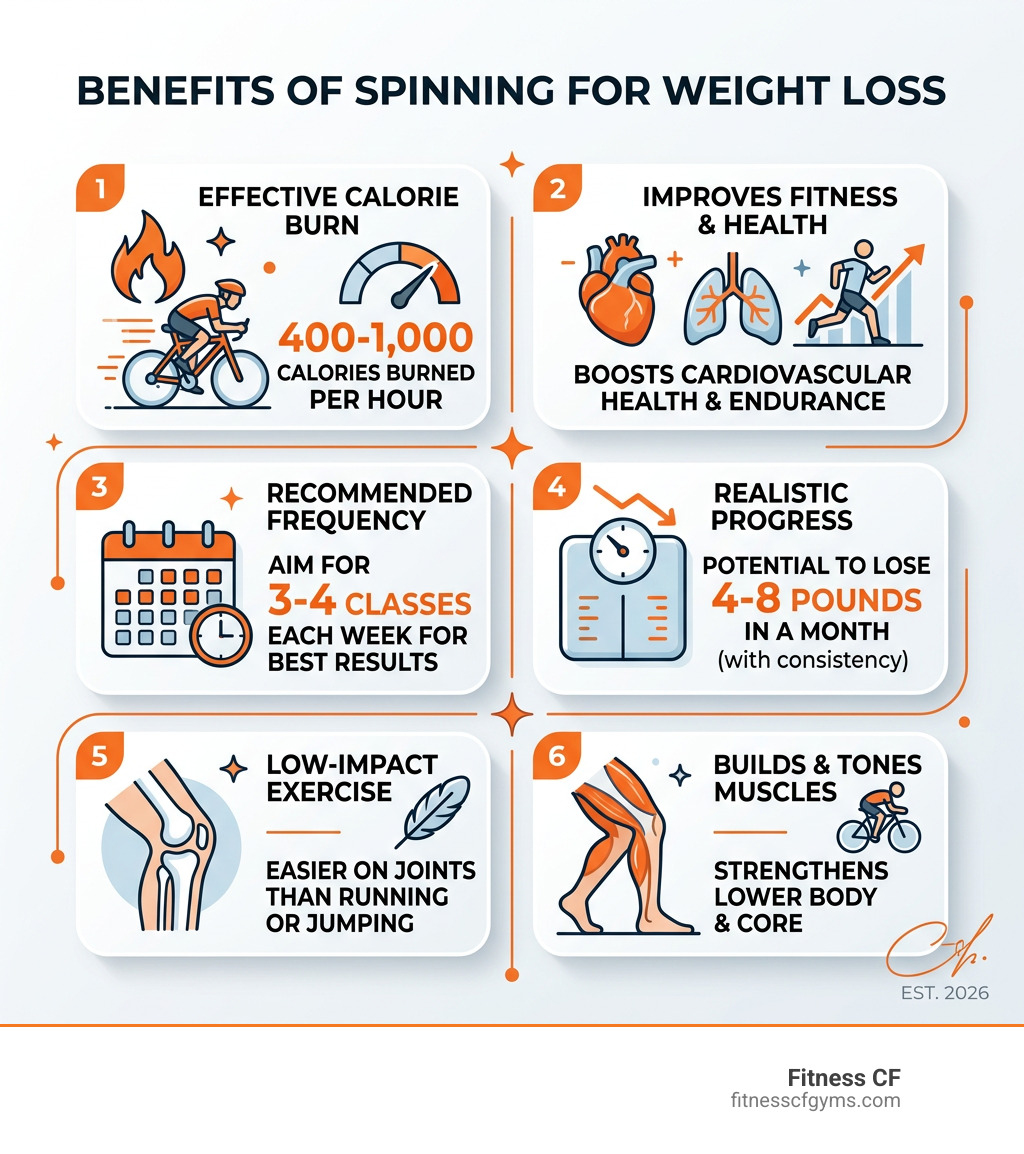
- Effective for weight loss: Yes, spinning is a great way to burn calories and improve fitness.
- Calories burned: You can burn 400 to 1,000 calories in just one hour.
- How often to spin: Aim for 3 to 4 classes each week for best results.
- Realistic weight loss: Many people lose 4 to 8 pounds in a month by spinning regularly.
- Diet is key: Combining spinning with healthy eating is crucial for success.
- Joint-friendly: It’s a low-impact exercise, which means it’s easier on your joints than running.
Spinning, or indoor cycling, has become a top choice for those seeking a healthier lifestyle. It’s not just about shedding pounds. It also boosts your heart health, builds endurance, and tones muscles. This guide will show you how to use spin to achieve your weight loss goals.
Pleasant Lewis is a fitness expert with over 40 years of experience in the industry. He understands how to effectively lose weight spin style and build a healthy lifestyle.
Why You Should Choose to Lose Weight Spin Style
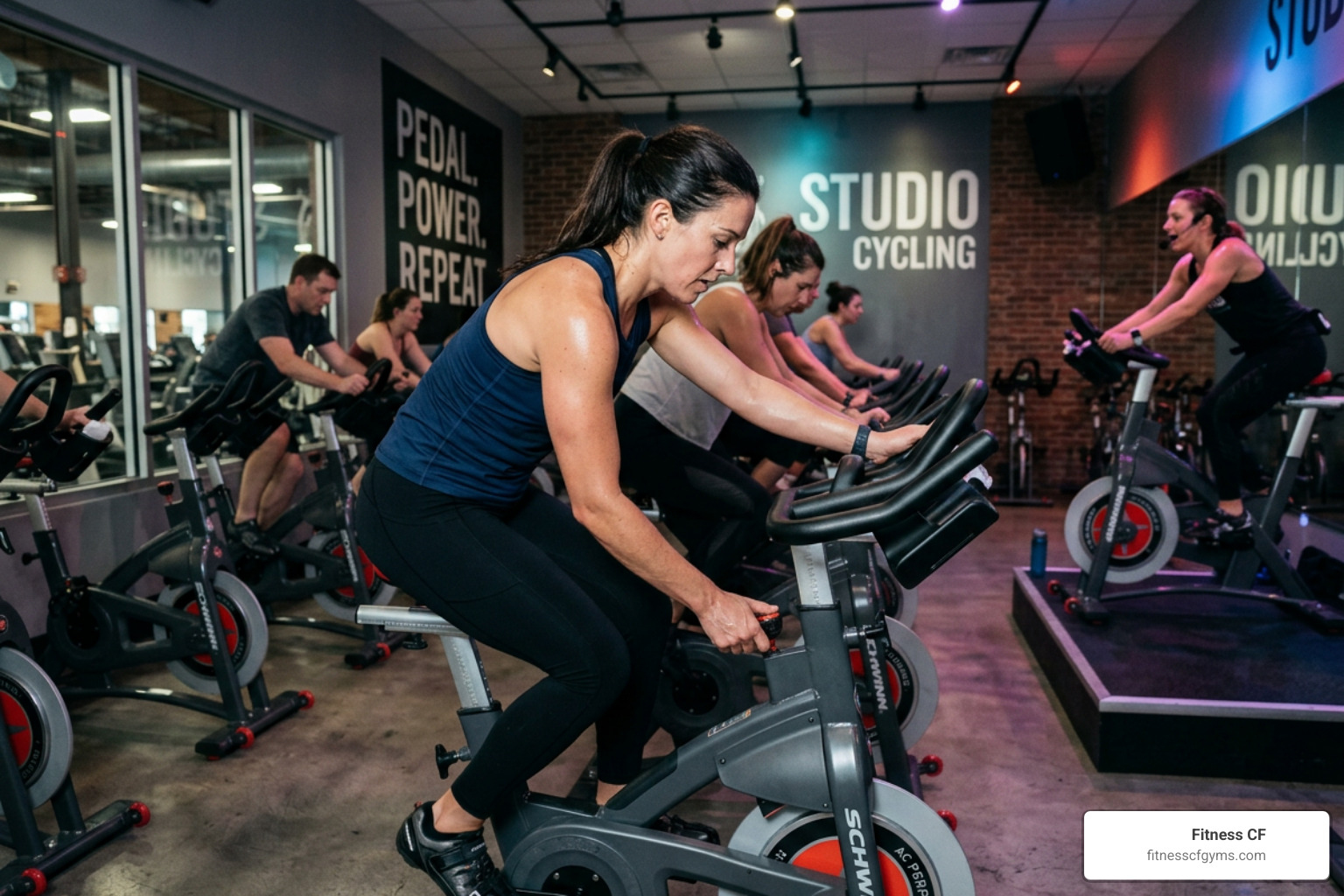
When we talk about the most efficient ways to shed extra pounds, indoor cycling consistently tops the list. But why is it so effective? For starters, it’s a total-body, high-intensity workout that fits perfectly into a busy schedule. As Alana Murrin, a fitness expert, notes, it’s a way to get a lot of “bang for your buck.” The goal is always the same: maximum results in minimum time.
Research supports this enthusiasm. A study published in the European Journal of Obesity found that women who cycle for just an hour and a half per week tend to have a lower body weight—about two pounds less—than those who don’t cycle at all. That might not sound like a lot initially, but when combined with a consistent routine, the cumulative effect is transformative.
Beyond the scale, spinning improves your aerobic capacity. This means your heart and lungs become more efficient at delivering oxygen to your muscles. You’ll find that daily activities—like carrying groceries or chasing the kids—become much easier. Plus, the endorphin release (that “runner’s high” without the running) keeps your mood elevated and your stress levels in check.
The Calorie-Torching Potential of Indoor Cycling
One of the biggest draws to lose weight spin style is the sheer number of calories burned. Depending on your weight and how hard you push that resistance knob, you can burn anywhere from 400 to 1,000 calories per hour.
To put that into perspective, a 200-pound person riding for 45 minutes at a moderate intensity burns about 810 calories. If you weigh 250 pounds, that number jumps to 1,010 calories. Because you are using the largest muscle groups in your body—your glutes, quads, and hamstrings—your body requires a massive amount of energy to keep those pedals turning.
Why Spinning is Better for Your Joints Than Running
We often hear from people who want to get fit but struggle with knee or hip pain. This is where spinning shines. Harvard Health experts point out that cycling is a fantastic low-impact alternative to running. When you run, your joints absorb a force several times your body weight with every stride. On a bike, your weight is supported by the saddle, and the circular motion of pedaling is gentle on the joints.
In fact, cycling can actually improve joint function by encouraging the production of synovial fluid, which lubricates your joints. This makes it a sustainable long-term exercise. Regular cycling isn’t just about looking good; it’s about living longer. A review in Frontiers in Sports and Active Living found that just 100 minutes of cycling per week is associated with a 17 percent lower risk of mortality.
The Science of the Spin: HIIT and Metabolism
The “secret sauce” of most modern spin classes is High-Intensity Interval Training (HIIT). Instead of riding at one steady pace for 45 minutes, we incorporate sprints, climbs, and recovery periods. This variation prevents your body from hitting a plateau and keeps your metabolism guessing.
A study featured in Obesity showed that people who combined moderate-intensity workouts with HIIT lost six pounds more over 24 weeks than those who only did moderate workouts. Furthermore, regular cycling helps lower blood pressure and improves insulin sensitivity, making it a powerful tool for overall metabolic health.
How the Afterburn Effect Works
Have you ever felt warm for an hour after a hard workout? That’s the “afterburn effect,” or Excess Post-exercise Oxygen Consumption (EPOC). When you push yourself during those high-intensity intervals, your body uses more oxygen than it can take in. After the class ends, your body has to work overtime to return to its resting state, repair muscle tissues, and replenish energy stores. This process burns extra calories for up to 24 hours after you’ve left the studio.
Tapping Into Fat Stores with Interval Training
Interval training is particularly effective at targeting fat. During high-intensity bursts, your body primarily burns glycogen (stored carbohydrates). However, during the recovery periods and the hours following the workout, your body shifts to burning fat to fuel the recovery process. This helps reduce both subcutaneous fat (the kind you can pinch) and visceral fat (the dangerous fat stored around your organs).
How to Structure Your Routine for Success
To lose weight spin effectively, you need a plan. You can’t just show up once a month and expect a total transformation. Consistency is the foundation of any successful fitness journey.
| Activity | Calories Burned (45 Mins) | Impact Level |
|---|---|---|
| Spinning (High Intensity) | 600 – 800 | Low |
| Running (8 mph) | 500 – 700 | High |
| Brisk Walking | 150 – 250 | Low |
Structuring Your Week to Lose Weight Spin Classes
For most people, the “sweet spot” is 3 to 4 sessions per week. This frequency allows you to burn a significant amount of calories—anywhere from 1,200 to 4,000 per week—while still giving your body time to recover.
A typical week might look like this:
- Monday: 45-minute Spin Class
- Tuesday: Strength Training or Yoga
- Wednesday: 45-minute Spin Class
- Thursday: Rest Day or Active Recovery (like a brisk walk)
- Friday: 45-minute Spin Class
- Saturday: Full Body Strength Training
- Sunday: Rest Day
Beginner Tips to Lose Weight Spin Safely
If you’re new to the saddle, don’t be intimidated! Everyone was a beginner once. Here are a few tips to get you started:
- Arrive Early: Give yourself 10 minutes to set up your bike. Your seat should be roughly at hip height when you’re standing next to it.
- Check Your Form: Keep your core engaged and your shoulders relaxed. Avoid gripping the handlebars too tightly; your legs should be doing the work, not your hands.
- Hydrate: You will sweat—a lot. Bring a large water bottle and take small sips throughout the class.
- Wear the Right Gear: Padded cycling shorts can make a world of difference for comfort. If you’re ready to commit, clip-in shoes (cleats) allow for a more efficient pedal stroke and help prevent “bulking” by engaging the hamstrings more effectively.
Combining Cardio with Strength Training
While cardio is king for calorie burning, strength training is the queen of metabolism. Building lean muscle mass increases your Basal Metabolic Rate (BMR), which is the number of calories your body burns at rest. We recommend incorporating at least two days of resistance training to complement your cycling. This helps create a toned, “tight” look and ensures you’re losing fat, not muscle.
Maximizing Results Through Nutrition and Recovery
You’ve likely heard the saying, “You can’t out-train a bad diet.” It’s a cliché because it’s true. To lose weight spin sessions must be paired with a calorie deficit. However, “deficit” doesn’t mean “starvation.” You need fuel to perform.
According to the 2020-2025 Dietary Guidelines for Americans, adult women generally need 1,600 to 2,400 calories per day, and men need 2,200 to 3,000. When you’re spinning 4 times a week, you’ll likely fall on the higher end of those ranges to stay energized.
Fueling Your Rides Without Overeating
The goal is to eat enough to power your legs but not so much that you undo your hard work.
- Pre-workout: A small snack with complex carbs (like a banana or a piece of whole-grain toast) 30-60 minutes before class can prevent you from feeling “bonked.”
- Post-workout: Focus on protein to help repair your muscles. A protein shake or a meal with chicken, fish, or beans is ideal.
- Avoid the “Ravenous” Trap: Some people find that intense cardio makes them incredibly hungry. If this happens, focus on high-fiber vegetables and lean proteins to feel full without excessive calories.
The Role of Rest in Fat Loss
Rest is not “wasted” time; it’s when the magic happens. Overtraining can lead to elevated levels of cortisol, a stress hormone that can actually make it harder to lose weight. Research on cortisol and overtraining suggests that without adequate recovery, your performance will suffer and your risk of injury increases. Aim for 7-9 hours of sleep per night to allow your hormones to balance and your muscles to repair.
Success Stories and Realistic Expectations
What does a month of consistent spinning actually look like? While everyone’s body is different, most people who attend 3 classes a week and watch their nutrition can expect to lose 1 to 2 pounds per week.
A study by the Daejeon Health Institute of Technology followed participants through a 16-week spinning program and found significant improvements in body composition and fat loss. But the scale isn’t the only way to measure success. Many participants report feeling “tighter” all over, having more energy, and seeing their clothes fit differently within just three weeks.
What to Expect After One Month of Spinning
By the end of your first 30 days, you’ll likely notice:
- Increased Stamina: You won’t be gasping for air during the climbs anymore.
- Better Sleep: The physical exertion helps you fall asleep faster and stay asleep longer.
- Improved Definition: Your legs and core will start to feel firmer.
- Mental Clarity: The “brain fog” often lifts thanks to improved circulation and endorphins.
Staying Motivated for the Long Haul
The best workout is the one you actually do. Spinning stays fresh because of the community and the music. Riding to the beat makes the time fly by and turns a “chore” into a highlight of your day. We encourage you to track your progress using apps or a fitness journal, but also to celebrate the “non-scale victories”—like finally being able to finish a sprint without sitting down!
Frequently Asked Questions about Spinning for Weight Loss
Can spinning help me lose belly fat?
While you cannot “spot reduce” fat from just your stomach, spinning is one of the best ways to reduce overall body fat, including the abdominal area. Because it’s a high-intensity cardiovascular workout, it burns the calories necessary to create a deficit. Additionally, maintaining proper form on the bike requires constant core stabilization, which helps tone the muscles underneath the fat.
Is spinning safe for people over 40 or with joint issues?
Absolutely. In fact, it is often recommended for these groups because it is low-impact. For those navigating menopause, a study by JNM Medical College and BRAM Hospital recommends at least two and a half hours of aerobic exercise per week to manage symptoms and maintain bone density. As always, we suggest a physician consultation before starting any new, intense routine if you have pre-existing conditions.
How many times a week should I spin to see results?
For weight loss, 3 times a week is the ideal baseline. This provides enough stimulus to see changes in your fitness and body composition without burning out. If you’re feeling great, you can move up to 4 or 5 times, but ensure you’re still prioritizing those rest days and strength sessions.
Conclusion
Embarking on a journey to lose weight spin style is about more than just a number on the scale. It’s about joining a community that pushes you to be your best, improving your heart health, and finding an exercise you genuinely enjoy. No matter where you are starting, the focus remains on supporting a healthy lifestyle.
Are you ready to see what your body can do? We’d love to see you succeed. Start your journey with a cycling workout and let’s ride toward your goals together!