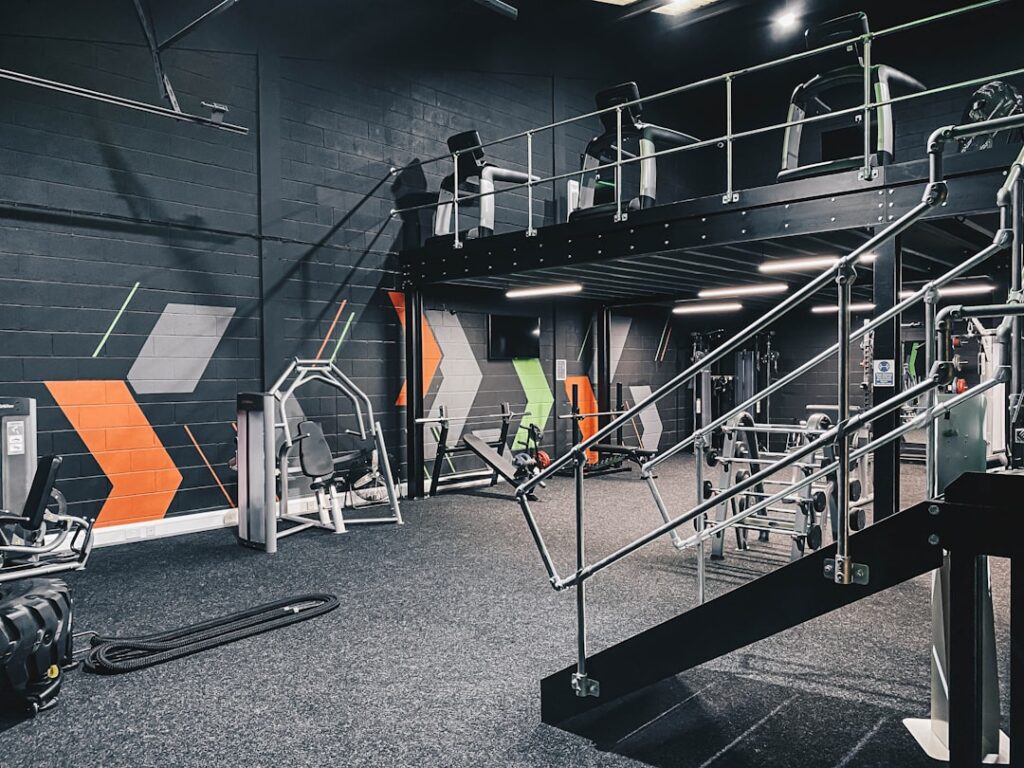
Your Gateway to Better Health and Fitness
Finding the right approach to movement, nutrition, and recovery can transform your fitness journey. A supportive routine provides the tools, structure, and environment you need to achieve your health goals. Here’s what to focus on:
Key Pillars of a Healthy Fitness Routine:
- Equipment and Activity Variety – Mix different forms of movement: cardio (walking, running, cycling), strength work (free weights, resistance bands, bodyweight training), and specialty tools (TRX, medicine balls, kettlebells) or simple at‑home alternatives.
- Flexible Options – Choose workouts and schedules that fit your lifestyle so you can stay consistent over the long term.
- Structured Programs – Include a blend of strength, cardio, and flexibility sessions each week to keep you progressing and motivated.
- Supportive Spaces – Create clean, uncluttered workout areas at home or outdoors, with dedicated spots for cardio, strength, and stretching.
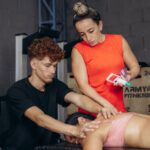
- Professional Guidance When Needed – Certified instructors and trainers (in person or online) can demonstrate movements and help you design a personalized workout program.
Healthy living is about building sustainable habits, not quick fixes. The benefits of regular exercise are well‑proven: stronger cardiovascular health, increased muscle mass, better bone density, improved mood, and higher energy levels. When you combine strength training with cardio work, you create a balanced approach that supports long‑term wellness.
A healthy lifestyle also includes nourishing nutrition, quality sleep, stress management, and enjoyable movement. When these pieces work together, they support not only your physical health but also your mental and emotional well‑being.
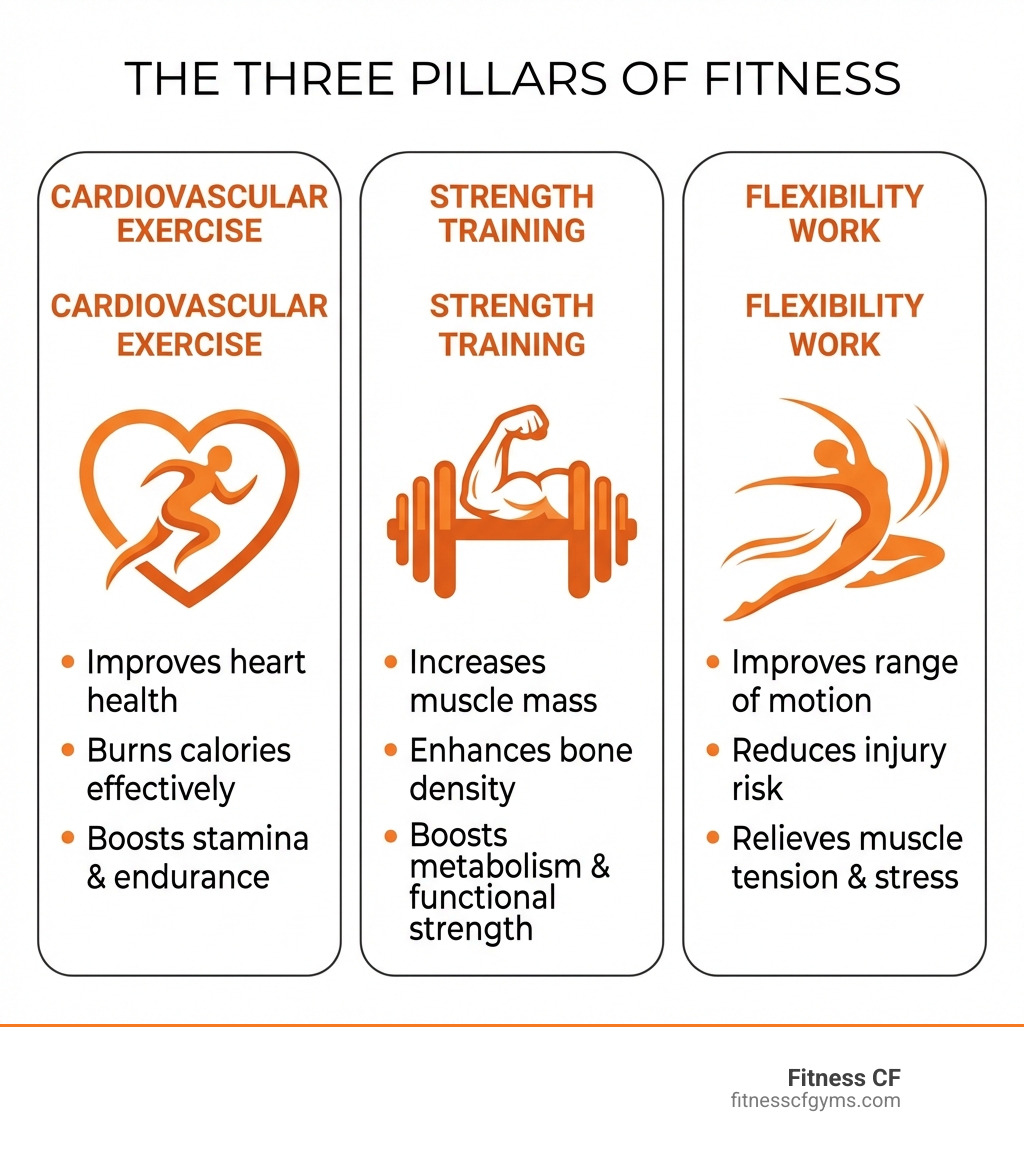
Explore more about building a healthy, active lifestyle and creating a supportive fitness community in your own life:
- Focus on daily movement habits and small, sustainable changes.
- Connect with others who share similar health and fitness goals.
- Look for convenient, accessible ways to stay active close to home.
What to Expect: A Tour of Essential Fitness Equipment
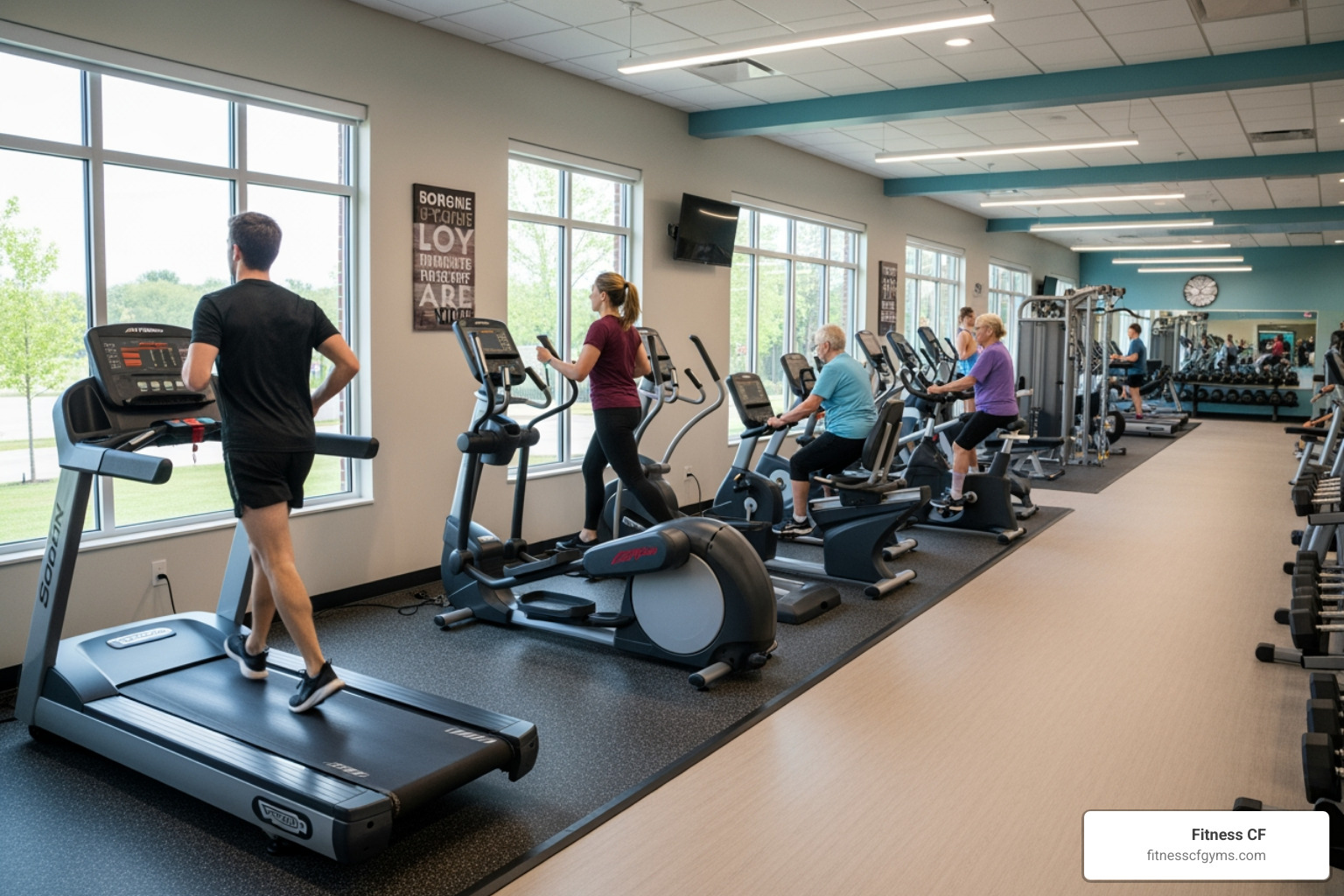
Stepping into a workout space for the first time can feel a bit overwhelming with all the different machines and equipment. Understanding what each piece does can help you feel confident and stay safe. The goal is to provide a welcoming environment where you can explore a wide range of equipment, build a routine that suits your fitness level, and understand how each option supports healthy living.
The Cardio Zone: Building Heart Health and Endurance
Cardiovascular training is crucial for heart health, endurance, and overall well‑being. Whether you use machines or simple outdoor options, cardio should be a core part of a healthy lifestyle.
Common cardio choices include:
- Treadmills or Walking/Running Outdoors: Great for walking, jogging, or running, allowing you to control speed and incline (or use hills outside). They’re excellent for burning calories and improving cardiovascular endurance.
- Ellipticals: Low‑impact workouts that mimic running but reduce stress on your joints, engaging both upper and lower body muscles.
- Stationary or Road Bikes: From upright to recumbent, and even spin‑style cycling, these are great for building leg strength and cardiovascular fitness with minimal impact.
- Rowers: Offering a full‑body workout that engages major muscle groups in your legs, core, and arms, rowing is fantastic for both strength and endurance.
- Stair Climbers or Real Stairs: These provide an intense lower‑body and cardiovascular workout while improving leg strength.
- Adaptive Motion Trainers (AMTs) and Similar Tools: Versatile machines that allow you to switch between climbing, walking, and running motions for a highly adaptable workout.
Benefits of regular cardio:
- Strengthens the heart and improves circulation
- Boosts lung capacity and stamina
- Helps manage weight and blood sugar
- Supports brain health, mood, and stress relief
- Improves sleep quality and daytime energy
For a deeper dive into how exercise impacts your body, check out The Science of Fitness: How Exercise Impacts Your Body.
The Strength Area: Forging Power and Stability
Strength training is a cornerstone of healthy living. It helps you move better, protects your joints, and supports healthy aging. Regardless of age or experience level, some form of resistance training is beneficial for nearly everyone.
Typical strength‑training options include:
- Selectorized Machines: These guide you through a controlled range of motion, isolating specific muscle groups. You’ll find machines for chest press, lat pulldown, leg press, leg extension, and more.
- Free Weights: Dumbbells, barbells, and kettlebells allow a greater range of motion and engage more stabilizing muscles, mimicking real‑world movements.
- Squat Racks and Platforms: Used for compound exercises like squats, deadlifts, and overhead presses, which build overall strength and coordination.
- Smith Machine: A barbell fixed within steel rails, offering a controlled path of motion that can be useful for beginners or when lifting without a spotter.
- TRX and Suspension Trainers: These use your body weight and gravity to perform exercises that build strength, balance, flexibility, and core stability.
- Medicine Balls and Kettlebells: Versatile tools for dynamic movements, core work, and functional strength training.
Benefits of strength training:
- Increases muscle mass and strength, making daily tasks easier
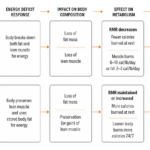
- Boosts metabolism and supports healthy weight management
- Improves bone density, helping prevent osteoporosis
- Enhances joint stability and reduces injury risk
- Supports posture, balance, and functional movement
- Can improve blood sugar control and cardiometabolic health
To learn more about how different types of equipment can support your fitness goals, explore resources that explain safe technique and balanced workout design.
Maximizing Your Workout
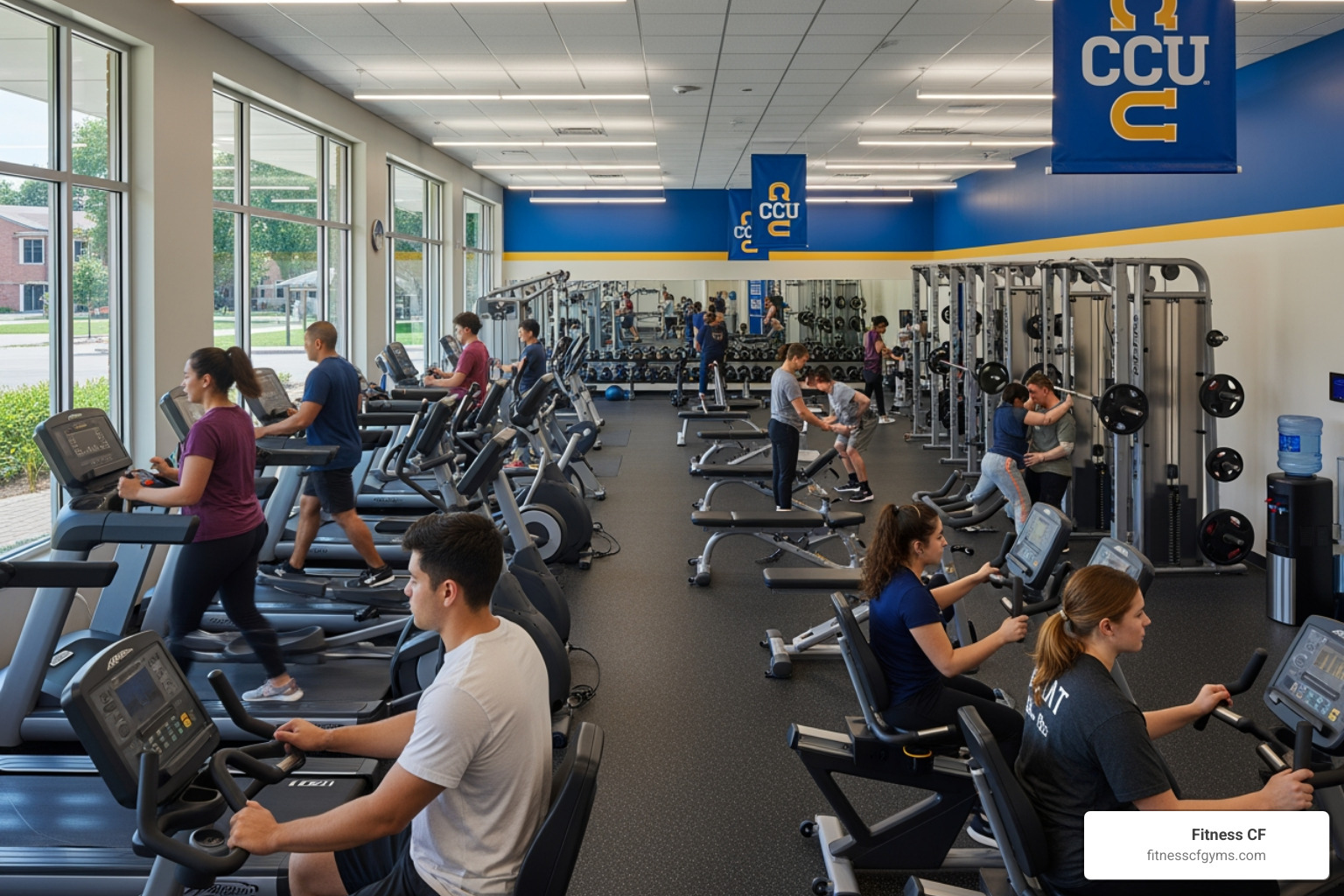
Getting the most out of your workouts means more than just showing up; it means engaging with the resources and habits that support a healthy lifestyle. Structured workouts, professional guidance, and a sense of community can all help you stay consistent and motivated.
Exploring Group Workouts and Personal Guidance
If you’re looking for more direction or motivation, group sessions and one‑on‑one coaching (in person or virtual) can be very effective.
Group Fitness Workouts: Exercising alongside others can provide a dynamic and supportive environment. Options might include high‑energy aerobics and dance‑based classes, calming yoga, or challenging cardio‑strength sessions.
Benefits include:
- Motivation from Peers: Collective energy can help you work harder and stay committed.
- Correct Form and Technique: Instructors guide you through each movement to prevent injury and maximize effectiveness.
- Variety: Group sessions introduce new exercises and styles of training, keeping your routine fresh and effective.
For more insights into why these classes are so effective, check out Why Group Fitness Classes Are So Effective.
Personal Training and Coaching: If you prefer a customized approach, personal training is an excellent investment. A trainer or coach can work with you to create a plan based on your specific goals, fitness level, and any unique needs.
Benefits include:
- Personalized Plans: Programs tailored for weight management, muscle gain, improved performance, or rehabilitation.
- Professional Guidance: Expert advice on exercise technique, basic nutrition, and lifestyle habits that support health.
- Accountability: Regular check‑ins make it easier to stick with your fitness journey.
Learn more about how one‑on‑one sessions can transform your fitness journey by reading The Benefits of Personal Training: How One-On-One Sessions Can Transform Your Fitness Journey.
Utilizing Special Activities for a Well‑Rounded Routine
Beyond traditional cardio and strength work, additional activities can significantly enhance your routine and overall wellness.
A complete fitness regimen might also include:
- Team and Recreational Sports: Basketball, volleyball, tennis, soccer, or casual games improve cardiovascular health, agility, and coordination while keeping movement fun.
- Swimming and Water Exercise: Swimming is a full‑body, low‑impact exercise that’s excellent for cardiovascular health, muscle toning, and rehabilitation. Water aerobics and gentle pool workouts are especially helpful for joint‑sensitive individuals.
- Dedicated Stretching and Mobility Work: Using mats, foam rollers, and simple mobility drills improves flexibility and recovery. Stretching supports range of motion, reduces muscle soreness, and may help prevent injuries.
The goal is to find activities you genuinely enjoy so that staying active becomes a sustainable, positive part of your life. Group training and shared activities can complement solo workouts and provide added motivation, as highlighted in 7 Benefits of Group Training Classes for Your Fitness Goals.
Navigating Access, Rules, and Etiquette
A positive workout experience in any shared fitness space relies on clear guidelines for access, respectful adherence to rules, and a shared understanding of etiquette. These elements help create a comfortable and safe environment for everyone pursuing a healthy lifestyle.
Understanding Access and Commitments
Before you join any structured fitness program or shared space, it’s important to understand the access and commitment options available so they fit your lifestyle and budget. Flexibility and transparency allow you to feel confident in your choices.
Look for features like:
- Trial Options: The ability to try a program or class before you commit can be a big plus. It lets you experience the atmosphere and style to see if it’s the right fit.
- Flexible Tiers or Plans: Not everyone needs the same level of access. Some people prefer occasional classes, while others want more frequent sessions or broader options.
- Clear Terms: Ensure any agreement is straightforward, with clear information on fees, hours, and policies.
The Unwritten Rules: Mastering Fitness Etiquette
Beyond official policies, any great shared workout environment thrives on unspoken rules of etiquette that foster a positive and respectful atmosphere. Adhering to these simple guidelines helps ensure everyone can enjoy their workout.
Key points of fitness etiquette include:
- Wiping Down Equipment: Always use a towel and, when available, disinfectant spray to wipe down equipment surfaces after use. This keeps the space hygienic for everyone.
- Putting Equipment Away: When you’re done with dumbbells, barbells, resistance bands, mats, or weight plates, return them to their designated spots. Leaving equipment scattered creates tripping hazards and makes it difficult for others to find what they need.
- Sharing During Peak Times: If the area is busy and someone is waiting for a piece of equipment you’re using, offer to “work in” between your sets or limit your time when appropriate.
- Respect Personal Space: Give fellow exercisers enough room to move comfortably and safely. Avoid crowding or standing too close to someone who is lifting or performing dynamic movements.
- Appropriate Attire: Wear comfortable, breathable athletic clothing that allows a full range of motion. Supportive athletic shoes are essential for safety and joint protection. Avoid open‑toed shoes, jeans, or clothing that could get caught in equipment.
- Mind Your Volume: Keep phone calls, conversations, and music volume (if not using headphones) at a respectful level. Many people appreciate a focused environment for their workouts.
By following these simple guidelines, you contribute to a positive and welcoming environment for all who are working toward better health and fitness. For more tips on how to be considerate in shared workout spaces, explore guides on Gym Etiquette: Creating a Positive Workout Environment.
Frequently Asked Questions About Starting a Healthy Fitness Routine
Starting a fitness journey or returning to exercise can bring up a lot of questions. Clear answers can help you feel confident and prepared as you build a healthier lifestyle.
How do I start if I’m a complete beginner to working out?
Starting as a beginner is all about building a foundation and establishing good habits.
- Start Slow and Listen to Your Body: Don’t try to do too much too soon. Begin with lighter weights, shorter cardio sessions, and low‑impact movement. It’s perfectly okay to start with just 20–30 minutes of exercise a few times a week.
- Ask for Help: Seek guidance from certified instructors, physical therapists, or trusted online resources. They can show you how to perform exercises correctly and help you design a basic program.
- Focus on Form, Not Weight or Intensity: Proper technique is far more important than lifting heavy or going all‑out. Good form reduces injury risk and targets the muscles you intend to work.
- Consider Beginner‑Friendly Classes or Programs: All‑levels classes and structured beginner programs provide instruction, structure, and a sense of community.
- Set Realistic Goals: Celebrate small victories and focus on consistency. Your fitness journey is a marathon, not a sprint.
For more detailed advice on beginning your fitness adventure, read How to Start Your Fitness Journey.
What should I wear for a comfortable and safe workout?
Choosing the right attire is key for both comfort and safety during your workout.
- Breathable Clothing: Opt for athletic wear made from moisture‑wicking fabrics to help pull sweat away from your body, keeping you cooler and drier.
- Athletic Shoes: Proper athletic shoes provide the necessary support, cushioning, and grip to prevent slips and protect your feet and joints. Avoid fashion sneakers or worn‑out shoes.
- Avoid Restrictive Clothes: Steer clear of jeans, pants with belts, or any clothing that restricts movement or could get caught in equipment.
- Bring a Towel: A small towel is useful for wiping away sweat from your face and from any shared equipment after use.
- Hydrate: Always bring a water bottle to stay hydrated throughout your workout. Most fitness spaces have water fountains or refill stations.
How can I find the motivation to exercise consistently?
Motivation ebbs and flows for everyone, but there are strategies to keep you going:
- Set Realistic and Achievable Goals: Aim for smaller, attainable goals, such as exercising a set number of days per week or gradually increasing your strength or endurance.
- Find a Workout Buddy: Exercising with a friend or family member can provide accountability and make workouts more enjoyable.
- Try Different Activities: If you’re bored with your current routine, switch it up. Experiment with walking, cycling, yoga, strength training, or dance‑based workouts. Variety keeps things interesting.
- Schedule Your Workouts: Treat exercise like any other important appointment. Block it out in your calendar and stick to it whenever possible.
- Focus on How You Feel: Notice the positive mental and physical benefits you experience after a workout—improved mood, reduced stress, better sleep, and more energy.
- Reward Yourself (Non‑Food): After reaching a small goal, treat yourself to something you enjoy, like new workout gear, a massage, or a relaxing evening.
It’s normal to lose motivation sometimes, but understanding why it happens and having strategies in place can help you get back on track. For more tips on rekindling your fitness spark, read What to Do When You’ve Lost the Motivation to Exercise.
Conclusion: Your Next Step on Your Fitness Journey
You now have a clear guide to starting and maximizing a healthy, active lifestyle. We’ve explored the diverse options available for movement, from heart‑pumping cardio to strength training that builds power and stability. We’ve also highlighted the immense benefits of combining cardiovascular exercise and strength training for a healthier, more vibrant life.
Structured options like group fitness classes and personalized training can elevate your workouts by providing expert guidance, motivation, and a strong sense of community. Understanding basic etiquette and how to choose the right programs or spaces ensures you can move forward with confidence.
The journey to better health is personal, but you don’t have to walk it alone. By building supportive habits—regular activity, balanced nutrition, quality sleep, and stress management—you can create lasting change. Taking that first walk, trying a new workout, or simply committing to a consistent routine can lead to long‑term healthy habits and a profound sense of well‑being.
Are you ready to explore your potential and embrace a healthier lifestyle? Consider adding a mix of strength training, cardio, and flexibility work to your week, and explore energizing group fitness options to find your perfect fit as you take the next step on your fitness journey.