After Exercise Muscle Pain: How to Relieve It (and Get Back to Training Faster)
After exercise muscle pain how to relieve it is something almost every active person deals with — and the good news is that it’s usually a normal sign your muscles are adapting and getting stronger.
Here are the most effective ways to ease post-workout soreness:
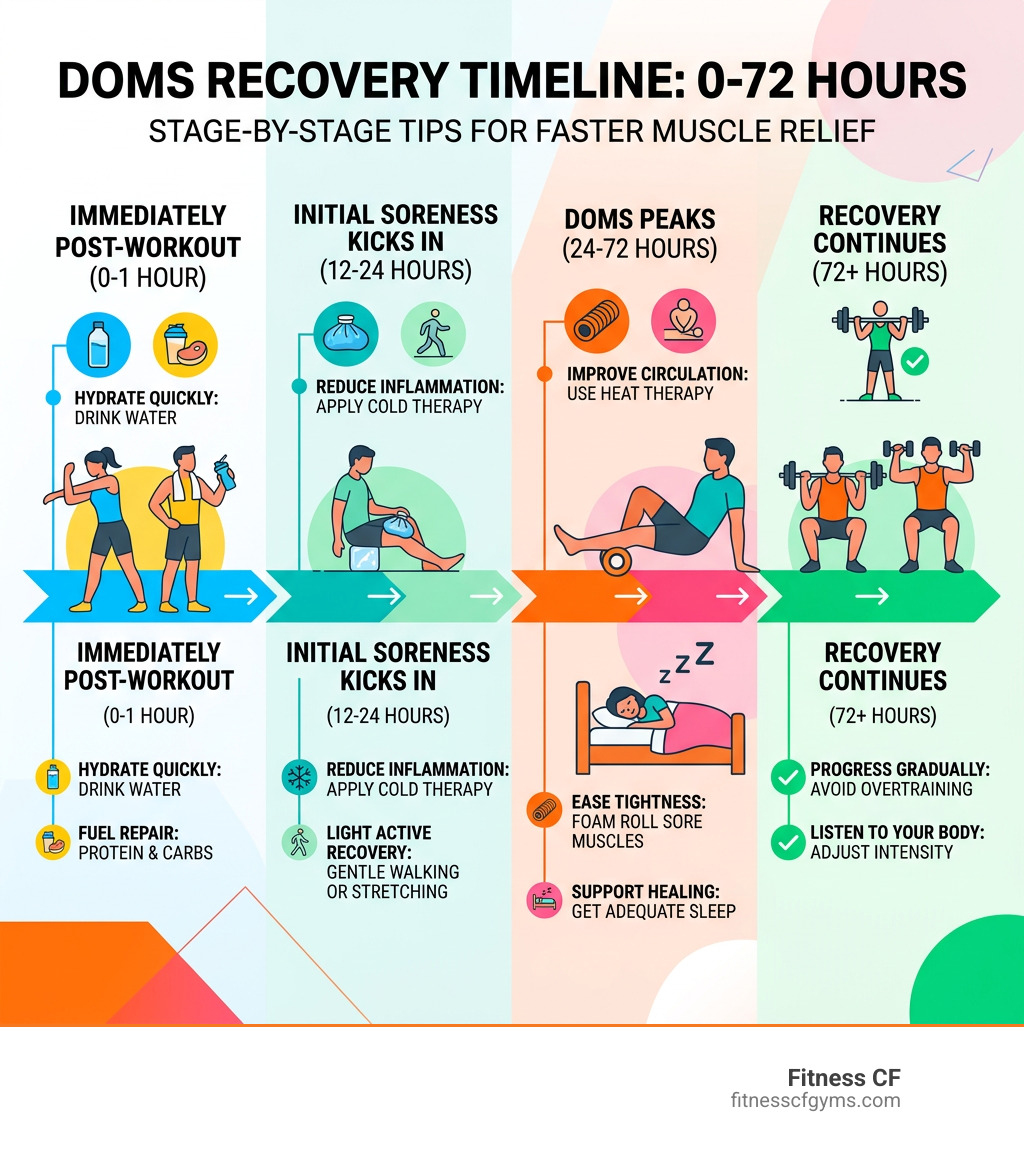
- Do light active recovery – Walking, swimming, or easy cycling boosts blood flow and helps flush out waste products
- Stay hydrated – Drink water before, during, and after exercise to support muscle repair
- Eat protein and carbs soon after your workout – Aim for 20-30g of protein within 30 minutes post-exercise
- Use cold or heat therapy – Ice reduces early inflammation; heat improves circulation once swelling settles
- Foam roll or massage sore areas – Self-myofascial release helps break up tightness in the muscle and fascia
- Get enough sleep – Your muscles do most of their rebuilding while you rest (aim for 7-9 hours)
- Wear compression gear – Helps reduce swelling and supports circulation
- Progress your training gradually – Jumping too hard too fast is the most common cause of severe soreness
That aching feeling — officially called Delayed Onset Muscle Soreness (DOMS) — typically kicks in 12 to 24 hours after a tough workout and peaks somewhere between 24 and 72 hours later. It usually clears up within 3 to 5 days.
It happens because exercise creates microscopic tears in your muscle fibers. Your body responds with an inflammatory process to repair those tears — and that repair is exactly what makes your muscles stronger over time. So the soreness isn’t a bad thing. But that doesn’t mean you have to just grit your teeth and wait it out.
There are real, research-backed ways to speed up that recovery process and get back to feeling good faster.
I’m Pleasant Lewis, owner and operator of Fitness CF, with over 40 years of experience in the fitness industry helping members understand after exercise muscle pain how to relieve it as part of building a sustainable, healthy lifestyle. In this guide, I’ll walk you through eight practical strategies that actually work — so soreness stops being a reason to skip your next session.
Related content about after exercise muscle pain how to relieve it:
After Exercise Muscle Pain: How to Relieve It with Active Recovery
When your legs feel like lead and your arms are screaming “no more,” your first instinct might be to glue yourself to the couch. However, total stillness can actually make stiffness worse. This is where active recovery comes in. Instead of a high-intensity session, you engage in low-impact movement that keeps the body moving without adding further stress.
Active recovery works by increasing blood circulation. This movement helps “flush” the metabolic waste products that accumulate during a hard workout. Furthermore, light exercise triggers the release of endorphins—your body’s natural painkillers—which can provide immediate, albeit temporary, relief. According to scientific research on active recovery, low-intensity movement is one of the most effective ways to manage the symptoms of exercise-induced muscle damage.
If you are wondering how to ease pain after workout, the answer is often to keep moving, just at a much lower gear.
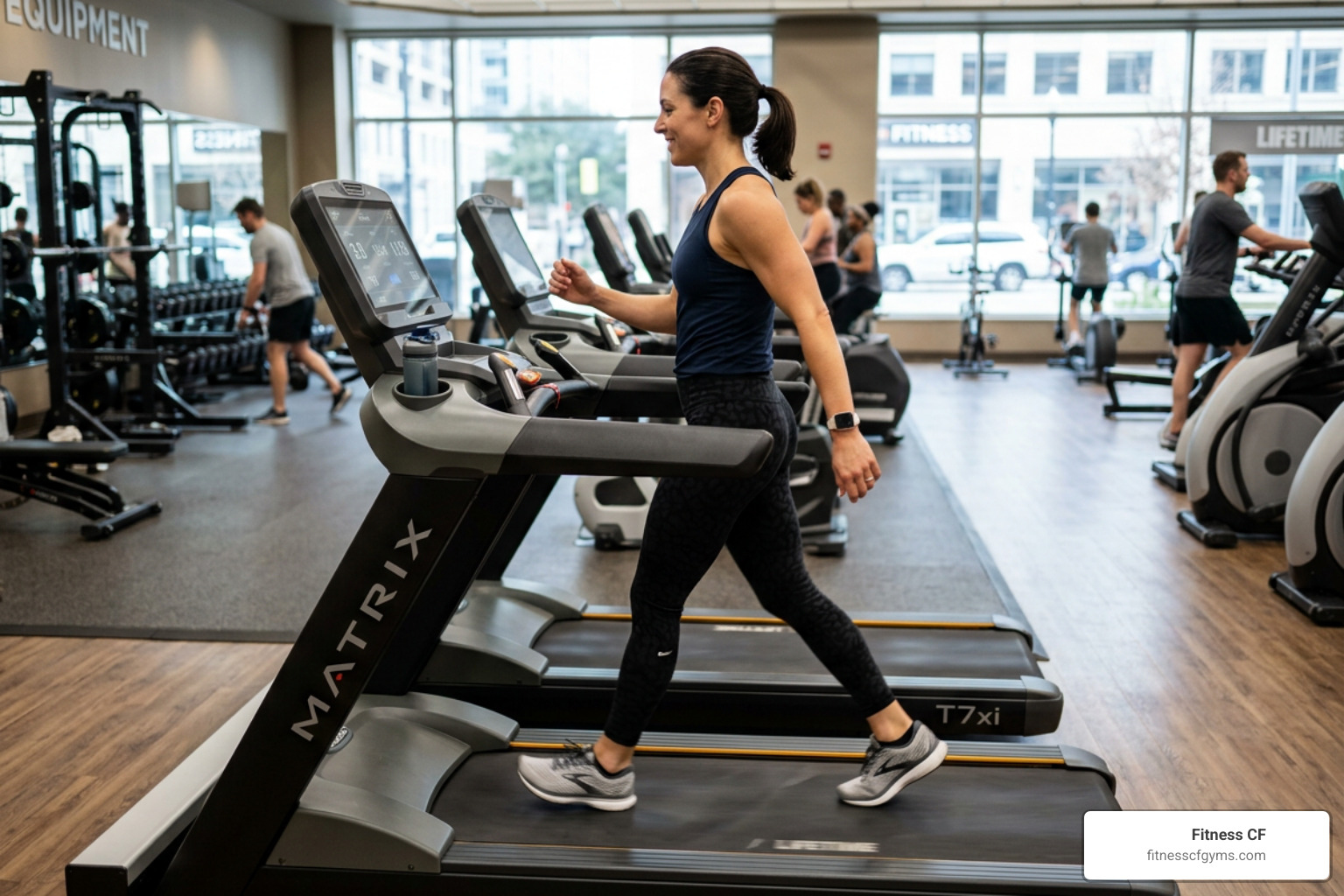
Low-Intensity Cardio for Circulation
The goal here is a “recovery pace.” Think of activities like walking, gentle swimming, or a light spin on a stationary bike. These aerobic activities increase oxygen delivery to the damaged muscle tissues, which is essential for the repair process.
Many people ask, “can you work out with sore muscles“? The answer is yes, provided the pain isn’t sharp or localized (which could indicate an injury). If your soreness is a 2 or 3 on a scale of 10, a 20-minute walk can do wonders for your mobility.
After Exercise Muscle Pain: How to Relieve It Through Mobility Work
Beyond cardio, mobility work like yoga or dynamic stretching can help break up “fascial adhesions.” Think of your fascia as a saran-wrap-like coating over your muscles; when you’re sore, it can get tight and “sticky.” Gentle, flowing movements help restore your range of motion and prevent that “tin man” feeling. For those looking to improve their daily movement, incorporating better flexibility exercises into your routine can reduce the severity of DOMS in the long run.
Nutrition and Hydration Strategies for Faster Healing
What you put in your body is just as important as how you move it. After a strenuous session, your body is in repair mode, and it needs raw materials to rebuild those microscopic tears.
Proper nutrition focuses on three pillars: protein synthesis for muscle repair, glycogen replenishment (restoring your energy stores), and managing inflammation. Research suggests that consuming 20-30 grams of protein within the hours following a workout provides the amino acids necessary for tissue repair.
Anti-Inflammatory Foods and Supplements
Certain foods act as natural anti-inflammatories. One of the most researched options is tart cherry juice. A study of runners found that those who drank tart cherry juice for seven days prior to an event experienced significantly less post-run pain. Interestingly, scientific research on cherry juice for recovery shows it can reduce strength loss from 22% down to just 4% following eccentric exercise.
Other good things for muscle recovery include Omega-3 fatty acids (found in salmon or walnuts) and antioxidants found in berries. You might also wonder, are bananas good for workout recovery? Yes! They provide the carbohydrates needed to refuel and potassium to help prevent cramping.
| Protein Source | Grams per Serving | Recovery Benefit |
|---|---|---|
| Chicken Breast | 31g (100g serving) | High leucine content for muscle growth |
| Greek Yogurt | 10g (100g serving) | Fast-absorbing whey and slow-release casein |
| Quinoa | 8g (1 cup cooked) | Complete plant protein with complex carbs |
| Whey Protein | 20-25g (1 scoop) | Rapidly digested for immediate post-workout use |
After Exercise Muscle Pain: How to Relieve It with Proper Hydration
Hydration is the “unsung hero” of recovery. Water helps transport nutrients to your muscles and flushes out the toxins released during exercise. A simple way to check your status is urine color; “pale yellow” is the goal. If it’s dark, you’re likely dehydrated, which can lead to increased fatigue and muscle cramps.
For especially sweaty sessions in the Florida heat, plain water might not be enough. You may need to replenish your electrolyte balance with minerals like sodium, magnesium, and potassium to maintain proper muscle function.
Using Technology and Recovery Tools
In the modern fitness world, we have access to incredible tools that were once reserved for professional athletes. From percussive therapy to compression tech, these tools can provide significant relief for after exercise muscle pain how to relieve it.
Cold and Heat Therapy
The “Ice vs. Heat” debate is a common one. Generally, ice is best for the first 24-48 hours if there is significant inflammation or swelling. What do ice baths do? They constrict blood vessels and reduce the inflammatory response.
Once the initial “heat” of the soreness has passed, switching to a warm bath can improve circulation and relax tight tissues. If you want to maximize your relaxation, learning how to take a bath for sore muscle relief using Epsom salts can provide a soothing, magnesium-rich environment for your muscles to recover.
Compression and Topical Relief
Compression garments, like socks or sleeves, help improve blood flow and reduce the “space” for swelling to occur. Devices like Normatec boots use dynamic compression to mimic the body’s natural muscle pump, speeding up the removal of metabolic waste.
If you need immediate, localized relief, topical balms containing menthol or essential oils like lavender and rosemary can help. These don’t necessarily “fix” the muscle, but they provide a cooling sensation that distracts the brain from pain signals—a phenomenon known as “pain signal confusion.” Finding the best balm for pain relief can be a game-changer for getting through a workday with sore muscles.
The Role of Prevention and Progressive Training
While we all want to know what are the best ways to relieve sore muscles, the best strategy is often to prevent extreme DOMS before it starts. This doesn’t mean you shouldn’t work hard—it means you should work smart.
Importance of Warm-Ups and Cool-Downs
A proper warm-up (5-10 minutes of dynamic movement) prepares your heart and muscles for the stress to come. Surprisingly, a Cochrane Review on stretching found that static stretching before or after exercise doesn’t significantly reduce DOMS. However, it does help with overall injury prevention and range of motion.
A cool-down is equally vital. Stopping abruptly can cause blood to pool in your extremities, leading to dizziness and increased stiffness. Following a comprehensive guide to warm-ups and cool-downs ensures your body transitions safely in and out of high-intensity states.
Gradual Intensity Progression
The number one cause of debilitating soreness is doing too much, too soon. This is especially true with “eccentric loading”—the phase of an exercise where the muscle lengthens under tension (like the lowering part of a bicep curl or running downhill).
To build sustainable fitness, use “progressive overload.” Increase your weights or reps by small increments (2-5%) only when the current level feels manageable. Whether you’re a beginner or an athlete mastering leg day recovery, consistency will always beat intensity when it comes to long-term results.
When to Seek Medical Help for Muscle Pain
It is important to distinguish between “good” soreness and an actual injury. DOMS is usually a dull, widespread ache that improves with movement. An injury, like a muscle strain, is typically sharp, localized to one spot, and gets worse if you try to use the muscle.
According to the Cleveland Clinic on DOMS treatment, you should seek medical help if:
- Your pain lasts longer than 7 days.
- The pain is so severe it prevents you from daily activities (like walking or dressing).
- You notice extreme swelling or bruising.
- Your urine is very dark (a sign of rhabdomyolysis, a rare but serious condition).
If you’re unsure, it’s always better to alleviate sore muscles after workout by consulting a professional rather than pushing through a potential tear.
Frequently Asked Questions about Muscle Recovery
How long does post-workout muscle soreness typically last?
Standard DOMS usually peaks at 24-72 hours and should completely resolve within 3 to 5 days. If you are still in significant pain after a week, it may be time to see a doctor or physical therapist.
Is it safe to exercise when my muscles are still sore?
Yes, but adjust your intensity. If you have “leg day” soreness, try an upper-body workout or a light walk. Avoid high-impact or maximum-weight sets until your range of motion returns to normal.
Does stretching before a workout prevent DOMS?
Research shows that stretching doesn’t do much to prevent the microscopic tears that cause DOMS. However, a dynamic warm-up (moving while stretching) is excellent for preparing the joints and preventing acute injuries like pulls or strains.
Conclusion
At Fitness CF, we believe that fitness is a marathon, not a sprint. Understanding after exercise muscle pain how to relieve it is a vital skill for anyone committed to a healthy lifestyle. By combining active recovery, smart nutrition, and a progressive mindset, you can turn soreness from a “workout stopper” into a sign of progress.
Your body builds muscle while you rest, not while you’re lifting. Respect the recovery process as much as the workout itself. If you’re looking for a place to train that supports your recovery as much as your gains, come experience our recovery amenities at one of our Central Florida locations. Let’s get back in the gym—stronger and smarter than before!