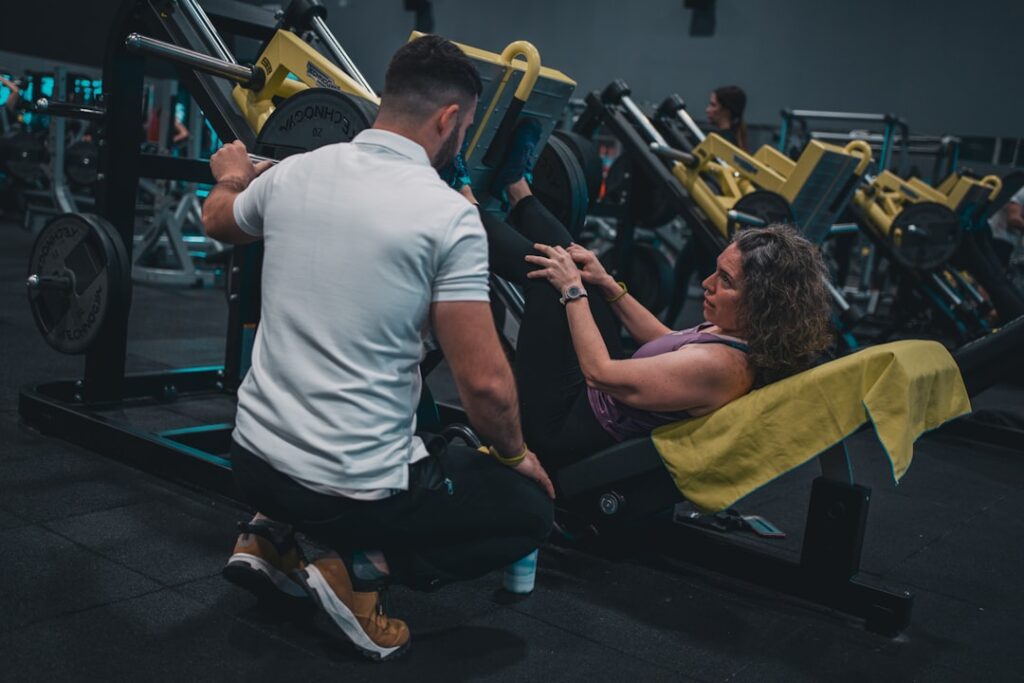
Why Juggling Family and Fitness Doesn’t Have to Feel Impossible
Healthy living doesn’t require perfect conditions—it thrives on small, consistent choices. If you’re balancing parenting, work, and life, think in terms of “minimum effective doses.” Ten minutes of movement, a brisk walk after dinner, a quick bodyweight circuit during nap time, or stretching while the coffee brews all add up. According to the American Heart Association, even short bursts of activity throughout the day can significantly improve cardiovascular health.
Strength training supports bone density, preserves muscle as we age, and boosts resting metabolism. Research shows that resistance training just twice per week can increase muscle strength by 25-30% in untrained individuals within 8-12 weeks. This translates to easier daily tasks—carrying groceries, lifting children, climbing stairs—and better long-term health outcomes. As we age, maintaining muscle mass becomes crucial for preventing falls, maintaining independence, and supporting metabolic health.
Cardio strengthens your heart and lungs, improves endurance, and releases mood-lifting endorphins. Regular aerobic exercise has been shown to reduce the risk of heart disease by up to 35%, lower blood pressure, and improve cholesterol profiles. Beyond the physical benefits, cardio acts as a natural antidepressant, with studies showing it can be as effective as medication for mild to moderate depression. Together, strength and cardio training sharpen mental clarity, lower stress, and improve sleep—benefits every busy parent can feel.
Practical ways to get started:
- Habit stack: pair a short workout with an existing routine (after school drop-off, before your shower). This technique leverages your brain’s existing neural pathways to make new habits stick.
- Plan micro-workouts: 2-3 sets of squats, push-ups, and rows on alternate days. These compound movements work multiple muscle groups efficiently.
- Move with your kids: family walks, backyard games, dance breaks. Children who see their parents prioritizing fitness are 5.8 times more likely to be active themselves.
- Protect your energy: prioritize sleep (7-9 hours), hydrate (half your body weight in ounces of water daily), and keep nutritious snacks handy.
- Track your progress: use a simple journal or app to log workouts, even if they’re just 5 minutes. Seeing your consistency builds motivation.
The ripple effects of prioritizing your health extend far beyond personal benefits. When parents model healthy behaviors, children internalize these values. Studies show that active parents raise active kids, creating a generational impact on health and wellness. Your commitment to fitness teaches resilience, discipline, and self-care—lessons that last a lifetime.
Small steps done consistently build long-term health and a lifestyle your children will learn from and carry forward. Every workout, no matter how brief, is an investment in your future self and a gift to your family.
The Game-Changer: Why Consistent Movement Transforms Your Life

Consistency beats intensity. A routine of short, regular workouts can deliver significant physical and mental benefits without overhauling your entire schedule. The Centers for Disease Control and Prevention recommends at least 150 minutes of moderate-intensity aerobic activity weekly, plus muscle-strengthening activities on 2 or more days—goals that are entirely achievable through consistent, manageable sessions.
Strength training benefits extend far beyond aesthetics:
- Increases bone mineral density by 1-3% annually, crucial for preventing osteoporosis
- Preserves and builds lean muscle, supporting a healthy metabolism that burns 50-70 more calories per day for each pound of muscle gained
- Improves insulin sensitivity and blood sugar control, reducing Type 2 diabetes risk by up to 30%
- Improves functional strength for daily activities, from carrying children to maintaining balance
- Boosts production of growth hormone and testosterone, supporting energy and vitality
- Strengthens connective tissues, reducing injury risk by up to 50%
Cardio benefits create a foundation for lifelong health:
- Strengthens the heart muscle, lowering resting heart rate and blood pressure
- Improves VO2 max and overall endurance for daily tasks, making everything from climbing stairs to playing with kids easier
- Boosts mood and reduces anxiety through endorphin release—nature’s own antidepressant
- Improves cognitive function and memory by increasing blood flow to the brain
- Improves sleep quality, with regular exercisers falling asleep 13 minutes faster and sleeping 18 minutes longer
- Reduces inflammation markers linked to chronic diseases
The mental health benefits deserve special attention. Exercise acts as a keystone habit—one positive change that triggers a cascade of other improvements. Parents who exercise regularly report better stress management, increased patience with children, and improved work performance. The confidence gained from achieving fitness goals translates into other life areas, creating an upward spiral of positive change.
Together, strength and cardio training improve focus, patience, and resilience—so you show up calmer, stronger, and more energetic in every role you play. The compound effect of regular exercise means that small, consistent efforts today yield exponential returns in health, energy, and quality of life over time.
What to Expect from a Balanced Fitness Routine
Walking into a new routine can feel daunting, but a simple, well-rounded plan makes progress straightforward and sustainable. Understanding the components of effective fitness programming helps you make informed choices about your health journey.

Core elements of a healthy plan:
- Strength training: 2-4 sessions per week covering squat, hinge, push, pull, and core movements. Research indicates 6-12 total working sets per muscle group weekly optimizes muscle growth and strength gains. Focus on compound movements that work multiple muscle groups simultaneously for time efficiency.
- Cardio: Aim for 150-300 minutes of moderate effort per week (or 75-150 minutes vigorous). Mix steady-state walks/jogs with occasional intervals to build both aerobic base and anaerobic capacity. Zone 2 cardio (conversational pace) should comprise 80% of your cardio work for optimal metabolic benefits.
- Mobility and core: 10-15 minutes on most days focusing on hips, thoracic spine, ankles, and gentle core stability. Dynamic stretching before workouts and static stretching after helps maintain range of motion and prevent injury.
- Active lifestyle: Take the stairs, walk for short errands, break up long sitting periods with quick movement. These “exercise snacks” can add up to 30-60 minutes of additional activity daily.
Sample week for busy parents (adapt to your schedule):
- Monday: Full-body strength (30 minutes) + 10-minute brisk walk
- Tuesday: 25-30 minutes moderate cardio (bike, elliptical, or brisk walk)
- Wednesday: Mobility + core work (15-20 minutes) – perfect for a lunch break
- Thursday: Full-body strength + short intervals (4-6 x 30 seconds with rest)
- Friday: Restorative walk (20-40 minutes) or gentle yoga
- Saturday: Play-based activity (hike, bike ride, sports with family)
- Sunday: Rest, light stretching, or gentle movement
Progression strategies for long-term success:
- Start with bodyweight exercises and master form before adding resistance
- Increase workout difficulty by 5-10% weekly (more reps, slightly more weight, or longer duration)
- Track your workouts to ensure progressive overload
- Plan deload weeks every 4-6 weeks where you reduce volume by 40-50%
- Rotate exercise variations every 4-8 weeks to prevent boredom and plateaus
Nutrition considerations to support your routine:
- Consume 0.7-1g protein per pound of body weight daily for muscle recovery
- Time carbohydrates around workouts for energy and recovery
- Stay hydrated with at least half your body weight in ounces of water daily
- Focus on whole foods: lean proteins, colorful vegetables, whole grains, and healthy fats
- Consider meal prep on weekends to support weekday nutrition goals
Make it enjoyable: choose activities you actually like—dancing, hiking, cycling, swimming, or at-home circuits. Research shows that exercise enjoyment is the strongest predictor of long-term adherence. The best plan is the one you’ll stick with, so experiment with different modalities until you find your favorites.
Safety First: Non-Negotiables for Safe, Effective Workouts
A few smart safeguards keep progress steady and injuries rare.
- Warm up 5–10 minutes: light cardio plus dynamic moves for the joints you’ll use.
- Master form before loading: start with bodyweight, then add resistance gradually (2.5–10% increases).
- Use a range that feels challenging but controlled: stop 1–3 reps before technical failure.
- Balance your training: pair pushes with pulls, squats with hinges, and include single-leg work.
- Progress intelligently: add reps, load, or sets—not all at once. Deload every 6–8 weeks if needed.
- Respect recovery: 7–9 hours of sleep, protein at each meal, and rest days as needed.
- Cardio intensity: use conversational pace for most sessions; sprinkle in intervals 1–2 times weekly.
- Mind your environment: clear space, stable surfaces, supportive footwear, and secure equipment.
- Listen to red flags: sharp pain, dizziness, chest pain, or unusual shortness of breath—stop and seek guidance.
- Special considerations: return-to-exercise postpartum or after injury should be gradual; consult a healthcare professional when appropriate.
Train smart, and your results will compound over time.
Frequently Asked Questions about Building a Healthy Fitness Routine
Is strength training or cardio better?
Both matter equally for different reasons. Strength training preserves muscle mass (which naturally declines by 3-8% per decade after age 30), supports metabolism, and improves bone density. Cardio improves cardiovascular health, endurance, and mental well-being. The Physical Activity Guidelines for Americans recommend both for optimal health. Most people benefit from 2-3 strength sessions and 3-5 cardio sessions weekly, which can overlap (circuit training counts as both!).
How often should I train?
- Strength: 2-4 days weekly, allowing 48 hours between training the same muscle groups
- Cardio: 3-5 days weekly totaling 150-300 minutes moderate or 75-150 minutes vigorous intensity
- Mobility/core: 5-10 minute sessions most days, especially on rest days
- Recovery: At least 1-2 full rest days weekly for adaptation and growth
I’m short on time. What’s the minimum effective dose?
Research shows significant benefits from surprisingly little exercise:
- Strength: 2 full-body sessions (20-30 minutes) per week can maintain and build muscle
- Cardio: 3 x 10-15 minute brisk walks or high-intensity intervals provide cardiovascular benefits
- Movement snacks: 1-2 sets of exercises throughout the day (squats while coffee brews, push-ups before shower)
- Even 11 minutes daily of moderate activity reduces early death risk by 23%
Will lifting make me bulky?
This is a common myth. Building significant muscle mass requires:
- Consistent calorie surplus (eating more than you burn)
- High training volumes (15-20+ sets per muscle weekly)
- Specific programming focused on hypertrophy
- Genetic predisposition
For most people, especially women (who have 10-30 times less testosterone than men), lifting creates a lean, toned appearance while improving functional strength and metabolism.
How do I avoid plateaus?
Plateaus happen when your body adapts to your routine. Break through by:
- Progressive overload: add one rep, 2.5-5 pounds, or another set gradually
- Exercise variation: change grip, stance, or movement pattern every 4-8 weeks
- Periodization: alternate between strength, hypertrophy, and endurance phases
- Ensure recovery: adequate protein (0.7-1g/lb body weight), 7-9 hours sleep, stress management
- Deload weeks: reduce volume by 40-50% every 4-6 weeks
How important is nutrition?
Nutrition accounts for 70-80% of body composition changes. Key principles:
- Protein at each meal (20-40g) for muscle recovery and satiety
- Colorful produce for micronutrients and fiber (aim for 5-9 servings daily)
- Quality carbs around workouts for energy and recovery
- Healthy fats for hormone production (20-35% of calories)
- Hydration: half your body weight in ounces of water minimum
- Consistency beats perfection—aim for 80% adherence
What if I’m sore?
Distinguish between good and bad soreness:
- Normal: Mild muscle soreness 24-72 hours post-workout (DOMS)
- Concerning: Sharp pain, joint pain, or soreness limiting daily activities
Manage soreness with: - Active recovery: light walking, swimming, or yoga
- Proper nutrition and hydration
- Quality sleep (7-9 hours)
- Gentle stretching or foam rolling
- Gradual progression in workout intensity
How do I stay motivated?
Motivation is fleeting; build systems instead:
- Set process goals (“exercise 3x weekly”) not just outcome goals (“lose 20 pounds”)
- Track workouts to see progress
- Find an accountability partner or group
- Schedule workouts like appointments
- Prepare gear the night before
- Celebrate small wins weekly
- Remember your “why”—health, energy, setting an example for family
When will I see results?
Timeline varies by individual, but typical progressions include:
- Week 1-2: Improved energy and mood
- Week 2-4: Better sleep and increased strength
- Week 4-8: Visible muscle definition and endurance improvements
- Week 8-12: Significant strength gains and body composition changes
- 3-6 months: Established habit and transformative results
Remember: you’re building a lifestyle, not seeking a quick fix.
Conclusion: Your Path to Healthy Living Starts Now

Healthy living is built on small, repeatable actions. Prioritize movement you enjoy, combine strength and cardio, and protect your sleep, nutrition, and stress management. Start today with one doable step—a 10-minute walk, a quick set of squats and push-ups, or a short mobility flow. Repeat tomorrow. Consistency creates momentum, and momentum changes everything.