Understanding Hip Muscle Pain: A Common Challenge with Real Solutions
How to relieve hip muscle pain is a concern for millions. Whether it’s stiffness from sitting, soreness from weekend activities, or persistent discomfort, you’re not alone. Hip pain can stem from muscle strains, tight hip flexors, overuse, or conditions like arthritis and bursitis. The good news is that most cases respond well to conservative treatments you can start at home.
Quick Relief Strategies:
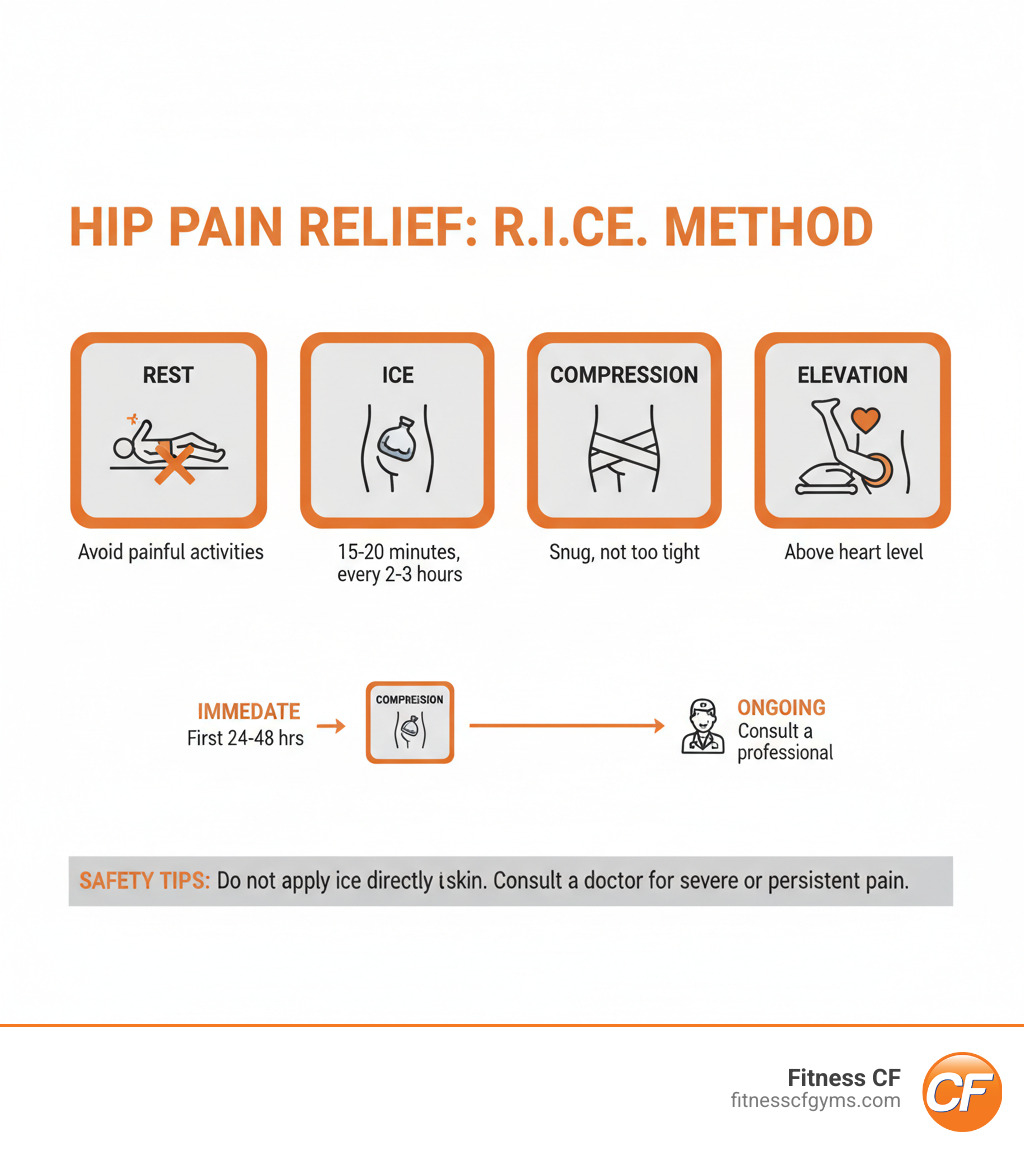
- R.I.C.E. Method – Rest, Ice, Compression, Elevation for acute pain
- Heat therapy – For muscle stiffness and tension
- Gentle stretching – Hip flexor stretches and knee-to-chest movements
- Over-the-counter pain relief – NSAIDs like ibuprofen or naproxen
- Low-impact movement – Walking, swimming, or cycling
- Weight management – Every 10 pounds lost reduces 50 pounds of pressure on hips
Research shows that flexibility and strength exercises are key to relieving hip pain. Many people find relief through simple lifestyle adjustments and targeted movements. From immediate pain management to long-term strengthening, there are proven methods to help you regain comfort and mobility.
With over 40 years in the fitness industry, I’m Pleasant Lewis. I’ve helped countless people learn how to relieve hip muscle pain through proper movement, strength training, and lifestyle modifications. Experience shows that the right combination of education and consistent action leads to lasting pain relief.
Easy how to relieve hip muscle pain glossary:
Why Your Hips Hurt: Uncovering the Common Causes
Your hips are the powerhouse of your body’s movement, so when pain strikes, it can be debilitating. The first step in learning how to relieve hip muscle pain is understanding the cause.
Muscle strains are a frequent culprit, occurring when muscle fibers around the hip are overstretched or torn. Hip flexors are particularly vulnerable, affecting athletes and weekend warriors alike.
Overuse from exercise is another common cause. Repetitive movements from activities like running or cycling can stress hip muscles and tendons. Without adequate recovery time, inflammation and pain can develop.
A sedentary lifestyle leads to tight hip flexors. Hours of sitting cause these muscles to shorten, pulling on the pelvis and disrupting your body’s alignment, which can create widespread discomfort.
Arthritis is a major source of hip pain, especially with age. It involves the breakdown of cartilage in the hip joint, causing pain and stiffness from bone-on-bone friction. Recognizing hip arthritis symptoms is a key step.
Bursitis is the inflammation of the small, fluid-filled sacs (bursae) that cushion the hip joint. Repetitive stress can cause these sacs to swell and become painful, often on the outside of the hip.
Tendonitis occurs when tendons, the cords connecting muscle to bone, become inflamed. Overworking the tendons around the hip joint can lead to significant pain and tenderness.
The impact of excess weight is significant. For every 10 pounds of extra body weight, your hips endure up to 50 pounds of additional pressure. This accelerates joint wear and tear, but even modest weight loss can provide dramatic relief.
Poor posture creates muscle imbalances that lead to pain. Slouching or improper form during exercise causes some muscles to overwork while others weaken, setting the stage for injury.
Understanding these common causes empowers you to take targeted action and choose the most effective strategies for relief and prevention.
Immediate Relief: At-Home Remedies for Hip Muscle Pain
When hip pain hits, you want fast relief. Learning how to relieve hip muscle pain often starts at home with simple, proven techniques to calm inflammation and relax tense muscles.
The R.I.C.E. Method
This time-tested approach helps manage acute pain and muscle strains effectively.
Rest is your first priority. Avoid activities that worsen the pain. Taking pressure off the joint is crucial for healing.
Ice for inflammation works wonders in the first 48 hours. Apply an ice pack wrapped in a towel for 10-15 minutes at a time, several times a day. Cold reduces swelling and numbs pain.
Compression with an elastic bandage or compression shorts can reduce swelling and provide support. Ensure it’s snug but not tight enough to cut off circulation.
Elevation helps reduce swelling. Lie down and raise your legs slightly on pillows to encourage fluid drainage.
Heat and Cold Therapy
Knowing when to use ice versus heat is key. The answer depends on your type of pain.
| Heat Therapy | Ice Therapy |
|---|---|
| Best for: Muscle stiffness, chronic aches, warming up before stretches | Best for: Acute pain, swelling, inflammation, fresh injuries |
| How it works: Increases blood flow and relaxes tight muscles | How it works: Reduces inflammation and numbs nerve endings |
| Application: Warm bath, heating pad for 15-20 minutes | Application: Ice pack wrapped in towel for 10-15 minutes |
A warm bath or heating pad before stretching can ease stiff, achy hips. Heat increases blood flow, making muscles more flexible and ready for gentle movement.
Over-the-Counter and Topical Options
NSAIDs (ibuprofen, naproxen) are effective for both pain and inflammation. Acetaminophen relieves pain but doesn’t target inflammation.
Topical creams with ingredients like capsaicin (warming sensation) or salicylates (anti-inflammatory) offer targeted relief directly to the skin.
Always follow dosage instructions and consult a healthcare professional if using medication for more than 10 days. For more strategies, see our guide on how to Alleviate Sore Muscles After Workout.
How to Relieve Hip Muscle Pain with Movement: The Best Exercises and Stretches
While it may seem counterintuitive, gentle, purposeful movement is often what your body needs to heal from hip pain. The right balance of flexibility and strength exercises can support recovery, release muscle tension, and build a supportive network around the joint.
Always warm up your muscles before exercising. A few minutes of light movement or a warm shower can prepare your body for activity. For more guidance, see The Importance of Warm-up and Cool-down Exercises: A Comprehensive Guide.
Listen to your body. Stop immediately if any movement causes sharp pain. We’re aiming for gentle stretches, not significant discomfort. If pain lingers for over an hour post-exercise, reduce the intensity next time.
Gentle Stretches for Flexibility and Mobility
These stretches help tight muscles release and relax. Stretch when your muscles are warm, such as after a light walk or warm bath.

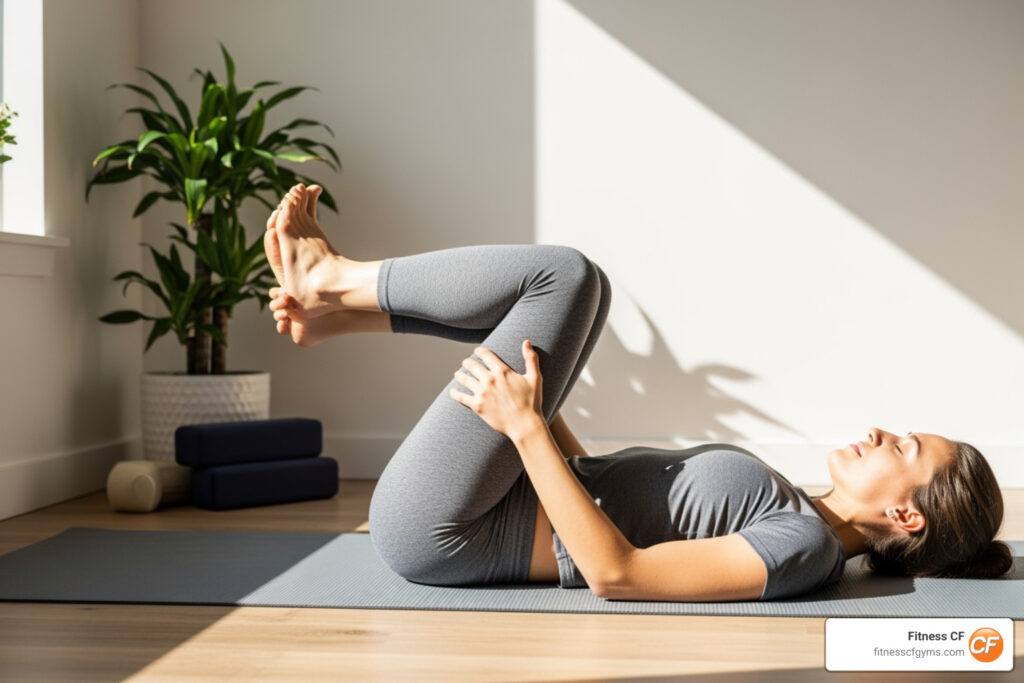
Knee lifts (knee-to-chest stretch): Lie on your back with one leg straight. Gently pull the opposite knee to your chest, hold for 10 seconds, and feel the stretch in your hip and lower back. Slowly lower the leg. Repeat 5-10 times on each side.
External hip rotation (butterfly stretch): Sit on the floor with the soles of your feet together. Gently press your knees toward the floor until you feel a comfortable stretch. Hold for 10 seconds and repeat 5-10 times. Do not force the stretch.
Double hip rotation: Lie on your back with knees bent and feet flat. Slowly lower both knees to one side, turning your head to the opposite side while keeping your shoulders flat. Hold for 20-30 seconds. Repeat 3-5 times per side.
Hip and lower back stretch: Lie on your back and pull both knees to your chest. Hold for 20-30 seconds, breathing deeply. Repeat 3-5 times.
For more ideas, explore Stretching Routines to Improve Flexibility and Prevent Injuries.
Strengthening Exercises for Hip Stability
Strong hip muscles protect your joints and improve stability. These exercises build that support system and promote joint lubrication, which is beneficial for conditions like arthritis.
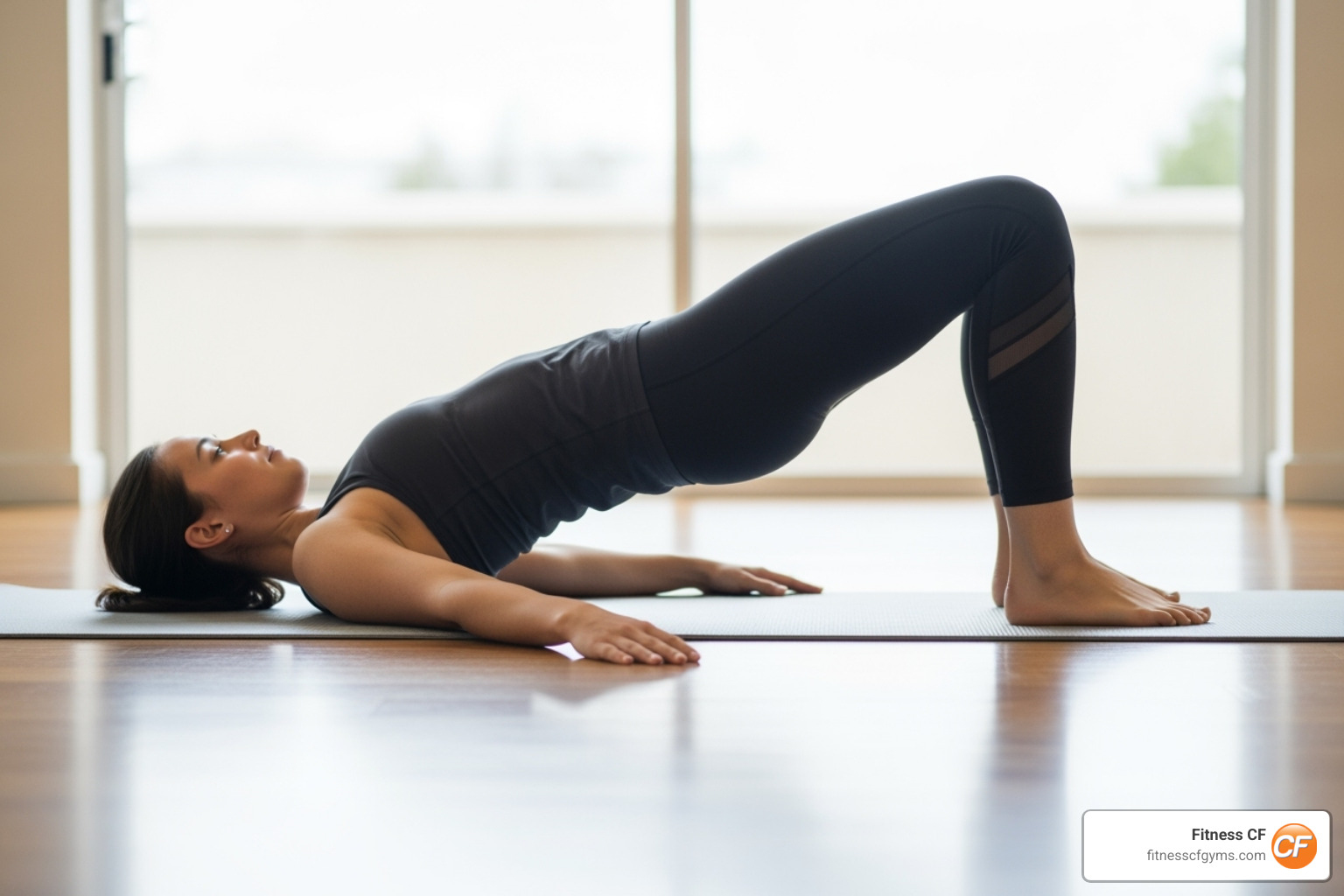
Bridges: Lie on your back with knees bent and feet flat. Lift your pelvis off the floor, squeezing your glutes. Hold for 5 seconds, then slowly lower. Start with 5-10 repetitions.
Clamshells: Lie on your side with knees bent and stacked. Keeping your feet together, lift your top knee toward the ceiling without rolling your hips back. Slowly lower. Aim for 10-15 repetitions per side.
Mini squats: Stand with feet shoulder-width apart, holding a support if needed. Keeping your back straight, bend your knees slightly as if sitting in a chair. Ensure your knees track over your toes. Slowly rise. Start with 5-10 repetitions.
Standing hip abduction: Holding a support, stand straight and lift one leg out to the side. Hold for 5 seconds, then slowly lower. This improves lateral hip stability. Repeat 5-10 times per leg.
Appropriate movement helps reduce pain and improve function for those with osteoarthritis. Learn more about the Benefits of exercise for osteoarthritis.
Exercises and Activities to Avoid
Knowing what to avoid is as important as knowing what to do. Certain activities can hinder recovery.
High-impact activities like running on hard surfaces, basketball, or volleyball can jar the hip joints. Temporarily switch to gentler alternatives.
Deep squats with poor form can stress the hip joints. Stick to mini squats until your form is correct and your range of motion is pain-free.
Overstretching can worsen injuries. A stretch should be a gentle pull, never sharp or intense.
Don’t ignore pain signals. If an exercise causes pain, modify or skip it. For more tips, read our guide on How to Prevent and Recover from Common Workout Injuries.
Long-Term Solutions: Lifestyle Changes and Professional Support
For recurring hip pain, lasting change comes from lifestyle adjustments that address the root cause, rather than just managing symptoms.
How to Relieve Hip Muscle Pain Through Lifestyle Adjustments
Weight management is one of the most powerful tools for hip health. Every 10 pounds of extra weight adds up to 50 pounds of pressure on your hips. Even modest weight loss can significantly reduce this strain and provide relief.
Low-impact cardio activities are your hips’ best friends. Swimming, walking, and cycling strengthen surrounding muscles and maintain mobility without jarring the joints. These activities also boost cardiovascular health, aiding the body’s natural healing.
Proper posture and ergonomics are crucial. Slouching tightens hip flexors, causing problems. Simple adjustments like taking regular stretch breaks and using an ergonomic setup can make a significant difference.
Regular physical activity creates a positive cycle: stronger muscles and more mobile joints make it easier to maintain healthy habits for long-term hip health.
When to Seek Professional Help for Hip Pain
While home care is often effective, sometimes professional help is necessary to prevent a minor issue from becoming serious.
Seek immediate medical attention if you experience an inability to bear weight on your leg, sudden and intense pain, visible joint deformity, significant swelling, or signs of infection like fever and redness.
Schedule an appointment with a healthcare provider if home care doesn’t help after a few weeks, the pain interferes with daily life, or it gradually worsens. Persistent pain is a signal to seek professional advice.
The Role of Professional Treatment
Physical therapy is a cornerstone of treatment. A physical therapist will assess your condition and create a personalized program of exercises, hands-on treatment, and education on proper movement.
A proper diagnosis is crucial. Your doctor may use X-rays to view bones or an MRI for soft tissues. Other tests can rule out infections or specific types of arthritis.
Corticosteroid injections can offer significant, though often temporary, relief from inflammation (like in bursitis), creating a window for more effective physical therapy.
Surgery is rarely the first option. It’s considered when conservative treatments fail and pain severely impacts quality of life. Options range from minimally invasive arthroscopy to hip replacement.
Frequently Asked Questions about Relieving Hip Pain
Here are answers to the most common questions I’ve encountered in my 40 years in fitness about how to relieve hip muscle pain.
Should you stretch your hip if it hurts?
Generally, yes. Gentle stretching can be very beneficial for pain from muscle tightness or strains, as it helps restore flexibility. The key is to be gentle; the stretch should be comfortable, never sharp. However, stop stretching and seek medical attention if you have a fever, significant swelling, or skin discoloration, as these could signal a more serious condition. The golden rule is to listen to your body: if a stretch hurts, modify it or skip it.
How long does it take for hip muscle pain to go away?
Recovery time varies based on the cause and severity.
- Mild strains or overuse injuries often improve within a few days to two weeks with self-care.
- More stubborn hip flexor strains can take a few weeks to six weeks or more to heal.
- Chronic conditions like arthritis or tendonitis require ongoing management to maintain mobility and reduce pain, rather than a quick cure.
As a rule of thumb, if your pain doesn’t improve after two weeks of home care or worsens, consult a healthcare provider to get a proper diagnosis and treatment plan.
Can sitting too much cause hip pain?
Yes, absolutely. Prolonged sitting is a major cause of hip pain. It causes the hip flexor muscles to shorten and tighten, which pulls on the pelvis and disrupts your body’s alignment. This can lead to deep, aching pain, reduced strength, and stiffness, especially when you stand up after sitting for a long time.
The solution is simple: move more. Try to stand and stretch for a few minutes every hour. Incorporating simple hip-opening stretches throughout your day can counteract the effects of prolonged sitting and keep your hips healthy.
Take the Next Step Towards a Pain-Free Life
You now have a guide on how to relieve hip muscle pain, from immediate relief to long-term solutions. The power to find relief is in your hands.
An active lifestyle is the cornerstone of lasting hip health. Strengthening your core, improving flexibility, and moving regularly builds a foundation for a pain-free future. Strength training builds supportive muscles around the hip joint, while cardio like walking or swimming keeps joints lubricated and helps manage weight.
Consistency is key. It’s about creating sustainable habits, not perfect workouts. Small steps like taking the stairs or doing daily stretches support your body’s healing. Healthy living also includes proper nutrition, adequate sleep, and stress management, which work together with exercise for lasting relief.
As you build strength, remember the importance of recovery. Services like HydroMassage can aid muscle recovery, complementing an active lifestyle by soothing tired muscles. Your hips have carried you on many adventures; with the right knowledge, movement, and self-care, they will support you for years to come. The path to pain-free living is within your reach.