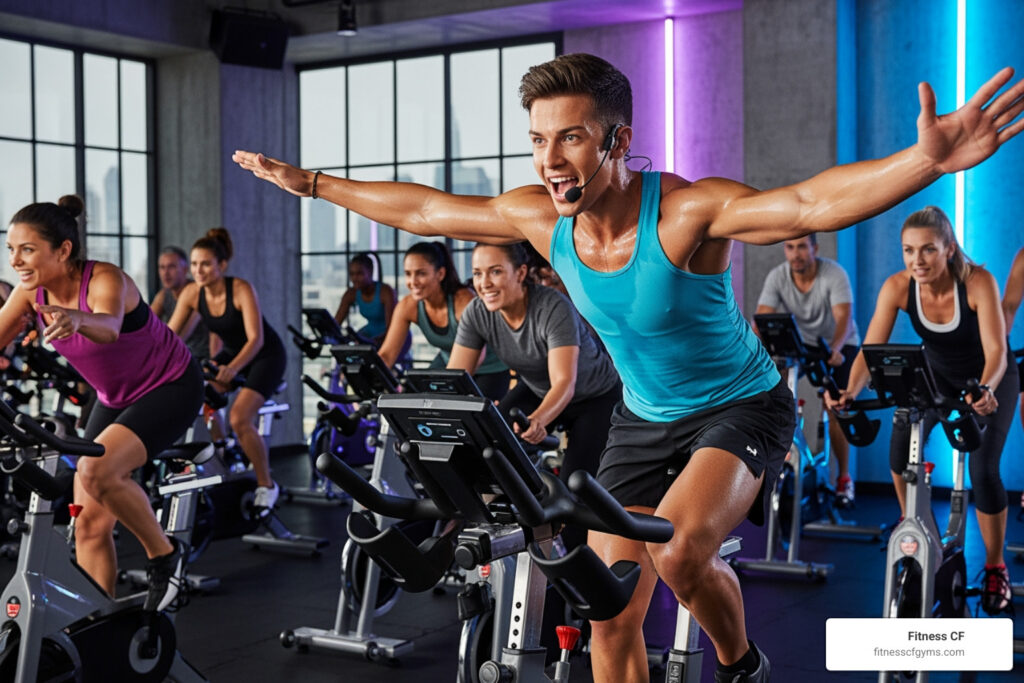
Why Spin Class Instructor Certification Matters for Your Fitness Career
Spin class instructor certification is a professional credential that qualifies you to lead indoor cycling classes safely and effectively. Here’s what you need to know:
Quick Overview: Getting Certified
- Top Certifications: Spinning® ($355), ISSA ($468), AFAA ($314), NETA ($229), ASFA ($249)
- Time Commitment: 7-10 hours for online courses; 9 hours for in-person training
- Format Options: Self-paced online, live in-person, or hybrid virtual
- Exam Requirements: Pass with 80% or higher (typically 50 multiple-choice questions)
- Certification Validity: 2 years with continuing education for renewal
- Career Outlook: 39% job growth projected from 2020-2030
- Average Salary: $78,000/year ($40/hour)
If you’re passionate about indoor cycling and love the energy of a great spin class, becoming a certified instructor might be the perfect career move. Certification gives you the credibility, knowledge, and skills to turn your enthusiasm into a rewarding profession—whether you’re looking for a full-time career or a flexible side gig that keeps you connected to fitness.
The benefits go beyond just teaching. You’ll deepen your understanding of exercise science, learn how the body responds to different training zones, and master the art of motivating riders through music, cueing, and energy. Plus, cardio workouts like indoor cycling offer incredible health benefits: improved cardiovascular health, increased calorie burn, improved endurance, and reduced stress levels.
I’m Pleasant Lewis, owner and operator of Fitness CF and Results Fitness, and over my 40 years in the fitness industry, I’ve seen how spin class instructor certification transforms passionate cyclists into confident, effective instructors who create memorable experiences for their riders. In this guide, I’ll walk you through everything you need to know to get certified and launch your career as a spin instructor.
Spin class instructor certification helpful reading:
Why Become a Certified Spin Instructor?
If you’ve ever left a spin class feeling invigorated, energized, and ready to conquer the world, you understand the magic a great instructor can create. That feeling isn’t accidental; it’s the result of skilled leadership, thoughtful class design, and a deep understanding of fitness principles. Becoming a certified spin instructor allows you to be that source of inspiration for others, guiding them through challenging yet rewarding workouts.
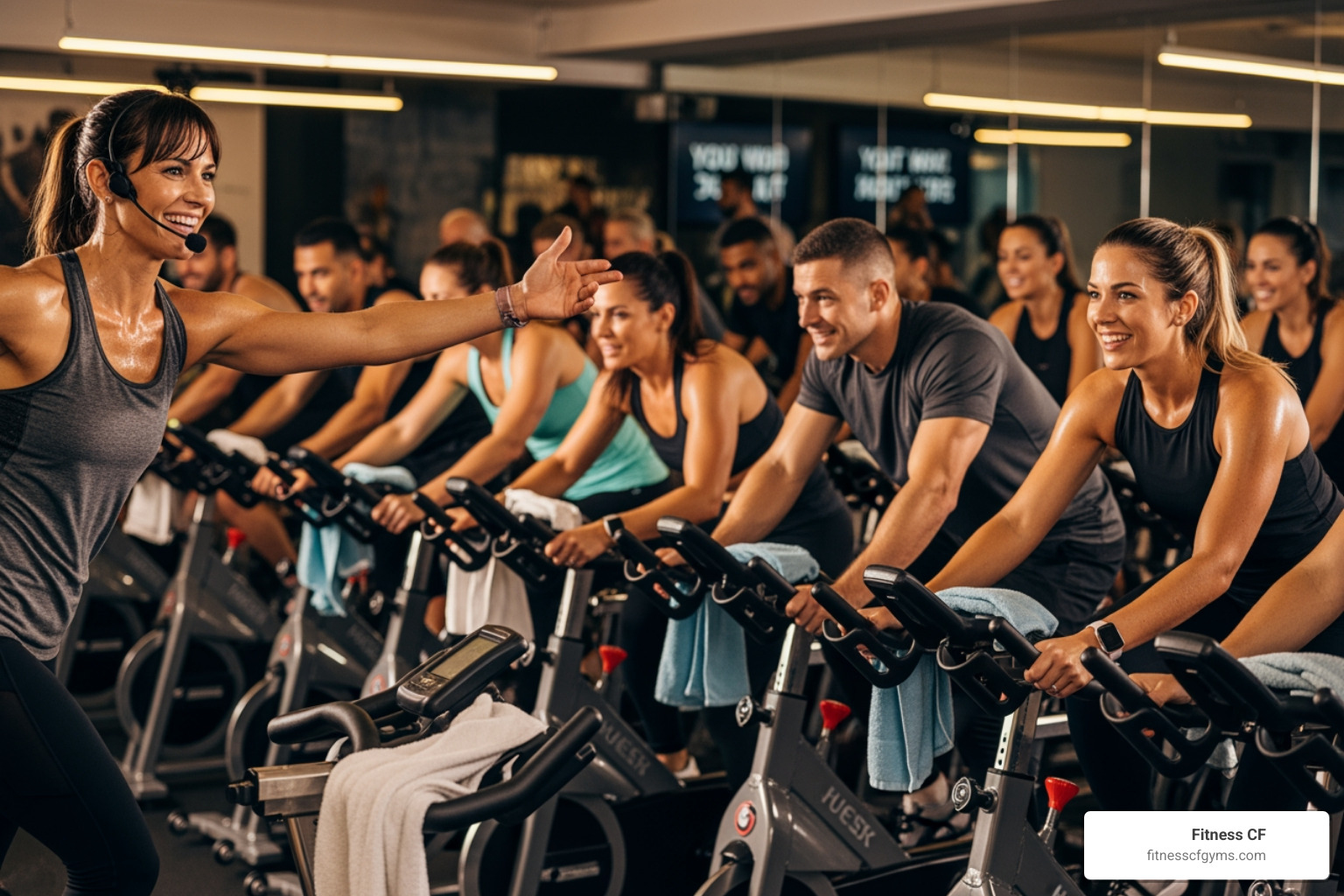
One of the most profound benefits is the opportunity to inspire others on their fitness journeys. As an instructor, you don’t just lead a workout; you facilitate an experience. You help people push past their perceived limits, celebrate their successes, and build a stronger, healthier version of themselves. This role goes beyond simply pedaling faster; it’s about understanding the human body, cycling techniques, and how to help clients achieve their goals.
Certification also leads to a significant deepening of your fitness knowledge. You’ll learn the “ins and outs of the human body,” how different cycling techniques impact it, and how to design classes that are both effective and safe. This knowledge isn’t just for your students; it improves your own understanding of exercise science and can improve your personal performance on the bike and in other fitness pursuits. The benefits of consistent cardio exercise, like indoor cycling, are immense, including improved cardiovascular health, improved endurance, and a powerful way to manage stress. When you understand the science behind these benefits, you can communicate them more effectively to your class, making their workouts even more meaningful.
Furthermore, a spin class instructor certification offers incredible career flexibility. Whether you’re looking for a full-time role, a part-time gig to supplement your income, or a way to stay active in retirement, teaching spin can fit your lifestyle. It’s a fantastic way to build a community around shared fitness goals, connect with like-minded individuals, and become a valued part of your local fitness scene.
Key Skills and Qualities of a Successful Instructor
What makes a spin instructor truly memorable? It’s a blend of inherent qualities and learned skills. We’ve seen that the best instructors possess a unique combination of traits that lift a class from a workout to an experience.
- Enthusiasm and Energy: This is non-negotiable! An instructor’s energy is infectious. We’re looking for “outgoing, enthusiastic, and [those who] have that ‘wow-factor’ that fills a room,” as one source eloquently puts it. Your passion for indoor cycling will be your greatest asset.
- Strong Communication: Clear, concise, and motivating cues are essential. You need to guide riders through movements, intensity changes, and mental challenges effectively. This involves not just what you say, but how you say it.
- Musicality and Rhythm: Music is the heartbeat of a spin class. A great instructor can seamlessly blend music with the ride profile, using rhythm to drive motivation and improve the experience. This means understanding how to create dynamic playlists that complement the terrain, intensity, and rhythm of your class.
- Empathy: Understanding that every rider has different fitness levels, goals, and even emotional states is crucial. An empathetic instructor can offer modifications, encouragement, and create an inclusive environment where everyone feels successful.
- Professionalism: This covers everything from punctuality and preparedness to maintaining a safe environment and handling unexpected situations calmly. It also means staying updated on best practices and continuing your education.
- Leadership: You are the guide, the motivator, and the expert in the room. Riders look to you for direction and inspiration. Effective leadership ensures a smooth, engaging, and challenging class.
- Knowledge of Human Anatomy: While you don’t need a medical degree, understanding the basics of human anatomy and physiology is vital. This allows you to explain proper form, identify contraindications, and design workouts that are safe and effective, minimizing the risk of injury while maximizing the benefits of cardio and strength work on the bike.
The Benefits of Certification vs. Being Uncertified
While your passion for cycling might be strong, operating without a spin class instructor certification is like trying to steer a new city without a map. You might get somewhere, but it won’t be as efficient, safe, or rewarding.
- Credibility and Trust: Certification immediately establishes your expertise and professionalism. It gives us, and your potential students, confidence that you possess the necessary knowledge and skills to lead a safe and effective class. It provides a “competitive edge” over non-certified individuals.
- Increased Earning Potential: Certified instructors generally command higher pay. The average spin instructor salary is currently $78,000 per year or $40 per hour, with experienced workers making up to $117,000 annually. This is a significant jump compared to general group fitness salaries. Your certification is an investment that pays dividends.
- Access to Professional Resources: Certified instructors gain access to continuing education, specialized workshops (like power-based training), and a network of fellow professionals. This allows for continuous growth and development in your craft.
- Liability Protection: While certification doesn’t prevent all accidents, it demonstrates that you’ve met industry standards for safety and instruction. This can be crucial in protecting you and your facility in the event of an incident.
- Comprehensive Knowledge of Safety: Certification programs rigorously cover bike setup, proper form, and safety protocols. This ensures you can protect your riders from injury and create a secure environment for intense cardio workouts.
- Understanding Exercise Science: Beyond just teaching movements, certification digs into the “why” behind the workout. You’ll learn about heart rate training zones, energy systems, power metrics, and how to apply these scientific principles to class design for optimal results. This foundational knowledge is key to delivering not just a good workout, but a smart one.
Your Path to Spin Class Instructor Certification
Starting on the journey to become a certified spin instructor is an exciting step. It’s a structured path that, while requiring effort and dedication, is highly achievable and incredibly rewarding.
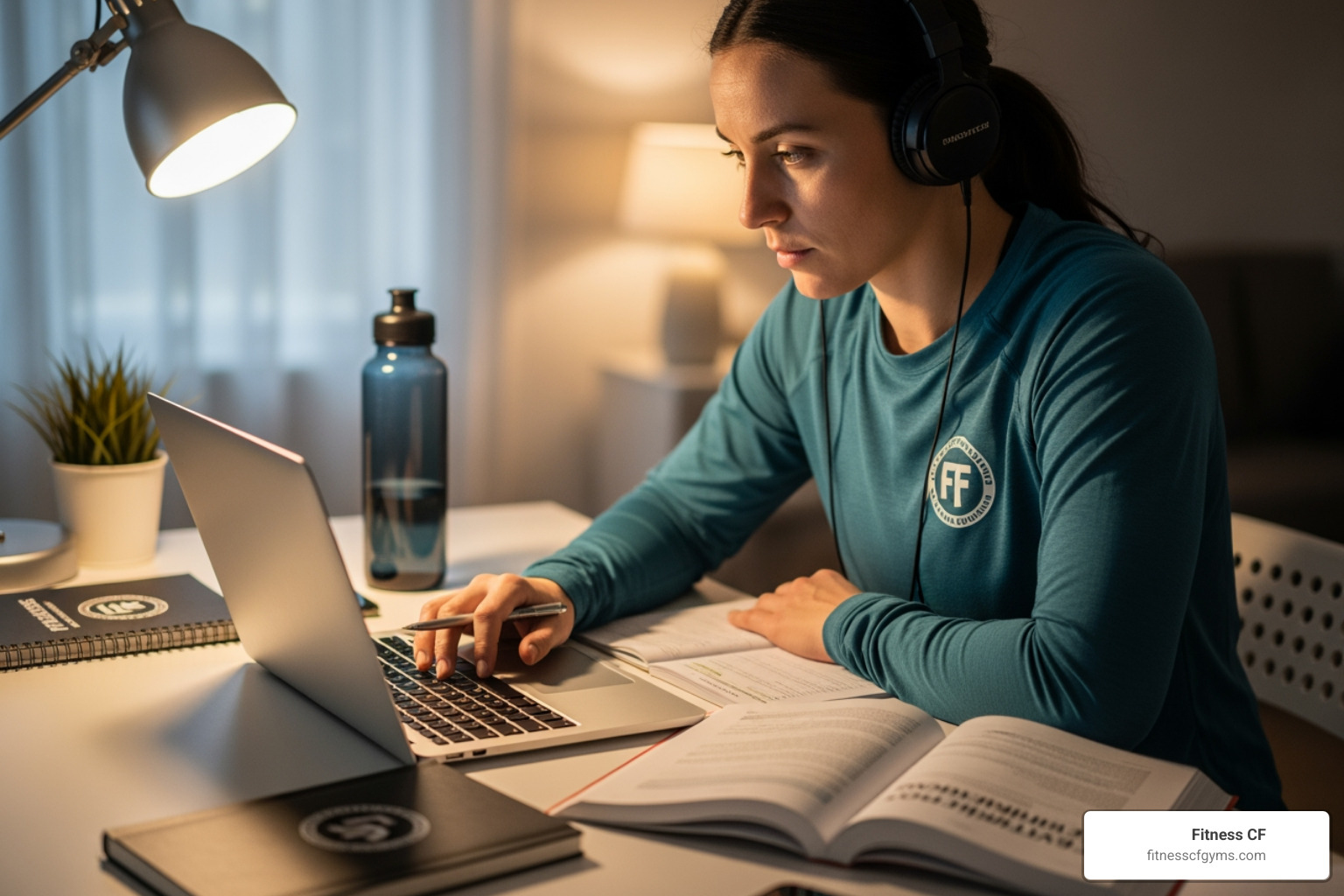
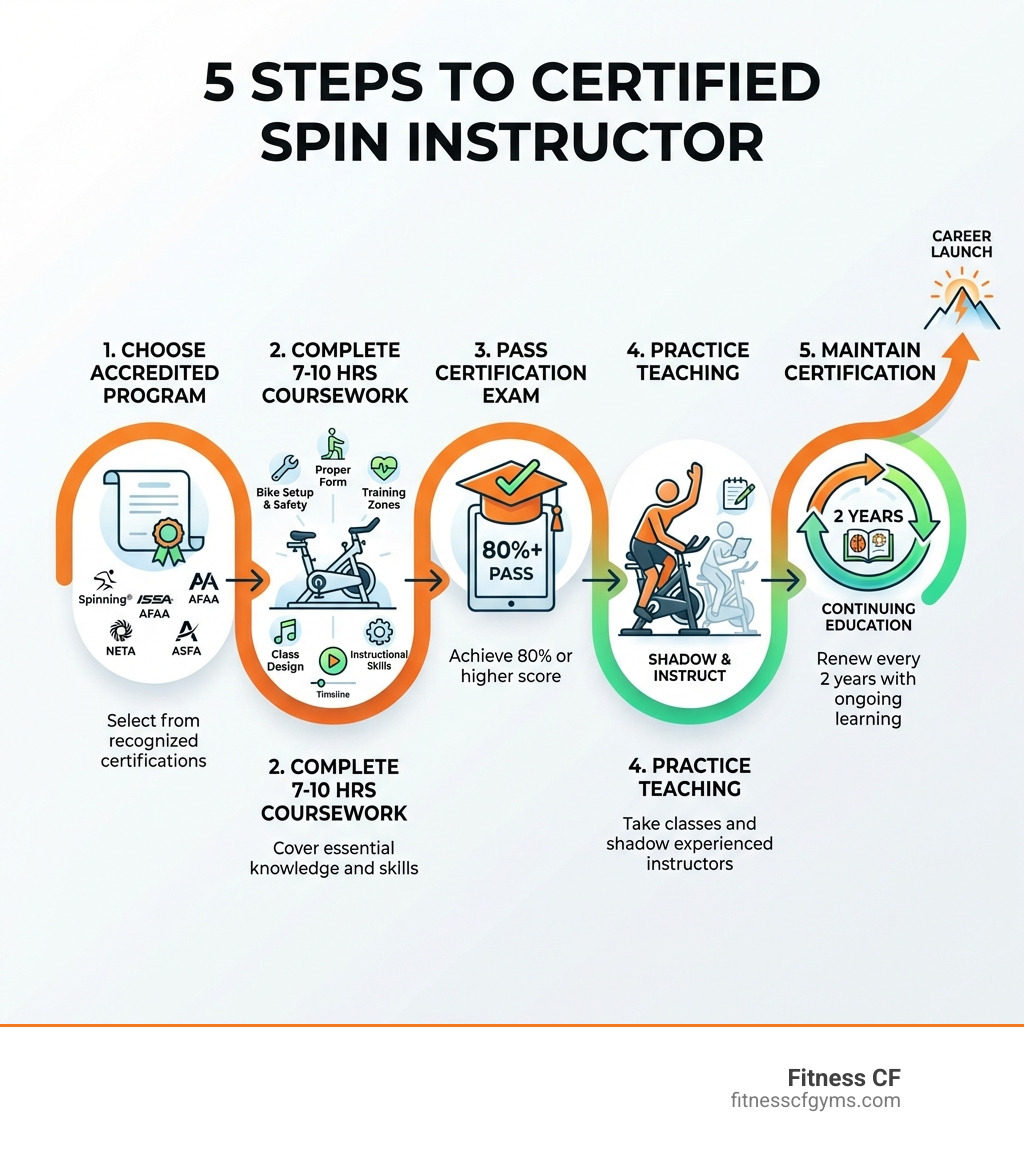
The step-by-step process typically involves choosing the right certification for your needs, diligently studying the course material, passing the required examination, and then actively seeking opportunities to teach. It’s an investment in yourself and your future in the fitness industry. We’ll explore the various aspects, from understanding costs and time commitment to the crucial role of accreditation.
Prerequisites and Getting Started
Before you even dive into choosing a certification, there are a few foundational elements that will set you up for success.
- General Fitness Level: While you don’t need to be an elite athlete, a solid base level of fitness is important. You’ll be leading classes, demonstrating movements, and maintaining energy for the duration of the ride. Your own fitness journey is an inspiration to others, showcasing the benefits of a healthy lifestyle.
- CPR/AED Certification: This is a non-negotiable for almost any fitness professional. Being certified in Cardiopulmonary Resuscitation (CPR) and Automated External Defibrillator (AED) use ensures you can respond effectively in an emergency, prioritizing the safety of your participants.
- Minimum Age Requirements: Most certification bodies require instructors to be at least 18 years old.
- Passion for Indoor Cycling: This might seem obvious, but genuine enthusiasm for spin is what will fuel your teaching and make your classes vibrant. If you love the ride, your students will too!
- Off-Bike Conditioning: To truly excel and avoid burnout or injury, we recommend incorporating strength training into your routine. Strong core muscles, glutes, and legs will not only improve your own riding performance but also help you maintain proper posture and endurance during long teaching hours. Strength training also plays a vital role in injury prevention, ensuring you can continue to lead dynamic classes for years to come.
Choosing the Right Spin Class Instructor Certification Program
Selecting the right spin class instructor certification is perhaps the most critical decision you’ll make. Not all certifications are created equal, and understanding the nuances will help you make an informed choice.
- Accreditation (NCCA): We cannot stress this enough: look for programs accredited by the National Commission for Certifying Agencies (NCCA). The NCCA is considered the “gold standard” for accreditation in the fitness industry. An NCCA-accredited certification signals that the program meets rigorous standards for validity and reliability, opening more doors for employment.
- Course Curriculum: Review what each program covers. Are they comprehensive? Do they include essential topics like bike setup, safety, form, physiology, class design, and music? Some, like FiTOUR, dig into advanced topics like mind/body techniques and heart rate zone training, which can be invaluable.
- Cost Comparison: Certification costs vary, typically ranging from a few hundred dollars.
- The Spinning® Instructor Online Certification costs $355.
- The ISSA Indoor Cycling Instructor certification course tuition is $468.
- The NETA Indoor Group Cycling online course costs $229.
- The ASFA Online Cycling Instructor Certification (Certificate Only, 1 Year) costs $249.
- The AFAA Certified Indoor Cycling Instructor certification costs $314.
- Study Materials Provided: What resources are included? Many programs offer digital manuals, study guides, videos, and practice activities. Comprehensive materials are key to thorough preparation.
- Exam Format: Most certifications culminate in an online multiple-choice exam. For example, the Spinning® Instructor Online Certification requires a passing score of 80% or higher on a 50-item multiple-choice exam, with options for retesting if needed.
- Renewal Requirements: Understand the continuing education units (CEUs) or continuing education credits (CECs) required for renewal, and how often. Most certifications are valid for two years.
Training Formats: Online vs. In-Person vs. Virtual
The flexibility in learning formats for spin class instructor certification has never been better. Whether you prefer self-paced study or hands-on interaction, there’s an option for you.
| Feature | Online Training | In-Person Training (or more) | | Interaction | Independent; self-guided Our mission is to help you build the skills and knowledge needed to become a competent and confident instructor, contributing to a healthier community in Central Florida.
What What to Expect From Your Training
Your journey through a spin class instructor certification program is about more than just reading manuals; it’s about changing your knowledge into practical teaching skills. This section will walk you through the core curriculum and how you can refine your abilities to lead exceptional classes.
Core Topics Covered in Certification Courses
Certification courses are designed to provide a comprehensive foundation, ensuring you’re well-equipped to lead a safe, effective, and engaging indoor cycling class. While specific curricula may vary slightly between organizations, these are the fundamental areas we’ve seen consistently covered:
- Bike Setup and Safety: This is paramount. You’ll learn how to properly adjust a spin bike for various body types and fitness levels, ensuring optimal comfort, performance, and injury prevention. This includes understanding seat height, handlebar position, and pedal adjustments. Safety protocols for entering and exiting the bike, and proper use of resistance, are also covered.
- Proper Form and Technique: Beyond just pedaling, you’ll master and learn to teach the correct riding positions (e.g., seated flat, standing climb, jumps) and how to execute them biomechanically soundly. This helps riders engage the right muscles and avoid strain.
- Contraindications: Understanding conditions or situations where certain exercises or intensities might be harmful is crucial. You’ll learn to identify common contraindications and how to modify classes to accommodate participants with specific health concerns or limitations.
- Heart Rate Training Zones: Many programs dig into the science of heart rate training. You’ll learn how to calculate target heart rate zones (e.g., aerobic, anaerobic, recovery) and design workouts that effectively use these zones to achieve specific fitness goals, whether it’s endurance, fat burning, or performance improvement. Using a heart rate monitor is often recommended for both instructors and participants to optimize training.
- Using Metrics Like Cadence and Power: Advanced certifications, such as SPINPower®, focus heavily on using objective data. You’ll learn how to interpret and coach using metrics like cadence (pedal revolutions per minute) and power (the actual work done on the bike). This allows for highly effective, performance-oriented training. You can find more info about power-based training to understand how it can “level up” an instructor’s career.
- Class Design and Profiling: This is where creativity meets science. You’ll learn frameworks for structuring a class, including warm-ups, main sets (incorporating different terrains and intensities), and cool-downs. This involves designing specific “profiles” that target various training goals, such as strength, speed, or endurance.
- Music Selection and Playlist Creation: Music is integral to the spin experience. Courses teach you how to select appropriate music that matches the intensity and mood of each segment of your ride. You’ll learn to build playlists that motivate, inspire, and seamlessly transition with your class profile.
- Effective Cueing and Motivation: A great instructor uses verbal cues to guide, encourage, and challenge riders. You’ll learn how to deliver clear, concise, and inspiring cues that coach participants on technique, intensity, and mindset. This includes understanding when to push, when to pull back, and how to create a positive, empowering atmosphere.
How to Practice and Refine Your Skills
Certification provides the knowledge, but practice hones the craft. Becoming a truly exceptional instructor requires dedication to continuous improvement.
- Taking a Variety of Classes: Attend classes led by different instructors, both in-person at local studios in Central Florida and online. Observe their teaching styles, cueing techniques, music choices, and how they build rapport with their class. What do you like? What would you do differently? This exposure will help you develop your unique voice.
- Shadowing Experienced Instructors: If possible, ask to shadow a seasoned instructor. Observing a class from the instructor’s perspective can offer invaluable insights into class flow, timing, and classroom management.
- Practicing Cueing and Timing: Practice speaking aloud, describing movements, and delivering motivational phrases. Use a timer to practice transitions between song segments. The more you practice, the more natural and confident your delivery will become.
- Recording Yourself: Set up a camera and record yourself leading a mock class. It might feel awkward at first, but watching yourself back can reveal areas for improvement in your posture, voice projection, body language, and cueing clarity that you might not notice otherwise.
- Teaching Friends and Family: Offer to lead a small, informal class for friends or family. This low-pressure environment allows you to experiment with different class profiles, music, and cues while gaining confidence in front of a live “audience.”
- Seeking Feedback: Don’t be afraid to ask for constructive criticism from those you trust. Whether it’s from a mentor, fellow instructor, or even your practice class participants, feedback is a gift that helps you grow.
Your Career as a Spin Instructor
Once you’ve earned your spin class instructor certification, a dynamic and rewarding career path opens up. The fitness industry is booming, and skilled indoor cycling instructors are in high demand.
Career Prospects and Earning Potential
The outlook for group fitness instructors, including spin instructors, is incredibly positive. The U.S. Bureau of Labor Statistics projects a 39% job growth for these roles from 2020 to 2030, which is significantly faster than the average for all occupations. This means ample opportunities for certified professionals.
- Average Salary Statistics: The average spin instructor salary in the United States is currently $78,000 per year or $40 per hour. This is considerably higher than the average group fitness and personal trainer salary of $65,000 per year.
- Entry-Level vs. Experienced Pay: Entry-level positions typically start around $54,113 per year, while highly experienced and sought-after instructors can make up to $117,000 per year. Your dedication to your craft and continuous learning can directly impact your earning potential.
- Work Environments: Spin instructors work in a variety of settings, including large fitness centers, boutique cycling studios, and community centers. There are also growing opportunities to teach virtually or as an online trainer, expanding your reach beyond Central Florida.
- Freelance Opportunities: Many instructors work on a freelance basis, teaching at multiple locations, which offers flexibility and the chance to build a diverse client base.
- Combining with Personal Training: To further increase your income and expand your expertise, many spin instructors also pursue certifications in personal training or even nutrition coaching. This allows you to offer a more holistic approach to fitness, deepening your impact on clients’ healthy living journeys and potentially doubling or tripling your salary. This is a smart move for any fitness professional looking to build a long-term, lucrative career.
Certification Renewal and Continuing Education
Your spin class instructor certification is not a one-and-done achievement; it’s a commitment to ongoing learning and professional development. This ensures you stay current with the latest fitness science, techniques, and safety guidelines.
- Typical 2-Year Validity: Most certifications, including Spinning®, ISSA, NETA, and AFAA, are valid for a period of two years. This biennial renewal period is standard across the fitness industry.
- Continuing Education Credits (CECs): To renew your certification, you’ll typically need to accumulate a certain number of Continuing Education Credits (CECs) or Continuing Education Units (CEUs). For example, Spinning® requires 14 continuing education hours, while AFAA needs 15 units. These credits are earned by attending workshops, taking advanced courses (like SPINPower®), participating in online learning modules, or even through relevant academic studies.
- Cost of Renewal: There may be a renewal fee in addition to the cost of continuing education. For instance, ISSA has a $99 renewal fee (waived if continuing education is completed), and NETA has a $30 fee for late renewal.
- Importance of Staying Current: The fitness landscape is constantly evolving. Staying current through continuing education ensures that your classes are always fresh, effective, and based on the most up-to-date research. It also helps you maintain your inspiration and enthusiasm, which is crucial for delivering engaging cardio workouts.
- Advanced Certifications: Beyond basic renewal, consider pursuing advanced certifications. SPINPower®, for example, is an advanced certification that teaches instructors to coach with power metrics and training zones, allowing for career progression within the Spinning Instructor Certification Pathway (from Level 1 to Level 2 Advanced, or Level 2 to Level 3 Elite). These specialized certifications not only improve your skills but also demonstrate a higher level of expertise to potential employers and clients.
Conclusion
Starting on the path to spin class instructor certification is an investment in yourself, your passion, and your future. We’ve explored the myriad benefits, from the profound satisfaction of inspiring others and deepening your fitness knowledge to the tangible rewards of increased earning potential and career flexibility.
The value of certification extends far beyond a piece of paper; it provides you with the credibility, comprehensive understanding of exercise science, and practical skills needed to lead safe, effective, and truly memorable indoor cycling classes. You’ll master everything from precise bike setup and proper form to advanced cueing and the art of crafting playlists that lift the cardio workout experience.
This isn’t just about teaching a class; it’s about embracing a rewarding career path where you contribute to the healthy living journeys of countless individuals. You’ll become part of a vibrant community of fitness professionals, constantly learning, growing, and sharing your energy.
At Fitness CF, we believe in empowering individuals to achieve their fitness goals, whether as participants or as passionate instructors. If you’re ready to turn your love for indoor cycling into a profession, getting certified is your first and most crucial step. It’s truly worth the sweat!
Explore group fitness opportunities and find how you can make a difference in the lives of others, right here in Central Florida.