Why Yoga for Beginners Orlando is Your Gateway to Better Health
Yoga for beginners Orlando offers an accessible path to improved physical and mental wellness. Whether you’re looking to increase flexibility, reduce stress, or complement your existing fitness routine, starting yoga is a great choice for people at any fitness level.
Quick Start Guide: Finding Your First Yoga Class in Orlando
- Best beginner styles: Hatha, Gentle, Restorative, or classes labeled “Beginner/Basics”
- What to bring: Comfortable clothing, a water bottle, and an open mind (mats may be available to borrow)
- What to expect: Classes for all levels where you can “dial it up or down” based on your ability
- What to look for: Look for inclusive classes with well-trained teachers who emphasize modifications
Yoga has grown tremendously in popularity, with 37 million Americans now practicing and the industry valued at $13.2 billion as of 2022. About 30% of practitioners are beginners, which means you’ll be joining a supportive community of people at similar stages in their journey.
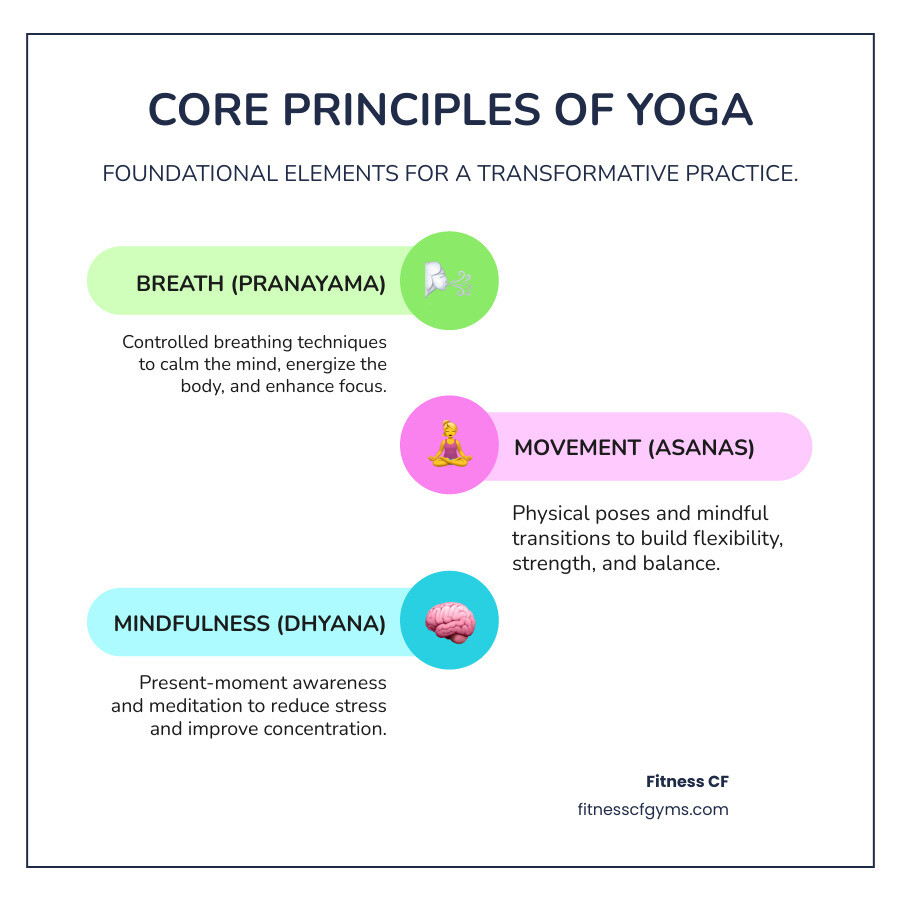
The beauty of yoga lies in its adaptability. It’s an accessible and achievable practice for everyone. You don’t need special flexibility or fitness levels to start—flexibility is a result of yoga, not a requirement. The practice focuses on three core elements that work together to create lasting change in your body and mind.
I’m Pleasant Lewis, and with over 40 years in the fitness industry, I’ve seen how yoga complements strength training and cardio to create balanced, sustainable wellness routines for busy Central Florida residents. Understanding Yoga for beginners Orlando options helps you find the right starting point that fits your schedule and supports your overall fitness goals.
The Physical & Mental Rewards of Starting Yoga
When you begin Yoga for beginners Orlando, you’re not just learning a new exercise routine—you’re opening the door to a complete change of how your body feels and how your mind responds to daily stress.
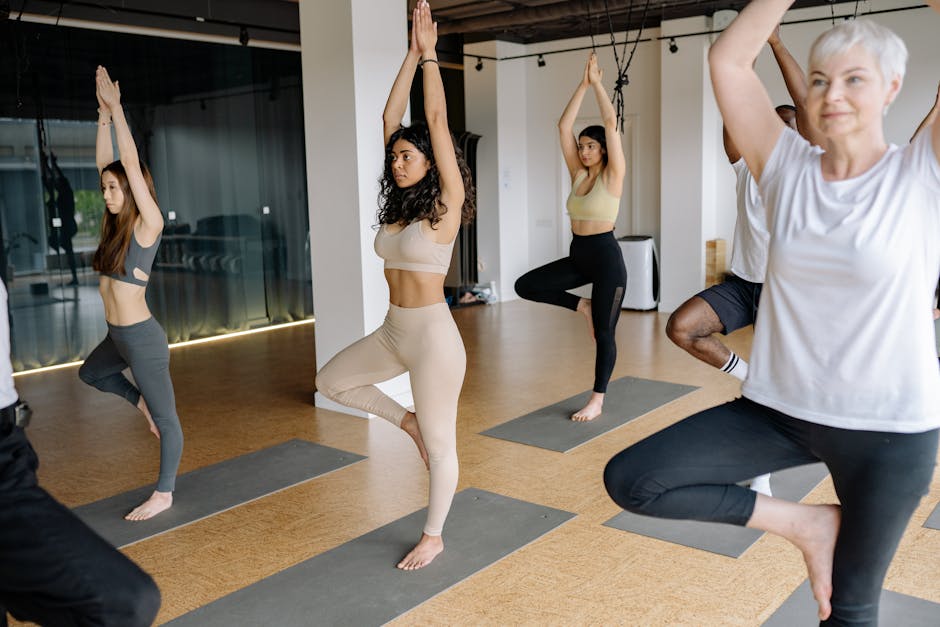
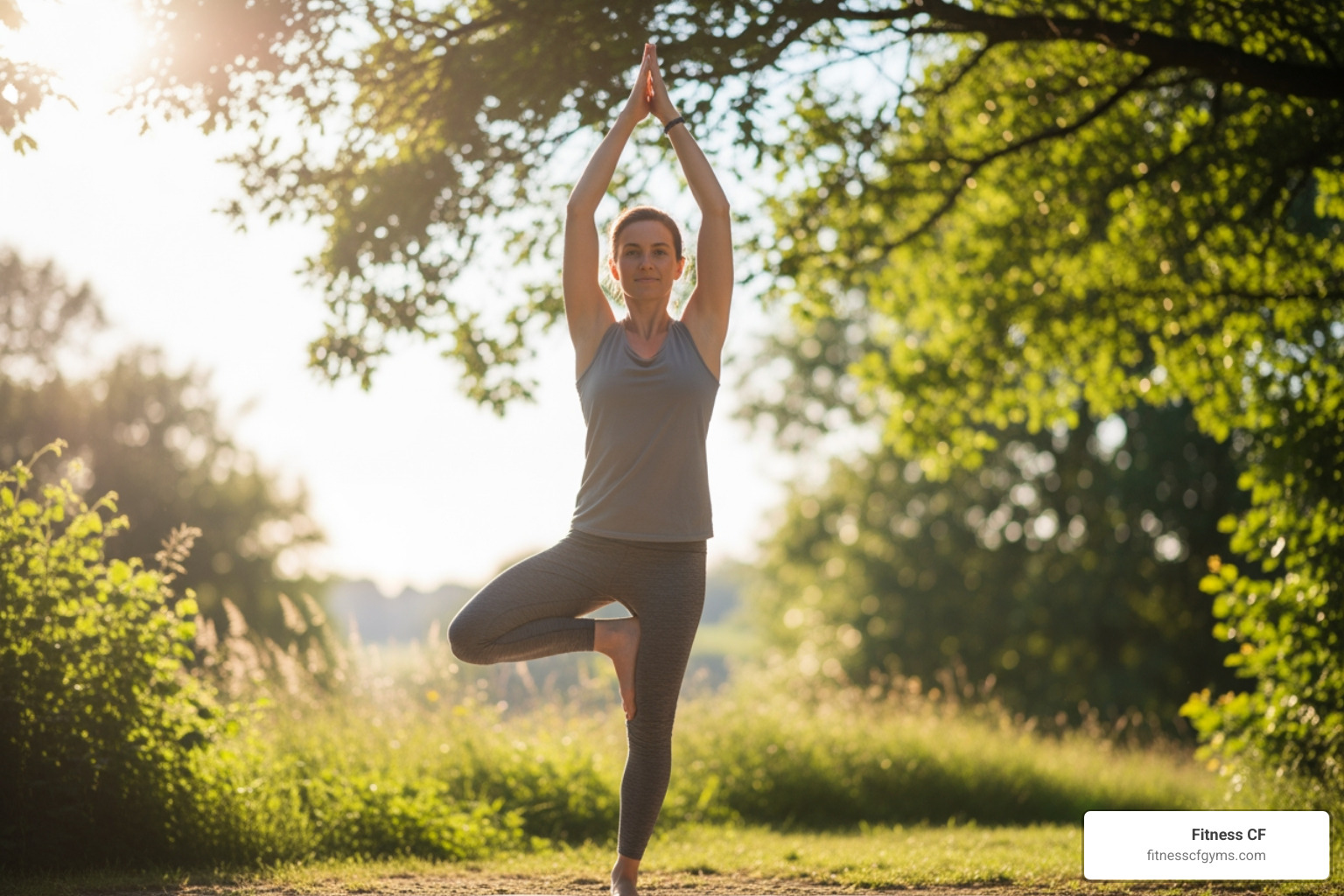
Let’s start with what happens to your body. That stiffness you feel when you first wake up or after sitting at your desk all day? Increased flexibility is one of the first gifts yoga offers. Your muscles and connective tissues gradually lengthen and release, making everyday movements smoother and more comfortable. But here’s what surprises most beginners: yoga also builds serious improved strength, especially in your core and stabilizing muscles. When you hold Warrior II or balance in Tree Pose, you’re engaging muscle groups that traditional workouts sometimes miss.
This combination of flexibility and strength leads to something we all need more of—better posture. Hours spent hunched over computers or phones create patterns that yoga gently corrects through mindful alignment. You’ll also notice improved balance, which becomes increasingly important as we age and helps prevent injuries during other activities. For a deeper look at how these changes happen in your body, check out what are the health benefits of yoga?
The mental shifts are just as powerful, and often more immediate. After your first class, you might notice something feels different—lighter, calmer, clearer. That’s stress reduction at work. Through controlled breathing (called pranayama) and the focused movement of poses, yoga actually lowers your cortisol levels. Your nervous system shifts from “fight or flight” mode into “rest and digest,” sometimes for the first time all week.
This practice of paying attention—to your breath, to how your body feels in each pose—naturally develops increased mindfulness. You become more present, less caught up in worries about tomorrow or regrets about yesterday. Many people find this translates to improved concentration at work and in daily tasks. And when it comes time to sleep? The relaxation you’ve practiced on the mat often leads to better sleep quality at night. Scientific research on yoga for stress relief consistently backs up what practitioners feel—yoga genuinely changes how your brain and body handle stress.
How yoga complements other fitness activities is where things get really interesting. If you’re already doing cardio or strength training, yoga becomes the perfect partner. While some dynamic styles like Vinyasa offer cardio benefits by elevating your heart rate, yoga’s real superpower is in strength training synergy. Better flexibility means better form in your lifts. Improved stability means you can engage muscles more effectively. Improved body awareness helps you prevent injuries before they happen.
Think of yoga as recovery work that makes you stronger. It stretches tight muscles after your run, improves your range of motion for deeper squats, and helps your body repair itself between intense workouts. You become more balanced and resilient across all physical activities. For more on how yoga lifts your entire fitness routine, read Exploring the Power of Yoga: Why You Should Add It to Your Fitness Routine.
The beauty of starting yoga in Orlando is that these benefits are accessible to everyone, regardless of where you’re starting from. Your first class begins a journey that touches every aspect of your health—body, mind, and spirit working together in ways that support everything else you do to stay healthy.
A Beginner’s Guide to Yoga Styles
When you’re exploring Yoga for beginners Orlando, you’ll quickly find there’s no one-size-fits-all approach to this ancient practice. The variety of yoga styles available might seem overwhelming at first, but each one offers something special. Think of it like choosing a workout playlist—some days you need something slow and calming, other days you want energy and movement. The beauty is that you don’t have to commit to just one style forever. Your yoga journey can evolve as you do.
Hatha Yoga: The Gentle Foundation
If you’re brand new to yoga and feeling a bit nervous about your first class, Hatha yoga is like that friendly neighbor who makes you feel instantly at home. This style moves at a slow, deliberate pace, giving you plenty of time to understand what your body is doing and why. You’ll hold basic postures for several breaths, which means you’re not rushing from one pose to the next trying to keep up.
Hatha is great for absolute beginners because it strips away the complexity and focuses on building a solid foundation. You’ll learn proper alignment, find muscles you didn’t know you had, and start to understand how your body moves through space. The emphasis on holding poses might sound easy, but you’ll be surprised at how much strength and awareness you build just by staying still and breathing.
One of the most valuable aspects of Hatha yoga is its breathwork introduction. You’ll learn pranayama techniques that teach you how to control and deepen your breath, which becomes the anchor for your entire practice. This breathing foundation carries over into every other yoga style and even into your daily life when stress hits.
Vinyasa Yoga: The Rhythmic Flow
Once you’ve got the basics down—or if you’re already fairly active and want something with more movement—Vinyasa yoga brings a whole different energy to the mat. This style is all about connecting breath to movement, creating a dance-like flow that can feel almost meditative once you get the hang of it.
Vinyasa is more dynamic than Hatha, with each inhale and exhale guiding you seamlessly from one pose to the next. The continuous movement builds heat in your body, which helps deepen stretches and creates that satisfying feeling of having really worked. You’ll find that Vinyasa classes feature creative sequences that can vary widely depending on your instructor’s style, which keeps things interesting and prevents boredom.
Don’t let the word “flow” intimidate you. Many Vinyasa classes welcome beginners and offer modifications throughout. The key is finding an instructor who reminds you that it’s okay to pause, take a child’s pose, or skip a movement that doesn’t feel right. If you’re curious about how different yoga approaches can fit into your fitness routine, check out What are the different types of yoga? for a deeper exploration.
Restorative & Yin Yoga: The Deep Release
Sometimes the best workout isn’t a workout at all—it’s giving your body permission to completely let go. That’s where Restorative and Yin yoga work their magic. These styles accept passive stretching and teach you that doing less can sometimes give you more.
In Restorative yoga, you’ll experience holding poses longer—sometimes ten to twenty minutes in a single position. But here’s the thing: you’re not struggling or straining. Instead, you’re fully supported by the use of props like bolsters, blankets, and blocks that cradle your body in complete comfort. The goal is deep relaxation of your nervous system, allowing tension to melt away without any muscular effort.
Yin yoga takes a slightly different approach, targeting the deeper connective tissues in your body—the fascia, ligaments, and joints that don’t get much attention in other workouts. You’ll hold poses for three to five minutes or longer, often with minimal props, applying gentle stress to these tissues to improve flexibility and joint health. It might feel strange at first to just sit in stillness, but many people find that Yin becomes their favorite practice for releasing physical and emotional tension they didn’t even know they were carrying.
How to Choose the Right Yoga for beginners Orlando Class
With all these options for Yoga for beginners Orlando, how do you actually pick where to start? The good news is there’s no wrong choice—only what works best for you right now.
Start by being honest about where you’re at physically. If you’re completely new to exercise or dealing with any injuries or limitations, a Gentle Hatha class or anything labeled “Beginner” or “Basics” is your best bet. If you’re already hitting the gym regularly and just want to add yoga for flexibility and recovery, you might enjoy an all-levels Vinyasa class where you can dial the intensity up or down.
Think about what you’re hoping to get from yoga. Are you mainly looking to reduce stress and anxiety? Restorative or Yin classes will give you that mental reset. Want to build strength and flexibility while getting a good workout? Vinyasa or Hatha will deliver those benefits. Hoping to improve your posture and prevent injury from other activities? Any consistent yoga practice will help, but Hatha’s focus on alignment is particularly valuable.
The real secret is to try different styles without overthinking it. Your first class doesn’t have to be perfect—it just has to happen. Many people find that what they thought they wanted isn’t actually what their body needed. Maybe you signed up for a dynamic flow class thinking you needed more intensity, only to realize that the slow pace of Hatha is exactly what helps you decompress after long days.
Most importantly, listen to your body throughout this exploration. Yoga isn’t about forcing yourself into pretzel shapes or keeping up with the person on the next mat. It’s about finding what feels good, what challenges you in healthy ways, and what helps you feel more connected to yourself. Some days that might be a vigorous Vinyasa class, other days it might be melting into Restorative poses. Both are equally valid, and both are yoga.
Your First Class: A Guide to Yoga for beginners Orlando
So, you’ve decided to start on your Yoga for beginners Orlando adventure – fantastic! We know that first class can feel a bit daunting, like walking into a secret club you don’t have the password for. But trust us, it’s much simpler and more welcoming than you might imagine. Let’s get you prepared so you can walk into your first class feeling confident and ready to flow.

What to Wear and Bring
Preparing for your first yoga class is refreshingly straightforward. The goal is comfort and functionality, nothing fancy required.
When it comes to comfortable clothing, think breathable fabrics that move with you. Leggings, shorts, T-shirts, or tank tops work beautifully. You want something that allows your body to move freely without restriction, but not so baggy that your instructor can’t see your alignment. And definitely not so tight that they impede your movement or breathing.
As for your yoga mat, some fitness centers or classes may offer mats to borrow or rent. If you already own one, bringing it creates a familiar, personal space for your practice and is more hygienic. But if you don’t have one yet, don’t let that stop you from starting; just inquire about your options beforehand.
Your water bottle is essential for staying hydrated throughout class. We’re big believers in reducing plastic waste, so bringing your own reusable bottle is ideal. Most fitness facilities have filtered water available to refill, and some even sell reusable bottles if you forget yours.
A small towel comes in handy, especially if you tend to sweat. You can use it to wipe your brow or place it on your mat for extra grip during more challenging poses.
And finally, bring an open mind. This might be the most important item on the list. Come with curiosity, a willingness to learn, and absolutely no judgment toward yourself or others. Everyone in that room started exactly where you are now.
What to Look for in a Welcoming Class
Finding the right environment for your Yoga for beginners Orlando experience can make all the difference. A supportive environment and encouraging instructor will shape how you perceive yoga and how comfortable you feel exploring this new practice.
Certified instructors with experience teaching beginners are your foundation. They should be able to clearly explain poses and offer modifications without making you feel singled out. Look for teachers who provide clear instructions that guide you verbally through each movement, explaining not just what to do but why you’re doing it.
The best classes actively encourage modifications. No two bodies are alike, and a great instructor acknowledges this reality. They’ll show you how to use props like blocks, straps, or blankets to make poses accessible. They’ll remind you that it’s perfectly okay to rest when needed. The best classes are suitable for “all levels,” allowing you to “dial it up or down” based on what your body needs that day.
A non-judgmental atmosphere is crucial. A class that cultivates a “brave space” where you feel comfortable exploring your body’s limits without fear of judgment is where real growth happens. Look for classes that are “intentionally inclusive,” welcoming all body types, ages, and backgrounds.
Focus on safety should be evident from the moment class begins. Good instructors prioritize your wellbeing above all else, correcting alignment gently, offering alternatives for challenging poses, and being mindful of any injuries or limitations you might have. Well-trained teachers know how to create supportive environments where everyone feels secure.
Look for specific “Yoga Foundations Series” or “Beginner/Basics” classes. These are gold for new students because they break down essential building blocks, proper form, alignment, and breathing techniques at a comfortable pace. Starting here gives you a solid foundation before moving into mixed-level classes.
Understanding Costs for Yoga for beginners Orlando
We understand that cost is often a consideration when starting a new activity. Instead of paying high drop-in rates for single classes, a great way to start is by finding a fitness center with a comprehensive membership that includes yoga. This allows you to explore different classes and instructors without the pressure of per-class fees. Many places also offer trial passes, giving you a chance to experience the environment before committing. This is the perfect way to explore different class times and styles to build a Self Care schedule that works for you.
To check out our own offerings and pricing for yoga classes in the Orlando area, visit our Yoga Studio Orlando FL page.
Frequently Asked Questions about Beginner Yoga
Starting Yoga for beginners Orlando often comes with a few common questions and concerns. We’ve heard them all, and honestly, they’re part of what makes beginning any new practice feel both exciting and a little nerve-wracking. Let’s address these head-on, so you can step onto your mat with clarity and confidence.
“I’m not flexible enough for yoga.” Is this true?
This is hands down the most common thing we hear, and we’re here to tell you: it’s simply not true! Thinking you need to be flexible to start yoga is like saying you need to be strong before you can lift weights, or fast before you can start running. It just doesn’t make sense, right?
Here’s the truth: flexibility is not a prerequisite for yoga; it’s a result of consistent practice. We’ve watched countless people walk into their first class barely able to touch their knees, and then months later, they’re amazed at how much their bodies have changed. Yoga meets you exactly where you are today, not where you think you should be.
The beauty of beginner yoga classes is that they’re specifically designed to help you gently explore your body’s current capabilities. We’re focused on mindful movement, listening to what your body is telling you, and celebrating every small victory along the way. The goal isn’t to nail a perfect forward fold on day one. It’s about feeling a stretch, building body awareness, and actually enjoying the process. Yoga is for every body type, and that includes yours.
How often should I practice yoga as a beginner?
When you’re just starting out, consistency matters more than intensity. We recommend beginning with 1-2 times per week. This gives your body time to adapt to the new movements and sensations, and allows for proper recovery between sessions. Jumping in too aggressively can lead to burnout or soreness that might discourage you from continuing, and we definitely don’t want that.
As you become more comfortable and your body starts adapting, you might naturally feel drawn to practice more often. Some students find that three times a week becomes their sweet spot for seeing noticeable progress. Others prefer sticking with twice weekly and complementing their practice with other forms of exercise like strength training or cardio.
The most important thing? Listen to your body’s needs. If you’re feeling tired or sore, a gentle or restorative class might be more beneficial than a vigorous flow, or you might simply need a day of rest. Even short, consistent practices at home can make a significant difference in how you feel.
What if I can’t do a certain pose?
This is perfectly normal, and it happens to everyone, not just beginners. We want you to know right from the start: yoga is a personal journey, not a competition. There will always be poses that feel challenging or inaccessible, and that’s completely okay.
Good yoga instructors will always provide modifications for poses. This means they’ll demonstrate simpler versions or suggest ways to use props to make a pose more accessible for your body. Don’t hesitate to ask for help or take a modification—that’s what they’re there for!
Props like blocks and straps are your best friends in yoga. Blocks can bring the floor closer to you in standing poses, straps can extend your reach in stretches, and blankets provide cushioning or support. They’re tools designed to help you find comfort and proper alignment, not signs of weakness or limitation.
Perhaps most importantly, focus on your own progress, not comparison. It’s so easy to look around the room and compare yourself to others, especially that person who seems to float effortlessly into every pose. Resist that urge! Everyone has a different body, history, and practice. Your yoga journey is uniquely yours.
Celebrate your own progress, no matter how small it seems. The goal is to feel good in your body, not to achieve a perfect-looking pose for anyone else. Just do what your body allows! Every attempt is an opportunity to learn more about your body and breath. There’s no such thing as “failing” a pose—only exploring and finding what works for you today.
Conclusion: Accept Your Orlando Yoga Journey
You’ve just explored the transformative world of Yoga for beginners Orlando, and we hope you’re feeling inspired to take that first step. Throughout this guide, we’ve walked through the incredible physical rewards—increased flexibility, improved strength, better posture, and improved balance—alongside the profound mental benefits of stress reduction, mindfulness, and better sleep. We’ve introduced you to beginner-friendly styles like Hatha’s gentle foundation, Vinyasa’s rhythmic flow, and the deep release of Restorative and Yin yoga. You now know what to wear, what to bring, and what to look for in a welcoming class environment.
The truth is, yoga isn’t some exclusive club for the already-flexible or super-fit. It’s an accessible practice that meets you exactly where you are today. Whether you’re looking to balance out your cardio workouts, recover from strength training sessions, or simply find a peaceful moment in your busy week, yoga offers something valuable. It complements your fitness routine by improving your body’s ability to move, recover, and perform across all activities. The mind-body connection you develop on the mat translates into greater awareness and presence in everything you do.
Starting a new fitness practice can be intimidating, but yoga is designed to be welcoming and make newcomers feel comfortable and supported. The hardest part is often just showing up for that first class—but once you do, you’ll find a practice that grows with you, adapts to your needs, and offers new insights each time you step onto your mat.
At Fitness CF, we’re proud to offer diverse group fitness classes that include yoga alongside spin, cardio, and strength training options. Our locations in Orlando, Clermont, Mount Dora, and St. Cloud create welcoming environments where all fitness levels feel at home. We believe wellness isn’t one-size-fits-all, which is why we provide options that let you build a balanced routine that actually works for your life. And because we want you to experience it firsthand, we offer free trial passes—no pressure, just an invitation to see what feels right for you.
Your journey to better health doesn’t require perfection. It just requires showing up, breathing, and being open to what your body can teach you. So grab that water bottle, roll out your mat (or borrow one), and give yourself permission to be a beginner. Every expert yogi you see started exactly where you are now.
Find a Fitness CF location near you to start your wellness journey!