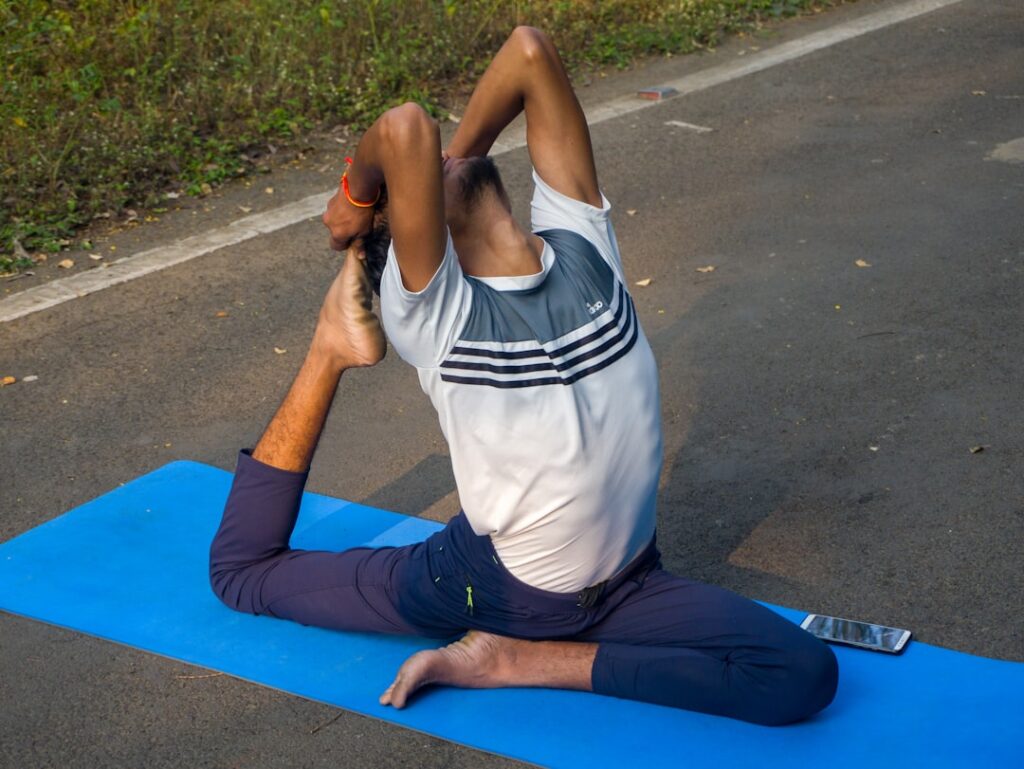
Why Understanding Muscle Soreness Matters for Your Fitness Journey
Learning how to alleviate sore muscles after workout is essential for a healthy, active lifestyle. Here are the most effective ways to reduce post-exercise soreness:
Quick Recovery Methods:
- Stay hydrated before, during, and after exercise
- Eat protein and carbs within 30 minutes post-workout
- Try gentle movement like walking or light stretching
- Use foam rolling or massage for 10-15 minutes
- Take warm baths with Epsom salts
- Prioritize 7-9 hours of quality sleep
- Apply heat or cold therapy as needed
That familiar ache you feel 12-48 hours after a challenging workout isn’t just discomfort—it’s your body adapting and getting stronger. This phenomenon, called Delayed Onset Muscle Soreness (DOMS), occurs when microscopic tears in your muscle fibers trigger an inflammatory response that rebuilds them stronger.
The benefits of regular strength training and cardio extend far beyond temporary soreness. Strength training builds lean muscle and strengthens bones, while cardio improves heart health and endurance. Both boost your mood and energy, making the temporary soreness worthwhile for long-term health.
While some muscle soreness is normal, you don’t have to suffer through days of stiffness. Smart recovery strategies can reduce your discomfort and help you bounce back faster.
I’m Pleasant Lewis. With 40 years in the fitness industry, I’ve helped thousands learn to manage muscle soreness and build healthy habits. My experience shows that proper recovery is as important as the workout itself for long-term success.
Understanding Post-Workout Muscle Soreness
The familiar ache after a challenging workout isn’t just discomfort—it’s your body getting stronger. When you push your muscles, especially with new movements or increased intensity, you create microscopic tears in the muscle fibers. These tiny tears are normal and essential for muscle growth.
Your body responds to these tears with an inflammation response—an internal repair crew that fixes and rebuilds. This healing process makes your muscles stronger and more resilient, like upgrading your body’s infrastructure with each workout.
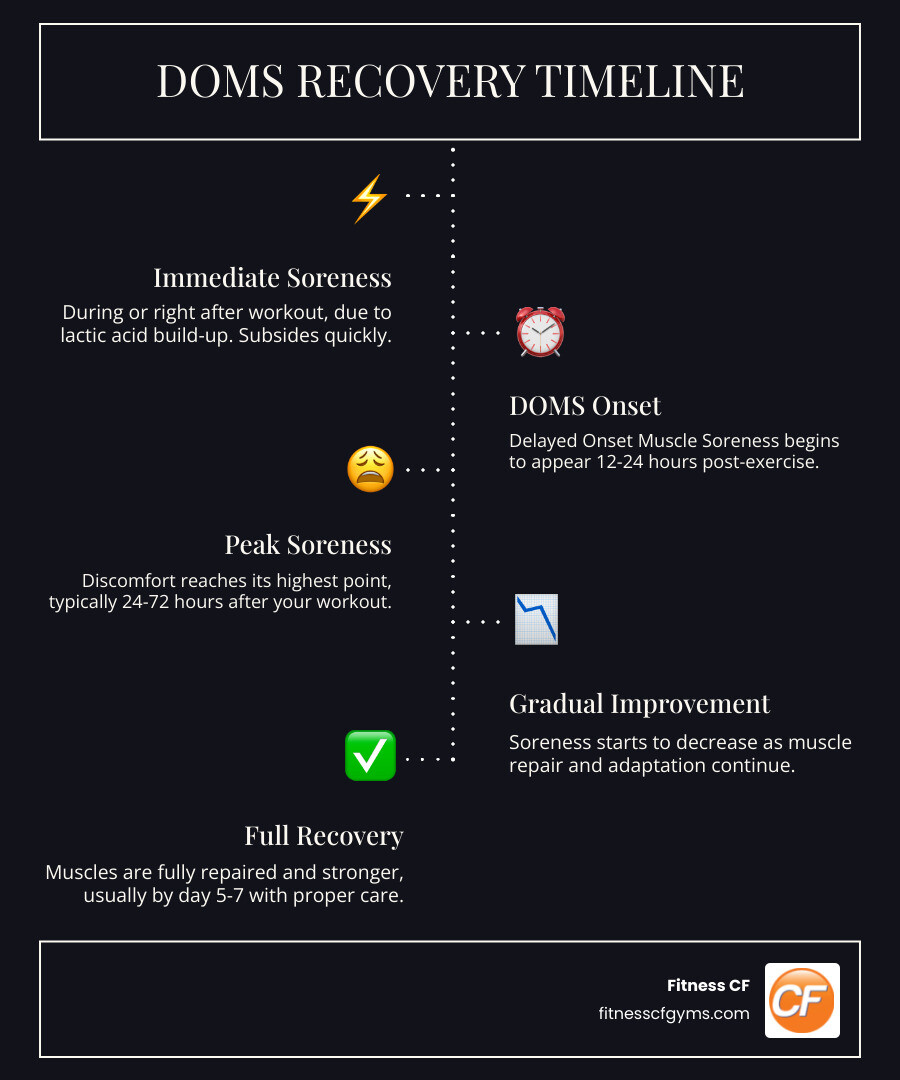
This post-exercise discomfort is called Delayed Onset Muscle Soreness (DOMS). Unlike the immediate burn during exercise, DOMS typically kicks in 12-24 hours later. Scientific research on DOMS.pdf?sfvrsn=8f430e18_2) shows this delayed response is your body’s way of adapting.
Understanding how to alleviate sore muscles after workout is easier when you realize recovery is as important as exercise. Why recovery is important explains how rest allows muscles to rebuild and prevents overuse injuries.
What is the difference between acute muscle soreness and DOMS?
Many people confuse the burn during exercise with next-day soreness, but they have different causes.
Acute muscle soreness happens during or right after your workout. The burning feeling comes from lactic acid buildup as your muscles work hard. This soreness disappears quickly once you stop exercising.
DOMS is different. It appears 12-24 hours later, peaks around 24-72 hours post-workout, and comes from those microscopic tears. Causes of DOMS vs. acute soreness explains that these two types of soreness involve different biological processes.
| Feature | Acute Muscle Soreness | Delayed Onset Muscle Soreness (DOMS) |
|---|---|---|
| Timing | During/right after workout | 12-24 hours later |
| Cause | Lactic acid buildup | Microscopic muscle tears |
| Duration | Subsides quickly | Peaks at 24-72 hours |
Is muscle soreness a sign of a good workout?
Here’s the truth: soreness doesn’t always equal success. While DOMS shows your muscles are adapting and building strength, it’s not a required indicator of an effective workout.
Your body is smart. As you consistently challenge your muscles, they adapt and become more efficient. This means you might experience less soreness over time, even during productive workouts.
Listening to your body is more important than chasing soreness. Constant, severe soreness might mean you need to adjust your training intensity or allow more recovery. Pushing through it increases your risk of overtraining, which can slow progress and lead to injury.
The real signs of a good workout are feeling energized, gradually increasing strength and endurance, and maintaining consistency. The goal is long-term fitness, not maximum soreness.
Fueling Your Recovery: The Role of Nutrition and Hydration
Think of your post-workout body as a construction site. After the work is done, it needs the right materials to rebuild stronger. That’s what proper nutrition and hydration provide for your muscles.

Your body needs the right fuel to heal effectively. Macronutrients (protein, carbs, fats) and micronutrients (vitamins, minerals) kickstart your healing process. They work together to calm inflammation, deliver nutrients, and rebuild muscle fibers stronger than before.
Giving your body what it needs makes a noticeable difference in recovery time and soreness. For a deeper dive, check out our guide on good things for muscle recovery.
How Nutrition Impacts Muscle Soreness
Protein is your muscle’s best friend for recovery. Its building blocks, amino acids, are needed to repair microscopic tears and build stronger muscle. Without enough protein, your muscles can’t rebuild effectively.
Carbohydrates are just as important. During a workout, your muscles use stored energy (glycogen). If you don’t replenish it, your muscles stay tired and sore longer.
The magic happens when you combine both. Aim for 20-40 grams of protein and 20-40 grams of carbs within 30 minutes of your workout. Research shows muscles are most receptive to nutrients during this period, as highlighted in this position paper on nutrient timing.
Anti-inflammatory foods like colorful fruits and vegetables packed with Vitamin C and Zinc also help. They fight inflammation while providing tools for repair. Think berries, leafy greens, and citrus fruits.
Recovery nutrition isn’t just about one post-workout snack. The Academy of Nutrition and Dietetics emphasizes that consistent, balanced eating supports your muscles around the clock, helping you alleviate sore muscles after workout.
The Critical Role of Hydration in Recovery
Water is your body’s cleanup and delivery service. It flushes out waste products from exercise while delivering fresh nutrients and oxygen to tired muscles.
Dehydration is recovery’s worst enemy. When you’re low on fluids, everything slows. Soreness lingers, fatigue worsens, and your body struggles to repair itself.
Stay hydrated by drinking 13-20 ounces of water about two hours before exercise. During your workout, sip 5-10 ounces every 15-20 minutes. This is about consistent hydration, not forcing gallons of water.
For workouts over 90 minutes, your body also loses important electrolytes. Sports drinks can be helpful here, replacing sodium and other minerals. Research on hydration and exercise shows how much fluid balance affects recovery.
A simple way to check hydration is your urine color. Pale yellow is good. Darker yellow means you need more water.
Smart Recovery Techniques to Alleviate Sore Muscles After a Workout
Smart recovery goes beyond just waiting it out. These physical techniques boost blood flow, reduce stiffness, and give your muscles the care they deserve. Think of these methods as a personal recovery toolkit to help you feel better faster.
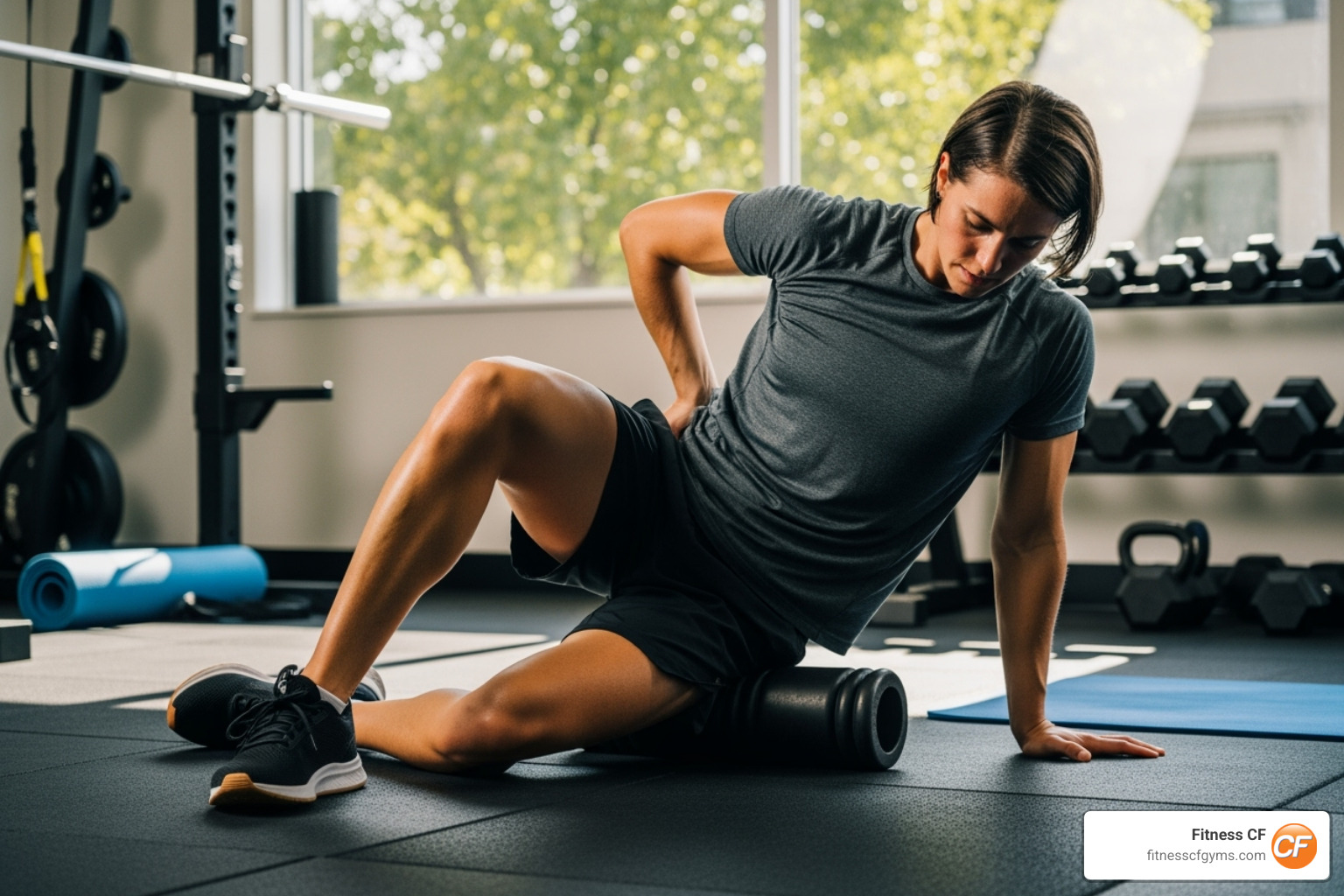
These techniques work with your body’s natural healing process. Combined with proper nutrition and hydration, they give you the best chance to alleviate sore muscles after workout and feel great for your next session. For a comprehensive look, check out the best recovery practices after a tough workout.
Accept Active Recovery
Your first instinct when sore might be to rest completely, but gentle movement is often more effective. Active recovery involves light activities that keep blood flowing without stressing tired muscles.
This gentle movement increases circulation, delivering oxygen and nutrients to sore areas while clearing waste products. Family Doctor notes the benefits of active recovery for reducing soreness and speeding up healing.
If you’re sore, try walking, swimming a few easy laps, light cycling, or gentle yoga. The water in swimming supports your body while the resistance helps work out kinks.
The key is to keep the intensity low and listen to your body. You should feel better, not worse. For regular trainees, active recovery is essential for maintaining performance.
Try Massage and Foam Rolling
Massage is a legitimate recovery tool that can help alleviate sore muscles after workout. Whether it’s professional or DIY with a foam roller, it’s a proven technique.
Self-myofascial release with a foam roller applies gentle pressure to muscles and fascia (the tissue surrounding them). This pressure breaks up knots and tight spots, improving blood flow, reducing tenderness, and increasing range of motion.
Research shows that foam rolling can be quite effective at reducing DOMS. If you’re new to it, start with a softer roller and focus on the belly of the muscle, not joints or bones.
Massage guns are also popular. They combine massage with vibration therapy, delivering rapid pulses to release tension and boost circulation. Use light, sweeping motions, gradually adding pressure.
Simple tools like tennis or lacrosse balls are great for hard-to-reach spots. For more techniques, explore our guide on what are the best ways to relieve sore muscles.
Use Temperature Therapy
In the hot versus cold debate for muscle soreness, the truth is both can help, and personal preference matters.
Warm baths increase blood flow to your muscles, helping them relax and easing stiffness. Adding Epsom salts may provide additional soothing effects, which many people find beneficial.

Cold therapy, like ice baths, can also be effective. It helps numb pain and may reduce some inflammation associated with muscle damage, helping with the discomfort of DOMS.
Ice baths have gained popularity, and there are good reasons why ice baths are beneficial for muscle recovery. The cold can reduce pain signals and reset your body.
The bottom line: try both and see what feels best. You might even find alternating between hot and cold works best for you.
Prevention and Knowing Your Limits
The smartest way to alleviate sore muscles after workout is to prevent excessive soreness before it happens. With the right approach, you can enjoy challenging workouts without days of debilitating pain.
Prioritizing sleep is a powerful recovery tool. During deep sleep, your body releases growth hormone and repairs muscle tissue. Skimping on sleep hinders this process. Aim for 7-9 hours of quality sleep nightly.
Rest days are a sign of wisdom, not weakness. Muscles grow during recovery, not during the workout. Progressive overload—gradually increasing workout intensity—allows your body to adapt steadily without severe soreness.
Most importantly, listening to your body’s signals is crucial. Your body communicates through energy levels and soreness. Learning to understand these signals is a valuable skill for long-term fitness.
How to Prevent and Minimize Soreness
A proper warm-up with dynamic stretching (like arm circles and leg swings) prepares your muscles for action. Gradual intensity increases are also key, especially when trying new exercises. Start with lighter weights or shorter distances and build up weekly.
Don’t skip your proper cool-down. A final 5-10 minutes of light movement and static stretching helps your heart rate return to normal and improves flexibility. While stretching won’t prevent DOMS entirely, it’s a vital part of recovery. The cool down importance of post-workout recovery is significant.
When to Be Cautious or See a Doctor
Exercising while sore requires judgment. While active recovery is beneficial, pushing through significant pain can lead to an overuse injury risk. Understand the difference between pain vs. soreness.
Normal DOMS is a dull, achy sensation in the muscle. Sharp pain, especially around joints, is a red flag.
Seek medical attention if soreness lasts over 3-5 days without improving, or if you have severe swelling. Dark-colored urine after intense exercise is a serious warning sign of rhabdomyolysis, a condition where damaged muscle proteins can harm your kidneys.
Compartment syndrome, where swelling cuts off blood flow, is another rare but serious condition requiring emergency care. Knowing these signs helps you recognize when soreness is more serious.
A study on NSAID use suggests that while anti-inflammatories offer temporary relief, they may interfere with muscle-building. Often, the best approach is to support your body’s natural healing with nutrition, hydration, and gentle movement.
Frequently Asked Questions about Muscle Soreness
Muscle soreness can be confusing, especially for beginners. With four decades in fitness, these are the questions I hear most often from people wanting to understand their bodies.
How long does DOMS typically last?
DOMS usually begins 12 to 24 hours after your workout and peaks between 24 to 72 hours post-exercise.
For most regular exercisers, DOMS fades after the peak, with complete relief within 3 to 5 days. As you maintain a consistent routine, your muscles adapt, and you’ll likely experience less severe soreness.
If you’re new to exercise or returning after a break, soreness might linger for up to a week. The intensity and novelty of the workout play significant roles in its duration.
Should I use NSAIDs like ibuprofen for muscle soreness?
This is a nuanced question. NSAIDs like ibuprofen can provide temporary pain relief, and NHS guidance on pain relief suggests they can help with DOMS discomfort.
However, inflammation is part of your body’s natural repair process. Taking NSAIDs can interfere with muscle growth and adaptation. A study on NSAID use suggests regular use could hinder muscle development.
My recommendation is to use NSAIDs sparingly, only when soreness interferes with daily activities or sleep. Focus first on natural recovery methods like nutrition, hydration, gentle movement, and rest.
How important is sleep for muscle recovery?
Sleep is absolutely critical for muscle recovery. Think of it as your body’s prime time for repair work. While you sleep, your muscles are rebuilding and getting stronger.
During NREM (non-rapid eye movement) sleep, your body ramps up protein synthesis to repair muscle tears. This is also when your body releases growth hormone, which is vital for tissue repair and muscle growth.
Aim for 7 to 9 hours of quality sleep nightly. Skimping on sleep slows recovery, makes soreness linger, and hurts your next workout performance. Research on sleep’s role in athletic performance shows adequate rest is one of the best ways to alleviate sore muscles after workout.
To improve sleep quality, consider your evening routine, room temperature, and screen time before bed.
Conclusion
Learning to alleviate sore muscles after workout is a valuable skill for your fitness journey. The familiar ache after challenging your muscles isn’t something to dread; it’s a sign of positive changes as your muscles adapt and grow stronger.
The good news is you don’t have to suffer through days of soreness. Proven strategies can make a real difference. Proper nutrition with protein and carbs rebuilds muscle. Staying hydrated delivers nutrients and flushes waste. Active recovery like gentle walking keeps blood moving without adding stress.
Don’t underestimate massage and foam rolling for improving circulation or temperature therapy (warm baths or ice baths) for relief. Most importantly, prioritizing 7-9 hours of quality sleep gives your body the time it needs to repair itself.
Consistency is key. Effective recovery, like fitness, requires regular habits. Listen to your body, be patient, and know when to rest versus when to push.
The benefits of an active lifestyle—stronger muscles, better heart health, improved mood, and more energy—far outweigh temporary muscle soreness. With the right recovery approach, you can enjoy these benefits while minimizing discomfort.
At Fitness CF, we know your journey doesn’t end after your workout. We support every aspect of your wellness, from challenging classes and personal training to recovery resources that help you feel your best. Explore our HydroMassage and recovery amenities to find additional ways we can support your muscle recovery and overall fitness goals.