Understanding the Cold Truth About Ice Baths
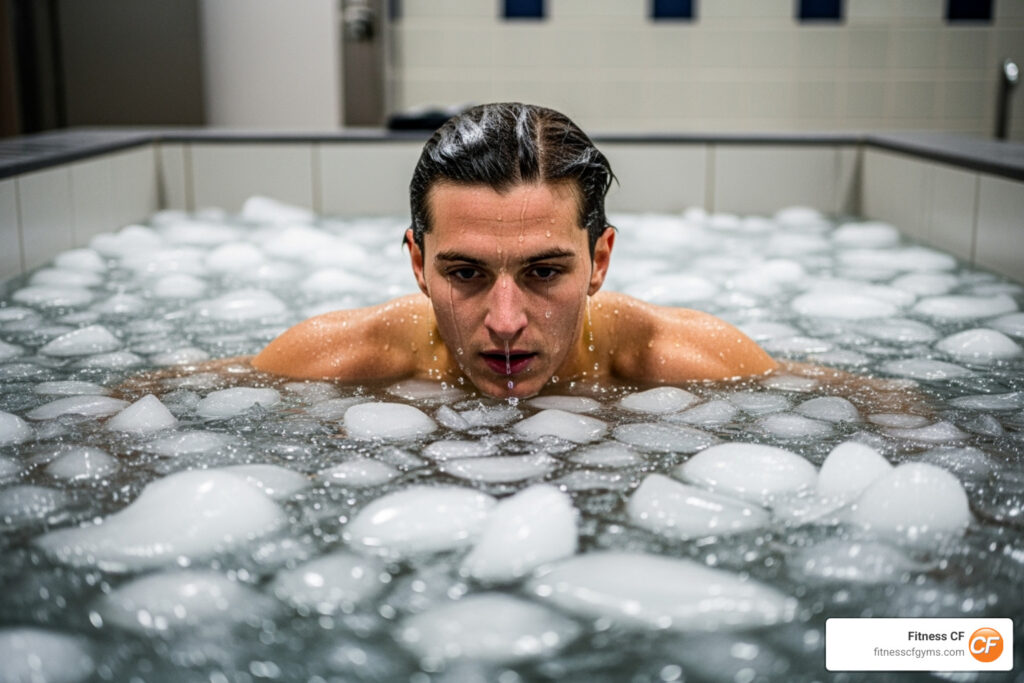
What do ice baths do to your body, and why are so many people diving into freezing water after workouts? Ice baths, or cold water immersion, involve submerging your body in 50-59°F (10-15°C) water for 5-15 minutes to trigger specific physiological responses.
Quick Answer: What Ice Baths Do
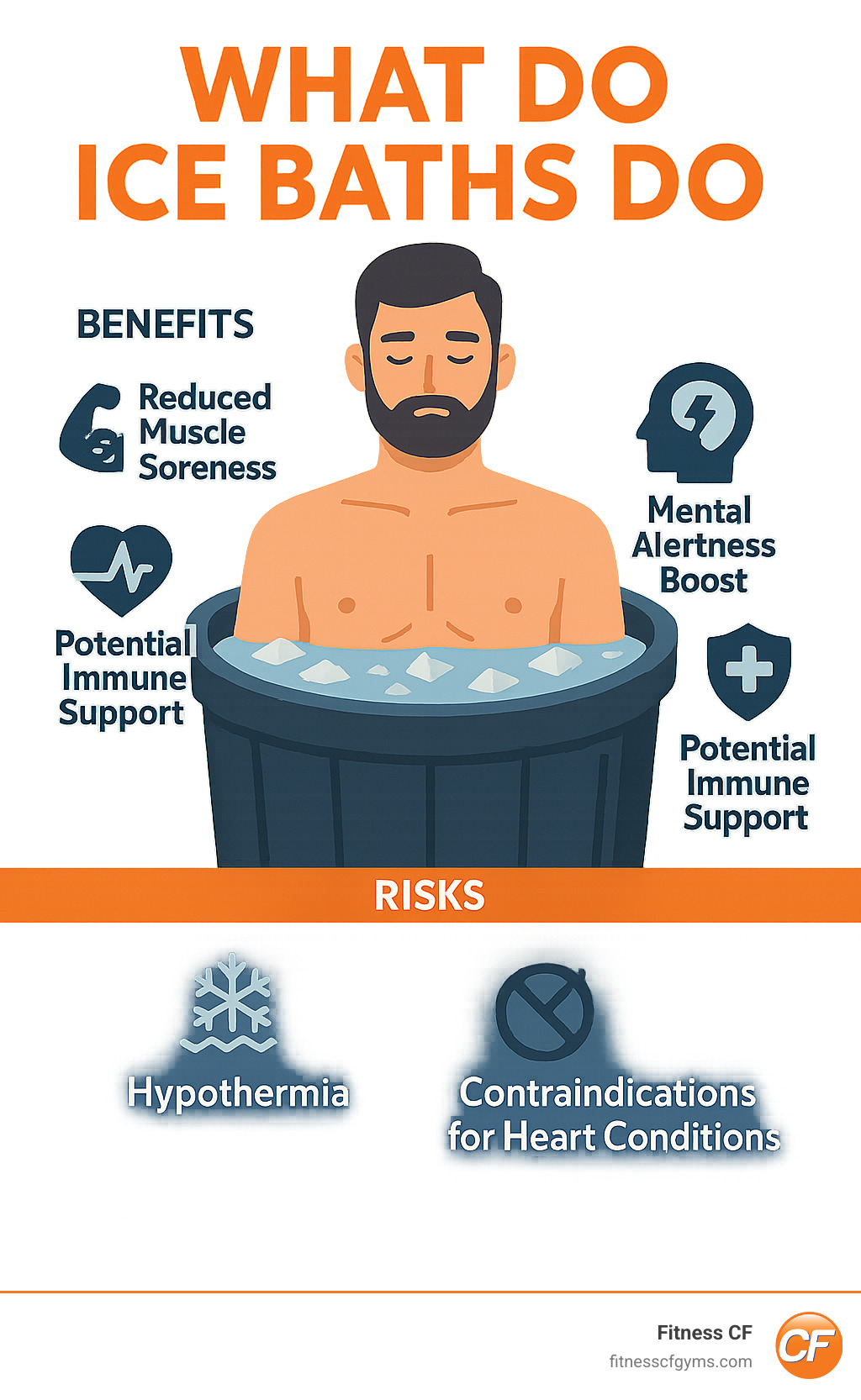
- Reduce muscle soreness and inflammation after intense exercise
- Speed up recovery by improving blood circulation when you warm back up
- Boost mental alertness and mood through hormone release
- Support immune function with potential for fewer sick days
- Lower core body temperature after heat-intensive workouts
- May hinder muscle growth if used too frequently during strength training
The practice has exploded in popularity, but the science behind many claimed benefits is still developing, with research showing mixed results. While ice baths can provide short-term relief from muscle pain, they aren’t a magic solution. For example, a 2021 review found cold water immersion reduced muscle pain for up to 24 hours, but a 2024 analysis suggested it might slow muscle growth when used regularly.
The bottom line? Ice baths work best as one tool in your recovery toolkit, not as a replacement for proper nutrition, sleep, and gradual training progression.
I’m Pleasant Lewis, and with 40 years in the fitness industry, I’ve learned that understanding what do ice baths do helps separate hype from genuine benefits. The most effective recovery strategies are based on solid science, not just popular trends.
The Science Behind the Shiver: Primary Physiological Effects
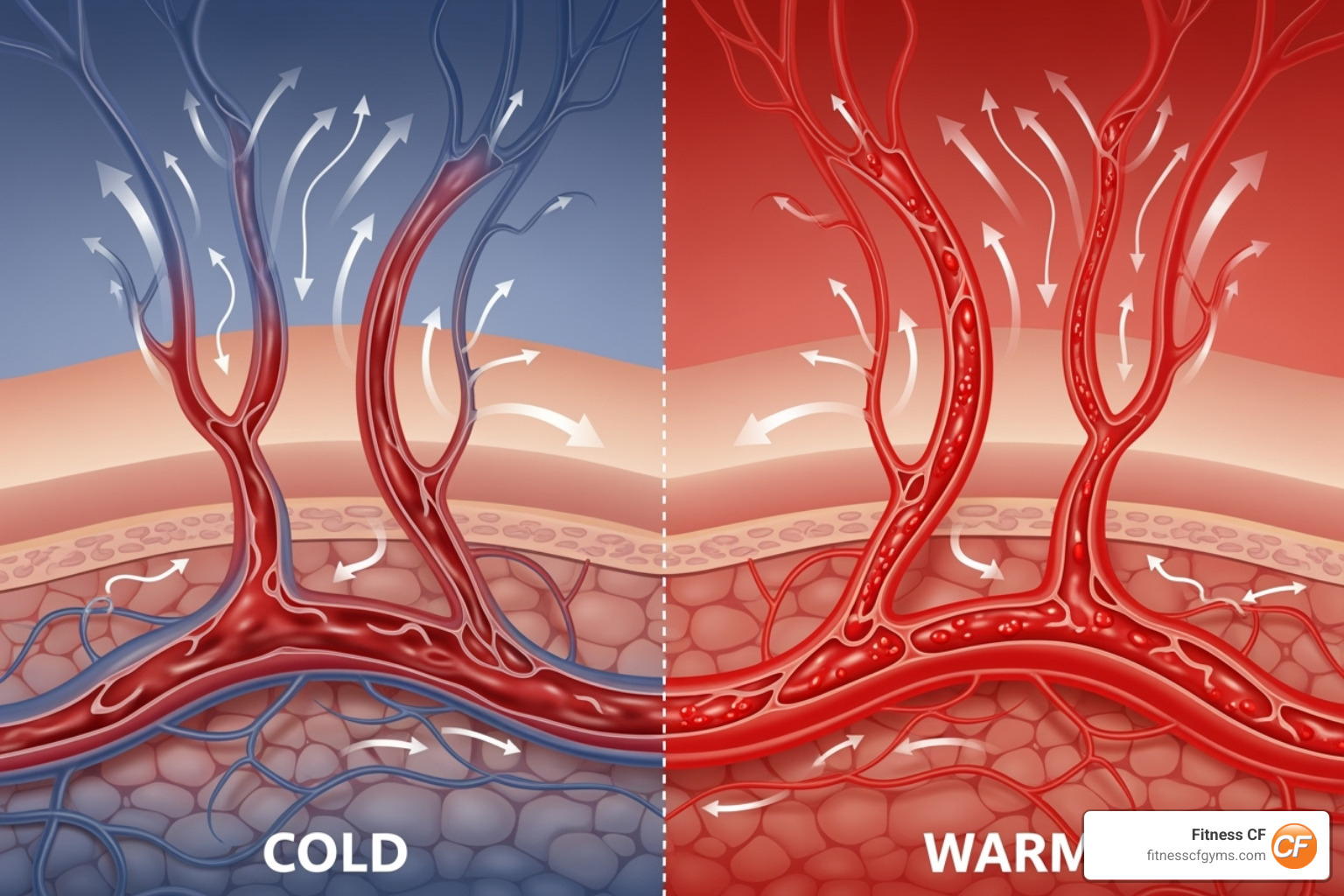
When you step into an ice bath, your body initiates a chain reaction of survival responses. Understanding these reactions helps explain what do ice baths do to create their effects.
- Vasoconstriction: Your blood vessels immediately tighten, pushing blood from your limbs toward your vital organs to conserve heat. When you get out and warm up, the vessels dilate, creating a pumping effect that flushes waste products from your muscles and delivers fresh, oxygen-rich blood.
- Central Nervous System Response: The cold shock causes an involuntary gasp, a spike in heart rate and blood pressure, and rapid, shallow breathing. This is a normal survival reflex.
- Vagus Nerve Stimulation: Cold water stimulates the vagus nerve, which controls your body’s “rest and digest” functions. Training this nerve with cold exposure may help you handle stress better over time.
- Hormone Release: Your body releases adrenaline and noradrenaline, creating intense alertness. You also get a surge of dopamine, a feel-good chemical that explains the euphoric feeling many report after a plunge.
Controlling your breathing with deep, slow breaths is crucial to manage the initial shock and maximize these benefits. These physiological responses work together to create the recovery and wellness effects that make ice baths so popular. You can dive deeper into the science of cold exposure for health and learn more about The Science of Fitness: How Exercise Impacts Your Body to understand how these changes support your fitness goals.
What Do Ice Baths Do for Athletic Recovery?
For those pushing their limits, recovery is as important as the workout itself. What do ice baths do for recovery? They are primarily used to reduce muscle soreness and decrease inflammation after intense training. The typical protocol is a 10-15 minute dip in 50-59°F water post-workout. While benefits for endurance athletes are clearer, the picture is more complicated for strength training.
How Cold Water Immersion Affects Muscle Soreness and Inflammation
Delayed Onset Muscle Soreness (DOMS) is the ache you feel a day or two after a tough workout. It’s caused by micro-tears in muscle fibers and the body’s inflammatory repair response. Ice baths can help by constricting blood vessels, which reduces swelling. When you get out, the increased blood flow helps flush out metabolic waste and deliver nutrients to your muscles.
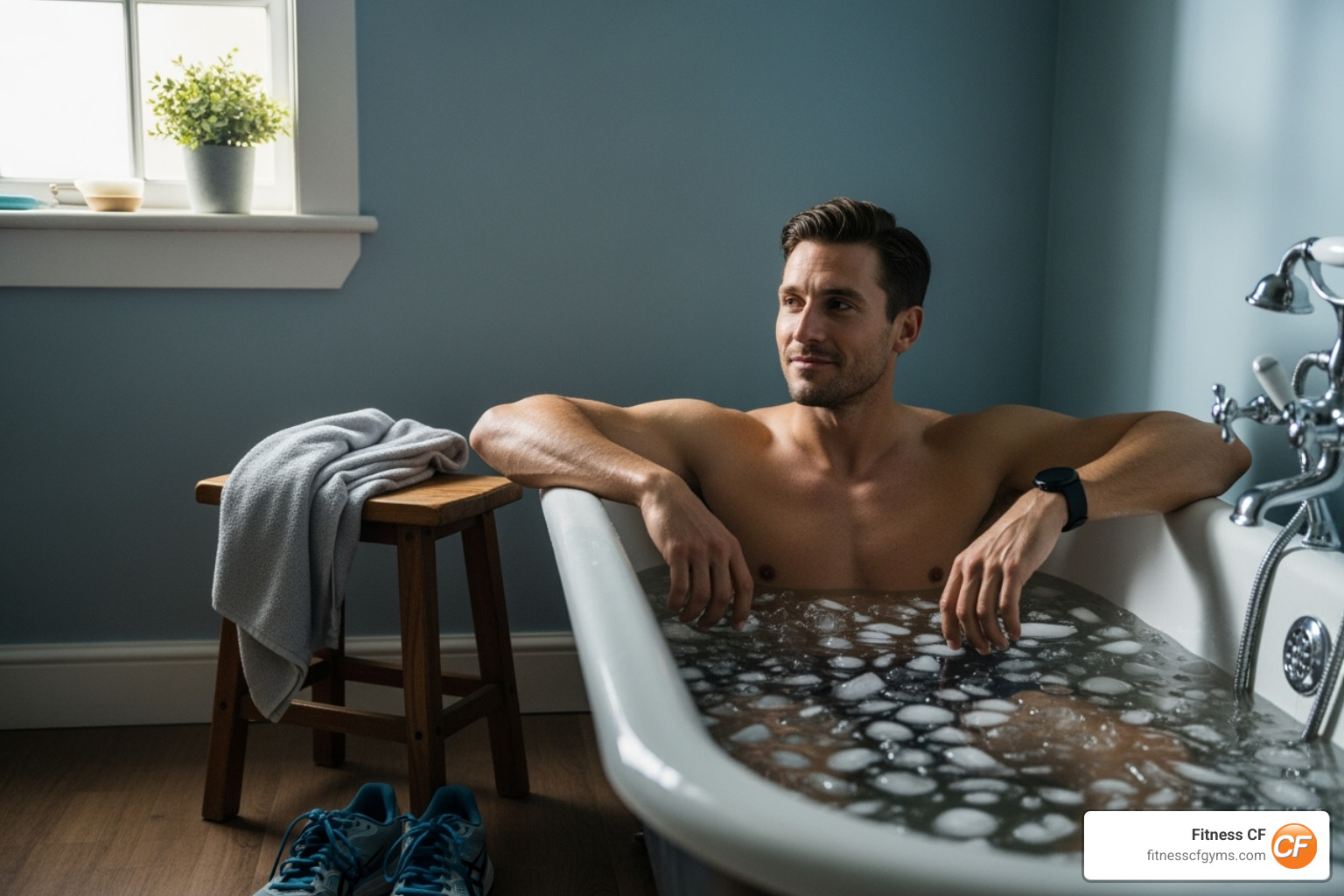
Research supports this. A 2021 review found that cold water immersion reduced muscle pain for up to 24 hours after exercise and lowered markers of muscle damage and fatigue. While many people report feeling significantly better, it’s important to note that this feeling doesn’t always mean muscles are recovering faster; sometimes, pain signals are simply dampened.
For more comprehensive approaches to managing muscle soreness, check out What Are the Best Ways to Relieve Sore Muscles?.
The Impact on Long-Term Muscle Growth and Strength
Here’s the controversy: while ice baths provide short-term relief, they might hinder long-term strength and muscle-building goals. The inflammation from resistance training is a crucial signal for muscle repair and growth. By blunting this response, you might interfere with the adaptation process.
A 2015 study found regular cold water immersion could reduce muscle gains, and a 2024 analysis concluded it may blunt muscle hypertrophy (growth) when used right after resistance training. This means you need to be strategic. For back-to-back competitions where immediate relief is key, an ice bath may be worthwhile. For regular training focused on building strength, you might want to skip it or use other recovery methods.
Your goals determine the best approach. For more insights on building muscle effectively, explore How to Build Muscle Mass Simply and Guaranteed. The bottom line is that what do ice baths do depends on how and when you use them.
Beyond the Muscles: Other Potential Health Benefits
While most people focus on what do ice baths do for sore muscles, the benefits may extend to mental health, immunity, and metabolism. Subjecting your body to controlled cold stress can trigger responses that ripple through multiple systems.
Can Ice Baths Boost Your Mood, Sleep, or Immunity?
The mood boost from an ice bath is often immediate. Studies show cold water immersion can improve alertness, decrease stress, and reduce tension. This mental lift comes from the release of endorphins, dopamine, and noradrenaline. While more research is needed on sleep, many users report deeper rest, likely due to reduced stress and muscle tension.
For immune support, one study found that adding a daily cold shower blast led to 29% fewer sick days. The theory is that cold exposure stimulates the immune system, making you more resilient. While promising, the immediate mental boost is the most reliable benefit. Learn more about these connections in Exercise & Mental Health: Fitness & Wellbeing and Building a Strong Immune System Through Exercise: The Powerful Connection.
What do ice baths do for metabolism and weight loss?
Cold exposure can also impact your metabolism. The key mechanisms include:
- Brown Fat Activation: Unlike white fat which stores energy, brown fat burns calories to generate heat. Cold exposure activates these cells.
- Increased Metabolic Rate: Your body burns more calories temporarily as it works to stay warm.
- Improved Blood Sugar Control: Brown fat activation helps regulate glucose and insulin levels.
This process of thermogenesis (heat production) isn’t a magic weight loss solution, but it can be a helpful addition to a healthy lifestyle. For more strategies, check out 5 Easy Habits to Help You Lose Weight.
Your First Plunge: A Practical Guide to Safe Ice Baths
Ready to experience what do ice baths do for yourself? Taking the first plunge can feel intimidating, but a safe approach minimizes risks. The key is to respect the cold and your body’s individual response, starting slow and building tolerance over time.
Recommended Temperature, Duration, and Frequency
Getting the protocol right is crucial. The ideal temperature is 50-59°F (10-15°C) for a maximum of 10-15 minutes. Shorter durations can still be beneficial.
Here’s how to progress safely:
| Protocol | Temperature Range | Duration (per session) | Frequency |
|---|---|---|---|
| Beginner | 50-59°F (10-15°C) | 1-2 minutes, gradually increasing to 3-5 minutes | 2-3 times per week, allowing body to fully warm between sessions |
| Advanced | 39-50°F (4-10°C) | 5-10 minutes, max 15 minutes | Daily for competitive athletes (with caution), or 2-3 times per week |
Gradual adaptation is key. Start with warmer temperatures and shorter durations. For post-workout recovery, take the bath within an hour of exercise, but if muscle growth is your goal, consider waiting 24-48 hours. Always listen to your body; exit immediately if you feel excessive discomfort, uncontrollable shivering, or numbness. For an at-home setup, use a tub, cold water, ice, and a thermometer to ensure a safe temperature.
Who Should Avoid Ice Baths? Risks and Drawbacks
Ice baths are not for everyone. The initial cold shock response (involuntary gasp, spiked heart rate) can be dangerous for some. Staying in too long risks hypothermia or skin and nerve damage like risk of frostbite.
People with the following conditions should avoid ice baths or consult a doctor first:
- Cardiovascular conditions (heart disease, high blood pressure)
- Diabetes
- Circulatory issues (like Raynaud’s syndrome)
Always consult your healthcare provider before starting, especially if you have pre-existing conditions or take medications. For more on safety, see How to Prevent and Recover From Common Workout Injuries.
What do ice baths do compared to other cold therapies?
Ice baths are one of several cold therapy options. Here’s a quick comparison:
- Cold Showers: Highly accessible and great for mental alertness and potential immune support. Less effective for deep muscle recovery due to a lack of full immersion.
- Contrast Water Therapy: Alternating hot and cold water. This is more tolerable for many and excellent for improving circulation and reducing localized swelling.
- Ice Baths: The most intense option, providing comprehensive cold exposure for large muscle groups. Best for managing widespread soreness after very strenuous workouts.
Your choice depends on your goals, accessibility, and tolerance. Cold therapy is one part of a complete recovery plan, just as explained in The Importance of Warm-up and Cool-down Exercises: A Comprehensive Guide.
Frequently Asked Questions about Ice Baths
Let’s tackle some common questions to help you understand what do ice baths do for your unique fitness journey.
Is it okay to take an ice bath every day?
For most people, daily ice baths are not recommended, especially if your goal is long-term muscle growth. The inflammatory response that ice baths reduce is a key part of how muscles repair and grow stronger. Chronic, daily use can hinder these adaptations.
Competitive athletes might use them daily for acute recovery during competitions, but for most fitness enthusiasts, 2-3 times per week is a more sustainable approach. If your primary goal is building strength, consider waiting 24-48 hours after your workout. Always listen to your body’s signals and reduce frequency if you feel fatigued or notice a plateau in strength gains.
Do ice baths actually speed up recovery?
This depends on how you define “recovery.” Ice baths are very effective at reducing the sensation of muscle soreness (DOMS), which can help you feel better and more refreshed. This perceived recovery is a significant benefit.
However, by blunting inflammation, ice baths might interfere with the body’s natural healing and adaptation process, especially for strength gains. For endurance athletes who need to manage fatigue for high-volume training, the benefits might be more straightforward. So, while they help you feel recovered, their impact on the physiological speed of recovery is still debated and depends on your goals.
Can I just use a cold shower instead of an ice bath?
Cold showers are a great, accessible way to get some benefits of cold exposure, like increased alertness and a potential mood boost. They are an excellent entry point into cold therapy.
However, an ice bath provides full immersion, which leads to a more profound and consistent drop in muscle temperature. This makes ice baths more effective for reducing widespread muscle soreness and inflammation after intense, full-body workouts. For deep muscle recovery, an ice bath’s sustained cold is generally more impactful. Your choice depends on your goals: daily mental boost (cold shower) vs. targeted deep recovery (ice bath).
Conclusion
So, what do ice baths do? They trigger a cascade of physiological responses, from vasoconstriction to a surge of mood-boosting hormones. They can effectively reduce muscle soreness and may offer benefits for immunity and metabolic health.
However, ice baths are not a one-size-fits-all solution. Their use must be strategic. For endurance athletes or those seeking a mental boost, they can be valuable. For those focused on building muscle mass, frequent use after strength training might hinder growth by blunting necessary inflammation.
The key is to match the tool to your goals. Ice baths are one part of a comprehensive recovery plan, not a replacement for fundamentals like sleep, nutrition, and smart training. Safety is paramount: start slow, listen to your body, and consult a doctor if you have health concerns. A range of 50-59°F for 5-15 minutes is a good guideline.
Whether you choose ice baths, contrast therapy, or cold showers, find what works for your body and lifestyle. At Fitness CF, we believe in a holistic approach to wellness, combining effective workouts with smart recovery. The best fitness journey is built on informed decisions, not just trends. Explore our approach to holistic fitness and start your journey today