Why Barre Conditioning Classes Are Gaining Popularity
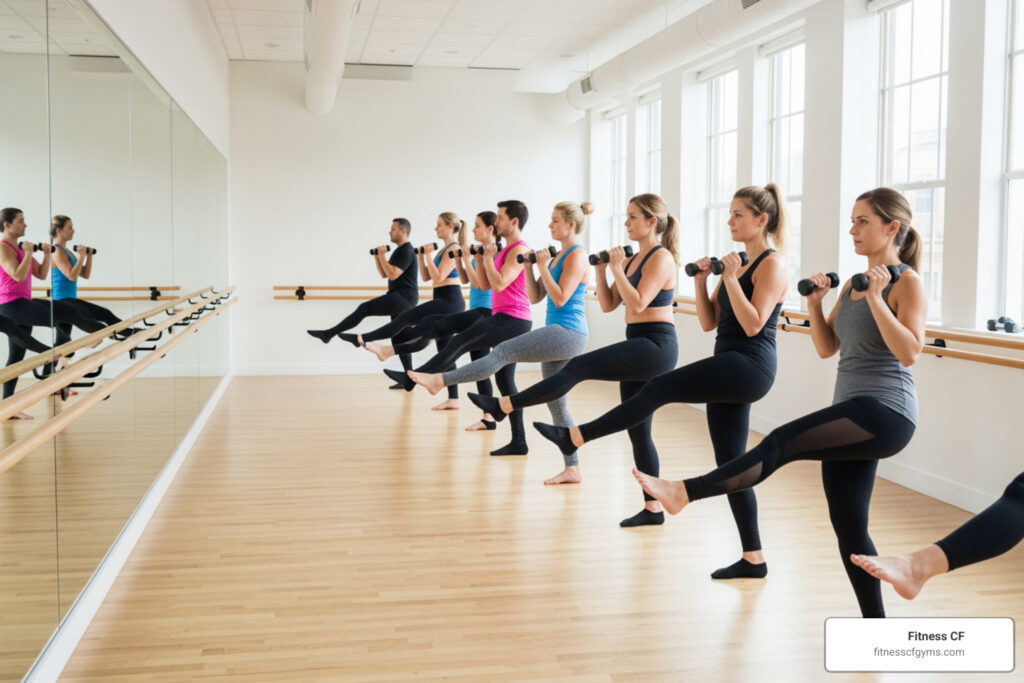
A barre conditioning class is a low-impact, high-intensity workout that fuses elements of ballet, Pilates, and yoga to strengthen, tone, and lengthen your entire body. These classes use small, controlled movements, isometric holds, and light props like weights and resistance bands to target specific muscle groups—particularly your core, glutes, thighs, and arms—while protecting your joints from strain.
Quick Overview of Barre Conditioning Classes:
- Format: 45-60 minute classes combining strength, cardio, and stretching
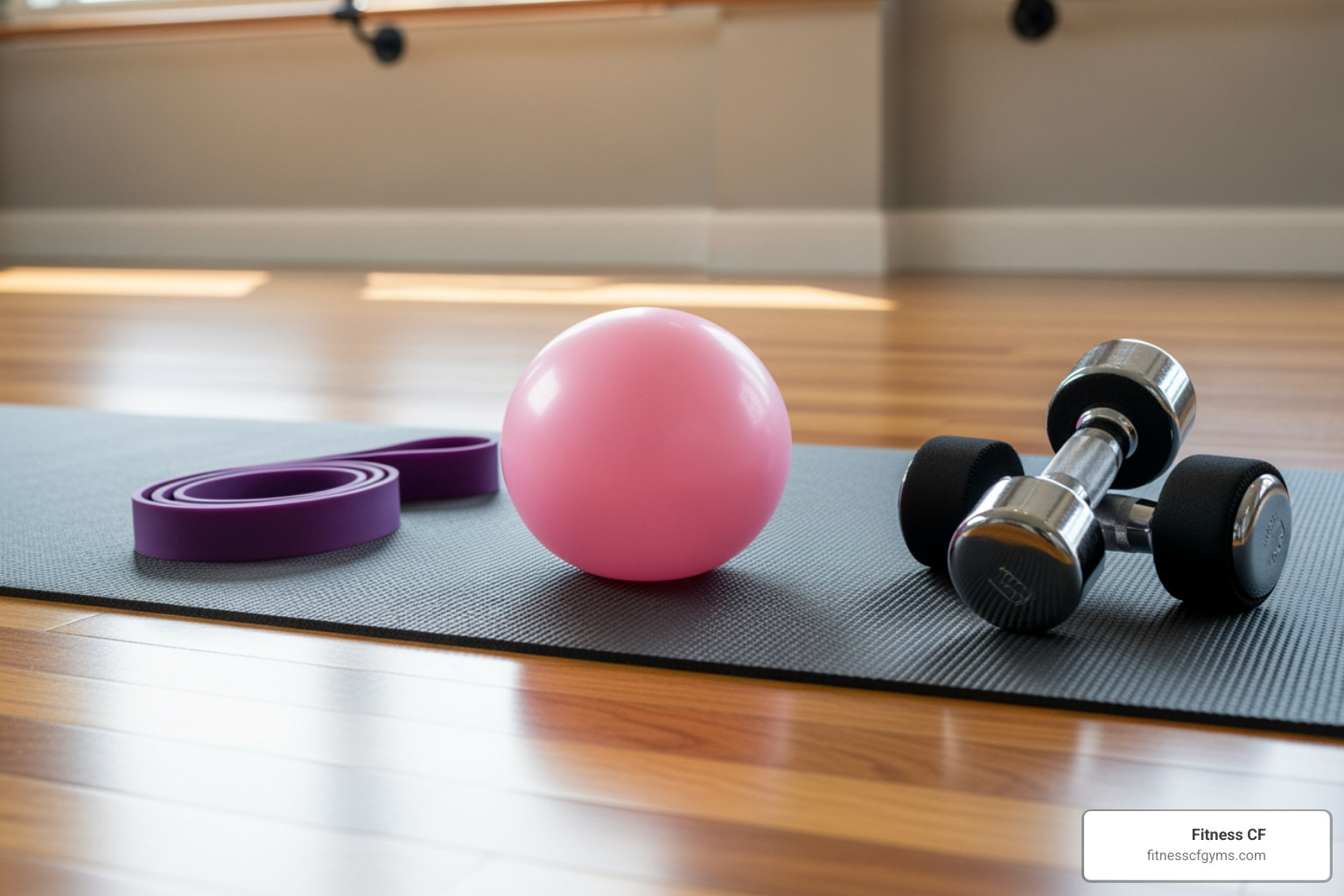
- Equipment: Ballet barre, light weights (2-5 lbs), resistance bands, exercise ball, yoga mat
- Intensity: Low-impact but high-intensity; expect to feel the “burn” and “shake”
- Benefits: Improved strength, flexibility, balance, posture, and cardiovascular health
- Suitable For: All fitness levels—no dance or ballet experience required
- Results Timeline: Noticeable strength and toning improvements within 3-6 weeks with consistent practice (2-4 classes per week)
If you’ve ever walked past a fitness studio and spotted people gripping a ballet barre while their legs shake uncontrollably, you’ve witnessed the signature intensity of barre conditioning. These classes have grown in popularity over the past decade, evolving from a niche workout for dancers into a full-body conditioning method that delivers real results—without the joint-pounding impact of running or traditional cardio.
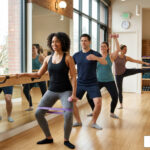
The appeal is clear: barre conditioning classes often foster a supportive and uplifting community where you can connect with like-minded individuals while getting stronger, more toned, and energized. The workout combines the grace of ballet with the precision of Pilates and the mindfulness of yoga, all set to upbeat music that keeps you motivated through those challenging final reps.
For those juggling busy schedules with fitness goals, barre conditioning offers a time-efficient solution. Most classes clock in at under an hour but deliver a comprehensive workout that targets every major muscle group. The low-impact nature means you can attend multiple classes per week without overtraining, and the modifications offered by instructors ensure you can challenge yourself at your own pace—whether you’re a complete beginner or a seasoned athlete looking for effective cross-training.
Regular barre sessions are the key to helping tone your body quickly while building functional strength for daily activities. Unlike high-impact workouts that can leave your joints sore, barre strengthens muscles while protecting your body from injury. The focus on proper alignment, core engagement, and controlled movements creates lasting change that extends beyond the studio—think better posture at your desk, more stability carrying groceries, and increased energy throughout your day.
Many workout trends come and go, but barre conditioning classes have proven their staying power because they simply work for people at every fitness level. This comprehensive guide will break down everything you need to know about barre conditioning, from what actually happens in class to the specific benefits you can expect and how to integrate this workout into your existing routine.
What Exactly Is a Barre Conditioning Class?
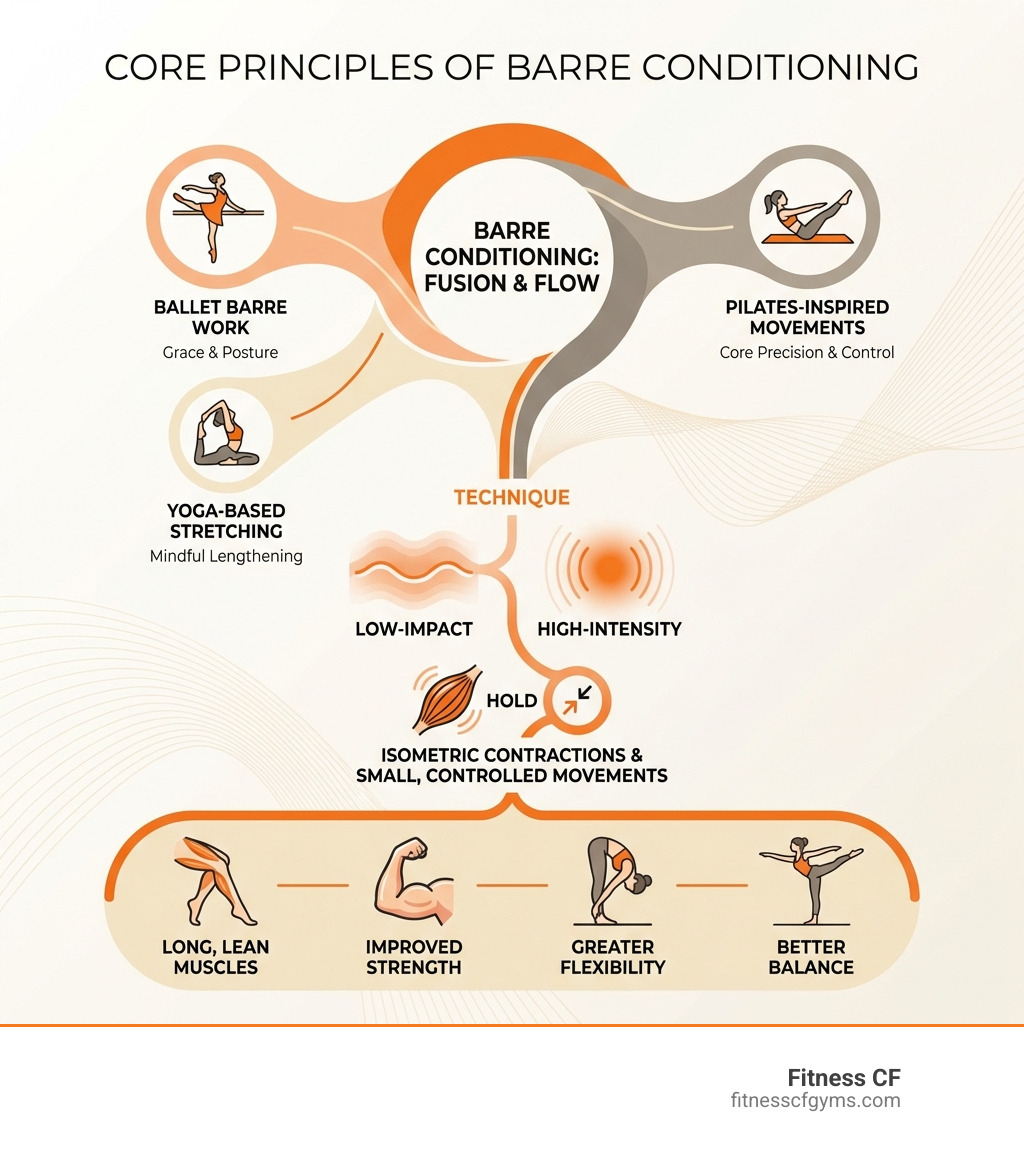
At its core, a barre conditioning class is a dynamic, full-body workout inspired by ballet, infused with the precision of Pilates, and incorporating the flexibility and mindfulness of yoga. Imagine a workout where every movement is deliberate, every muscle engagement is deep, and the “burn” you feel is a sign of change. That’s barre conditioning.
Unlike traditional ballet, you don’t need a background in dance or a desire to perform on stage. The classes leverage the ballet barre as a tool for support and alignment, allowing participants to perform small, repeated movements, often called isometric holds. These movements work your muscles to fatigue, leading to that signature “shake” that signals muscle activation and strengthening. This low-impact, high-intensity approach is designed to elongate muscles and build lean muscle mass more effectively than some traditional weightlifting routines, as you’re constantly using your own body weight as resistance.
This style of training can support a healthy lifestyle by helping you develop balance between strength, mobility, and cardiovascular fitness. When you pair barre conditioning with other healthy habits—like regular movement throughout the day, nutritious eating, quality sleep, and stress management—it becomes a powerful part of an overall wellness routine.
These classes build on a foundational barre workout to increase intensity and target specific fitness goals. It’s a comprehensive approach to fitness that emphasizes form, control, and deep muscle engagement.
The “Conditioning” Difference: Cardio vs. Strength
The term “conditioning” in barre conditioning class signifies a focused approach to specific fitness components that directly support long-term health. In a healthy, well-rounded routine, you want both strength and cardiovascular training, and barre can contribute to each of these in different ways.
Cardio-focused barre, sometimes called cardio barre, blends ballet-inspired movements with high-intensity, low-impact exercises to get your heart pumping and improve cardiovascular health. Regular cardiovascular exercise is associated with:
- Better heart and lung function
- Improved circulation and blood pressure
- Improved endurance for daily activities
- Support for healthy weight management and metabolic health
Cardio-style barre often uses continuous, flowing movement to gently lift your heart rate while remaining kind to your joints. This helps you gain the benefits of traditional cardio without the impact of activities like running or jumping. More on barre cardio workouts can help you understand how this style differs from traditional approaches.
On the other hand, strength-focused barre amplifies signature barre exercises with more challenging muscle work and, at times, added resistance. Strength training is essential for healthy living because it helps:
- Build and maintain lean muscle mass
- Support strong bones and reduce the risk of osteoporosis
- Improve joint stability and reduce injury risk
- Boost metabolism and support long-term weight management
- Improve functional strength for everyday tasks like lifting, bending, and carrying
In these strength-focused classes, you might hold deeper positions, perform more repetitions, or use light weights or bands to challenge your muscles. This type of training builds muscular strength and endurance in a way that complements other forms of exercise, such as walking, cycling, or swimming, creating a more complete fitness profile.
How It Differs From Classic Barre
While all barre classes share common principles, a barre conditioning class often pushes participants further and can contribute even more to overall fitness and health. Here’s how it typically differs from a more classic barre format:
- Pace and Intensity: Conditioning classes generally move at a more athletic pace. While classic barre focuses on precise, controlled movements, conditioning classes often incorporate faster transitions and interval-training-like sequences, alternating between strengthening and stretching exercises nonstop. This keeps your heart rate lifted, supporting cardiovascular health while still improving strength.
- Use of Props: While light weights and bands are common in both, conditioning classes might use them more extensively or introduce additional challenges to increase resistance. The goal is to intensify the muscle engagement, which helps build functional strength that carries over into daily life.
- Heart Rate Elevation and Calorie Burn: Due to the faster pace and integrated cardio elements, conditioning classes are more effective at elevating your heart rate and burning calories. This makes them an excellent choice for improving endurance, supporting healthy body composition, and contributing to overall fitness.
- Focus on Power and Endurance: While classic barre builds foundational strength and flexibility, conditioning classes often emphasize building power and muscular endurance. This means more reps, longer holds, and more dynamic movements designed to push your limits and build resilience in your muscles. Over time, this can translate to easier movement in everyday life—like climbing stairs, walking longer distances, or staying active with family—supporting a sustainable, healthy lifestyle.
The Transformative Benefits of Barre Conditioning
Engaging in a barre conditioning class offers a wealth of physical and mental benefits that extend far beyond the studio. It’s a low-impact, high-intensity workout that leaves you feeling strong, toned, and energized, changing you both physically and mentally. Participants consistently report how these classes contribute to their overall fitness, boosting strength, flexibility, and endurance in remarkable ways.
Build a Stronger, Leaner Body
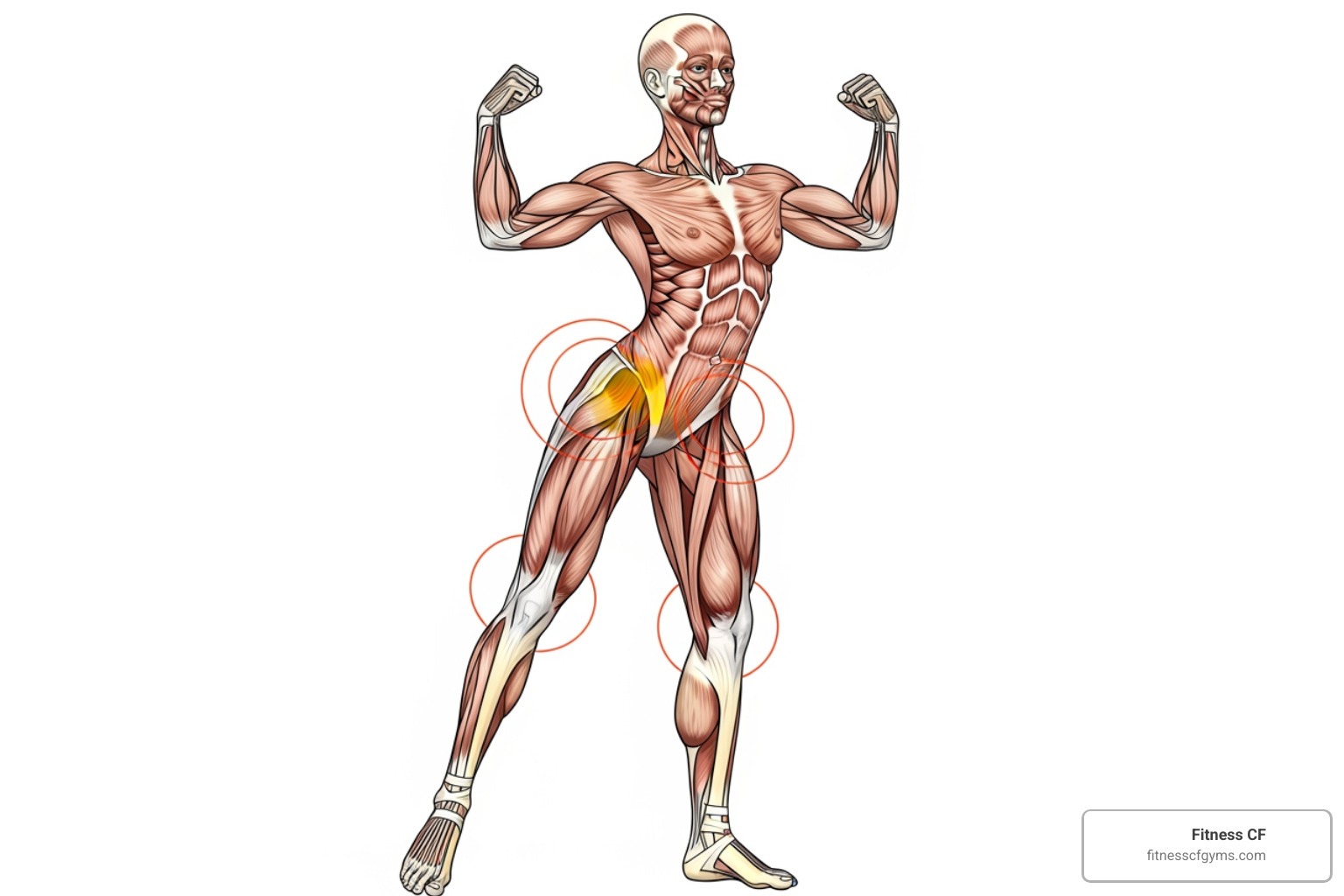
One of the most noticeable benefits of consistent barre conditioning is the development of a stronger, leaner physique. These classes are expertly designed to target every major muscle group in your body, focusing on those often-neglected areas:
- Muscle Toning and Sculpting: Through small, isometric movements and high repetitions, barre works muscles to fatigue, leading to incredible toning and sculpting. You’ll work muscles you didn’t even know you had, creating a long, lean look.
- Core Strength Improvement: A strong core is the foundation of all movement. Barre conditioning places a significant emphasis on engaging your deep abdominal muscles, leading to improved core strength. This not only flattens your midsection but also provides crucial support for your spine, alleviating back pain and improving overall body mechanics. Many participants, even those who previously struggled with planks, find themselves holding them for much longer durations after just a few weeks.
- Better Posture: By strengthening your core and back muscles, and focusing on proper alignment, barre helps correct postural imbalances. You’ll find yourself standing taller, with greater ease and confidence, which can make a significant difference in your daily life and how you carry yourself.
- Muscular Endurance: The high-repetition nature of barre conditioning builds incredible muscular endurance. This means your muscles become more efficient at sustaining effort, allowing you to perform daily tasks, other workouts, and even simply walk further without fatigue.
- Long, Lean Muscle Development: Unlike some heavy weightlifting that can build bulk, barre conditioning uses body weight and light resistance to create lean muscle mass. This gives you that coveted dancer-like physique – strong, yet graceful.
Boost Overall Fitness and Health
Beyond aesthetics, barre conditioning classes are powerful contributors to your overall health and functional fitness, helping you move better and feel better in every aspect of your life.
- Increased Flexibility and Mobility: Each intense set of exercises is often followed by deep, isometric stretches, allowing your muscles to lengthen and increase their range of motion. This improves flexibility and joint mobility, reducing stiffness and making everyday movements easier.
- Joint Protection: As a low-impact workout, barre conditioning is incredibly kind to your joints. You get all the benefits of a challenging workout without the pounding and stress that can lead to injury in high-impact activities. This makes it an ideal choice for individuals of all ages and those recovering from injuries.
- Improved Balance and Coordination: The focus on controlled movements, often performed on one leg or with a narrow base of support, significantly improves your balance and coordination. This is crucial for preventing falls and improving agility in sports and daily activities.
- Improved Heart and Lung Health: Cardio-focused barre classes, with their liftd heart rates (ranging from 90-120bpm), strengthen your lungs and heart. This improves your cardiovascular conditioning, helping you feel less out of breath during exercise and everyday tasks, and contributing to long-term heart health.
- Weight Management Support: While not solely a weight-loss solution, barre conditioning contributes significantly to healthy weight management. It burns calories, builds lean muscle (which boosts your metabolism), and helps reduce body fat. Consistent attendance, combined with a healthy diet, can lead to visible change in just a few weeks. Each 45-minute session also focuses on breathing and posture, which are vital for overall fitness and achieving health goals.
Improve Your Mental Well-being
The benefits of a barre conditioning class aren’t just physical; they profoundly impact your mental and emotional well-being. It’s a holistic workout that nurtures both body and mind.
- Stress Relief and Mindfulness: The intense focus required for isometric holds and precise movements acts as a moving meditation, allowing you to tune out daily stressors and be present in the moment. The rhythmic movements and upbeat music create a positive atmosphere that can significantly relieve stress.
- Increased Energy Levels: Despite the challenging workout, many participants report feeling more energized and invigorated after a barre class. The combination of physical exertion, increased blood flow, and mental focus boosts your overall vitality and stamina.
- Confidence Boost: As you get stronger, improve your posture, and see visible changes in your body, your confidence naturally soars. The sense of accomplishment after pushing through a challenging set or mastering a new movement is incredibly empowering.
- Supportive Community Atmosphere: Barre conditioning classes often foster a supportive and uplifting community. You can connect with like-minded individuals, share challenges, and celebrate successes, creating a positive environment that motivates and inspires you to reach your goals.
- The Mental Challenge of Pushing Through the Burn: Barre teaches you mental fortitude. Learning to accept the “burn” and push through the shaking builds resilience, a skill that translates into other areas of your life. It’s a testament to your inner strength and determination.
Inside the Studio: A Practical Guide
Stepping into a barre conditioning class for the first time can feel a little intimidating, but it’s typically a welcoming and inclusive environment. Here’s what you need to know to feel prepared and confident.
Who Should Take a Barre Conditioning Class?
One of the beautiful aspects of barre conditioning classes is their universal appeal. Barre is a low-impact, full-body workout for everybody.
- Beginners: Absolutely! You don’t need any prior experience in Pilates, ballet, or dance. Certified instructors provide personalized attention to ensure correct posture and alignment, offering modifications that allow you to challenge yourself at your own pace. Many exercises are designed to teach you proper form from the ground up.
- Fitness Enthusiasts: If you love to move and are looking for a new challenge, barre conditioning offers a unique way to strengthen and sculpt your body. It’s a fresh take on strength training that will work muscles you never knew you had.
- Athletes Seeking Cross-Training: For runners, cyclists, or athletes in other sports, barre conditioning is an excellent complement to your training. It builds core strength, improves balance, and increases flexibility, which can improve performance and prevent injuries. The low-impact nature means you can recover actively without stressing your joints.
- Individuals Needing Low-Impact Options: If you have joint sensitivities, are recovering from certain injuries, or simply prefer workouts that are gentle on your body, barre is an ideal choice. It delivers high-intensity results without the pounding impact. It’s even suitable for use during pregnancy, with appropriate modifications.
- All Ages and Fitness Levels: Whether you’re just starting your fitness journey or have been active for years, barre conditioning is adaptable. Exercises can be modified to increase or decrease intensity, ensuring everyone gets an effective and safe workout.
What to Expect in a typical barre conditioning class
A barre conditioning class is a structured, athletic-paced journey designed to work your entire body. While specific routines may vary, a typical class follows a progressive format:
- Class Duration: Most barre conditioning classes run for 45 to 55 minutes, providing a comprehensive workout in under an hour. This makes it easy to fit into a busy schedule.
- Warm-up: The class begins with a dynamic warm-up to prepare your muscles and lift your heart rate. This often includes light cardio and dynamic stretches to get your body ready for the work ahead.
- Arm Work: Next, the class moves to a series of exercises targeting your shoulders, biceps, triceps, and back, often using light handheld weights. These movements focus on muscular endurance and sculpting.
- Thigh Series: Prepare for the “shake”! This segment focuses on your quadriceps and hamstrings, often performed at the ballet barre for support. You’ll engage in small, controlled movements and isometric holds designed to fatigue these large muscle groups.
- Glute Focus: Building a strong, lifted backside is a hallmark of barre. This section will target your glutes with a variety of exercises, often incorporating a small exercise ball or resistance band for added intensity, both at the barre and on the mat.
- Core Conditioning: A significant portion of the class is dedicated to intense core conditioning. You’ll strengthen and tone your abdominals through various Pilates-inspired movements, crucial for posture and overall strength.
- Cool-down Stretch: The class concludes with deep, isometric stretches for each muscle group worked. This helps to lengthen your muscles, improve flexibility, and minimize post-workout soreness. The pace is very athletic throughout the class, altering from strengthening to stretching exercises nonstop like interval training, keeping your body engaged and challenged.
Essential Equipment for a barre conditioning class
One of the great things about barre conditioning classes is that they don’t require a lot of bulky equipment. Most studios provide the necessary props, so all you need to bring is your workout clothes, a water bottle, and a can-do attitude! Here’s what you’ll typically use:
- The Ballet Barre for Support: The star of the show! The ballet barre isn’t just for dancers; it’s a crucial tool in barre conditioning. It provides stability for balance exercises, allows for deeper stretches, and helps you maintain proper alignment during challenging movements.
- Light Handheld Weights (2-5 lbs): Don’t let the “light” fool you! These small weights, often 2-5 pounds, are used for high repetitions, leading to significant muscle fatigue and sculpting in your arms, shoulders, and back.
- Small Inflatable Exercise Ball: This versatile prop is often placed between your thighs or behind your back to activate deeper core muscles, intensify glute work, and provide support for certain exercises.
- Loop Resistance Bands: These elastic bands add an extra layer of resistance to leg, glute, and arm exercises, helping to engage and strengthen muscles more effectively. Some classes also use long resistance bands for different types of movements.
- A Yoga Mat for Floor Work: Essential for comfort and grip during core exercises, glute work on the floor, and the final stretching segment.
Debunking Myths and Maximizing Your Results
Despite its growing popularity, barre conditioning classes are still surrounded by a few misconceptions. Let’s clear the air and then talk about how you can best integrate this type of workout into a healthy lifestyle and balanced fitness routine.
Common Misconceptions, Busted!
It’s time to bust some common myths about barre.
- Myth: You need dance experience. While barre is ballet-inspired, you absolutely do not need prior training in Pilates or ballet, nor any dance experience whatsoever. Classes are designed for people of any fitness level and ability, with instructors (in an in-person or virtual setting) guiding you through every movement and offering modifications.
- Myth: It’s not an intense workout. While barre is low-impact, it is undeniably high-intensity. The small, isometric movements and deep muscle engagement work your muscles to fatigue, leading to that famous “burn” and “shake.” Your heart rate will be lifted, and you’ll often find muscles you never knew you had. It can be a powerful part of a well-rounded, effective fitness routine.
- Myth: It’s only for toning, not strength. While barre is fantastic for toning and sculpting, it’s also effective for building functional strength and lean muscle mass. By using your own body weight as resistance and sometimes adding light weights, barre strengthening exercises help support stronger muscles and bones, better posture, and improved stability—all key components of healthy aging and long-term wellness.
- Myth: It’s just for women. While barre has historically attracted a predominantly female clientele, the benefits apply to everyone. Building core strength, improving flexibility, enhancing muscular endurance, and supporting joint health are valuable for all people, regardless of gender.
Integrating Barre Into a Healthy Fitness Routine
To truly open up the transformative potential of barre conditioning classes, consistency and balance are key. Barre can play a central role in a healthy lifestyle when combined with other strength, cardio, and recovery practices.
- Recommended Frequency: For many people, attending 2–4 barre conditioning classes per week works well. This frequency is enough to build strength and endurance while allowing time for rest and other movement like walking, cycling, or swimming. Listening to your body is essential; gradual progression is safer and more sustainable than sudden, intense increases in activity.
- Complementing Other Workouts: Barre conditioning fits naturally into a balanced fitness plan:
- Alongside Cardio: Activities like brisk walking, jogging, cycling, or dancing strengthen the heart and lungs. Barre can complement these by improving posture, core strength, and muscular endurance, which can make your cardio sessions feel easier and more efficient.
- Alongside Other Strength Training: If you also enjoy bodyweight exercises or resistance training, barre helps improve range of motion, muscle activation, and control. It targets smaller stabilizing muscles that support joints and improve the effectiveness of other strength exercises.
- Alongside Mind–Body Practices: Since barre already incorporates elements of Pilates and yoga, combining it with stretching, breathwork, or mindful movement can further support stress relief, mobility, and overall well-being.
- The Importance of Rest and Recovery: Even though barre is low-impact, your muscles are working hard. Incorporating rest days or light movement days (like gentle walking or stretching) allows the body to repair and adapt. Adequate sleep, hydration, and nutrient-dense foods rich in protein, healthy fats, and complex carbohydrates all support recovery and long-term health.
- Listening to Your Body’s Signals: Paying attention to your body is a cornerstone of healthy living. Modifications are always appropriate, whether you’re practicing at home or in a class environment. It’s better to adjust a movement than to push through pain and risk injury. Over time, this mindful approach to exercise builds body awareness and helps you maintain an active lifestyle for years.
- Seeing Results with Consistency: Many people notice improved posture, more defined muscles, better balance, and increased stamina after several weeks of regular barre conditioning. Combined with everyday healthy habits—like regular movement breaks, nourishing meals, and stress management—these changes support overall fitness and contribute to feeling stronger, more energized, and more capable in daily life. A personal account of a six-week barre journey highlights the importance of consistency, as detailed by Barrecore.
Conclusion: Find Your Strength at the Barre
As we’ve explored, a barre conditioning class is so much more than just a workout; it’s a comprehensive approach to health and fitness that delivers an effective, low-impact, full-body experience. From sculpting lean muscle and boosting your metabolism to improving your flexibility, balance, and even your mental well-being, the benefits are truly transformative. It’s an adaptable workout that challenges everyone, regardless of their fitness level or background.
Fitness should be accessible, enjoyable, and effective. Barre conditioning offers a unique opportunity to strengthen your body, calm your mind, and become part of a supportive community.
So, if you’re ready to accept the “burn,” experience the “shake,” and see what a consistent barre conditioning routine can do for you, the next step is to find a class and take the leap. It’s time to find your strength at the barre.