Why the Mediterranean Diet Guide Belongs in Every Healthy Kitchen
A Mediterranean diet guide is one of the most practical tools you can use to improve your health — without counting calories or cutting out entire food groups. Here’s what you need to know at a glance:
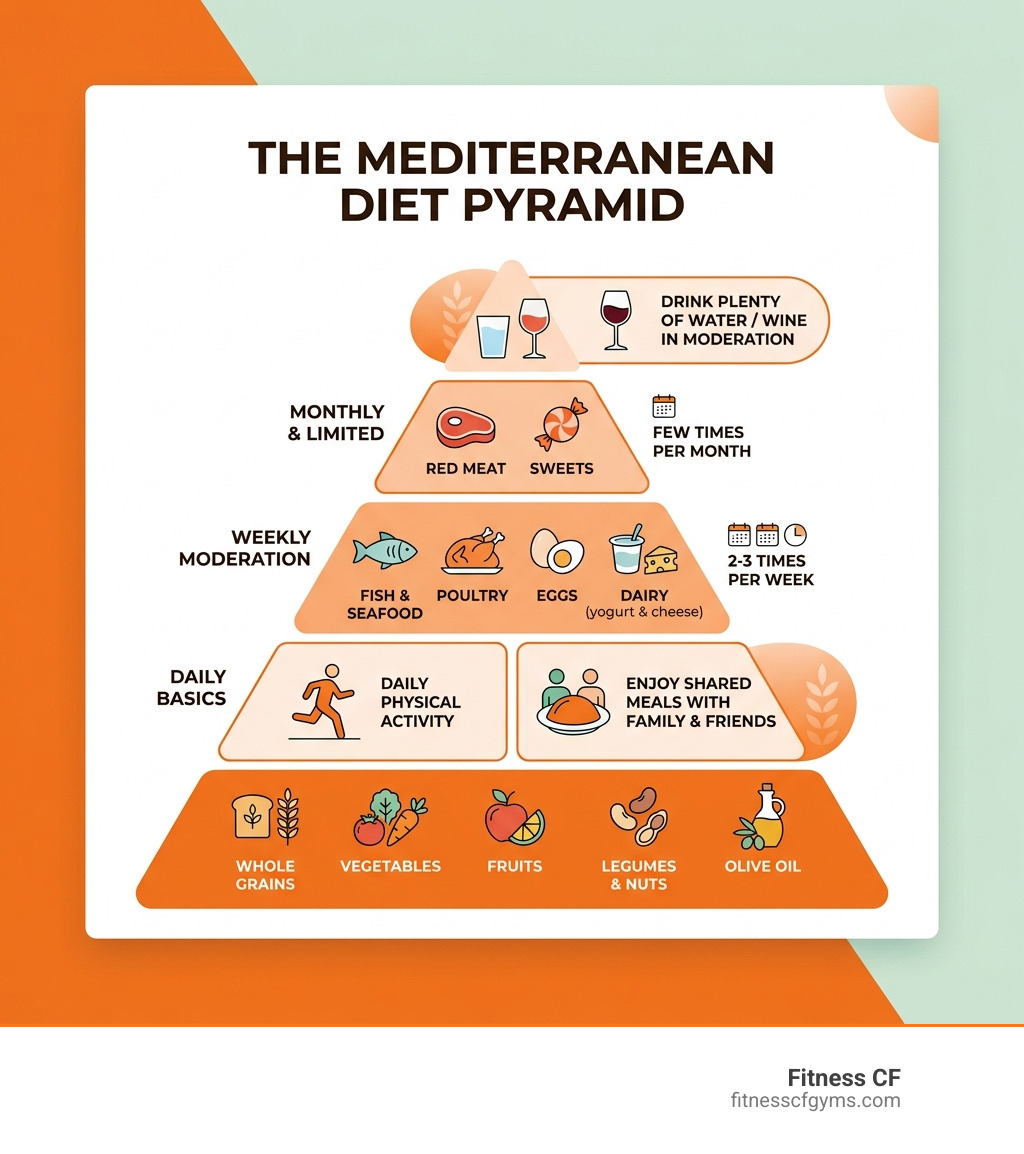
- What it is: A plant-focused eating pattern inspired by traditional cuisines of countries bordering the Mediterranean Sea — think Greece, Italy, and southern France.
- What you eat most: Vegetables, fruits, whole grains, legumes, nuts, and olive oil — daily.
- What you eat in moderation: Fish and seafood (2-3 times per week), poultry, eggs, and dairy.
- What you limit: Red meat, added sugars, refined grains, and processed foods.
- Key lifestyle elements: Regular physical activity, shared meals with family and friends, and adequate rest.
- Top proven benefits: Lower risk of heart disease, type 2 diabetes, certain cancers, cognitive decline, and depression.
This isn’t a short-term crash diet. It’s a long-term way of eating — and living — that decades of research consistently ranks among the healthiest on the planet. Studies show that people who follow it closely have a 30% lower risk of heart attack, stroke, and cardiovascular death compared to those on a low-fat diet. That’s a significant number for a simple shift in eating habits.
Whether you’re juggling a busy family schedule, trying to break through a fitness plateau, or just looking to feel better every day, the Mediterranean approach is flexible enough to fit your life.
I’m Pleasant Lewis, owner and operator of Fitness CF, and with over 40 years in the fitness industry I’ve seen how pairing the right nutrition strategy — like the principles in this Mediterranean diet guide — with consistent physical activity transforms people’s health from the inside out. Let’s break down exactly how to make it work for you.
Mediterranean diet guide vocabulary:
Core Principles of the Mediterranean Diet Guide
When we talk about the Mediterranean diet guide, we aren’t talking about a rigid set of rules. Instead, it is a set of core principles based on the traditional eating habits of people in Crete, Greece, and Southern Italy during the mid-20th century. At its heart, this eating style prioritizes whole, minimally processed foods.
The foundation is built on plants. This means your plate should be dominated by fruits, vegetables, legumes, nuts, seeds, and whole grains. Unlike the standard Western diet, which often treats meat as the star of the show, the Mediterranean approach views meat as a side dish or a “flavor enhancer.” According to Mediterranean Diet 101: Core Principles, the focus is on nutrient density and the synergy of these foods working together. For a deeper dive into general wellness, check out our Nutrition Tips Complete Guide.
The Role of Healthy Fats and Whole Grains
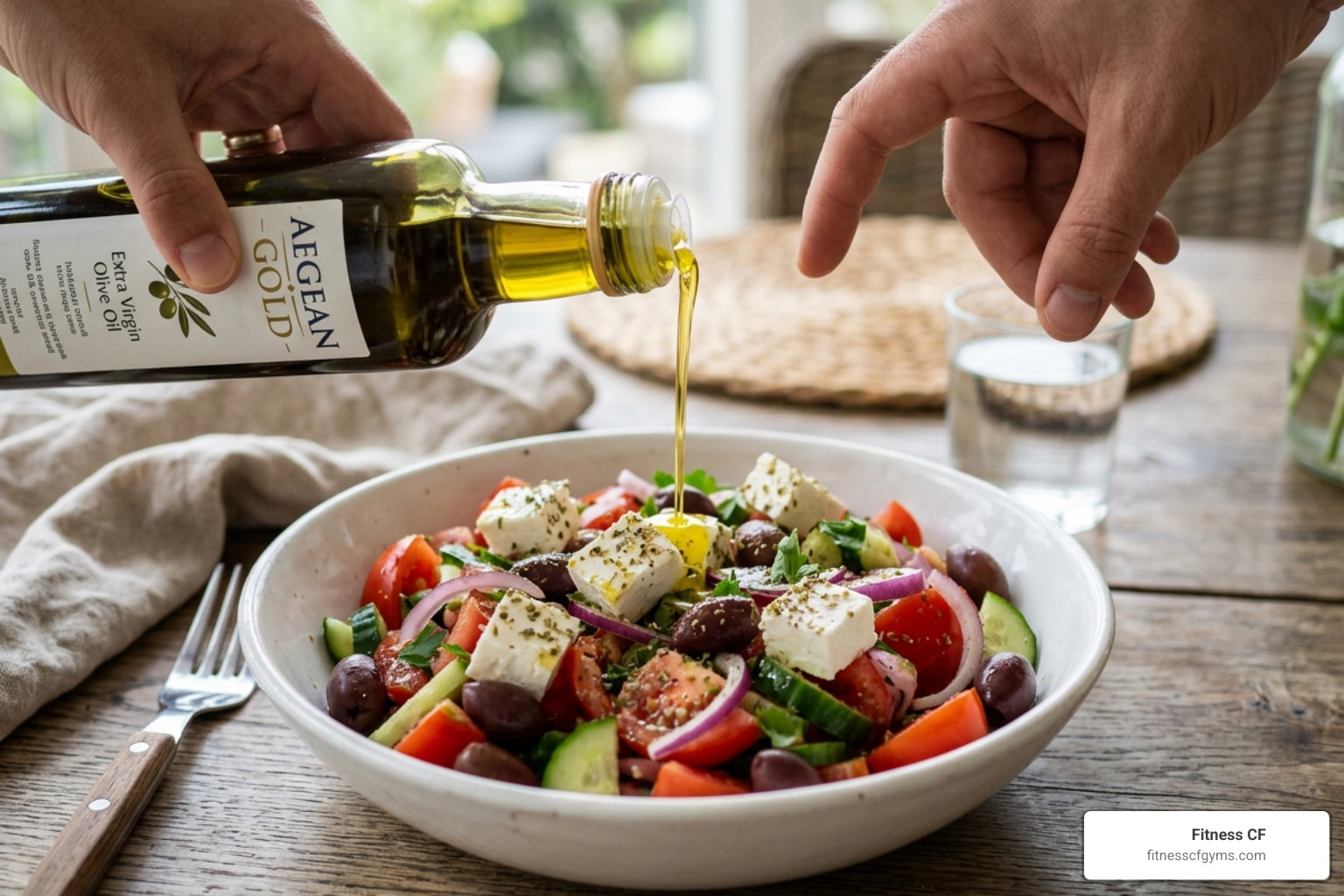
If there is a “secret sauce” to this lifestyle, it’s extra virgin olive oil (EVOO). It is the primary source of fat in the Mediterranean region. Rich in monounsaturated fatty acids and antioxidants called phenols, EVOO helps protect against high cholesterol and inflammation. Most experts, including those in this Guide to the Mediterranean diet, recommend consuming at least 1 to 4 tablespoons of high-quality olive oil daily.
Whole grains also play a starring role. We’re talking about “chewy” grains like farro, bulgur, barley, and oats, rather than refined white flours. These complex carbohydrates provide sustained energy and are packed with fiber, which is essential for digestive health and keeping you full during your workouts in Central Florida.
Daily and Weekly Food Group Goals
To make this Mediterranean diet guide actionable, it helps to look at the numbers. While you don’t need to obsess over every gram, aiming for these serving goals can help you stay on track.
| Food Group | Frequency | Serving Goal Examples |
|---|---|---|
| Vegetables | Daily | 4+ servings (1 cup raw or 1/2 cup cooked) |
| Fruits | Daily | 3 servings (1 medium fruit or 1 cup cut) |
| Whole Grains | Daily | 3-6 servings (1/2 cup cooked grains or 1 slice bread) |
| Olive Oil | Daily | 1-4 tablespoons |
| Fish/Seafood | 2-3 times/week | 3-5 ounces (about the size of a deck of cards) |
| Legumes/Beans | 3+ times/week | 1/2 cup cooked beans or lentils |
| Nuts/Seeds | 3+ times/week | 1/4 cup or a small handful |
| Poultry/Eggs | Weekly | Moderate portions (3-4 ounces) |
| Red Meat | Sparingly | Once a week or less (small portions) |
By following these targets found in the Mediterranean Diet: Food List & Meal Plan, you ensure your body gets a wide spectrum of vitamins and minerals.
Proven Health Benefits: Why Science Backs the Mediterranean Way
The reason we advocate for this Mediterranean diet guide so strongly at Fitness CF isn’t just because the food tastes great — it’s because the science is undeniable. This eating pattern is widely considered the “gold standard” for heart health.
Research shows that the combination of healthy fats and high fiber significantly reduces “bad” LDL cholesterol and lowers blood pressure. As noted in the Mediterranean diet for heart health resources, the omega-3 fatty acids found in fish like salmon and sardines work to suppress inflammation throughout the body. When you combine this nutrition with Effective Weight Loss Strategies Combining Exercise And Nutrition, you create a powerful environment for long-term health.
Chronic Disease Prevention and Longevity
The benefits extend far beyond the heart. Following a Mediterranean diet guide has been linked to a reduced risk of type 2 diabetes. In fact, one study showed that older adults at risk for diabetes who followed this diet along with regular activity had a 31% lower risk of developing the condition over six years.
Furthermore, the diet is a powerhouse for brain health. A systematic review of 12 studies found that strict adherence was associated with better cognitive function and a reduced rate of Alzheimer’s disease. The high intake of antioxidants from fruits and vegetables helps protect brain cells from oxidative stress. This is further explored in A practical guide to the Mediterranean diet.
Mental Health and Physical Function
We often focus on physical health, but what about how you feel? The Mediterranean lifestyle has been shown to reduce the risk of depression and improve overall quality of life. In older adults, it is specifically noted for decreasing the risk of “frailty,” helping people maintain their independence and physical function as they age.
The anti-inflammatory effects of the diet also help manage conditions like arthritis, reducing joint pain and making it easier to stay active. For more on how nutrition impacts your total well-being, see Beyond The Plate Unlocking The Secrets Of A Truly Healthy Diet.
Beyond the Plate: Fitness and Lifestyle Synergy
One of the most unique aspects of the Mediterranean diet guide is that it isn’t just about food; it’s about a lifestyle. In Mediterranean cultures, meals are a social event. Eating slowly and mindfully with family and friends actually aids digestion and prevents overeating.
At Fitness CF, we believe that what you do in the kitchen and what you do on the gym floor are two sides of the same coin. Understanding The Role Of Nutrition In Fitness What To Eat Before And After A Workout is vital for maximizing your results.
The Importance of Strength Training and Cardio
While the diet provides the fuel, exercise provides the spark. Strength training is essential for building lean muscle mass, which in turn boosts your metabolic rate. This means you burn more calories even when you’re resting.
Cardiovascular exercise, like our spin or dance classes in Orlando and St. Cloud, improves your heart’s efficiency and aerobic capacity. When you pair these workouts with the heart-healthy fats of the Mediterranean diet, you’re giving your cardiovascular system the ultimate support package. Learn more about balancing these elements in Nutrition Tips For Building Muscle And Losing Fat.
Incorporating Daily Physical Activity
You don’t have to be a marathon runner to see benefits. The Mediterranean lifestyle emphasizes “functional fitness” — regular, natural movement throughout the day. This could be walking to the store, gardening, or taking the stairs.
Consistent movement helps maintain bone density and keeps your joints mobile. By combining a Mediterranean diet guide with a regular routine at any of our Central Florida locations, you can Unlock Your Potential Proven Nutrition Tips For Building Muscle.
Getting Started: Practical Tips for Beginners
Starting a new eating plan can feel overwhelming, but the best way to adopt a Mediterranean diet guide is through small, gradual changes. You don’t have to clear out your pantry overnight.
- Swap your fats: Replace butter or margarine with extra virgin olive oil for cooking and even on bread.
- Go meatless once or twice a week: Start by replacing one meat-based meal with a bean or lentil-based dish.
- Add a veggie to every meal: Even breakfast! Add spinach or mushrooms to your morning eggs.
- Snack on nuts: Keep a bag of raw, unsalted almonds or walnuts in your car for a quick energy boost between errands in Clermont.
For more inspiration on how to get started, check out the Mediterranean Diet Meal Plan or browse our Easy Healthy Dinner Recipes.
A Sample Mediterranean Diet Guide Meal Plan
What does a typical day look like? Here is a simple example of how delicious and filling this way of eating can be:
- Breakfast: Greek yogurt topped with fresh blueberries, a drizzle of honey, and a tablespoon of flaxseeds or walnuts.
- Lunch: A hearty lentil soup served with a side Greek salad (cucumber, tomato, onion, olives, and feta) dressed in olive oil and lemon juice.
- Snack: An apple with a small handful of almonds or some hummus with carrot sticks.
- Dinner: Grilled salmon seasoned with herbs and garlic, served with a side of quinoa and roasted asparagus.
- Dessert: A piece of fresh fruit or a few dates.
This type of meal plan is excellent for maintaining energy levels throughout the day. For those looking to gain strength, see our Lean Muscle Diet Your Complete Guide To Foods That Deliver.
Adapting the Mediterranean Diet Guide for Everyone
One of the best things about this Mediterranean diet guide is its flexibility.
- Vegetarians: Simply skip the fish and poultry and increase your intake of beans, lentils, and tofu.
- Vegans: Use plant-based yogurt and skip the cheese, focusing on the abundance of plant proteins like chickpeas and nuts.
- Gluten-Free: Swap whole-wheat pasta or bulgur for quinoa, brown rice, or starchy vegetables like sweet potatoes.
Even if you have a household of Picky Eaters Complete Diet Guide, the Mediterranean diet offers familiar favorites like pasta and fresh fruit that most people enjoy.
Frequently Asked Questions about the Mediterranean Diet
Is the Mediterranean diet expensive to follow?
It doesn’t have to be! While fresh fish and high-end olive oil can be pricey, the staples of the diet — beans, lentils, whole grains, and seasonal vegetables — are some of the most affordable items in the grocery store. Buying frozen vegetables and canned beans (just rinse them to reduce salt) is a great way to save money while sticking to the plan.
Can I drink alcohol on the Mediterranean diet?
The traditional diet includes a small amount of red wine, usually consumed with meals. The guideline is generally one glass a day for women and up to two for men. However, if you don’t already drink, there’s no reason to start. Recent studies suggest that the benefits of alcohol may be overstated, so focus on water and herbal teas as your primary hydration.
How does the Mediterranean diet compare to the DASH diet?
Both diets are very similar and are often ranked as the top two healthiest diets in the world. The DASH diet (Dietary Approaches to Stop Hypertension) focuses specifically on lowering blood pressure by reducing sodium and emphasizing low-fat dairy. The Mediterranean diet places more emphasis on healthy fats like olive oil and allows for a slightly higher fat intake overall. Both are excellent choices for long-term health.
Conclusion
At Fitness CF, we are committed to helping our members in Orlando, Mount Dora, and throughout Central Florida live their best lives. Adopting the principles found in this Mediterranean diet guide is one of the most effective ways to ensure your hard work in the gym pays off.
Health is a journey, not a destination. It’s about building sustainable habits that you actually enjoy. By fueling your body with whole foods and keeping it moving with regular exercise, you are setting yourself up for years of vitality and wellness.
If you’re ready to take your fitness to the next level and want personalized guidance on how to pair your nutrition with a custom workout plan, check out our More info about personal training services. We can’t wait to see you at the club!