Why Finding the Best Training for Weight Loss Changes Everything
The best training for weight loss combines cardiovascular exercise and strength training in a consistent weekly routine. Here’s a quick snapshot of what works:
| Training Type | Best For | Weekly Target |
|---|---|---|
| Moderate cardio (walking, cycling) | Calorie burn, heart health | 300 minutes |
| Vigorous cardio (running, HIIT) | Fast calorie burn, afterburn effect | 150 minutes |
| Strength training | Muscle preservation, metabolism boost | 2-3 sessions |
| Compound exercises (squats, deadlifts) | Full-body efficiency | 2-3 sessions |
Most people trying to lose weight focus only on one piece of the puzzle — usually cardio or cutting calories. But the research is clear: the best results come from combining both exercise and a modest calorie reduction.
Here’s why this matters for you as a busy person: you don’t need to spend hours working out every day. You need a smart, structured plan that fits your real life.
Diet plays the biggest role in creating the calorie deficit needed to lose weight. But exercise — especially strength training — is what keeps the weight off and protects your muscle and bone health along the way.
I’m Pleasant Lewis, a fitness professional with over 40 years of experience in the fitness industry helping people find the best training for weight loss that fits their lifestyle and goals. In this guide, I’ll walk you through exactly how to build a weekly workout blueprint that delivers real, lasting results.
Best training for weight loss terms to remember:
Diet vs. Exercise: Finding the Perfect Calorie Deficit
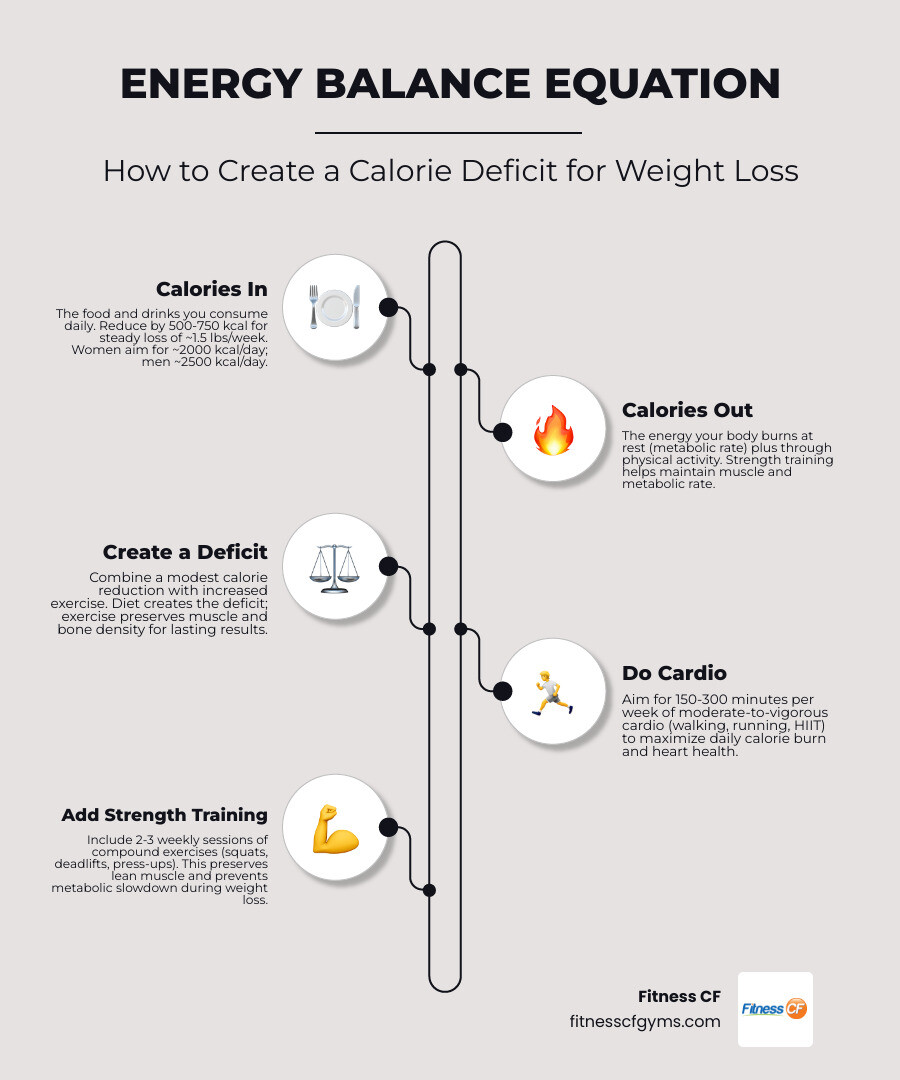
To kick off any weight loss journey, we have to look at the math of metabolism. The baseline recommended daily calorie intake is 2,000 kcal for women and 2,500 kcal for men. To lose weight safely and sustainably, most people need to cut their daily calorie intake by 500 to 750 calories. This manageable reduction helps you lose about 1.5 pounds (0.7 kilograms) per week.
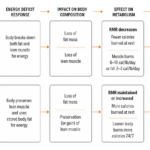
Some guidelines suggest that simply reducing your daily intake by about 600 calories can help you shed weight safely without sending your body into “starvation mode.” But here is the catch: if you cut calories drastically without exercising, you will lose weight, but a significant portion of that weight will come from lean muscle mass and bone density.
Losing muscle lowers your resting metabolic rate, meaning your body burns fewer calories at rest. This metabolic slowdown is the main reason people quickly regain weight after a crash diet. By utilizing A dietitian’s guide to weight loss, we learn that pairing a structured diet with physical activity prevents this muscle loss, keeping your metabolism humming.
When we focus on combining exercise and nutrition, we create a powerful synergy. Diet creates the initial calorie deficit, while exercise shapes your body composition, builds strength, and ensures that the weight you lose is fat, not vital muscle.
Designing the Best Training for Weight Loss Program
So, how do we structure a physical activity routine that optimizes fat loss? The secret lies in a method called “concurrent training”—which is a fancy way of saying we combine cardiovascular (aerobic) exercise and strength (resistance) training within the same weekly program.
To lose weight and keep it off, health organizations recommend aiming for at least 300 minutes of moderately intense activity each week (about 40 to 45 minutes a day), or 150 minutes of vigorous activity. If you are just looking to maintain your current weight and keep your heart healthy, the baseline is 150 minutes of moderate activity per week.
For the best training for weight loss, we want to aim toward that 300-minute moderate (or 150-minute vigorous) threshold, interspersed with at least two to three strength training sessions.
If you are looking for a complete roadmap, the complete guide to weight loss workouts explains how to balance these elements. Furthermore, a landmark 2026 study published in BMC Public Health, titled Scientific research on concurrent training and visceral fat, highlights that concurrent training preferentially targets Visceral Adipose Tissue (VAT)—the dangerous fat stored around your internal organs.
In fact, the study showed that the percentage ratio of visceral to subcutaneous fat loss was nearly double (a 1.96 ratio), proving that combining weights and cardio is the ultimate weapon against stubborn belly fat.
Cardiovascular Training: Maximizing Calorie Burn
Cardiovascular training is the engine of daily calorie expenditure. When we perform aerobic exercise, our bodies use oxygen to break down carbohydrates and fats for fuel, resulting in a high calorie burn during the actual workout session.
Depending on your current weight, fitness level, and the intensity of your session, the number of calories you burn per hour can vary significantly. Let’s look at how different aerobic activities stack up for a person weighing 160 pounds (73 kg):
| Exercise Type (1-Hour Duration) | Calories Burned (160 lb Person) | Joint Impact Level |
|---|---|---|
| Running (at a steady 5 mph pace) | 606 calories | High |
| Hiking (uneven terrain) | 438 calories | Moderate |
| Swimming laps (light to moderate effort) | 423 calories | Low |
| Cycling (moderate pace, outdoor or spin) | 400 – 750 calories | Low |
| Low-impact aerobics / Elliptical trainer | 365 calories | Low |
| Brisk walking (3.5 mph) | 314 calories | Low |
High-Intensity Interval Training (HIIT) for Rapid Fat Loss
If you are short on time but want to maximize your fat-burning potential, High-Intensity Interval Training (HIIT) is incredibly effective. HIIT involves short bursts of intense exercise (like sprinting or rapid cycling) followed by brief recovery periods.
The magic of HIIT lies in its ability to spike your metabolic rate. This intense effort triggers a physiological phenomenon known as Excess Post-Exercise Oxygen Consumption (EPOC). Essentially, your body has to work overtime to restore its oxygen levels to normal, keeping you in an elevated fat-burning mode for up to 24 hours post-workout.
To dive deeper into how this works, check out the benefits of HIIT for weight loss, which explains how interval training can supercharge your conditioning in a fraction of the time of steady-state cardio.
Low-Impact Cardio for Joint-Friendly Weight Loss
While running and HIIT are fantastic, they can be tough on the joints, especially if you are carrying extra weight. That is where low-impact cardio shines. Activities like swimming laps, using the elliptical trainer, or cycling provide an excellent cardiovascular workout without the heavy pounding on your knees, hips, and ankles.
Even a simple addition like brisk walking can make a massive difference. Adding just half an hour of brisk walking to your daily routine can burn about 150 more calories than usual each day. Over a week, that adds up to over 1,000 extra calories burned. To start moving today, check out these simple exercises to lose weight daily for easy ways to build active habits.
Strength Training: Building Muscle to Burn Fat
Many people skip the weight room when trying to slim down because they think lifting weights doesn’t burn enough calories. This is a major mistake. While cardio burns more active calories during the workout, strength training is what transforms your body composition over the long term.
When you engage in regular resistance training, you build lean muscle mass. Muscle tissue is highly metabolically active; it requires energy just to exist. By increasing your muscle mass, you elevate your resting metabolic rate (RMR), meaning your body naturally burns more calories 24/7—even while you are asleep or sitting at your desk.
To understand the core differences and how to balance both, read our breakdown on strength training vs cardio for weight loss. If your goal is to sculpt your body while shedding fat, you’ll also want to learn how to lose fat and gain muscle simultaneously.
Why Strength Training is the Best Training for Weight Loss Component
When you lose weight strictly through calorie restriction, your body doesn’t just burn fat; it also breaks down muscle tissue for energy. This loss of muscle slows down your metabolism and can leave you feeling weak.
Strength training acts as a protective shield for your muscles. It signals to your body that your muscle tissue is vital, forcing it to burn stored fat for fuel instead. Furthermore, resistance training protects your bone density, which naturally tends to decrease during weight loss, especially as we age. For women looking for a tailored approach to preserving muscle while leaning out, our female muscle and fat loss guide offers excellent, targeted advice.
Compound Exercises for Maximum Efficiency
If you want to get the absolute most out of your strength sessions, you should focus on compound movements. Compound exercises are multi-joint movements that work several major muscle groups at the same time.
Unlike isolation exercises (like a bicep curl), compound exercises require a massive amount of energy, making them highly efficient for burning calories while building full-body strength. Four of the best compound movements you can perform include:
- Squats: Targets the quadriceps, hamstrings, glutes, and core.
- Deadlifts: Engages the entire posterior chain, including your glutes, hamstrings, back, and core.
- Press-ups (Push-ups): Works the chest, shoulders, triceps, and core.
- Shoulder Presses: Strengthens the shoulders, upper back, and arms.
Because these exercises mimic functional, real-life movements, they also improve your balance, coordination, and joint stability, reducing your risk of injury both in and out of the gym.
Creating Your Sustainable Weight Loss Routine
The best training for weight loss is the one you can actually stick to. Consistency beats intensity every single time. While structured workouts are incredibly important, we also need to focus on Non-Exercise Activity Thermogenesis (NEAT)—the energy we expend during everyday activities that aren’t formal exercise.

Small changes in your daily routine can yield massive results over time. For example, climbing just two flights of stairs every single day can lead to 6 pounds of weight loss in a year without changing anything else!
To make sure you stay on track and avoid common pitfalls, take a look at these 7 common mistakes with losing weight. Building a sustainable lifestyle is all about habit formation; check out these 5 easy habits to help you lose weight to start building your foundation today.
How to Structure the Best Training for Weight Loss for Beginners
If you are new to working out, jumping into an intense six-day-a-week routine is a recipe for burnout or injury. Instead, start slow and apply the principle of progressive overload—gradually increasing the weight, repetitions, or duration of your workouts as your fitness improves.
A fantastic starting point is a structured, progressive program like our 30-day weight loss workout plan. For those who want to understand the deep, scientific principles of weight management, exploring the NASM Weight Loss Specialization can provide incredible insights into how the body processes energy, builds habits, and breaks through weight loss plateaus.
A simple beginner weekly schedule might look like this:
- Monday: 30 minutes of strength training (focusing on compound movements)
- Tuesday: 30 minutes of moderate cardio (brisk walking, cycling, or swimming)
- Wednesday: Rest or active recovery (light stretching or walking)
- Thursday: 30 minutes of strength training
- Friday: 30 minutes of moderate cardio or a fun fitness class (like spin or yoga)
- Saturday: Active outdoor day (hiking or playing a sport)
- Sunday: Rest
Frequently Asked Questions About Weight Loss Training
Does diet or exercise matter more for weight loss?
When it comes to the initial stages of dropping pounds, diet matters more than exercise. It is far easier to avoid consuming 500 calories than it is to burn 500 calories through physical activity.
However, exercise plays a massive role in maintaining your weight loss. Studies show that individuals who successfully keep weight off long-term are almost always those who maintain a regular exercise routine. Exercise prevents your metabolism from slowing down and ensures you lose fat rather than muscle.
How many minutes of exercise do I need per week to lose weight?
For general health, 150 minutes of moderate-intensity activity per week is recommended. However, for significant weight loss and long-term maintenance, you should aim for closer to 300 minutes of moderately intense activity (such as brisk walking, cycling, or swimming) or 150 minutes of vigorous activity (such as running or HIIT) per week.
How can I prevent muscle loss while losing weight?
To protect your lean muscle mass while in a calorie deficit, you must do two things: perform regular resistance training (at least two to three times per week) and consume adequate dietary protein. Strength training signals to your body to preserve muscle tissue, while protein provides the necessary building blocks to repair and maintain that muscle.
Conclusion
Finding the best training for weight loss isn’t about extreme, grueling workouts that leave you exhausted and sore for days. It is about creating a balanced, enjoyable routine that combines smart nutrition, consistent cardiovascular exercise, and structured strength training.
By focusing on functional compound movements, keeping your daily activity levels high, and choosing exercises you genuinely enjoy, you will build a healthy lifestyle that lasts.
Embracing a healthy lifestyle is a lifelong journey of physical activity and balanced nutrition. If you are ready to take the next step and establish a structured routine, you can start your journey with structured weight loss programs to find the guidance and support you need to succeed today!