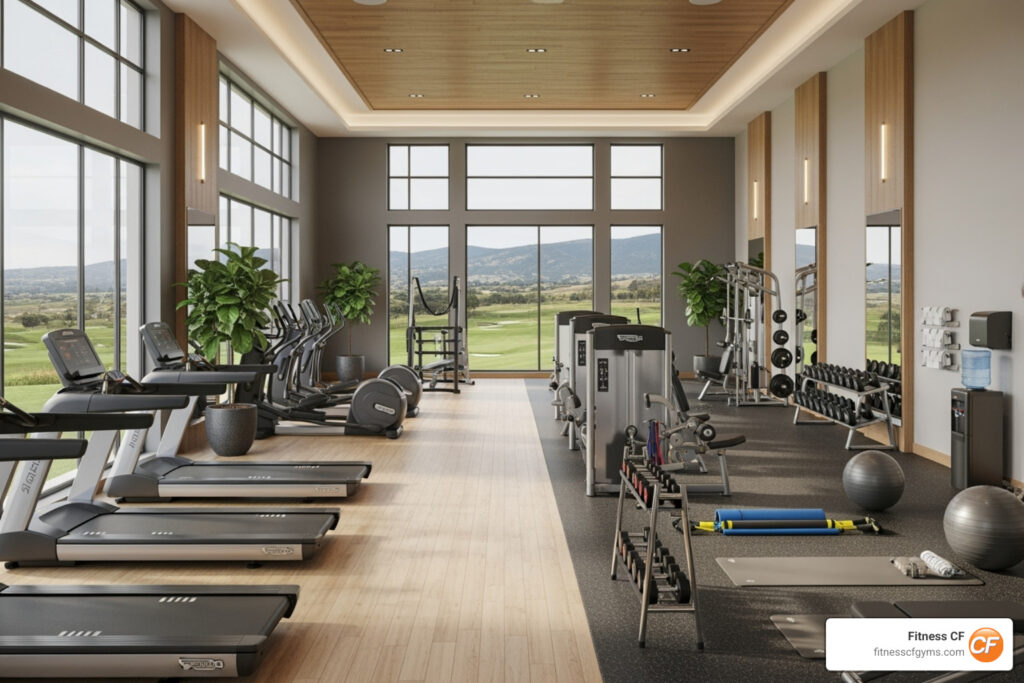
Why a Balanced Fitness Routine Lifts Healthy Living
Healthy living is built on simple, sustainable habits: move your body regularly, build strength, care for your heart, stay flexible, and recover well. A balanced approach helps you feel better today and protects long-term health. The journey toward wellness doesn’t require perfection—it requires consistency and a commitment to treating your body with respect.
Key benefits of a well-rounded routine:
- Strength training: Builds lean muscle, protects joints, increases bone density, boosts metabolism, and improves insulin sensitivity. Research shows that maintaining muscle mass becomes increasingly important as we age, helping prevent falls and maintaining independence.
- Cardio: Strengthens the heart and lungs, supports healthy blood pressure and cholesterol, improves endurance, and lifts mood and focus. Regular cardiovascular exercise has been linked to reduced risk of chronic diseases and improved cognitive function.
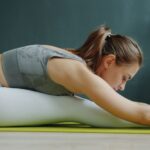
- Mobility and flexibility: Increases range of motion, reduces stiffness, and helps prevent injuries in daily life. Incorporating stretching and mobility work can improve posture and reduce chronic pain.
- Recovery: Quality sleep, hydration, balanced nutrition, and de-stressing practices support adaptation and consistency. Recovery is when your body actually builds strength and endurance from your workouts.
A holistic focus turns exercise into a lifestyle—one that supports physical health, mental well-being, and everyday energy. When you approach fitness as a comprehensive practice rather than isolated workouts, you create sustainable habits that improve every aspect of your life. The compound effect of regular exercise extends far beyond the physical benefits, influencing your mood, productivity, and overall quality of life.
What Makes a Well-Rounded Fitness Routine
A balanced routine includes strength work, cardiovascular activity, mobility, and recovery. You can do this with minimal equipment or none at all. The key is understanding how each component contributes to your overall health and finding ways to incorporate them that fit your lifestyle and preferences.
A look at the essentials:
- Cardio options: Walking, jogging, cycling, swimming, hiking, dancing, or low-impact intervals. Choose what you’ll stick with. The American Heart Association recommends at least 150 minutes of moderate-intensity aerobic activity per week for substantial health benefits.
- Strength-work basics: Squats, hinges (like hip hinges or deadlift patterns), pushes, pulls, and carries. Use bodyweight, dumbbells, resistance bands, or household items. These fundamental movement patterns mirror activities you perform daily and build functional strength.
- Core and stability: Planks, dead bugs, anti-rotation holds, and single-leg work to improve balance and protect the spine. A strong core is the foundation for all movement and helps prevent lower back pain.
- Mobility: Gentle flows, dynamic warm-ups, and targeted stretches for hips, shoulders, ankles, and thoracic spine. Regular mobility work can improve your performance in other exercises and reduce injury risk.
Design tips:
- Keep sessions spacious and simple; leave room to move. Cluttered spaces can be distracting and potentially dangerous during exercise.
- Natural light, music you enjoy, and a tidy space can make workouts feel easier and more enjoyable. Environmental factors significantly impact motivation and adherence.
- Start small: 10-20 focused minutes beats a skipped workout. Consistency trumps intensity when building lasting habits.
- Track your progress: Keep a simple log of your workouts to see improvements over time and stay motivated.
- Listen to your body: Some days call for intense training, others for gentle movement or rest.
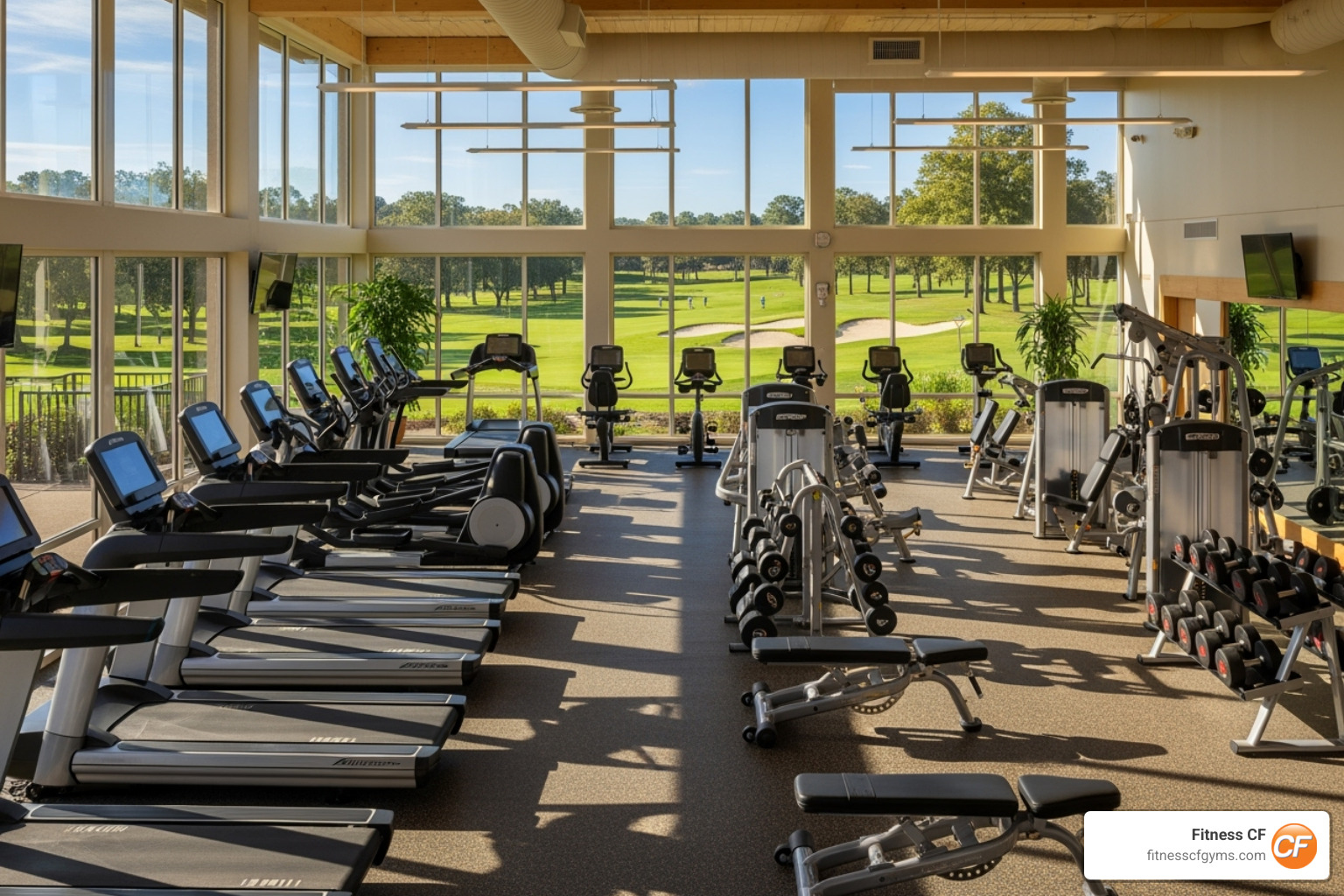
From Yoga to HIIT: A Spectrum of Fitness Modalities
Great fitness is personal. Mix and match modalities to meet your goals, mood, and schedule.
Popular options:
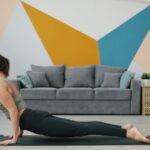
- Yoga: Improves flexibility, balance, core strength, and stress management.
- Pilates: Builds core stability, posture, and controlled strength through precise movement.
- Cycling (indoor or outdoor): Joint-friendly cardio that scales from easy rides to interval training.
- Tai Chi: Gentle, mindful movement that enhances balance, coordination, and calm.
- Body sculpting/strength circuits: Full-body strength with dumbbells or bodyweight to build muscle and resilience.
- Aqua training: Water’s resistance challenges muscles while staying easy on joints.
How to tailor your plan:
- Beginners: Learn fundamental movement patterns and master technique with light resistance.
- Performance goals: Add progressive overload, intervals, and sport-specific drills.
- Recovery or joint sensitivity: Choose low-impact cardio and controlled, pain-free strength ranges.
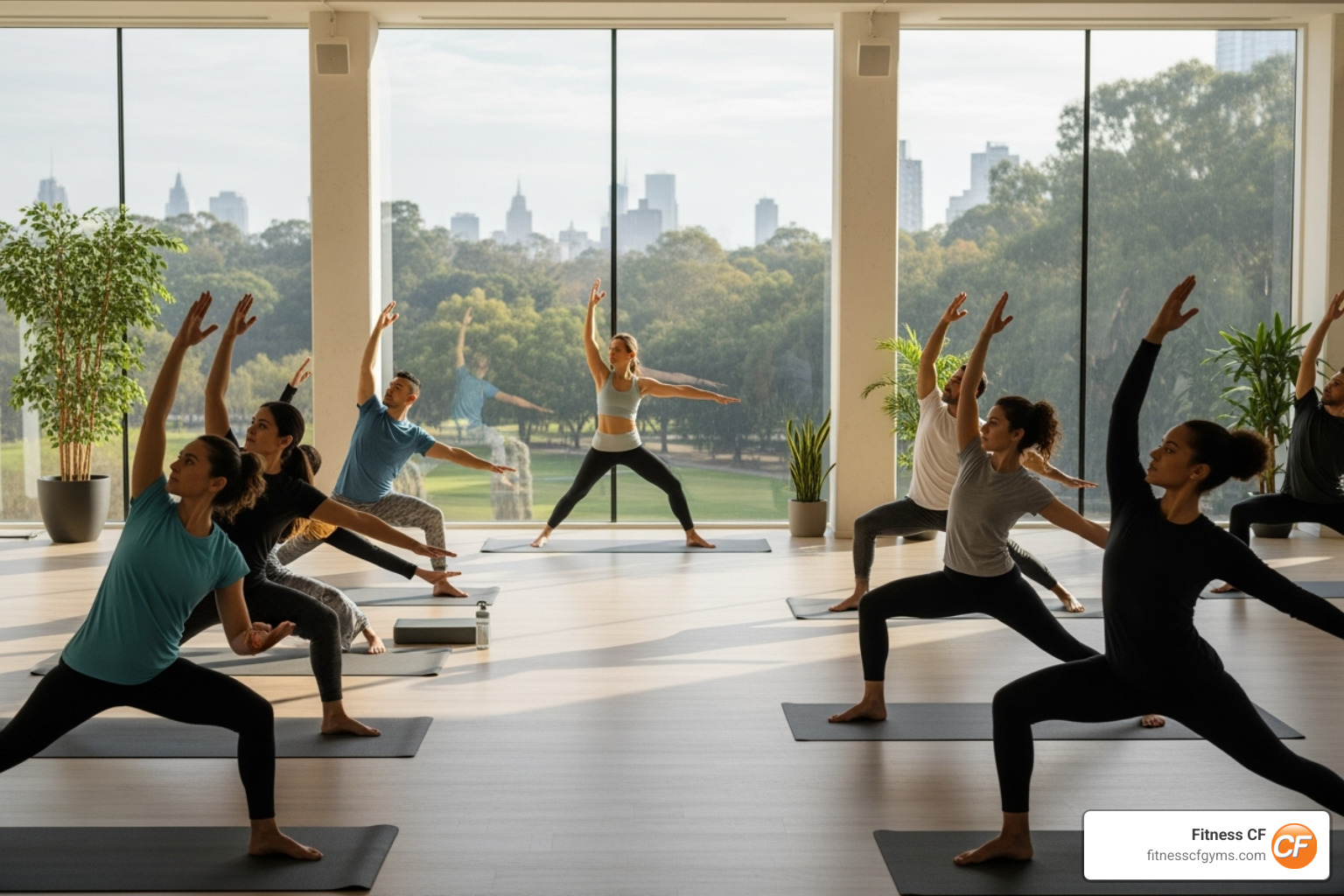
More Than a Workout: The Holistic Benefits
A consistent routine transforms more than your physique—it improves how you live, think, and feel. The ripple effects of regular exercise touch every aspect of your life, from your energy levels throughout the day to your ability to handle stress and challenges.
Physical advantages of a balanced plan:
- Cardio: Better heart health, improved VO2 max, healthier blood pressure and lipids, and more daily energy. Studies show that regular cardiovascular exercise can add years to your life and life to your years.
- Strength training: Stronger muscles and bones, better posture, higher metabolic rate, and improved glucose control. Resistance training has been shown to improve insulin sensitivity and help manage type 2 diabetes.
- Mobility and flexibility: Fewer aches, smoother movement, and greater resilience in everyday tasks. Regular stretching can reduce the risk of injury and improve athletic performance.
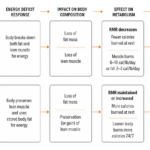
- Weight management: A mix of cardio and strength supports a healthy body composition. The combination helps you burn calories during exercise and increases your resting metabolic rate.
- Immune system support: Regular moderate exercise strengthens your immune system, helping you fight off illness more effectively.
Lifestyle benefits:
- Mood and mental clarity: Regular movement reduces stress, supports better sleep, and can lift mood. Exercise releases endorphins, often called “feel-good” hormones, which naturally lift your spirits.
- Confidence and autonomy: Strength and stamina make daily life easier and more enjoyable. Being physically capable improves your independence and self-reliance.
- Social support: Invite friends or family to join a walk, a brief circuit, or a weekend activity for motivation and accountability. Exercise can become a bonding experience that strengthens relationships.
- Cognitive benefits: Physical activity improves memory, concentration, and may reduce the risk of cognitive decline as you age.
- Stress management: Exercise provides a healthy outlet for stress and can improve your ability to cope with life’s challenges.
- Better sleep quality: Regular physical activity can help you fall asleep faster and enjoy deeper, more restorative sleep.
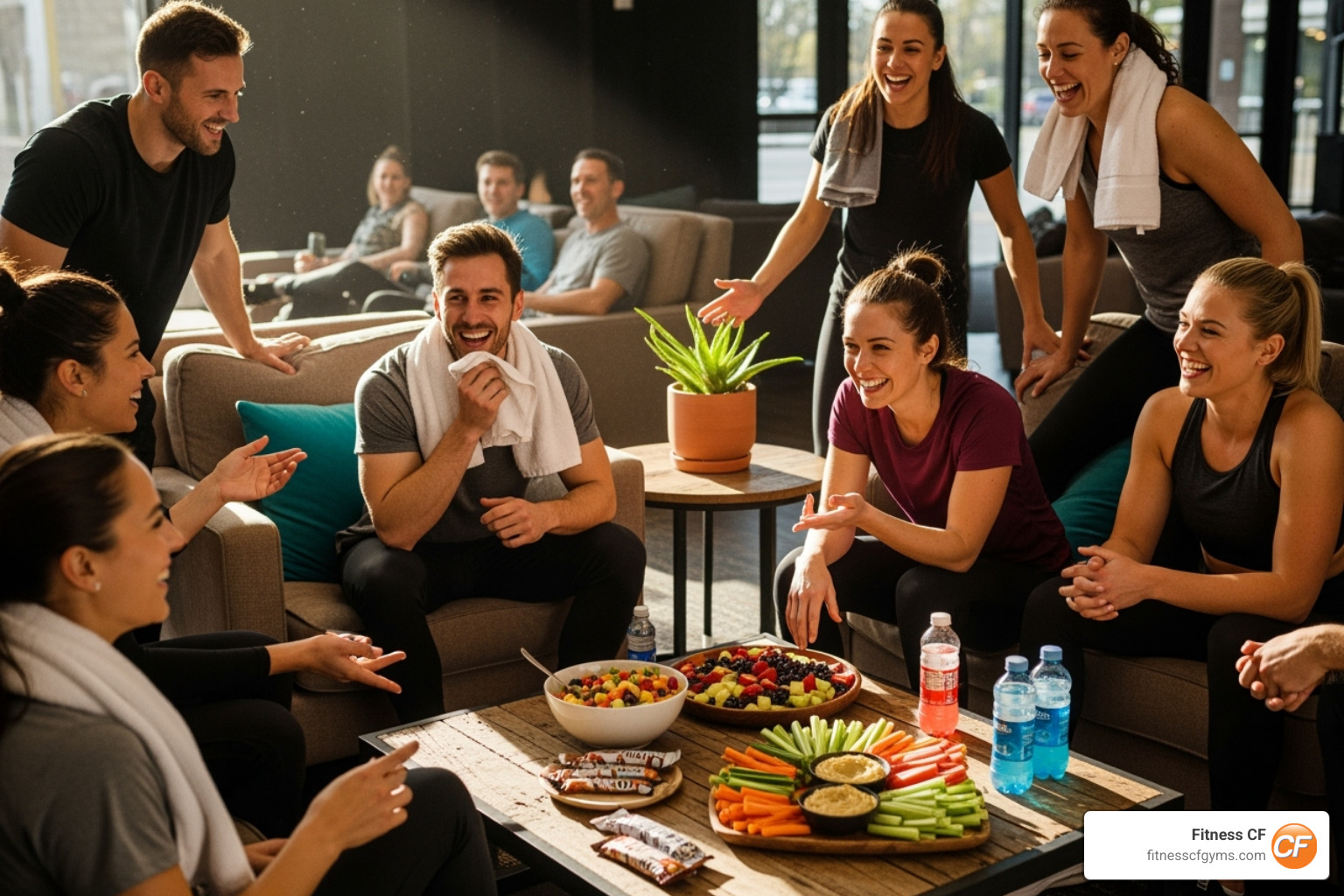
Beyond the Workout: Recovery and Personalization
Personalization turns effort into progress. Whether you design your own plan or get guidance from a qualified professional, focus on alignment with your goals and recovery capacity.
Personalization essentials:
- Clear goals: Strength, endurance, mobility, or body composition—train accordingly.
- Progression: Increase reps, sets, resistance, or complexity gradually.
- Technique first: Good form boosts results and reduces injury risk.
- Periodization: Mix hard, moderate, and easy weeks to avoid plateaus and burnout.
Recovery that supports performance:
- Sleep: Aim for 7–9 hours; it’s the foundation of adaptation.
- Active recovery: Light walks, mobility flows, and gentle stretching reduce soreness.
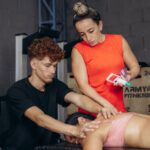
- Massage, heat, or cold: May help relaxation and perceived recovery; use with care if you have health conditions.
- Hydration and nutrition: Protein for repair, colorful produce for micronutrients, and adequate fluids for performance.
Sustainable fitness respects stress, recovery, and your life rhythm—train hard enough to adapt, and recover well enough to grow.
Functional Fitness and Helpful Tech
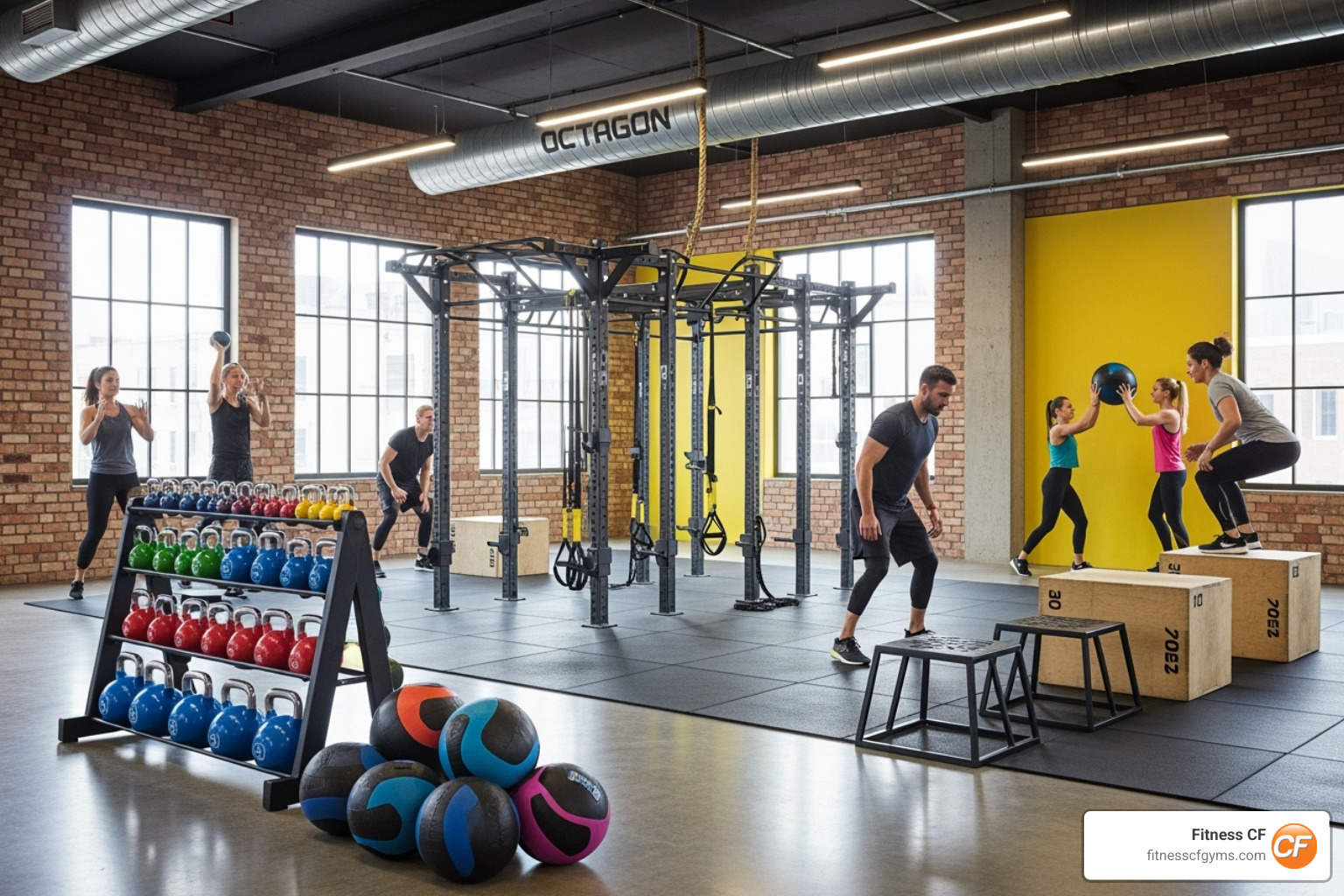
Functional training focuses on movements you use every day—squatting, hinging, pushing, pulling, rotating, and carrying—so you feel capable in real life.
Why functional fitness works:
- Practical strength: Improves lifting, climbing, and balance in daily tasks.
- Athletic carryover: Supports speed, stability, and coordination.
- Variety: Kettlebells, medicine balls, bands, and bodyweight keep training engaging. No equipment? Use backpacks, water jugs, or stairs.
Smart technology can enhance consistency:
- Wearables: Track steps, heart rate, and sleep to spot trends.
- Apps and logs: Record workouts to see progress and stay accountable.
- Heart-rate zones and RPE: Guide intensity so intervals feel challenging but sustainable.
Frequently Asked Questions about Healthy Fitness
How do beginners start safely?
- Get clearance if needed, then begin with short sessions (10-20 minutes).
- Start with 2 full-body strength days and easy cardio walks on other days.
- Learn the basics: squat, hinge, push, pull, and carry patterns.
- Increase volume or intensity gradually and track how you feel.
- Consider working with a qualified professional initially to ensure proper form and create a personalized plan.
- Everyone starts somewhere, and progress is more important than perfection.
How much cardio and strength should I do each week?
- Cardio: Aim for 150-300 minutes of moderate intensity or 75-150 minutes of vigorous intensity, or a mix. This aligns with guidelines from major health organizations worldwide.
- Strength: Train all major muscle groups on 2 or more nonconsecutive days. Allow at least 48 hours between training the same muscle groups for optimal recovery.
- Mobility: 5-10 minutes most days helps maintain range of motion. This can be incorporated into warm-ups and cool-downs.
- Balance these recommendations with your current fitness level and gradually build up if you’re starting from scratch.
How can I make fitness family-friendly?
- Take after-dinner walks, weekend bike rides, or play active yard games. Making movement a family tradition creates healthy habits for everyone.
- Try a simple circuit: squats, push-ups (incline if needed), rows (with bands), and planks. Modify exercises for different fitness levels within the family.
- Swap some screen time for an outdoor activity or a living-room dance session. Active play counts as exercise and can be more engaging than structured workouts.
- Set family fitness challenges or goals that everyone can work toward together.
- Lead by example—children often model their parents’ health behaviors.
What should I eat to support my fitness routine?
- Focus on whole foods: lean proteins, complex carbohydrates, healthy fats, and plenty of fruits and vegetables.
- Stay hydrated before, during, and after exercise. Water is usually sufficient for workouts under an hour.
- Time your meals appropriately: eat a light snack 30-60 minutes before exercise if needed, and refuel with protein and carbs within 2 hours after intense workouts.
- Listen to your hunger cues and eat to support your activity level without over-restricting or overeating.
Conclusion
Healthy living is the sum of consistent, doable actions. Combine strength training, cardio, mobility, and recovery to build a body that’s strong, energetic, and resilient. Start small, progress gradually, and choose activities you enjoy.
A simple starting point:
- Walk most days of the week.
- Strength train twice weekly with full-body basics.
- Add brief mobility work after each session.
- Prioritize sleep, hydration, and balanced meals.
Commit to steady, sustainable steps and your future self will thank you.