Why Post-Workout Pain Happens and How to Ease It
Learning how to ease pain after workout is key for an active lifestyle. To reduce muscle soreness, try these effective strategies:
Quick Relief Methods:
- Hydrate immediately – Drink 8 oz of water for every 15-30 minutes of exercise
- Eat protein and carbs – Consume 20-40g of each within 30 minutes post-workout
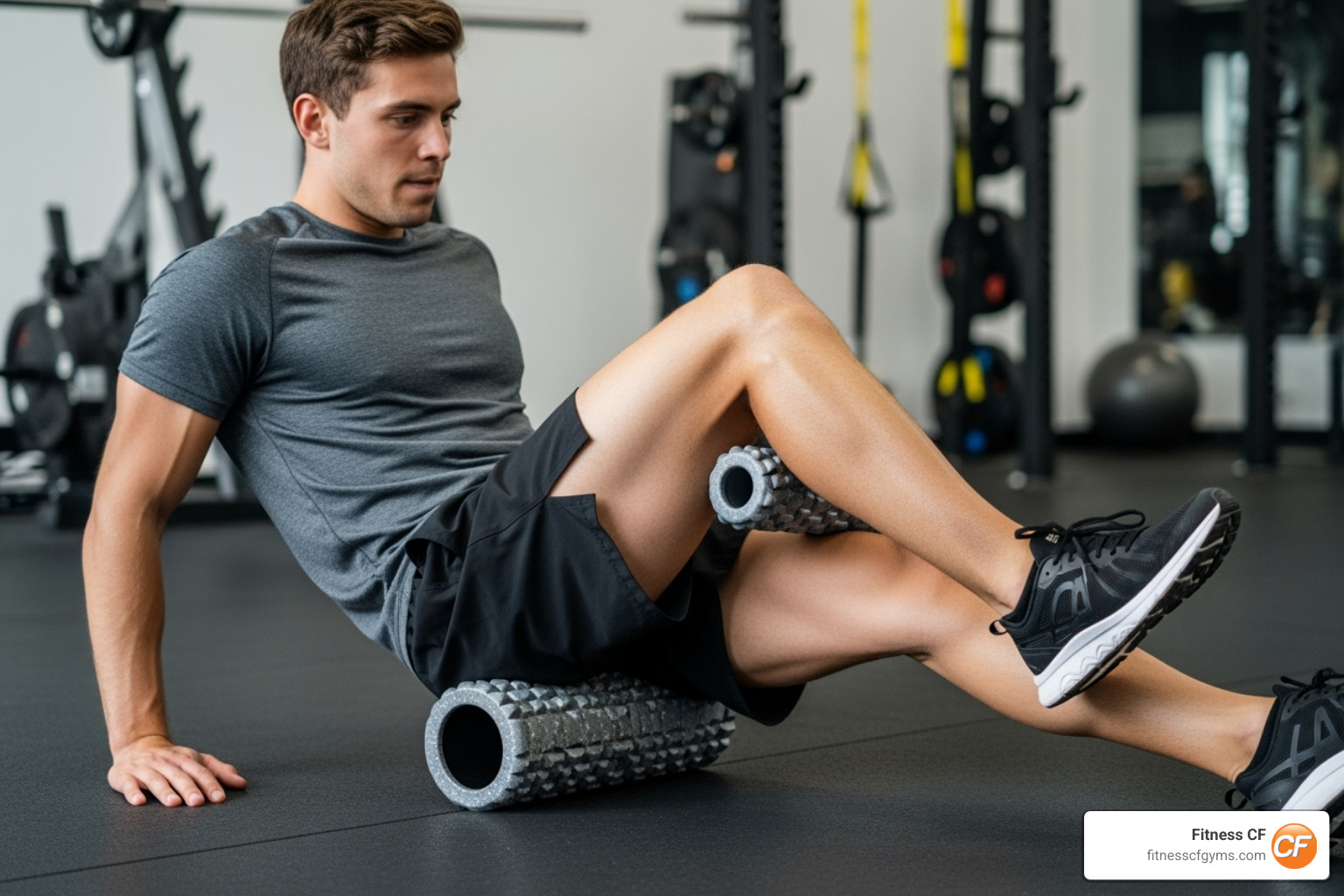
- Use foam rolling – Apply gentle pressure for 10-15 minutes to sore muscles
- Try active recovery – Light walking, swimming, or yoga keeps blood flowing
- Get quality sleep – Aim for 7+ hours for optimal muscle protein synthesis
- Apply cold therapy – Ice packs for 15-20 minutes reduce inflammation
That ache you feel 12-48 hours after a workout is Delayed Onset Muscle Soreness (DOMS). It’s a natural response to microscopic muscle tears that occur during exercise. These tiny tears are beneficial, signaling that your muscles are growing stronger and more resilient.
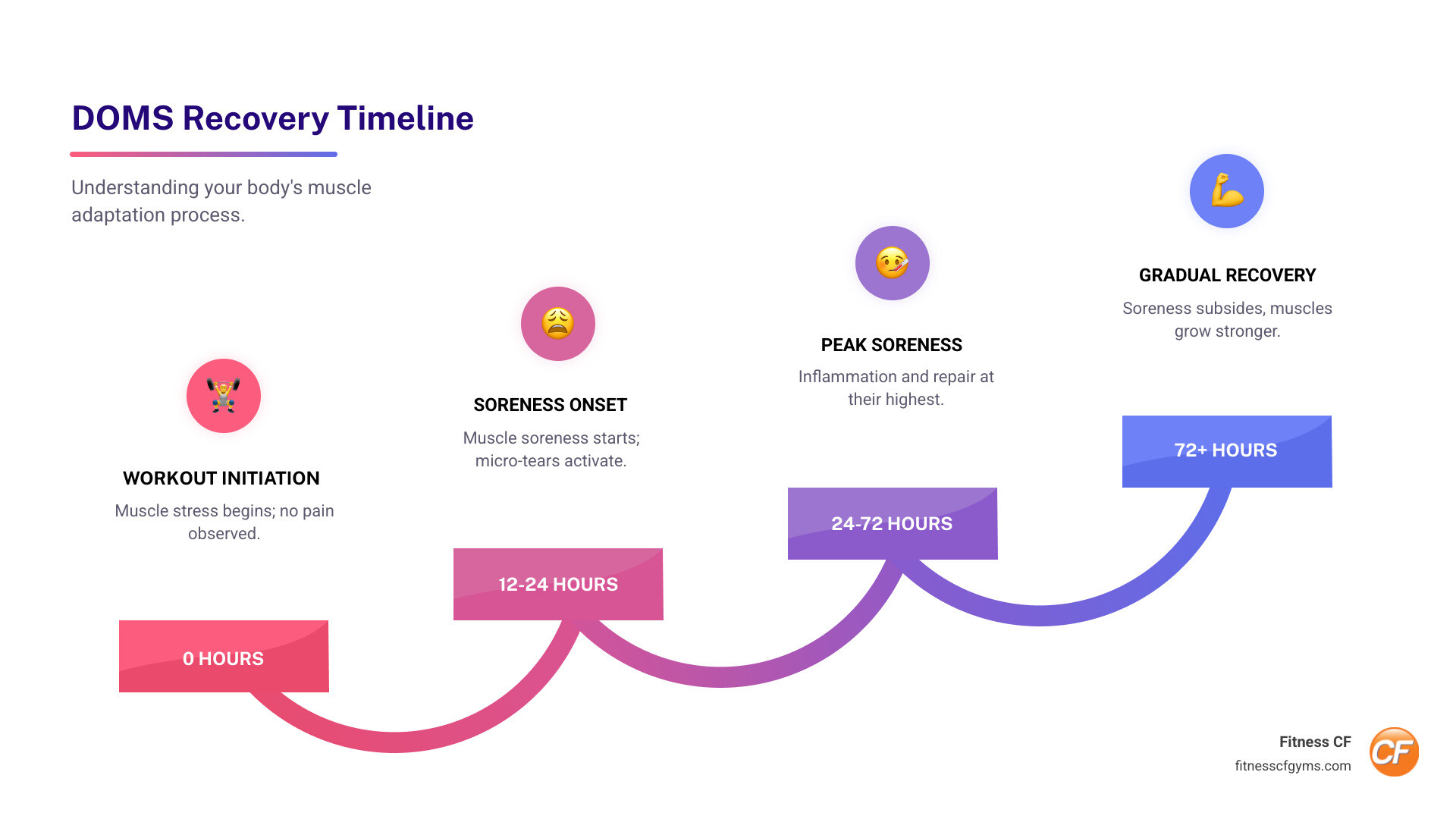
This adaptation process is the foundation of strength training and cardio. Challenging your muscles helps them rebuild stronger, leading to improved fitness and energy. Understanding DOMS helps you see it as a sign of progress. The soreness usually peaks 24-72 hours after exercise and then fades as your muscles adapt.
Proper recovery is just as important as the workout itself for long-term success. Let’s explore how to manage this process effectively.
Understanding Post-Workout Muscle Soreness
The ache you feel a day after a workout is called Delayed Onset Muscle Soreness (DOMS). It’s a normal part of getting fitter.
What is DOMS? It’s the muscle pain and stiffness that appears 12 to 24 hours after you challenge your body, especially with new or intense exercises. Unlike the immediate burn during a workout, DOMS is delayed.
This delay is due to microscopic muscle tears in the fibers. These tiny tears are not injuries; they are signals for your body to rebuild stronger. Your body responds with an inflammation response, sending a repair crew to the area. This healing process, which involves increased blood flow and nutrients, causes the achy feeling of DOMS. Scientific research on DOMS causes confirms this is due to micro-tears, not lactic acid.
This muscle repair and growth cycle is how you get stronger. As the fibers heal, they become thicker and more capable. This adaptation is central to the benefits of strength training, which builds lean muscle and strengthens bones, and the benefits of cardio, which improves your cardiovascular efficiency.
DOMS is characterized by a dull ache, stiffness, and tenderness. The soreness typically peaks at 24-72 hours and then fades. Understanding this helps you see soreness as a sign of positive adaptation. For more on recovery, see more info about workout recovery.
Differentiating Soreness from Injury
It’s crucial to distinguish normal DOMS from an injury to support your healthy living goals.
| Feature | Delayed Onset Muscle Soreness (DOMS) | Injury |
|---|---|---|
| Onset | 12-24 hours after exercise | Immediately or within a few hours |
| Type of Pain | Dull, generalized ache, stiffness, tenderness | Sharp, localized, acute, stabbing, or burning pain |
| Location | Affects a broad muscle group | Pinpointed to a specific joint, tendon, or muscle |
| Movement | Improves with light movement | Often worsens with movement |
| Swelling/Bruising | Mild, general swelling (less common) | Significant swelling, bruising, warmth, or deformity |
| Duration | Typically resolves within 2-5 days | Persists beyond 5-7 days; may worsen over time |
When should you see a doctor? See a doctor if your pain is sharp, localized, prevents normal movement, or lasts longer than a week.
While very rare, be aware of two serious conditions. Rhabdomyolysis involves severe muscle breakdown and dark, tea-colored urine. Compartment syndrome is dangerous muscle swelling causing extreme pain that prevents movement. Both require immediate medical attention but are uncommon in typical fitness settings. You can find more information on serious conditions to recognize these signs.
Normal DOMS shouldn’t stop you from moving gently, which often helps you feel better and is a key part of how to ease pain after workout.
Immediate Relief: What to Do Right After Your Workout
What you do in the hour after your workout can make a huge difference in how to ease pain after workout and speed up recovery. This is your “golden hour” when your body is primed to start the repair process.
Nutrition and Hydration: Fueling to Ease Pain After a Workout
Your body needs the right fuel to repair and rebuild muscle. Think of it as providing materials to a construction site.
Protein is essential for repairing the microscopic tears in your muscle fibers. Aim for 20 to 40 grams of protein within 30 minutes of finishing your workout to speed up recovery.
Carbohydrates are needed to restock your muscle’s energy (glycogen) stores. Consuming 20 to 40 grams of carbohydrates with your protein is an ideal recovery combination. This 30-minute post-workout window is when your muscles are most receptive to nutrients, a concept supported by research on post-workout nutrition.
Water is critical for flushing out waste products and transporting nutrients. Dehydration can intensify muscle soreness. A good strategy is to drink 13 to 20 ounces of water two hours before exercise, sip 5 to 10 ounces every 15 to 20 minutes during, and continue rehydrating afterward. This is backed by research on hydration for exercise.
For long or sweaty workouts, electrolytes like sodium and potassium are important. An electrolyte drink can help, or you can get them from foods like bananas. Learn more about are bananas good for recovery?.
Massage and Foam Rolling
Myofascial release, through foam rolling or massage, can help your muscles from the outside.
Foam rolling acts like a deep tissue massage, increasing blood flow to sore areas, which delivers oxygen and helps flush out waste. This reduces stiffness and muscle tension. Spend 10 to 15 minutes on it after your workout. Start with light pressure and a softer roller if you’re new. Studies show foam rolling can reduce DOMS, as detailed in this study on foam rolling for DOMS.
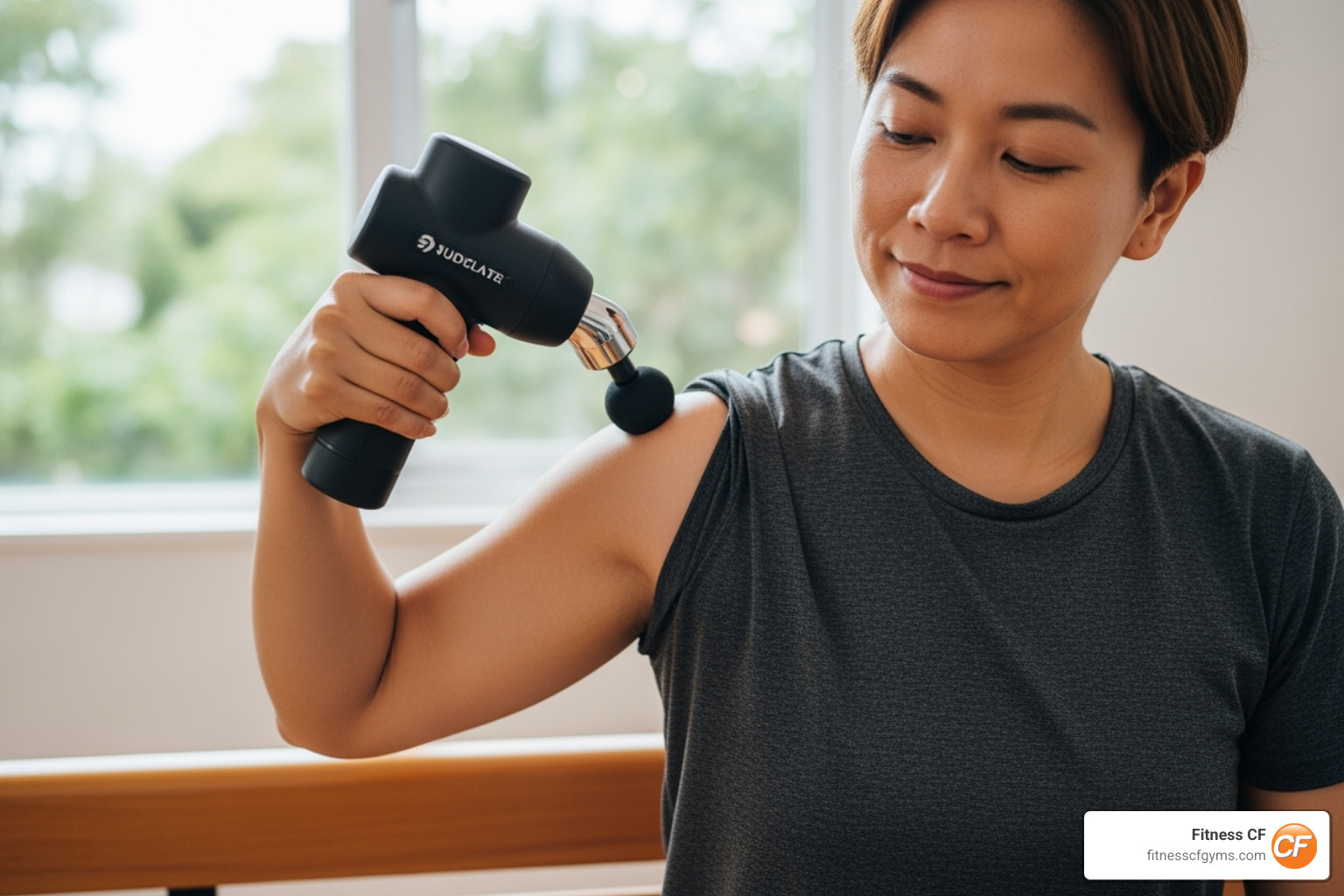
Massage guns use percussive therapy to increase blood flow, reduce tension, and improve flexibility. Gently sweep the device over tight muscle bellies, applying pressure gradually. A few sweeps over each area is enough to start the healing process.
Both techniques are excellent, natural ways for learning how to ease pain after workout. For more strategies, see our guide on how to alleviate sore muscles.
The Next Day and Beyond: How to Ease Pain After a Workout
The day after a workout, when DOMS has set in, long-term recovery strategies are key to how to ease pain after workout. This period is crucial for muscle repair and adaptation. Rest days are strategic investments in your fitness, allowing your body to rebuild stronger.
Active Recovery vs. Passive Recovery
While rest is important, gentle movement, or active recovery, is often more effective for DOMS than being sedentary. Light, low-intensity movement keeps blood flowing, which helps flush out waste products and deliver nutrients to tired muscles.
Aim for activities that feel like a 3 out of 10 on an effort scale. Good options include:
- Walking: A 15-20 minute stroll can work wonders for stiff legs.
- Swimming: The water’s buoyancy reduces stress on joints while providing gentle compression.
- Gentle yoga: Flowing poses and mindful breathing can reduce stiffness and promote relaxation.
The goal is to facilitate recovery, not to challenge yourself. This highlights the importance of rest days for both passive and active healing.
The Power of Sleep
Sleep is when your body does most of its repair work. During sleep, especially NREM sleep, your body releases growth hormone, and muscle protein synthesis (the building of new muscle) peaks. This is when damaged muscle fibers are rebuilt stronger.
Most adults need 7-9 hours of quality sleep for optimal recovery. Skimping on sleep can slow muscle growth and increase injury risk, making it one of the most good things for muscle recovery. As this review on sleep and athletic performance shows, quality sleep is crucial for fitness goals.
Temperature Therapy and Medication
Temperature therapy can provide extra relief for sore muscles.
Cold therapy, like an ice pack or cold bath, reduces inflammation and provides pain relief. Apply an ice pack for 15-20 minutes. The cold constricts blood vessels, flushing waste products. You can learn more about why ice baths are good for recovery.
Heat therapy, like a warm bath, is effective after the first 24-48 hours. It increases blood flow, promoting relaxation and easing stiffness.
Use medication with caution. NSAIDs like ibuprofen can reduce pain, but they may also interfere with muscle-building processes. A study on NSAIDs and muscle growth found high doses slowed strength gains. The inflammation from DOMS is a signal for your body to repair itself, and suppressing it too much could hinder progress.
Topical analgesics with menthol or arnica offer localized relief without the systemic effects of oral medications. The goal is to manage discomfort while allowing your body’s natural healing to occur.
Proactive Prevention: Minimizing Future Muscle Soreness
While it’s useful to know how to ease pain after workout, preventing excessive soreness is even better. A smart approach to fitness minimizes unnecessary pain and maximizes results, helping you build a resilient body and a sustainable exercise habit.
The Importance of Warm-Ups and Cool-Downs
Warm-ups and cool-downs are essential parts of any workout.
Dynamic Stretching Before Workouts
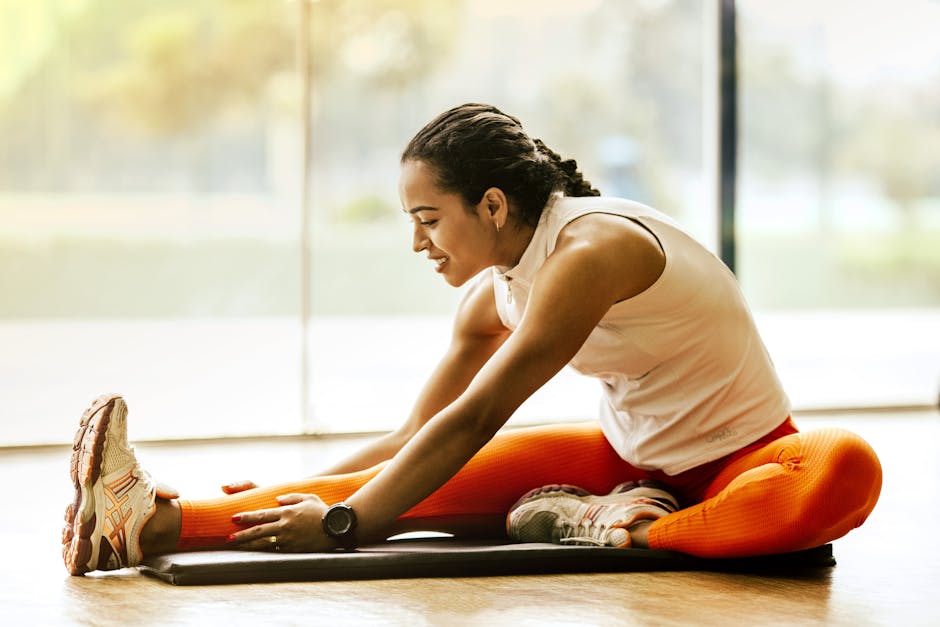
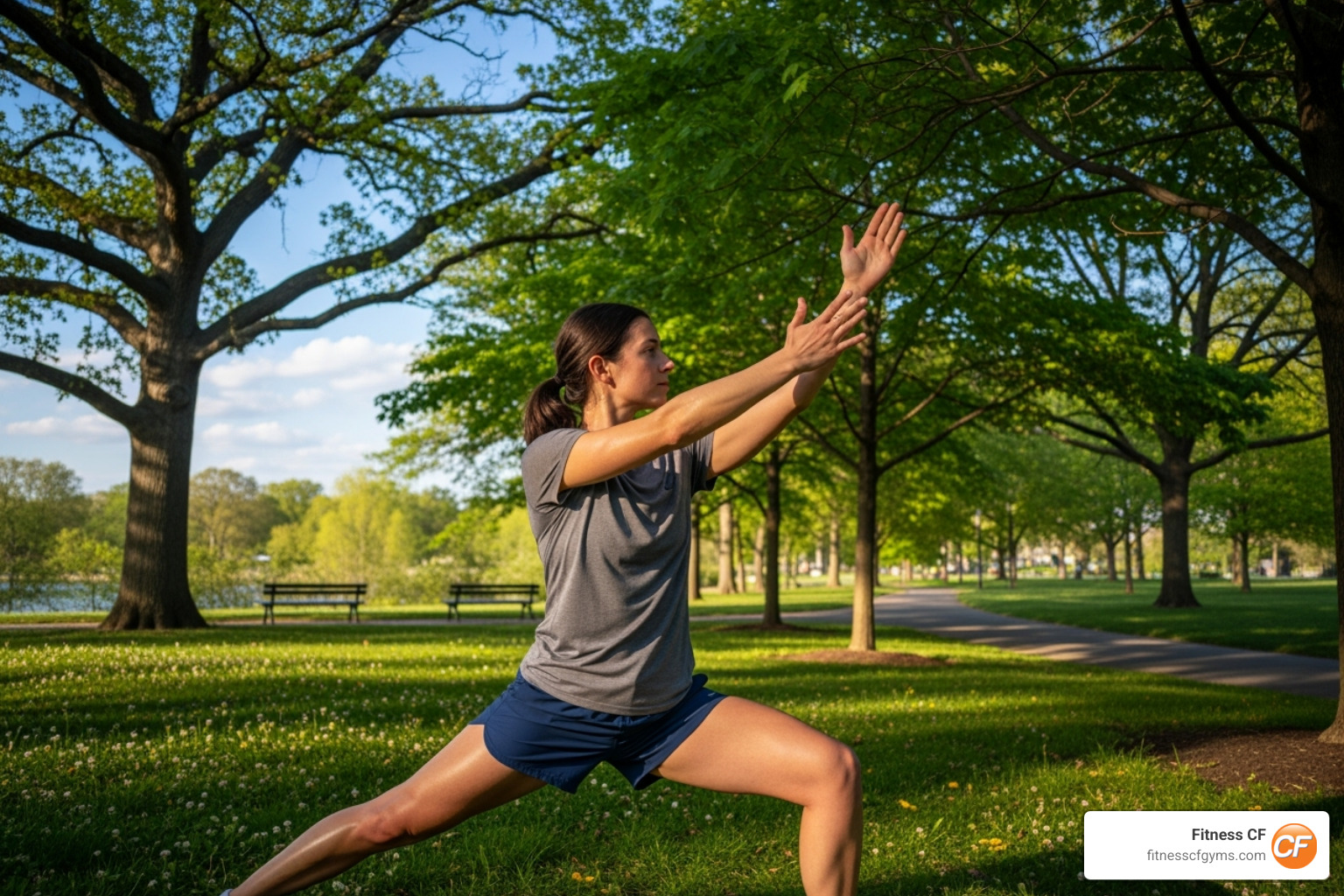
Before you exercise, use dynamic stretching—active movements that mimic your workout (e.g., leg swings, arm circles). This increases muscle temperature and blood flow, making muscles more elastic and reducing injury risk. A 5 to 10-minute dynamic warm-up prepares your body for the work ahead.
Static Stretching After Workouts
After your workout, use static stretching—holding stretches for 15-30 seconds. While your muscles are warm, this improves flexibility and helps your heart rate return to normal. This gradual cool-down is crucial for recovery. For more details, see our guide on the importance of warm-ups and cool-downs.
Smart Training Strategies to Ease Pain After a Workout
Your training strategy can significantly impact your recovery.
Gradual Progression
The progressive overload principle is key. It means gradually increasing the demands on your body over time—by adding a little more weight, a few more reps, or more time. This gradual approach allows your body to adapt smoothly and build resilience without causing excessive soreness.
Avoiding Overtraining and Listening to Your Body
More isn’t always better. Muscles grow during recovery, not during workouts. Overtraining—not allowing enough recovery time—can lead to fatigue, declining performance, and persistent soreness. Learn to listen to your body’s signals. Distinguish between the discomfort of a challenge and the sharp pain of a potential injury. Consistency in exercise comes from respecting these signals.
Varying Workout Intensity
Avoid working the same muscles with high intensity every day. If you have a tough leg day, follow it with a lighter upper body day or active recovery. This allows different muscle groups to recover while you stay active. This variety keeps workouts effective and interesting. Learn more about stretching before and after workouts.
By training smart, you can push your limits safely and sustainably, ensuring each workout builds on the last.
Frequently Asked Questions about Post-Workout Pain
Here are answers to common questions about muscle soreness.
Is muscle soreness a sign of a good workout?
This is a common fitness myth. While soreness can indicate you’ve challenged your muscles, it is not required for an effective workout. The real markers of a good workout are progressive challenge, good form, and feeling energized. Fitness gains happen without soreness, especially as you become more conditioned. Think of soreness as a possible sign of adaptation, not the only one.
Can I exercise with DOMS?
Yes, but listening to your body is crucial. Light activity is encouraged for DOMS. Active recovery, like a gentle walk or swim, increases blood flow and can reduce stiffness. However, avoid high-intensity training on the same sore muscle group, as this can slow recovery or cause injury. If pain is sharp or worsens with movement, rest that muscle group.
What are the best foods for muscle recovery?
Nutrition is key for bouncing back from a workout. The right foods provide building blocks for repair and fight inflammation.
- Tart cherries: Their antioxidants can reduce muscle inflammation and soreness.
- Watermelon: Provides hydration and L-citrulline, an amino acid that may reduce soreness.
- Cottage cheese: A slow-digesting protein that provides a steady stream of amino acids, great for overnight repair.
- Salmon: Offers high-quality protein and anti-inflammatory omega-3 fatty acids.
- Sweet potatoes: Replenish energy with complex carbs and provide essential vitamins.
- Eggs: A complete protein containing all essential amino acids for muscle repair.
Combining protein and carbs post-workout and maintaining a nutritious diet is the best strategy for learning how to ease pain after workout through food.
Conclusion
Learning how to ease pain after workout is a valuable skill for any fitness journey. Muscle soreness (DOMS) is a normal sign of your body adapting and getting stronger. It’s not something to fear, but something to manage with smart recovery strategies.
By prioritizing immediate hydration and nutrition, embracing active recovery, getting quality sleep, and using smart training principles, you empower your body to heal efficiently. These aren’t just occasional fixes; they are habits that build a sustainable, healthy lifestyle.
Consistency is what transforms these strategies into long-term success. As your body adapts, you’ll find recovery becomes more efficient, allowing you to enjoy the benefits of cardio and strength training with less downtime.
At Fitness CF, we know recovery is as important as the workout itself. Our facilities are designed to support your entire wellness journey. For ultimate muscle relaxation, we invite you to experience our HydroMassage beds, which provide targeted relief after a challenging workout. Learn about our HydroMassage beds for ultimate recovery and find how we can help you feel your best.
Your commitment to recovery is a commitment to a healthier you. Embracing a complete approach to healthy living will serve you for years to come.