Why Building a Healthy Lifestyle Matters for Your Wellness Journey
Living a healthy lifestyle is about far more than how you look; it’s about how you feel, move, and show up in your daily life. When you combine smart nutrition, regular movement, quality sleep, and stress management, you create the foundation for long-term wellness.
Here’s a simple roadmap to get started:
- Move Your Body Regularly – Blend strength training, cardio, and flexibility work for balanced fitness
- Prioritize Nutrition – Focus on whole foods, lean proteins, fruits, vegetables, and healthy fats
- Support Recovery – Get enough sleep and schedule rest days so your body can rebuild and grow stronger
- Stay Consistent – Choose habits you can stick with most days of the week, not just short bursts of intensity
- Track Progress – Notice improvements in energy, mood, strength, and endurance—not just the scale
A healthy lifestyle supports every system in your body: your heart, brain, bones, muscles, and hormones. Regular physical activity and a balanced diet can reduce the risk of chronic conditions such as heart disease, type 2 diabetes, osteoporosis, and some cancers, while also improving mood and mental clarity.
Whether your goals are to build strength, improve cardiovascular health, increase energy, or simply feel better in your day-to-day life, making sustainable lifestyle changes will help you get there. Combining strength training, cardio, and flexibility with good nutrition and stress management creates a powerful, all-around approach to wellness.
Beyond the physical benefits—like improved bone density, boosted metabolism, better cardiovascular health, and increased stamina—a healthy lifestyle also supports your mental and emotional well-being. Regular activity can reduce anxiety and depression, improve sleep quality, and build a stronger sense of confidence and self-efficacy.
I’m Pleasant Lewis, and with over 40 years in the fitness industry, I’ve dedicated my career to helping people build balanced, sustainable fitness habits. My focus has always been on listening to what individuals need and guiding them toward routines that deliver real, lasting results through smart training, good recovery, and a supportive mindset.
The Unique Advantages of Creating Your Personal Fitness Sanctuary
When we start on a fitness journey focused on healthy living, we’re often looking for more than just exercise equipment and workout plans. We’re searching for an approach that understands our unique needs, where comfort and confidence aren’t luxuries but fundamental components of success. This is where creating your personal fitness sanctuary—whether at home or in a supportive environment—truly shines, offering a space that fosters physical and mental well-being in equal measure.
One of the primary benefits of establishing a comfortable workout environment is the profound sense of control and privacy it provides. When we feel secure in our fitness space, we experience reduced intimidation and greater comfort, allowing us to truly engage with our workouts and explore our physical capabilities without hesitation. It’s a place where we can try new exercises, push our limits, and focus entirely on our form and progress without feeling self-conscious. This secure and liberating atmosphere is crucial for making fitness a sustainable and enjoyable part of our lives.
The impact of a supportive environment on mental well-being is immense. When we feel safe and supported, our focus shifts entirely to our workout and the mind-body connection. The mental barriers that often hold us back—wondering about our form, feeling unsure about new exercises, or simply lacking confidence—begin to dissolve. This freedom allows us to concentrate on our movements, connect with our bodies, and truly reap the benefits of exercise for both our physical and mental health. According to the American Psychological Association, regular physical activity can significantly reduce stress and improve mental health outcomes.
The strong sense of community and support we build around our fitness journey is another cornerstone of success. Whether through workout partners, online communities, or group classes, having a support system makes all the difference. This is why people who exercise with others often report higher adherence rates; the bonds formed through shared fitness goals go beyond typical social interactions. It’s about mutual encouragement, celebrating successes together, and understanding each other’s struggles. This collective energy transforms a workout into a shared journey of empowerment.
Best Comfort, Privacy, and Focus for Your Fitness Journey
Imagine stepping into a fitness routine where the focus is entirely on your personal growth and well-being. That’s the promise of creating your ideal workout environment. Here, there’s no pressure or judgment, freeing you to experiment with new exercises and perfect your form at your own pace. This approach cultivates body positivity, encouraging you to appreciate what your body can do rather than comparing yourself to others.
When you prioritize comfort and privacy in your fitness routine, you’re setting yourself up for long-term success. This might mean working out at home, finding quiet times to exercise, or choosing supportive environments that align with your values. The key is creating conditions where you feel confident and empowered. This comprehensive approach to comfort and privacy builds confidence from the ground up, making your fitness journey truly transformative. We believe that when we feel comfortable, we can release our full potential, allowing us to lift heavy, run fast, and move freely.
Building a Support System for Long-Term Success
The heart of any successful fitness journey beats with the rhythm of community and support. It’s about finding accountability partners, joining fitness groups, or connecting with others who share similar health goals. We thrive on mutual encouragement, celebrating each other’s small victories and big achievements. As one fitness enthusiast beautifully put it, “Every day is a new opportunity to improve yourself, and there is no time like the present. Being fit and healthy is not just about working out, but also about nutrition and community support.”
This supportive atmosphere can extend beyond workout sessions. Many fitness communities host wellness workshops, nutrition seminars, and social events, further strengthening bonds among members. These gatherings provide opportunities to connect, learn, and grow together, fostering lasting friendships that make our fitness journey not just effective, but also incredibly joyful. It’s about creating a “safe haven” where encouragement is abundant, and we can train without prejudice or feeling judged. This magic of a supportive fitness community creates a space where everyone is cheering each other on, celebrating successes, and understanding struggles, making the journey to health and wellness more enjoyable and sustainable.
What to Expect from a Balanced Fitness Routine
When we design a healthy workout routine, we’re aiming for balance: strength training, cardio, mobility, and recovery. This mix supports our unique physiology and long-term goals, from bone health and muscle strength to heart health and stress relief.
A well-rounded approach recognizes that fitness isn’t just about burning calories. It’s also about posture, joint health, mental resilience, and everyday functionality—like lifting groceries, climbing stairs, or playing with kids without getting winded.
Cardio: Training Your Heart and Lungs
Cardiovascular exercise is any activity that raises your heart rate and keeps it elevated for a period of time. It plays a vital role in overall health and longevity.
Key benefits of regular cardio include:
- Improved heart health: Strengthens the heart muscle and helps lower blood pressure.
- Better circulation: Enhances blood flow and oxygen delivery to tissues.
- Increased endurance: Daily tasks feel easier as your stamina improves.
- Support for healthy weight management: Helps increase calorie burn and supports metabolic health.
- Mood and brain benefits: Cardio can reduce stress, improve sleep, and support cognitive function.
Examples of effective cardio include brisk walking, jogging, cycling, dancing, swimming, or structured interval workouts. You can choose steady-state cardio (maintaining a moderate pace) or intervals (alternating higher and lower intensity) depending on your goals and fitness level.
Custom Fitness Activities for Every Goal
The beauty of a thoughtful fitness routine lies in its variety. Different activities challenge your body in different ways and keep exercise engaging. Whether you want to build endurance, increase flexibility, or blow off stress, you can choose options that fit your preferences.
Common elements you might include in a weekly routine:
- Yoga: Excellent for flexibility, balance, joint mobility, and mental calm.
- Pilates: Focuses on core strength, posture, and muscle endurance.
- Barre-style training: Low-impact, high-rep movements that sculpt and tone.
- HIIT (High-Intensity Interval Training): Short bursts of intense effort followed by rest; great for cardiovascular health and time efficiency.
- Dance-based workouts: A fun way to improve coordination and cardio fitness while reducing stress.
- Strength-focused sessions: Essential for building muscle, supporting joints, and boosting metabolism.
- Cycling or similar activities: Great for lower-body strength and cardiovascular endurance.
These activities are not just about physical exertion; they’re about finding joy in movement, reducing stress, and connecting with your body in a positive way.
The Power of Strength Training for Women
Strength training is a cornerstone of a healthy lifestyle, especially for women. It offers benefits that go far beyond aesthetics and is crucial at every age.
Major benefits of strength training include:
- Improved bone density: Resistance training helps protect against osteoporosis and fractures.
- Increased muscle mass: More lean muscle supports joints, improves balance, and enhances everyday function.
- Boosted metabolism: Muscle tissue burns more calories at rest, supporting long-term weight management.
- Better body composition: You can lose fat and gain muscle, even if the scale doesn’t change much.
- Enhanced strength and independence: Everyday tasks feel easier, and you’re more capable and confident.
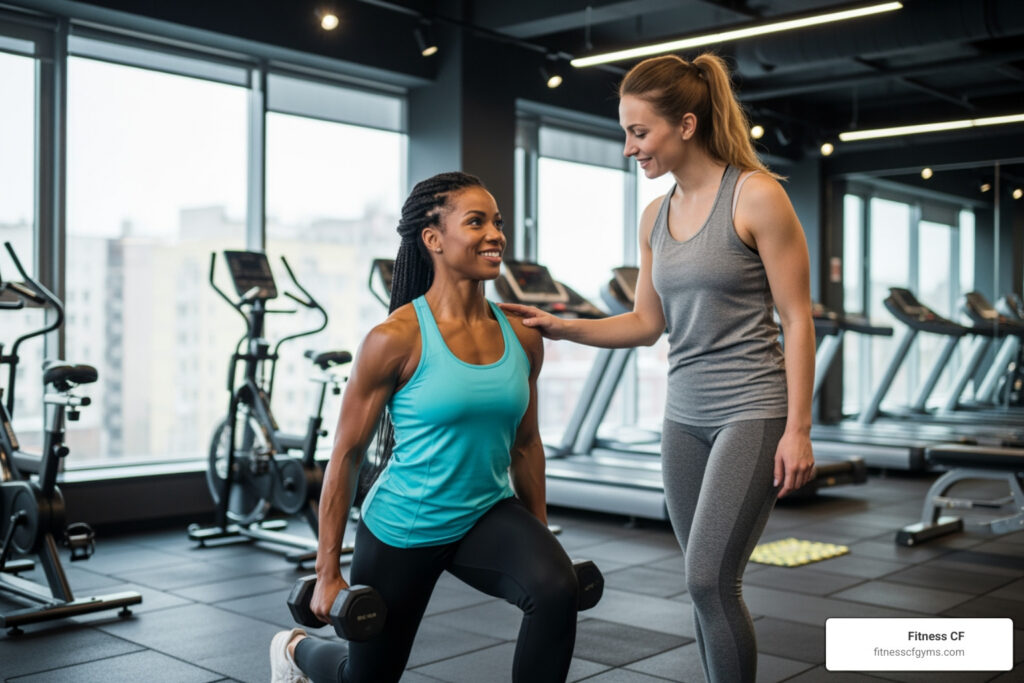
Strength training can include free weights, resistance bands, bodyweight exercises (like squats, pushups, and lunges), or machines. The key is progressive overload—gradually increasing resistance, repetitions, or difficulty over time so your body continues adapting and getting stronger.
The Role of Personalized Support and Recovery
For many of us—especially beginners or those returning after a break—having some form of guidance is incredibly helpful. This can come from educational resources, workout plans, or coaching that explains how to structure sessions, use proper form, and progress safely.
Equally important is recovery:
- Rest days: Allow muscles, joints, and your nervous system to repair and grow stronger.
- Sleep: Supports hormone balance, appetite regulation, muscle growth, and mental health.
- Nutrition: Adequate protein, healthy fats, complex carbs, and hydration are essential to fuel workouts and recovery.
- Mobility and stretching: Help maintain joint health and reduce stiffness and injury risk.
A holistic approach—combining intelligent training, good nutrition, and thoughtful recovery—builds a foundation for a lifetime of healthy habits.
How to Build the Perfect Fitness Routine for Your Lifestyle
Creating the ideal healthy lifestyle and workout routine is about aligning your habits with your goals, preferences, and schedule. When your plan fits your real life, you’re far more likely to stay consistent and see lasting results.
Key Considerations When Designing Your Fitness Lifestyle
Several factors can shape the kind of routine that will work best for you:
- Schedule and convenience: Choose days and times that you can realistically commit to most weeks
- Current fitness level: Start from where you are, not where you think you “should” be, and progress gradually
- Enjoyment factor: Pick activities you actually like—walking, dancing, lifting, yoga—so movement feels rewarding
- Variety and balance: Include strength, cardio, and mobility so you don’t over-stress one system and neglect another
- Recovery time: Build in rest days or lighter sessions to allow your body to adapt and avoid burnout
- Personal goals: Whether it’s building strength, improving cardiovascular health, or enhancing flexibility, let your goals guide your choices
Creating Your Optimal Workout Environment
The environment where you exercise plays a crucial role in your success. Consider these factors when setting up your fitness space:
- Home workouts: Create a dedicated space with minimal equipment like resistance bands, dumbbells, or a yoga mat
- Outdoor options: Take advantage of parks, trails, or your neighborhood for walking, running, or bodyweight exercises
- Time of day: Find when you have the most energy and fewer distractions
- Music and motivation: Create playlists that energize you and keep you moving
- Tracking progress: Use a journal, app, or photos to monitor improvements in strength, endurance, and how you feel
The Centers for Disease Control and Prevention recommends at least 150 minutes of moderate-intensity aerobic activity weekly, plus muscle-strengthening activities on 2 or more days per week. This can be broken down into manageable chunks that fit your lifestyle.
Are Strength and Cardio Workouts Suitable for Beginners?
Absolutely! Both strength and cardio are highly suitable for beginners when approached thoughtfully. The key is starting at an appropriate level and progressing gradually.
Beginners can expect:
- Foundational movements: Learning basic patterns like squats, lunges, push-ups, and planks
- Gradual progression: Starting with bodyweight exercises or light weights and building over time
- Focus on technique: Prioritizing proper form reduces injury risk and builds confidence
- Manageable goals: Setting small, realistic milestones—like walking 20 minutes daily or doing two strength sessions per week
- Flexibility in approach: Modifying exercises as needed and listening to your body
As skills improve and fitness builds, you can increase duration, intensity, or complexity in a controlled way. The goal is long-term consistency and creating sustainable healthy habits, not perfection. Whether you’re working out at home, outdoors, or in a fitness facility, the most important thing is that you’re moving your body regularly and enjoying the process.
Frequently Asked Questions about Healthy Living and Fitness
What makes a balanced fitness plan different from just doing random workouts?
A balanced plan intentionally combines strength, cardio, mobility, and recovery. Rather than exercising at random, you:
- Train all major muscle groups over time
- Support both heart health and muscular strength
- Include flexibility and mobility work to protect joints
- Schedule rest so you avoid overtraining and burnout
This structure leads to better results, fewer injuries, and more sustainable progress than sporadic, unplanned workouts.
Do I have to do group classes, or can I work out on my own?
You can be successful with either approach—or a mix of both. Some people prefer following their own plan, while others enjoy guided workouts or video-based sessions. The most important thing is that your routine is safe, effective, and something you can maintain.
What other lifestyle habits, beyond workouts, support overall health?
Healthy living extends beyond exercise. Powerful supporting habits include:
- Nutritious eating: Emphasizing whole, minimally processed foods, adequate protein, fiber, and hydration
- Consistent sleep: Aiming for 7–9 hours per night to support recovery, mood, and hormone balance
- Stress management: Using tools like breathing exercises, mindfulness, time in nature, or journaling
- Limiting harmful habits: Reducing excessive alcohol intake, tobacco, and highly processed foods
- Regular checkups: Working with healthcare providers to monitor blood pressure, blood sugar, and other health markers
When movement, nutrition, sleep, and stress management work together, they create a powerful foundation for long-term health.
Conclusion: Your Path to a Stronger, Healthier Life Starts Now
Living a healthy lifestyle is an ongoing commitment to your well-being. By combining strength training, cardiovascular exercise, mobility work, and supportive habits like good nutrition and quality sleep, you build a strong foundation for both physical and mental health.
This balanced approach helps you:
- Improve heart health and lung capacity
- Build and maintain lean muscle and bone density
- Boost metabolism and support healthy weight management
- Enhance mood, reduce stress, and sharpen focus
- Increase confidence in what your body can do
Your routine doesn’t need to be complicated. Start where you are, choose activities you enjoy, progress gradually, and listen to your body. Over time, small, consistent steps add up to major changes in how you feel and function.
Your journey to a stronger, healthier, more energized you begins with a single decision: to move with intention, nourish your body, and make your health a priority.