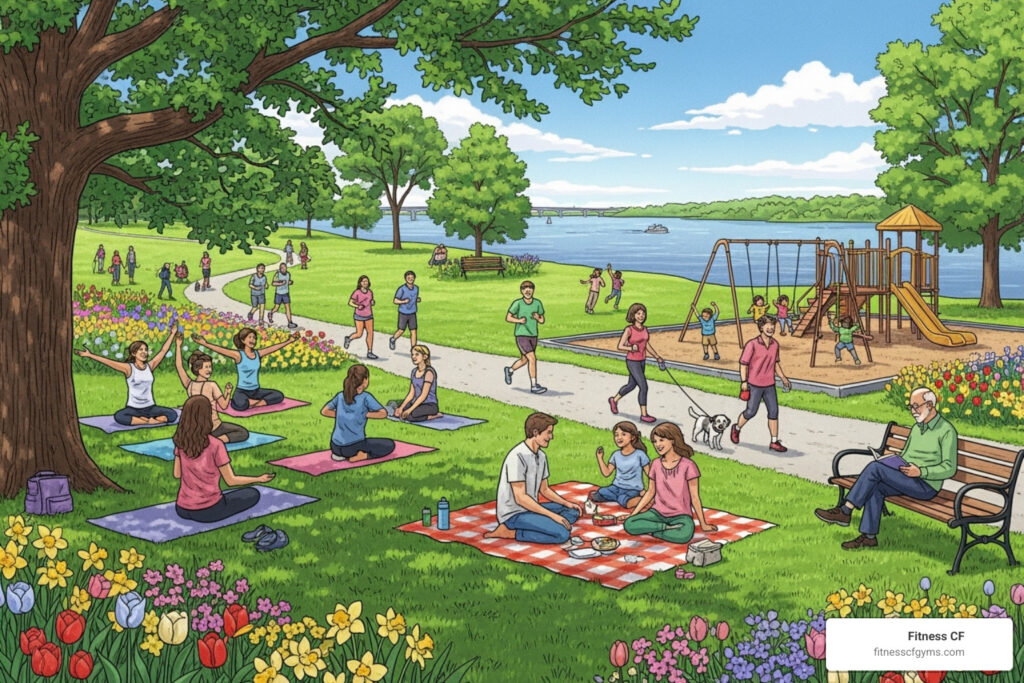
The Transformative Power of Regular Exercise
Regular exercise offers more than just equipment—it provides the foundation for a healthier, more energized life. Whether you’re looking to lose weight, build strength, improve your cardiovascular health, or simply feel better day-to-day, physical activity delivers transformative benefits for both body and mind.
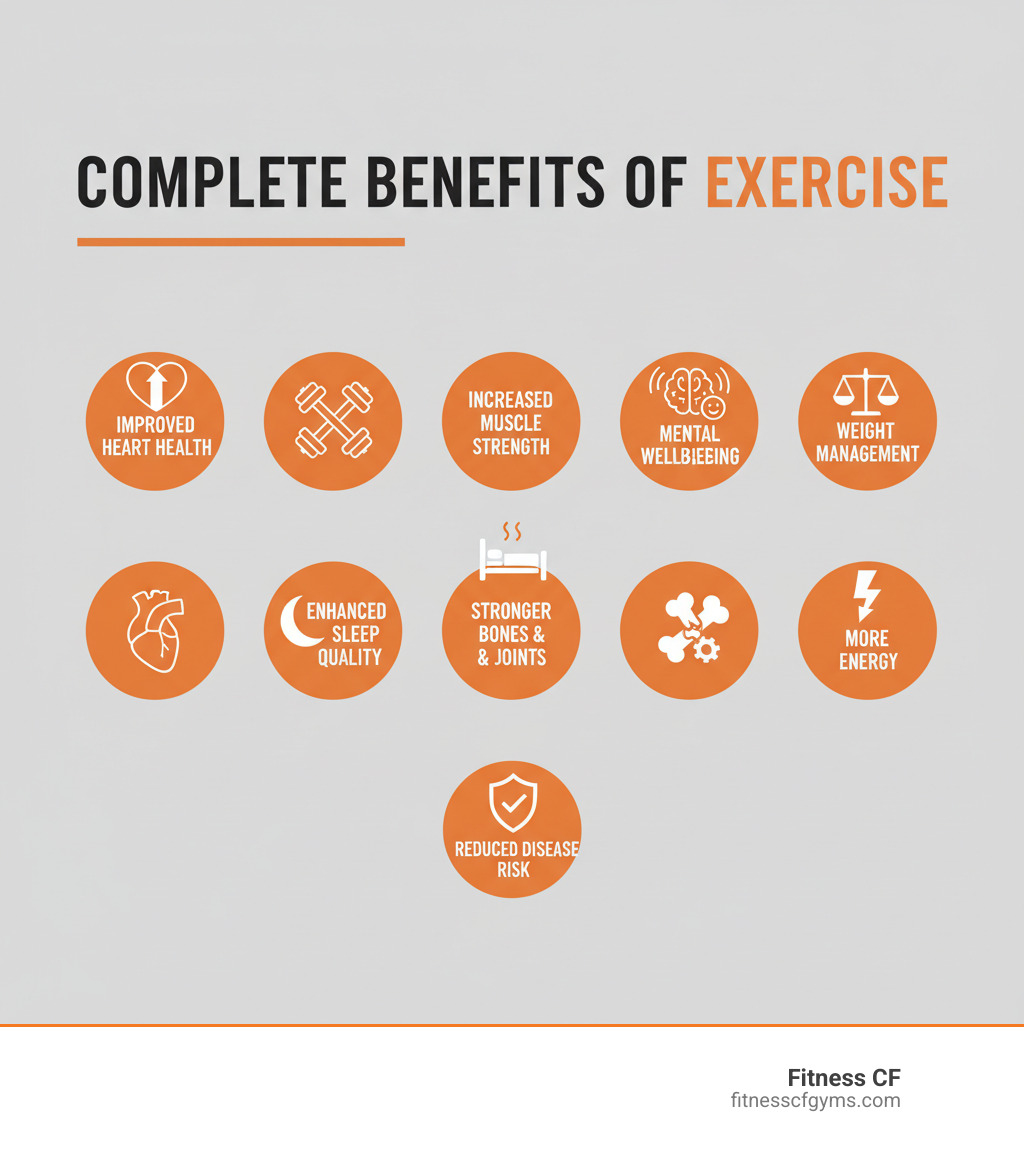
Quick Answer: Key Benefits of Regular Exercise
- Weight Management: Burns calories and builds lean muscle
- Heart Health: Strengthens cardiovascular system and reduces disease risk
- Mental Wellness: Reduces stress, anxiety, and improves mood
- Energy Boost: Increases stamina and reduces fatigue
- Better Sleep: Promotes deeper, more restful sleep
- Stronger Bones: Improves bone density and reduces injury risk
The journey to better health starts with understanding why you’re working out and what your body needs. Many people struggle to maintain consistency because they haven’t found the right balance of support, accountability, and flexibility. The good news? Once you understand the fundamentals of effective exercise and find an approach that matches your goals, staying motivated becomes much easier.
Strength training builds lean muscle, increases metabolism, and protects your bones as you age. It’s not just about lifting heavy weights—bodyweight exercises, resistance bands, and functional movements all count. Cardiovascular exercise strengthens your heart, improves lung capacity, and helps manage weight while reducing stress. The best workout routine combines both.
Finding the right fitness approach means looking for a routine you enjoy, movements that feel good for your body, and—perhaps most importantly—a source of motivation that keeps you coming back. This could be the accountability of a workout partner, the energy of a group class, or the simple satisfaction of hitting a personal goal.
Defining Your ‘Why’: Setting Realistic Fitness Goals
Excitement alone won’t get you through those mornings when your bed feels more appealing than your workout shoes. What will? A clear understanding of why you’re doing this in the first place.
Before planning your workout schedule, take a moment to ask yourself what you genuinely want to achieve. Do you want the energy to keep up with your kids? Do you want to feel stronger and more confident? Maybe you’re looking to shed some weight, build muscle, or simply feel more vibrant. Whatever your motivation, getting crystal clear about it creates the foundation for everything that follows.
Here’s where many fitness journeys go off the rails: unrealistic expectations. Sustainable fitness is a marathon, not a sprint. When you set goals that are too aggressive or compare your chapter one to someone else’s chapter twenty, frustration becomes inevitable—and that’s when people quit.
Instead of vague aspirations like “get in shape,” try something specific and achievable. Losing 1-2 pounds per week through consistent effort is realistic and healthy. Adding five pounds to your squat each week is progressive overload in action. Walking 10,000 steps daily or completing three strength training sessions per week are measurable milestones you can track and celebrate.
If weight loss is your goal, understand that consistency in both nutrition and exercise matters far more than intensity. Small, sustainable changes—like adding more protein to your meals and moving your body regularly—create lasting results.
If muscle gain is what you’re after, focus on progressive overload. Your muscles grow when you gradually challenge them with increased weight, reps, or difficulty. This means steady, intentional progress over time.
Maybe you simply want more energy to enjoy life. A balanced routine combining cardiovascular exercise with strength training, supported by good nutrition and adequate sleep, will transform how you feel throughout the day.
One of the biggest obstacles to progress is workout myths that sound convincing but lead you down the wrong path. You might have heard that you need to exercise for hours every day to see results. The truth is, these misconceptions often lead to burnout or injury. Shorter, focused workouts performed consistently with proper form deliver far better results. To learn more about separating fact from fiction, read our guide on Workout Myths Debunked Separating Fact From Fiction.
Once you’ve defined your “why,” it’s time to create a personalized plan that fits your body, schedule, and goals. The best plan is the one you’ll actually stick with.
Tracking your progress is your secret weapon. Whether you’re logging workouts in a notebook or simply paying attention to how much better you feel, seeing tangible evidence of your efforts keeps motivation alive. Progress isn’t always a straight line, but keeping your eyes on the bigger picture helps you move forward.
As you look ahead, setting realistic milestones gives you a roadmap to follow. Break your bigger vision into smaller checkpoints that feel achievable. For comprehensive guidance on this crucial step, explore our article on Setting Realistic Fitness Goals in 2025.
When you define your “why” and build smart goals around it, you’re laying the foundation for lasting change.
The Building Blocks of a Great Workout
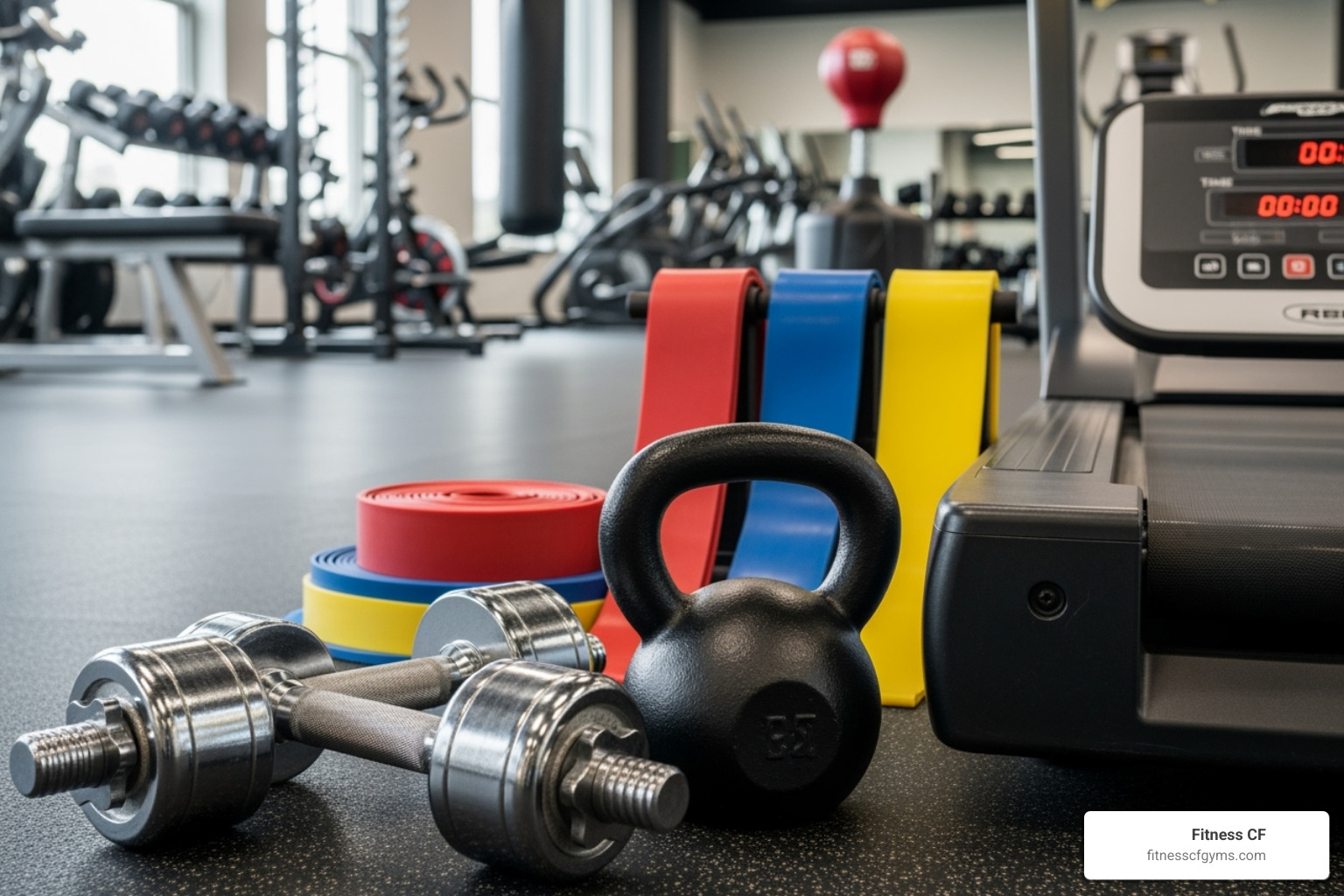
An effective fitness routine is built on three pillars: strength training, cardiovascular exercise, and flexibility and mobility work. When you understand how each piece fits into the bigger picture, you can create a balanced approach that transforms not just how you look, but how you feel every day.
Fitness is about more than appearance—it’s about waking up with energy, playing with your kids without getting winded, and maintaining your independence as you age. That’s what a well-rounded workout routine delivers.
Strength training is a cornerstone of long-term health. When you challenge your muscles, you increase bone density, boost your metabolism, improve balance, and build functional strength that makes daily activities feel effortless. The scientific research on the benefits of strength training consistently shows that people of all ages and fitness levels can benefit tremendously from this type of exercise.
Cardiovascular exercise is essential for your heart. Every time you get your heart rate up, you’re strengthening that vital muscle, improving blood circulation, and increasing your lung capacity. The result? Daily tasks feel easier, stress levels drop, and your mood lifts.
Flexibility and mobility are the often-overlooked heroes of fitness. These components keep your joints moving through their full range of motion, reduce stiffness, and prevent muscle imbalances that can lead to chronic pain. Incorporating stretching or dynamic warm-ups invests in your body’s ability to move freely for years to come.
The Power of Strength Training
Strength training is for everyone. Its beauty lies in its versatility.
Free weights like dumbbells and barbells engage stabilizing muscles. For a more guided approach, weight machines provide targeted muscle engagement with clear movement patterns. Functional training uses tools like kettlebells and resistance bands to mimic real-world movements like lifting and pulling. And never underestimate bodyweight exercises like push-ups, squats, and planks, which build tremendous foundational strength with no equipment needed.
The key is starting where you are and progressing gradually. Our comprehensive guide on Strength Training 101 Building a Solid Foundation walks you through proper form and how to structure your workouts for maximum benefit.
A strong core is the powerhouse that stabilizes every movement you make, protecting your lower back and improving posture. That’s why we’ve created a dedicated resource on Core Strength Exercises Fitness CF to help you build a resilient midsection.
Boosting Your Heart Health with Cardio
Your heart is a muscle, and it gets stronger with regular challenges. Cardiovascular exercise is the most effective way to keep your heart healthy, your energy high, and your stress under control. The wonderful thing about cardio is the sheer variety available.
Treadmills offer simplicity for walking or running. Ellipticals provide a low-impact, full-body workout that’s easy on the joints. Cycling builds incredible endurance while torching calories, whether on a stationary bike or outdoors. Rowing machines deliver a complete cardiovascular workout, engaging your legs, core, and upper body in one smooth motion.
For those short on time, High-Intensity Interval Training (HIIT) alternates short bursts of intense effort with brief recovery periods. This approach can improve cardiovascular fitness and burn fat more efficiently than traditional steady-state cardio.
The bottom line? Consistent cardiovascular exercise strengthens your heart, reduces your risk of chronic diseases, and gives you the stamina to enjoy life fully.
Finding a Fitness Style That Works for You
When it comes to committing to a healthier lifestyle, the approach you choose plays a huge role in your success. Finding a way to move your body that resonates with your personal needs and preferences can be the difference between a fleeting attempt and a lifelong habit. It’s about finding a supportive environment, whether that’s in your own home, outdoors, or with others.
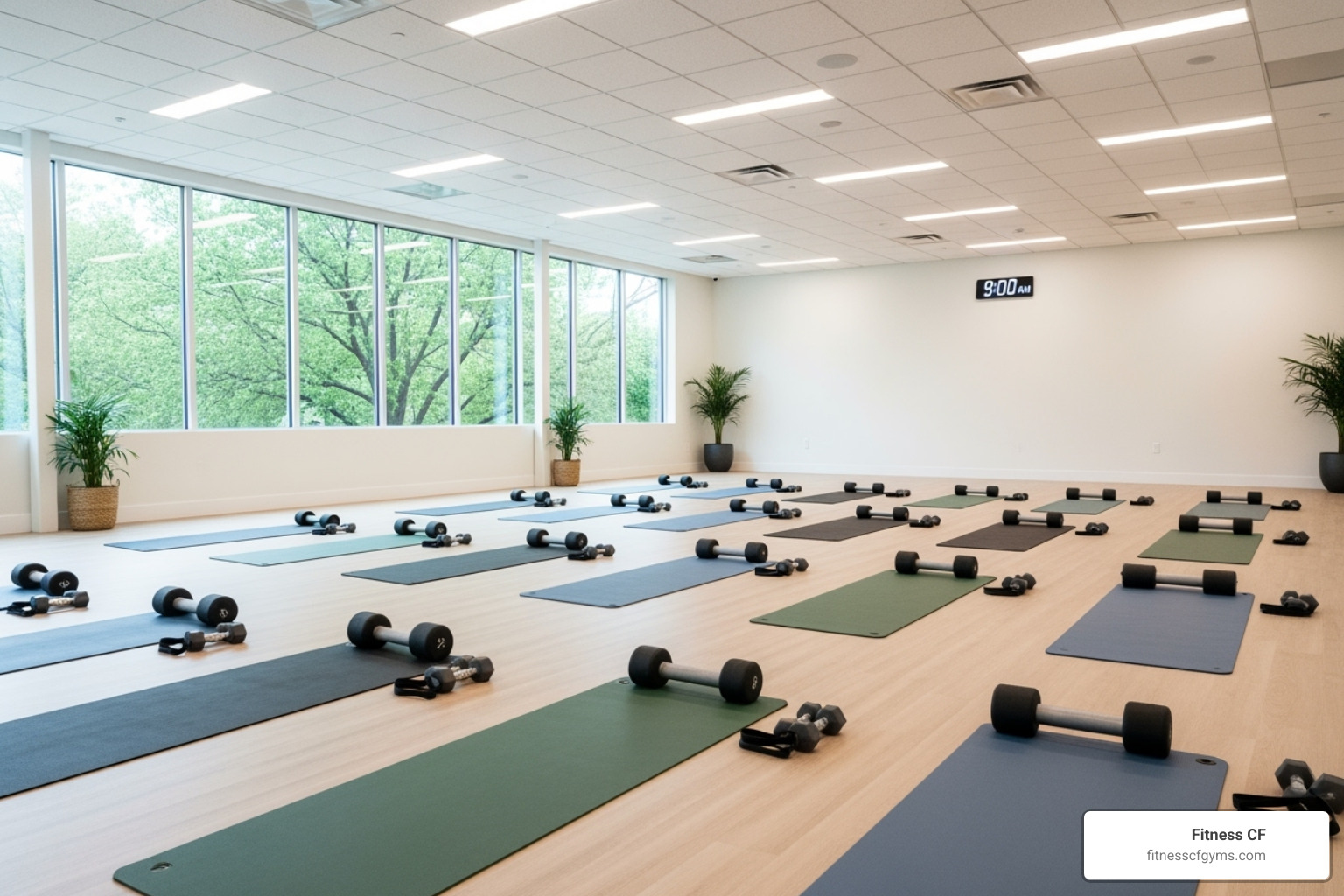
Think about what makes you excited to show up. A truly great fitness routine is built on enjoyment and sustainability. Here are a few approaches to consider:
Accept At-Home Workouts
Working out at home offers unparalleled convenience and privacy. You can fit in a session whenever your schedule allows, without worrying about travel time.
- Bodyweight exercises like squats, push-ups, and planks require no equipment and are incredibly effective for building foundational strength.
- Online classes and apps provide access to a vast library of guided workouts, from yoga and pilates to HIIT and dance cardio.
- Simple equipment like resistance bands, dumbbells, or a yoga mat can add variety and intensity to your routine without taking up much space.
Get Active Outdoors
Taking your workout outside combines physical activity with the mental health benefits of being in nature. Fresh air and sunshine can make exercise feel less like a chore and more like a refreshing escape.
- Explore local parks and trails for walking, jogging, or cycling.
- Use public spaces for bodyweight circuits or stretching.
- Try a new outdoor sport like tennis, basketball, or kayaking to keep things fun and engaging.
Find Strength in Social Support
For many, accountability and camaraderie are powerful motivators. Working out with others can provide encouragement, make the time fly by, and transform exercise into a fun social event.
- Find a workout buddy to help you both stay on track with your goals.
- Join a local sports league or a community running or walking group.
- Participate in group activities that align with your interests, whether it’s a dance class, a hiking club, or a yoga-in-the-park event.
The best fitness plan is the one you can stick with. Experiment with different styles and settings until you find what makes you feel strong, energized, and happy.
Frequently Asked Questions about Starting a Fitness Routine
We understand that starting a fitness journey can come with a lot of questions. You might wonder how to stay consistent or how much exercise is actually enough. We’ve gathered some of the most common inquiries to help you steer your path to a healthier lifestyle with confidence.
How do I stay motivated to exercise consistently?
Motivation can be fickle. The secret isn’t waiting for it to strike; it’s building habits that carry you through even when you don’t feel like working out.
- Set small, achievable goals. Instead of fixating on a huge outcome, focus on showing up three times this week. These mini-victories create momentum.
- Find a workout buddy or join group activities. When you know someone’s counting on you or you enjoy the energy of a group, you’re far more likely to show up. Plus, exercising with others simply makes it more fun.
- Reward yourself with non-food treats. Completed a challenging week? Treat yourself to a massage, new workout clothes, or a relaxing evening. These acknowledgments reinforce positive habits.
- Try different types of exercise until you find what you genuinely enjoy. If you dread every minute of your workout, consistency is difficult. But when you find activities you love, exercise transforms from a chore into a highlight.
Making fitness a non-negotiable part of your routine helps cement the habit. For more practical strategies, explore our guide on How to Build a Summer Workout Routine You’ll Actually Stick To.
How often should a beginner work out?
If you’re just starting out, enthusiasm can tempt you to do too much, too soon. But more isn’t always better, especially when your body is adapting.
- Start with 2-3 days per week of structured exercise. This allows your body to adapt gradually, reducing injury risk and preventing the burnout that derails so many beginners.
- Listen to your body. Some muscle soreness is normal, but sharp pain or excessive fatigue signals you need more recovery time.
- Consistency trumps intensity every time, especially in the beginning. Showing up for three 30-minute workouts weekly will deliver far better results than one grueling session followed by a week of inactivity.
- Rest and recovery are when your body gets stronger. During rest days, your muscles repair and your energy stores replenish. Adequate sleep and proper nutrition are just as important as your workouts.
Conclusion: Take the First Step to a Healthier You
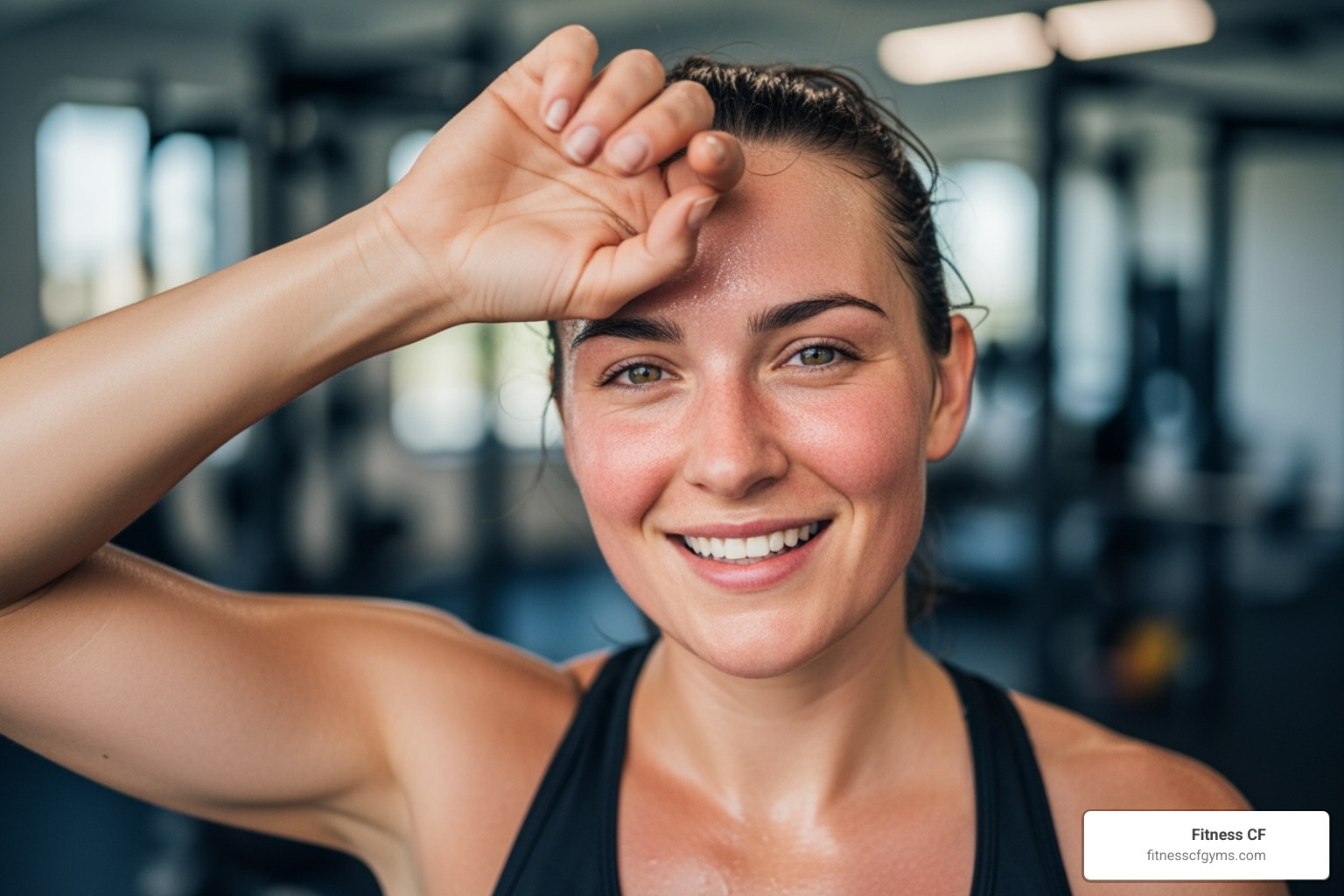
Your journey to better health doesn’t have to be complicated. We’ve walked through the essentials—understanding the powerful benefits of exercise, setting realistic goals, and finding the building blocks of an effective workout routine. Whether it’s strength training that builds resilient muscles or cardio exercise that strengthens your heart, every workout brings you closer to feeling your absolute best.
Here’s what matters most: this journey is about you. It’s about waking up with more energy, feeling stronger as you move through your day, and building confidence that radiates into every part of your life. It’s about creating a sustainable relationship with exercise that feels good, not punishing. The physical changes are wonderful bonuses, but the real change happens in how you feel.
We know that starting can feel like the hardest part. Maybe you’ve tried before and it didn’t stick, or you’re worried about not knowing what to do. That’s why finding an approach you enjoy is so important. When you find a way of moving that feels good and you’re surrounded by a supportive friend or community, consistency becomes natural.
The beauty of committing to your health is that you don’t have to do it alone. People who succeed are the ones who start. Not perfectly, not with all the answers, but with a willingness to show up and try. Your first workout doesn’t need to be flawless. Your first week doesn’t need to be perfect. You just need to begin.
So take that first step today. Go for a walk. Try a new healthy recipe. Do a few stretches. Whatever feels right for you, just start moving forward. Your future self—the one with more energy, better health, and genuine confidence—is waiting on the other side of that decision.