Why Understanding Foot Cramp Prevention Matters
Knowing how to prevent a foot cramp can save you from the sudden, intense pain of involuntary muscle spasms. These cramps affect up to 60% of adults, often striking during sleep or exercise, but they are highly preventable.
Quick Prevention Guide:
- Stay hydrated – drink at least 8 glasses of water daily
- Eat mineral-rich foods – bananas, leafy greens, and nuts
- Stretch regularly – especially before and after exercise
- Warm up properly – prepare your muscles for activity
- Wear supportive shoes – avoid tight or poorly fitting footwear
- Keep moving – avoid long periods of sitting or standing
Foot cramps occur when muscles contract and won’t relax. Fortunately, most are preventable through simple lifestyle changes like proper hydration, balanced nutrition, and smart exercise habits.
As Pleasant Lewis, owner of Fitness CF with over 40 years in the fitness industry, I’ve seen that combining proper exercise techniques, strength training, and healthy recovery habits is the best way to learn how to prevent a foot cramp and stop muscle issues before they start.
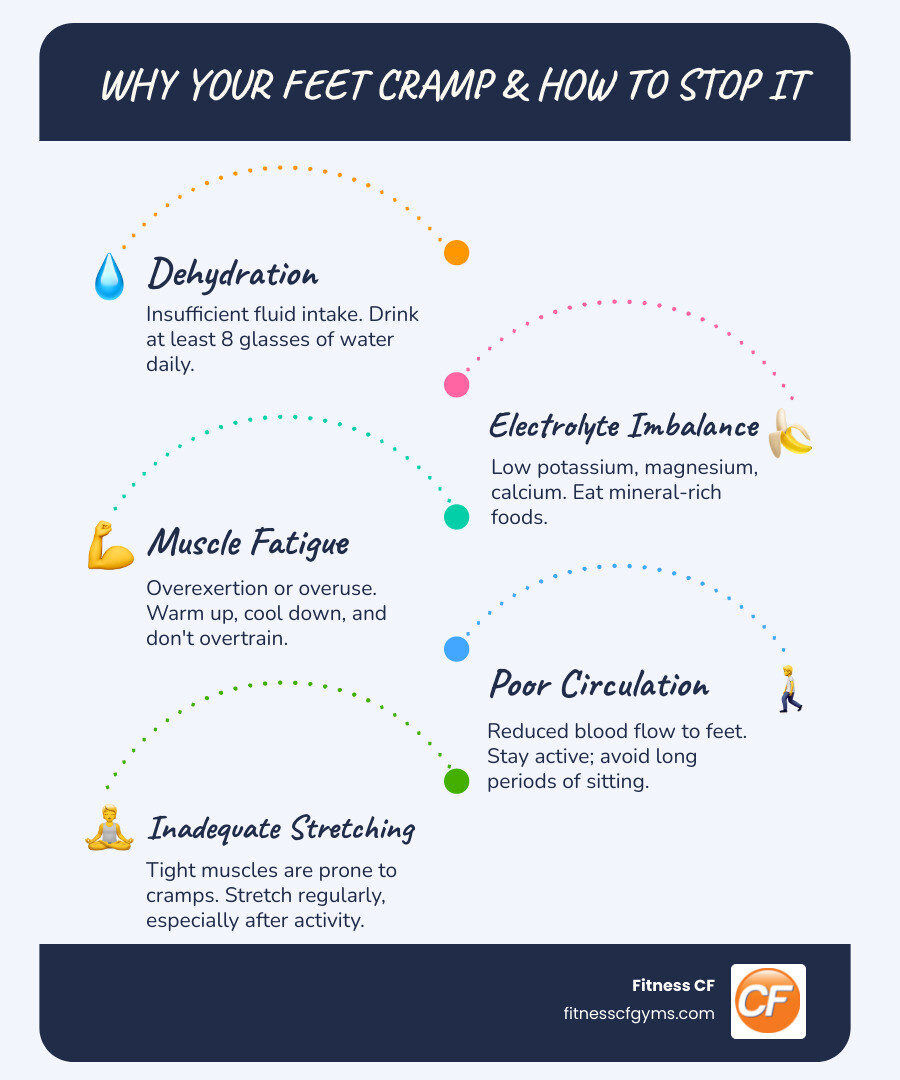
How to prevent a foot cramp word guide:
Understanding the Culprits: What Causes Foot Cramps?
Sudden, sharp foot pain can jolt you awake or stop a workout in its tracks. Understanding why these cramps happen is the first step in learning how to prevent a foot cramp.
Muscle fatigue and overexertion are common culprits. Pushing your feet and leg muscles beyond their comfort zone—through intense workouts or long days on your feet—can cause them to become overworked. Exercise-related muscle cramps are the most common condition requiring medical attention during sports.
Dehydration is another major factor. It disrupts your body’s electrolyte balance, making muscles more prone to spasms. This is especially true when you sweat during exercise or in hot weather, as you lose essential fluids and salts.
Poor circulation also contributes to cramping. When blood flow to your feet is sluggish, your muscles don’t get the oxygen and nutrients they need. This problem is worsened by inactivity, such as long periods of sitting or standing.
Your shoe choice matters. Improper footwear, like shoes that are too tight, can restrict circulation. High heels or completely flat shoes can also strain your foot muscles, creating discomfort.
Age-related muscle loss makes muscles more vulnerable to cramping, with about 33% of people over 60 experiencing nocturnal leg cramps. Pregnancy also presents challenges, with about 40% of expectant mothers reporting cramps due to extra weight, increased fluid needs, and nutritional gaps.
Occasionally, foot cramps can signal underlying conditions like diabetes, thyroid issues, or kidney disease, or be a side effect of certain medications. However, most cramps are simply your body’s call for better care through hydration, nutrition, and movement. Understanding these triggers empowers you to master how to prevent a foot cramp.
The Foundation of Prevention: Hydration and Nutrition
To learn how to prevent a foot cramp, your muscles need the right fuel to function without spasms. Proper nutrition and hydration are essential.

Your muscles require a precise balance of fluids and nutrients to contract and relax properly. When this balance is off, painful cramps can occur. Dehydration reduces blood volume, making it harder for oxygen and nutrients to reach your muscles, which can lead to cramps.
The Power of Key Nutrients
Your muscles rely on key nutrients to stay cramp-free. Potassium helps direct nerve signals for smooth muscle contraction. Magnesium is involved in over 300 bodily processes, and research shows it can be helpful for nighttime cramps. Calcium works with magnesium for coordinated muscle contractions.
The B vitamins (especially B-12, thiamin, and folate) are crucial for nerve health. Deficiencies can lead to nerve damage and more frequent cramping. For more details, see this scientific research on the role of vitamins in muscle health.
You can get these nutrients from whole foods:
- Bananas: Packed with potassium.
- Avocados: Loaded with potassium and magnesium.
- Sweet potatoes: Provide essential minerals.
- Leafy greens (spinach, kale): Nutritional powerhouses.
- Nuts and seeds (almonds, pumpkin seeds): Offer magnesium and healthy fats.
- Dairy products or fortified alternatives: A great source of calcium.
Staying Properly Hydrated
Proper hydration is an ongoing process. Men typically need about 15.5 cups of fluids daily, and women need around 11.5 cups, including water from food.
Timing your hydration around exercise is critical. Your muscles need fluid before, during, and after a workout to perform and recover. When you sweat, you lose water and essential electrolytes.
Be mindful that alcohol and caffeine can work against your hydration goals. Excessive alcohol can cause dehydration and nerve damage, while high caffeine intake can act as a diuretic. Moderation is key to supporting your health while learning how to prevent a foot cramp. Understanding your body’s response to different foods and drinks is part of overall fitness. Learn more about The Science of Fitness: How Exercise Impacts Your Body.
Focusing on hydration and nutrition not only prevents cramps but also improves energy levels and workout recovery.
How to Prevent a Foot Cramp with Movement and Recovery
Regular movement is your insurance policy against foot cramps. Exercise keeps muscles strong, flexible, and supplied with oxygen-rich blood, making spasms less likely.

Regular exercise is the backbone of cramp prevention. Strength training builds resilient muscles that handle daily demands without fatiguing easily. Cardio benefits like improved circulation ensure your muscles get a steady supply of nutrients and oxygen.
Don’t overlook flexibility. Tight muscles are prone to cramping. Regular stretching keeps muscle fibers long and supple. A well-rounded approach is key, as explained in How to Prevent and Recover from Common Workout Injuries.
The Importance of a Proper Warm-Up and Cool-Down
Many foot cramps occur when muscles go from rest to intense activity without preparation. A good warm-up prepares muscles for activity by gradually increasing blood flow and temperature, making them more pliable.
The cool-down is equally important. After exercise, warm muscles are receptive to stretching, which is the perfect time to work on preventing muscle shortening and maintaining flexibility. A proper cool-down also reduces injury risk. These are essential components of learning how to prevent a foot cramp. For guidance, see The Importance of Warm-Up and Cool-Down Exercises: A Comprehensive Guide.
Essential Stretches for How to Prevent a Foot Cramp
Targeted stretches are a secret weapon against foot cramps.
- Calf stretches: Stand facing a wall, step one foot back, and press the back heel into the floor to feel a stretch in your calf.
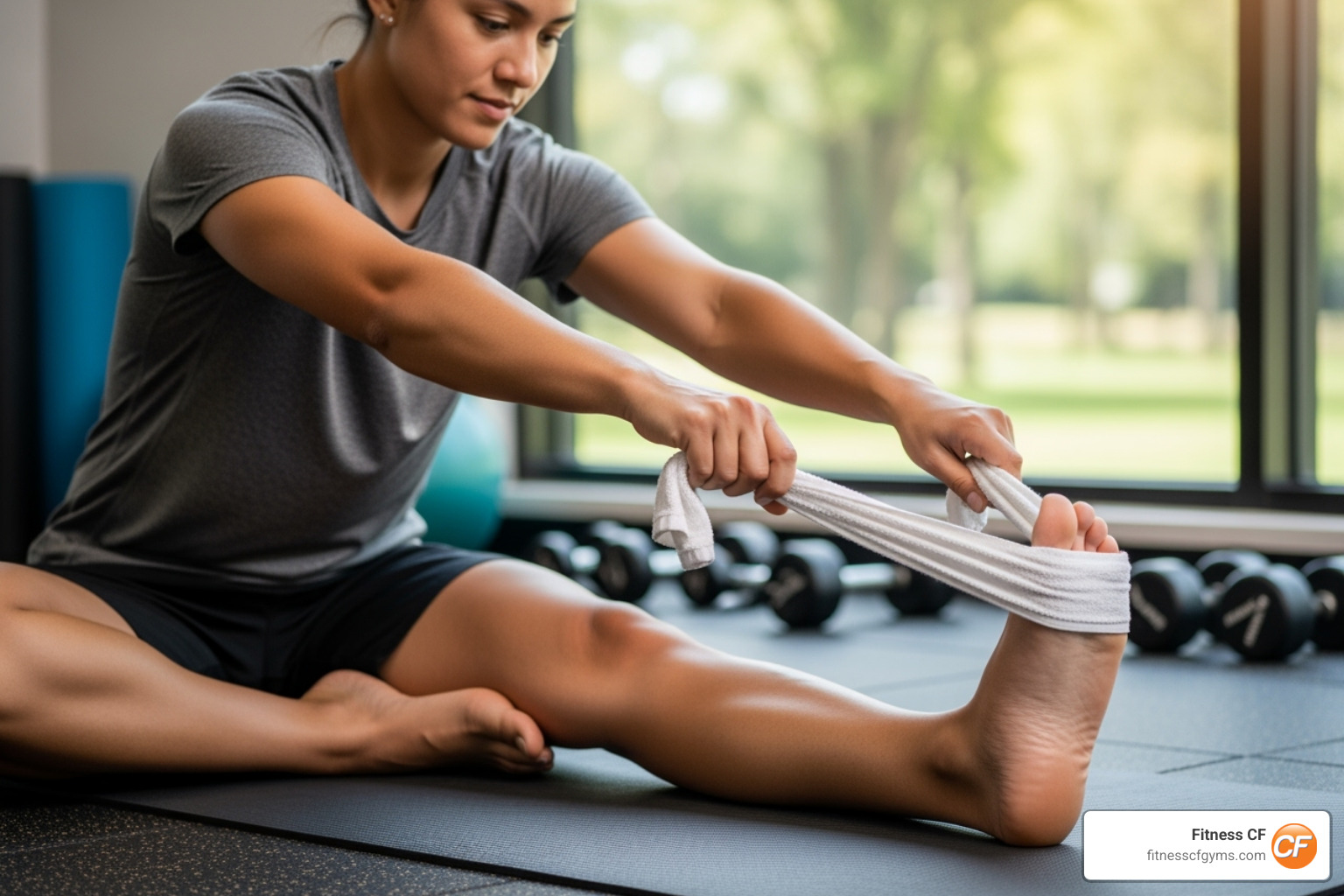
- Toe pulls: Sit with one leg extended. Loop a towel around the ball of your foot and gently pull your toes toward your shin for 15-30 seconds.
- Ankle circles: Sit or lie down and slowly rotate your ankle in both directions to improve circulation and mobility.
- Foot rolling with a ball: Use a tennis or massage ball under your foot, rolling from heel to toe with gentle pressure to release tension.
Stretch gently and avoid pointing your toes, which can trigger cramps. For more ideas, explore Stretching Routines to Improve Flexibility and Prevent Injuries.
Active Recovery and Building Muscle Resilience
Active recovery, or light movement after intense activity, keeps blood flowing and helps flush out metabolic waste.
Low-impact cardio like walking or cycling on rest days keeps muscles engaged without adding stress. This promotes circulation and maintains flexibility.
Building stronger foot and leg muscles through consistent exercise creates resilience against cramps. This long-term approach to how to prevent a foot cramp focuses on sustainable muscle health. Even a 15-minute walk can make a significant difference. Learn more with Active Recovery for Athletes.
Smart Lifestyle Choices for Cramp-Free Feet
Daily lifestyle choices significantly impact cramp prevention. Beyond nutrition and exercise, these habits are key to mastering how to prevent a foot cramp.
Supportive footwear is crucial. Shoes that are too tight restrict blood flow, while shoes without arch support can overwork foot muscles. Choose shoes with good arch support, keep heels low, and get your feet measured periodically, as sizes can change.
Good posture is also important. Slouching or standing with poor alignment creates muscle imbalances and tension that can contribute to cramping.
Your sleep habits play a major role, as most cramps occur at night. Avoid sleeping with your toes pointed downward, which shortens calf muscles and reduces circulation.
Managing long periods of sitting or standing is vital for healthy circulation. If you stand all day, take breaks to sit and lift your legs. If you have a desk job, get up and walk around hourly. These small movement breaks make a huge difference. For more recovery tips, explore Good Things for Muscle Recovery.
Simple Home Remedies and Habits for How to Prevent a Foot Cramp
Simple home remedies can keep foot cramps at bay.
- Warm baths before bed, especially with Epsom salt, relax muscles and improve circulation.
- Self-massage of your feet helps release tension and improve blood flow. Use your hands or a foot roller.
- Keeping your legs warm at night with socks or blankets prevents muscles from getting cold and tight.
- Untucking your bed sheets at the foot of the bed allows your feet to move freely and avoid a pointed-toe position.
- Proper sleep posture can help. If you sleep on your back, place a pillow under your knees. If you sleep on your stomach, let your feet hang off the end of the bed.
If a cramp strikes, gently stretch the muscle by pulling your toes toward your shin. Walking around or applying heat or cold can also provide relief.
When Cramps Signal Something More
While most foot cramps are harmless, they can sometimes signal a more serious health issue. It’s important to know when cramps might indicate an underlying condition requiring medical attention.
Several underlying health conditions can increase cramp frequency. Diabetes can cause nerve damage in the feet (peripheral neuropathy). Kidney disease can disrupt your body’s electrolyte balance. Both hyperthyroidism and hypothyroidism can affect muscle function. Peripheral artery disease, where narrowed arteries reduce blood flow, is another common cause. Other potential issues include nerve damage and spinal stenosis.
Medication side effects can also be a factor. Common culprits include statins (for cholesterol) and diuretics (for blood pressure). If you suspect your medication is causing cramps, talk to your doctor about alternatives; do not stop taking it on your own. For more information on underlying causes, the Cleveland Clinic provides detailed insights.
When to Seek Professional Medical Advice
While lifestyle changes help most people learn how to prevent a foot cramp, certain red flags indicate it’s time to see a doctor.
Seek medical advice for:
- Frequent or severe cramps that consistently disrupt your sleep or daily life.
- Cramps accompanied by other symptoms like swelling, redness, or skin changes.
- Muscle weakness or visible muscle shrinkage.
- Cramps that don’t improve with self-care measures like hydration and stretching.
- Numbness or tingling in your feet.
Your healthcare provider can run tests to check for nutritional deficiencies, review medications, and evaluate for underlying conditions. Trust your instincts; if something feels off about your cramps, seek professional guidance to get back to an active, pain-free lifestyle.
Frequently Asked Questions about Foot Cramps
Here are answers to the most common questions about foot cramps.
How can I stop a foot cramp immediately when it happens?
For immediate relief, gently stretch the cramped muscle by pulling your toes toward your shin. If possible, stand and put weight on the cramping foot to help the muscle relax. Massaging the cramped area with firm pressure can also help release the knot. Gentle movement, like walking around or jiggling your leg, can break the spasm.
Applying a warm compress can relax the muscle, while an ice pack can numb the pain. Most cramps will release within a few minutes using these techniques.
What is the main nutritional deficiency that causes foot cramps?
Cramps are often caused by an imbalance of several minerals, not just one. The big three are magnesium, potassium, and calcium. These work together to regulate muscle contractions and relaxation. Magnesium is the “relaxation mineral,” potassium is vital for nerve signals, and calcium helps control contractions.
The B vitamins (B-12, thiamin, folate) are also important for healthy nerve function, which prevents the miscommunication that can lead to cramps. A balanced diet of whole foods like bananas, leafy greens, and dairy is the best way to get these essential nutrients.
Why do I get more foot cramps at night?
Nocturnal cramps, which affect up to 60% of adults, have several potential causes. Daytime inactivity can lead to tight muscles and poor circulation, setting the stage for nighttime problems. Conversely, muscle fatigue from an active day can also make muscles prone to cramping as they rest.
Your sleeping position is a major factor. Sleeping with your feet pointed down (often due to tightly tucked sheets) shortens calf muscles and restricts blood flow. Mild dehydration overnight can also disrupt your electrolyte balance.
Research suggests that a few minutes of light exercise before bed, like walking or gentle cycling, can help prevent these spasms. To avoid night cramps, stretch before bed, keep sheets loose, stay hydrated during the day, and consider some light pre-bedtime movement.
Conclusion
Learning how to prevent a foot cramp involves a complete approach to caring for your body. Every healthy choice strengthens your foundation against these painful, unexpected spasms.
Prevention is key, and the strategies are simple, smart, everyday choices that lead to significant results.
- Hydration is the cornerstone. Keep a water bottle handy, especially around physical activity.
- Balanced nutrition rich in minerals like magnesium, potassium, and calcium gives your muscles the fuel they need.
- Smart exercise routines with proper warm-ups, stretching, and cool-downs build resilient, flexible muscles.
- Simple lifestyle tweaks, like wearing supportive shoes and taking movement breaks, make a real difference.
Most importantly, listen to your body. It will tell you what it needs, whether that’s more water, a good stretch, or, if cramps are frequent and severe, professional medical advice.
At Fitness CF, we are passionate about helping you live an active, healthy life. Your journey to better health is about creating sustainable habits that support your entire well-being.
To support your muscle recovery and relaxation journey even further, we invite you to explore our HydroMassage amenities for ultimate muscle recovery. You deserve to move through life feeling strong, comfortable, and cramp-free.