Understanding Deep Muscle Pain: A Common Challenge for Active Adults
How to relieve deep muscle pain is one of the most searched health topics, and for good reason. Whether you’ve pushed through a challenging workout, spent long hours hunched over a desk, or simply slept in an awkward position, that deep, persistent ache in your muscles can disrupt your daily life and fitness routine.
Quick Relief Methods for Deep Muscle Pain:
- R.I.C.E. Method – Rest, Ice (for new injuries), Compression, Elevation
- Heat Therapy – Warm baths or heating pads for chronic stiffness
- Gentle Movement – Light stretching or walking to increase blood flow
- Self-Massage – Using foam rollers, tennis balls, or gentle pressure
- Over-the-Counter Relief – NSAIDs like ibuprofen or topical pain relievers
- Hydration – Drinking water to help flush metabolic waste from muscles
Up to 1 in 4 people experience chronic muscle pain and stiffness, making it an incredibly common issue that affects everyone from weekend warriors to desk workers. The good news? Most muscle pain responds well to simple, at-home treatments when you understand what’s causing the discomfort and how to address it effectively.
Deep muscle pain – also called myalgia – can stem from various sources including delayed onset muscle soreness (DOMS) after exercise, trigger points from repetitive activities, stress-related tension, or even dehydration. While the ache can feel overwhelming, understanding these causes empowers you to take targeted action for relief.
Understanding the Source of Your Deep Muscle Pain
That deep, nagging ache in your muscles didn’t just appear out of nowhere – there’s always a story behind it. Understanding how to relieve deep muscle pain starts with identifying what’s causing the discomfort in the first place.
Deep muscle pain, medically known as myalgia, can feel like a dull throb that won’t quit, a sharp stab when you move, or that frustrating stiffness that makes getting out of bed feel like a major accomplishment. The good news? Most of the time, it’s your body’s way of telling you something perfectly normal is happening.
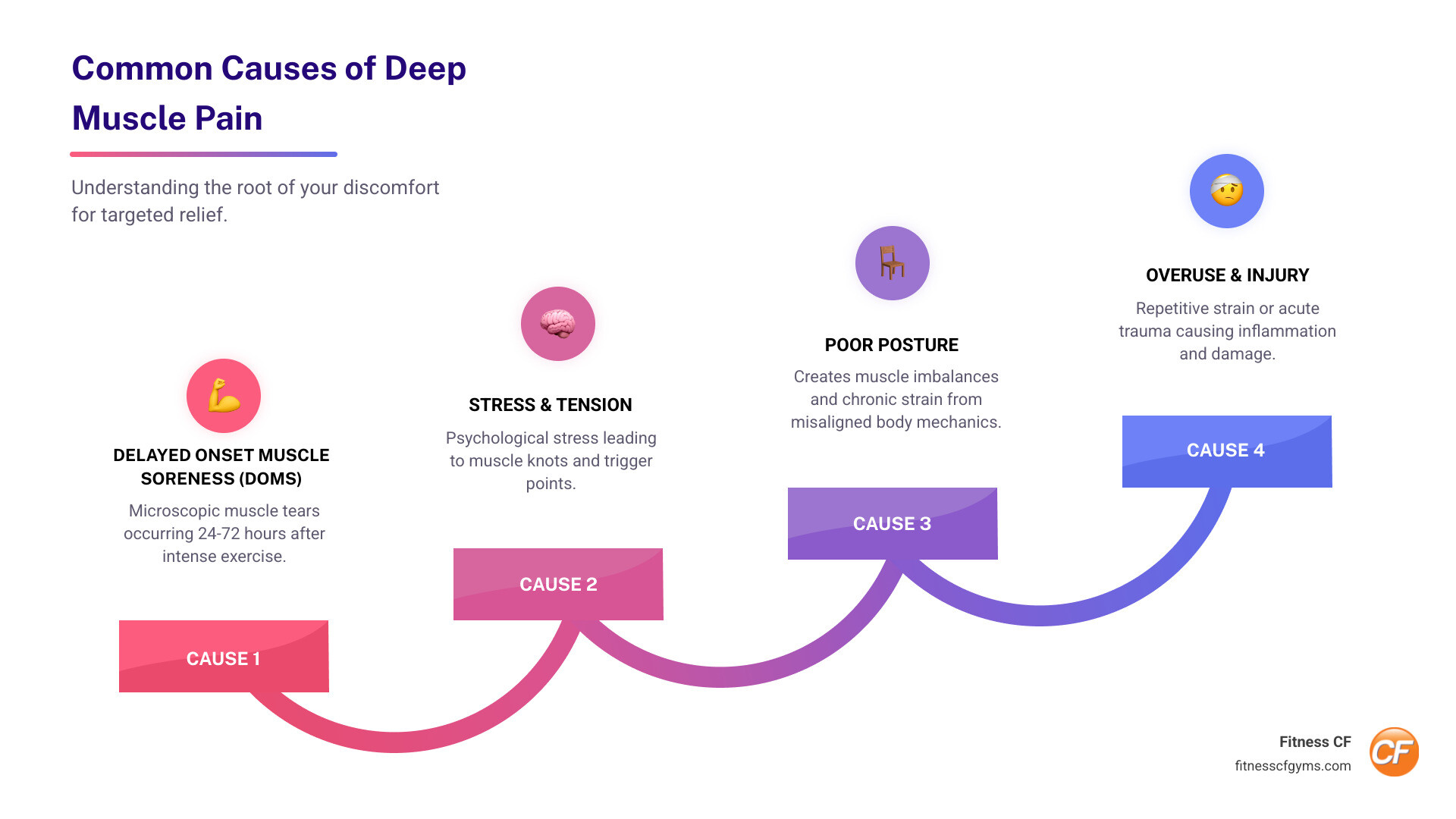
The most common culprits behind your muscle discomfort include muscle knots (those tender spots that feel like marbles under your skin), delayed onset muscle soreness from workouts, overuse injuries from repetitive activities, and even stress and tension from daily life. Sometimes it’s as simple as poor posture from hunching over your computer or dehydration throwing off your body’s delicate balance.
Your muscles are remarkably honest – they’ll tell you exactly when something’s not quite right. Whether it’s from pushing through an intense strength training session or spending too many hours in the same position, that ache is usually your body’s way of asking for a little extra care and attention.
Common Culprits: From Workouts to Daily Stress
Let’s get to know the usual suspects behind your muscle pain a little better.
Delayed Onset Muscle Soreness (DOMS) is the familiar ache after a new or intense workout. It’s caused by microscopic tears in the muscle fibers, which is a normal part of the muscle-strengthening process. As your body repairs these tears, it builds stronger tissue. The soreness typically peaks around 48 hours post-exercise and then subsides.
Trigger points, or muscle knots, are tight, painful spots that form in the fascial tissue surrounding your muscles. This can happen due to repetitive strain or chronic tension. These knots can also cause referred pain, meaning a knot in your shoulder could trigger a headache.
Psychological stress has a sneaky way of settling into our muscles. When you’re stressed, your body naturally tenses up – it’s an ancient survival response. But when that stress becomes chronic, your muscles never get the memo to relax. Before you know it, you’re carrying the weight of your worries in your shoulders, neck, and back.
Is It Your Muscle, Joint, or Something Else?
Not all aches and pains are created equal, and knowing the difference can help you choose the right approach for relief.
Muscle pain typically feels like an ache or tightness within the muscle itself. It might be tender to touch, feel stiff when you first start moving, but often improves once you get going. You might notice muscle weakness or fatigue in the affected area.
Joint pain is a different animal entirely. It affects the joint capsule and surrounding structures, usually showing up as stiffness, swelling, or a limited range of motion. You might notice redness or warmth around the joint, and the pain often persists even when you’re resting.
| Characteristic | Muscle Pain | Joint Pain | Cardiac Pain (Seek Help!) |
|---|---|---|---|
| Feel | Ache, tension, soreness | Stiffness, throbbing, grinding | Pressure, squeezing, burning |
| Location | Specific muscle or widespread | Around joints (knee, shoulder) | Chest, may spread to arm/jaw |
| Movement | Often improves with gentle activity | Affects joint movement | May worsen with effort |
| Other signs | Tenderness, muscle fatigue | Swelling, limited motion | Shortness of breath, sweating |
Now, here’s where we need to talk about recognizing cardiac pain symptoms – because sometimes what feels like muscle pain could be something more serious. If you’re experiencing chest pressure or a squeezing sensation that spreads to your arm, neck, jaw, or back, especially if it comes with shortness of breath, sweating, nausea, or dizziness – don’t wait. This isn’t the time to try how to relieve deep muscle pain techniques at home. Get medical help immediately.
The vast majority of muscle pain is harmless and responds beautifully to simple care, but it’s always better to be cautious when something doesn’t feel quite right.
Immediate At-Home Relief Strategies
When that familiar deep muscle ache sets in, you don’t need to suffer through it. The beauty of how to relieve deep muscle pain lies in simple, effective strategies you can start using right now from your living room. These methods work by reducing inflammation, boosting blood flow, and helping those tense muscles finally let go.
The R.I.C.E. method has been a go-to approach for decades. Rest means giving your sore muscles a break from the triggering activity. Ice is best for fresh injuries; apply an ice pack for about 20 minutes, a few times a day, to reduce inflammation. Compression with an elastic bandage helps control swelling, while elevation (raising the affected area above your heart) uses gravity to help drain excess fluid.
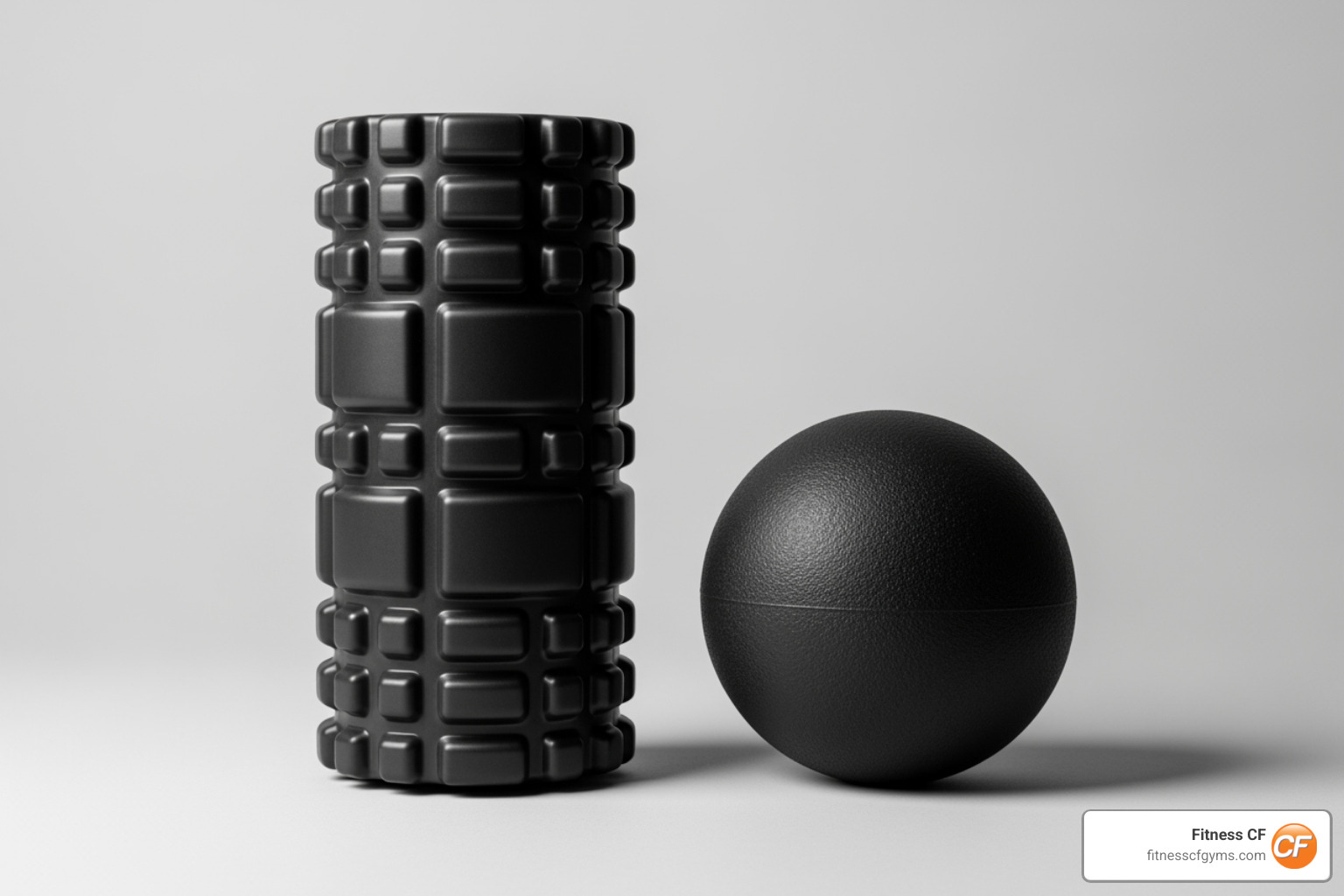
Self-massage techniques can work wonders on stubborn muscle knots. A foam roller, tennis ball, or your hands can apply firm pressure to release trigger points. Hold pressure on a tender spot for up to 90 seconds and repeat throughout the day to restore blood flow and melt tension. For more comprehensive techniques, check out what are the best ways to relieve sore muscles.
The Role of Temperature: Heat and Cold Therapy
The eternal question: heat or ice? The answer is simple once you understand what each does.
Cold therapy is best for recent injuries and post-workout soreness, as it reduces inflammation and numbs pain signals. Applying ice can slow the inflammatory process and provide relief. This is why ice baths are good for muscle recovery, helping to flush metabolic waste and reduce inflammation.
Heat therapy is ideal for chronic stiffness and general tension. It increases blood flow, delivering oxygen and nutrients that help tight muscles relax. A warm bath with Epsom salts or a heating pad can be very effective.
The trick is matching the therapy to your pain. Fresh injury with swelling? Use ice. Persistent ache without inflammation? Heat is your answer. Alternating between them can also be effective.
Over-the-Counter and Topical Solutions
When home remedies need backup, over-the-counter options can bridge the gap to relief.
Nonsteroidal anti-inflammatory drugs (NSAIDs) like ibuprofen and naproxen reduce both pain and inflammation system-wide. Acetaminophen offers pain relief without the anti-inflammatory effect. For targeted relief, topical pain relievers are an excellent choice. Menthol-based creams create a cooling sensation that distracts from pain, while lidocaine patches temporarily numb the area. Capsaicin cream, derived from chili peppers, works by reducing a pain-transmitting chemical in the nerves over time, as shown in research.
Always follow package directions and consult a pharmacist if you’re taking other medications or have underlying health conditions.
How to Relieve Deep Muscle Pain Through Proactive Lifestyle Changes
While immediate relief is important, the best long-term strategy for how to relieve deep muscle pain is prevention. Building proactive habits creates a more resilient body. The concept of “motion is lotion” is key; consistent, thoughtful movement keeps muscles supple and strong. This isn’t about dramatic overhauls but small, sustainable choices that build a foundation of strength and flexibility. A balanced approach, including understanding the role of recovery: why rest days are as important as workouts, is crucial for long-term wellness.

The Power of Movement: Exercise for Prevention and Relief
Regular exercise is one of your most powerful allies against muscle pain. The key is choosing the right type and intensity.
- Strength training builds resilient muscles that handle daily activities with less strain.
- Cardiovascular exercise improves circulation, delivering oxygen to muscles and flushing out waste products.
- Flexibility and mobility work like stretching and yoga helps maintain muscle suppleness and prevent tightness.
- Warm-ups and cool-downs are crucial for preparing muscles for activity and helping them transition back to rest, reducing injury risk.
When muscles are already sore, low-impact activities like swimming, yoga, or Tai Chi are excellent choices. Gentle movement, as detailed in active recovery for athletes principles, is often more beneficial than complete rest. Aiming for the recommended 150 minutes of moderate activity per week keeps your musculoskeletal system functioning smoothly.
Fueling Recovery: Nutrition and Hydration Essentials
What you eat and drink directly impacts muscle recovery. Proper nutrition provides the raw materials for repair.
- Hydration: Muscles are about 75% water. Dehydration can cause cramping and stiffness by impairing function and waste removal. Aim for at least 64 ounces of water daily, more if you’re active.
- Protein: As the building block for muscle, protein is essential for repairing micro-tears from exercise. Include lean sources like chicken, fish, beans, and tofu.
- Carbohydrates and Fats: Complex carbs (whole grains, fruits) provide energy for muscle function, while healthy fats (avocados, nuts, fatty fish) reduce inflammation.
- Anti-inflammatory Foods: Foods like fatty fish (salmon), dark leafy greens (spinach), nuts, and bananas can naturally reduce pain and stiffness.
- Key Nutrients: Magnesium helps muscles relax, calcium is vital for contraction, and Vitamin D supports overall muscle function.
Consistently nourishing your body with these nutrients provides the foundation for pain-free movement.
When to See a Doctor and Explore Advanced Therapies
Sometimes, despite our best efforts, deep muscle pain persists. Chronic pain or pain lasting more than a week without improvement deserves professional attention. Ignoring it can lead to limited mobility or complications like pinched nerves, as tense muscles put pressure on surrounding structures.

Understanding when to seek help is about preventing long-term issues that could impact your quality of life.
How to Relieve Deep Muscle Pain with Red Flag Symptoms
Certain red flag symptoms accompanying muscle pain require immediate medical attention as they can indicate serious underlying conditions.
Seek emergency care immediately if your muscle pain comes with trouble breathing or dizziness, extreme muscle weakness, or a high fever combined with a stiff neck. Severe, unexplained pain that appears suddenly or worsens rapidly also requires urgent evaluation.
Schedule an appointment with your provider for signs of infection (redness, warmth, swelling) or muscle pain that doesn’t improve with home care after a week. As noted by the Mayo Clinic’s guidelines on when to see a doctor for muscle pain, professional evaluation ensures you receive appropriate treatment.
How to Relieve Deep Muscle Pain with Professional and Complementary Care
When home remedies aren’t enough, professional therapies can offer targeted solutions.
Physical therapy is highly effective for persistent pain. A physical therapist can identify imbalances and design a personalized program of exercises and manual therapy to improve function and build resilience.
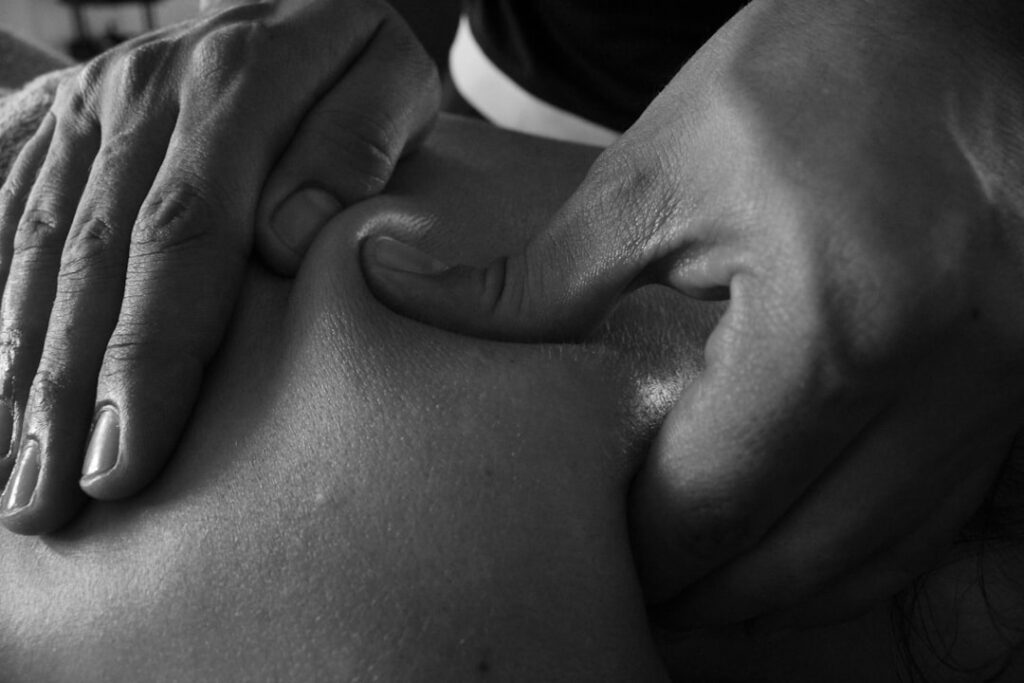
Professional massage from a licensed therapist can address deep knots and tension using specialized techniques like deep tissue massage or trigger point therapy.
Natural supplements may support muscle health, but always consult a healthcare provider before starting any new regimen.
- Turmeric: Contains curcumin, a powerful anti-inflammatory. Research on turmeric shows it may reduce muscle pain.
- Omega-3 Fatty Acids: Found in fish oil, these have well-documented anti-inflammatory benefits. They can be consumed through food (salmon, walnuts) or supplements.
- Cherry Juice Extract: Contains anti-inflammatory compounds called anthocyanins that may reduce muscle soreness.
- Collagen: May help reduce soreness and support joint health. You can support your body’s natural production with protein-rich foods and vitamin C.
Frequently Asked Questions about Relieving Deep Muscle Pain
What is the fastest way to relieve deep muscle pain at home?
The fastest way to relieve deep muscle pain often involves a combination of methods. For a new injury, use the R.I.C.E. method (Rest, Ice, Compression, Elevation) to reduce inflammation. For chronic stiffness, apply heat with a warm bath or heating pad to relax muscles. Gentle movement, like walking or stretching, can increase blood flow and ease soreness. Over-the-counter pain relievers (ibuprofen) and topical creams (menthol, lidocaine) can also provide quick, targeted relief.
Can dehydration cause deep muscle pain?
Yes, absolutely. Dehydration is a common cause of deep muscle pain. Since muscles are mostly water, a lack of fluid impairs their ability to contract and relax properly, leading to stiffness and cramps. Dehydration also hinders the body’s ability to flush out metabolic waste from muscle tissue, which contributes to soreness. Associated electrolyte imbalances can worsen the problem. Staying hydrated by drinking at least 64 ounces of water daily is a simple and effective way to prevent and relieve this type of muscle pain.
Should I exercise if my muscles are sore?
It depends on the severity of the soreness. For typical post-workout soreness (DOMS), gentle movement is highly beneficial. This is called active recovery. Activities like walking, light swimming, or stretching increase blood flow to the muscles, which can speed up healing and reduce stiffness. However, you should avoid intense exercise on deeply sore muscles, as this can worsen the damage and delay recovery. The key is to listen to your body. If the pain is sharp or severe, or if movement makes it worse, it’s best to rest.
Conclusion: Building a Resilient Body
Learning how to relieve deep muscle pain is about understanding and supporting your body. You now have a toolkit of immediate relief strategies and proactive lifestyle changes to manage and prevent muscle pain, from post-workout soreness to stress-related tension.
Immediate relief can be found with the R.I.C.E. method, heat or cold therapy, and self-massage. However, long-term resilience comes from proactive care. Consistent strength training, cardiovascular exercise, and flexibility work build a stronger body. Proper nutrition and hydration provide the essential fuel for muscle repair and function.
Most importantly, listen to your body. Know when to apply home remedies and when to seek professional help for persistent pain or red flag symptoms. Building a resilient body is a journey of consistency and self-compassion, not perfection.
By combining regular movement, mindful recovery, and attentive self-care, you create a powerful foundation for a life with less pain and more vitality. When you’re ready to improve your recovery, you can explore amenities like HydroMassage for ultimate muscle recovery—because you deserve to feel your best.