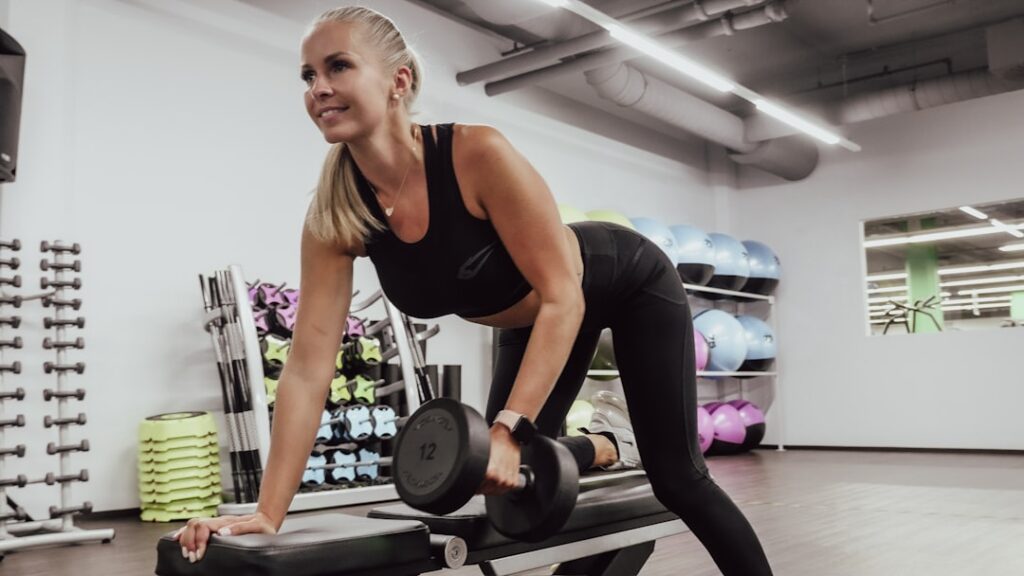
Why Your Women’s Fitness Journey Matters More Than Ever
A women’s fitness journey is fundamentally different from men’s because of unique biological factors, health risks, and life stages that demand specialized approaches to exercise and nutrition. Here’s what you need to know to start:
Quick Start Guide for Women Beginning Their Fitness Journey:
- Minimum Exercise Requirements – Aim for 150-300 minutes of moderate-intensity or 75-100 minutes of high-intensity exercise weekly
- Prioritize Strength Training – At least 2-3 sessions per week to protect bone density and build lean muscle
- Focus on Consistency Over Intensity – Start with 2-3 workouts weekly and gradually increase
- Track Progress Beyond the Scale – Use body composition changes, strength gains, and how you feel
- Embrace a Balanced Nutrition Approach – Follow the 80/20 rule (80% whole foods, 20% flexibility)
The truth is simple: women face distinct challenges when it comes to health and fitness. Research shows that more than 25% of women over 65 suffer from osteoporosis, and more than 250,000 women are diagnosed with breast cancer annually in the United States. The good news? Regular physical activity can reduce breast cancer risk by 12-21% and significantly improve mental health, with depression affecting 1 in 10 women each year.
But here’s what many women don’t realize: your fitness approach should change as you age. The workout routine that served you in your 20s won’t necessarily work in your 40s or beyond. Hormonal shifts, muscle mass changes, and life stages like pregnancy or menopause all require adjustments to how you train and fuel your body.
Women also gain unique benefits from exercise that often surpass men’s results. A groundbreaking NIH-supported study found that women who exercise regularly have a significantly lower risk of early death or fatal cardiovascular events compared to men who exercise regularly—even when women exercise less. This means your effort can yield greater health returns.
The biggest mistake? Approaching fitness as a temporary fix rather than a sustainable lifestyle. Women who succeed long-term focus on building strength, protecting bone health, and creating habits they actually enjoy—not chasing unrealistic body standards or following restrictive diets that backfire.
I’m Pleasant Lewis, and over my 40 years in the fitness industry, I’ve witnessed countless transformations as women discover that their fitness journey is about empowerment and longevity, not just aesthetics. My commitment is to provide practical, science-backed guidance that helps you build sustainable habits tailored to your unique needs as a woman.
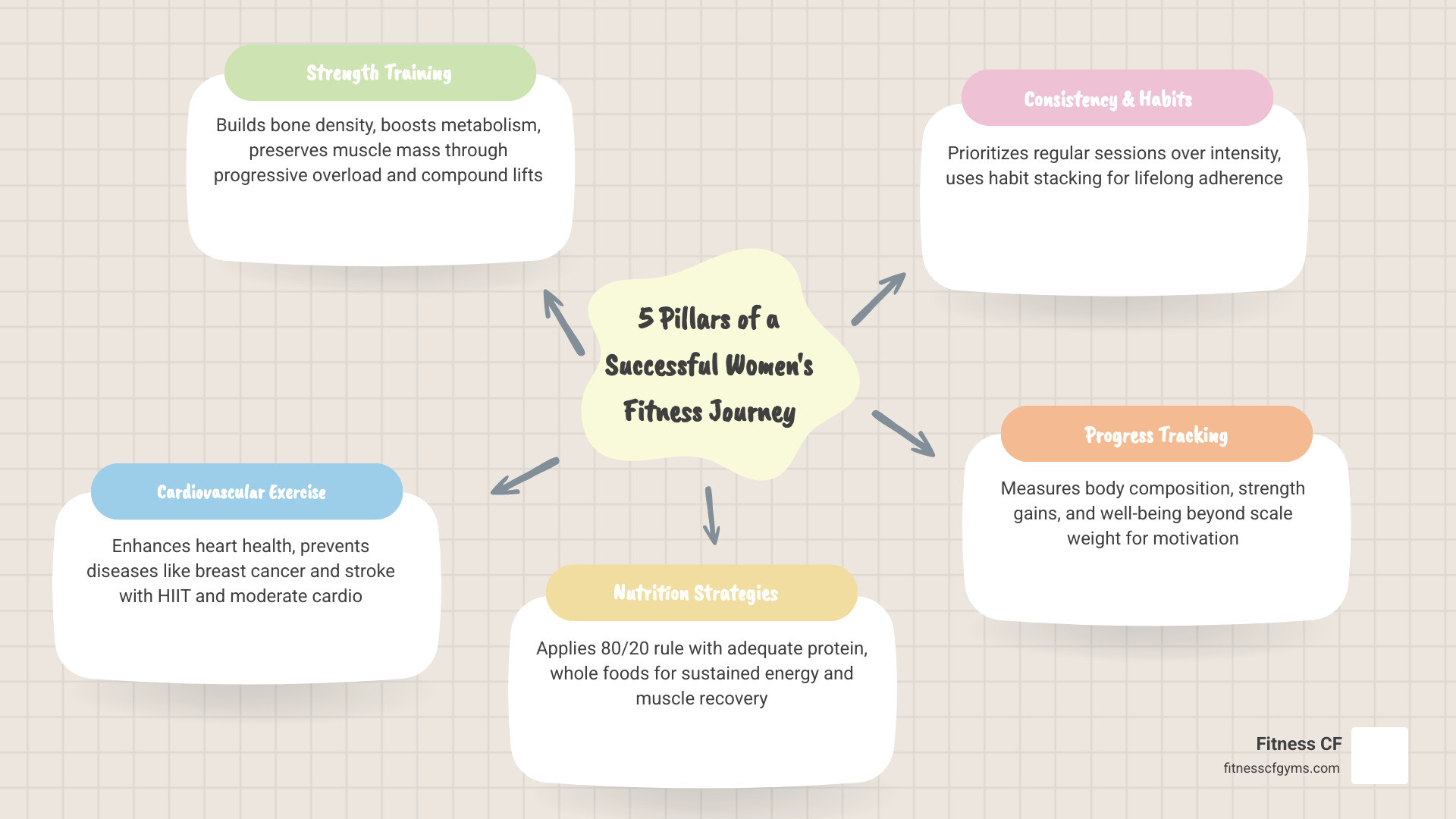
Similar topics to women’s fitness journey:
Why Your Women’s Fitness Journey Requires a Unique Approach
When we talk about a women’s fitness journey, we aren’t just talking about a “pink version” of a men’s workout. Our bodies operate on complex hormonal cycles that influence everything from our metabolism to our ligament laxity. Unlike men, who can often see quick results by simply cutting out alcohol or sugar, women’s bodies are governed by the hypothalamus—a part of the brain that is highly sensitive to calorie restriction and stress.
A study supported by the National Institutes of Health reports that women who exercise regularly lower their risk of early death more than men, even when women put in less effort. This biological advantage means that targeted, smart exercise is incredibly efficient for us. Furthermore, we must consider bone density. Because women are at a higher risk for osteoporosis, weight-bearing exercise isn’t optional; it’s a medical necessity. Understanding these differences is the first step in our Womens Only Gyms Guide.
Navigating Life Stages: From Your 20s to Menopause
Our fitness needs evolve as we move through different life chapters. In our 20s, the focus is often on building a baseline of cardiovascular health and establishing the habit of movement. However, as we hit our 30s and 40s, hormonal shifts—specifically the drop in estrogen—begin to change how our bodies process energy and maintain muscle.
During pregnancy and the postpartum period, the focus shifts toward core stability and functional strength to support a changing body. Once we reach perimenopause and menopause, “power training” becomes essential. As estrogen declines, we lose the natural stimulus for muscle growth. We compensate for this by lifting heavier weights with fewer repetitions. This “heavy lifting” signals the body to maintain lean muscle mass and bone density, as detailed in our Womens Only Gym Ultimate Guide.
Preventing Health Risks Through Active Living
Exercise is truly medicine for the female body. By engaging in a consistent women’s fitness journey, we can drastically reduce the risk of several life-threatening conditions:
- Osteoporosis: More than 25% of women over 65 suffer from this. Weight-bearing exercises like walking, dancing, or lifting weights are the best defense.
- Breast Cancer: Regular activity lowers risk by 12-21%. We recommend 150-300 minutes of moderate activity weekly to help prevent this diagnosis.
- Stroke: This is the fifth leading cause of death for women. Just 2.5 hours of moderate activity a week can significantly lower your risk.
According to medical experts at Weill Cornell, fitness improves heart health, cholesterol levels, and stress reduction. It’s not just about looking better; it’s about ensuring we are built to last.
The Power of Strength Training and Functional Movement

One of the biggest hurdles in a women’s fitness journey is the fear of “getting bulky.” We want to clear this up once and for all: women do not have the testosterone levels required to accidentally look like a professional bodybuilder. When you see women with significant muscle mass, it is the result of years of incredibly specific, high-intensity training and nutrition.
For the rest of us, lifting weights results in “toning”—which is actually just building muscle and losing fat simultaneously. Muscle is metabolically active tissue, meaning the more you have, the more calories your body burns at rest. You can read more about this in our article Myth Busting: Do Women Really Get Bulky From Weight Lifting?.
| Benefit | Strength Training | Cardiovascular Exercise |
|---|---|---|
| Metabolism | Increases resting metabolic rate | Burns calories during the activity |
| Bone Health | High impact on bone density | Moderate impact |
| Mood | Builds confidence and resilience | Immediate endorphin release |
| Longevity | Essential for mobility in old age | Essential for heart health |
Building a Strong Foundation in Your Women’s Fitness Journey
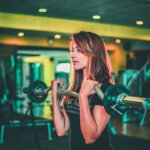
To get the most out of your time, we recommend focusing on compound movements. These are exercises that use multiple joints and muscle groups at once, such as squats, deadlifts, and overhead presses. Not only are these movements efficient, but they are also functional—they mimic the way we move in real life, like picking up a child or groceries.
Interestingly, a study on prehistoric women found that Neolithic women had arm bones 11-16% stronger than today’s elite rowers. Our female ancestors were incredibly strong because their daily lives required load-bearing work. We were never meant to be “thin and frail”; we were meant to be powerful. Starting with a Full Body Workout for Women is the best way to reclaim that innate strength.
High-Intensity Intervals and Cardiovascular Health
While strength is the foundation, cardiovascular health is the engine. High-Intensity Interval Training (HIIT) and sprint intervals are particularly beneficial for women. These involve short bursts of maximum effort (about 30 seconds) followed by longer recovery periods (1.5 to 2 minutes).
This type of training triggers the release of myokines—small proteins produced by muscular contraction that signal the body to reduce visceral fat and improve insulin sensitivity. This is far more effective for metabolic health than hours of “steady-state” cardio on a treadmill. Plus, it fits into a busy schedule! You can find these types of movements in many Fitness Classes For Women.
Nutrition and Mental Well-being: Fueling Your Progress
You cannot out-train a poor diet, but you also shouldn’t starve yourself. In a sustainable women’s fitness journey, we advocate for the 80/20 rule: 80% of your intake should come from nutrient-dense whole foods (vegetables, lean proteins, healthy fats), and 20% can be “fun foods” that keep you sane.
Women often make the mistake of dropping calories too low, which causes the hypothalamus to shut down metabolic processes to save energy. Instead, we need to fuel our workouts. This includes eating enough protein for muscle repair and complex carbohydrates for energy. Whole grains are especially important as they help boost serotonin levels, which regulates mood and sleep. For a deeper dive, check out our Female Muscle Fat Loss Workout Guide.
Combating Anxiety and Depression with Movement
The link between physical activity and mental health is undeniable. More than 20% of women in the U.S. experience a mental health condition each year. Exercise acts as a natural antidepressant by releasing endorphins and reducing levels of the body’s stress hormones, like adrenaline and cortisol.
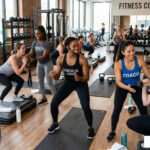
Furthermore, the social aspect of fitness shouldn’t be overlooked. Group classes provide a sense of community and social interaction that combats loneliness and provides accountability. Whether it’s a high-energy Zumba class or a centering Yoga session, the mental clarity gained is just as important as the physical gains. We explore this further in Womens Health Orlando.
Practical Steps to Start Your Women’s Fitness Journey Today
The hardest part of any journey is the first step. To make it easier, we recommend “habit stacking”—attaching a new fitness habit to something you already do. For example, “After I drop the kids at school, I will go straight to the gym for 30 minutes.”
Consistency will always beat intensity. It is better to work out for 30 minutes three times a week for a year than to work out for two hours every day for two weeks and then quit. If you’re feeling intimidated, look for Gyms That Have a Womens Section to help you feel more comfortable as you learn the ropes.
Overcoming Common Obstacles and Staying Motivated
Life happens. You might get sick, injured, or simply have a very busy week. The key is to avoid the “all or nothing” mindset. If you can’t do a full hour, do fifteen minutes. If you have a minor injury, focus on a different body part.
- Scale Fluctuations: Your weight can fluctuate 1-2 pounds daily due to water retention, salt intake, or your menstrual cycle. Don’t let the scale dictate your mood.
- Progress Photos: Take weekly photos. Often, you will see changes in your body shape (like Strong Toned Arms) long before the scale moves.
- Accountability: Find a workout buddy or a personal trainer. Knowing someone is waiting for you makes it much harder to hit the snooze button.
Frequently Asked Questions about Women’s Fitness
How much exercise do I need for disease prevention?
To significantly reduce the risk of breast cancer and stroke, aim for 150-300 minutes of moderate-intensity exercise (like brisk walking or water aerobics) or 75-100 minutes of high-intensity exercise (like running or a HIIT class) each week. Adding strength training twice a week is also recommended for bone health.
Will lifting heavy weights make me look bulky?
No. Women lack the high levels of testosterone necessary to build massive muscle bulk easily. Lifting heavy weights actually increases muscle density, which leads to a “toned” appearance and a faster metabolism. It helps you lose fat while keeping the curves you want.
How do I stay consistent when life gets busy?
Focus on “small wins.” Schedule your workouts like doctor’s appointments. If you’re short on time, a 15-minute circuit is better than nothing. Group fitness classes are also great because the set schedule and community atmosphere help keep you on track.
Conclusion
Your women’s fitness journey is a marathon, not a sprint. It’s about building a body that is strong enough to handle whatever life throws at it, from the physical demands of motherhood to the hormonal shifts of menopause. By focusing on consistency, embracing strength training, and fueling your body with intention, you are investing in a longer, happier, and more vibrant life.
At Fitness CF, we are dedicated to supporting women across Central Florida—from Orlando and Clermont to Mount Dora and St. Cloud—with the tools, classes, and community they need to succeed. Whether you need childcare while you lift or a supportive group in a Barre class, we are here to help you make this lifestyle sustainable.
Are you ready to take the first step? Start your journey at our St. Cloud Women’s Gym or visit any of our Central Florida locations today!