Healthy Living: Everyday Habits That Build a Stronger You
Healthy living is built on simple, repeatable choices that support your body and mind. When you pair a balanced routine with consistent habits, you boost energy, sharpen focus, improve mood, and protect long-term health.
Top pillars of a healthy lifestyle:
- Move daily: Aim to sit less and walk more—steps add up for heart, joint, and brain health.
- Strength train: Build muscle and bone density, improve posture, and support metabolism.
- Do cardio: Support your heart, lungs, and stamina while relieving stress.
- Nourish wisely: Center meals on lean protein, colorful plants, whole grains, and healthy fats.
- Prioritize sleep: 7–9 hours improves recovery, hormones, and appetite regulation.
- Manage stress: Breathwork, stretching, time outdoors, and mindfulness help regulate your nervous system.
- Recover well: Plan rest days, light movement, and mobility work to prevent burnout.
Focus on progress, not perfection. Small, consistent actions—like two strength sessions a week and a few brisk walks—compound into meaningful change.
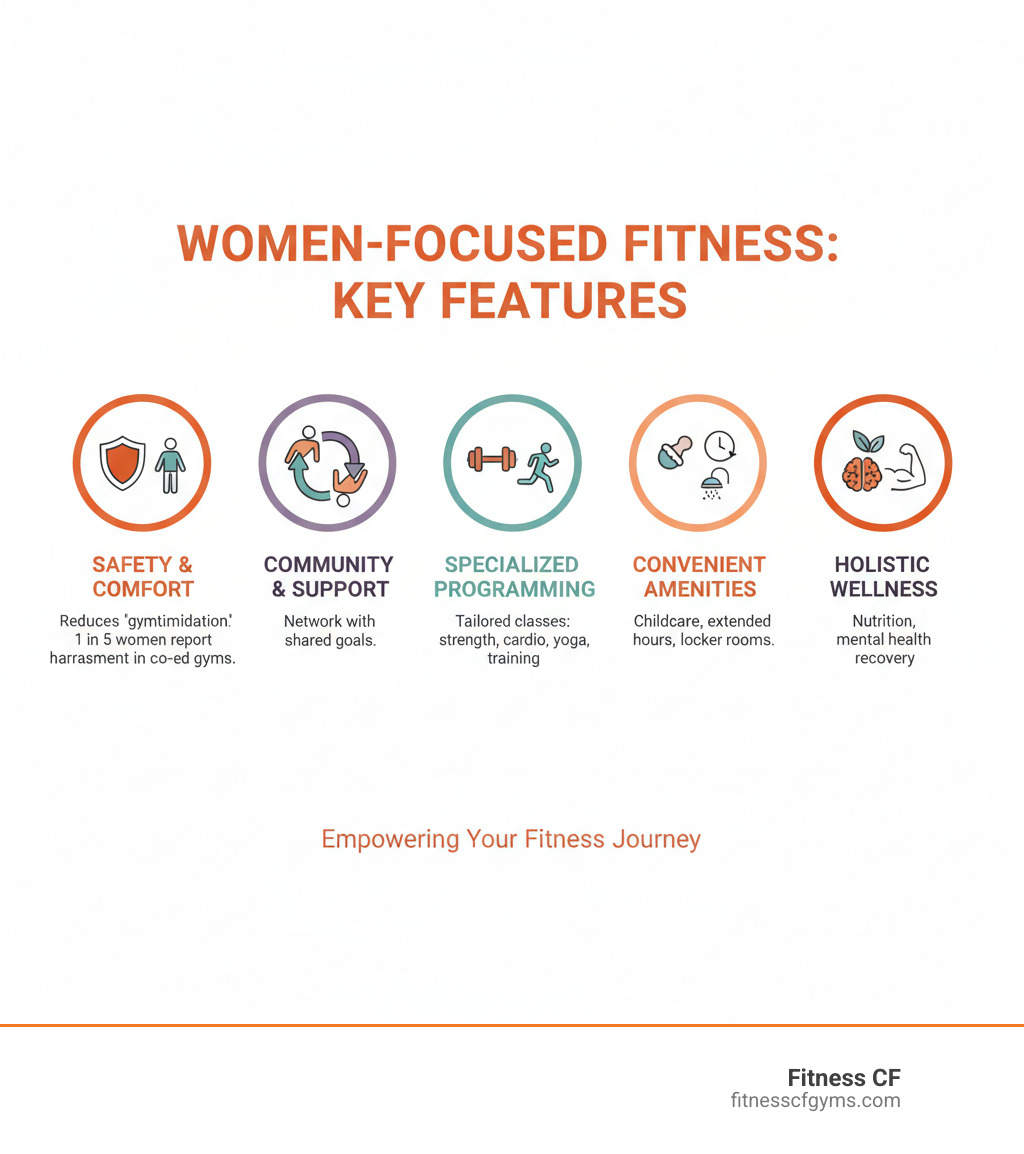
The “Why”: Motivation, Confidence, and Feeling Your Best
Many people start workouts feeling unsure—and then something shifts. You find your rhythm, your strength builds, and consistency becomes easier because you feel better in your body and mind.
Fitness supports confidence by giving you clear, measurable wins: a first push-up, a faster mile, a weight that feels easier than last month. These small victories add up to major self-belief.
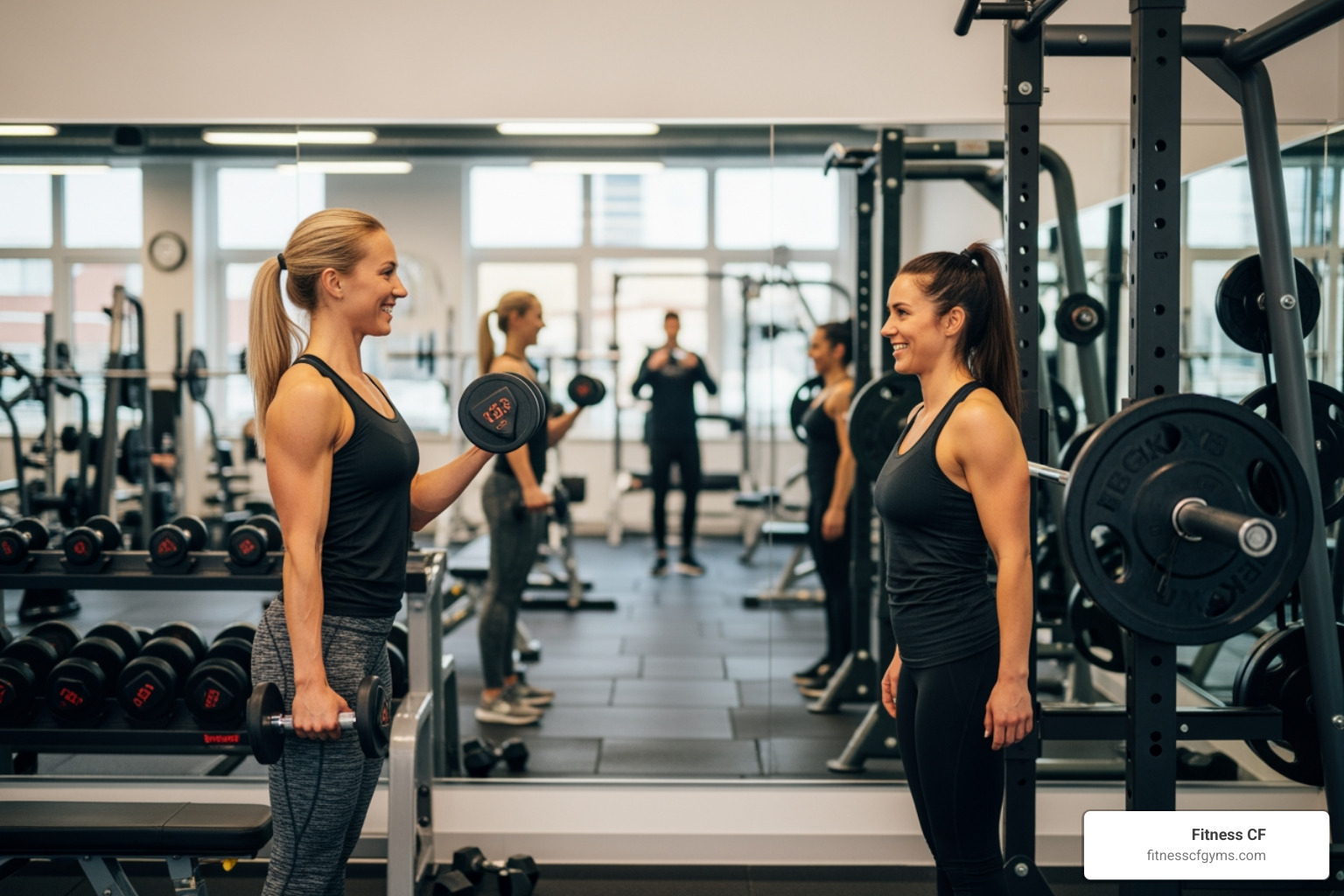
What helps most:
- Clear goals: Tie your workouts to outcomes that matter to you—more energy, better sleep, feeling strong.
- Judgment-free mindset: Focus on learning skills and celebrating progress, not perfection.
- Support systems: Share goals with a friend, family member, or online group for accountability.
- Process over outcome: Track habits (workouts, steps, water, sleep). Results follow consistent actions.
When you train with intention and self-compassion, workouts become a tool for long-term health and lasting confidence.
Building a Foundation for Lifelong Health
When we talk about fitness, it’s easy to focus only on the workouts themselves. But true health goes deeper than that. It’s about building habits that support you for years to come—strength that carries you through daily life, endurance that keeps your heart healthy, and practices that nurture both body and mind.
A holistic view of wellness is key. Whether you’re just starting out or you’ve been training for years, understanding these core components will help you create a balanced routine that truly serves your long-term health.
The Power of Strength Training
Let’s address the elephant in the room first: no, lifting weights will not make you “bulky.” This myth has held too many women back from experiencing the incredible benefits of strength training. The truth is, building significant muscle mass requires specific training protocols and nutrition plans that go far beyond typical strength workouts. What you will get is a lean, toned physique and a body that functions better in every way.
One of the most powerful benefits of strength training is boosting metabolism. Here’s why this matters: muscle tissue is metabolically active, meaning it burns calories even when you’re sitting on the couch watching your favorite show. The more muscle you build, the more efficiently your body uses energy throughout the day. This natural metabolic boost makes managing your weight easier and gives you more freedom with your nutrition choices.
As women, we also need to think about improving bone density. This becomes especially important as we age and our natural bone density begins to decline. Regular resistance training actually stimulates bone growth, helping to prevent osteoporosis and reduce fracture risk. According to the National Osteoporosis Foundation, weight-bearing and muscle-strengthening exercises are essential for bone health. Think of it as an investment in your future self—the strength you build today protects your independence tomorrow.
The functional strength you gain from resistance training shows up in everyday moments. Carrying groceries becomes easier. Lifting your kids or grandkids doesn’t leave you sore. Rearranging furniture on a whim? No problem. These might seem like small things, but they add up to a life where you feel capable and confident in your body’s abilities.
And speaking of confidence—the mental and emotional benefits of strength training are profound. There’s something deeply empowering about watching yourself get stronger, about lifting weights you couldn’t budge a few months ago, about feeling powerful in your own skin. The confidence gained in the weight room can carry over into careers, relationships, and personal challenges. Strength training builds both physical and mental resilience, creating a foundation that supports you in all areas of life.
The Importance of Cardiovascular Exercise
While strength training builds power, your heart needs attention too. Cardiovascular exercise is essential for maintaining a healthy heart and building the endurance that carries you through long, active days. The good news? Cardio doesn’t have to mean endless hours on a treadmill. There are so many engaging ways to get your heart pumping.
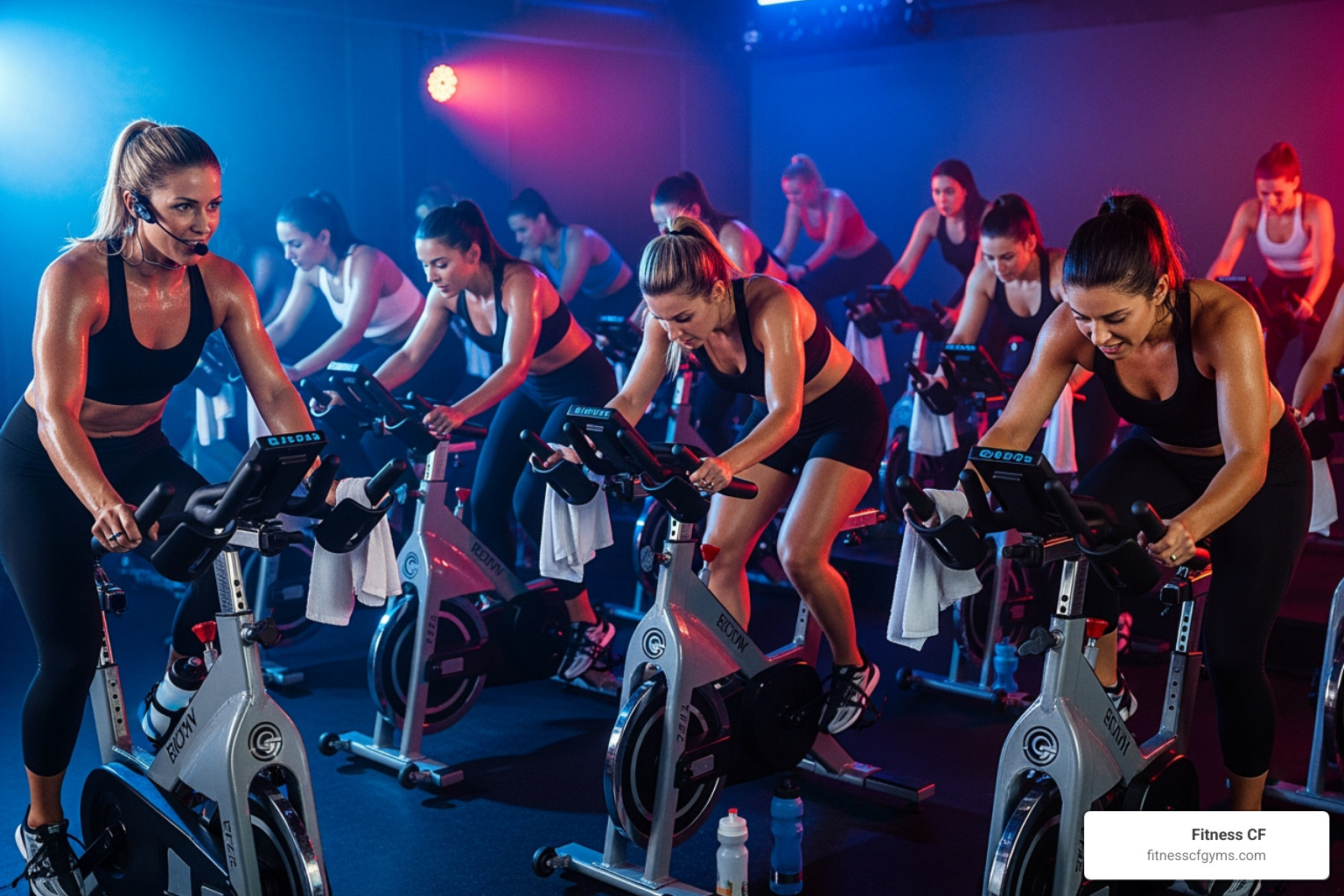
Regular cardio work strengthens your heart muscle and improves circulation throughout your body. This reduces your risk of heart disease, stroke, and high blood pressure—conditions that affect millions of women. The American Heart Association recommends at least 150 minutes of moderate-intensity aerobic activity per week for optimal cardiovascular health. But the benefits extend beyond the physical. Cardiovascular exercise is one of the most effective stress reduction tools available. When you get your heart rate up, your body releases endorphins—those feel-good chemicals that naturally boost your mood and ease anxiety.
Many women find their cardio sessions feel like moving meditation. The rhythmic nature of activities like cycling or rowing can clear your mind and help you process the day’s stress. You walk in feeling overwhelmed and walk out feeling refreshed and ready to tackle whatever comes next.
Cardio also plays a key role in weight management. By burning calories during your workout and improving your overall metabolic function, it complements your strength training perfectly. Together, these two types of exercise create a powerful combination for achieving and maintaining a healthy weight.
Diverse cardio options can keep your workouts fresh and challenging:
- High-Intensity Interval Training (HIIT): Short bursts of all-out effort followed by brief recovery periods make HIIT incredibly efficient for burning calories and building endurance in less time.
- Indoor Cycling (Spin): High-energy spin classes combine motivating music with a supportive group atmosphere, providing a low-impact workout that builds serious stamina.
- Rowing: This full-body cardio option engages your legs, core, and upper body all at once while being gentle on your joints.
- Dance Fitness (like Zumba): Sometimes the best workout doesn’t feel like work at all—dance fitness lets you move to the music while getting your heart rate up.
- Step Aerobics: A classic for good reason, step aerobics improves coordination while targeting your lower body and cardiovascular system.
The key is finding what you enjoy. When you look forward to your cardio sessions, you’re far more likely to stick with them long-term.
Holistic Wellness and Recovery
True wellness extends beyond the workout itself. It acknowledges the mind-body connection—the undeniable link between your mental, emotional, and physical health.
This is where practices like yoga and Pilates become invaluable. These modalities do more than improve flexibility and balance (though they certainly do that). They build core strength, improve body awareness, and cultivate mindfulness. When you practice yoga or Pilates, you’re training your mind to stay present and focused. You’re learning to listen to your body’s signals. You’re building a sense of calm that stays with you long after class ends.
We also can’t talk about holistic wellness without addressing nutrition. What you eat directly impacts how you feel, how you perform, and how well your body recovers. Proper nutrition fuels your workouts, supports muscle recovery, and provides the energy you need for daily life. Seeking out resources and guidance can help you make informed choices that support your individual goals and contribute to long-term health.
The mental health benefits of regular exercise deserve special attention. Study after study shows that physical activity reduces symptoms of depression and anxiety, improves sleep quality, and boosts self-esteem. In women-focused settings, these benefits are amplified by the supportive community around you. You’re not just working out—you’re connecting with others, building friendships, and creating a network of encouragement that uplifts you on difficult days.
Finally, let’s talk about recovery. Your body needs time to repair and rebuild after challenging workouts. Effective recovery methods like stretching, foam rolling, and utilizing amenities like saunas aren’t luxuries—they’re essential components of a sustainable fitness routine. These practices improve circulation, reduce muscle soreness, prevent injury, and promote deep relaxation.
When you prioritize recovery as much as you prioritize your workouts, you’re setting yourself up for consistent, long-term progress rather than burnout.
This holistic approach—combining strength training, cardiovascular exercise, mindful movement, proper nutrition, and adequate recovery—creates a balanced foundation for lifelong health. It’s not about perfection or following rigid rules. It’s about finding a sustainable rhythm that supports your body, mind, and spirit for the long haul.
What to Focus on in Your Training and Self-Guided Plan
Core principles of an effective plan:
- Progressive overload: Gradually increase weight, reps, sets, or time to keep improving.
- Balanced week: Combine 2–4 strength sessions with 2–4 cardio sessions and regular mobility work.
- Movement foundations: Hinge, squat, push, pull, carry, and rotate for full-body strength.
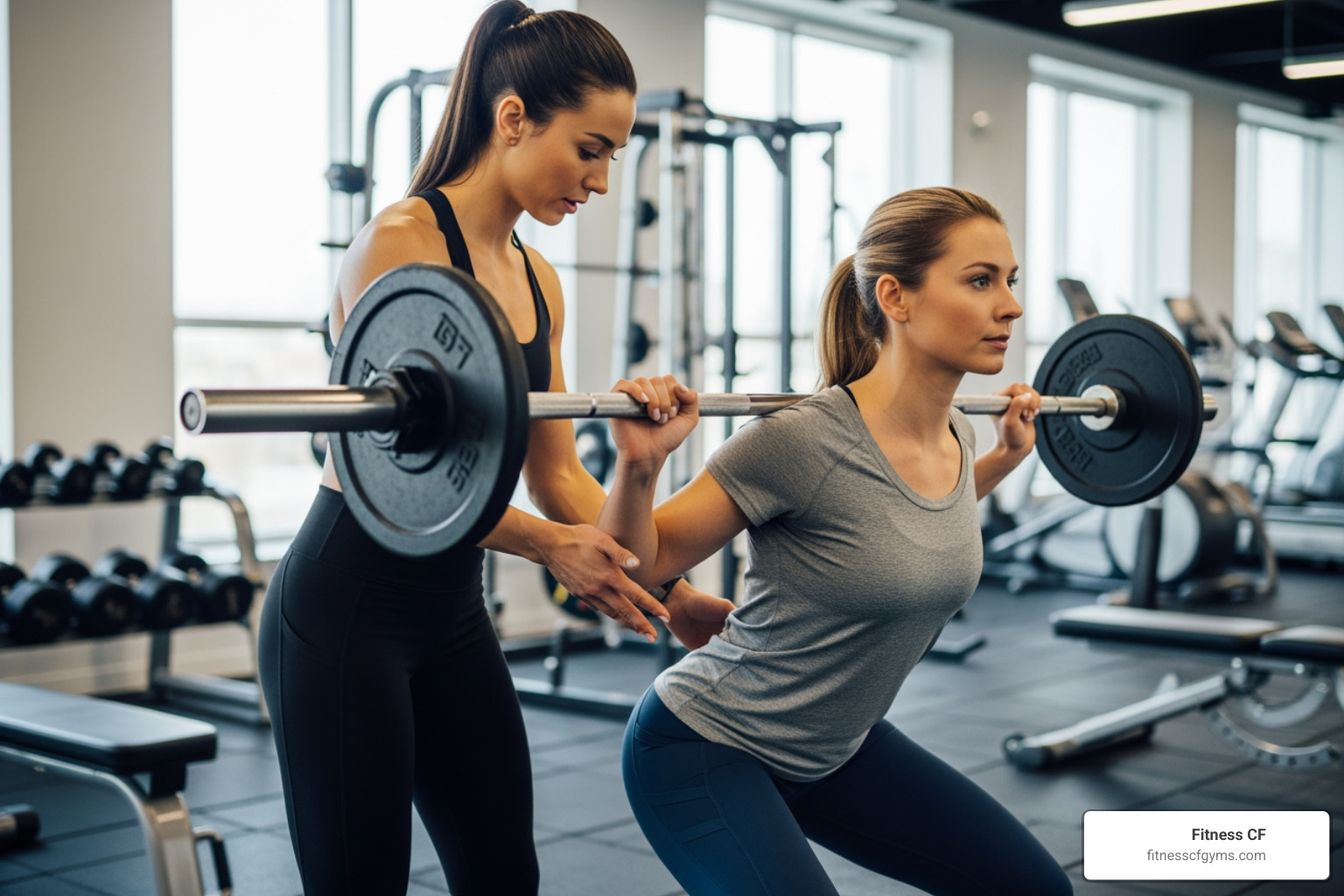
- Technique first: Master form before adding load; use a warm-up that preps joints and core.
- Recovery: Schedule rest days, deload weeks every 6–10 weeks, and prioritize sleep and protein.
- Track and adjust: Log workouts, note energy and soreness, and tweak volume or intensity as needed.
If you seek guidance, look for evidence-based information and qualified professionals who:
- Hold reputable certifications and understand women’s health across life stages.
- Communicate clearly, individualize programs, and progress you safely.
- Emphasize skill-building, strength, mobility, and cardio fitness—not quick fixes.
Frequently Asked Questions about Healthy Fitness Routines
Will lifting weights make me bulky?
No. Significant muscle gain requires specific training volume, high calorie intake, and years of focused work. Most people build lean, defined muscle that supports joint health, metabolism, and daily function.
How much cardio and strength do I need?
General guidelines: 150–300 minutes of moderate cardio (or 75–150 minutes vigorous) per week, plus at least 2 days of muscle-strengthening work covering all major muscle groups.
What type of cardio is best?
The one you’ll do consistently. Mix steady-state (brisk walking, cycling, swimming) for endurance with intervals (HIIT) for efficiency. Low-impact options protect joints while still boosting fitness.
How many days should I lift?
Begin with 2–3 nonconsecutive days per week. As you adapt, 3–4 days can provide more stimulus while leaving room for recovery.
How do I know if I’m recovering well?
You sleep 7–9 hours, soreness subsides within 48–72 hours, performance trends upward, and motivation remains steady. Support recovery with protein (~1.2–1.7 g/kg/day), hydration, nutrient-dense meals, light movement, and stress management.
I’m short on time—what works?
Full-body strength 2–3x/week (30–40 minutes), plus short cardio intervals (10–20 minutes). Supersets and circuits make sessions efficient.
Can I train around my menstrual cycle?
Yes. Many feel strongest during the late follicular/ovulatory phase; some prefer more recovery and steady-state work in the late luteal phase. Adjust intensity based on energy, sleep, and symptoms.
Do I need special equipment?
No. You can build strength with bodyweight, bands, or dumbbells. Add load and complexity over time. Consistency beats complexity.
How do I stay consistent?
Schedule sessions like appointments, start with small goals (e.g., 2 workouts/week), stack habits (walk after lunch), and track wins to stay motivated.
Conclusion: Build Health You Can Rely On
Healthy living thrives on consistency, not perfection. Combine strength training to protect muscle and bones, cardio to support your heart and mood, nourishing meals, quality sleep, and stress management. Start small, progress gradually, and celebrate every step.
Your strongest, healthiest self is built one choice at a time—begin today with a simple plan you can sustain.