Soothe Your Aches: The Best Pain Relief Balms
When muscle aches and joint stiffness try to slow you down, finding the best balm for pain relief can make all the difference in staying active. Many people turn to topical solutions for targeted relief. These balms can help soothe discomfort and keep you moving through your workouts and daily life.
Here are some top-rated options for quick relief:
- Best Overall: Biofreeze Professional Pain Relief Gel (fast-acting, long-lasting menthol)
- Best Budget-Friendly: Tiger Balm Ultra Strength Pain Relieving Ointment (menthol, camphor, powerful and long-lasting)
- Best for Arthritis: Voltaren Arthritis Pain Gel (diclofenac, reduces inflammation at the source)
- Best Numbing: Tylenol Precise Pain Relieving Cream (lidocaine, provides targeted nerve numbing)
Whether you’re battling post-workout soreness, chronic joint discomfort, or everyday aches, topical solutions offer targeted relief. They can help you get back to your fitness routine faster and maintain consistency.
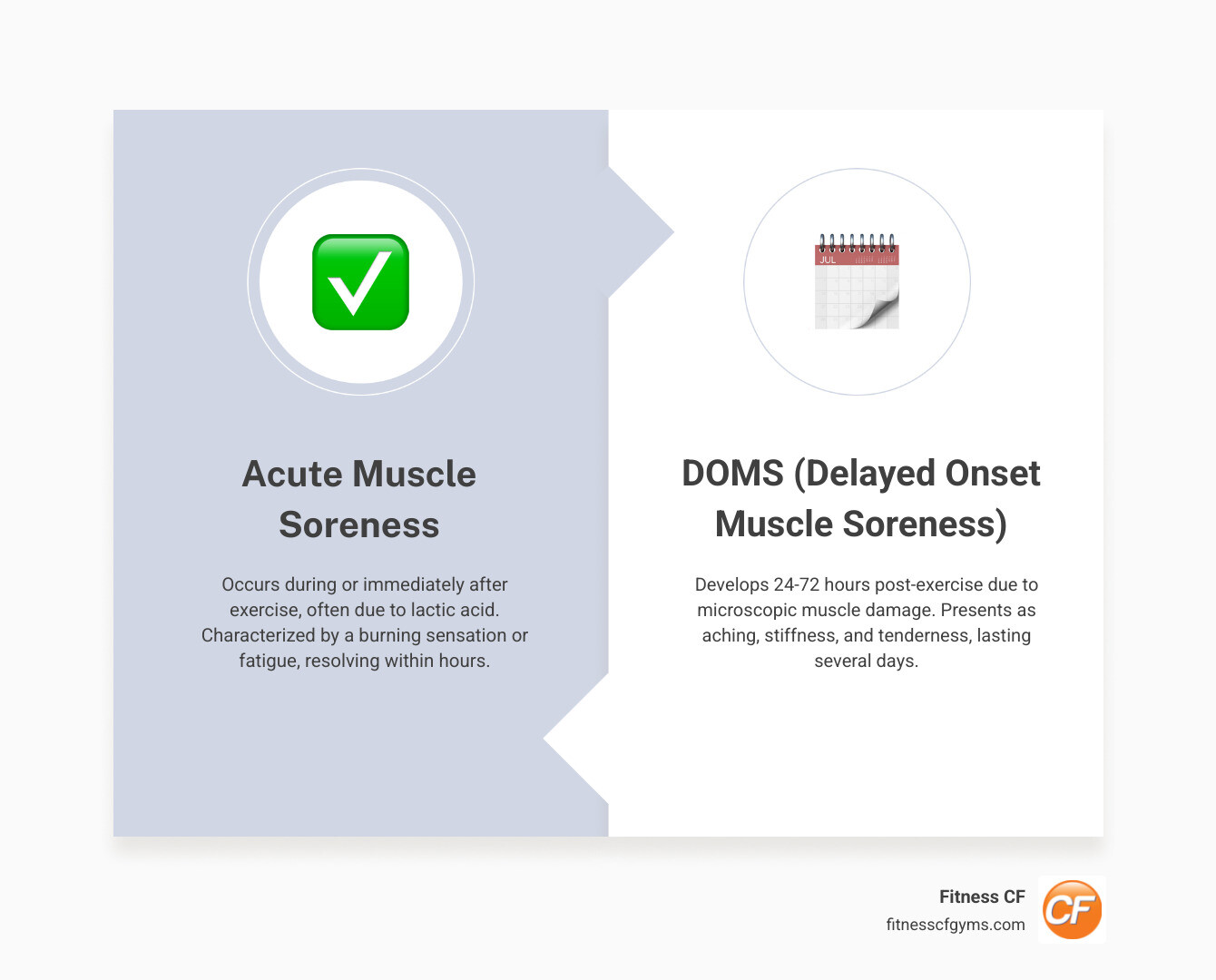
I’m Pleasant Lewis, and with over 40 years in the fitness industry, I’ve seen how crucial effective pain management is for staying active. My goal is to help you find the best balm for pain relief to support your healthy lifestyle and keep you moving. Understanding the different types of muscle soreness is the first step in choosing the right relief.
How Pain Relief Balms Work Their Magic
When aches from an active lifestyle arise, topical pain relief balms offer a scientific solution. They use a mix of active ingredients to tackle discomfort in several ways.
Many balms use counterirritants like menthol and camphor. These create a cooling or warming sensation that distracts your brain from the pain. This aligns with the Gate Control Theory of Pain, where these sensations can “close” nerve gates, blocking pain signals. As chiropractor Matthew Cavanaugh notes, counterirritants create a “soothing surface irritation” that disrupts pain signals.
Other balms contain anesthetics like lidocaine, which temporarily numb the area by blocking the nerve signals that transmit pain messages to your brain.
Finally, anti-inflammatory ingredients like arnica, CBD, or diclofenac target the source of the pain. They reduce the inflammation that causes discomfort from conditions like arthritis or muscle strains. Research shows topical relievers can cut pain by up to 50 percent, with relief often starting within 30 to 60 minutes.
Understanding these mechanisms helps you find the best balm for pain relief for your specific needs.
Cooling vs. Warming Balms: Which is Right for You?
The sensation a balm provides—cooling or warming—is tied to how it works and the type of pain it best relieves.
Cooling balms, with ingredients like menthol and camphor, offer an immediate icy sensation that soothes fresh injuries or new muscle soreness. The cooling effect causes vasoconstriction (narrowing of blood vessels), which helps reduce swelling and inflammation after a tough workout. Think of it as a portable ice pack that eases muscle soreness by disrupting pain signals.
Warming balms use ingredients like methyl salicylate or capsaicin to create a deep heat that’s ideal for chronic stiffness or preparing muscles for activity. The warmth promotes vasodilation (increased blood flow), which relaxes muscles, delivers nutrients, and flushes out waste products. This makes them great for nagging aches or as a pre-workout rub.
Choosing between them depends on your pain. For a fresh sprain or post-workout burn, go with cooling. For lingering stiffness or pre-activity loosening, warming is better. Some balms even offer a dual cool-to-warm action.
The Science Behind Key Ingredients
Understanding the active ingredients in your pain relief balm helps you choose the right one for your needs.
Menthol & Camphor: This duo acts as counterirritants, creating sensations that override pain signals. Menthol activates the cold-sensing TRPM8 receptor in your nerves for a cooling feeling. Camphor adds a warming effect and mild pain relief. Together, they create a powerful sensory distraction from pain.
Lidocaine: As a local anesthetic, lidocaine numbs the application area by blocking sodium channels in nerve cells. This prevents pain signals from reaching the brain. A 2024 study showed its effectiveness for muscle-related neck pain. It’s also often odor-free, a plus for those sensitive to strong scents.
Diclofenac: This is a topical nonsteroidal anti-inflammatory drug (NSAID) that reduces inflammation at the source. It works by blocking the production of pain-signaling chemicals called prostaglandins. It’s often recommended for joints close to the skin, like hands and knees, and typically has fewer side effects than oral NSAIDs.
Natural Options like Arnica and CBD: For plant-based solutions, arnica and CBD are popular. Arnica has long been used for pain, bruising, and inflammation, with one study finding it as effective as ibuprofen for osteoarthritis pain. CBD (cannabidiol) is known for its anti-inflammatory benefits and ability to ease muscle pain. It interacts with the body’s endocannabinoid system to regulate inflammation. A 2021 study noted that CBD can make pain feel less unpleasant. You can learn more about CBD’s anti-inflammatory benefits here.
These ingredients offer diverse options for managing pain and staying consistent with your fitness goals.
Our Picks for the Best Balm for Pain Relief
Stepping into pain relief balms can feel a bit overwhelming, right? With so many promising options, how do you find the best balm for pain relief that truly works for you? Don’t worry, we’ve got your back! We’ve sorted through the best of the best, categorizing them by their star ingredients and the specific types of aches they’re designed to soothe. Our mission is simple: to help you find your perfect match so you can get back to crushing your fitness goals and enjoying every active moment.
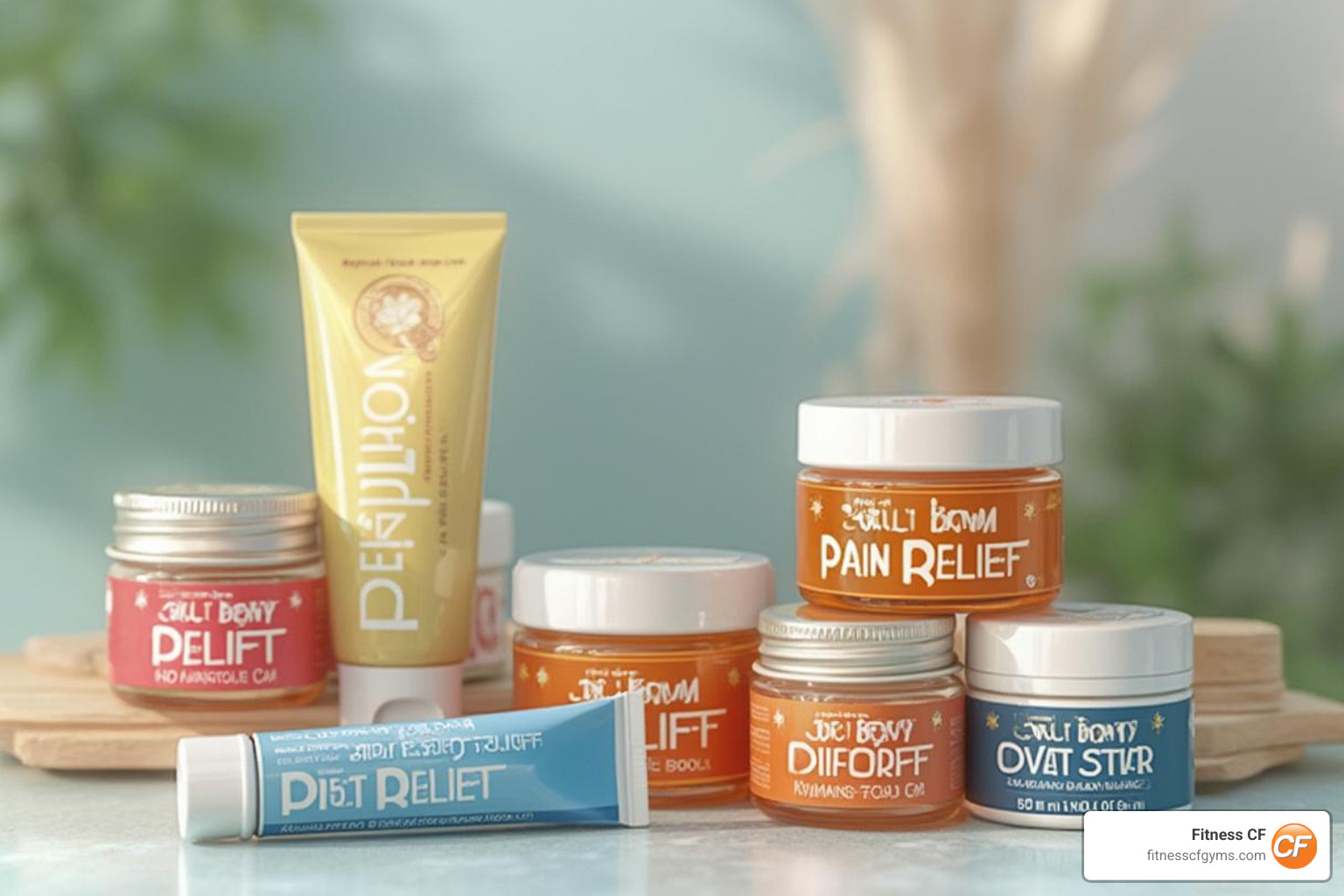
This section will review categories of products based on their active ingredients and best use cases, helping you find the perfect match for your needs.
Best All-Around: A Menthol-Based Cooling Gel
When that post-workout muscle soreness kicks in – you know, the kind that reminds you of every rep – a menthol-based cooling gel is often a fantastic first line of defense. It delivers an immediate, refreshing sensation that not only helps distract from discomfort but also feels incredibly soothing on those tired, hardworking muscles. It’s a true hero for general muscle aches, helping you recover faster and stay on track with your fitness routine.
We recommend Biofreeze Professional Pain Relief Gel as an all-around superstar. It’s praised for its fast-acting and long-lasting formula. The powerful 5% menthol creates an icy sensation that quickly intercepts pain signals for effective muscle relief. It’s also non-greasy and absorbs smoothly, with added aloe and vitamin E to soften the skin. Customers love its effectiveness and ease of use, with one reviewer noting, “[It’s] easy to apply and works fast. It definitely works great for lower back pain.”
Best Budget-Friendly: A Classic Counterirritant Balm
Who says effective pain relief has to break the bank? Sometimes, the most straightforward solutions are also the most powerful, especially when they come with a friendly price tag. A classic counterirritant balm can deliver robust, lasting relief, proving that you don’t need to spend a fortune to feel better and keep up with your active lifestyle.
Our top budget-friendly pick is Tiger Balm Ultra Strength Pain Relieving Ointment. This iconic balm offers powerful, long-lasting relief. Packed with 11% camphor and 11% menthol, it provides a cool-to-warm sensation that distracts from discomfort. As chiropractor Matthew Cavanaugh notes, these counterirritants disrupt arthritis pain signals. Customers praise its effectiveness for sore muscles, with one reviewer stating, “Within 20 minutes, I forgot the pain was there in the first place.”
Best for Joint Pain: An NSAID-Based Gel
For those nagging joint pains, especially if they’re tied to conditions like arthritis, you need something that goes beyond just masking the discomfort. That’s where an NSAID-based topical gel shines! It offers targeted anti-inflammatory action right where it’s needed most, helping you stay mobile and active.
For joint pain, we recommend Voltaren Arthritis Pain Gel. This FDA-approved gel is designed to relieve arthritis pain. Its active ingredient, 1% diclofenac sodium (an NSAID), reduces inflammation by blocking pain-signaling chemicals. It’s effective for joints like the hands and knees. The gel has an Arthritis Foundation Commendation for its “easy-twist cap” and is praised for being odorless while reducing aches for hours. One reviewer noted, “After immediately applying the gel…for a few days, we both felt some pain relief.” Always consult your doctor before starting a new product like Voltaren and follow label instructions to ensure it’s right for you and to avoid side effects.
Best Natural Option: An Arnica-Infused Balm
If you prefer to accept nature’s healing touch for your aches and pains, an arnica-infused balm is a wonderful choice. These plant-based solutions offer a gentle yet remarkably effective way to find relief, often improved by other soothing botanicals. It’s a great fit for those who value natural ingredients in their journey towards holistic wellness and consistent fitness.
Our pick for the best natural option is Dr. Bronner’s Arnica-Menthol Organic Magic Balm. It features a powerful blend of organic ingredients, with arnica at its core. Studies have found arnica gel as effective as ibuprofen for osteoarthritis pain. This balm combines arnica with menthol and peppermint oils for a cooling sensation and pleasant minty scent. Customers praise its effectiveness, aroma, and quality. One user called it “fantastic,” noting it’s not greasy and “smells yummy!” It’s a great choice for everyday aches, bruising, and muscle fatigue, supporting a holistic approach to wellness.
Best for Nerve Pain: A Lidocaine-Based Cream
When pain feels sharp, burning, or even tingly – often tell-tale signs of nerve discomfort – you need a solution that can quickly and effectively quiet those signals. That’s precisely where a powerful numbing agent like lidocaine comes into play, offering significant, targeted relief right where you need it most to keep you comfortable and moving.
For nerve pain, our top choice is Aspercreme With Lidocaine Maximum Strength Pain Relief Cream. Its fast-acting formula features 4% lidocaine to numb the area and provide immediate, targeted relief. This cream is also fragrance-free, a bonus for those sensitive to smells. Studies show lidocaine can help with muscle-related neck pain and various nerve pain conditions. With added aloe vera, it also moisturizes the skin. It’s excellent for directing numbing power precisely where you need it, helping you get back to your routine with less interruption.
Integrating Balms into Your Active Lifestyle
Staying active is such a joy, isn’t it? Whether you love the challenge of strength training, the energy of a cardio session, or the calm of a yoga flow, movement is key to a healthy life. But let’s be honest, sometimes pain tries to get in the way. That’s where pain relief balms step in! They’re not a magic bullet on their own, but they are a crucial part of a bigger plan to manage discomfort. They can help you push past those little aches, stay consistent with your fitness goals, and keep enjoying all the wonderful benefits of moving your body.
A Key Tool in Your Recovery Toolkit
We’ve all been there: you’ve put in an amazing workout, your muscles feel alive, and then a few hours later, the soreness sets in. This is exactly where a topical pain relief balm truly shines! Balms offer localized relief, meaning they go right to work on the exact spot that hurts. This provides targeted soothing without affecting your whole body. It’s a big plus compared to oral pain medications, as balms usually come with fewer systemic side effects.
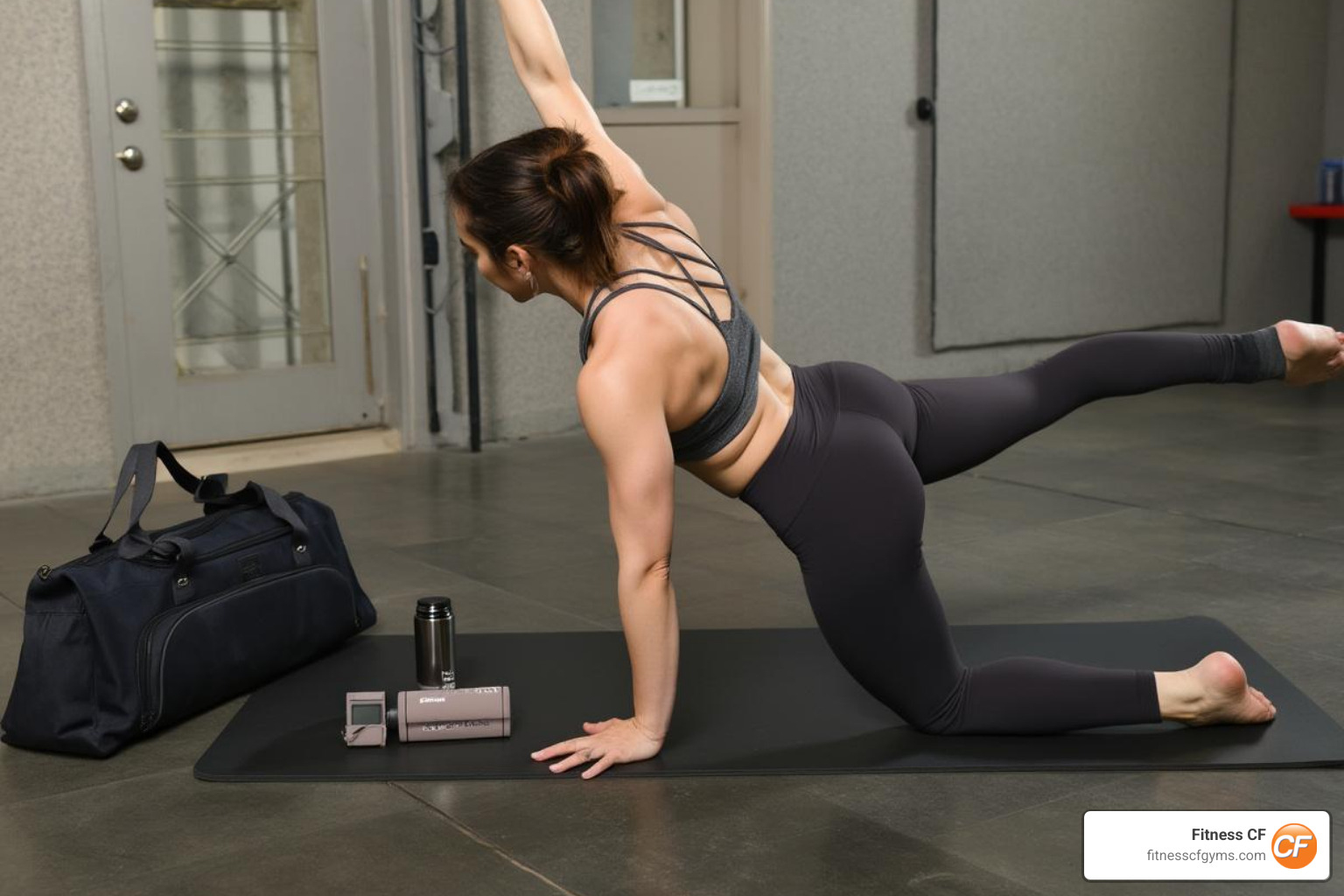
Think of your pain relief balm as another trusty item in your recovery toolkit, right next to your foam roller, resistance bands, and water bottle. Rubbing on a balm after your workout, especially during your cool-down, can help manage that immediate soreness. It also helps prepare your muscles for your next sweat session. This proactive way of handling discomfort is super important for staying consistent and reaching your fitness milestones. It’s also part of active recovery, helping your body bounce back faster.
Beyond the Balm: Building a Resilient Body
While the immediate comfort of a pain relief balm is fantastic, we also know that true strength and resilience come from building a healthy body from the inside out. We believe in a complete approach to wellness that looks beyond just treating symptoms.
- The Power of Strength Training: Strength training is vital for joint stability and injury prevention. Strong muscles better support your joints, reducing stress and cutting down on aches and pains over time.
- The Magic of Regular Cardio: Cardio activities like running or cycling boost heart health and improve circulation. Better blood flow delivers more oxygen and nutrients to your tissues, speeding up recovery and reducing swelling.
- The Importance of Flexibility and Mobility: Stretching and mobility work help you maintain a full range of motion, prevent stiffness, and lower your risk of strains and sprains. A flexible body is more resilient.
By pairing the comfort of a best balm for pain relief with consistent strength, cardio, and flexibility work, you’ll build a truly resilient body.
Safety First: How to Use the best balm for pain relief Safely
Your well-being is always our top priority, so here are some important safety tips:
First, always do a patch test. Apply a small amount to your forearm and wait 24 hours to check for an allergic reaction or irritation.
Next, do not apply to broken skin or wounds, as this can cause burning and worsen irritation.
Always wash your hands thoroughly after application, especially with balms containing menthol, camphor, or capsaicin, to avoid transferring them to sensitive areas like your eyes.
Watch for potential side effects like skin irritation, redness, or a rash. Stop use if this occurs. Seek medical attention for severe burning or blistering.
Finally, know when to consult a doctor. If pain is sudden, severe, or lasts more than a few days, talk to your doctor. Also, consult a healthcare professional if you are pregnant, breastfeeding, have sensitive skin, or are taking other medications. Always follow the product label, as the recommended frequency and duration of use vary.
Frequently Asked Questions about Pain Relief Balms
We get a lot of questions about topical pain relief, and we’re happy to clear up some common curiosities to help you use these products effectively and safely. Whether you’re new to using the best balm for pain relief or you’ve been relying on them for years, understanding how they work can help you get the most out of your recovery routine.
How long does it take for a pain relief balm to work?
The onset of action for a pain relief balm can vary depending on the active ingredients and your individual response. Generally, many topical pain relievers can take between 30 minutes and 1 hour to be effective.
You might feel that familiar cooling or warming sensation almost immediately after application – that’s the counterirritants like menthol and camphor getting to work on your skin’s surface. But the full pain-relieving effect often takes a little longer as the active ingredients penetrate deeper and begin working on the underlying tissues or nerve signals.
Think of it like your post-workout protein shake – you feel the immediate satisfaction of drinking it, but the real muscle-building benefits happen over time. The same principle applies to pain relief balms, so be patient and give them time to work their magic.
Can I use a heating pad with a warming balm?
No, we strongly advise against using a heating pad with a warming balm. This is one of those “more is not better” situations that can actually be dangerous. Combining the two heat sources can significantly increase the temperature on your skin, leading to burns, blistering, or severe irritation.
Think about it this way – if you’re already feeling that warming sensation from your balm, adding external heat is like turning up the thermostat when you’re already comfortable. Most warming balms explicitly warn against this on their labels, and there’s a good reason for that warning.
If you really need additional heat therapy for your recovery routine, apply the heating pad to the area before or after using the balm, allowing sufficient time for one effect to wear off before introducing the other. Your skin will thank you for the consideration.
How often can I apply pain relief balms?
The frequency of application depends on the specific product and its active ingredients, but most over-the-counter pain relief balms recommend applying them not more than 3 to 4 times daily. It’s crucial to always follow the instructions provided on the product label – they’re there for your safety and effectiveness.
Overusing a balm, especially those with strong counterirritants or numbing agents, can lead to skin irritation or, in rare cases, unwanted absorption of ingredients into your bloodstream. These products are designed to be effective at the recommended doses, so more frequent application won’t necessarily give you better or faster relief.
As part of your overall fitness and recovery routine, consistency matters more than intensity. Just like you wouldn’t do seven workouts in one day to make up for a week of missed sessions, applying balm excessively won’t make up for proper rest, stretching, and gradual conditioning of your muscles and joints.
Conclusion: Stay Active and Pain-Free
We’ve journeyed through the fascinating world of pain relief balms, uncovering how their special ingredients work their magic and helping you pinpoint the best balm for pain relief for your unique needs. It’s clear that these balms are more than just a quick fix; they’re a valuable ally in your quest to stay active and feel great.
Think of it this way: when you can quickly soothe those muscle aches or joint stiffness, you’re much more likely to stick with your fitness routine. That consistency is gold! It means showing up for your workouts, whether it’s a vigorous cardio session, a strength-building challenge, or a relaxing yoga class. When pain doesn’t hold you back, you keep moving forward.
While balms offer wonderful immediate relief, the true secret to long-term pain management and overall well-being lies in embracing a healthy, active lifestyle. This means nourishing your body with good food, engaging in regular exercise, and making sure you get proper rest and recovery. It’s a holistic approach that builds a strong, resilient you.
And that’s precisely where Fitness CF comes in. We’re passionate about helping you accept movement and live your healthiest life. We offer the community and expert guidance you need to support every step of your fitness journey, empowering you to stay active, pain-free, and full of vitality.