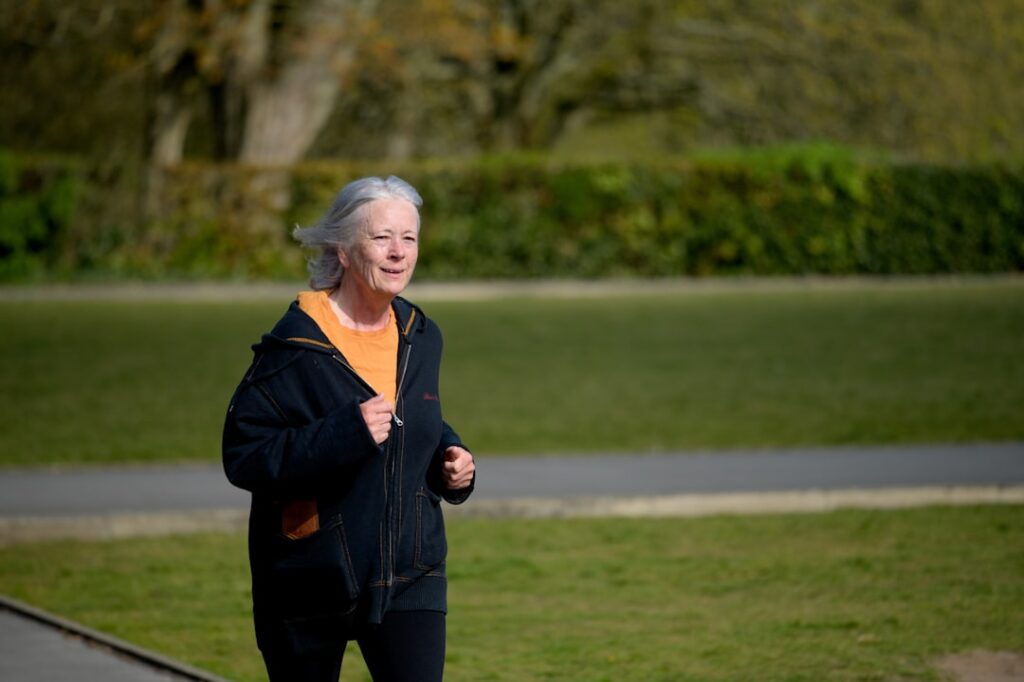
Why Low-Impact Exercise Matters for Aging Well
A low impact workout for seniors is one of the most effective ways to stay active, maintain independence, and improve your quality of life. These joint-friendly exercises help you build strength, improve balance, and boost cardiovascular health without putting excessive stress on your body. Growing older doesn’t have to mean declining physical fitness; in fact, it’s the perfect time to invest in your health.
Top Low-Impact Workouts for Seniors:
- Walking – Improves heart health and reduces fall risk by 23%
- Water Aerobics – Provides natural resistance while supporting joints
- Chair Yoga – Improves flexibility and balance with added support
- Tai Chi – Builds coordination through gentle, flowing movements
- Strength Training – Combats muscle loss using resistance bands or light weights
- Stationary Cycling – Delivers cardio benefits without joint strain
- Swimming – Offers full-body conditioning in a zero-impact environment
The benefits are clear: research shows regular exercise reduces the likelihood of falling by 23%. The CDC recommends at least 150 minutes of moderate-intensity activity and two strength training sessions per week. Low-impact doesn’t mean low-results; these workouts improve everything from balance and sleep to immune response and mental health.
I’m Pleasant Lewis, and with over 40 years in the fitness industry, I’ve seen how the right exercise program can transform lives, helping seniors maintain their independence and vitality safely and effectively.
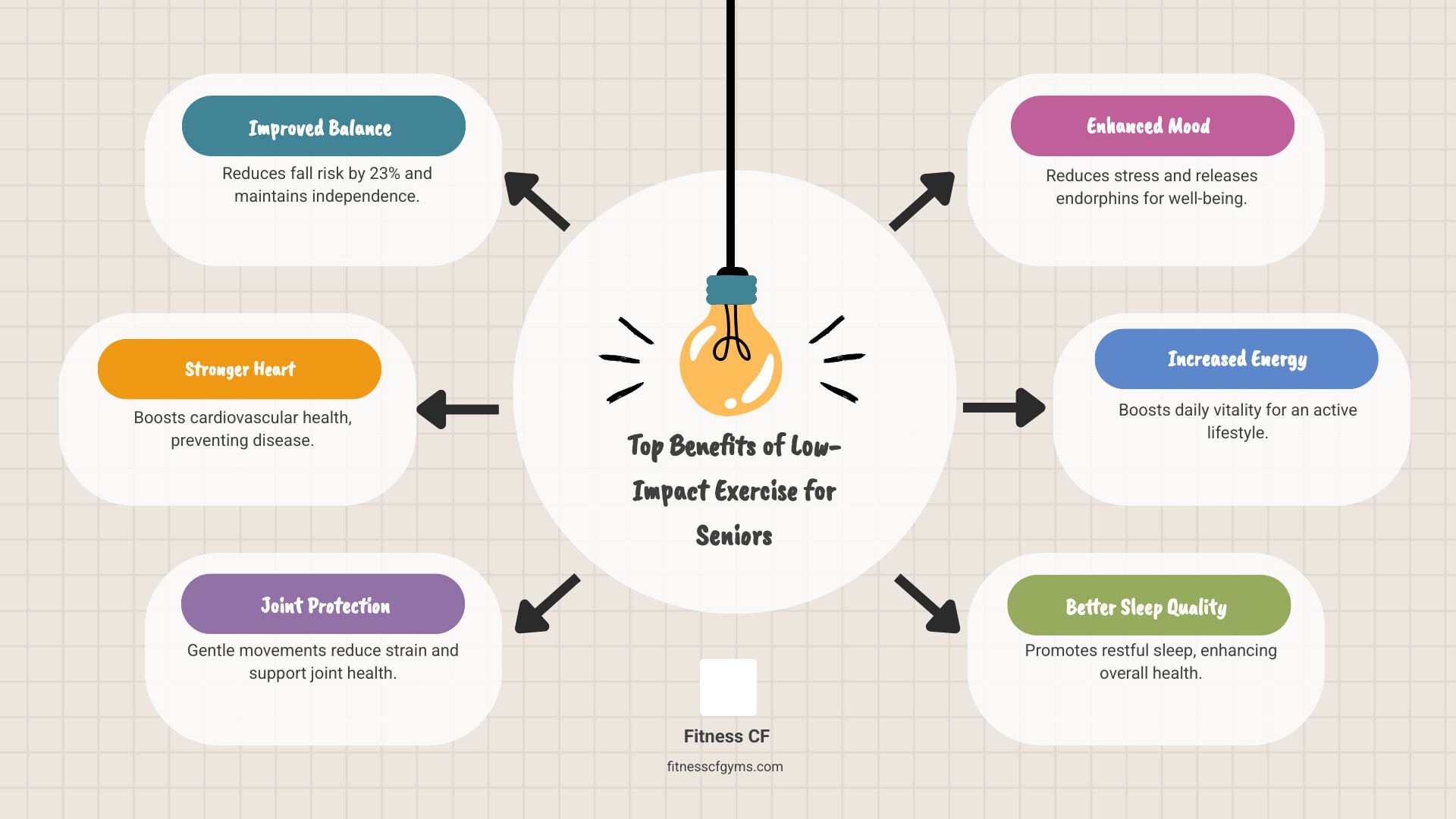
The Physical and Mental Benefits of Staying Active
When you make movement a regular part of your life, your body gets stronger and your mind feels clearer. A consistent low impact workout for seniors offers benefits that reach far beyond the physical.
Staying steady on your feet is crucial, as balance can shift as early as age 50. One in four older Americans falls each year, but regular exercise reduces this risk by 23%. By strengthening your core and improving coordination, you build a more stable foundation, which directly translates into maintaining your independence—the ability to live life on your own terms.
Your heart benefits tremendously from gentle activities like walking and swimming, which help manage chronic conditions like heart disease, type 2 diabetes, and high blood pressure. The multifaceted benefits of walking for healthy aging are well-documented, improving cardiovascular health, mental well-being, and cognitive function.
As we age, we naturally lose muscle mass (sarcopenia), but strength training actively fights this decline. It also supports bone density, reducing the risk of osteoporosis. The CDC recommends two strength training sessions per week for this reason.
The mental rewards are just as powerful. Exercise releases endorphins, natural mood-boosters that reduce anxiety and improve sleep. It also gives you more energy. Remarkably, physical activity is linked to brain health, with research showing that active seniors have improved cognitive health and a lower risk of dementia. Every movement is an investment in your future. To learn more, explore Fitness After 50: The Benefits of Staying Active in Your Golden Years.
7 Best Low-Impact Workouts for Seniors
Let’s explore some of the most effective low impact workout for seniors. These exercises are gentle on your joints while providing a comprehensive fitness experience, meeting you wherever you are on your fitness journey.
1. Walking

Walking is the most accessible exercise available. All you need is a pair of supportive shoes. It strengthens your heart, improves circulation, and strengthens leg muscles, which supports balance and mobility. A 2023 review confirmed that regular walking decreases the risk of cardiovascular disease, type 2 diabetes, and cognitive impairment. Start with 10-15 minutes at a comfortable pace and gradually increase your duration. Consistency is more important than intensity.
2. Water Aerobics and Swimming
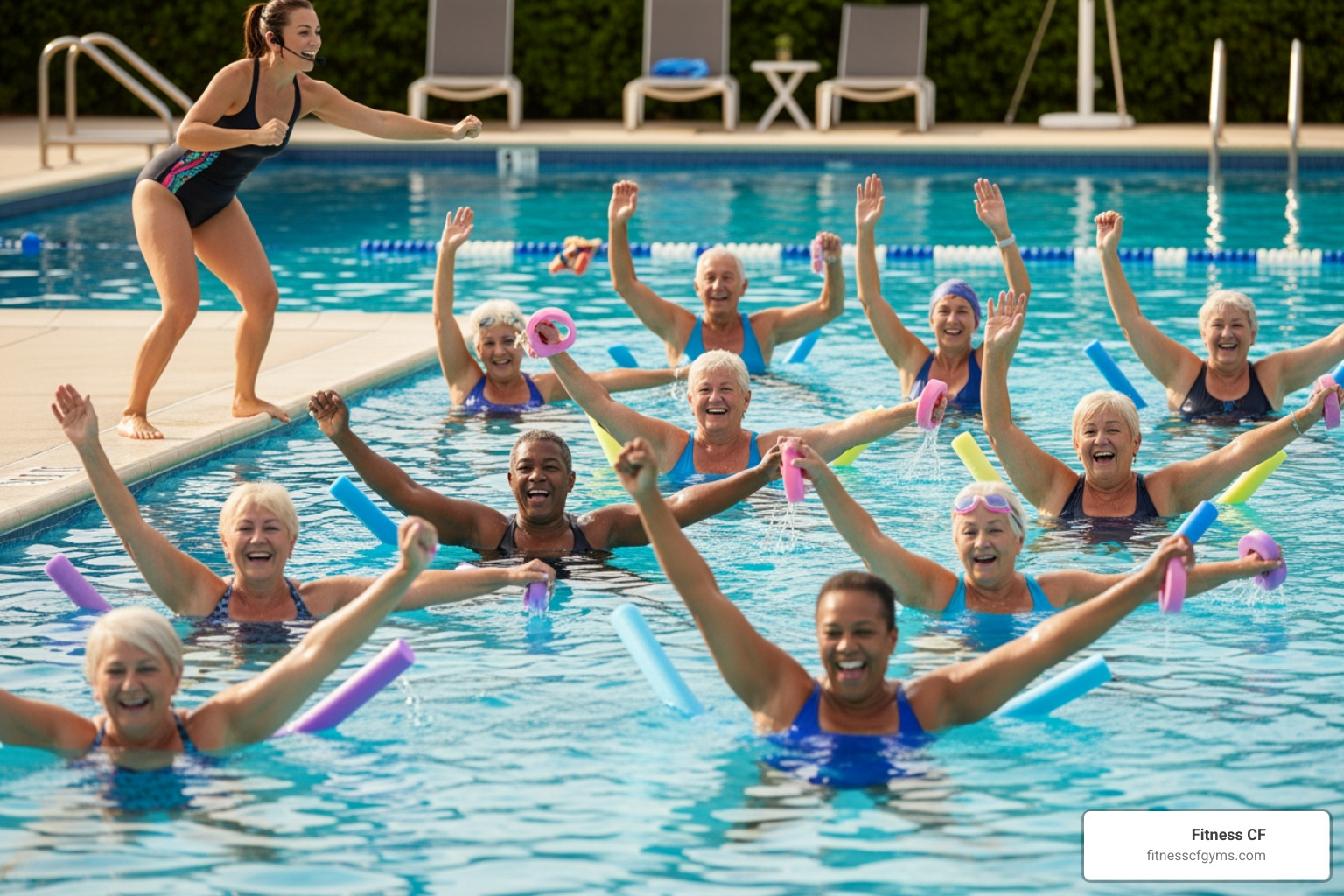
Water exercises are nearly perfect for seniors. The water’s buoyancy reduces impact on your joints by up to 90%, making it ideal for those with arthritis or joint pain. Water aerobics provides a full-body workout, as the water creates natural resistance to tone muscles and improve flexibility. Swimming is an exceptional zero-impact cardio workout that conditions your entire body. The warm water in many pools can also soothe sore muscles and stiff joints.
3. Chair Yoga and Tai Chi
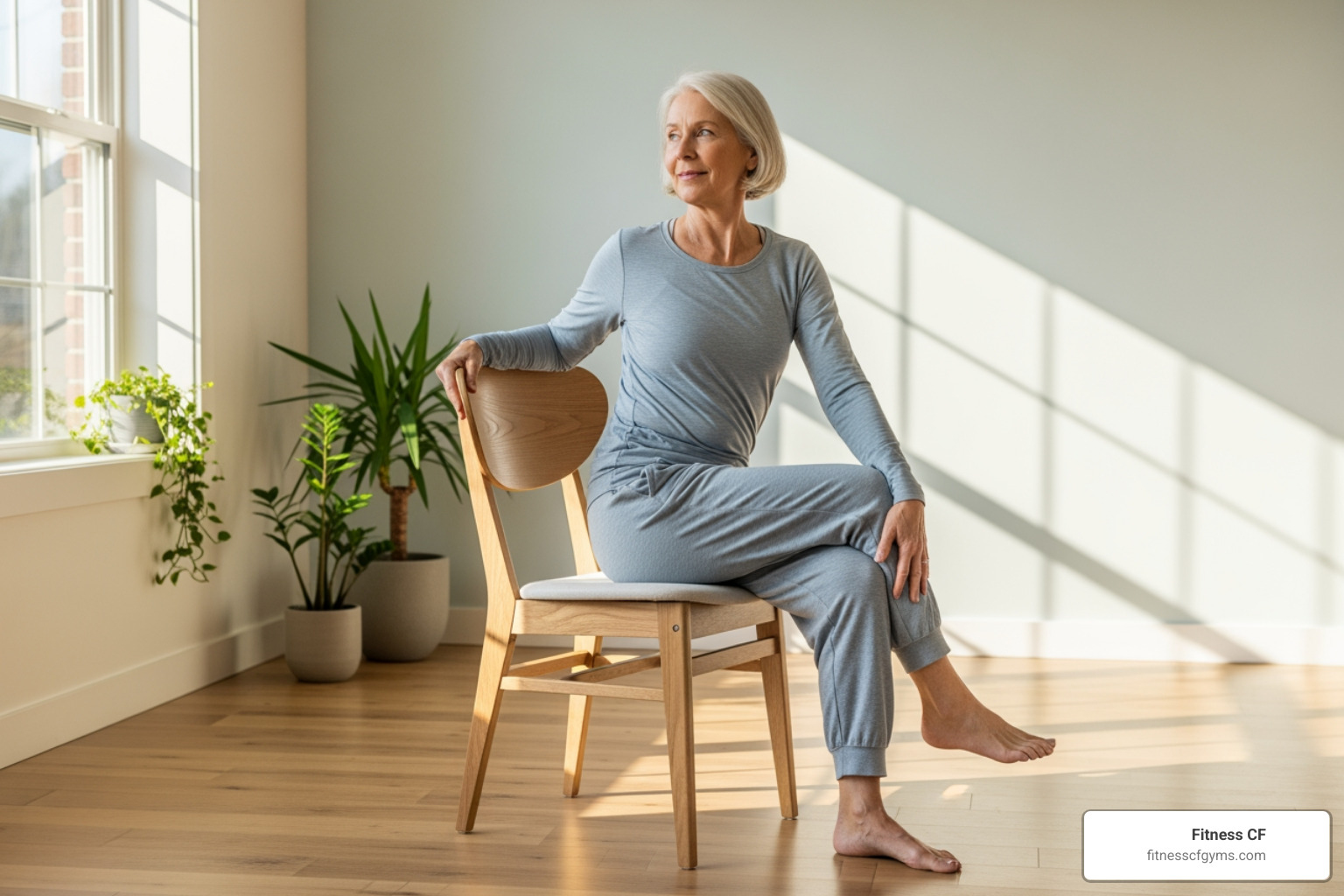
For improving balance, flexibility, and mental calm, chair yoga and Tai Chi are excellent choices. Chair yoga adapts traditional poses to be performed while seated or using a chair for support, making it accessible for anyone with mobility or balance concerns. It improves flexibility and reduces stress without the need to get on the floor. Tai Chi, or “meditation in motion,” uses slow, flowing movements to improve balance, coordination, and mental clarity. Both practices are gentle yet powerful. Learn more in our article on Low Impact Workouts Perfect for Beginners and Those with Joint Concerns.
4. Strength Training
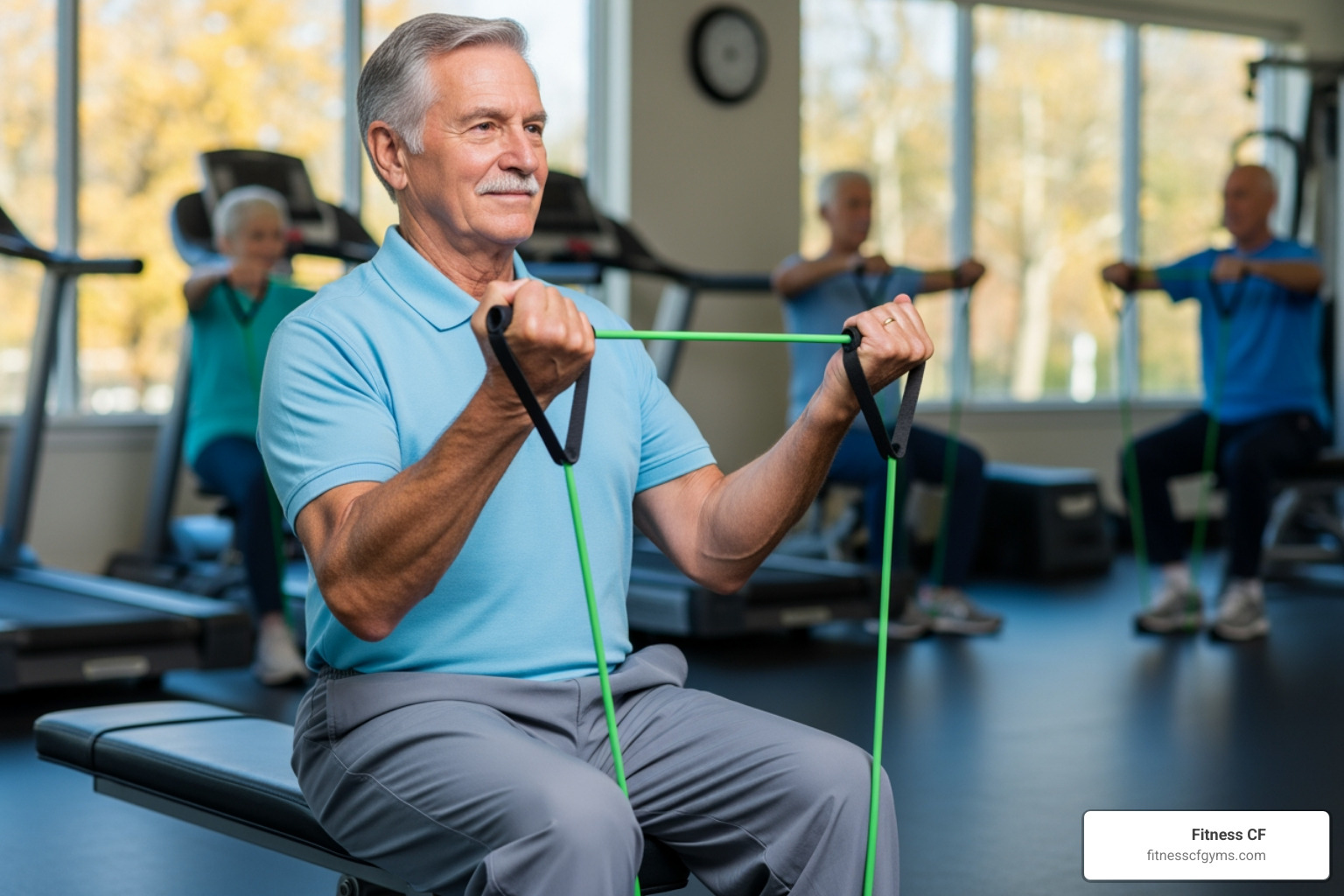
Strength training is crucial for maintaining the functional strength needed for daily tasks. It directly combats age-related muscle loss (sarcopenia) and improves bone density, helping prevent osteoporosis. The CDC guidelines recommend two strength sessions per week. You don’t need heavy weights; resistance bands, light dumbbells, or even your own body weight are highly effective. Start with light resistance and focus on proper form, gradually increasing the challenge as you get stronger.
5. Cycling (Stationary Bike)
A stationary bike offers an excellent cardiovascular workout that’s incredibly easy on your knees and hips. The circular pedaling motion strengthens your legs and improves joint mobility without jarring impact. A 2023 review of cycling in older populations found numerous benefits, including better joint mobility, improved cardiovascular health, and improved mental well-being. For extra back support, a recumbent bike is a great option. Adjust the seat so your leg is almost fully extended at the bottom of the pedal stroke, and start with 15-20 minute sessions.
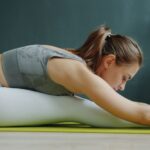
6. Pilates
Pilates is a fantastic low impact workout for seniors that focuses on core strength, posture, and body awareness. A strong core is vital for supporting your spine and maintaining good posture. Pilates builds this foundational strength through controlled, precise movements that also improve flexibility and balance. If you’re new to Pilates, start with mat classes that use your body weight for resistance. The mindful, deliberate pace is surprisingly effective at challenging your muscles.
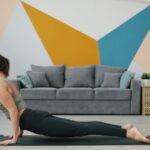
7. Stretching
Stretching is a vital component of any fitness routine. It helps maintain your range of motion, reduces stiffness, and prevents injuries. As we age, our muscles become less elastic, making regular stretching even more important. It makes everyday movements easier, from reaching for a high shelf to tying your shoes. Hold each stretch for 15-30 seconds without bouncing, focusing on all major muscle groups. You can stretch as a standalone activity or as part of your warm-up and cool-down.
How to Safely Start and Stick With Your Routine
Starting a new fitness journey is exciting. With the right approach, you can create a safe, effective routine that becomes a natural part of your life.
Creating a Safe and Effective low impact workout for seniors
- Consult your doctor: Before starting any new program, get personalized guidance, especially if you have pre-existing health conditions.
- Start slow and progress gradually: Your body needs time to adapt. Doing too much too soon can lead to injury or burnout.
- Listen to your body: Learn the difference between the mild discomfort of building strength and sharp pain, which is a signal to stop.
- Warm-up and cool-down: Never skip these. A 5-10 minute warm-up prepares your body for movement, and a cool-down with gentle stretching prevents stiffness. Hold stretches for 15-30 seconds without bouncing.
- Focus on proper form: Correct technique is more important than speed or repetitions. Watch instructional videos or ask a professional if you’re unsure.
- Adapt exercises: Use a chair for support or modify movements to fit your needs. The goal is to move safely.
Staying Motivated and Consistent
Consistency is where the real magic happens. Here’s how to stick with it:
- Find activities you enjoy: You’re more likely to continue a workout you love, whether it’s walking outdoors, a social water aerobics class, or peaceful Tai Chi at home.
- Set realistic goals: Start with achievable targets, like 15 minutes three times a week, and build from there. Celebrate your small victories!
- Track your progress: Note your workouts in a journal. You’ll also notice real-world improvements, like climbing stairs more easily or sleeping better.
- Exercise with a friend: A workout buddy adds accountability, encouragement, and fun to your routine.
- Create a schedule: Treat your workouts like important appointments. Consistency in timing helps build a strong habit.
- Remember your “why”: On days when motivation is low, recall your reason for starting. Whether it’s for independence, family, or simply feeling stronger, your “why” is a powerful motivator.
For more tips, explore our guide on Fitness Tips for Older Adults.
Supporting Your Fitness Journey: Nutrition and Exercises to Avoid
A successful low impact workout for seniors is supported by good nutrition and knowing which exercises to approach with caution.
The Role of Nutrition and Hydration
Proper fuel gives you the energy to work out and helps your body recover.
- Protein: Essential for fighting age-related muscle loss (sarcopenia). Include sources like lean meats, fish, eggs, beans, and lentils in your meals. The National Resource Center on Nutrition & Aging suggests older adults aim for 1-1.2 grams of protein per kilogram of body weight daily.
- Calcium and Vitamin D: These work together for strong bones. Find calcium in dairy and leafy greens. Since Vitamin D is harder to get from food, talk to your doctor about whether a supplement (600-800 IU daily) is right for you.
- Hydration: Dehydration causes fatigue and dizziness. Sip water throughout the day, not just when you feel thirsty.
High-Impact Exercises to Approach with Caution
While low-impact exercise is ideal, it’s wise to be cautious with high-impact movements that place excessive stress on joints and bones. These exercises carry a higher risk of injury for many seniors. Examples include:
- High-intensity interval training (HIIT)
- Heavy deadlifts and heavy weighted squats
- Long-distance running
- Plyometrics (jumping exercises like box jumps)
- Traditional abdominal crunches
- Upright rows
The goal is to stay active safely. There are always gentler, low-impact alternatives that offer similar benefits without the added risk. Choose wisdom over risky intensity.
Frequently Asked Questions about Senior Fitness
Let’s address some common questions about starting a low impact workout for seniors.
How often should a senior do a low impact workout?
The Centers for Disease Control and Prevention recommends at least 150 minutes of moderate-intensity aerobic activity each week (like 30 minutes, five days a week) and two days of muscle-strengthening activity. However, the most important thing is consistency over intensity. It’s better to do 20 minutes of gentle exercise most days than to do one exhausting session per week. Find a sustainable rhythm that fits your life.
What is the safest low impact workout for seniors with arthritis?
For those with arthritis, water aerobics and swimming are often the safest and most beneficial choices. The water’s buoyancy reduces joint stress by up to 90%, allowing you to move freely and build strength without pain. Chair yoga and Tai Chi are also excellent, as their slow, flowing movements improve flexibility and balance without jarring impact. These mindful practices can also help reduce daily pain and stiffness.
Can I still build muscle with low-impact exercises?
Yes, absolutely! You can effectively build and maintain muscle with low-impact resistance training. The key is the progressive overload principle: gradually increasing the challenge to your muscles over time. You can do this by adding more repetitions, doing another set, or using a slightly stronger resistance band. Bodyweight exercises like wall push-ups and chair squats are also great for building strength. With consistency, you’ll build functional strength for daily life.
Conclusion: Accept an Active and Healthy Future
We’ve explored how a low impact workout for seniors can improve balance, strengthen bones, preserve independence, and lift your spirits. The most important takeaway is this: it’s never too late to start. Your body will respond positively to consistent, gentle exercise, regardless of your age or current fitness level.
The key is finding an activity that brings you joy, whether it’s a peaceful morning walk, the weightless freedom of water aerobics, or the quiet strength of Tai Chi. Start small, listen to your body, and celebrate your progress. Every step you take is an investment in a future filled with vitality and independence.
At Fitness CF, we believe fitness is for everyone. We are passionate about creating a welcoming environment where you can explore activities that work for your body and connect with others on a similar journey. Our programs are designed with you in mind, offering everything from gentle classes to supportive workouts.
Your active, healthy future is waiting. Why not take the first step today? Explore our senior fitness classes to find the perfect fit for you! We’d be honored to be part of your wellness journey.