What Makes a Great Bodybuilding Gym?
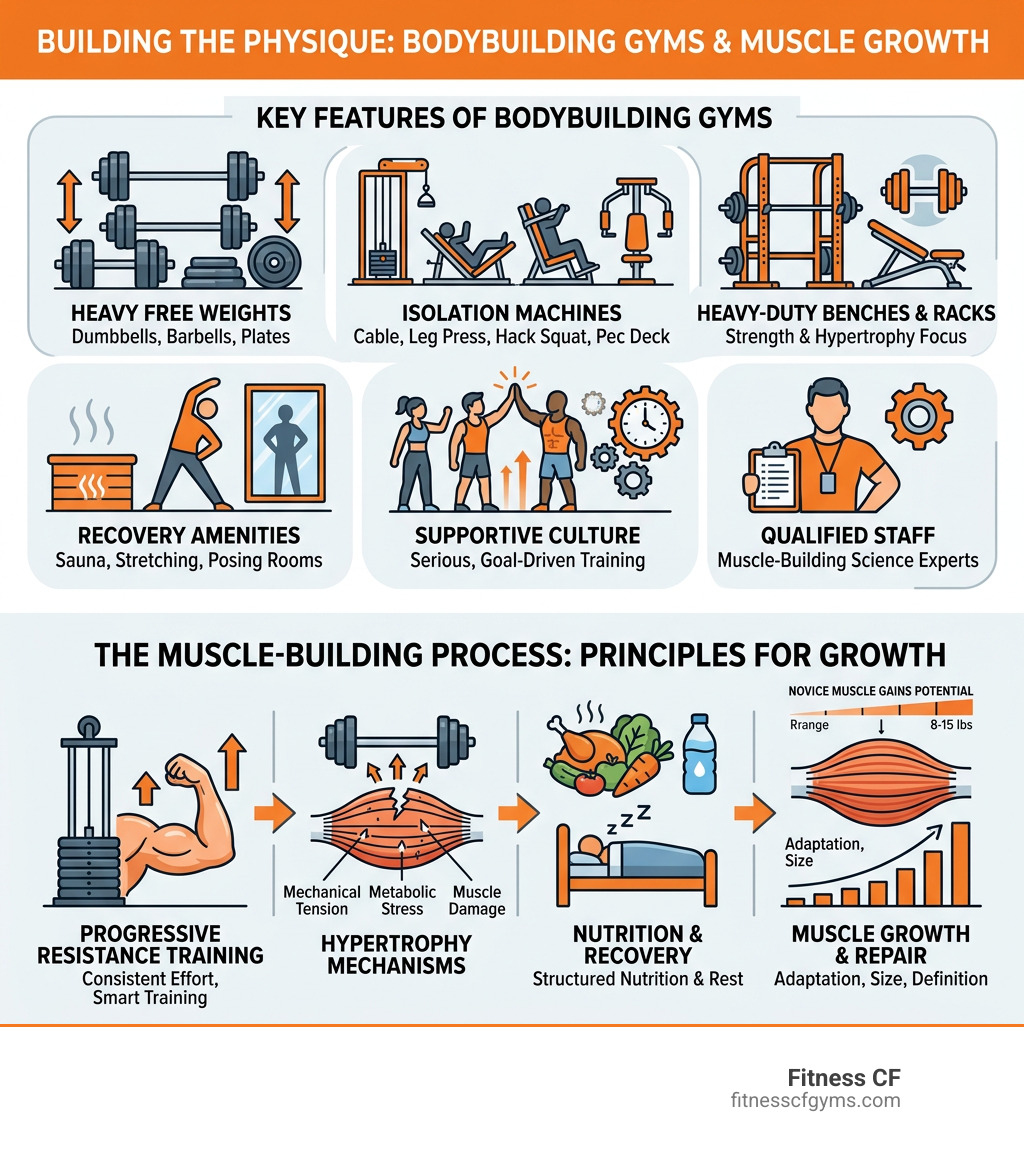
Bodybuilding gyms are specialized training facilities built around one goal: helping you develop muscle size, symmetry, and definition through progressive resistance training. They differ from general fitness centers by offering heavier free weights, more isolation machines, dedicated posing areas, and a culture that supports serious, goal-driven training.
Here are the key things to look for in a quality bodybuilding gym:
- Free weights — Dumbbells, barbells, and plates in a wide range of sizes
- Isolation machines — Cable stations, leg press, hack squat, and pec deck
- Heavy-duty benches and racks — Built for strength and hypertrophy work
- Recovery amenities — Saunas, stretching areas, and posing rooms
- Supportive culture — An environment where serious training is welcomed and encouraged
- Qualified staff — Trainers who understand muscle-building science
Whether you’re chasing your first physique competition or simply want to build a stronger, leaner body, the right gym environment makes a real difference.
Bodybuilding isn’t just about lifting heavy. It’s a lifestyle built on consistent effort, smart nutrition, and structured recovery. The gym you train in should support all three.
A novice lifter who trains around seven hours per week can gain 8 to 15 pounds of muscle in the first year alone. That kind of progress doesn’t happen by accident — it happens in the right environment, with the right tools.
I’m Pleasant Lewis, owner and operator of Fitness CF, with over 40 years of experience in the fitness industry helping members find the structure and support they need in bodybuilding gyms and beyond. In this guide, I’ll walk you through everything you need to know to find and get the most out of a serious training facility.
Bodybuilding gyms definitions:
Defining the Bodybuilding Lifestyle and Hypertrophy
At its core, bodybuilding is the practice of progressive resistance exercise to build and develop muscles through hypertrophy. Unlike other forms of fitness that may focus on cardiovascular endurance or functional movement, bodybuilding is primarily concerned with the aesthetic development of the human form. It is a pursuit of physical excellence where the body is treated as a living sculpture.

To succeed, one must master the art of how-to-build-muscle-mass-simply-and-guaranteed. This involves a meticulous balance of high-intensity training, specific caloric intake, and adequate rest. The statistics for muscle gain are encouraging but require patience: while a novice might gain 8–15 pounds of muscle in their first year, these gains eventually slow. After the first two years, progress typically adjusts to 5–15 pounds per year, and after five years of consistent training, gains may settle into a range of 3–10 pounds annually.
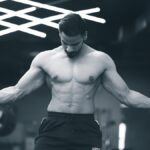
Competitive athletes often perform mandatory poses to showcase their hard work, such as the front double biceps, which highlights arm peak, lat width, and thigh sweep.
Distinguishing Bodybuilding from Powerlifting
While both activities involve heavy iron, their objectives are distinct. Powerlifting is a sport of maximal strength, where the goal is to lift the heaviest weight possible for a single repetition in the squat, bench press, and deadlift. In contrast, bodybuilding focuses on muscle size, symmetry, and conditioning.
A bodybuilder might use lower weights than a powerlifter but will perform higher repetitions and focus on “time under tension” to trigger hypertrophy. In Scientific research on bodybuilding, the emphasis is on how the muscle looks (its fullness and leanness) rather than just what the muscle can do.
The Importance of Mind-Muscle Connection
One of the secrets shared in bodybuilding gyms is the “mind-muscle connection.” This is the ability to internally focus on the specific muscle being worked during an exercise. By utilizing isolation exercises and focusing on the contraction at the peak of the movement, lifters can ensure they are actually targeting the intended muscle group rather than relying on momentum. High training volume and specific techniques are essential effective-tips-for-building-lean-muscle-mass.
Essential Equipment for Bodybuilding Gyms
To build a world-class physique, you need more than just a few dumbbells. Bodybuilding gyms are characterized by a “massive selection” of equipment, often hand-selected for quality.
Standard commercial gyms often lack the specialized tools required for extreme hypertrophy. A true iron dungeon should feature:
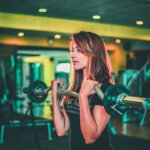
- Dumbbells up to 150 lbs for heavy presses and rows.
- Plate-loaded equipment that allows for a natural range of motion while providing heavy resistance.
- Specific machines for every body part, such as how-to-build-arm-muscle-10-workouts-you-have-to-try.
The Role of Specialized Bodybuilding Gyms in Competition Prep
When an athlete enters “prep,” the requirements of the gym change. They need hypertrophy tools that can isolate muscle groups to fix asymmetries. This includes cable crossovers for chest definition, hack squats for outer quad sweep, and various leg press angles. A comprehensive muscle-building-guide-2025 emphasizes that having access to these specialized machines can make the difference between placing on stage and going home empty-handed.
Why Bodybuilding Gyms Prioritize Recovery and Posing
The work doesn’t end when the last set is finished. Specialized facilities often provide a Posing Room, a dedicated space with specific lighting and mirrors where athletes can practice their side chest and other mandatory poses.
Recovery is equally vital. Amenities like infrared saunas help eliminate toxins and boost muscle repair, ensuring the athlete can return to the gym sooner for their next session.
Training Phases: Bulking, Cutting, and Peaking
Bodybuilding is seasonal. Athletes move through different phases to maximize muscle gain and minimize body fat.
- Bulking: A period of caloric surplus designed to provide the body with the energy needed to build new tissue.
- Cutting: A period of caloric deficit where the goal is to strip away body fat while maintaining as much muscle mass as possible.
- Peaking: The final days before a competition, involving “carbing up” and managing water levels to look as full and “dry” as possible.
According to Nutritional Recommendations for Physique Athletes, protein should comprise roughly 25-30% of total calories, often split into 5-7 meals per day to maintain a steady flow of amino acids.
Strategies for Successful Bulking and Cutting
We always recommend “clean bulking” over “dirty bulking.” While eating everything in sight might make the scale go up, it often results in excessive fat gain that is difficult to lose later. Clean bulking involves a controlled surplus of high-quality nutrients.
Managing insulin is also key; consuming low-glycemic carbohydrates helps maintain stable energy levels and better nutrient partitioning. For those looking to shed fat, we provide nutrition-tips-for-building-muscle-and-losing-fat.
Supplementation and Micronutrients
Supplements are meant to supplement a solid diet, not replace it. Key staples in bodybuilding gyms include:
- Creatine: Loading with 3-5g four times daily for 5-7 days can saturate muscle stores, leading to increased strength and fullness.
- Whey Isolate: A fast-digesting protein perfect for post-workout recovery.
- Mass Gainer: Useful for those who struggle to consume enough calories through whole foods alone.
For a deeper dive into fueling your gains, check out unlock-your-potential-proven-nutrition-tips-for-building-muscle.
The Evolution of Strength Culture and Mental Health
The history of bodybuilding is a fascinating journey from early strongman shows to modern facilities. It began with “Physical Culture” in the late 19th century, spearheaded by Eugen Sandow, the “Father of Modern Bodybuilding.” Sandow organized the first major contest in 1901 at London’s Royal Albert Hall.
By the 1950s and 60s, locations like Muscle Beach in Santa Monica became iconic hubs for the sport. This era led to the “Golden Age” of the 1970s, popularized by the film Pumping Iron. Today, we see A Brief History of the Classic Physique influencing a new generation that prizes the tapered, aesthetic look of the past.
Community Building and Motivation
Bodybuilding gyms offer a unique “warehouse atmosphere” that is often “psychically loud.” The sound of heavy weights clanging and the sight of focused athletes create a high-energy environment that motivates everyone in the building. This community provides accountability, which is one of our top tips-for-gaining-muscle.
Addressing Body Image and Mental Well-being
While the pursuit of a better body is positive, it’s important to be aware of the risks. Social media has created a culture of constant comparison, which can lead to steroid use concerns and muscle dysmorphia (sometimes called “bigorexia”).
We believe bodybuilding should enhance your life, not consume it. Setting long-term, realistic goals and understanding how-to-structure-lean-muscle-workouts can help maintain a healthy perspective.
Safety Considerations and Health Monitoring
Lifting heavy weights carries inherent risks. To ensure longevity in the sport, safety must be a priority.
Common risks include overtraining, joint strain, and cardiovascular stress. It is vital to listen to your body and avoid the 11-common-muscle-building-mistakes-and-how-to-avoid-them.
Proper Form and Progressive Overload
“Ego lifting”—using more weight than you can handle with good form—is the fastest way to an injury. We advocate for a full range of motion and controlled repetitions. Progressive overload should be achieved by gradually increasing weight, reps, or intensity over time. This is especially important for beginners, including our muscle-building-tips-for-fat-guys.
The Importance of Rest and Sleep
Muscles don’t grow while you’re in the gym; they grow while you sleep. Muscle protein synthesis can remain elevated for up to 48 hours after a heavy session, making rest days essential. We recommend at least 7-9 hours of quality sleep to support recovery and hormones. If you’re looking for a structured approach, see our 30-day-muscle-gain-plan.
Frequently Asked Questions about Bodybuilding
How long does it take to see results in bodybuilding?
While you may feel stronger within the first few weeks, visible muscle growth typically takes 8 to 12 weeks of consistent training and proper nutrition. Transformation is a marathon, not a sprint.
What is the difference between natural and professional bodybuilding?
Natural bodybuilding organizations employ drug testing, such as polygraphs and urinalysis, to ensure athletes are not using performance-enhancing substances. Professional divisions (like the IFBB Pro League) generally have higher muscle mass requirements and different judging criteria.
Can I do cardio while trying to build muscle?
Yes! In fact, cardiovascular health is important for recovery and heart health. The key is to avoid excessive amounts that might interfere with your caloric surplus. Low-intensity steady-state (LISS) cardio is often preferred by bodybuilders.
Conclusion
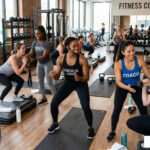
At Fitness CF, we are committed to providing an environment that supports every aspect of your fitness journey. From heavy iron for hypertrophy to yoga and spin for recovery and heart health, our Central Florida locations are designed for everyone from the novice to the seasoned athlete.
Comparison of Phase Goals
| Feature | Bulking Phase | Cutting Phase |
|---|---|---|
| Primary Goal | Muscle Mass Gain | Fat Loss / Definition |
| Caloric Intake | Surplus (300-500+ kcal) | Deficit (300-500- kcal) |
| Training Focus | Heavy Weights / Volume | Maintenance / Intensity |
| Cardio Level | Low to Moderate | Moderate to High |
| Key Poses | back double biceps | side triceps |
If you’re ready to take your training to the next level, we invite you to Start your journey at our Orlando location or visit us in Clermont, Mount Dora, or St. Cloud. Let’s build something great together.