Why a Consistent Fitness Routine Matters for Your Health Journey
Starting on a health journey is one of the most rewarding decisions you can make. The real question isn’t just where to exercise—it’s understanding why consistent physical activity matters and what makes a fitness environment right for you.
The Health Benefits That Drive Your Decision
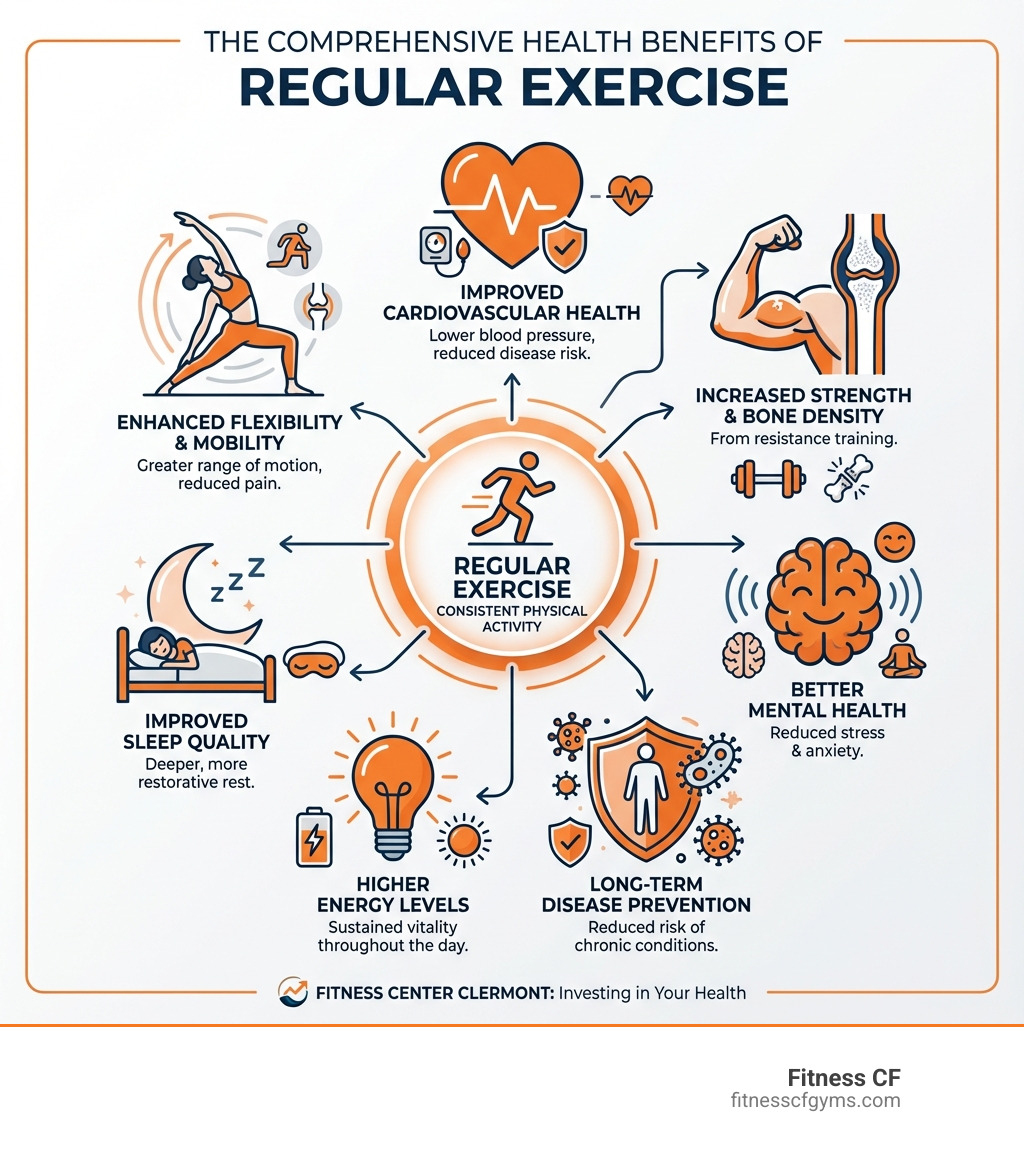
Regular exercise isn’t just about looking better. It’s about feeling better, living longer, and having the energy to keep up with your family and daily life.
Cardiovascular exercise strengthens your heart, lowers blood pressure, and reduces the risk of chronic diseases like diabetes and heart disease. Just 150 minutes per week of moderate activity can transform your health.
Strength training builds muscle, increases bone density, and boosts your metabolism—helping you burn more calories even at rest. It also improves balance and reduces injury risk as you age.
Flexibility and recovery work keeps your body mobile, reduces pain, and helps prevent the burnout that comes from overtraining.
A positive and supportive fitness environment supports all three of these pillars while fitting into your busy life.
My name is Pleasant Lewis, and I’ve been helping people in Florida find their path to better health for over 40 years. My focus has always been on creating welcoming spaces where individuals and families can prioritize wellness and feel empowered to achieve their goals.
The Pillars of a Balanced Fitness Routine
To truly open up your fitness potential, we believe in embracing a holistic approach that integrates different types of exercise. Think of your fitness journey as a house, and these three elements—cardio, strength, and flexibility—as its essential pillars. Neglect one, and the whole structure might feel a bit wobbly!
Cardiovascular Health
Cardiovascular exercise, often called cardio or aerobic exercise, is the heartbeat of any good fitness routine. It’s anything that gets your heart rate up and keeps it there for a sustained period. This includes activities like brisk walking, running, cycling, swimming, or even energetic dancing.
The benefits of regular cardio are profound. It strengthens your heart muscle, making it more efficient at pumping blood throughout your body. This, in turn, can lead to lower blood pressure and a reduced risk of serious health conditions such as heart disease, stroke, and type 2 diabetes. For those looking to manage their weight, cardio is an excellent calorie burner. It also improves lung capacity, giving you more stamina for daily activities and making you feel more energetic overall.
We encourage everyone, regardless of their current fitness level, to incorporate cardiovascular training into their routine. Starting slow and gradually increasing intensity and duration is key. Consistency beats intensity any day! For a deeper dive into how to build an effective cardio routine, we’ve put together The Ultimate Guide to Cardio Training for All Levels.
Strength Training Benefits
While cardio gets your heart pumping, strength training builds the foundation of a strong, resilient body. This involves working your muscles against resistance, whether that’s through lifting weights, using resistance bands, or even just your own body weight.
The advantages of strength training extend far beyond just looking good. It builds lean muscle mass, which is crucial because muscle tissue burns more calories at rest than fat tissue, giving your metabolism a healthy boost. Stronger muscles also improve your balance, coordination, and posture, which can significantly reduce your risk of falls and injuries, especially as we age. Furthermore, strength training contributes to increased bone density, helping to prevent osteoporosis.
For beginners, the idea of strength training can sometimes feel intimidating, but it doesn’t have to be. Our goal is to make it accessible and enjoyable for everyone. Start with lighter weights and focus on proper form to prevent injury and maximize results. Over time, you’ll be amazed at how quickly your body adapts and grows stronger. If you’re just starting out, check out our Strength Training for Beginners guide to help you on your way.
Importance of Flexibility and Recovery
Often overlooked, flexibility and recovery are just as vital as cardio and strength training for a truly balanced fitness routine. Flexibility refers to the range of motion in your joints and the ability of your muscles to stretch. Regular stretching can improve your flexibility, reduce muscle stiffness, and prevent injuries.
Recovery, on the other hand, is when your body repairs and rebuilds itself after the stress of exercise. This includes adequate sleep, proper nutrition, and active recovery techniques like foam rolling or massage. Without sufficient recovery, your body can’t adapt and grow stronger, and you risk overtraining and burnout.
Incorporating stretching into your routine, both before and after workouts, is a game-changer. Dynamic stretches (like arm circles or leg swings) before a workout prepare your muscles for action, while static stretches (holding a stretch for 20-30 seconds) after a workout help improve flexibility and aid in muscle recovery. Don’t underestimate the power of a good stretch! Learn more about the best practices in Stretching 101: What to Do Before and After Your Workout.
And when it comes to recovery, rest days aren’t a sign of weakness; they’re a crucial component of progress. Your muscles need time to repair and grow stronger. Prioritizing rest helps prevent injury, reduces soreness, and keeps your motivation high. To understand why these often-missed elements are so vital, read The Role of Recovery: Why Rest Days Are As Important As Workouts.
How to Structure Your Fitness Journey for Success
Choosing to prioritize your health is the first step, but creating a plan is what turns intention into action. It’s not just about having access to equipment; it’s about finding a routine that inspires and enables your personal growth.
Assessing Personal Goals
Before you begin, take a moment to assess your personal fitness goals. Are you aiming for weight loss, building lean muscle, improving your overall health, or perhaps training for a specific event like a 5K? Your goals will largely dictate the type of exercises and routine you’ll need.
For instance, if your primary goal is weight loss, you might prioritize a mix of cardiovascular exercise and strength training, along with mindful nutrition. If muscle gain is your focus, a routine centered on progressive overload with free weights and strength machines will be crucial.
Understanding what you want to achieve is the first step in building a fitness plan that will genuinely help you succeed. Everyone’s journey is unique, and a great routine should cater to a spectrum of aspirations. To help you map out your path, consider reading How to Start Your Fitness Journey.
Finding the Right Tools for the Job
Once you’ve identified your goals, it’s time to think about the tools you’ll need. A well-rounded workout plan often incorporates a variety of equipment to keep your workouts engaging and effective.

Look for opportunities to use a balance of:
- Cardio Equipment: Treadmills, ellipticals, stationary bikes, and rowing machines are excellent for improving heart health and endurance.
- Strength Training Machines: These are great for targeting specific muscle groups and are often beginner-friendly, providing guided movements.
- Free Weights: Dumbbells, barbells, and kettlebells are essential for building functional strength and allow for a wide range of motion.
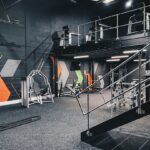
- Functional Training Tools: Spaces with turf, battle ropes, plyometric boxes, and resistance bands allow for dynamic, full-body movements that mimic real-life activities, improving agility, power, and core strength.
The choice between Free Weights vs. Machines: Which is Better for Your Goals? isn’t about one being superior; it’s about what best suits your individual needs and preferences. Having access to both gives you the freedom to create a truly comprehensive routine.
Exploring Group Fitness and Personal Training
Whether you thrive on collective energy or prefer one-on-one guidance, different training styles can significantly accelerate your progress and keep you motivated on your fitness journey.
The Power of Community
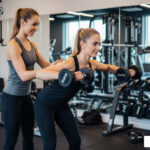
There’s something undeniably powerful about working out alongside others. Group fitness classes harness this energy, changing exercise from a solitary chore into an engaging, communal experience. The camaraderie, shared effort, and encouragement from instructors and fellow participants can push you harder and keep you more accountable than working out alone.
Beyond the physical benefits, these classes can build a sense of community. You’ll meet like-minded individuals, share successes, and find a supportive network. This social aspect can be a huge motivator, making your workouts something you look forward to. The positive impact of this collective energy is profound, as detailed in Top 11 Proven Benefits of Attending a Fitness Class.
Class Variety
Variety is the spice of life – and of fitness! A diverse range of group fitness classes can cater to all interests, energy levels, and fitness goals. Imagine your options:
- Yoga: Perfect for improving flexibility, balance, and mental clarity, offering a serene escape from daily stress.
- Spin Classes: High-energy, instructor-led cycling workouts that deliver an incredible cardiovascular challenge.
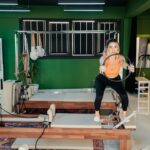
- Pilates: Focuses on core strength, flexibility, and body awareness, often using specialized equipment or mat exercises.
- Les Mills Programs: Internationally recognized classes like Body Combat (martial arts-inspired cardio) and RPM (indoor cycling) provide structured, energetic workouts.
- Zumba: A vibrant, dance-fitness program that blends Latin rhythms and easy-to-follow moves, making exercise feel like a party.
- Silver Sneakers: Specialized programs designed for seniors, focusing on strength, flexibility, and balance in a supportive environment.
This extensive selection ensures you can constantly challenge your body in new ways, prevent plateaus, and find activities you genuinely love. To explore which classes might be your perfect match, check out The Best Group Fitness Classes and How to Get the Most From Each One.
Benefits of One-on-One Coaching
While group classes offer incredible energy, personal training provides a custom, individualized approach that can be transformative. A certified personal trainer acts as your dedicated guide, creating a fitness plan specifically designed to meet your unique goals, body type, and schedule.
The benefits of one-on-one coaching are numerous:
- Personalized Programs: Your trainer will design exercises that directly address your objectives, whether it’s weight loss, muscle gain, or athletic performance.
- Proper Form and Technique: Crucial for preventing injuries and maximizing results, a trainer ensures you’re performing each exercise correctly.
- Accountability and Motivation: Having a scheduled appointment and a coach invested in your success provides a powerful boost to your motivation and consistency.
- Progress Tracking: Trainers help you monitor your advancement, adjust your plan as needed, and celebrate your milestones.
Investing in personal training is an investment in yourself, offering expert guidance that can fast-track your results. Learn more about how a dedicated coach can change your fitness game in 13 Incredible Benefits of a Personal Trainer.
Supporting Your Fitness Journey: Progress and Recovery
We understand that a great fitness journey isn’t just about the workout itself; it’s about the entire process, including how you track progress and how you recover. These elements are crucial for long-term success and well-being.
Progress Tracking
Seeing is believing, especially when it comes to fitness progress. While the scale can offer some insights, it doesn’t tell the whole story. Tracking your progress in multiple ways provides a more comprehensive and motivating picture of your body’s changes.
Consider using a variety of methods:
- Workout Journal: Note the weights you lift, the reps you complete, and the duration of your cardio sessions. Seeing these numbers increase over time is a powerful indicator of growing strength and endurance.
- Progress Photos: Taking photos every few weeks can reveal visual changes in body composition that the scale might miss.
- Measurements: Use a tape measure to track changes in your waist, hips, arms, and legs.
- How You Feel: Pay attention to increased energy levels, better sleep, and clothes fitting differently. These are all signs of success.
This data helps you track changes that might not be reflected on a traditional scale, offering powerful motivation. For more on how to interpret your progress beyond just weight, check out Signs You’re Making Progress Even If the Scale Isn’t Moving.
The Importance of Recovery
Your fitness journey doesn’t end when your last set is done. The post-workout routine is just as important for muscle repair and growth. That’s why we emphasize proper recovery techniques.
- Stretching: Post-workout static stretching helps improve flexibility and can reduce muscle stiffness.
- Foam Rolling: This self-myofascial release technique can help alleviate muscle soreness and improve circulation.
- Nutrition and Hydration: Refueling with protein and carbohydrates and rehydrating with water are essential for muscle repair and energy replenishment.
- Rest: Adequate sleep is when your body does most of its repair work. Don’t underestimate the power of a good night’s sleep.
- Heat Therapy: Amenities like saunas can also offer therapeutic benefits. They may help alleviate muscle soreness, improve circulation, and promote relaxation, rounding out a complete recovery strategy.
These thoughtful practices contribute to an effective and sustainable wellness journey. Our guide on how to Alleviate Sore Muscles After Workout offers more great tips.
Frequently Asked Questions about Starting a Fitness Journey
Starting a new fitness journey can bring up a lot of questions. We’re here to explain the process and ensure you feel confident and prepared every step of the way.
What should I do for my first workout?
Your first workout should be exciting, not intimidating! The goal is to get moving and build a positive foundation. Here’s what we recommend:
- Start with a Warm-Up: Begin with 5-10 minutes of light cardio, like walking or cycling, to get your blood flowing and muscles ready.
- Ease Into It: A 20-30 minute session on a treadmill, elliptical, or stationary bike is a great way to get your heart rate up without overdoing it.
- Focus on Form: If you decide to try some strength exercises, start with very light weights or just your body weight. Focus on proper form. It’s better to do fewer reps with perfect form than many reps with poor technique.
- Listen to Your Body: Don’t push through sharp pain. It’s normal to feel challenged, but you shouldn’t feel pain. End with a cool-down and some light stretching.
- Don’t Be Afraid to Ask for Help: If you’re in a fitness environment with staff, ask questions! Trainers are there to support you. If you’re unsure about an exercise, it’s always best to ask.
Everyone started somewhere. Your first day is about getting comfortable and setting a positive tone for your journey. For more detailed advice, check out What to do if it’s your first time at the gym.
How often should I work out for the best results?
Consistency is far more important than sporadic bursts of intense activity. For general health benefits, global health organizations recommend that adults aim for at least 150 minutes of moderate-intensity aerobic activity or 75 minutes of vigorous-intensity aerobic activity per week, along with muscle-strengthening activities on 2 or more days a week.
Here’s a general guideline we often share:
- Aim for 3-5 days a week: This provides a good balance between challenging your body and allowing for adequate recovery.
- Listen to Your Body: This is crucial. Some days you might feel energetic, others less so. Adjust your intensity accordingly. Pushing through extreme pain can lead to injury.
- Incorporate Rest Days: Rest days are not “days off” from your fitness journey; they are essential components of it. They allow your muscles to repair and grow stronger. Active recovery (light stretching, walking) can be beneficial on these days.
- Balance Cardio and Strength: Don’t neglect one for the other. A well-rounded routine includes both. Find why Cardio vs. Strength Training: Why You Need Both is so important for comprehensive fitness.
The “best results” come from a sustainable routine that you can stick with long-term. For more scientific insights into physical activity, you can consult Scientific research on physical activity guidelines.
What should I eat after a workout to help recovery?
What you eat after a workout plays a critical role in muscle repair, energy replenishment, and overall recovery. Think of it as refueling your body after putting in some serious work!
Here are our top recommendations:
- Protein for Muscle Repair: Consuming protein after exercise helps repair muscle damage and stimulate new muscle growth. Aim for lean sources like chicken breast, fish, eggs, Greek yogurt, or a protein shake.
- Carbohydrates to Replenish Energy: Your body uses glycogen (stored carbohydrates) for fuel during exercise. Replenishing these stores after a workout is essential for energy levels and preparing for your next session. Opt for complex carbohydrates like whole-grain toast, oats, sweet potatoes, fruits, or brown rice.
- Hydration is Key: Don’t forget to rehydrate! Drink plenty of water throughout the day, and especially after your workout, to replace fluids lost through sweat.
We generally recommend consuming a post-workout meal or snack within 30-60 minutes after your exercise session. For more detailed guidance on optimizing your post-workout nutrition, dive into What to Eat After a Workout.
Conclusion: Take the Next Step on Your Fitness Journey
Starting on a fitness journey, or simply seeking to improve your current one, is a commendable step towards a healthier, happier you. As we’ve explored, building a successful routine is about understanding your ‘why’ and creating a sustainable plan.
We’ve covered the crucial pillars of a balanced fitness routine—cardio, strength, and flexibility—and highlighted the importance of setting clear goals. We’ve also emphasized the value of finding motivation through community or personalized coaching, and the critical role of progress tracking and recovery in achieving long-term success.
Finding your perfect routine is a personal choice, but consistency and support are universal ingredients for success. We believe in empowering you to take control of your health with confidence. Don’t wait for the “perfect” moment; the best time to start is always now.