Your Guide to Government-Approved Healthy Eating
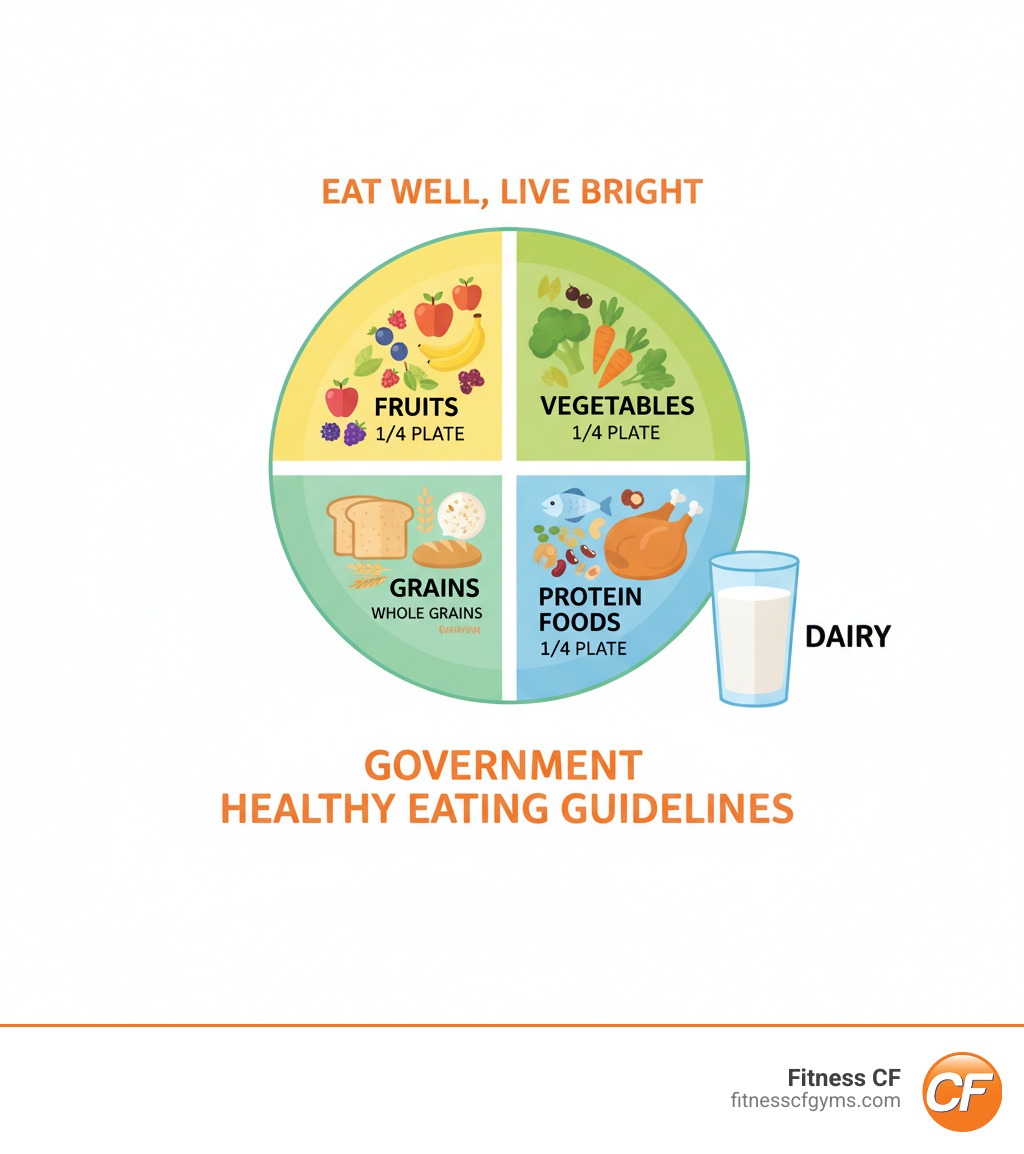
Government 8 tips for healthy eating provide a science-backed roadmap to better nutrition. These evidence-based guidelines from health authorities like the NHS and USDA’s MyPlate are based on decades of research, offering clear, actionable advice.
Here are the 8 government tips for healthy eating:
- Base meals on higher fiber starchy carbohydrates – Choose whole grains over refined options
- Eat lots of fruits and vegetables – Aim for at least 5 portions daily
- Include lean proteins and oily fish – Get 2 portions of fish weekly, including 1 oily fish
- Cut down on saturated fat and sugar – Keep both under 10% of daily calories
- Eat less salt – Stay under 6g (1 teaspoon) per day for adults
- Get active and maintain healthy weight – Balance calories in with calories out
- Stay hydrated – Drink 6-8 glasses of fluids daily, preferably water
- Don’t skip breakfast – Start your day with energy and essential nutrients
Following these guidelines can reduce your risk of heart disease, type 2 diabetes, and stroke while helping you maintain a healthy weight.
The beauty of these tips is their focus on building sustainable habits. As one government health guide puts it: “The benefits of healthy eating add up over time, bite by bite.”
I’m Pleasant Lewis, and in my 40 years in the fitness industry, I’ve seen these guidelines form the foundation of every successful health change. Understanding these government 8 tips for healthy eating is crucial for anyone serious about their health journey.
The Government 8 Tips for Healthy Eating: A Practical Framework
Feeling overwhelmed by conflicting nutrition advice? The government 8 tips for healthy eating cut through the noise. These aren’t trendy diet rules but time-tested, research-backed guidelines that health organizations worldwide stand behind.
Think of these tips as a reliable roadmap for your health journey. Their practicality is key—they offer simple changes that fit into real life, without complicated rules or expensive superfood requirements.
The beauty of following these government 8 tips for healthy eating is that they work together to create a complete picture of balanced nutrition. When you base meals on fiber-rich carbs, eat plenty of fruits and vegetables, and stay hydrated, your body gets what it needs to thrive.
These aren’t just eating rules; they’re the foundation for an active, energetic lifestyle. Good nutrition fuels better workouts, and regular exercise helps your body use nutrients more effectively, creating a positive cycle that builds momentum over time.
Ready to dive in? Let’s break down each tip and see how you can make them work in your everyday life.
1. Base Meals on Higher Fiber Starchy Carbohydrates
Let’s clear up a common myth: carbs are not the enemy. The government 8 tips for healthy eating place starchy carbohydrates as the foundation of every meal for good reason.
Starchy carbohydrates are your body’s premium fuel source, powering everything from workouts to brainpower. They should make up just over a third of what you eat, providing essential B vitamins, iron, and calcium.
The magic happens when you choose higher fiber, wholegrain varieties. Refined carbs are like kindling that burns fast, while whole grains are like logs that provide steady, long-lasting energy.
Fiber is your secret weapon for feeling satisfied. Wholegrain foods digest slowly and release energy gradually, preventing the dreaded 3 PM energy crash. You’ll feel fuller for longer, which naturally helps with weight management.
Gram for gram, starchy carbs contain less than half the calories of fat, debunking the myth that they are inherently “fattening.”
The best energy sources include brown rice, wholewheat pasta, oats, and potatoes with their skin. Even switching to wholemeal bread can significantly boost your fiber intake.
If you’re new to whole grains, start small by mixing them with refined versions. Your taste buds will adjust, and your energy levels will thank you.
As we explore in Debunking Common Nutrition Myths, many people mistakenly avoid carbs. The truth is, an active body needs these steady energy sources to perform at its best.

2. Eat a Rainbow of Fruits and Vegetables
The vibrant colors of fruits and vegetables aren’t just for show; each hue represents different nutrients our bodies crave. The government 8 tips for healthy eating emphasize getting at least 5 portions of fruits and vegetables daily—the “5 A Day” rule. This isn’t a catchy slogan; it’s based on research showing a lower risk of heart disease, stroke, and certain cancers.
What counts as a portion? About 80g for adults. Picture one medium apple, three heaped tablespoons of cooked carrots, or a handful of berries. A small glass of 100% fruit juice (150ml max) can count, but whole fruits are better due to their fiber content.
The beauty of this tip is its flexibility. Whether you choose fresh, frozen, or canned (in water or natural juice), you’re getting essential vitamins, minerals, and fiber. Frozen vegetables are often picked at peak ripeness and can be just as nutritious as fresh ones.
Getting your daily rainbow is simple. Add berries to your cereal, pack an apple for a snack, or toss extra spinach into your pasta sauce.
One important note about fruit juice: stick to no more than 150ml daily. Juicing removes most of the fiber and concentrates the natural sugars, making the whole fruit a healthier choice.
Programs like the BC School Fruit and Vegetable Nutritional Program show how seriously governments take this recommendation. When you eat a colorful variety, you get a wide range of vitamins and antioxidants that keep your body running smoothly. Your taste buds will thank you, too, as you begin to crave what’s good for you.
3. Choose Lean Proteins and Oily Fish
Protein is essential for more than just building muscle; it repairs tissues, creates enzymes, and supports a strong immune system. The government 8 tips for healthy eating emphasize choosing lean protein sources to get these benefits without excess saturated fat.
Excellent choices include plant-based proteins like beans, lentils, and chickpeas, which also provide fiber. Lean meats like skinless chicken and turkey, lean cuts of beef, and versatile eggs are also great options.
Government guidelines specifically recommend eating fish at least twice a week, with one of those portions being oily fish. Why? Oily fish are swimming with Omega-3 fatty acids, incredible fats that fight inflammation and support heart health.
Salmon, mackerel, sardines, and trout are your oily fish superstars. A portion is about 140g (roughly the size of your palm). These fish may help prevent heart disease and keep your cardiovascular system running smoothly.
Those who are or might become pregnant should limit oily fish to two portions per week. Everyone else can safely enjoy up to four portions weekly. White fish like cod are also fantastic protein sources, though lower in Omega-3s.
Combining these protein choices with regular strength training creates a powerful partnership. As detailed in our article The Truth About Protein: How Much Do You Really Need?, adequate protein helps muscles recover and grow stronger after exercise.
Start by adding one extra serving of lean protein or scheduling a “fish night” into your weekly meal plan. Your muscles and heart will thank you.
Limiting Unhealthy Components for Better Health
4. Cut Down on Saturated Fat and Sugar

While our bodies need some fat and sugar, modern diets often contain too much. The key is moderation to avoid health risks.
The saturated fat challenge is that too much can raise blood cholesterol, increasing the risk for heart disease. The government 8 tips for healthy eating recommend keeping saturated fats under 10% of daily calories. This is about 30g daily for men and 20g for women.
Saturated fat is often found in fatty meats, full-fat dairy like butter and cream, and processed treats like cakes and biscuits. Making smarter swaps is easy: choose lean cuts of meat, use olive oil for cooking, and opt for low-fat dairy alternatives.
Added sugars present their own challenges, contributing to weight gain, type 2 diabetes, and tooth decay. Guidelines suggest keeping added sugars under 10% of daily calories as well.
The biggest culprit is sugary drinks, but added sugars also hide in flavored yogurts, breakfast cereals, and sauces.
Reading food labels becomes your superpower. Look for ingredients like sucrose, glucose, and corn syrup. As a rule of thumb, a product with more than 15g of sugars per 100g is high in sugar, while less than 5g per 100g is low.
Small changes make a big difference. Make water your go-to drink and sweeten oatmeal or yogurt with fresh berries. Your taste buds will adapt, and you’ll feel better for it.
For a deeper dive into common sources of saturated fat, check out this helpful resource: Common sources of saturated fat[PDF-1.13MB].
5. Eat Less Salt (Sodium)
Most of us consume nearly double the recommended amount of salt without realizing it. Government health organizations emphasize eating less salt for a compelling reason: it has a profound impact on our health.
Adults should aim for no more than 6g of salt daily—roughly one teaspoon, or 2,300 milligrams of sodium. Excessive sodium intake raises our blood pressure, significantly increasing the risk of heart disease and stroke. Reducing salt can help bring blood pressure back into a healthier range.
The tricky part is that about 70-75% of our daily salt intake comes from processed and packaged foods, not the salt shaker. This “hidden sodium” lurks in bread, cereals, canned soups, and restaurant meals.
Taking control starts in your kitchen. Cooking from scratch allows you to manage your salt intake. Instead of relying on salt, explore herbs and spices. Garlic, rosemary, cumin, and lemon juice can transform simple ingredients into flavorful meals without the health risks.
Reading food labels is your superpower here. Look for products labeled “low sodium.” As a general rule, if a food contains more than 1.5g of salt (or 0.6g of sodium) per 100g, it’s considered high in salt.
Your taste buds will adapt to less salt within a few weeks, and you’ll start to appreciate the natural flavors of food more. For practical guidance, Sodium Sense offers excellent strategies for cutting back without sacrificing flavor.
Integrating Diet with an Active Lifestyle
6. Get Active and Maintain a Healthy Weight
Good nutrition and regular movement work hand-in-hand to create a complete picture of health. The government 8 tips for healthy eating are most effective when paired with physical activity.
The foundation of weight management is calorie balance. Most adults need around 2,000 calories daily for women and 2,500 for men, though individual needs vary. When the energy you consume matches the energy you burn, your weight stays stable.
Physical activity does more than just burn calories. It’s a powerful defense against chronic diseases, boosts mood by releasing endorphins, and strengthens bones and muscles, keeping you mobile as you age.
The benefits of cardio, like brisk walking or cycling, shine through improved heart health and endurance. Meanwhile, the benefits of strength training extend beyond building muscle. Resistance exercises boost your metabolism because muscle tissue burns more calories at rest—it’s like having a more efficient engine running 24/7.

The synergy is powerful: wholesome food fuels movement, and movement helps your body use those nutrients more efficiently. This leads to better sleep and regulated hunger hormones, making lasting change possible.
You don’t need to become a marathon runner. Small increases in daily movement, like taking the stairs or doing bodyweight exercises during TV commercials, all add up.
For those looking to dive deeper, our guide on Nutrition Tips for Building Muscle and Losing Fat explores this powerful partnership in detail. Every healthy choice and every minute of movement creates the vibrant life you deserve.
7. Stay Hydrated with Healthier Drinks
Our bodies are roughly two-thirds water, making proper hydration absolutely essential for health. The importance of hydration goes far beyond quenching thirst; water regulates body temperature, transports nutrients, lubricates joints, and helps flush out waste.
Government guidelines recommend adults drink 6 to 8 glasses of fluid daily (about 1.2 to 2 liters). This isn’t a one-size-fits-all number; you’ll need more when you exercise or on hot days.
Your body has clever ways of signaling its needs. Signs of dehydration include feeling thirsty, having dark-colored urine, headaches, and unusual fatigue. These are red flags asking for more fluids.
While all non-alcoholic drinks count, not all are equal. Water is the best choice—zero calories, zero sugar. You can add slices of lemon, cucumber, or berries for a refreshing twist.
Government guidelines are serious about limiting sugary drinks. Sodas and sweetened beverages are packed with empty calories that contribute to weight gain and tooth decay. Even fruit juices should be limited to 150ml per day due to their concentrated sugar.
Healthier alternatives include low-fat milk, which provides calcium, and calorie-free herbal teas. Plain tea and coffee also contribute, but water should remain your go-to.
Carrying a reusable water bottle is a simple way to transform your hydration habits. As you can learn from Sugary Drink Sense, making water your primary drink is one of the easiest and most effective steps toward better health.
8. Don’t Skip Breakfast
Breakfast is often called the most important meal of the day, and for good reason. Yet many people rush out the door on empty, thinking they’re helping their waistline.
Debunking weight loss myths is crucial here. Skipping breakfast often backfires, as it can lead to overeating and unhealthy snacking later in the day when intense hunger strikes.
Breakfast provides the energy for the day that our bodies and brains need after an overnight fast. A well-balanced morning meal also delivers essential nutrients that are hard to make up for later. Research consistently shows that eating breakfast leads to improved concentration and mental alertness throughout the morning.
So what makes a breakfast healthy? Government guidelines favor options high in fiber and low in saturated fat, sugar, and salt. Good choices include:
- Wholegrain cereal with low-fat milk or a plant-based alternative.
- Porridge made with oats, topped with fresh berries or nuts.
- Wholewheat toast with avocado or a poached egg.
- Fruit and yogurt, using plain, low-fat yogurt to avoid added sugars.
Time constraints don’t have to be a barrier. Prepare the night before by setting out your cereal bowl, making overnight oats, or slicing fruit. Our guide on Nutrition and Fitness Meal Planning Tips for Busy Professionals offers more practical strategies.
Following these government 8 tips for healthy eating means fueling your body properly from the very start of each day.
Frequently Asked Questions about Government Healthy Eating Tips
Even with clear guidelines, questions about applying these principles to real life are common. Here are some insights on the government 8 tips for healthy eating.
What is the best diet to follow according to government 8 tips for healthy eating?
Government health organizations don’t recommend a specific “diet.” Instead, they advocate for a sustainable balanced eating pattern. Guidelines like The Eatwell Guide and MyPlate are flexible, encouraging variety and moderation rather than rigid rules. This means prioritizing nutrient-dense foods like fruits, vegetables, and whole grains, including lean proteins, and limiting foods high in added sugar, saturated fat, and sodium. The best “diet” is one that fits your lifestyle and preferences. As explained in What is the best diet?, sustainable eating patterns beat restrictive diets every time.
How can I make healthy eating more affordable?
Healthy eating can be affordable with strategic planning. Meal planning and shopping lists help you avoid impulse buys and reduce food waste. Buying in-season produce saves money, while frozen and canned options (in water or natural juice) are excellent, cost-effective alternatives. Cooking in batches and incorporating inexpensive plant-based proteins like lentils and beans also stretch your budget. The USDA’s Shop Simple with My Plate resource offers more fantastic tips for budget-friendly healthy eating.
What are the key takeaways from the government 8 tips for healthy eating?
The government 8 tips for healthy eating distill complex science into simple, actionable principles:
- Balance food groups: Aim for variety and color on your plate.
- Increase fiber, fruits, and vegetables: These are nutritional powerhouses that support overall health.
- Reduce salt, sugar, and saturated fat: Small reductions can lead to significant long-term health benefits.
- Stay active and hydrated: Nutrition and physical activity work together for optimal results.
The most important takeaway is consistency over perfection. Healthy eating is a journey of making small, sustainable changes over time. These principles empower you to build a positive relationship with food, free from restriction or guilt.
Conclusion: Build Your Healthy Lifestyle, One Bite at a Time
We’ve journeyed through the government 8 tips for healthy eating, from fueling with fiber-rich carbs to embracing colorful produce, lean proteins, and healthy fats. We’ve also seen how limiting salt, sugar, and saturated fat protects our long-term health.
These guidelines aren’t about a perfect diet but about building sustainable habits. Every small choice—choosing whole grains, drinking more water, or prepping a healthy snack—adds up. Healthy eating is a journey, not a destination. Consistency is far more important than perfection, and the benefits of your choices will compound over time.
At Fitness CF, we see how proper nutrition transforms lives. The synergy between smart eating and regular movement creates a positive cycle of energy, strength, and well-being. When you fuel your body right, your workouts become more effective, and you feel your best.
Your health journey is unique. Personalized support can help you integrate these nutritional principles into an active lifestyle that works for you. Ready to take the next step? Learn more about our Personal Training programs and find how expert guidance can help you build the healthy, energetic life you deserve—one bite and one workout at a time.