Why Building Muscle Matters for Your Health and Fitness
Gym tips for muscle gain boil down to a few proven principles that work for everyone, regardless of age or experience level. Here’s what you need to know:
Essential Gym Tips for Muscle Gain:
- Train with progressive overload – Gradually increase weight, reps, or sets over time
- Hit 8-12 reps per set – This range is optimal for muscle hypertrophy
- Focus on compound exercises – Squats, deadlifts, bench press, and rows build the most muscle
- Eat in a calorie surplus – Aim for 5-10% above maintenance calories
- Get 1.6-2.2g protein per kg bodyweight – Protein fuels muscle repair and growth
- Train each muscle 2-3 times per week – Frequency matters for consistent gains
- Rest and recover – Muscles grow during recovery, not during workouts
- Sleep 7-9 hours nightly – Growth hormone peaks during deep sleep
The truth is simple: building muscle requires consistent resistance training, adequate nutrition, and proper recovery. You don’t need complicated routines or expensive supplements. You need a plan that challenges your muscles progressively while giving them the fuel and rest they need to grow stronger.
Research shows that untrained individuals can gain 1-2 pounds of muscle per month in the initial phases of training. Even moderately trained lifters can expect to add half that amount with the right approach. The key is understanding that muscle growth happens through mechanical tension – the closer you train to failure, as more motor units and muscle fibers are recruited, the greater your potential for growth.
But muscle building isn’t just about aesthetics. Every pound of muscle you add burns approximately 13 calories per day at rest, compared to just 4 calories for fat. Building muscle improves joint support, improves metabolic health, regulates blood sugar levels, and makes everyday activities easier. It’s one of the most powerful investments you can make in your long-term health and quality of life.
Whether you’re stepping into the gym for the first time or looking to break through a plateau, the fundamentals remain the same. You need to challenge your muscles with progressive resistance, fuel your body with adequate protein and calories, and allow sufficient recovery time between sessions.
I’m Pleasant Lewis, and I’ve been helping people achieve their fitness goals for over 40 years through evidence-based gym tips for muscle gain and personalized training approaches. My experience has shown me that success comes from mastering the basics and staying consistent, not chasing complicated programs or quick fixes.
Gym tips for muscle gain terms to know:
The Science of Hypertrophy: Fundamental Gym Tips for Muscle Gain
To see real results, we first have to understand what’s actually happening under the hood. Muscle hypertrophy—the technical term for muscle growth—doesn’t happen while we are lifting weights. It actually happens while we are resting. When we lift, we are providing the “stimulus.”
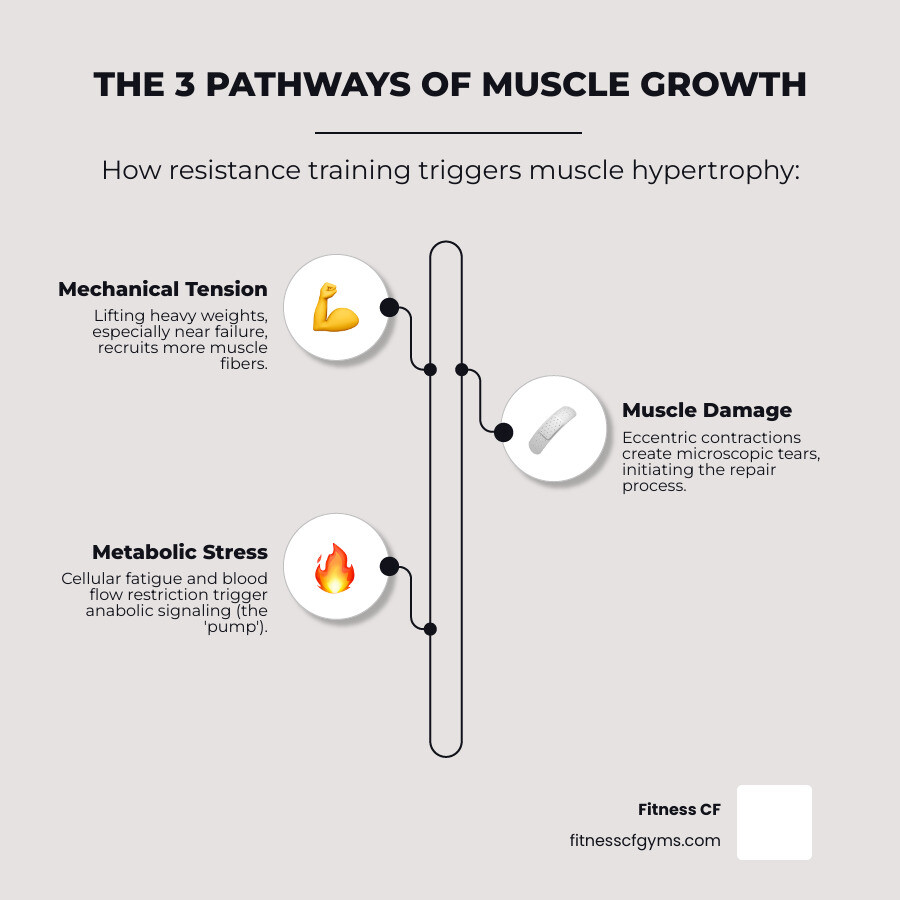
There are three primary ways to stimulate muscle growth: mechanical tension, muscle damage, and metabolic stress. Out of these, Research on mechanical tension and growth suggests that mechanical tension is the most important driver. This refers to the force applied to the muscle during a lift. The heavier the weight and the more control we have over it, the more tension we create.
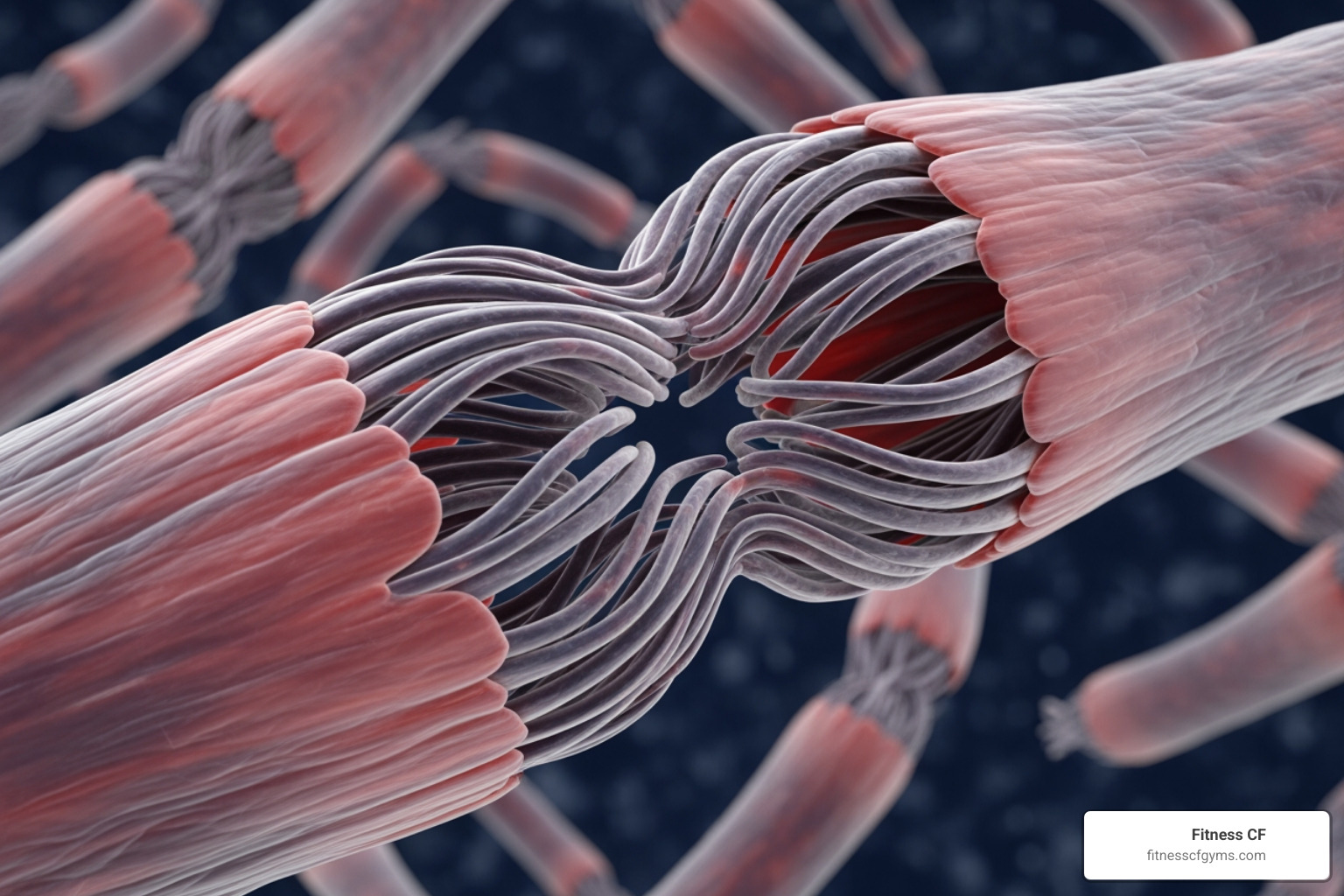
Muscle damage involves the microscopic tears that occur in muscle fibers during intense training. While it sounds scary, these tiny tears signal the body to repair the tissue, making it thicker and stronger than before. Finally, metabolic stress is that “pump” or burning sensation we feel during high-rep sets. It’s caused by the accumulation of metabolites like lactate, which also triggers an anabolic (growth) response.
If you’re looking for how to build muscle mass simply and guaranteed, you must focus on these three pillars. Without enough tension or a reason for the body to adapt, your muscles will simply stay the same size.
Optimizing Rep Ranges: Practical Gym Tips for Muscle Gain
For decades, the “hypertrophy continuum” has suggested that 8–12 repetitions per set is the “sweet spot” for building muscle. While Scientific study on repetition ranges shows that you can build muscle with as few as 5 reps or as many as 30, the 8–12 range is often the most efficient. Why? Because it allows for a significant amount of weight (tension) while providing enough time under load (metabolic stress).
One of the most effective tips for building lean muscle mass is to focus on “effective reps.” These are the last few repetitions of a set where the muscle begins to struggle. Researchers recommend ending most sets one or two reps before total failure. This ensures we stimulate the muscle enough to grow without completely frying our nervous system, allowing us to train more frequently throughout the week.
Selecting the Right Weight: Essential Gym Tips for Muscle Gain
Choosing the right weight is a bit like Goldilocks—too light, and you won’t grow; too heavy, and you’ll likely sacrifice form and get injured. We generally want to train at about 70–85% of our one-rep max (1RM). If you can easily do 20 reps with a weight, it’s likely too light for optimal hypertrophy.
A great way to gauge this is by using “Reps in Reserve” (RIR). If you finish a set of 10 and feel like you could have done 5 more, you need to increase the weight. If you finish and feel like you could have only done 1 more with perfect form, you’re in the gold zone. Research on training to failure indicates that while you don’t always need to hit absolute failure, you need to get very close to see significant adaptations.
If you’re training at home or in a busy gym, you can use these 10 simple dumbbell exercises for a full-body workout to practice choosing weights that challenge you within that 8–12 rep range.
Designing Your Routine: Effective Training Splits and Exercises
Not all exercises are created equal. If we want to maximize our time in the gym, we need to prioritize movements that give us the “biggest bang for our buck.” These are compound movements—exercises that involve multiple joints and muscle groups working together.
Isolation training, like bicep curls or leg extensions, definitely has a place in a well-rounded program, especially for targeting specific weaknesses or adding volume without systemic fatigue. However, they should be the “dessert” of your workout, while compound lifts are the “main course.” For more ideas, check out the best strength training exercises to add to your routine.
The Power of Compound Lifts
The “Big Four”—Squats, Deadlifts, Bench Press, and Overhead Press—should be the foundation of any muscle-building program. These movements allow you to lift the heaviest loads, which creates the most mechanical tension.
A scientific review of training volume found that for most people, working each major muscle group at least twice a week is superior to the old-school “bro split” where you only hit a muscle once a week. Compound lifts make this easy because a single set of squats hits your quads, glutes, hamstrings, and core all at once. If you’re a beginner, learning how to build a full-body workout plan that actually works is the best way to start.
Choosing Your Training Split
There is no “perfect” split, only the split that you can stick to consistently. Here are the most common effective options:
- Full-Body Routine: You hit every major muscle group 3 times a week. This is fantastic for beginners because it allows for high frequency and plenty of practice on the main lifts.
- Push-Pull-Legs (PPL): This is a 3 to 6-day split. “Push” days focus on chest, shoulders, and triceps. “Pull” days focus on back and biceps. “Legs” are… well, legs. This is a favorite among intermediates.
- Upper-Lower Split: You train upper body on Monday, lower body on Tuesday, rest Wednesday, and repeat. This is a great balance of frequency and recovery.
When you’re ready to get serious, knowing how to structure lean muscle workouts will help you decide which split fits your Florida lifestyle best.
Nutrition and Bulking: Fueling Your Growth
You can lift all the weights in the world, but if you aren’t eating enough, you won’t grow. Think of your body like a construction site—training is the blueprint, but food is the brick and mortar. To build new tissue, we need a calorie surplus.
A slight calorie surplus of 5–10% above your maintenance calories is usually enough. For most people, this means adding about 250–500 calories a day. According to International Society of Sports Nutrition protein guidelines, if we simply eat more without a stimulus, we just get fat. But with the right training, those extra calories are diverted toward muscle protein synthesis. Dive deeper with our lean muscle diet: your complete guide to foods that deliver.
Macronutrient Ratios for Bulking
- Protein: This is the most critical macro for muscle. Aim for 1.6g to 2.2g of protein per kilogram of body weight (or about 0.8g to 1g per pound). This provides the amino acids necessary to assemble new proteins into muscle fibers.
- Carbohydrates: Carbs are your body’s primary fuel source. They provide the energy to train hard and help “spare” protein so it can be used for growth rather than energy.
- Fats: Don’t neglect healthy fats! They are essential for hormone production, including testosterone, which is a key driver of muscle mass.
For a personalized approach, check out our nutrition tips for building muscle and losing fat.
Strategic Supplementation
Supplements are just that—supplements to a good diet. However, a few are backed by mountains of evidence:
- Creatine Monohydrate: This is the most researched supplement in history. It helps your muscles produce energy during heavy lifting. Scientific evidence on creatine safety shows it has no harmful side effects for healthy individuals and is incredibly effective for increasing strength and size.
- Whey Isolate: A convenient way to hit your protein goals, especially post-workout when your body needs fast-digesting amino acids.
- Beta-Alanine: Helps buffer acid in the muscles, allowing you to squeeze out a few more reps during high-intensity sets.
Finding the best post-workout shake can make hitting these daily targets much easier.
Recovery and Consistency: The Hidden Keys to Growth
We’ve said it before, but it bears repeating: muscles grow while you sleep! During deep sleep, your body releases a surge of growth hormone and testosterone. If you’re only getting 5 hours of sleep, you’re essentially leaving gains on the table.
A study on sleep and muscle recovery highlights that sleep deprivation can actually lead to muscle loss, even if you’re training hard. Aim for 7–9 hours of quality shut-eye. Furthermore, don’t skip your rest days. Training 7 days a week is a recipe for burnout and injury. Check out these 7 key benefits of rest days to understand why “doing nothing” is actually productive.
Managing Overtraining and Fatigue
If you find that your strength is decreasing, you’re constantly sore, or you’re losing motivation, you might be overtraining. This is where “deload weeks” come in. Every 4–8 weeks, reduce your training volume (sets and reps) or intensity (weight) by about 50%. This allows your joints and nervous system to fully recover so you can come back stronger.
Mastering leg day recovery is particularly important, as the legs are our largest muscle group and create the most systemic fatigue.
Tracking Progress and Adjustments
You can’t manage what you don’t measure. We recommend keeping a training log. Every time you go to the gym, try to do a little bit more than last time—this is the essence of progressive tension.
Don’t just rely on the scale, as it doesn’t distinguish between muscle and fat. Use a combination of:
- Strength Gains: Are you lifting more weight or doing more reps?
- Body Measurements: Is your chest getting wider? Are your arms bigger?
- Progress Photos: Sometimes we don’t see the changes in the mirror day-to-day, but photos don’t lie.
If you’re wondering how long does it take for muscles to grow, it’s a marathon, not a sprint. Significant visual changes usually take 8–12 weeks of consistent effort.
Beyond Aesthetics: The Health Benefits of Building Muscle
While looking good in a t-shirt is a great motivator, the health benefits of strength training are even more impressive. As we age, we naturally lose muscle mass (a process called sarcopenia). Resistance training is the only way to slow or reverse this.
According to muscle strength and joint health research, our muscles act as shock absorbers for our joints. The stronger the muscles around your knees and hips, the less wear and tear those joints experience. Here are 7 compelling reasons to strength train that have nothing to do with the mirror.
Metabolic and Cardiovascular Health
Muscle is metabolically active tissue. This means it requires energy just to exist. By increasing your muscle mass, you increase your Basal Metabolic Rate (BMR), making it easier to maintain a healthy weight.
Furthermore, muscles are the primary site for glucose disposal. A study on muscle mass and metabolism explains that more muscle improves insulin sensitivity and helps regulate blood sugar, reducing the risk of Type 2 diabetes. When it comes to strength training vs cardio: which is better for weight loss, the answer is usually a combination of both, but strength training provides the metabolic “engine” that keeps burning calories long after the workout is over.
Functional Fitness and Longevity
Strength training isn’t just for athletes; it’s for anyone who wants to stay independent as they age. It increases bone density, which prevents osteoporosis and fractures. It also improves balance and coordination, which are the best defenses against falls.
Understanding what is strength training and what are its benefits helps us realize that we aren’t just building biceps; we are building a body that can handle whatever life throws at it.
Frequently Asked Questions about Muscle Gain
How long does it take to see noticeable muscle gains?
For most beginners, you’ll feel stronger within the first 2–4 weeks as your nervous system learns how to use your existing muscles more efficiently. Actual physical changes in muscle size usually become noticeable to you around the 6–8 week mark, and to others around 12 weeks. Consistency is the magic ingredient!
Can I build muscle while losing fat?
Yes! This is often called “body recomposition.” It is most common in beginners or those returning to the gym after a long break. To do this, you need to eat at or slightly below maintenance calories while keeping your protein intake very high (around 1g per pound of body weight) and lifting heavy weights.
Do I need to lift heavy weights to grow?
“Heavy” is relative. To grow, you need to lift weights that are heavy for you. This means choosing a weight that causes you to reach near-failure within your target rep range. Whether that’s a 10lb dumbbell or a 300lb barbell, the biological signal for growth is the same.
Conclusion
At Fitness CF, we believe that everyone in Central Florida—from Orlando to St. Cloud and Clermont to Mount Dora—deserves to feel strong and confident. Building muscle is a journey that requires patience, but the rewards extend far beyond the gym walls. By following these gym tips for muscle gain, focusing on a healthy lifestyle, and staying consistent, you can transform not just your body, but your entire life.
If you’re feeling overwhelmed, don’t go it alone. Our professional trainers are here to provide the guidance and accountability you need to succeed. Whether you’re looking for personal training, diverse fitness classes, or just a supportive community, we have a place for you.
Start your muscle-building journey today and see what your body is truly capable of achieving!