Why Meal Prepping Convenience Matters for Your Health and Time

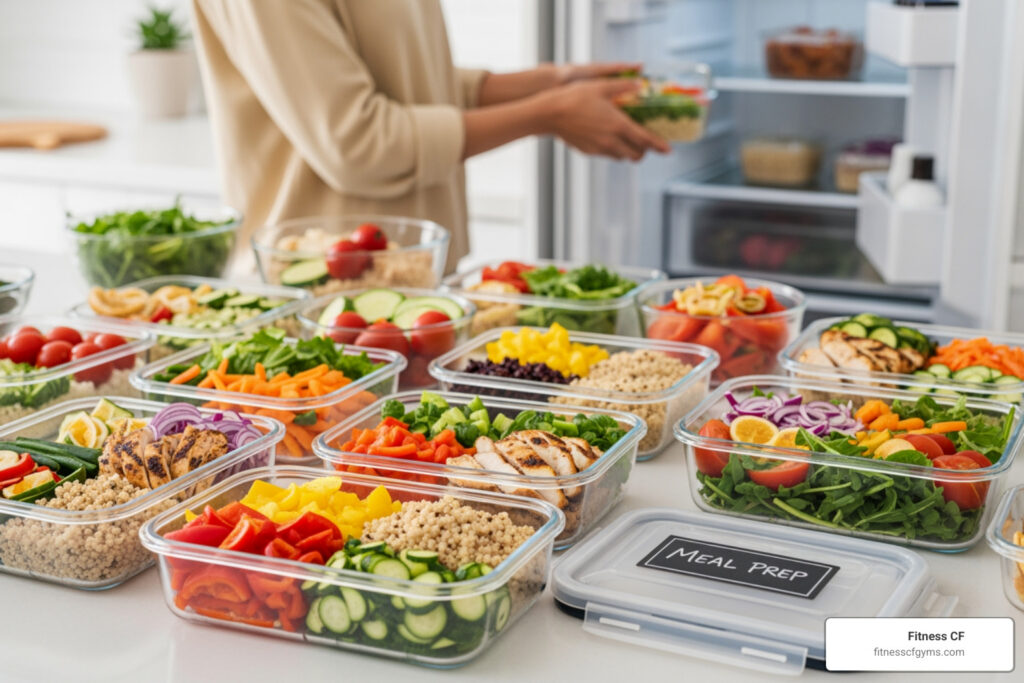
Meal prepping convenience is the practice of preparing meals or ingredients ahead of time to make healthy eating easier throughout your week. Here’s what makes it worth your effort:
- Saves 8-14 hours weekly by eliminating daily cooking decisions and prep work
- Reduces grocery costs by 20-30% through strategic shopping and less food waste
- Supports weight control by letting you decide ingredients and portions in advance
- Cuts stress by removing last-minute “what’s for dinner?” panic
- Improves nutrition by making it easier to eat balanced meals consistently
Who hasn’t left work late with a growling stomach but little energy to shop and cook? That scenario pushes many of us toward quick takeout meals that don’t align with our health goals. The good news: meal prepping doesn’t have to mean spending hours in the kitchen every Sunday.
Research shows that meal prep can help you eat more consistently throughout the day, which helps control hunger levels and prevents overeating. When you know you have something already prepared, you’re far less likely to grab whatever’s fastest—which is rarely the healthiest option.
The key is finding a method that fits your actual lifestyle, not some perfect Instagram version of meal prep. Whether you’re fueling strength training sessions, supporting cardio recovery, or just trying to eat better while juggling family and work, the right approach makes all the difference.
I’m Pleasant Lewis, and over 40 years in the fitness industry have taught me that meal prepping convenience is one of the most practical tools for anyone serious about their health goals. Consistency with nutrition supports everything else you’re doing to build strength, improve endurance, and feel your best.
Meal prepping convenience glossary:
Why Meal Prepping Convenience is the Ultimate Fitness Hack
When we talk about fitness, we often focus on the sweat and the reps. But any seasoned athlete will tell you that results are made in the kitchen. Meal prepping convenience acts as a buffer against “decision fatigue”—that mental exhaustion that hits at 6:00 PM when your willpower is low and the drive-thru is calling.
The statistics are sobering. According to the CDC, a significant portion of caloric intake from fast food among adults comes from convenience-driven choices rather than planned enjoyment. When we don’t have a plan, we default to the easiest available option, which is often calorie-dense and nutrient-poor.
By taking control of your menu, you gain mastery over portion control and ingredient quality. This is vital for nutrition tips for building muscle and losing fat. When you prep, you aren’t just saving time; you’re ensuring that your body gets the specific macronutrients it needs to recover from a heavy lifting session or a long run.
Choosing Your Method: Tailoring Prep to Your Lifestyle
There is no “one way” to master meal prepping convenience. The best method is the one you can actually stick to when life gets busy. We generally see two main schools of thought:
Batch Cooking
This involves cooking full recipes from start to finish. Think of a large pot of chili, a tray of lasagna, or several easy healthy dinner recipes portioned out into glass meal prep bowls. This is perfect for those with zero time to cook during the work week.
Ingredient Prep (Component Prep)
Instead of full meals, you prepare “building blocks.” You might roast three pounds of chicken, cook a large batch of quinoa, and chop all your vegetables. This allows for more variety, as you can turn those ingredients into a bowl, a wrap, or a salad on the fly. This is often the preferred nutrition and fitness meal planning tips for busy professionals who want to feel like they are eating “fresh” meals rather than reheated leftovers.
| Feature | Batch Cooking | Ingredient Prep |
|---|---|---|
| Time Investment | 2-3 hours on Sunday | 60-90 minutes on Sunday |
| Weeknight Effort | 2-5 minutes (reheat) | 10-15 minutes (assemble) |
| Variety Level | Lower (same meal 3-4x) | Higher (mix and match) |
| Best For | Busy Professionals | Families/Picky Eaters |
Mastering Ingredient Prep for Mid-Week Flexibility
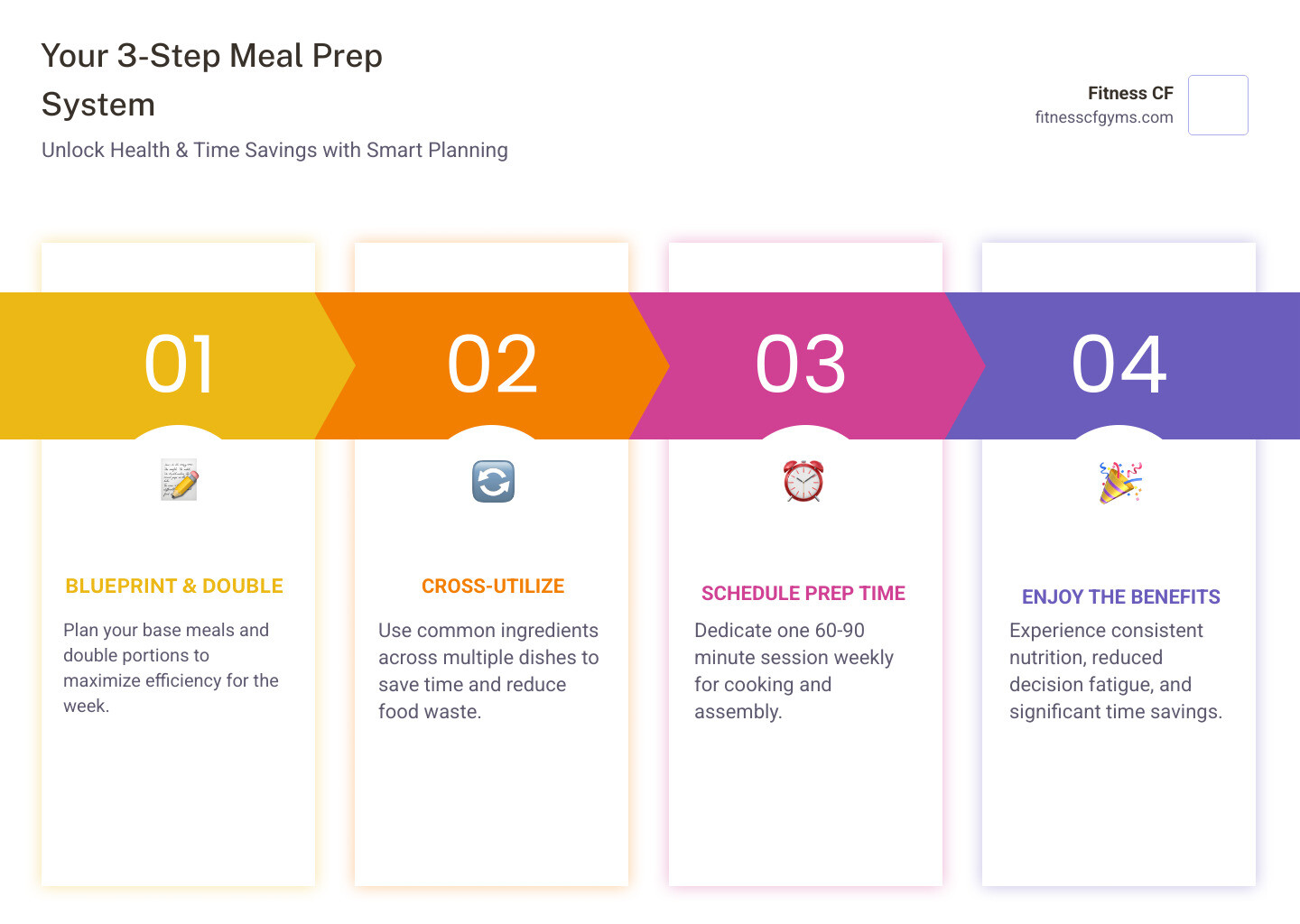
The secret to professional-level meal prepping convenience is a concept called “mise en place.” This is a French culinary term meaning “everything in its place.” According to A Beginner’s Guide to Healthy Meal Prep, simply having your vegetables washed, chopped, and stored properly can reduce your cooking time by 70% during the week.
Imagine coming home and having sliced bell peppers, peeled garlic, and destemmed kale ready to go. You’ve removed the “friction” of cooking. You aren’t “making dinner”; you’re just “assembling” it.
Smart Shopping and Repurposing for Maximum Efficiency
Efficiency starts at the grocery store. To maximize meal prepping convenience, we recommend a “Core Plus Accent” strategy. You buy a few core proteins and grains, then use different “accents” (sauces, spices, toppings) to change the flavor profile.
A classic example is the humble rotisserie chicken. One chicken can be repurposed into:
- Monday: Chicken with roasted sweet potatoes and broccoli.
- Tuesday: Chicken tacos with pre-shredded cabbage and lime.
- Wednesday: Chicken salad over pre-washed greens.
Don’t sleep on the freezer aisle, either. Research indicates that frozen produce is often more nutrient-dense than fresh produce because it is picked and flash-frozen at peak ripeness. This is a staple of the lean muscle diet: your complete guide to foods that deliver, as it ensures you always have high-quality vitamins on hand without the risk of spoilage.
Using Convenience Foods to Improve Meal Prepping Convenience
You don’t have to be a “from-scratch” martyr. Certain convenience foods are absolute lifesavers and totally worth the extra dollar or two:
- Canned Beans: A quick, high-fiber protein source. Just rinse them to reduce sodium.
- Pre-made Sauces: Low-sugar marinara, pesto, or salsa can transform a bland meal in seconds.
- Pre-cut Veggies: If chopping onions makes you want to quit before you start, buy them pre-chopped.
- Frozen Grains: Many stores now sell steam-in-bag quinoa or brown rice that takes 3 minutes instead of 45.
By making your own convenience foods—like browning five pounds of ground beef at once and freezing it in one-pound portions—you create a “convenience store” right in your own kitchen.
Food Safety and Storage: Keeping Your Preps Fresh
Nothing ruins the appeal of meal prepping convenience faster than soggy vegetables or questionable meat. Proper storage is non-negotiable.
We highly recommend investing in glass meal prep bowls. Glass is non-porous, doesn’t absorb odors, and reheats more evenly than plastic. If you’re doing freezer meals, Ziploc bag holders can make the filling process much less messy.
According to the refrigeration guidelines set by the FDA, you should keep your fridge at or below 40°F. Most cooked meals stay fresh for 3-4 days. If you’re prepping for a full seven days, plan to freeze the meals for the latter half of the week.
Pro-Tip for Food Safety:
- Cool Quickly: Divide large batches into shallow containers (less than 2 inches deep) so they cool faster.
- Reheat Right: Ensure all meals reach an internal temperature of 165°F.
- Label Everything: Use masking tape and a marker. “Mystery Meat 2024” is not a meal plan.
Understanding the role of nutrition in fitness: what to eat before and after a workout means knowing that your food is not only nutritious but safe to consume.
Beginner-Friendly Ideas to Fuel Your Workouts
If you’re new to this, don’t try to prep 21 meals this Sunday. Start with the meal that causes you the most stress. For many, that’s breakfast or lunch.
Breakfast: Overnight Oats
Mason jars are perfect for this. Mix rolled oats, protein powder, almond milk, and chia seeds. Let them sit overnight. In the morning, you have a grab-and-go meal that fuels your morning cardio or strength training.
Lunch: The “Power Bowl”
Layer your ingredients in a container:
- Base: Quinoa or brown rice.
- Protein: Roasted chicken or chickpeas.
- Veggie: Roasted peppers or steamed green beans.
- Fat: A small container of hummus or a sprinkle of nuts.
Dinner: One-Pan Wonders
Sheet pan meals are the peak of meal prepping convenience. Toss salmon and asparagus in olive oil and spices, bake for 12-15 minutes, and you have a high-protein, anti-inflammatory dinner ready for the week. For more inspiration, check out our easy healthy dinner recipes.
Frequently Asked Questions about Meal Prepping Convenience
How long do prepped meals stay fresh in the refrigerator?
Most cooked proteins, grains, and roasted vegetables are best consumed within 3 to 4 days. Hearty salads (like kale) can last up to 5 days if kept dry. If you need food for 5-7 days, we recommend freezing the Friday and Saturday portions on Sunday and moving them to the fridge on Wednesday night to thaw.
How can I avoid getting bored with the same meals every week?
The “Core Plus Accent” method is your best friend here. If you prep a large batch of shredded chicken, use it for BBQ chicken wraps on Monday, Pesto pasta on Tuesday, and Greek salad on Wednesday. Changing the sauce or the spice blend completely changes the meal without requiring extra cooking.
Is frozen produce as healthy as fresh produce for meal prep?
Yes! In many cases, it’s even better. Since frozen vegetables are processed immediately after harvest, they retain their vitamin and mineral content better than “fresh” produce that has spent days on a truck or sitting under grocery store lights. They are a fantastic way to maintain meal prepping convenience while keeping costs low.
Conclusion
We believe that fitness is a 24/7 commitment to yourself. While regular exercise provides the foundation for your physical progress, your kitchen provides the fuel.
Meal prepping convenience isn’t about being perfect; it’s about being prepared. It’s a form of self-care that frees up your brainpower for the things that matter—like hitting a new personal best in your strength training or enjoying a weekend bike ride.
Whether you’re a busy professional or a parent, taking 90 minutes this weekend to set yourself up for success will pay dividends in your energy, your mood, and your waistline. You don’t have to love cooking every night; you just have to love having already done it.
If you need more personalized guidance on how to align your nutrition with your fitness goals, consider looking into personal training to create a holistic plan that includes both movement and fuel.