What Are Body Sculpt Exercises (And Why They Work)
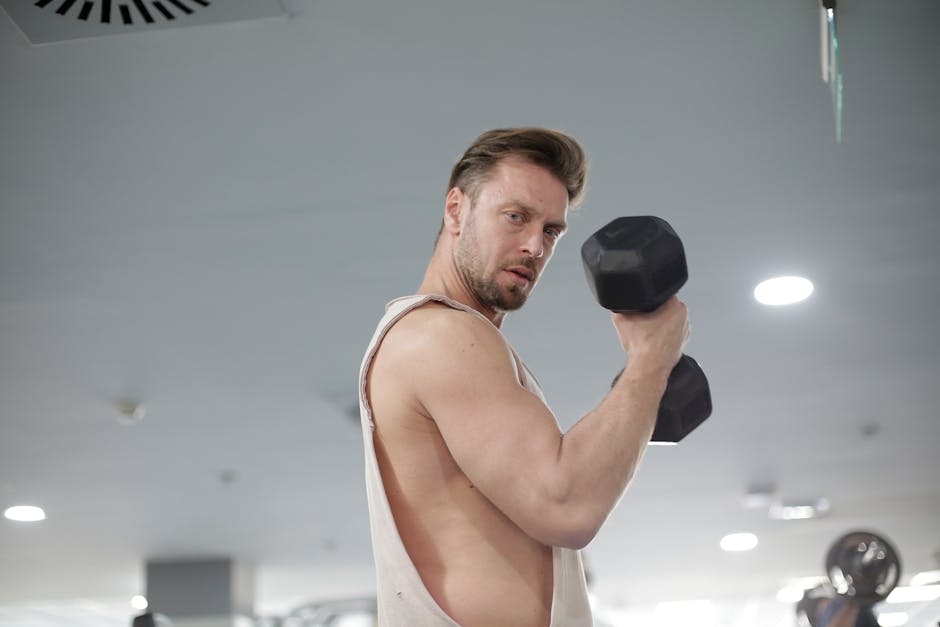
Body sculpt exercises are resistance-based movements designed to build lean muscle, reduce body fat, and improve the overall shape of your body — not just your weight on a scale.
Here are the most effective body sculpt exercises to get started:
- Squats – builds legs and glutes, burns high calories
- Push-ups – tones chest, shoulders, and triceps
- Glute bridges – activates posterior chain and core
- Planks – strengthens core and improves posture
- Lateral lunges – targets inner and outer thighs
- Dumbbell rows – sculpts back and biceps
- Overhead press – shapes shoulders and upper body
- Mountain climbers – full-body cardio and core combo
Unlike traditional strength training, which often focuses on lifting heavy for maximum size, body sculpting combines resistance work with higher reps and compound movements to define and tone your physique. The goal is a leaner, more balanced body — and it works whether you use dumbbells, bodyweight, or both.
The good news? You don’t need hours in the gym. Research shows that full-body sculpting sessions can effectively work all major muscle groups in as little as 20 minutes when you use smart, compound movements that target multiple muscles at once.
I’m Pleasant Lewis, a fitness professional with over 40 years of experience in the industry helping people discover effective body sculpt exercises that fit real life. Whether you’re just starting out or ready to push past a plateau, this guide will give you everything you need to get moving.
Must-know body sculpt exercises terms:
- 45 minute yoga for strength and flexibility
- group fitness classes
- best fitness classes for beginners
Understanding Body Sculpting Exercises and Their Benefits
When we talk about “toning up,” we are really talking about two things: building muscle and losing fat. This is known as body recomposition. Many people fear that lifting weights or doing body sculpt exercises will make them “bulky,” but the reality is that lean muscle tissue is the secret weapon for a leaner physique.
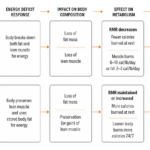
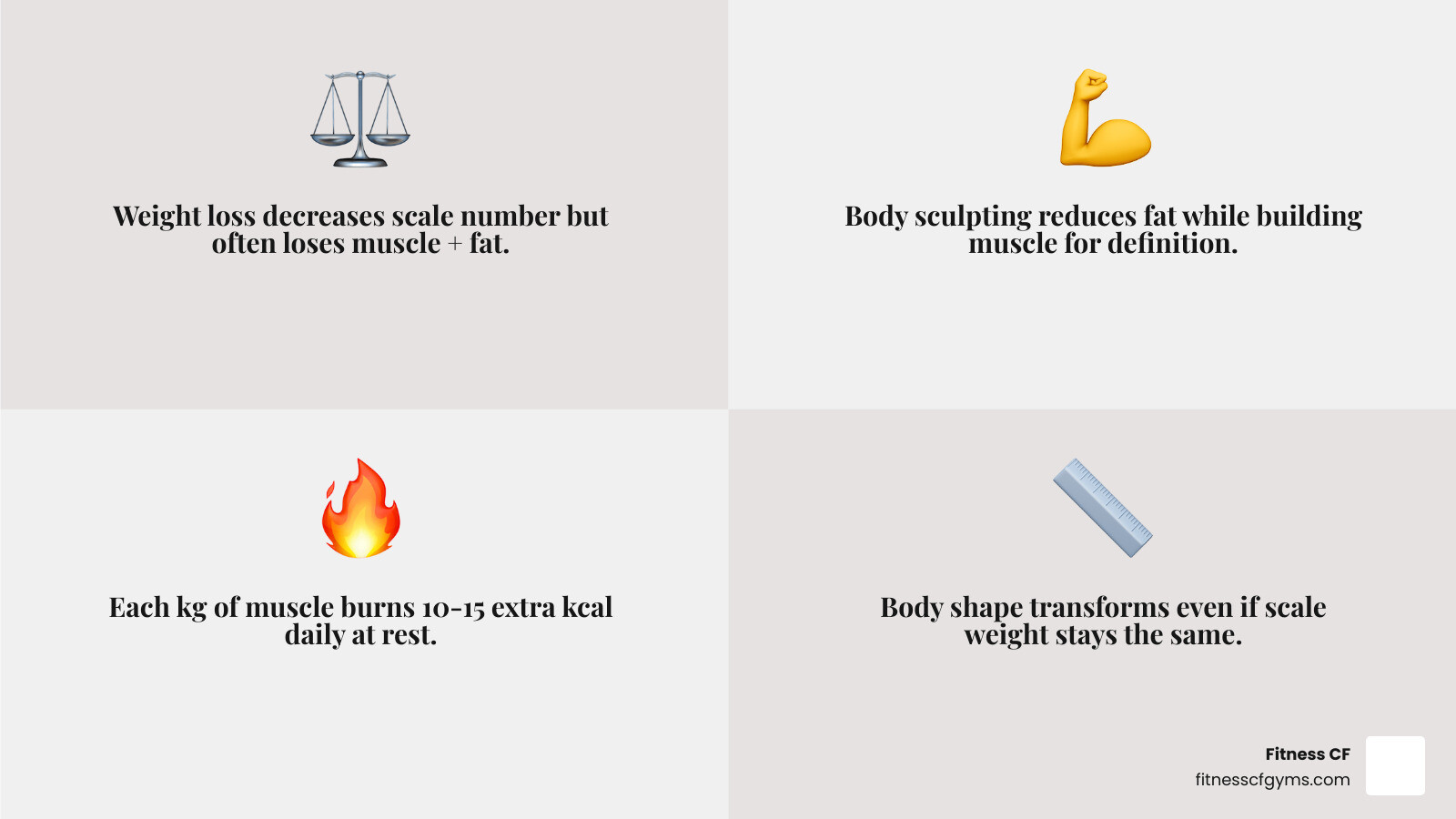
One of the most significant advantages of body sculpting is the boost to your metabolic rate. Research from the University of New Mexico shows that muscle tissue burns approximately 10-15 kcal/kg per day at rest. To put that into perspective, if we gain just 10 pounds of muscle, we could increase our daily calorie burn by 45-70 calories without even moving. This creates a “metabolic engine” that works around the clock.
Beyond aesthetics, there are profound health advantages. Resistance training is essential for bone density; by putting stress on our bones, these exercises stimulate bone-forming cells, reducing the risk of osteoporosis. Cardiovascular exercise is equally vital, as it strengthens the heart, improves circulation, and boosts endurance. Additionally, what is strength training and what are its benefits extends to functional fitness—making everyday tasks like carrying groceries or lifting children easier.
Posture is another area where we see immediate results. Many sculpting moves focus on the “posterior chain” (the muscles on the back of your body). Strengthening the back, glutes, and core helps counteract the “slouch” many of us develop from sitting at desks.
Essential Body Sculpt Exercises for a Full-Body Transformation
To get the most “bang for your buck,” we focus on compound movements. These are exercises that use more than one joint and multiple muscle groups at the same time. Instead of just doing a bicep curl, we might do a lunge with a bicep curl. This burns more calories and builds more functional strength.
Key Compound Movements:
- Lateral Lunges: Most of us move only forward and backward. Lateral lunges force us to move side-to-side, targeting the inner and outer thighs (adductors and abductors) and the gluteus medius.
- Curtsy Lunges with Press: This is a “creative” move. By crossing one leg behind the other into a curtsy lunge and then pressing dumbbells overhead as you stand, you engage your glutes, quads, core, and shoulders all at once.
- Hinge with Row to Swing: This combines a deadlift-style hinge with a back row and a rhythmic swing. It targets the entire back of the body.
If you have a set of weights at home, you can try these 10 simple dumbbell exercises for a full-body workout to see how quickly compound movements can ramp up your heart rate.
| Movement Type | Bodyweight Version | Weighted Version | Primary Muscles Targeted |
|---|---|---|---|
| Squat | Basic Air Squat | Goblet Squat (Dumbbell) | Quads, Glutes, Core |
| Push | Standard Push-up | Dumbbell Bench Press | Chest, Shoulders, Triceps |
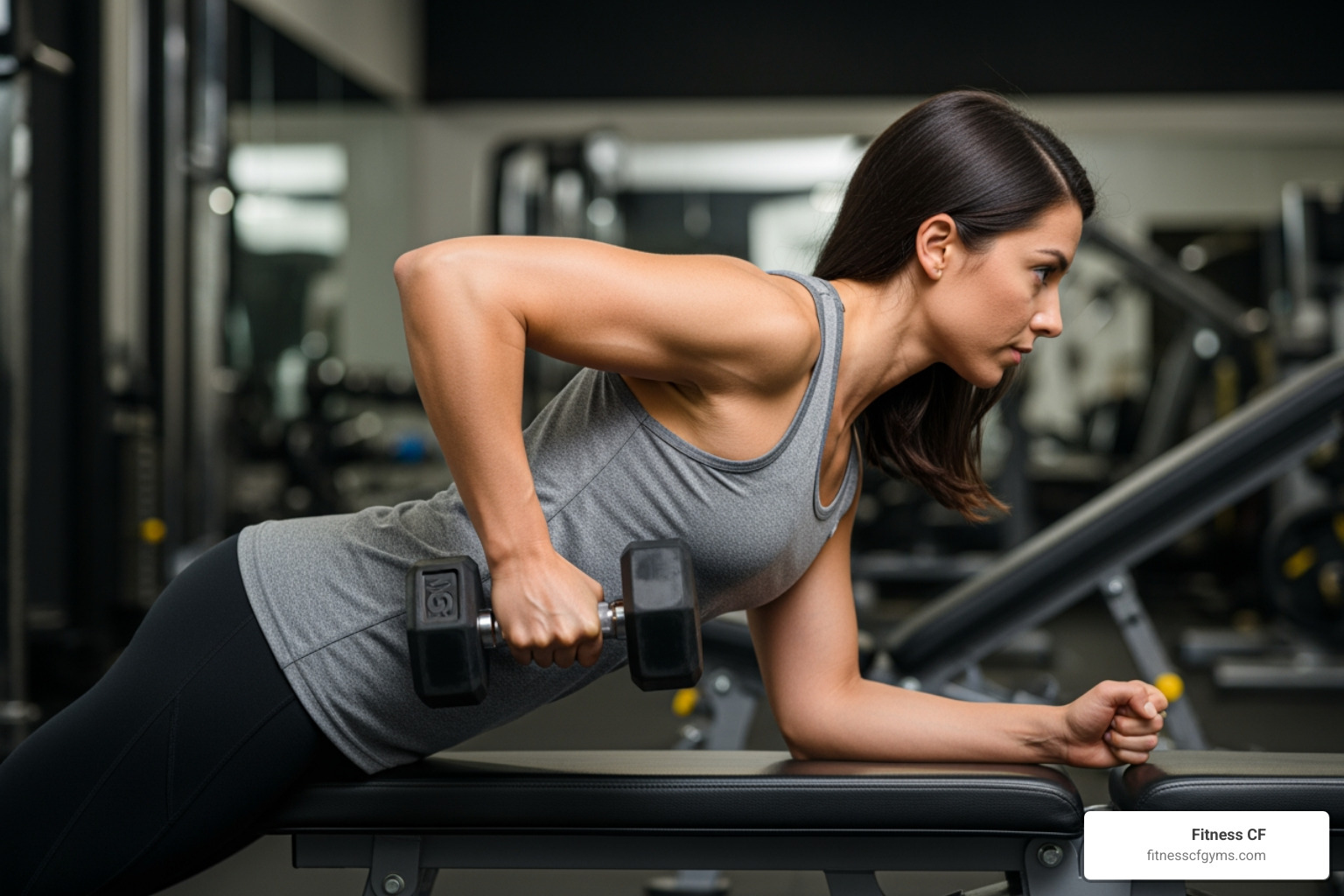
| Pull | Inverted Row (using table) | One-Arm Dumbbell Row | Back, Biceps |
| Hinge | Glute Bridge | Kettlebell Deadlift | Hamstrings, Glutes, Lower Back |
Beginner-Friendly Body Sculpt Exercises
If you are new to this, don’t feel intimidated! Everyone starts somewhere. The most important thing for a beginner is form priority. It is much better to do five perfect repetitions than twenty sloppy ones.
We often recommend starting with these 6 best core exercises for abs because a strong core is the foundation for every other exercise. If your core is weak, your back will take the strain during squats or lunges.
The Beginner Foundation:
- Basic Squats: Stand with feet shoulder-width apart. Lower your hips as if sitting in a chair, keeping your chest up. If you struggle with balance, raise your arms in front of you.
- Planks: This is the ultimate “low-impact” move. Hold your body in a straight line from head to heels. If a full plank is too hard, drop to your knees. Start with 20 seconds and add 10 seconds each week.
- Bird-Dog: On all fours, extend your opposite arm and leg simultaneously. This builds stability and protects your spine.
- Modified Push-ups: Perform push-ups with your knees on the mat. This allows you to build chest strength without overtaxing your joints.
Advanced Body Sculpt Exercises and Progression
Once you can perform the basics with ease, it’s time to introduce progressive overload. This is the scientific principle of gradually increasing the stress placed on the body during exercise. Without it, your progress will plateau.
Research on body recomposition in trained individuals shows that even those who have been working out for years can still lose fat and gain muscle simultaneously if they continue to challenge themselves.
How to Advance Your Routine:
- Plyometric Lunges: Add a jump to your lunges. This explosive movement increases power and significantly raises your heart rate.
- HIIT Integration: High-Intensity Interval Training involves short bursts of maximum effort followed by short rest periods. A meta-analysis on HIIT and fat loss found it led to an average reduction in body fat of 1.53% while actually increasing lean mass.
- Time Under Tension: Instead of rushing through reps, slow down. Take 3 seconds to lower into a squat and 3 seconds to stand back up. This forces the muscle to work harder.
How to Structure Your Body Sculpting Routine
How often should we do this? For most of us, three days a week is the “sweet spot.” This allows for a day of rest between sessions, which is when the actual muscle building happens.
Recent research on full-body routines for fat loss suggests that working the whole body in one session is more effective for fat loss than “split routines” (where you only do legs one day and arms the next). Full-body sessions create a greater metabolic demand.
Structuring a Session:
We like the circuit format. It keeps the heart rate up and saves time.
- Warm-up (5 mins): Light cardio, arm circles, and leg swings.
- Circuit 1: 3-4 rounds of 3 compound exercises (e.g., Squats, Push-ups, Rows).
- Circuit 2: 3-4 rounds of 3 targeted exercises (e.g., Glute bridges, Planks, Lateral raises).
- Cool-down: Stretching and mobility.
For those looking for more specific growth, we have guides on tips for gaining muscle that dive deeper into set and rep ranges.
Nutrition and Lifestyle for Body Sculpting Success
You can’t out-train a poor diet. If our goal is to see the muscle we are building, we have to address what we eat.
Protein is king. A scientific meta-analysis on protein and resistance training suggests a minimum of 1.6 grams of protein per kilogram of body weight (about 0.73g per pound) to support muscle growth. Protein has a high “thermic effect,” meaning your body burns more calories just digesting it compared to fats or carbs.
Check out our nutrition tips for building muscle for a deeper look at meal timing and “food freedom.”
Beyond the Scale:
The scale is often a liar during body sculpting. Because muscle is 18% denser than fat, you might stay the same weight but drop two dress sizes. We recommend tracking progress through:
- Progress Photos: Take them every 4 weeks in the same lighting.
- Measurements: Use a tape measure on your waist, hips, and arms.
- Strength Gains: Are you lifting heavier than last month? That’s a win!
- Sleep and Hydration: Aim for 7-9 hours of sleep. Muscle recovery happens while you sleep, not while you’re at the gym.
Frequently Asked Questions about Body Sculpting
How long does it take to see results from body sculpt exercises?
Most people feel stronger within 2-3 weeks. You will usually start to see visible changes in muscle definition and how your clothes fit within 4-6 weeks. Significant body transformation typically takes 8-12 weeks of consistency.
Can I do body sculpting effectively without any equipment?
Absolutely! Your body weight is a powerful tool. Exercises like push-ups, squats, lunges, and planks provide plenty of resistance for beginners. As you get stronger, you can use household items like water jugs or backpacks for extra weight, or focus on “tempo” (slowing down the movements) to increase difficulty.
How many times a week should I perform these workouts for best results?
For beginners, 2-3 times per week is ideal. This gives your muscles 48 hours to recover between sessions. Advanced trainees may move to 4-5 days a week, but even then, rest days are non-negotiable for muscle growth and injury prevention.
Conclusion
A healthy lifestyle is built on the belief that movement should be a celebration of what your body can do, not a punishment for what you ate. The journey to a stronger, more sculpted you starts with that first squat.
Consistency is the most important ingredient. You don’t have to be perfect; you just have to show up. If you find it hard to stay motivated on your own, consider the “power of the squad.” Research shows that working out with others can increase your performance by up to 200%!
Ready to take the next step? Exploring group fitness classes can provide the energy of a community to support you every step of the way. Let’s get sculpting!