Why Women-Focused Workout Spaces Are Changing the Fitness Experience
Creating a supportive, women-focused workout space—whether that’s a dedicated corner at home or simply a time in your day that you protect for movement—can make it easier to focus, learn, and build consistency. A judgment-free environment helps reduce workout intimidation, making it more comfortable to try new exercises, refine technique, and progress at your own pace.
These spaces often encourage healthy habits: planning routines that suit your goals, practicing proper form, and connecting with others who share similar wellness priorities (even virtually). Many women find that this approach boosts confidence, reduces stress, and supports long-term adherence to fitness.
The benefits extend beyond comfort. A thoughtful setup can include equipment and routines that honor female physiology, along with education on topics like prenatal/postnatal training and menopause-aware programming. The result is a path to sustainable, enjoyable healthy living.
The Rise of Women-Only Spaces: Why They Matter for Comfort and Confidence
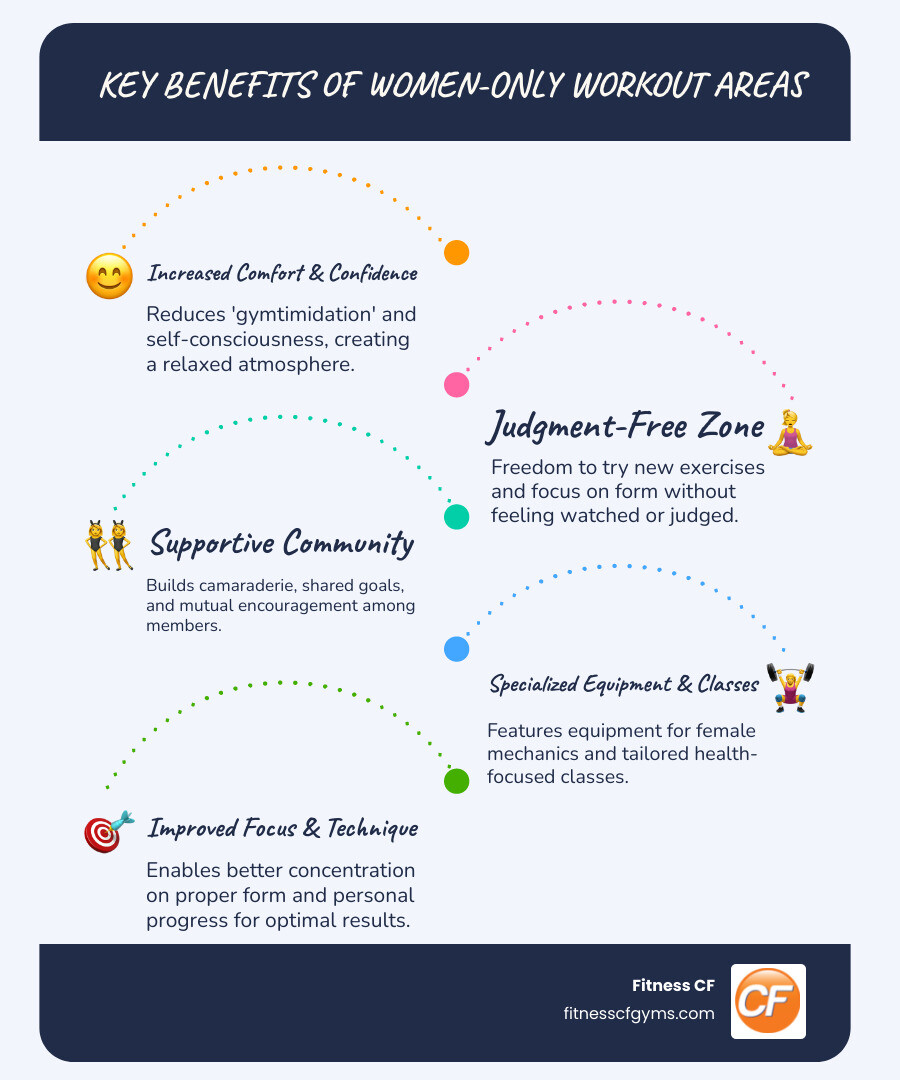
Picture this: you step into a workout routine designed around your needs, with the freedom to learn, experiment, and focus. That kind of environment—whether created at home or through structured, women-focused programming—naturally reduces self-consciousness and builds confidence.
Increased comfort is often the first thing many notice when training in a space and schedule that feels safe and supportive. Without the distraction of judgment, you can focus on quality movement, breathing, and technique.
Many experience what we might call workout intimidation—feeling watched or second-guessing form. Purposeful, women-focused training habits help eliminate this pressure and create a judgment-free zone where you can try new exercises without hesitation.
The real power lies in building a supportive community and routine. When women train with shared goals (even virtually), encouragement and accountability flourish. This custom environment gives you the freedom to learn at your own pace—whether it’s mastering your first squat or refining an advanced yoga pose.
A Space for Comfort and Confidence
Overcoming self-consciousness is easier when your routine supports it. In a dedicated, distraction-free setup, you can work on trying new movements without fear, building both strength and confidence. This leads to better focus on form, efficient workouts, and steady progress.
The Power of Community and Support
Training alongside women with similar goals—through online groups, remote programs, or accountability partners—creates motivation that lasts. You gain consistency, share tips, and celebrate wins together. This sense of support turns healthy living into a positive, sustainable habit.
Ready to learn more about your current health and wellness? Take our women’s health quiz to find areas where you can focus your fitness efforts.
What to Include in a Balanced Fitness Routine
Building a plan that combines strength, cardio, mobility, and recovery will support long-term health and performance. The goal is to create a routine you enjoy and can sustain.
Essential Components of an Effective Plan
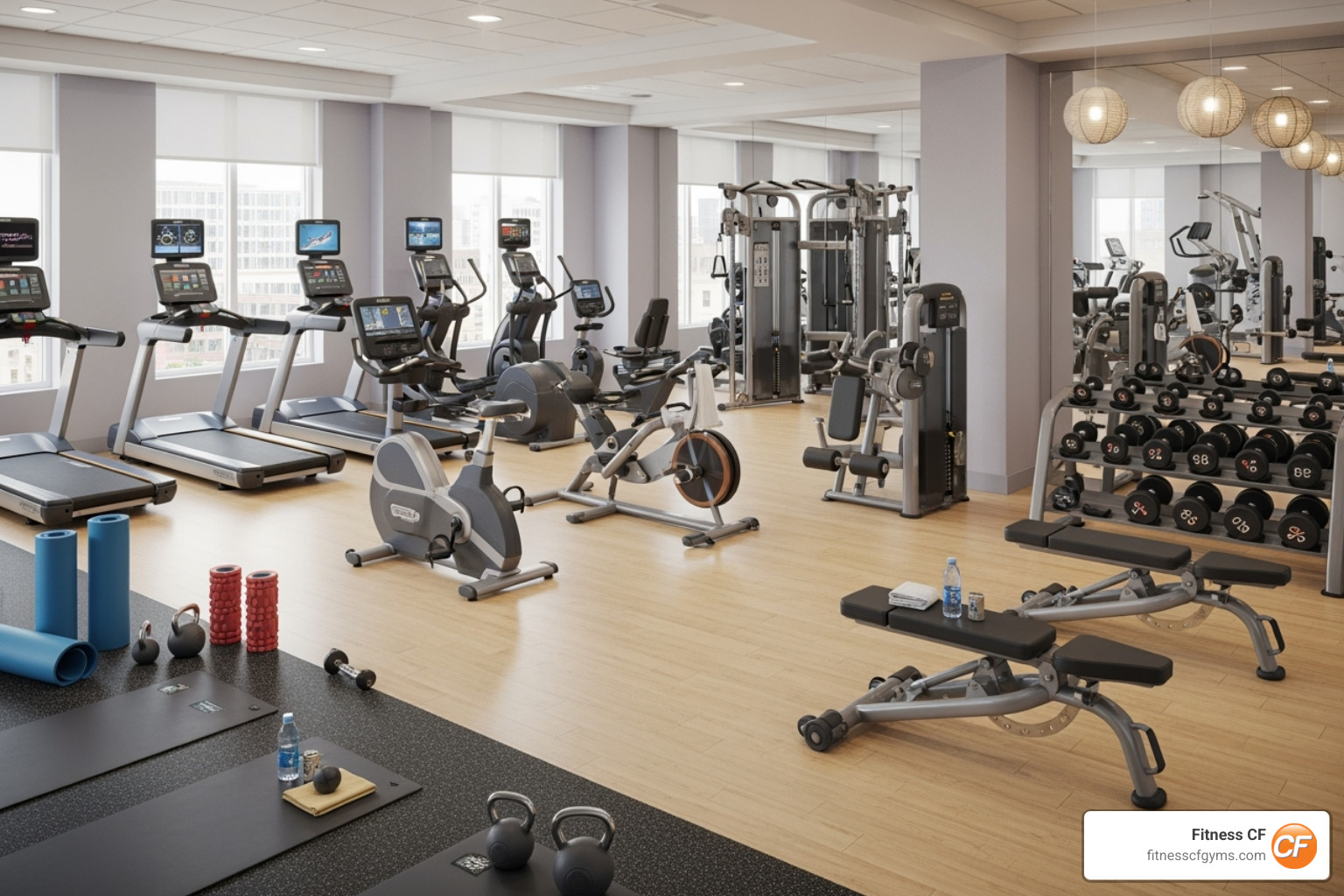
- Cardio: Mix steady-state sessions (like brisk walking or cycling) with intervals to improve heart health and endurance.
- Strength training: Use bodyweight, resistance bands, or weights. Focus on compound moves (squats, hinges, pushes, pulls, carries) and progressive overload to get stronger.
- Mobility and core: Include dynamic warm-ups, joint-friendly mobility work, and core stability to move better and reduce injury risk.
- Functional training: Practice movements that support everyday life—lifting, bending, reaching, and balance.
Training Styles and Recovery Habits
- Mind-body options like yoga and Pilates improve flexibility, balance, and core strength while reducing stress.
- High-Intensity Interval Training (HIIT) is time-efficient for improving cardio fitness and metabolic health. Start with low-impact intervals if you’re new to it.
- Recovery: Prioritize sleep, hydration, protein-rich meals, and rest days. Gentle walks, stretching, or breathwork on lighter days can enhance recovery and consistency.
These elements help you build a routine that fits your life, promotes total-body health, and supports steady, sustainable progress.
The Holistic Health Benefits of a Consistent Fitness Routine
When we commit to regular exercise, we’re starting a journey that transforms our entire well-being. It’s not just about appearance—consistent movement supports physical, mental, and emotional health in profound ways that extend far beyond the workout itself.
We sleep better, feel more energetic, and become more resilient to daily stressors. Those post-workout endorphins are real mood boosters that help us feel positive and focused throughout the day. Regular exercise has been shown to improve cognitive function, improve memory, and even reduce the risk of chronic diseases.
The mental clarity that comes from consistent training helps us make better decisions in all areas of life. We develop discipline, patience, and the ability to push through challenges—skills that translate directly to our personal and professional lives.

The Benefits of Strength Training for Women
- Metabolism boost: Building lean muscle increases your resting metabolic rate, meaning you burn more calories even while at rest. This metabolic advantage continues long after your workout ends.
- Bone density protection: Weight-bearing exercise strengthens bones and reduces the risk of osteoporosis, particularly important as we age. Starting strength training early creates a foundation for lifelong skeletal health.
- Improved muscle tone without bulk: Most women gain lean, defined muscle rather than bulk due to hormonal differences. This leads to a strong, athletic appearance while maintaining feminine curves.
- Functional strength for daily life: From carrying groceries to playing with children, strength training makes everyday activities easier and safer. You’ll notice improved posture, better balance, and reduced risk of injury.
- Hormonal balance: Regular strength training helps regulate hormones, potentially easing symptoms of PMS and menopause while supporting overall reproductive health.
- Joint protection: Strong muscles support and protect joints, reducing wear and tear and decreasing arthritis risk.
The Importance of Cardiovascular Exercise
- Heart health optimization: Cardio strengthens the heart muscle, making it more efficient at pumping blood. This reduces resting heart rate and blood pressure while lowering the risk of cardiovascular disease.
- Increased stamina and endurance: Regular cardio builds your aerobic capacity, making daily activities feel easier. You’ll climb stairs without getting winded and have energy that lasts throughout the day.
- Effective stress reduction: Cardiovascular exercise triggers the release of endorphins, our body’s natural stress-fighters. This chemical response reduces anxiety, improves mood, and improves overall emotional well-being.
- Weight management support: Cardio burns calories during exercise and can help create the caloric deficit needed for healthy weight loss when combined with proper nutrition.
- Better circulation and oxygen delivery: Improved blood flow means better nutrient delivery to all body tissues, supporting everything from skin health to brain function.
- Improved immune function: Moderate cardio exercise strengthens the immune system, helping your body fight off illness more effectively.
- Improved sleep quality: Regular cardio helps regulate your circadian rhythm, leading to deeper, more restorative sleep cycles.
How to Build the Right Fitness Environment and Routine for You
Finding the right setup and plan can make all the difference in your long-term success. Start by clarifying your goals—strength, mobility, endurance, or overall health—and design your routine around them. Choose activities you enjoy, schedule them consistently, and track simple metrics like reps, distance, or how you feel.
Key Factors for a Sustainable, Healthy Routine
- Convenience and schedule: Pick times you can protect consistently each week.
- Tools: Start simple—bodyweight, a mat, resistance bands, and a pair of dumbbells can cover most needs.
- Balance: Aim for a mix of strength (2+ days/week), cardio (150 minutes moderate or 75 minutes vigorous per week), and mobility work.
- Progression: Gradually increase weight, reps, speed, or duration. Small, steady changes beat drastic jumps.
- Safety: Warm up, use controlled form, and listen to your body’s signals.
- Budget and footwear: Invest in supportive shoes and, if possible, a few versatile pieces of equipment.
Fine-Tuning Your Setup and Plan
- Test different times of day to find when you feel strongest.
- Track workouts and recovery; include lighter weeks to prevent burnout.
- Use a mirror or video to check form on key lifts.
- Plan recovery: sleep 7–9 hours, hydrate, and prioritize protein and colorful produce.
- Adjust monthly: keep what works, tweak what doesn’t. Consistency plus small improvements compounds results.
Frequently Asked Questions about Healthy Training and Cardio
Do I need a lot of equipment to get strong and fit?
No. You can build a highly effective routine with bodyweight exercises, resistance bands, and a single pair of dumbbells. Focus on movement quality and progressive overload—adding reps, sets, or tempo—before buying more gear.
How often should I combine strength and cardio each week?
A practical target is 2–4 strength sessions and 2–4 cardio sessions weekly, adjusted to your fitness level. As a baseline, aim for 150 minutes of moderate cardio (or 75 minutes vigorous) plus 2 or more days of full-body strength training.
What’s the best way for a beginner to start safely and confidently?
Begin with full-body workouts 2–3 times per week, using light loads and controlled tempo. Learn foundational patterns (squat, hinge, push, pull, carry), keep sessions 30–45 minutes, and finish with 5–10 minutes of mobility. Track how you feel and progress gradually.
Start Your Journey in a Supportive Environment
Your fitness journey deserves a space—mental and physical—where you feel confident and empowered. By combining strength training, cardio, mobility, and recovery, you’ll build a foundation for lifelong health.
Strength work supports bone density, lean muscle, and metabolism. Cardio strengthens the heart, boosts mood, and improves endurance. Consistent routines enhance sleep, energy, and resilience—fueling every part of life.
Choose activities you enjoy, schedule them consistently, and celebrate small wins. With patience and steady progress, you’ll feel stronger, healthier, and more confident—one workout at a time.