Why the Best Yoga for Stretching Belongs in Every Fitness Routine
The best yoga for stretching goes far beyond simply touching your toes. It combines mindful movement, breath control, and targeted poses to release tension, improve flexibility, and support your overall health.
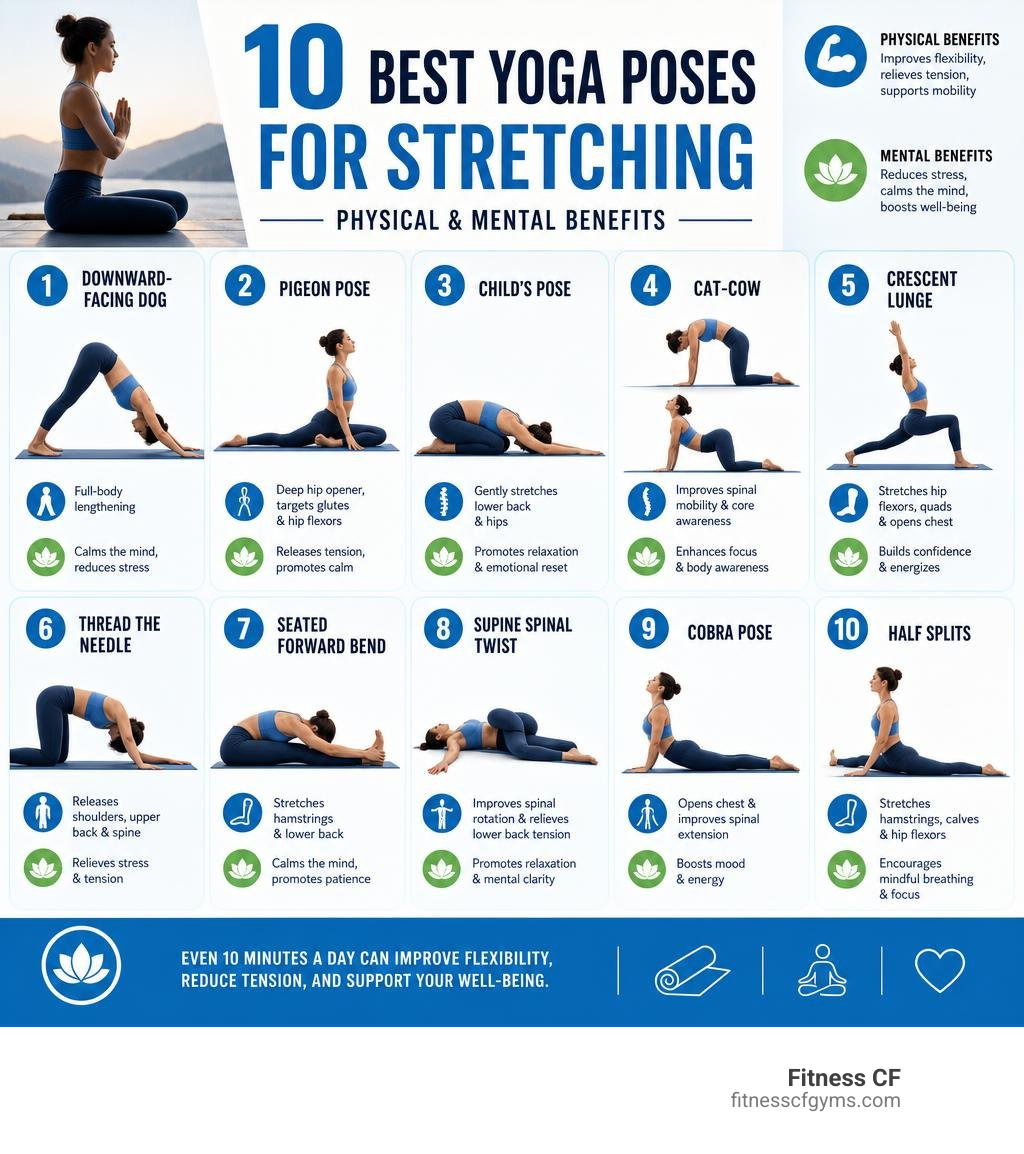
Here are the top yoga poses for stretching — the ones that consistently deliver results:
- Downward-Facing Dog — full-body lengthening, hamstrings, calves, shoulders
- Pigeon Pose — deep hip opener, glutes, hip flexors
- Child’s Pose — lower back, hips, gentle spinal decompression
- Cat-Cow — spinal mobility, core awareness
- Crescent Lunge — hip flexors, quads, chest
- Thread the Needle — shoulders, upper back, thoracic spine
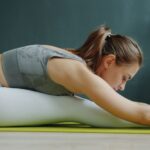
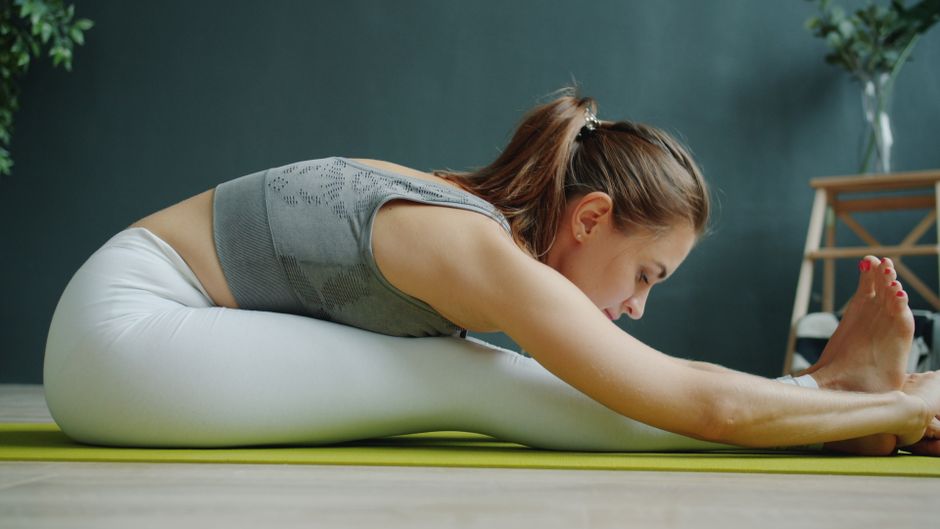
- Seated Forward Bend — hamstrings, lower back
- Supine Spinal Twist — lower back, obliques, spinal rotation
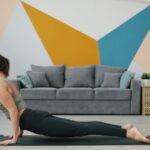
- Cobra Pose — chest opener, spinal extension
- Half Splits — hamstrings, calves, hip flexors
Even 10 minutes a day of these poses can improve your mobility and reduce muscle tension, according to research and fitness professionals alike.
The American Osteopathic Association confirms that a regular yoga practice can increase flexibility, improve energy levels, and help protect you from future injury. And a study published in the Annals of Internal Medicine found that yoga designed for back pain can be just as effective as physical therapy.
Whether you’re a busy parent squeezing in a morning flow or recovering from a tough workout, yoga stretching works for every schedule and fitness level.
I’m Pleasant Lewis, owner and operator of Fitness CF and Results Fitness, with over 40 years of experience in the fitness industry helping people move better, feel stronger, and build sustainable healthy habits — and the best yoga for stretching is one of the most underused tools I recommend to anyone looking to improve their overall fitness. Read on for everything you need to know to get started or level up your practice.
Best yoga for stretching helpful reading:
Yoga vs. Stretching: Why Your Routine Needs Both
Many people use the terms “yoga” and “stretching” interchangeably, but they are actually quite different. Understanding these differences can help you maximize your flexibility, strength, and recovery goals.
Stretching is a physical exercise focused primarily on lengthening skeletal muscles to improve range of motion and joint flexibility. It is usually divided into two types:
- Dynamic stretching: Active movements where joints and muscles go through a full range of motion (ideal for pre-workout warm-ups).
- Static stretching: Holding a single position for 30 to 60 seconds to lengthen muscle fibers (ideal for post-workout cool-downs).
Yoga, on the other hand, is an ancient, holistic practice originating from India. It involves physical postures (asanas), conscious breathing (pranayama), and mental focus. While stretching is a component of yoga, yoga also builds muscular strength, balance, endurance, and mental clarity.
When we look at Exploring the Power of Yoga: Why You Should Add It to Your Fitness Routine, we see how yoga acts as a full-body conditioning system. It requires active muscle engagement (isometric contractions) to hold poses, which builds strength while simultaneously lengthening opposing muscle groups.
Integrating both targeted stretching routines to improve flexibility and prevent injuries and a dedicated yoga practice creates the ultimate recovery toolkit. Stretching targets specific, isolated muscle tightness (like a tight calf after a run), while yoga coordinates entire kinetic chains to improve overall mobility, balance, and body awareness.
| Feature | Basic Stretching | Yoga |
|---|---|---|
| Primary Focus | Muscle lengthening & joint flexibility | Mind-body connection, strength, balance, & flexibility |
| Breathing | Normal, passive breathing | Conscious, structured breathwork (Pranayama) |
| Mental State | Passive relaxation or physical focus | High mindfulness, presence, and stress reduction |
| Equipment | None required (or simple straps) | Yoga mat, blocks, straps, bolsters |
| Movement Style | Static holds or simple dynamic repetitions | Flows, static holds, and complex structural balances |
The Power of Breathwork in the Best Yoga for Stretching
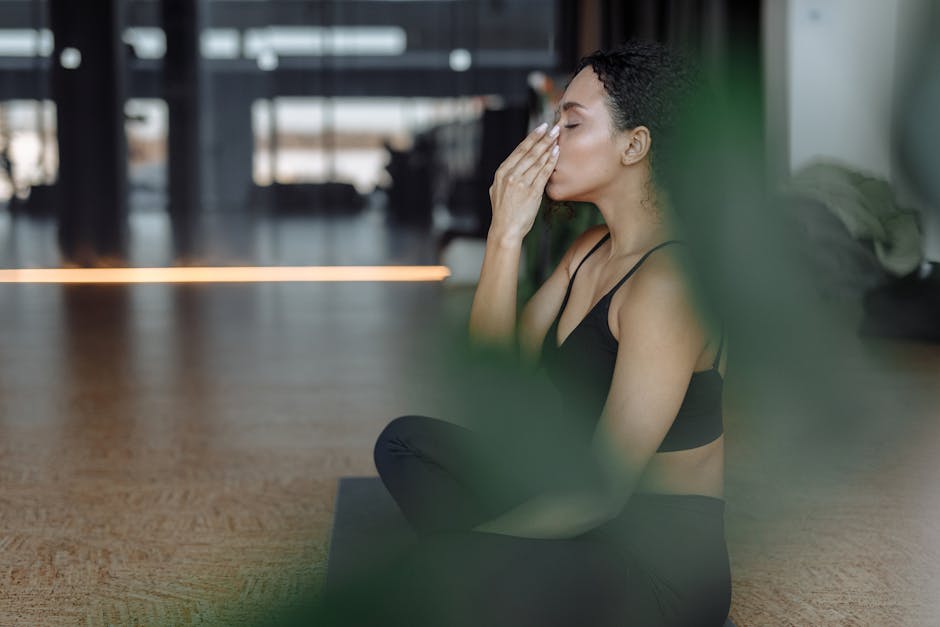
The secret ingredient that makes yoga far more effective for flexibility than standard stretching is the breath. In yoga, we use pranayama (breath control) to bridge the mind and body.
When you hold a deep stretch, your body’s natural survival mechanism—the stretch reflex—often kicks in. Your nervous system senses tension and tells the muscle to contract to prevent tearing. If you breathe shallowly or hold your breath, your body stays in a “fight-or-flight” sympathetic state, keeping the muscles guarded and tight.
By practicing slow, deep, nasal breathing, you activate your parasympathetic nervous system (the “rest-and-digest” response). This sends safety signals to your brain, allowing your muscles to consciously let go and sink deeper into the stretch. A key rule of thumb from How to Stretch: 11 Most Important Stretches for Your Whole Body is to never force or bounce. Instead, use a steady, soft breath to give your muscle fibers the time and safety they need to release naturally.
Slow Mindful Flows vs. Dynamic Yoga
Not all yoga classes are created equal when it comes to stretching. Depending on your goals, you will want to choose the right style of practice.
- Yin Yoga and Hatha Yoga (Slow, Mindful): If your main goal is deep tension relief and flexibility, slow practices are your best bet. Yin yoga involves holding passive, floor-based poses for 3 to 5 minutes. This targets the deep connective tissues (fascia, ligaments, and joints) rather than just the muscles. Hatha yoga focuses on slow, deliberate postures with plenty of time to find proper alignment. These slow flows, such as a 25-Minute Slow Yoga That Delivers the Tension Relief You Need, allow you to actually feel into the experience and systematically melt away stubborn physical tension.
- Vinyasa Yoga (Dynamic, Fast-Paced): Vinyasa is a dynamic style where you transition smoothly from one pose to another, syncing each movement with an inhale or an exhale. While Vinyasa is excellent for cardiovascular health, active mobility, and building heat, it may not offer the deep, passive tissue release that tight muscles need.
To understand which style fits your daily routine, you can explore the different options in our guide on What Are the Different Types of Yoga?.
The Best Yoga for Stretching: Top Poses for Tight Muscles
To build a reliable routine, you need to know which poses offer the greatest return on investment. If you are dealing with chronic stiffness from long hours at a desk or intense workouts, practicing a targeted selection of poses will restore your natural range of motion.
For a broader look at improving your movement patterns, check out these better flexibility: 8 fantastic exercises to increase range of motion. Below, we dive into the specific yoga poses that target the most common problem areas.
Essential Poses for Hips and Hamstrings
Tight hips and hamstrings are incredibly common, especially for runners, cyclists, and desk workers. These poses help open up the lower body safely:
- Pigeon Pose (Eka Pada Rajakapotasana): The holy grail of hip openers. It targets the glutes, piriformis, and psoas muscles. If your hips are far from the floor, place a block or folded blanket under your pelvis for support.
- Lizard Pose (Utthan Pristhasana): An intense stretch for the hip flexors, hamstrings, and groin. You can stay on your hands or lower down to your forearms (or blocks) for a deeper stretch.
- Half Splits (Ardha Hanumanasana): Perfect for lengthening tight hamstrings without overstraining your lower back. Focus on pulling your hips back while keeping your chest reaching forward.
- Crescent Lunge (Anjaneyasana): This pose stretches the deep hip flexors (psoas) of the back leg while strengthening the front leg. Keep a slight tuck in your tailbone to protect your lower back.
For an easy-to-follow flow that targets these areas, try this gentle 15-Minute Yoga for a Full-Body Stretch, which focuses on floor-based movements to release the lower body.
Essential Poses for Shoulders and the Lower Back
Upper body tightness can lead to poor posture, neck pain, and headaches. Use these poses to decompress the spine and open up the chest and shoulders:
- Child’s Pose (Balasana): A resting pose that gently stretches the lower back, hips, thighs, and ankles while calming the mind.
- Cat-Cow (Bitilasana Marjaryasana): Moving between these two poses warms up the spine, improves spinal lubrication, and relieves tension in the neck and shoulders.
- Thread the Needle (Parsva Balasana): A wonderful rotation for the thoracic spine that stretches the outer shoulders and upper back.
- Cobra Pose (Bhujangasana): A gentle backbend that opens up the chest and abdominal muscles while strengthening the spine.
If you are short on time but need to release upper body and spinal tension, a quick routine like this 10-Minute Yoga for a Full-Body Stretch can easily fit into a busy day.
How to Structure Your Yoga Stretching Routine
To get the most out of the best yoga for stretching, consistency is key. A daily 10-minute practice will yield far better results than a single 90-minute class once a week.
When you practice, aim to hold static stretches for at least 30 seconds (about 5 to 6 deep breaths). According to the American College of Sports Medicine, the physical benefits of a static hold peak at around 60 seconds, so there is no need to force yourself to hold a painful position for minutes on end.
For a comprehensive template of a longer practice, you can refer to our 45-Minute Yoga for Strength and Flexibility. If you want a ready-to-use routine that focuses purely on relaxation and flexibility, follow along with this 20 MIN FULL BODY STRETCH & RELAX routine.

Designing a 10- to 30-Minute Flow
A well-structured yoga stretching session should follow a logical progression to prevent injury and maximize muscle release:
- Warm-Up (2-5 minutes): Start with gentle movements to build light heat and increase blood circulation. Cat-Cow, gentle hip circles, and child’s pose are perfect here.
- Dynamic Transitions (5-10 minutes): Move through active poses like Downward-Facing Dog, Low Lunges, and gentle twists to prepare the joints.
- Peak Deep Stretches (5-10 minutes): Now that the body is warm, hold deeper static stretches like Pigeon Pose, Lizard Pose, or Seated Forward Bends.
- Cool-Down & Integration (2-5 minutes): Finish with a supine spinal twist and spend at least a minute in Savasana (corpse pose) to let your nervous system integrate the practice.
For a deeper understanding of why this progression is vital, read The Importance of Warm-Up and Cool-Down Exercises: A Comprehensive Guide.
Safe Practice: Tips and Modifications for Beginners
If you are new to yoga, it is easy to get caught up in how a pose looks rather than how it feels. Yoga is not a flexibility competition. The goal is to find a “sweet spot”—a sensation of deep stretching without any sharp pain, pinching, or joint discomfort.
Always listen to your body. If a pose hurts, back off. Overstretching can cause micro-tears in the muscles, leading to increased tightness and injury. To set yourself up for a safe, lifelong practice, consult our Ultimate Checklist for Exercise and Yoga.
Using Props and Modifications for the Best Yoga for Stretching
Props are not “cheating”—they are tools that bring the floor to you, allowing you to maintain proper alignment and relax into a stretch rather than straining.
- Yoga Blocks: If you cannot reach the floor in a forward fold or low lunge, place your hands on blocks. This keeps your spine long and protects your lower back.
- Yoga Straps: If your hamstrings are tight during a seated forward bend, loop a strap (or a bathrobe tie) around your feet. This allows you to stretch your legs without rounding your upper back.
- Blankets and Cushions: Place a folded blanket under your knees during lunges for joint protection, or under your hips in seated poses to help tilt your pelvis forward.
Frequently Asked Questions About Yoga and Stretching
How often should I practice yoga for flexibility?
For noticeable improvements in flexibility and mobility, aim to practice yoga stretching at least 3 to 5 times a week. Even a daily 10-minute session of basic poses will keep your joints lubricated and prevent the accumulation of daily muscle tension.
Is 10 minutes of yoga a day enough to see results?
Yes! Consistency is far more important than duration. A daily 10-minute routine helps build a sustainable habit, calms your nervous system, improves circulation, and keeps your body moving freely throughout the day.
Can I do yoga stretches after a heavy strength or cardio workout?
Absolutely. Post-workout is one of the best times to practice gentle yoga stretches. Your muscles are already warm, making them more receptive to lengthening. Focus on slow, passive holds to help clear metabolic waste, reduce soreness, and transition your body into recovery mode.
Conclusion
Embracing a healthy lifestyle is all about balance. While the benefits of strength training build our structural foundation and the benefits of cardio keep our hearts healthy, the best yoga for stretching ensures our bodies remain mobile, pain-free, and resilient.
By taking just a few minutes out of your day to step onto a mat, breathe deeply, and stretch mindfully, you are investing in your long-term physical and mental well-being.
If you are ready to explore the benefits of yoga in a supportive, community-driven environment, we invite you to join us. Explore our group fitness classes at Fitness CF to find a class that fits your lifestyle across our Central Florida locations, including Orlando, Clermont, Mount Dora, and St Cloud. Let’s bend, breathe, and grow stronger together!