Why Bicep Soreness Happens and How to Fix It Fast
How to ease bicep soreness is a common concern after a tough workout. The good news is that most bicep pain can be managed effectively at home.
Quick Relief Methods:
- Rest – Avoid activities that worsen the pain for 2-3 days.
- Ice – Apply for 10-20 minutes, 3 times daily for the first 48 hours.
- Heat – Use a heating pad after the first 3 days to increase blood flow.
- Gentle stretching – Begin light bicep stretches after the initial rest period.
- Over-the-counter pain relief – Use ibuprofen or naproxen to reduce inflammation.
Understanding the difference between normal muscle soreness and a more serious issue is crucial for recovery. Delayed Onset Muscle Soreness (DOMS) appears 24-72 hours after exercise as your muscles build strength through micro-tears. However, bicep tendonitis—inflammation of the tendon connecting your bicep to your shoulder—requires different care.
Research shows that 75% of patients with bicep tendonitis can avoid surgery with proper rehabilitation. With 40 years in the fitness industry, I’m Pleasant Lewis, and I’ve seen that understanding your body’s signals and responding with the right care makes all the difference in your fitness journey.
Understanding Bicep Soreness: From DOMS to Tendonitis
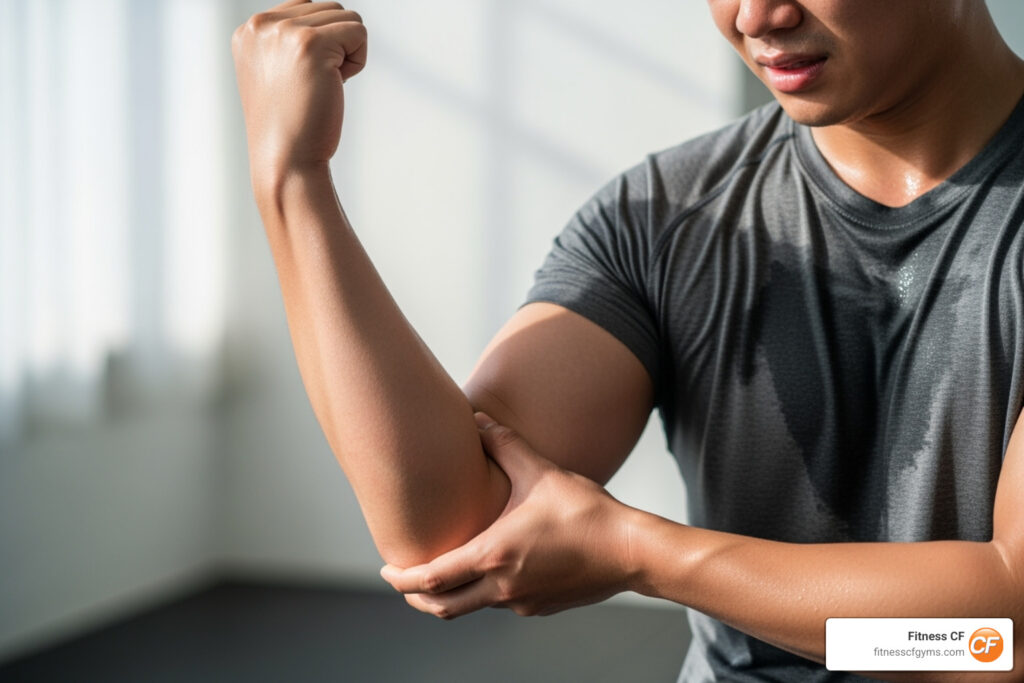
The biceps brachii muscle on the front of your upper arm helps you bend your elbow and turn your palm up. Strong tendons attach your biceps to your shoulder and forearm, and these connection points can become sources of discomfort. Pinpointing the cause of your pain is the first step in learning how to ease bicep soreness.
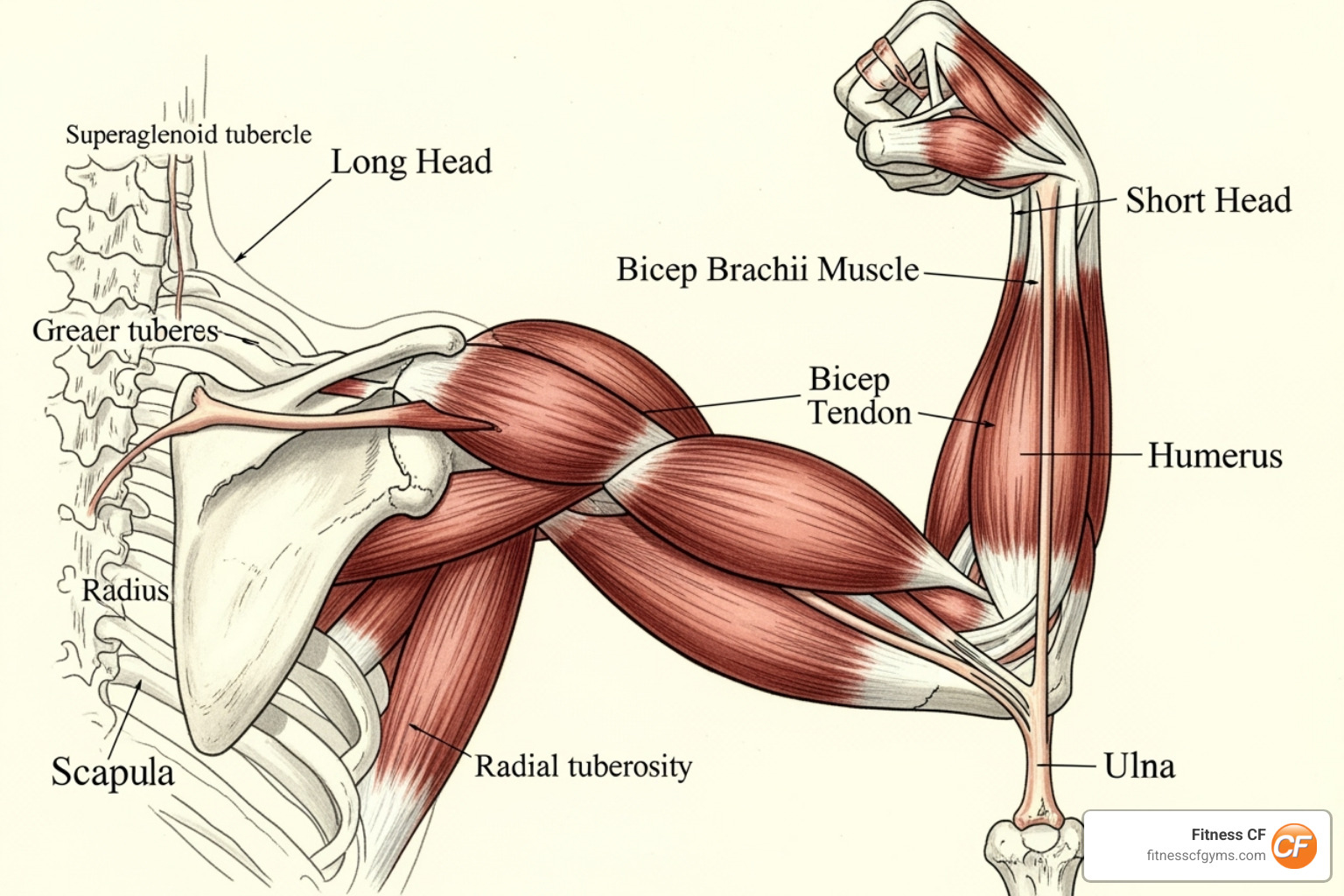
When all parts of your bicep anatomy work smoothly, you enjoy the benefits of strength training without pain. But when one component is strained, the system needs attention.
Common Causes of Aching Biceps
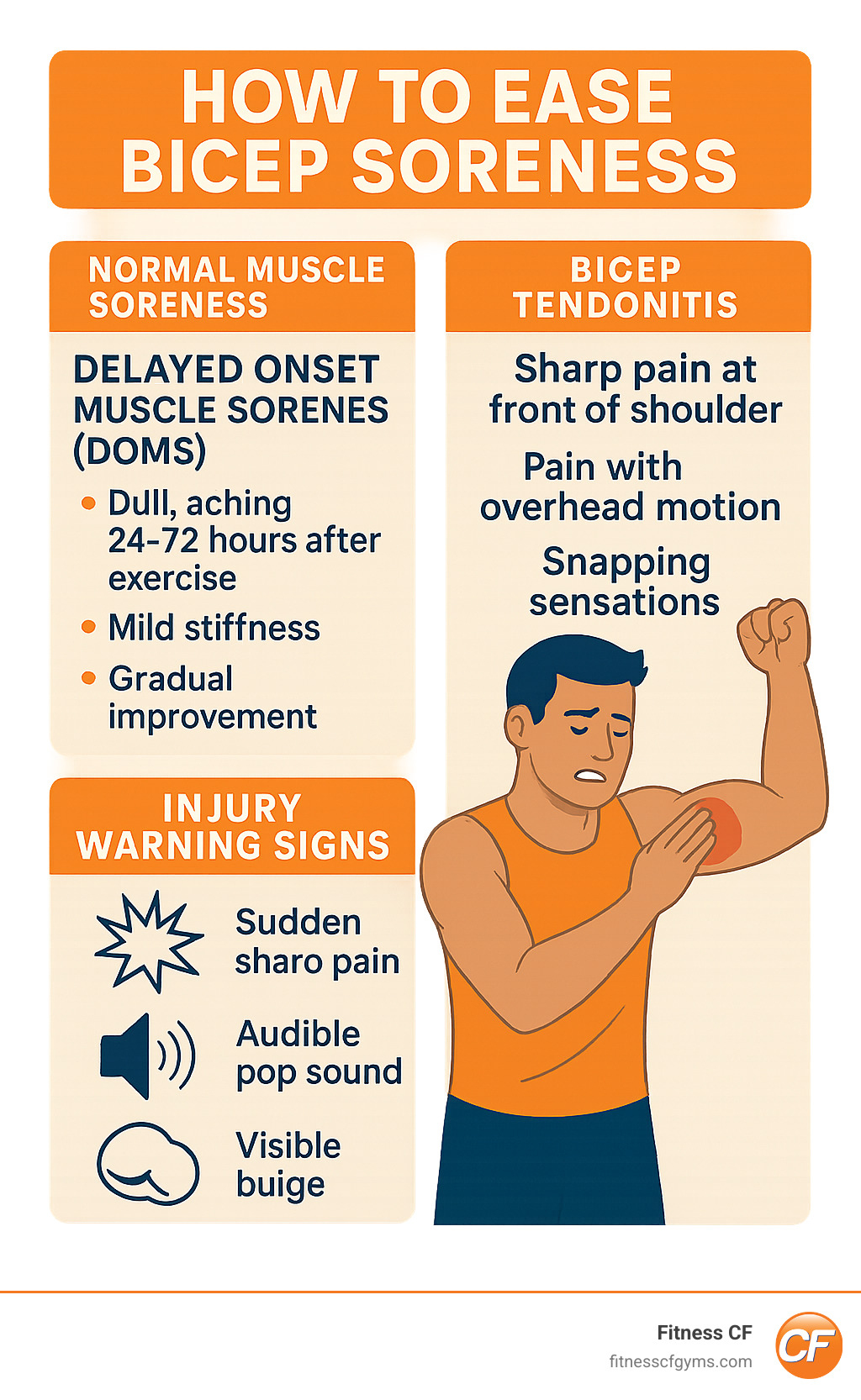
The familiar ache a day or two after a workout is Delayed Onset Muscle Soreness (DOMS). This normal response appears 24 to 72 hours after you’ve pushed your muscles with a new routine or increased intensity. Exercise creates tiny micro-tears in your muscle fibers, which is how muscles rebuild themselves bigger and stronger. This process is fundamental to building arm strength and is a sign your fitness routine is working. Understanding this is part of Why Arm Strength is Important for Overall Fitness.
When Soreness Signals Something More: Bicep Tendonitis
Bicep tendonitis is inflammation of the biceps tendon, usually at the shoulder. Unlike DOMS, it stems from overuse injuries and repetitive stress. Repetitive overhead motion is the main culprit, common in sports like swimming, tennis, or frequent overhead lifting. Repetitive movements are the most common cause of tendonitis.
Symptoms feel different from DOMS: you may notice pain at the front of your shoulder that worsens when lifting your arm, tenderness to the touch, or a snapping sensation. Risk factors include age, participation in sports with overhead motions, and even poor posture.
Differentiating Soreness from a Serious Injury
Knowing the difference between soreness, tendonitis, and a tear is key.
- DOMS: A dull, aching feeling across the entire bicep, appearing 24-72 hours post-workout. You’ll feel stiff but can still move your arm.
- Bicep Tendonitis: Localized pain, usually at the front of the shoulder, that feels sharp with specific movements like lifting your arm overhead. You might hear clicking or snapping sounds.
- Bicep Tear: A sudden, sharp pain, often with an audible “pop” sound at the moment of injury. You’ll likely see significant bruising, swelling, and a visible bulge in your arm (the “Popeye muscle”).
When to seek medical attention: A sudden sharp pain, an audible “pop”, significant bruising, or a visible bulge all warrant immediate professional evaluation. Also, consult a doctor if pain persists beyond a week with home care.
Your At-Home Guide on How to Ease Bicep Soreness
How to ease bicep soreness often involves simple, effective strategies you can use at home. These self-care techniques focus on immediate relief and pain management, allowing your body to heal. Most bicep soreness from DOMS or mild tendonitis responds well to non-surgical approaches. For more strategies, see our guide on how to Alleviate Sore Muscles After Workout.
The R.I.C.E. Method for Immediate Relief
The R.I.C.E. method is your first line of defense for muscle pain.
- Rest: Avoid activities that aggravate the pain. Focus on other muscle groups to maintain your overall fitness.
- Ice: Apply cold packs for 10-15 minutes every few hours for the first 48 hours. Use a cloth between the ice and your skin to reduce inflammation and numb the area.
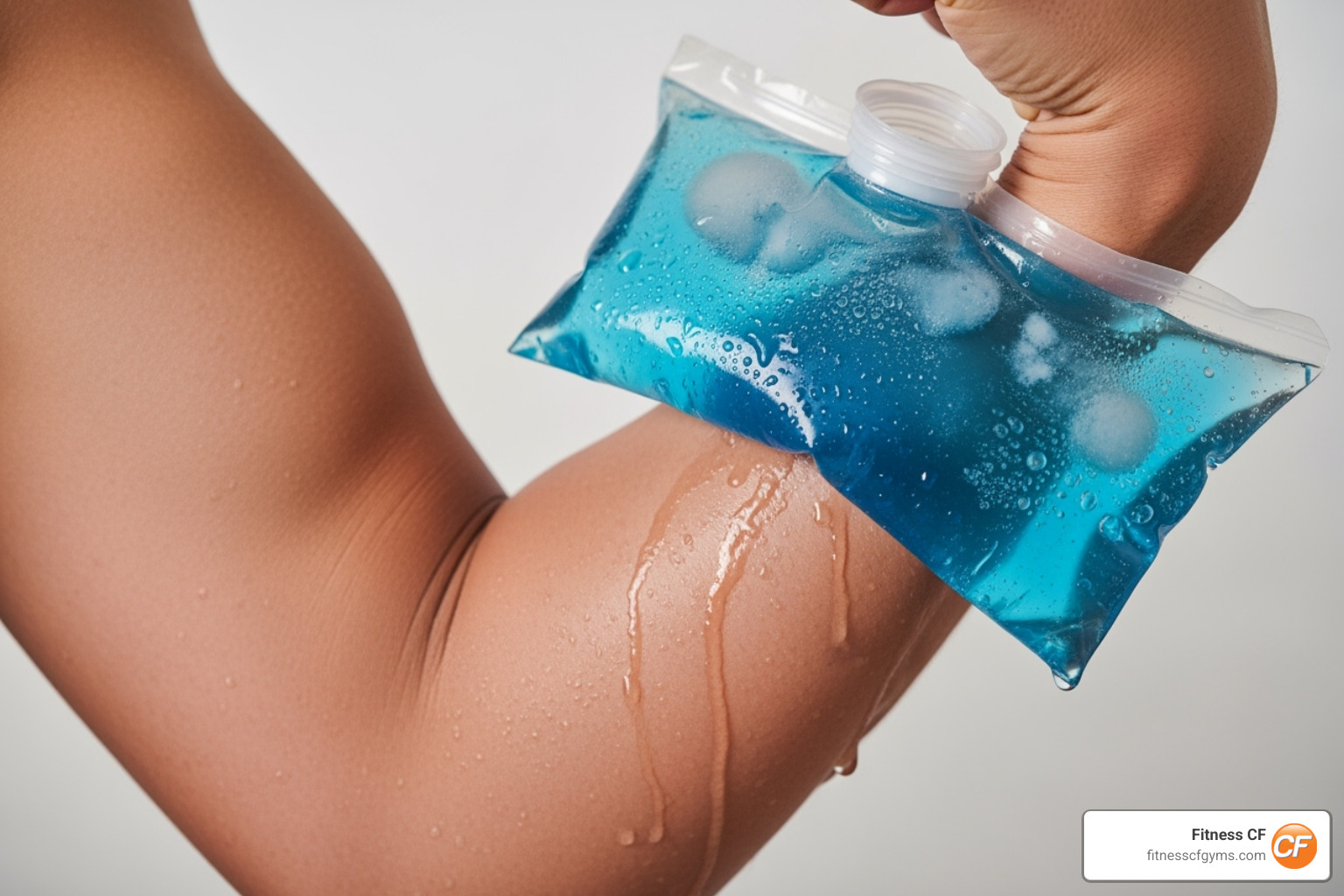
- Compression: Gently wrap the area with an elastic bandage to help control swelling without cutting off circulation.
- Elevation: When resting, try to keep your arm raised above heart level to help reduce swelling.
The American Academy of Orthopaedic Surgeons endorses these at-home remedies as effective first steps.
The Great Debate: Heat vs. Cold Therapy
Timing is everything when choosing between ice and heat.
- Cold Therapy: Use during the first 48 hours. Ice constricts blood vessels, reducing swelling and inflammation. It also provides a numbing effect for immediate relief. For more on cold therapy, explore Why are Ice Baths Good for Muscle Recovery?.
- Heat Therapy: Use after the initial 48-hour window for stiffness and chronic aches. Heat increases blood flow, delivering oxygen and nutrients to relax tight muscles and support healing.
The Role of Nutrition and Hydration in Recovery
What you eat and drink plays a crucial role in healing.
- Protein: Provides the building blocks for muscle repair. Include lean meats, fish, eggs, dairy, or legumes in your meals.
- Anti-inflammatory foods: Omega-3 fatty acids (salmon, flaxseeds) and antioxidants in colorful fruits and vegetables (berries, leafy greens) help calm inflammation.
- Hydration: Proper hydration ensures nutrients reach your muscles and waste products are cleared away efficiently.
For a deeper dive, see our guide on Good Things for Muscle Recovery.
Active Recovery: Stretches and Exercises for Bicep Pain
Once the initial pain subsides, active recovery helps improve flexibility and rebuild strength. This approach uses purposeful, gentle movements to promote healing and prevent stiffness, keeping you on track with your fitness journey.
Gentle Stretches to Increase Flexibility
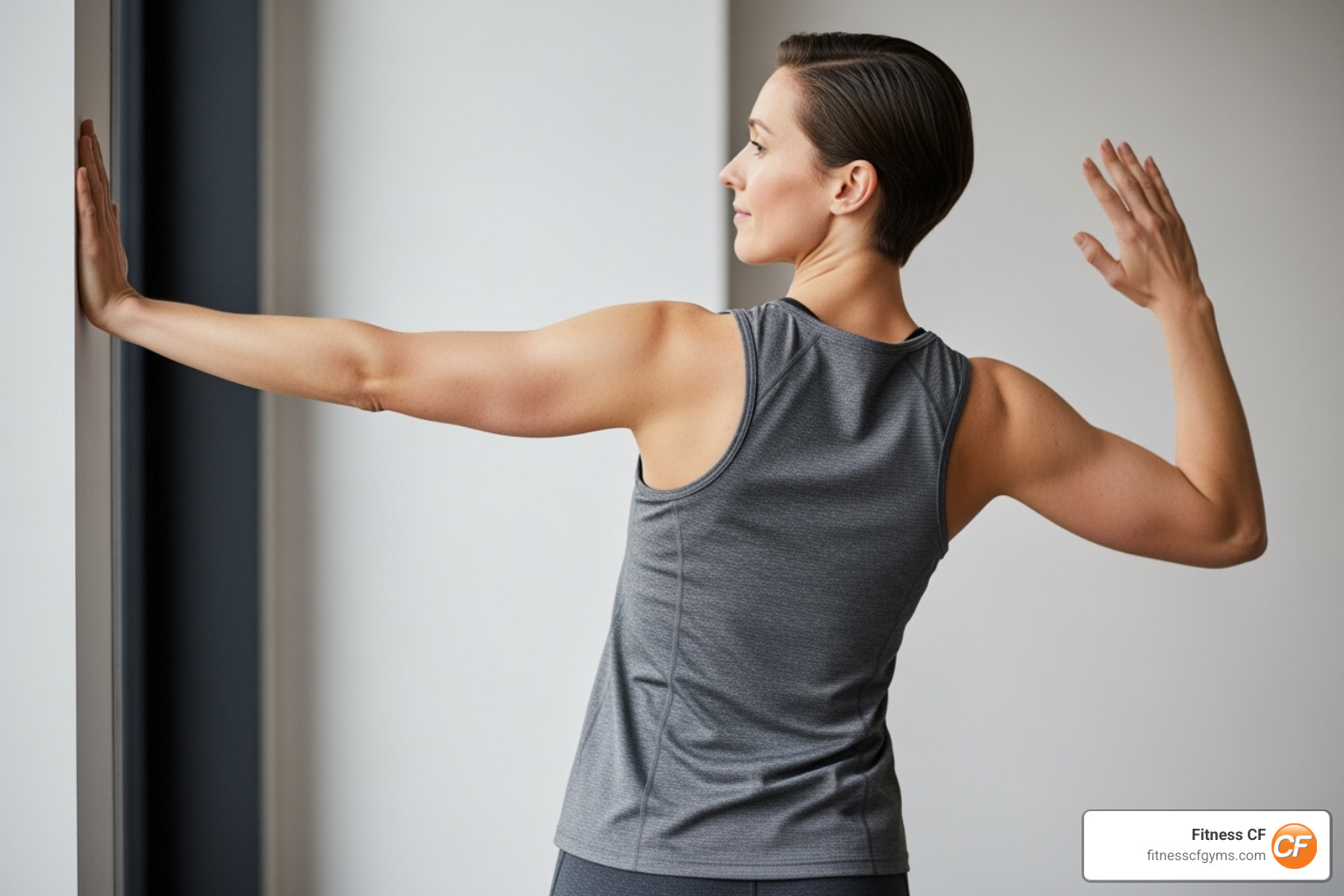
Gentle stretching helps release muscle tightness and restore your range of motion. Hold each stretch for about 30 seconds and repeat 2-3 times, stopping if you feel any sharp pain.
- Biceps Wall Stretch: Face a wall, extend your arm back, and place your palm flat against it. Slowly twist your torso away from your arm to feel a stretch across your bicep and chest.
- Standing Bicep Stretch: Interlace your fingers behind your back. Gently extend your arms straight and lift them slightly away from your body until you feel a stretch.
- Seated Bicep Stretch: Sit in a sturdy chair and place your hands on the seat beside your hips, fingers pointing away. Lean your torso forward to control the intensity of the stretch.
For more on stretching, see our guide: Stretching 101: What to do Before and After Your Workout.
How to Ease Bicep Soreness with Strengthening Exercises
When stretching is comfortable, gradually introduce gentle strengthening exercises. Focus on controlled movement, not heavy weight.
- Light-weight bicep curls: Use a very light dumbbell or a water bottle. Perform 10-15 slow, controlled repetitions for 2-3 sets.
- Resistance band exercises: Use bands for bicep curls or shoulder flexion (slowly raising your arm straight forward). The controlled resistance engages muscles without overwhelming them. Learn How to Use Exercise Bands for Arms.
- Forearm supination and pronation: With your elbow bent at 90 degrees, slowly rotate your forearm so your palm faces up, then return to the starting position.
Exercises to Avoid When Your Biceps are Sore
Knowing what not to do is just as important for recovery.
- Heavy lifting: Avoid adding stress to healing muscles.
- Overhead presses: These movements, especially behind-the-neck presses, place significant stress on the biceps tendon. Studies have identified issues with behind-the-neck shoulder presses.
- Shoulder shrugs: These can create pressure on an inflamed biceps tendon.
- Standard push-ups: Modify to wall or knee push-ups to reduce the load.
The golden rule is to stop any exercise that causes sharp pain. Smart recovery is key to long-term fitness success.
Prevention and When to Seek Professional Help
Prevention is the best strategy for dealing with bicep soreness. Building healthy movement habits supports your long-term health and keeps you active. This investment in your fitness future builds a foundation for sustainable strength training.
How to Ease Bicep Soreness Before It Starts: Prevention Tips
- Proper warm-up: Prepare your muscles with 5-10 minutes of dynamic stretching, like arm circles and light cardio.
- Cool-down: Transition your muscles back to a resting state with static stretches after your workout.
- Proper exercise form: Focus on controlled movements. Quality over quantity prevents injury and maximizes results.
- Gradual progression: Increase weights, reps, or intensity in small increments to allow your body to adapt safely.
- Listen to your body: Sharp pain is an alarm system—don’t ignore it.
For more on these principles, read The Importance of Warm-up and Cool-down Exercises.
When to See a Doctor for Bicep Pain
While most soreness responds to home care, some signs require professional attention:
- Pain that persists over a week despite home treatment.
- Severe, sudden pain, especially with an audible “pop” or “snap.”
- Inability to move your arm normally or significant weakness.
- A visible deformity or bulge in the bicep (the “Popeye sign”).
- Fever or dizziness accompanying the pain.
Understanding Non-Surgical Medical Treatments
Encouragingly, 75% of patients with bicep tendonitis can avoid surgery with proper care.
- Physical therapy principles: A targeted program of stretches and progressive strengthening exercises can restore function and build resilience.
- NSAIDs: Your doctor may recommend nonsteroidal anti-inflammatory drugs (ibuprofen, naproxen) to manage pain and inflammation.
- Diagnosis process: This usually involves a physical exam and may include imaging tests like an ultrasound or MRI for a detailed view.
- Recovery time: Varies from six weeks to four months, depending on severity. Patience and consistency are key to returning to your favorite activities.
Frequently Asked Questions about Easing Bicep Soreness
When bicep pain strikes, having clear answers helps you make smart recovery decisions.
How long does bicep soreness (DOMS) typically last?
Delayed Onset Muscle Soreness (DOMS) usually appears 24 to 72 hours after a workout, peaking around the 48-hour mark. You should feel gradual improvement each day, with most soreness resolving within three days. Listen to your body; sharp or worsening pain may signal a more serious issue.
Can I still work out with sore biceps?
Yes, but focus on active recovery. While intense bicep work is off-limits, light cardio like walking increases blood flow and can aid recovery. You can also focus on other muscle groups, such as your legs or core, to maintain fitness momentum without aggravating your biceps. Avoid any exercise that causes sharp pain. For more recovery strategies, see our guide to Workout Recovery.
Is massage good for sore biceps?
Light massage can be very beneficial. It increases blood flow, which supports healing, and helps reduce muscle tightness. You can use a massage gun, foam roller, or even your hands for gentle relief. However, avoid deep tissue massage during the first 24 hours of acute soreness, as it could increase inflammation. Stick to light pressure that feels good, not painful.
Conclusion: Your Path to Pain-Free Arms
Learning how to ease bicep soreness empowers you to pursue a more consistent and enjoyable fitness journey. Understanding the difference between normal muscle soreness and an injury allows you to make smart recovery decisions.
Most discomfort responds well to simple home care, including the R.I.C.E. method, strategic use of heat and cold, and proper nutrition. When you’re ready, active recovery with gentle stretches and light strengthening exercises will bridge the gap back to your full routine.
Prevention is your secret weapon. Proper warm-ups, cool-downs, correct form, and gradual progression are the habits that build a foundation for sustainable fitness and help you maximize the benefits of strength training. Pairing strength work with the benefits of cardio creates a holistic approach to healthy living and overall fitness.
Listen to your body, respect its signals, and know when to seek help. Your commitment to fitness is an investment in your future self, building a stronger, more resilient you for years to come.
Ready to improve your recovery experience? Experience advanced workout recovery with HydroMassage and see how professional-grade tools can complement your healthy lifestyle.