Why Muscle Soreness Is Actually a Sign You’re Getting Stronger
If you’re looking to relieve sore muscles, you’re not alone. It’s one of the most common experiences for anyone who exercises regularly or tries a new activity. The good news is that muscle soreness is a normal and healthy part of getting stronger.
Quick Ways to Relieve Sore Muscles:
- Rest – Allow muscles 48 hours to repair themselves
- Ice therapy – Apply cold packs for 15-20 minutes to reduce inflammation
- Heat therapy – Use heating pads or warm baths after 48 hours to increase blood flow
- Light movement – Try gentle walking, swimming, or stretching
- Massage – Use foam rollers or get professional massage to release tension
- Stay hydrated – Drink plenty of water to flush out toxins
- Eat protein – Consume 20-40 grams within 2 hours post-workout
Whether you’ve just started a new workout routine or pushed yourself harder than usual, that familiar ache is your body’s way of telling you it’s adapting. Delayed onset muscle soreness (DOMS) typically begins 12-24 hours after exercise and can peak between one to three days later.
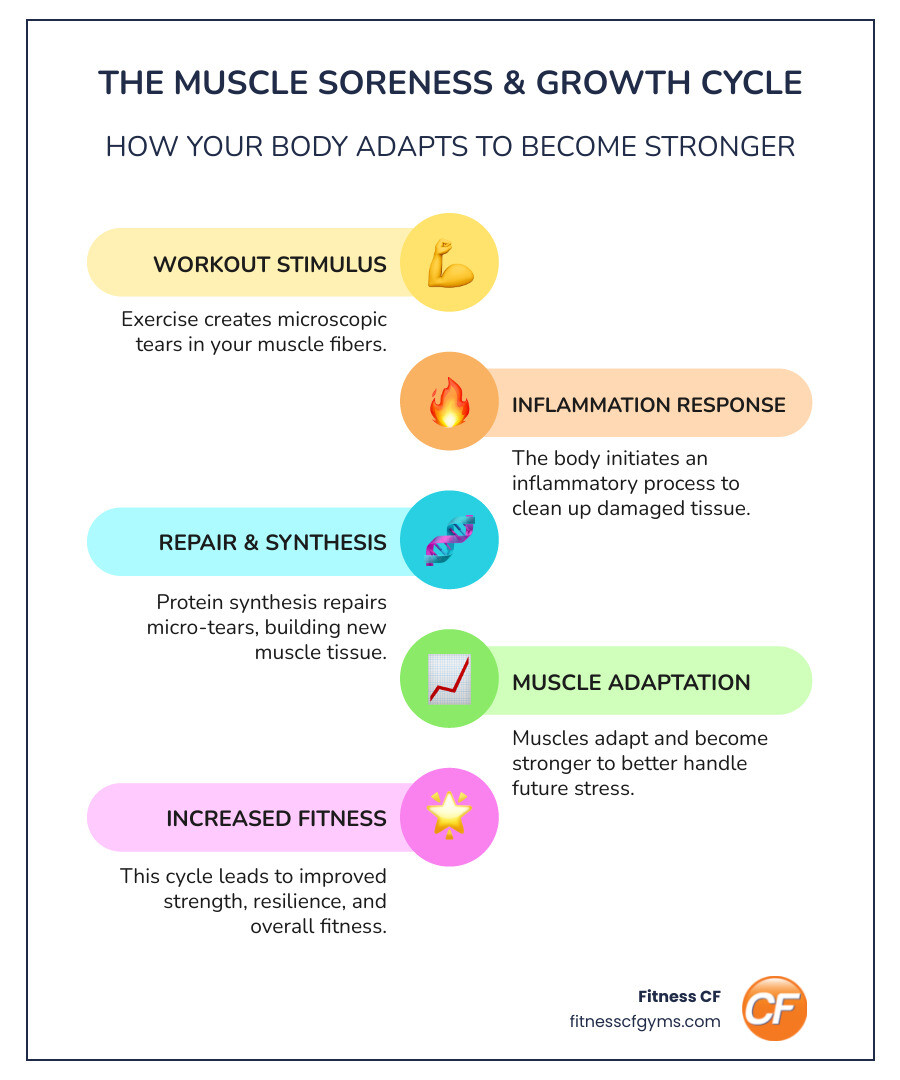
The process is simple: when you exercise, you create tiny tears in your muscle fibers. Your body then repairs these tears, making the muscle stronger. This is why strength training and cardio are so effective for building a healthier, more resilient body. Understanding soreness and knowing how to manage it is key to staying consistent with your fitness goals.
Relevant articles related to relieve sore muscles:
Why Your Muscles Get Sore (And Why It’s a Good Thing)
That familiar ache after a great workout isn’t your body complaining—it’s celebrating. When you challenge your muscles, you create tiny, microscopic tears in the muscle fibers. This is a normal and necessary process for getting stronger. These tears trigger a repair process where your muscles rebuild themselves stronger than before. This is why strength training is so effective for building a more powerful and resilient body.
The soreness you feel comes from this repair process, along with inflammation. There are two main types of soreness: acute soreness, which is the burning sensation during a workout that fades quickly, and delayed onset muscle soreness (DOMS).pdf?sfvrsn=8f430e18_2), the more common post-workout ache.
What is Delayed Onset Muscle Soreness (DOMS)?
DOMS is the muscle stiffness and pain that appears 12 to 24 hours after you’ve pushed your muscles harder than usual. It typically peaks between one to three days after your workout and can last for up to a week after a very intense session. DOMS often occurs when you try a new exercise, increase intensity, or perform activities with lots of eccentric movements (like the lowering part of a squat). The good news is that as you become more consistent with your workouts, the severity of DOMS lessens.
Is It Okay to Exercise When Sore?
It depends on how you feel. Light activity can actually help relieve sore muscles by increasing blood flow, which flushes out waste products and delivers nutrients for healing. Think of gentle activities like walking, easy cycling, or light stretching.
However, it’s crucial to distinguish between normal soreness and pain that signals a potential injury. If you experience sharp, stabbing pain or your range of motion is limited, your body is telling you to rest. Can You Work Out With Sore Muscles? explores this topic in more detail. A smart approach is alternating muscle groups. If your legs are sore, focus on your upper body. This allows you to stay active while giving sore muscles the time they need to repair.
Immediate and At-Home Ways to Relieve Sore Muscles
You don’t have to suffer after a strenuous workout. There are many effective, at-home strategies to relieve sore muscles and speed up your recovery. These self-care techniques focus on managing pain, reducing inflammation, and supporting your body’s natural healing process. Incorporating these good things for muscle recovery can make a significant difference.
Heat and Cold Therapy: Your First Line of Defense
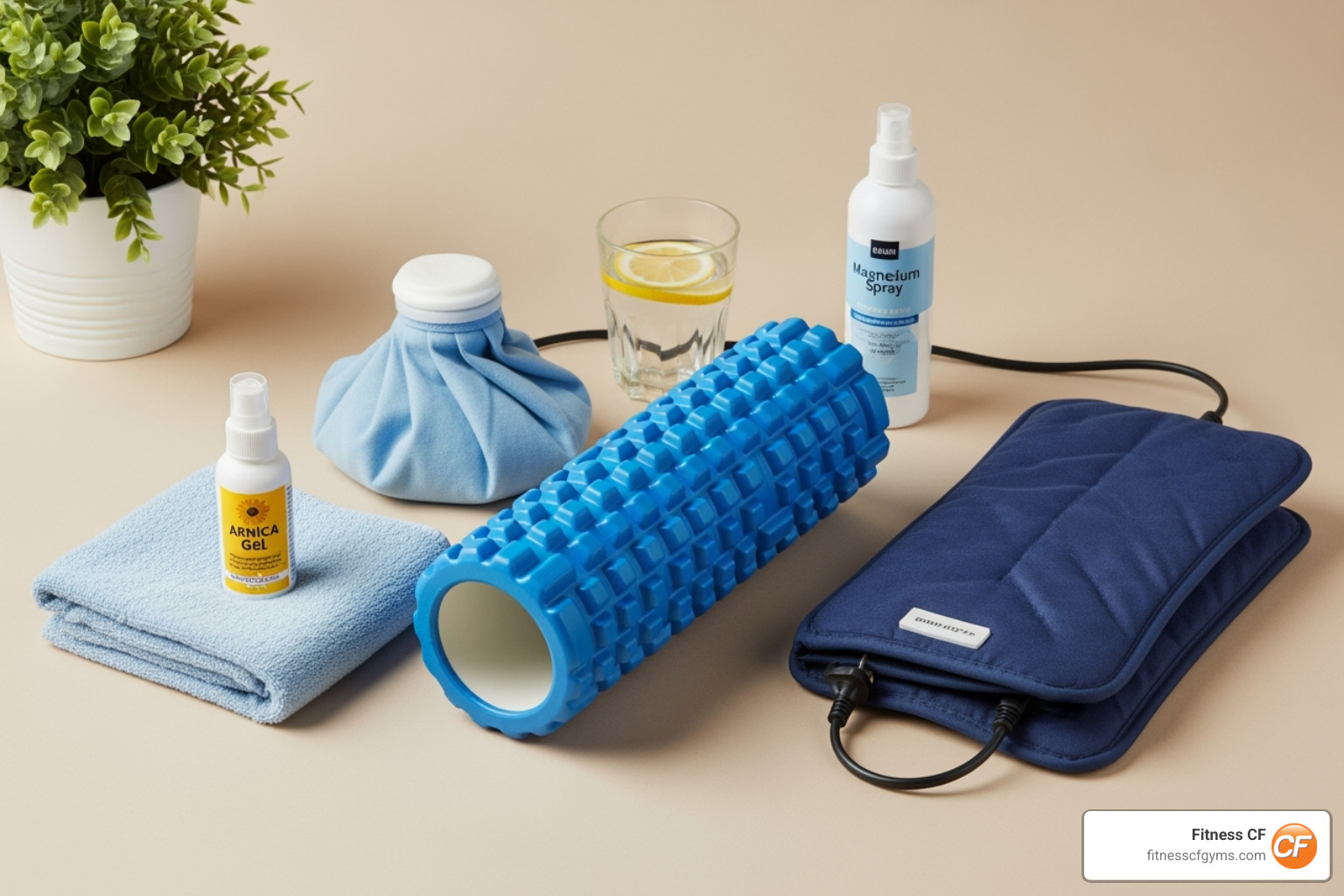
Heat and cold therapy are powerful tools, but knowing when to use each is key.
-
Cold Therapy (Ice): Use ice for the first 48 hours to address acute soreness. Cold constricts blood vessels, which helps reduce inflammation, swelling, and pain. Apply an ice pack wrapped in a cloth for 15-20 minutes at a time. Some athletes also use ice baths to soothe larger muscle groups. Curious about what do ice baths do? They can be a game-changer for recovery.
-
Heat Therapy (Warmth): After 48 hours, switch to heat for general muscle tension and stiffness. Warmth increases blood flow, relaxing muscles and promoting healing by delivering oxygen and nutrients. A warm bath or heating pad for 15-20 minutes can work wonders.
The Power of Active Recovery
While rest is tempting, gentle movement is often better for relieving soreness. This is called active recovery. Light activity increases circulation, helping to flush out metabolic byproducts that contribute to soreness and speeding up healing.
Great active recovery ideas include:
- Walking: A simple walk gets your blood flowing without stressing your muscles.
- Swimming: The buoyancy of water makes this a great low-impact, full-body option.
- Gentle Yoga or Stretching: Slow, controlled movements can relieve tension and improve flexibility.
- Light Cycling: A leisurely bike ride is another excellent way to encourage blood flow.
The goal is to move gently, not to push your limits. Active recovery for athletes is a proven strategy for better performance.
Massage and Foam Rolling for Targeted Relief
Massage and foam rolling are powerful techniques for releasing tension and speeding up recovery. The benefits of massage include increased blood flow, which delivers oxygen for repair and carries away waste products.
Foam rolling, a form of self-massage, helps:
- Release Knots: It can break down tight spots or “knots” in your muscles.
- Improve Flexibility: Regular use can increase your range of motion.
- Increase Blood Flow: The pressure stimulates circulation to tired muscles.
Spend 10-20 minutes foam rolling after a workout, focusing on tight areas with slow, controlled movements.
Fueling Your Recovery: The Role of Nutrition and Hydration
What you eat and drink after exercise is crucial for recovery. Your muscles need the right nutrients and plenty of water to repair themselves effectively and relieve sore muscles. Proper nutrition is a key part of a healthy lifestyle and makes a huge difference in how quickly you bounce back from a tough workout. Learning how to alleviate sore muscles after a workout with nutrition is a game-changer.
How to Eat to Relieve Sore Muscles
After a workout, your muscles need protein and carbohydrates.
Protein provides the amino acids to repair the micro-tears in your muscle fibers, rebuilding them stronger. Aim for 20 to 40 grams of protein within a couple of hours after your workout.
Carbohydrates replenish your muscles’ energy stores (glycogen) that were used during exercise. Combining carbs with protein is highly effective, as research shows it can improve muscle glycogen replenishment more than carbs alone.
To further boost recovery, focus on anti-inflammatory foods. These foods contain compounds that have been shown in research to lessen post-exercise inflammation and muscle pain.
Great recovery foods include:
- Tart cherries
- Fatty fish like salmon
- Berries
- Leafy greens
Avoid highly processed foods, excessive sugar, and alcohol, as they can increase inflammation and slow down recovery.
Why Hydration is Crucial for Recovery
Staying hydrated is essential for recovery. Your body is about 60% water, and every repair process depends on it. Good hydration helps flush out metabolic waste that contributes to soreness and delivers nutrients to your muscles.
Dehydration can worsen soreness, increase the risk of cramps, and make you feel sluggish. A simple guideline is to drink about 8 ounces of water for every 15-30 minutes of exercise. After intense sessions, also consider replacing electrolytes like sodium and potassium lost through sweat. Sipping water consistently throughout the day is one of the most powerful things you can do for your fitness journey.
Prevention: How to Avoid Muscle Soreness in the Future
While some soreness is a natural part of getting stronger, you can avoid debilitating aches. Being proactive is much easier than being reactive. By adopting smart training strategies and staying consistent, you can challenge yourself while keeping soreness manageable.
The Importance of Warm-Ups and Cool-Downs
Your muscles need time to prepare for activity and wind down afterward.
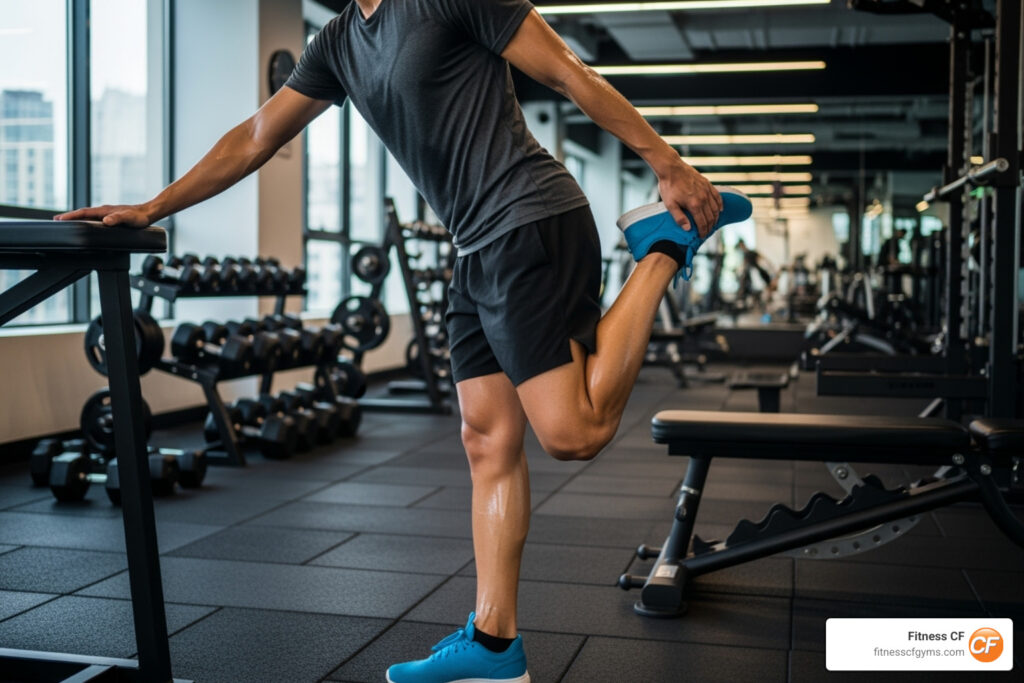
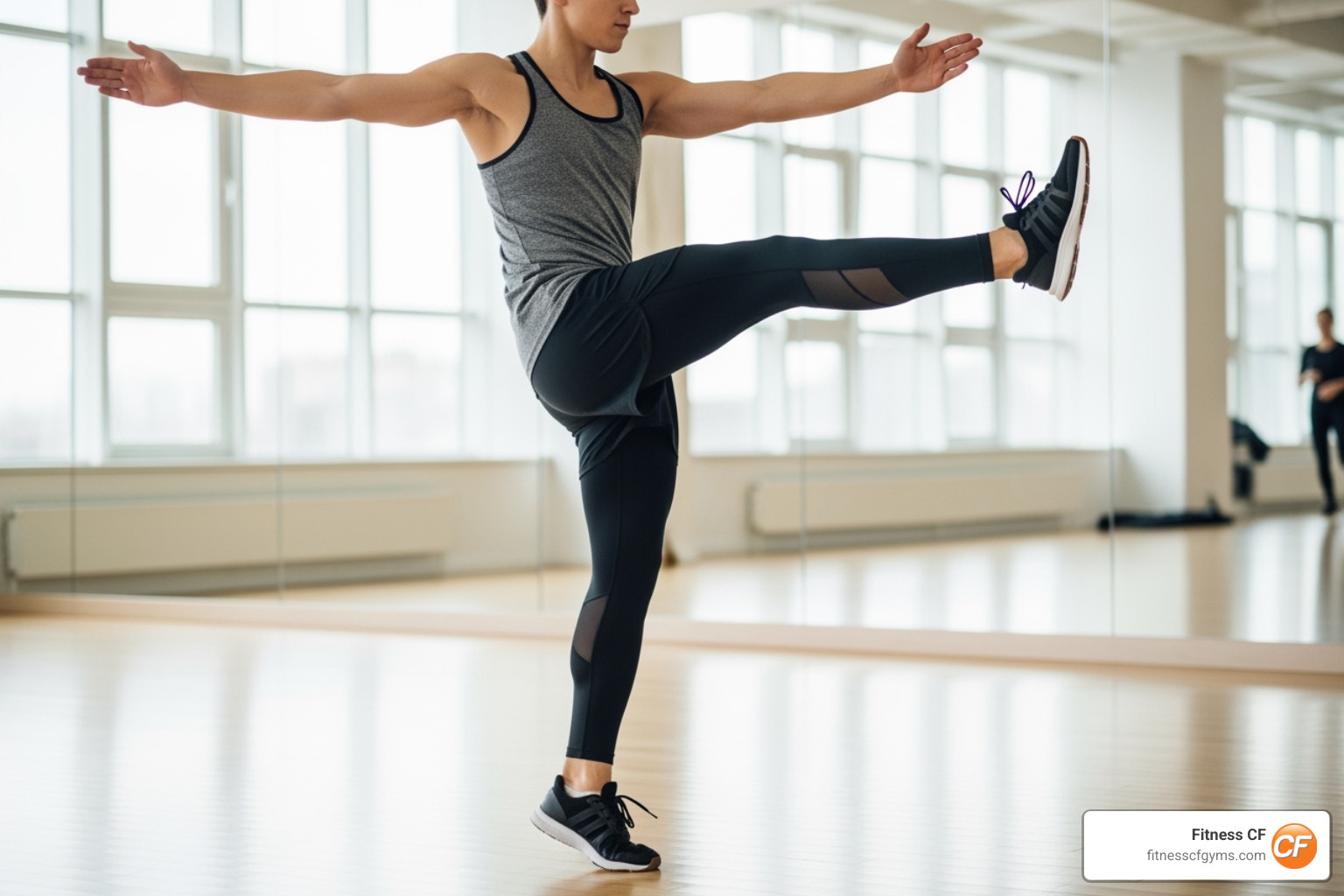
A proper 5-10 minute warm-up gradually increases your body temperature and blood flow. Warm, pliable muscles are less prone to injury and soreness. Dynamic stretching, like arm circles and leg swings, is ideal because it mimics workout movements.
A 10-15 minute cool-down helps your body gradually return to a resting state. It prevents blood from pooling and helps your heart rate come down naturally. Static stretching, holding a stretch for 20-30 seconds, is perfect for cool-downs to improve flexibility while muscles are still warm.
Progress Gradually and Listen to Your Body
Avoid the temptation to do too much, too soon. The progressive overload principle—gradually increasing the demands on your muscles over time—is key. This allows your body to adapt without getting overwhelmed.
Learn to differentiate between normal muscle fatigue and the sharp, stabbing pain of a potential injury. Your body is always sending signals; learn to listen. Sometimes, the best thing you can do is take a rest day. Understanding the role of recovery and why rest days are as important as workouts is crucial. Rest is when your muscles repair and rebuild. Alternating muscle groups is another smart strategy to stay consistent while allowing specific areas to recover.
When to Be Concerned: Soreness vs. Injury
It’s vital to know the difference between normal muscle soreness and an injury. Ignoring the signs of an injury can lead to long-term problems.
Normal sore muscles feel like a dull, spreading ache that often improves with light movement. This is the “good” soreness that indicates your muscles are adapting. In contrast, injury pain is often sharp, sudden, or stabbing, and it doesn’t get better with gentle movement.
How to Know When to See a Doctor
While you don’t need to see a doctor for every ache, certain red flags should not be ignored. Seek professional medical advice if you experience any of the following:
- Sharp, stabbing, or sudden pain during movement.
- Soreness that lasts longer than a week without improvement.
- Severe swelling, heat, or redness around the affected area.
- Pain that limits your range of motion or affects daily activities like walking.
- Numbness, tingling, or radiating pain, which could indicate nerve issues.
- Muscle pain accompanied by fever, chills, or flu-like symptoms, as this could be a sign of infection.
- Emergency symptoms like chest pain, pressure, abnormal heartbeat, or shortness of breath require immediate medical care.
Trust your instincts. If something feels genuinely wrong, it’s always better to get it checked out by a healthcare professional.
Conclusion: Your Path to Faster Recovery
Post-workout ache doesn’t have to be something you dread. With this toolkit, you can relieve sore muscles and turn recovery into an opportunity. Soreness is your body’s way of celebrating progress and building strength.
We’ve explored how heat and cold therapy, active recovery, and massage can provide relief. We’ve also found that recovery happens from the inside out through proper nutrition and hydration.
Prevention is just as important as treatment. Smart warm-ups, cool-downs, and gradual progression will save you from unnecessary discomfort. Most importantly, you’ve learned to listen to your body and recognize the difference between soreness and injury.
Recovery is about building a sustainable, healthy lifestyle. By combining smart training with effective recovery, you’re developing habits that will keep you active and healthy for years. Your commitment to caring for your body transforms workouts into stepping stones toward better health.
Ready to take your recovery to the next level? Explore our HydroMassage and recovery amenities to find how professional-grade recovery tools can complement everything you’ve learned about taking care of your body.