Back Pain Is More Common Than You Think — Here’s What Actually Helps
The best way to relieve back muscle pain combines gentle movement, targeted stretching, temperature therapy, and core strengthening — all of which you can start at home today.
Quick relief summary:
- Move gently — light walking or low-impact activity beats bed rest
- Stretch — knee-to-chest, cat-cow, and child’s pose ease muscle tension fast
- Apply ice or heat — ice for swelling (first 48–72 hours), heat for stiffness after
- Strengthen your core — bridges and pelvic tilts protect your spine long-term
- Check your posture — at your desk, when lifting, and while sleeping
- Try OTC pain relief — ibuprofen or acetaminophen for short-term comfort
- Consider alternative therapies — massage, acupuncture, or physical therapy for persistent pain
Back pain has a way of stopping you cold. One wrong move, one long day at a desk, one awkward lift — and suddenly, even getting out of a chair feels like a challenge.
You’re not alone. Studies show that around 80% of people will experience low back pain at least once in their lives. For roughly 16 million Americans, that pain isn’t just occasional — it’s chronic and persistent.
The good news? Most back pain gets better within a few weeks using simple, non-surgical approaches. You don’t need to just push through it or wait it out passively. There are real, evidence-backed steps you can take right now.
I’m Pleasant Lewis, owner and operator of Fitness CF, with over 40 years in the fitness industry helping people move better, feel stronger, and live pain-free. In that time, I’ve seen how the best way to relieve back muscle pain is rarely one magic fix — it’s a smart combination of daily habits, movement, and body awareness. Let’s walk through exactly what works.
Best way to relieve back muscle pain terms to learn:
Understanding the Best Way to Relieve Back Muscle Pain
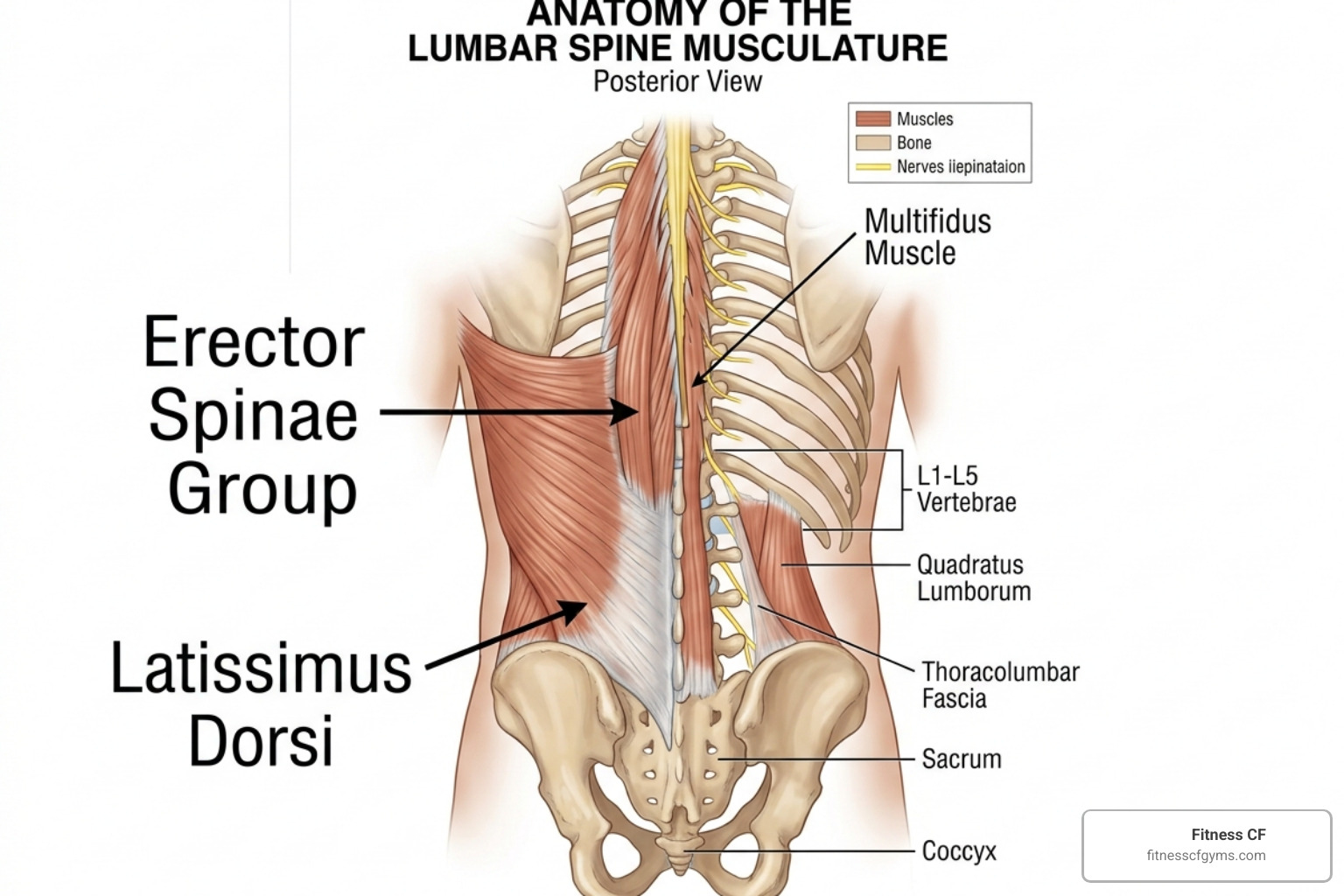
To find the best way to relieve back muscle pain, we first have to understand what’s actually happening under the skin. Your back is a complex structure of bones, joints, ligaments, and muscles. Most of the time, that sudden “tweak” or dull ache is a soft tissue injury.
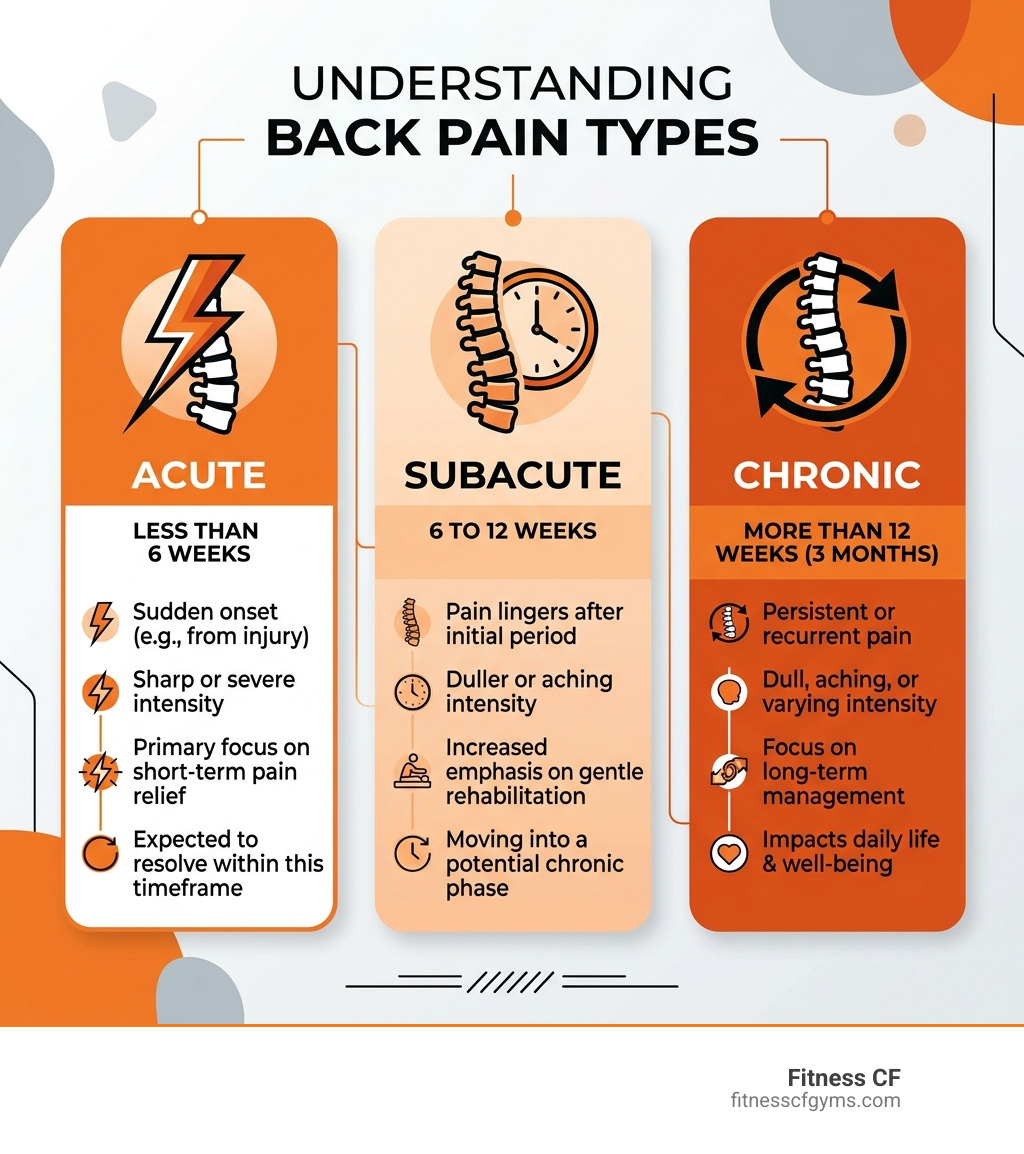
According to the National Institute of Arthritis and Musculoskeletal and Skin Diseases (NIAMS), back pain is often categorized by how long it lasts:
- Acute pain: Lasts a few days to a few weeks.
- Subacute pain: Lasts 4 to 12 weeks.
- Chronic pain: Lasts 12 weeks or longer.
Most muscular issues fall into the “strain” or “sprain” category. A muscle strain happens when muscle fibers are overstretched or torn, while a ligament sprain involves the tough bands of tissue that connect bones. You might also experience myofascial pain, which is characterized by sensitive “trigger points” in the muscles supporting your spine. If you feel a dull, throbbing sensation deep within the tissue, learning how to relieve deep muscle pain becomes your first priority.
Why Movement is the Best Way to Relieve Back Muscle Pain
It might seem counterintuitive, but the best way to relieve back muscle pain is usually to keep moving. In the past, doctors often prescribed bed rest. We now know that staying in bed for more than a day or two can actually make things worse by causing muscles to stiffen and weaken.
Active recovery helps maintain blood flow to the injured area, which brings in the nutrients needed for healing. The NHS emphasizes that staying active and continuing daily activities as much as possible is vital for recovery. Low-impact aerobic exercises like walking, swimming, or stationary cycling are excellent choices because they get the heart pumping without jarring the spine. If you are a regular at the gym, knowing how to work out with lower back pain allows you to maintain your fitness gains while protecting your recovery.
Common Causes of Lumbar Strain
The lower back, or lumbar region, bears the brunt of your body weight and movement. Johns Hopkins Medicine notes that lumbar strain is frequently caused by:
- Heavy lifting: Especially when using the back instead of the legs.
- Sudden twisting: Common in sports like golf, tennis, or basketball.
- Weak core muscles: If your “abs” aren’t doing their job, your back has to work twice as hard.
- Tight hamstrings: When the muscles in the back of your legs are tight, they pull on the pelvis, creating tension in the lower back.
1. Prioritize Targeted Stretching and Yoga
When your back muscles are in spasm, they are essentially “clamping down” to protect the area. The best way to relieve back muscle pain in this state is to gently encourage those muscles to let go. Flexibility and range of motion are your best friends here.
A consistent routine of stretching to improve flexibility can prevent future injuries by ensuring your muscles can handle the demands of daily life. The Mayo Clinic suggests a 15-minute daily routine that includes:
- Knee-to-chest stretch: Lie on your back and gently pull one knee toward your chest, holding for 30 seconds.
- Cat-Cow pose: On all fours, alternate between arching your back like a cat and dropping your belly toward the floor.
- Lower back rotational stretch: Lie on your back with knees bent and feet flat, then gently let your knees fall to one side.
Relieving Tension with the Child’s Pose
One of the most effective tools for spinal decompression is the Child’s Pose. To do this, kneel on the floor, sit back on your heels, and fold forward until your forehead touches the mat. Reach your arms out in front of you.
This pose allows the vertebrae to slightly separate, taking pressure off the discs and lengthening the muscles along the spine. Combine this with deep, diaphragmatic breathing to trigger your body’s relaxation response. If you’re looking for how to ease body pain after a stressful day, five minutes in Child’s Pose can work wonders.
2. Utilize Temperature Therapy for Muscle Recovery
Temperature therapy is a simple, cost-effective best way to relieve back muscle pain at home. Whether you use cryotherapy (cold) or thermotherapy (heat), the goal is to manage the body’s inflammatory response.
According to the Cleveland Clinic, using a heating pad or ice pack is a staple for home relief. At Fitness CF, we often discuss how to relieve sore muscles using these methods to speed up the transition from “ouch” to “active.”
When to Use Ice vs. Heat
The timing of your therapy matters. Here is the general rule of thumb:
- Use Ice for Acute Injury: In the first 48 to 72 hours after a strain, use ice. Cold constricts blood vessels, which reduces swelling and numbs the sharpest part of the pain. Apply for 20 minutes on, 20 minutes off.
- Use Heat for Chronic Stiffness: Once the initial swelling has subsided (usually after 3 days), switch to heat. Heat increases blood flow, which relaxes tight muscles and improves flexibility. Moist heat, like a warm bath or a steamed towel, is often more effective than dry heat.
For more detailed guidance, check out our breakdown of the best ways to relieve sore muscles.
3. Strengthening Your Core: The Best Way to Relieve Back Muscle Pain Long-Term
If stretching is the “emergency brake” for back pain, core strengthening is the “insurance policy.” Your core isn’t just your “six-pack” muscles; it’s a 360-degree cylinder of muscle including your obliques, lower back, and deep stabilizing muscles like the transverse abdominis.
UC Davis Health notes that core muscles are rarely used fully in daily activities, meaning they require targeted exercise to stay strong. Effective exercises include:
- Pelvic Tilts: Flattening your back against the floor to engage the deep abs.
- Bridges: Lying on your back and lifting your hips toward the ceiling.
- Bird-Dog: Being on all fours and extending the opposite arm and leg simultaneously.
Properly preparing these muscles with a comprehensive warm-up and cool-down guide ensures that you don’t accidentally strain your back while trying to strengthen it.
Benefits of Resistance Training for Spine Health
Resistance training (weightlifting) is incredibly beneficial for the spine. It increases bone density, which prevents fractures later in life, and ensures muscle balance so that one side of your body isn’t overcompensating for the other. By building a strong muscular “corset,” you significantly lower your risk of future episodes. Understanding how to prevent and recover from workout injuries is key to making resistance training a lifelong habit.
4. Optimize Ergonomics and Daily Posture
You can do all the stretches in the world, but if you spend eight hours a day hunched over a laptop, your pain will return. Posture and ergonomics are about maintaining the “neutral spine” — the natural S-curve of your back.
Workspace Setup
A proper workspace is the best way to relieve back muscle pain for office workers. Ensure your:
- Monitor is at eye level: This prevents “tech neck” and upper back strain.
- Knees are at a 90-degree angle: Your feet should be flat on the floor.
- Lower back is supported: Use a chair with lumbar support or place a rolled-up towel behind your lower back.
If you struggle with body aches from work, try a standing desk or set a timer to walk for two minutes every hour.
Proper Lifting Techniques to Prevent Strain
When you need to pick something up — whether it’s a 45lb plate at Fitness CF or a bag of groceries — your technique is paramount.
- Squat, don’t bend: Bend at your hips and knees, not your waist.
- Keep the load close: The further the object is from your body, the more stress it puts on your lumbar spine.
- Avoid twisting: If you need to turn, move your feet. Never twist your torso while holding a heavy weight.
Learning how to work out safely while recovering involves mastering these mechanics under controlled conditions before applying them to real-life heavy lifting.
5. Implement Lifestyle Changes for Long-Term Relief
Back pain isn’t just about what you do in the gym; it’s about how you live. Lifestyle factors like weight, diet, and even smoking play a massive role in spinal health.
- Weight Management: Every extra pound you carry adds mechanical force to your spinal discs. Maintaining a healthy weight reduces this constant pressure.
- Smoking Cessation: This is a big one. Smokers are four times more likely to have degenerative disc disease. Smoking restricts blood flow to the spinal discs, preventing them from getting the nutrients they need to stay hydrated and flexible.
- Anti-Inflammatory Diet: Foods rich in Omega-3s (like salmon), turmeric, and leafy greens can help lower systemic inflammation.
The Impact of Sleep Positions on Back Pain
We spend a third of our lives sleeping, so your position matters. The goal is to keep your spine in a neutral line.
- Side Sleepers: Place a pillow between your knees to keep your hips level.
- Back Sleepers: Place a pillow under your knees to maintain the natural curve of your lower back.
- Stomach Sleepers: This is generally the hardest on the back. If you must, place a pillow under your pelvis to prevent your back from arching too much.
Addressing these habits can even help treat a sore hip flexor, as the hips and back are deeply interconnected.
6. Explore Alternative and Physical Therapies
If home care isn’t providing enough relief, professional therapies can bridge the gap. The Mayo Clinic notes that several alternative treatments have a growing body of evidence for back pain relief:
- Physical Therapy: A PT can provide a tailored exercise program specifically for your injury.
- Massage Therapy: This is excellent for relieving myofascial pain and improving circulation. For those in Central Florida, our hip muscle pain relief guide highlights how targeted massage can unlock the lower body.
- Acupuncture: Many people find significant relief through this traditional practice, which may help by releasing natural pain-killing chemicals in the body.
- Mindfulness and Meditation: Since stress causes muscle tension, learning to relax your mind can literally relax your back.
7. Manage Pain with Over-the-Counter Solutions
While we focus on movement and lifestyle, sometimes you need a little help to get through the day. Over-the-counter (OTC) medications can be an effective best way to relieve back muscle pain when used correctly.
- NSAIDs (Ibuprofen, Naproxen): These help by reducing inflammation.
- Acetaminophen: Good for pain relief but doesn’t target inflammation.
- Topical Creams: Menthol-based or lidocaine patches can provide localized relief without the systemic side effects of pills.
Always consult with a pharmacist or healthcare provider to ensure these are safe for you, especially if you have heart or kidney issues. If you’re dealing with post-workout pain, these can help you stay mobile enough to keep your recovery on track.
When to Seek Professional Medical Help
While most back pain resolves on its own, you shouldn’t ignore “red flag” symptoms. Consult a healthcare professional at Mayo Clinic or your local provider if you experience:
- Pain that lasts longer than a few weeks.
- Severe pain that doesn’t improve with rest.
- Pain that spreads down one or both legs, especially below the knee.
- Weakness, numbness, or tingling in the legs.
- Unexplained weight loss.
- Fever along with back pain.
- New bowel or bladder control problems (this is a medical emergency).
Frequently Asked Questions about Back Muscle Pain
Is bed rest good for back muscle pain?
No. While a few hours of rest might feel good initially, prolonged bed rest (more than 48 hours) leads to muscle atrophy and stiffness. The best way to relieve back muscle pain is gentle, frequent movement.
How long does a typical back muscle strain last?
Most acute strains show significant improvement within 48 to 72 hours of home care (ice, rest, gentle stretching). Full healing of the muscle tissue typically takes 2 to 4 weeks, provided you don’t re-injure the area.
Can stress cause back muscle pain?
Absolutely. When we are stressed, our bodies release cortisol and our muscles instinctively tighten — a carryover from the “fight or flight” response. This chronic tension most often settles in the neck, shoulders, and lower back.
Conclusion
At Fitness CF, we believe that a healthy, active lifestyle is the ultimate foundation for a pain-free life. Whether you are in Orlando, Clermont, Mount Dora, or St. Cloud, the journey to a stronger back starts with the choices you make every day.
By combining strength training to support your skeleton, cardio to keep your tissues hydrated, and proper recovery techniques, you can overcome back discomfort without the need for invasive surgery. Your body is designed to move — and we are here to help you do it safely.
If you’re looking for a way to soothe those muscles after a productive workout, experience total body relaxation with HydroMassage at our South Clermont location. It’s a fantastic way to incorporate heat and pressure therapy into your weekly routine!