Benefits of Becoming a Certified Fitness Instructor
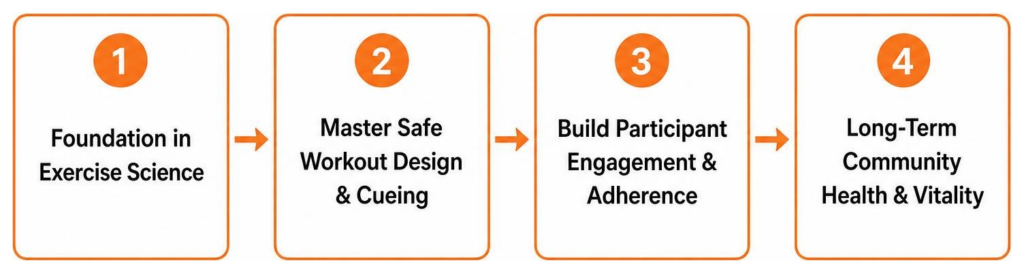
Deciding to pursue a path as a certified fitness instructor opens up incredible avenues for professional growth, personal fulfillment, and active community leadership. Beyond guiding movement routines, accredited leaders serve as the spark that inspires individuals to stay committed to lifelong health. When you know how to structure workouts grounded in exercise science, you give participants the confidence they need to move safely and consistently.
Leading group workouts is about far more than shouting encouragement over a music playlist. It requires a deep understanding of human movement, functional anatomy, and exercise safety. When leaders possess proper credentials, they help exercise participants lower their risk of joint strain, avoid overtraining, and achieve balanced physical development through structured Personal Training principles and dynamic group routines.
Professional Credibility and NCCA Accreditation
In the modern health and wellness landscape, professional credibility is paramount. The gold standard for any group training credential is accreditation by the National Commission for Certifying Agencies (NCCA). When a credentialing program earns NCCA accreditation, it demonstrates that its examinations and educational standards meet rigorous, independent quality benchmarks.
Holding an NCCA-accredited qualification demonstrates that you understand exercise physiology, class design, injury prevention, and emergency handling protocols. It reassures participants that their leader possesses validated expertise. Moreover, adhering to recognized standards ensures that every workout routine prioritizes functional alignment, appropriate intensity progression, and long-term cardiovascular health over short-term gimmicks.
Career Opportunities for a Certified Fitness Instructor
Earning your certification unlocks diverse professional avenues. Qualified professionals can lead classes across multiple modalities or specialize in distinct workout styles, including:
- Strength and Resistance Training: Guiding multi-joint dumbbell, barbell, or bodyweight routines to enhance muscular endurance, metabolic rate, and bone density.
- Cardiovascular and HIIT Formats: Directing high-intensity interval training, plyometrics, or indoor cycling to build heart health and stamina.
- Mind-Body Practices: Leading yoga, mat Pilates, or mobility fusion sessions to promote joint stability, balance, and mental wellness.
- Virtual and Hybrid Coaching: Hosting live-streamed or recorded virtual classes to reach individuals working out in home settings.
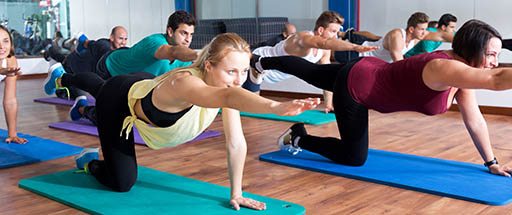
Whether you choose to focus on broad group instruction or explore tailored training formats, having a solid credential establishes your foundation. To better understand how group formats contrast with individualized instruction, explore our guide on Group Training vs Personal Training.
Comparison of Major Group Fitness Instructor Certification Programs
Choosing the right credentialing path requires understanding how different established educational bodies structure their curriculums, study resources, and examination models. Industry leaders such as the Athletics and Fitness Association of America (AFAA), the American College of Sports Medicine (ACSM), and the National Exercise Trainers Association (NETA) each bring distinct strengths to fitness education.
| Certifying Organization | NCCA Accredited? | Primary Focus & Approach | Exam Structure | Key Feature |
|---|---|---|---|---|
| AFAA (AFAA-CGFI) | Yes | Practical class design, music cueing, multi-modalities (HIIT, Cycling, Yoga) | 120 multiple-choice questions; 2-hour time limit | Backed by 35+ years experience and 350,000+ trained instructors across 73+ countries |
| ACSM (ACSM-GEI) | Yes | Clinical exercise science, physiology, evidence-based hydration & safety | Multiple-choice via Pearson VUE (in-person or online) | $100 fee discount available for official ACSM members |
| NETA | Yes | Interactive 1-day workshops, practical demonstrations, beginner-friendly fast track | Proctored certification exam | Hands-on workshop format operational since 1977 |
Prospective candidates frequently explore specialized coursework through accredited resources such as the Group Fitness Instructor Course to prepare for these comprehensive exams.
Curriculum Focus and Teaching Modalities
While all accredited programs emphasize baseline exercise safety, their detailed curriculum focus can vary significantly depending on your intended teaching style:
- Exercise Science Fundamentals: Understanding kinetic chain movement, energy systems, postural alignment, and cardiovascular responses to physical stress.
- Class Design and Exercise Sequencing: Building balanced routines that pair high-energy exertion with adequate recovery periods, ensuring participants avoid sudden overuse injuries.
- Instruction and Presentation Skills: Mastering verbal, visual, and kinesthetic cueing techniques so exercisers of all experience levels can mirror movements with correct form.
- Hydration and Athletic Physiology: Studying osmotic fluid absorption and sweat profiling to help participants maintain dynamic performance and prevent thermal fatigue during challenging sessions.
Workshop vs Self-Paced Certification Models
Prospective students generally select between two core learning approaches: self-paced digital courses or interactive live workshops.

- Self-Paced Digital Learning: Ideal for individuals balancing full-time employment or family responsibilities. Candidates receive access to video lecture modules, digital textbooks, adaptive quiz platforms, and online study groups. Many self-paced learners complete their studies within 4 to 6 weeks, utilizing up to a full 180-day enrollment window.
- Interactive Live Workshops: Designed for hands-on, practical learners. Fast-track options, such as NETA’s 1-day group exercise workshops or 2-day personal training intensives, deliver 14+ hours of direct physical demonstration, peer teaching practice, and real-time feedback from master trainers.
Prerequisites, Costs, and Completion Timeline
Before enrolling in any group exercise education program, candidates should review standard entry prerequisites, budget requirements, and study timelines.
Age, Education, and CPR Prerequisites
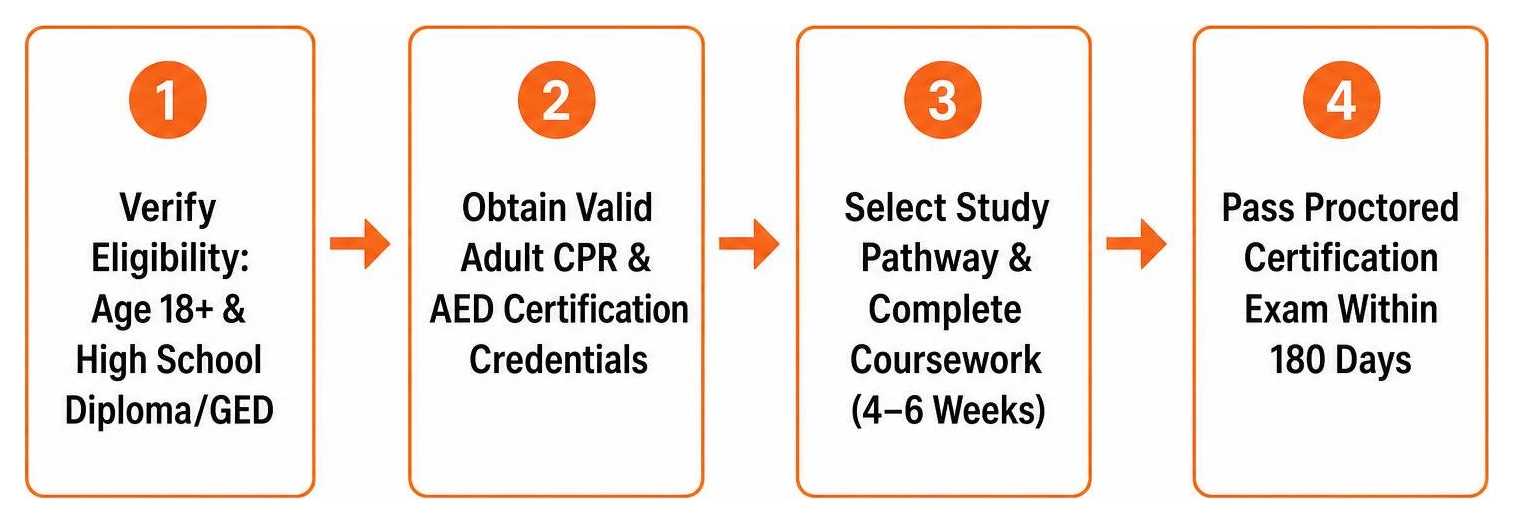
To sit for an NCCA-accredited group exercise examination, standard eligibility requirements include:
- Being at least 18 years of age.
- Holding a high school diploma, GED, or equivalent secondary education credential.
- Maintaining current, valid adult Cardiopulmonary Resuscitation (CPR) and Automated External Defibrillator (AED) credentials from a recognized training provider (such as ASTI or American Heart Association).
- Note: Certain sports medicine organizations, including ACSM, are expanding prerequisites to explicitly require hands-on First Aid certification alongside CPR/AED credentials starting in 2027.
Exam Costs and Member Discounts
Tuition and registration pricing vary across educational bodies and membership tiers:
- Standard Non-Member Exam Pricing: Industry exam registration typically ranges from $300 to $410 (for example, ACSM non-member exam pricing is $410, which includes a non-refundable $50 application processing fee).
- Member Savings: Active organization members often receive significant registration discounts. ACSM members save $100, bringing exam fees down to $310.
- Re-test Policies: Candidates who do not achieve a passing score on their first attempt can typically schedule a re-test within a specified timeframe for a reduced re-examination fee (typically around $205).
- Study Bundles: Complete self-study suites, including digital prep books, practice tests, and adaptive learning platforms, generally range from $299 to $699 depending on the level of advisor support included.
Program Duration and Completion Timeframes
The time required to become fully certified depends on your personal schedule and study background. Because most leading courses operate as online self-paced modules, individuals working full-time routinely complete their coursework in 4 to 6 weeks by dedicating 5 to 7 hours per week to study. Standard candidate enrollment agreements provide up to 180 days from the date of course purchase to sit for the official proctored examination.
Certification Exam Formats, Topics, and Maintenance
Understanding the detailed examination layout and long-term maintenance requirements ensures a smooth journey from student to practicing professional.
Core Skills Taught in Certified Fitness Instructor Courses
Comprehensive group fitness programs equip candidates with practical coaching tools that extend far beyond simple exercise execution:
- Kinetic Chain Mechanics: Assessing movement patterns from the ankles, knees, and hips up through the spine to correct poor form during squats, lunges, and overhead presses.
- Inclusive Exercise Adaptations: Learning how to offer immediate regressions and progressions so that absolute beginners and advanced exercisers can participate safely in the same session.
- Music and Rhythm Integration: Utilizing tempo, beat counting, and musical phrasing to drive motivation, structure interval timing, and maintain seamless movement transitions.
- Hydration and Thermoregulation: Recognizing the signs of dehydration (such as dynamic performance drops exceeding 2% of total body mass loss) and structuring fluid breaks during warm or prolonged workouts.
Exam Structure and Passing Thresholds
Standard proctored group exercise exams adhere to precise structural guidelines:
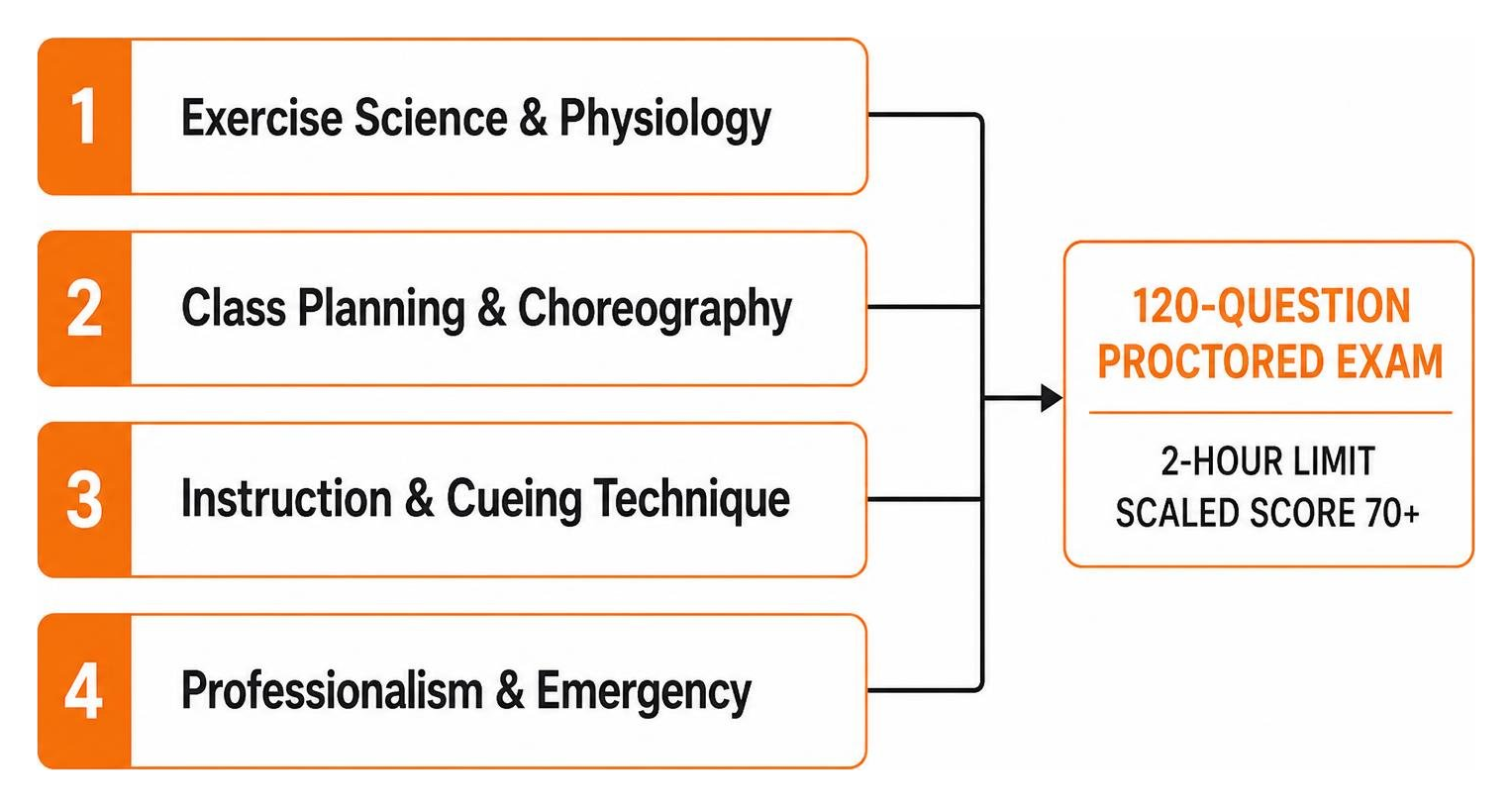
- Question Count: Most national exams consist of 120 multiple-choice questions evaluating exercise science, class instruction, professional responsibilities, and emergency risk management.
- Time Limit: Candidates are allotted a strict 2-hour time limit to complete the exam.
- Passing Threshold: Exams utilize standardized scoring models requiring a scaled passing score of 70 or higher.
- Proctoring Options: Candidates can take their examination in person at authorized computer testing facilities (such as Pearson VUE centers) or via live online proctored systems from home.

Recertification and CEU Requirements
To ensure that active instructors remain up-to-date with emerging sports science and exercise safety standards, credentials must be renewed periodically.
- Recertification Cycle: Most recognized organizations require formal recertification every two years.
- Continuing Education Units (CEUs): Instructors must complete a minimum of 1.5 CEUs (equivalent to 15 contact hours) during each 2-year cycle through specialized workshops, online courses, or advanced certifications.
- CPR/AED Maintenance: Valid adult CPR and AED credentials must be kept continuously active throughout the recertification period.
Frequently Asked Questions About Fitness Instructor Certifications
Can you become a fitness instructor without prior experience or a college degree?
Yes! You do not need a college degree in kinesiology or prior professional instruction experience to earn an NCCA-accredited group fitness certification. As long as you are at least 18 years old, possess a high school diploma or GED, and hold an active CPR/AED certification, you are eligible to enroll. Programs are designed to build your knowledge from the ground up, teaching you foundational anatomy, movement mechanics, class design, and presentation skills during the self-paced study modules.
How much does it cost to get certified as a group fitness instructor?
Total investment costs generally range between $300 and $700 depending on the certifying body, study package tier, and membership discounts. Basic exam-only options or member-discounted registrations (such as $310 for ACSM members) sit at the lower end of the spectrum, while comprehensive study suites equipped with adaptive practice test tools, hardcopy textbooks, and lifetime recertification guarantees sit at the higher end.
What format is used for group fitness certification exams?
Group fitness certification exams are standardized, multiple-choice tests administered either online via live proctoring or at physical testing centers like Pearson VUE. For example, the AFAA-CGFI exam features 120 closed-book questions with a 2-hour time limit and requires a scaled passing score of 70 to earn your credential.
Jumpstart Your Journey Toward Health and Fitness Leadership
Becoming a certified fitness instructor is one of the most rewarding steps you can take if you are passionate about health, cardiovascular wellness, and helping others live vibrant lives. By acquiring an NCCA-accredited credential, mastering movement cueing, and committing to ongoing learning, you gain the exact tools needed to lead dynamic, safe, and life-changing workouts.
Whether you aim to guide strength sessions, high-energy cardio classes, indoor cycling, or mind-body routines, taking that first step begins with choosing an accredited program that aligns with your educational goals. As you grow your knowledge, explore our dedicated Careers portal and check out our comprehensive Gym Personal Trainers Guide to learn how professional education opens doors to inspiring a healthier world.