Why Finding the Right Yoga Classes Can Transform Your Health Journey
How to Find the Perfect Yoga Classes for You
The journey to finding your perfect yoga practice begins with knowing where to look and what truly matters. After years of helping people find their ideal fitness routines, I’ve learned that the most successful yogis use a smart combination of digital tools and personal connections to find their home away from home.
Online directories have become your best friend when searching for yoga classes near me. These comprehensive databases let you filter by location, style, and experience level—making it easy to narrow down your options. Map apps show you exactly how far each studio sits from your daily routine, while search engines reveal honest reviews and up-to-date class schedules.
Modern booking platforms like Momence have revolutionized how we find and book classes. Some studios now offer over 70 in-studio classes plus 8 virtual options each week, giving you incredible flexibility to find sessions that fit your life perfectly.
Don’t overlook the power of social media groups and community boards. These treasure troves of local knowledge reveal which instructors welcome beginners with open arms and which classes offer the best value for your investment. Word of mouth remains one of the most reliable ways to find quality instruction—personal recommendations often lead to the most fulfilling experiences.
When you’re considering How to Choose the Best Fitness Program for Your Needs, yoga offers unique benefits that beautifully complement any fitness routine. The practice builds functional strength, improves flexibility, and provides stress relief that improves recovery from more intense workouts.
What to Look for in a Studio’s Environment and Community
The moment you step into a yoga studio, you’ll feel whether it’s the right fit. A truly welcoming atmosphere combined with impeccable cleanliness creates the foundation for transformative practice. The best studios consistently earn 4.9 and 5.0 star ratings based on hundreds of reviews—a clear indicator of exceptional customer satisfaction.
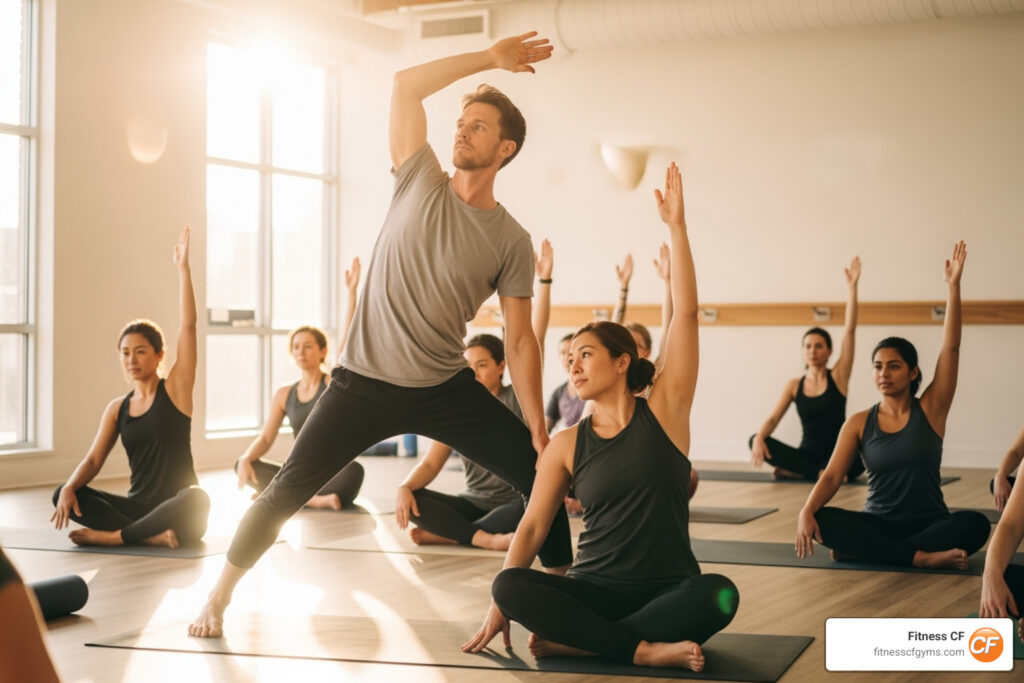
A supportive community makes all the difference in your yoga journey. Look for studios where teachers remember your name, offer modifications without judgment, and create space for you to grow at your own pace. The most successful students describe their favorite studios as places that feel like “coming home”—environments where hearts stay open and acceptance flows freely.
Inclusivity should be evident from your very first visit. Quality studios welcome students of all body types, fitness levels, and backgrounds. The outdated notion that yoga is only for certain people quickly dissolves in truly inclusive environments where everyone feels genuinely supported.
High customer satisfaction typically correlates with studios that operate year-round, maintain spotless facilities, and provide practical amenities like adequate parking and easy building access. Why Group Fitness Classes Are So Effective often comes down to these environmental factors that create psychological safety and encourage consistent attendance.
What Makes a Great Yoga Instructor?
Experienced teachers with proper certification form the backbone of quality instruction. Look for instructors with a Yoga Alliance 200-hour certification as your baseline standard, though many exceptional teachers have completed 500-hour programs or specialized training in areas like prenatal yoga or therapeutic applications.
Clear communication separates great instructors from the rest. They explain poses in accessible language, offer modifications for different abilities, and guide students safely through sequences. The best teachers demonstrate what students call “articulate, caring, and diverse” instruction that meets each person exactly where they are.
Offering modifications shows an instructor’s true skill and compassion. Every body is different, and exceptional teachers understand how to adapt poses so everyone can participate fully and safely.
Diverse teaching styles within a single studio ensure you’ll find instruction that resonates with your learning preferences. Some teachers focus on precise alignment, others emphasize flow and breath, while still others weave in philosophy and meditation. This variety allows you to explore different approaches and find what serves your practice best.
Passionate and knowledgeable instructors inspire students to deepen their practice naturally. They understand that yoga extends far beyond physical poses to encompass breath work, meditation, and lifestyle principles. Quality teachers create what students describe as “a beautiful fusion of our shared humanity” through their unique gifts and authentic voices.
A Style for Every Body: Common Types of Yoga Classes
One of the most wonderful things about yoga classes near me is how they cater to every body type, fitness level, and personal goal. Whether you’re a high-energy person who loves to sweat or someone who needs gentle movement to unwind, there’s a yoga style waiting to welcome you.
Class variety isn’t just about having options – it’s about finding the perfect match for your current needs and allowing room to grow. Some days you might crave the intensity of a power flow, while other days your body calls for gentle stretching and deep relaxation. This flexibility makes yoga an incredibly sustainable practice that can evolve with you throughout your life.
Finding your fit often happens through trial and exploration. Most students find that their preferences shift as they build strength, improve flexibility, and learn what their bodies truly need. What matters most is starting somewhere and staying curious about the different approaches available.
Exploring styles becomes much easier when you understand the basic differences between approaches. What are the different types of yoga? provides a comprehensive overview of the various practices you’ll encounter, helping you make informed choices about which classes to try first.
The beauty of yoga lies in its ability to complement any fitness routine. Exploring the Power of Yoga: Why You Should Add It to Your Fitness Routine shows how different styles can improve your overall wellness, whether you’re looking to improve athletic performance, manage stress, or simply feel better in your body.
For Energy and Flow: Vinyasa, Power, and Ashtanga
If you love movement and enjoy a good challenge, the flowing styles of yoga might be perfect for you. Vinyasa classes feature breath-synchronized movement that creates a moving meditation. Each breath guides you from one pose to the next, creating a dance-like flow that builds both physical strength and mental focus.
Power Yoga takes the flowing concept and turns up the intensity. These classes often feature longer holds, more challenging poses, and sequences designed to build serious strength. You’ll work muscles you didn’t know you had while improving cardiovascular health through sustained movement and effort.
Ashtanga represents the most traditional approach to flowing yoga. This practice follows a set sequence of poses, allowing you to track your progress over time. The building internal heat through dynamic sequences creates a powerful detoxification effect while developing incredible strength and flexibility.
These energizing styles offer excellent cross-training benefits for anyone involved in other fitness activities. The combination of strength-building, flexibility work, and cardiovascular challenge makes them ideal for active individuals looking to diversify their routine while improving overall athletic performance.
For Deep Relaxation and Flexibility: Hatha, Yin, and Restorative
Sometimes what your body needs most is permission to slow down and restore. Hatha Yoga focuses on foundational poses held for several breaths, giving you time to understand proper alignment and build strength gradually. This style is perfect for beginners or anyone who prefers a more methodical approach to movement.
Yin Yoga offers a completely different experience by targeting connective tissues through passive stretches. Holding poses for 3-5 minutes allows your body to release deeply held tension while giving your mind a chance to practice stillness. This style particularly benefits people who spend long hours sitting or engage in repetitive activities.
Restorative Yoga uses props for support to create positions of complete comfort and relaxation. The focus on calming the nervous system makes this practice incredibly valuable for stress relief and recovery. Many students find that regular restorative practice improves their sleep quality and helps them manage daily stress more effectively.
These gentler styles provide essential balance to more vigorous activities. They’re particularly valuable for anyone who engages in intense physical training, as they promote recovery while maintaining flexibility and reducing the risk of injury.
For Specific Needs and Goals: Specialized Classes
Modern yoga has evolved to meet specific needs and life circumstances. Prenatal Yoga provides safe, modified poses and breathing techniques for expecting mothers, helping them maintain strength and flexibility throughout pregnancy. Parent & Baby Yoga offers new parents a chance to bond with their little ones while gradually regaining their own strength and flexibility.
Kids Yoga introduces children to body awareness and coordination through age-appropriate poses and playful movement. Therapeutic Yoga uses gentle practices specifically designed for injury recovery or chronic conditions, often incorporating props and modifications to ensure safety and comfort.
Yoga for a healthy back targets spinal health through specific sequences that strengthen supporting muscles while improving flexibility. Yoga for athletes offers sport-specific flexibility and recovery practices that can improve performance while reducing injury risk.
Hot Yoga classes are conducted in heated rooms to increase flexibility and promote detoxification through increased circulation. The heat allows muscles to relax more deeply, making it easier to achieve challenging poses while building mental resilience.
These specialized offerings demonstrate how yoga can be adapted to support you through different life stages and health needs. Whether you’re recovering from an injury, preparing for childbirth, or looking to improve your athletic performance, there’s likely a specialized class designed specifically for your situation.
Integrating Yoga into a Complete Fitness Routine
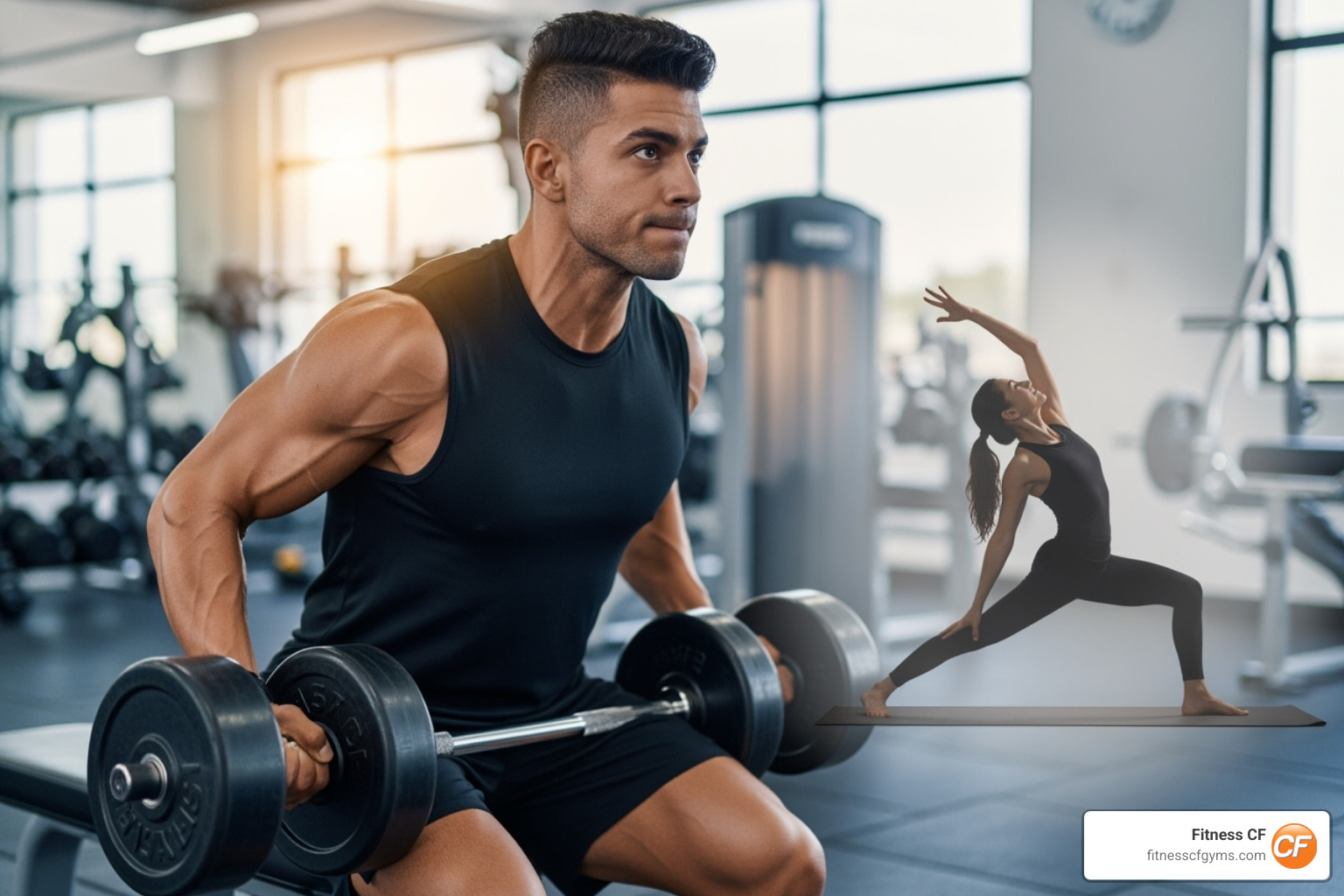
Think of yoga as the missing piece in your fitness puzzle. While hitting the weights builds muscle and cardio gets your heart pumping, yoga ties everything together in a way that creates true holistic wellness. It’s not just another workout to squeeze into your schedule – it’s the bridge that connects all your fitness activities into one balanced fitness approach.
When you search for yoga classes near me, you’re really looking for something that will improve everything else you do. What are the Health Benefits of Yoga? shows us that this ancient practice doesn’t just add to your routine – it makes every other exercise more effective.
The magic happens when different types of movement work together. Your strength training sessions become more productive, your cardio workouts feel easier, and your recovery time improves. This synergy creates a healthy lifestyle that’s sustainable and enjoyable rather than exhausting and overwhelming.
Research backs this up too. People who combine yoga with other forms of exercise consistently see better results than those who stick to just one activity. The mind-body connection you develop on the yoga mat improves your performance everywhere else while keeping injuries at bay.
How Yoga Complements Strength Training
Your bodyweight strength work in yoga creates a different kind of power than traditional weightlifting. Instead of isolating muscles, yoga builds functional strength through complex movements that mirror real-life activities. This translates beautifully to everything from carrying groceries to playing with your kids.
The improved mobility you gain from regular yoga practice is a game-changer for your strength training. When your joints can move through their full range of motion, you can perform exercises with better form and activate muscles more completely. It’s like upgrading your body’s operating system.
Core stability might be yoga’s greatest gift to strength training. Every pose requires you to engage your deep core muscles, creating a rock-solid foundation for heavy lifting. Students often tell us they can suddenly maintain perfect form during challenging exercises after adding yoga to their routine.
Think of yoga as injury insurance for your strength training. The increased body awareness you develop helps you recognize when something doesn’t feel right before it becomes a problem. The improved movement patterns and flexibility work together to prevent the overuse injuries that sideline so many dedicated lifters.
Muscle recovery gets a major boost from yoga’s emphasis on breath work and gentle stretching. The increased blood flow and lymphatic drainage help clear out the metabolic waste that makes you sore after intense training sessions. It’s like having a built-in recovery system.
The mind-muscle connection you develop through mindful movement transforms how you approach all exercise. You’ll find yourself naturally recruiting the right muscles and moving with better efficiency during strength training and other activities.
The Cardio Connection: Yoga for Heart Health
Don’t underestimate the cardiovascular benefits of active yoga styles. A vigorous Vinyasa or Power Yoga class can get your heart rate up just as effectively as traditional cardio while building strength and flexibility at the same time. It’s like getting three workouts in one.
Vinyasa flow sequences create a unique form of interval training. The continuous movement between poses challenges your cardiovascular system while the breath work teaches you to stay calm under physical stress. This combination improves your endurance in ways that traditional cardio alone cannot.
The blood pressure benefits of yoga are well-documented and impressive. The combination of physical movement, controlled breathing, and stress reduction creates a powerful tool for heart health. Many practitioners see measurable improvements in their cardiovascular markers within just a few months of regular practice.
Stress reduction might be yoga’s most important contribution to heart health. Chronic stress wreaks havoc on your cardiovascular system, but yoga’s calming effects help regulate stress hormones and support long-term heart health. It’s like giving your heart a daily dose of relaxation medicine.
Improved circulation happens naturally through yoga’s combination of movement, breath work, and relaxation techniques. Better circulation supports recovery from other exercises and contributes to overall cardiovascular health. You’ll notice the difference in how quickly you bounce back from tough workouts.
The endurance building aspect of yoga is subtle but significant. The breath control and mental focus you develop in class translate directly to improved stamina in other cardiovascular activities. You’ll find yourself able to maintain effort longer and recover more quickly.
Frequently Asked Questions About Finding Yoga Classes Near Me

Starting your yoga journey brings up plenty of questions, and that’s completely normal! Whether you’re wondering about costs, what to pack, or finding the right beginner class, these common concerns pop up for nearly everyone searching for yoga classes near me.
Getting started doesn’t have to feel overwhelming. Most studios genuinely want to help newcomers feel comfortable and confident from day one. The yoga community tends to be incredibly welcoming, and instructors are trained to support students at every level.
Practical advice from real students can save you time and help you feel more prepared for that first class. Understanding what to expect removes much of the anxiety around trying something new. 7 Major Factors to Consider Before Joining a Group Fitness Class offers additional insights that apply perfectly to choosing yoga classes.
How much do yoga classes near me typically cost?
Understanding pricing structures helps you budget wisely and find options that work for your lifestyle. The good news is that most studios offer flexible payment options to accommodate different needs and commitment levels.
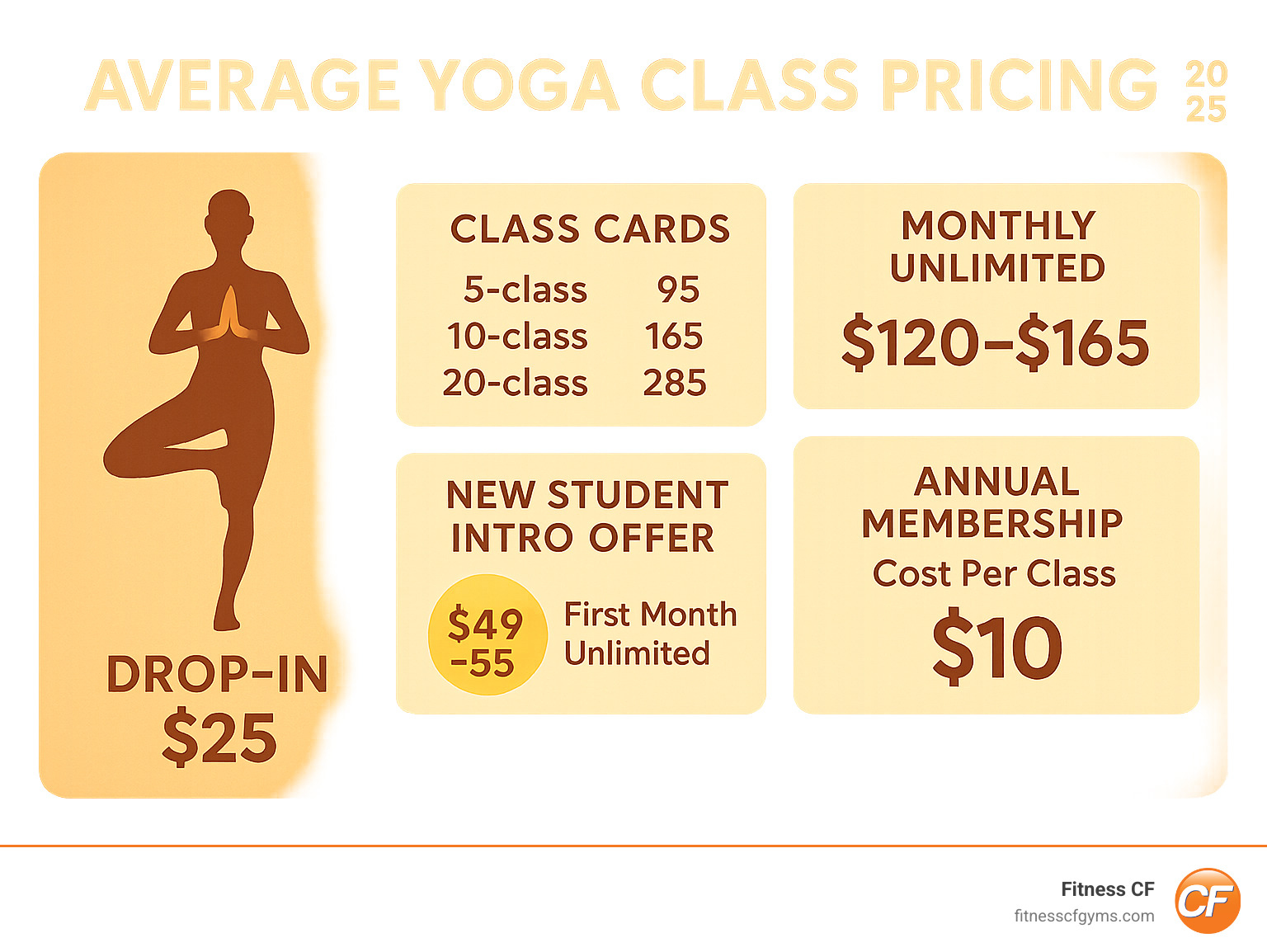
Drop-in classes at $25 per session work perfectly if you’re just testing the waters or have an unpredictable schedule. While this option costs more per class, it gives you complete freedom to try different studios and styles without any commitment.
Class cards provide better value once you decide to practice regularly. A 5-class card for $95 breaks down to $19 per class, while a 10-class card at $165 reduces your cost to about $16.50 per session. The 20-class card at $285 brings your per-class cost down to around $14.25, making it ideal for dedicated practitioners.
Monthly unlimited memberships ranging from $120-$165 offer the best value for anyone planning to attend multiple classes weekly. These memberships often include additional perks like guest passes or discounts on workshops.
New student intro offers represent incredible value at $49-$55 for unlimited classes during your first month. This pricing allows you to explore different instructors, styles, and class times without breaking the bank while you find your preferences.
Annual memberships can reduce your monthly investment significantly when paid upfront, sometimes dropping costs to around $120 per month. This option works best for committed practitioners who know they’ll stick with their practice long-term.
What should I bring to my first yoga class?
Preparing for your first class is simpler than you might think. Most studios provide everything you need, but bringing a few personal items can make your experience more comfortable.
A yoga mat tops the essentials list, though many studios rent or loan mats to newcomers. Having your own mat ensures cleanliness and gives you a familiar surface to practice on. Don’t stress about buying an expensive mat initially – a basic one works perfectly fine while you’re getting started.
Your water bottle keeps you hydrated, especially important during more active classes or in heated rooms. Choose something that won’t make noise when you set it down, since yoga classes often include quiet, meditative moments.
Comfortable, breathable clothing makes all the difference in your practice. Think fitted but not restrictive – you want freedom to move without fabric getting in your way during poses. Avoid anything too loose that might flip over your head during inversions, or too tight that restricts your breathing.
A towel becomes essential for heated classes where you’ll sweat more than usual. Even for regular classes, a small towel can be handy for wiping your hands or face when needed.
The most important thing to bring is an open mind. Yoga might feel awkward at first, and that’s perfectly normal. Approaching your practice with curiosity rather than judgment helps you get the most from each session.
Optional props like blocks, straps, and bolsters are typically provided by studios, so don’t worry about purchasing these initially. As your practice develops, you might want to invest in your own props for home practice.
Are there beginner-friendly yoga classes near me?
Yes, absolutely! Nearly every studio recognizes that welcoming beginners is essential to building a thriving yoga community. The key is knowing which classes will give you the most supportive introduction to yoga.
Beginner series offer the most comprehensive introduction to yoga. These multi-week courses cover fundamental poses, basic breathing techniques, and yoga philosophy at a pace that allows for questions and gradual skill building. You’ll learn alongside other newcomers, which can feel less intimidating than jumping into a mixed-level class.
Slow Flow and Hatha classes move at a gentler pace that works well for beginners. These styles hold poses longer, giving you time to understand proper alignment and make adjustments as needed. The slower pace also allows instructors to offer more detailed guidance.
Gentle yoga classes focus specifically on accessibility and modification. These sessions are perfect if you have physical limitations, concerns about flexibility, or simply prefer a more relaxed approach to movement.
The importance of modifications cannot be overstated in beginner-friendly classes. Quality instructors will demonstrate variations for every pose, ensuring that students of all abilities can participate safely and beneficially. Never feel embarrassed about using modifications – they’re tools to help you practice safely and effectively.
A non-judgmental environment characterizes the best beginner-friendly studios. Look for places where students of various levels practice together comfortably, and where instructors emphasize personal progress over comparison with others. The yoga community generally accepts the philosophy that everyone’s practice is unique and valuable.
Starting your journey with realistic expectations and a commitment to consistency will yield the best results. Most students notice significant improvements in flexibility, strength, and stress levels within just a few weeks of regular practice. Every expert was once a beginner, and your yoga journey is uniquely yours.
Your Journey to Wellness Starts Now
The summary of benefits from regular yoga practice creates a ripple effect that touches every aspect of your life. Students consistently report sleeping better, managing stress more effectively, and feeling stronger and more flexible than they have in years. The research backs up these personal experiences – yoga can help lower blood pressure, reduce chronic pain, and improve overall life satisfaction in ways that surprise even longtime practitioners.
Empowerment to find the right class comes from understanding that there’s no “wrong” way to start your yoga journey. Whether you’re naturally drawn to the flowing movements of Vinyasa, prefer the precise alignment focus of Hatha, or crave the deep relaxation of Restorative yoga, your instincts are probably pointing you in the right direction.
The beauty of yoga classes near me lies in their accessibility. Most studios offer those generous introductory packages ($49-$55 for unlimited first month) specifically because they know that once you experience the benefits firsthand, you’ll want to continue. It’s not a sales tactic – it’s confidence in what yoga can do for your wellbeing.
Taking the first step might feel intimidating, but every experienced practitioner was once exactly where you are now. The person flowing effortlessly through poses in the front row? They probably felt just as uncertain during their first class. The instructor demonstrating advanced poses? They still modify when their body needs it.
Consistency is key to open uping yoga’s transformative power. The magic happens not in perfect poses or advanced techniques, but in the simple act of showing up regularly. Your body and mind adapt gradually, building strength, flexibility, and resilience with each practice. Even on days when you feel stiff or distracted, you’re still investing in your long-term health.
At Fitness CF, we’ve seen how yoga perfectly complements a well-rounded fitness routine. The mind-body connection you develop on the yoga mat improves your performance in strength training, makes cardio workouts more enjoyable, and helps prevent the injuries that can derail your fitness goals. Group Fitness Classes Transform Workout experiences by providing the variety and community support that keeps you motivated long-term.
Explore a variety of classes to keep your routine fresh and exciting. The combination of yoga with strength training and cardiovascular exercise creates a comprehensive approach to health that addresses every aspect of wellness. This variety also prevents the mental burnout that can occur when you’re stuck in the same routine week after week.
Your wellness journey is uniquely yours, and the right combination of activities will support your individual goals and lifestyle. Maybe you’ll find that yoga provides the perfect cool-down after intense strength training sessions. Or perhaps you’ll find that starting your week with a gentle yoga class sets a positive tone that carries through your other workouts.
The path to wellness through yoga is both ancient and thoroughly modern, offering time-tested benefits supported by contemporary research. Your journey to better health, increased flexibility, reduced stress, and improved strength can begin with a single class. Find our Group Fitness options to see how yoga can integrate with other activities to create a balanced, sustainable approach to health and fitness.
The question isn’t whether yoga can benefit you – the research is clear that it can. The real question is which style and studio will become your home base for this transformative practice. Trust your instincts, start where you are, and remember that the best yoga classes near me are simply the ones you’ll actually attend consistently.