What the Body Pump Program Is (And Why It Works)
The body pump program is a group barbell workout that combines high-repetition resistance training with energizing music to give you a full-body strength and cardio session — all in one class.
Here’s a quick snapshot of what you need to know:
- What it is: A Les Mills barbell class targeting all major muscle groups
- How long: 30, 45, or 55–60 minutes depending on the format
- Who it’s for: All fitness levels — no weightlifting experience needed
- Key method: Light-to-moderate weights with high reps (1,000+ in a single session)
- Main benefits: Fat loss, muscle toning, bone density, and cardiovascular endurance
- How often: 2–3 times per week with rest days in between
- Calorie burn: Up to 540–600 calories per class
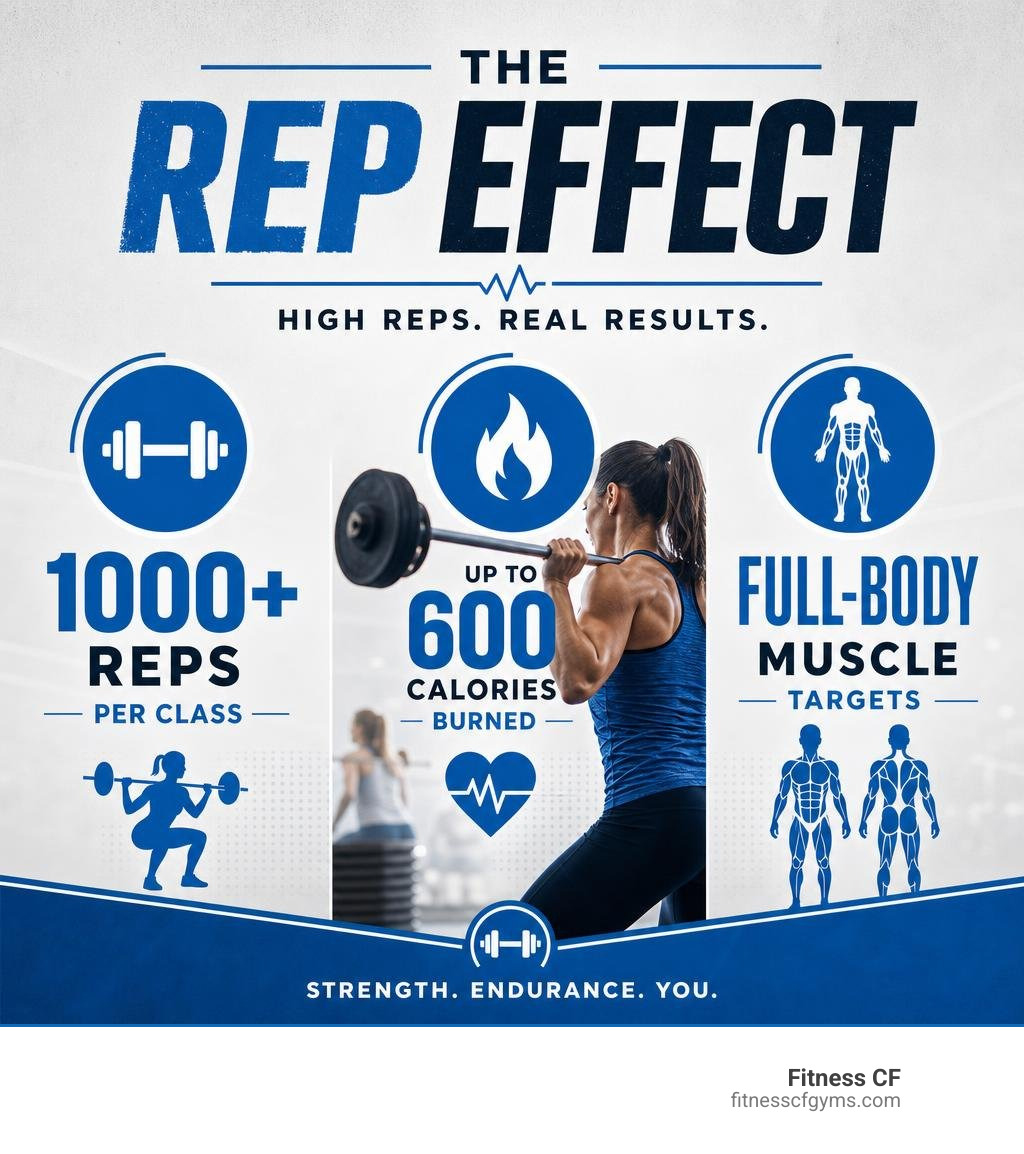
This isn’t your typical solo weight room session. It’s instructor-led, music-driven, and built around a science-backed training method called The Rep Effect — which uses lighter weights and massive rep volume to fatigue your muscles and build lean, athletic strength. Millions of people do it every week across 16,000 clubs worldwide, and the program has been going strong for over 30 years.
Whether you’re trying to break through a fitness plateau, add structured strength training to your routine, or just want a workout that doesn’t feel like a chore — this guide covers everything you need to know.
I’m Pleasant Lewis, owner and operator of Fitness CF and Results Fitness, with over 40 years of experience in the fitness industry helping members find programs — including the body pump program — that fit their real lives and goals. Read on for a complete breakdown of how it works, what to expect, and how to get started.
Body pump program helpful reading:
What is the Body Pump Program?
The body pump program is the ultimate formula for anyone looking to get lean, toned, and fit fast. Developed by Les Mills, it is a structured, music-driven group workout that completely redefines how we approach strength training. Instead of lifting massive, intimidating weights for just a few repetitions, this workout uses light to moderate weights paired with incredibly high repetitions.
This approach is centered around a scientifically proven training philosophy known as “The Rep Effect.” By performing around 800 to over 1,000 repetitions in a single 55-minute session, you systematically exhaust your muscles. This targeted fatigue forces your body to adapt by building lean, athletic muscle fibers rather than bulky mass. It is a highly efficient way to build strength endurance and tone your entire body while keeping your heart rate elevated.
Because the program targets every major muscle group through a series of choreographed tracks, you get a balanced, full-body workout every single time. It is a fantastic option for those who want to experience the benefits of resistance training without having to design their own workout routines on the gym floor. You can learn more about the official classes and philosophy directly from BODYPUMP | Strength Training Workout Class | Les Mills.
How It Differs from Traditional Weight Training
If you walk onto a traditional gym floor, strength training usually looks like this: you load up a heavy barbell, perform 6 to 12 repetitions, and then sit on a bench for two minutes checking your phone before your next set. This traditional style is excellent for hypertrophy (building muscle size) and maximum power, but it does not do much for your cardiovascular system.
The body pump program flips this classic model on its head. Here is how they compare:
- Weight Selection: Traditional lifting relies on heavy weights near your maximum capacity. This program utilizes light to moderate weights that you can lift safely hundreds of times.
- Rest Periods: In a traditional weight room, rest is long and frequent. In our group classes, the transitions between exercises are quick, keeping your muscles under tension and your heart rate in the fat-burning zone.
- Cardiovascular Endurance: Because the rest periods are minimal and the tempo is fast, you get a massive cardiovascular boost. It is a hybrid workout where strength training meets cardio endurance.
- Choreography and Flow: Traditional lifting can feel repetitive and solitary. Group classes transform the experience by syncing every lift to the beat of an upbeat playlist, which keeps you motivated and moving.
By shifting the focus from absolute heavy lifting to muscular endurance, the program makes resistance training accessible, dynamic, and incredibly effective at burning calories. For a deeper look at how group environments can revolutionize your physical fitness, check out how Group Fitness Classes Transform Workout.
Key Benefits of the Workout
Engaging in regular strength training is one of the most impactful things you can do for your long-term health. The benefits of the body pump program extend far beyond simply sculpting your arms or toning your legs.
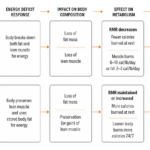
First and foremost, it is a premier calorie-burning workout. Because you are constantly moving and engaging large muscle groups like your glutes, thighs, and back, you can burn up to 540 to 600 calories in a single 55-minute class. Furthermore, building lean muscle mass naturally increases your resting metabolic rate. This means your body continues to burn more calories even when you are resting at home in Clermont or Mount Dora.
Beyond fat loss and muscle toning, this style of high-repetition training is excellent for bone health. The continuous, controlled load placed on your bones during squats and presses stimulates bone remodeling, which improves bone density and helps protect against osteoporosis as you age. It also places a heavy emphasis on core strength, as your abdominal and lower back muscles must remain braced throughout every track to stabilize your posture. You can explore a broader list of group workout advantages in this guide on the Top 11 Proven Benefits of Attending a Fitness Class.
Physical and Mental Health Advantages of a Body Pump Program
A truly healthy lifestyle requires a balance of physical strength and mental resilience. Group training classes are uniquely positioned to deliver both. When you step into a high-energy group environment, your body releases a rush of endorphins—the feel-good hormones that instantly boost your mood, relieve stress, and combat anxiety.

From a physical standpoint, the low-impact nature of lifting lighter weights protects your joints. Unlike high-impact running or heavy powerlifting, which can place immense stress on your knees and lower back, the smooth, controlled movements of this program build supportive muscle tissue around your joints. This improves your overall functional mobility, making everyday tasks—like carrying groceries or playing with your kids—much easier.
The sense of community and shared effort in a group class also provides a powerful psychological boost. Working out alongside others creates accountability and drives you to push past mental barriers that might cause you to quit early if you were training alone. To learn more about how group dynamics can help you reach your personal health milestones, read about the 7 Benefits of Group Training Classes for Your Fitness Goals.
What to Expect: Structure, Music, and Equipment
Walking into your very first class can feel a little intimidating if you do not know what to expect. Fortunately, the setup is simple, and our instructors are always there to guide you.
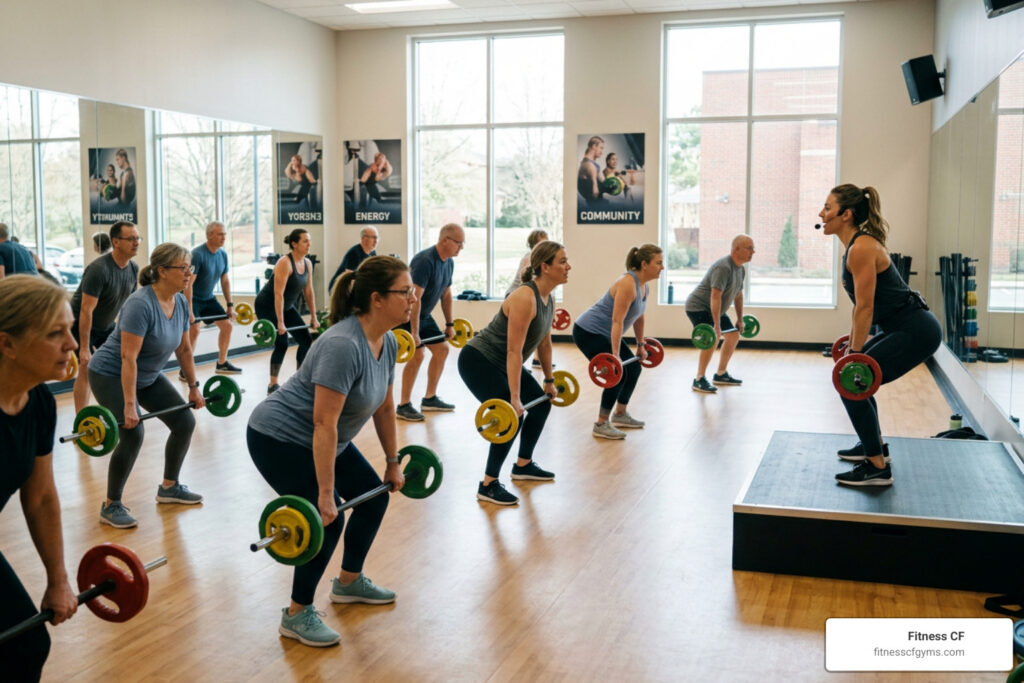
When you enter the studio, you will gather your equipment. Every participant uses a step bench (which serves as a flat bench for chest presses and a platform for lunges), a barbell, a selection of light to moderate weight plates, and secure clips to keep the weights in place. Some tracks may also utilize free weight plates or a workout mat for floor exercises.

Once your station is set up, the magic begins. The entire class is choreographed to a playlist of 10 high-energy music tracks. Each track is meticulously matched to a specific muscle group, ensuring that you get a balanced, scientifically structured workout from head to toe.
Typical Class Structure and Duration
A standard class lasts 55 to 60 minutes and follows a strict, predictable sequence of 10 musical tracks. This structure ensures that no muscle group is left behind:
- Warm-up: A light track using minimal weight to prepare your joints, raise your heart rate, and practice the basic movement patterns.
- Squats: The heaviest track of the class, focusing on the quadriceps, glutes, and hamstrings.
- Chest: Performed lying on your step bench, utilizing the chest press and push-ups to target the pectoral muscles.
- Back: Incorporates deadlifts, clean-and-presses, and deadrows to strengthen the posterior chain and elevate your heart rate.
- Triceps: Focuses on the back of the arms using overhead extensions, tricep presses, and dips.
- Biceps: Pure arm curls to sculpt and strengthen the front of your arms.
- Lunges: Targets leg endurance, balance, and glute activation using backward-stepping lunges.
- Shoulders: Uses overhead presses, side raises, and front raises to build shoulder strength and definition.
- Core: Focuses on abdominal bracing, hovers, crunches, and obliques to stabilize your midsection.
- Cool-down: Gentle stretching to lower your heart rate, release muscle tension, and promote recovery.
Every few months, Les Mills releases new choreography and music to keep the workouts fresh and challenging. For example, instructors utilize detailed resources like the BODYPUMP 133 choreography notes to ensure every movement is perfectly timed to the beat for maximum safety and physical engagement.
Standard Body Pump vs. BODYPUMP HEAVY
As the fitness landscape evolves, so do the programs designed to keep us strong. While the standard class is famous for its high-rep endurance format, Les Mills has introduced an exciting variation called BODYPUMP HEAVY.
Rather than replacing the standard class, this program runs alongside it to offer a progression pathway for those looking to build raw strength. It shifts the focus from ultra-high repetitions to slower, tempo-based lifting with traditional strength techniques and longer recovery periods.
| Feature | Standard Body Pump | BODYPUMP HEAVY |
|---|---|---|
| Primary Focus | Muscular endurance & cardio | True strength & muscle density |
| Repetition Volume | 1,000+ reps per class | Slower, lower-rep sets (e.g., 3 sets of 8) |
| Weight Load | Light to moderate | Approximately twice your standard weight |
| Recovery Time | Minimal to none between tracks | Up to 2 minutes of rest between sets |
| Movement Tempo | Fast, matching the musical beat | Slower, controlled, tempo-based lifts |
This heavy variation allows you to focus deeply on your lifting technique while challenging your muscles in a completely different way. You can read the full announcement and details about this new format at Introducing BODYPUMP HEAVY™ | Les Mills.
How to Prepare for Your First Class
Preparation is key to having a fantastic experience during your first studio session. You do not need to be a seasoned athlete to join; you just need to show up with a positive attitude and a few basic essentials.
First, wear comfortable, breathable athletic clothing that allows you to squat and lift without restriction. Supportive athletic shoes (cross-trainers are ideal, as they provide more lateral stability than running shoes) are highly recommended. You will also want to bring a water bottle to stay hydrated and a sweat towel—because you will sweat!
We recommend arriving at least 10 to 15 minutes early. This gives you plenty of time to find a spot in the room, meet the instructor, and set up your equipment without feeling rushed. Let the instructor know it is your first time; they will gladly help you select your starting weights and walk you through the basic setup.
Can beginners do the Body Pump Program?
Absolutely! One of the greatest features of this workout is that it is highly customizable. It is designed to welcome participants of all fitness levels, from absolute beginners to advanced lifters.
As a beginner, the golden rule is to start incredibly light. You can even complete your first few classes using just the barbell without any weight plates attached, or use light free plates for the exercises. Your primary goal during your first few weeks should be mastering the form and rhythm of the movements, not lifting heavy.
Many beginners choose to “Smart Start” by staying for only the first four or five tracks of the class, then packing up and stretching. This gradual progression allows your muscles to adapt to the high volume of repetitions without leaving you excessively sore the next day. Over four to six weeks, you can slowly add more tracks and gradually increase your weights as your strength endurance improves.
Safety Tips and Injury Prevention
Because of the high repetition volume, maintaining proper form is crucial to protecting your joints and avoiding injury. Keep these foundational safety tips in mind during every class:
- Brace Your Core: Keep your abdominals engaged and your chest lifted during all standing exercises to support your lower back.
- Avoid Locking Your Joints: Keep a very slight, soft bend in your elbows and knees at the top of your lifts to keep the tension on your muscles rather than your joints.
- Track Your Knees: When squatting or lunging, ensure your knees track in line with your middle toes and do not cave inward.
- Listen to the Instructor: Instructors are trained to call out technique cues and offer lower-impact modifications. Pay close attention to their visual and verbal guidance.
For a comprehensive look at how to maximize your safety and get the absolute most out of your group studio experience, read The Best Group Fitness Classes and How to Get the Most from Each One.
Frequency, Recovery, and Special Considerations
Because this workout challenges every major muscle group so thoroughly, your body needs adequate time to recover and rebuild. We recommend participating in class no more than 2 to 3 times per week, always ensuring you have a rest day or a dedicated cardio day in between sessions. Pairing your strength classes with 2 to 3 cardio sessions—such as spin or brisk walking—creates a highly balanced weekly routine.
If you are pregnant or recovering from an injury, you can still absolutely enjoy the benefits of this program. However, it is vital to consult your physician or midwife first. Always inform your instructor before class starts so they can provide safe, comfortable modifications (such as using the step bench on an incline to avoid lying flat on your back during chest tracks). For more detailed advice on participating safely under special circumstances, consult the guidelines at LESMILLS BODYPUMP™ for Strength and Fitness.
Frequently Asked Questions About the Workout
To help you feel fully prepared, we have compiled answers to some of the most common questions we hear from new participants.
How many calories do you burn in a class?
On average, a participant can expect to burn between 540 and 600 calories during a full 55-minute session. The exact number depends on your body weight, muscle mass, and the intensity you bring to the workout. Because strength training builds active lean muscle tissue, it also boosts your resting metabolism, helping you burn more calories throughout the day even after the workout is over.
How often should I attend?
We recommend attending 2 to 3 classes per week. Because your muscles undergo significant fatigue during the high-rep tracks, recovery days are essential for muscle repair and strength gains. Taking 48 hours of rest between classes is the perfect way to prevent overtraining and keep your fitness journey sustainable.
Conclusion
The body pump program is far more than just a workout class; it is an energetic, science-backed approach to building a healthier, stronger body. By combining the muscle-toning benefits of resistance training with the cardiovascular power of high-repetition workouts, it delivers an efficient, full-body transformation that fits seamlessly into a busy lifestyle.
At Fitness CF, we are proud to offer a welcoming, supportive community across our Central Florida locations—including Orlando, Clermont, Mount Dora, and St Cloud. Our expert instructors are dedicated to helping you master your form, find your rhythm, and achieve your personal fitness goals in a fun, high-energy environment.
Are you ready to experience the incredible energy of group fitness and start your strength journey? Learn more about our schedules and find the perfect class for you by visiting our Group Fitness page today!