Why Healthy Living and Smart Training Matter
Building a healthy lifestyle is one of the best investments you can make in your long-term well-being. According to the Mayo Clinic, strength training is a key component of overall wellness, helping support muscle health, bone strength, and daily function.
Here are some of the most effective approaches to well-rounded fitness:
- Strength training – Builds lean muscle, supports bone density, and improves everyday movement
- Cardiovascular exercise – Strengthens the heart, improves endurance, and supports energy levels
- Functional movement – Enhances balance, coordination, and mobility for daily life
- Recovery and consistency – Encourages sustainable progress through rest, hydration, and regular exercise habits
That consistency matters. Whether your goal is building strength, improving heart health, or simply feeling better in your daily life, showing up regularly is the single biggest driver of results.
A balanced fitness routine can improve physical health, mental clarity, and overall confidence. Over time, healthy movement patterns and supportive habits can transform not just bodies, but routines and mindsets as well.
I’m Pleasant Lewis, owner and operator of Fitness CF, with over 40 years in the fitness industry helping members build lasting healthy habits. In that time, I’ve seen how regular exercise, strength training, and heart-healthy movement can create meaningful, long-term change.
Why Healthy Exercise Habits Matter
A healthy lifestyle is built on movement, consistency, and habits that support both body and mind. Exercise is not only about appearance. It helps improve energy, supports better sleep, reduces stress, and builds confidence through measurable progress.
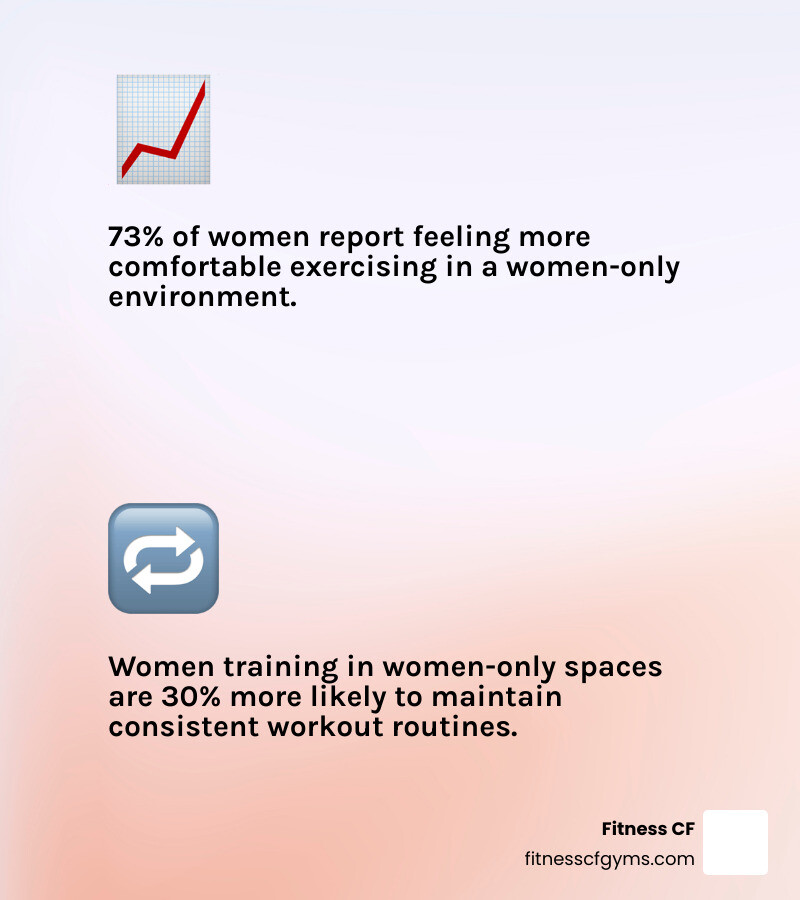
The psychology behind sustainable fitness is often rooted in “comfort-driven consistency.” When movement feels approachable and rewarding, it becomes easier to maintain over time. That consistency supports better long-term outcomes, from improved stamina to stronger muscles and a healthier cardiovascular system.
A well-rounded approach to fitness can help reduce feelings of stress and improve focus throughout the day. Instead of thinking about exercise as punishment, it helps to view it as a way to build resilience, mobility, and quality of life.
Regular physical activity has also been linked to improved immune function and better management of chronic conditions such as high blood pressure, type 2 diabetes, and joint stiffness. Even moderate activity, like brisk walking or light resistance training, can make a significant difference when performed consistently over weeks and months.
Another important factor is the social and emotional benefit of committing to a routine. Setting small, achievable goals and tracking your progress can create a positive feedback loop that reinforces motivation. Over time, exercise becomes less of a chore and more of a rewarding part of your daily rhythm.
If you are curious about creating a balanced routine, check out our Womens Only Gym Ultimate Guide or explore Your Sanctuary to Sweat The Ultimate Guide to Womens Only Gyms for more wellness insights.
The Physical and Mental Benefits of Women-Focused Training

A healthy lifestyle is about more than just fitting into a certain clothing size; it’s about longevity, vitality, and mental clarity. Training in an environment designed for women allows for a more tailored approach to health that respects the female body’s unique physiology.
Strength Training for Bone Density and Longevity
One of the most critical benefits of a dedicated fitness routine is the preservation of bone density. As women, we are at a higher risk for osteoporosis as we age. Resistance training—lifting weights—is the most effective way to combat this. When we place controlled stress on our bones through lifting, our bodies respond by making those bones denser and stronger.
Cardiovascular Health
Heart health remains a top priority for women’s wellness. Engaging in regular cardio doesn’t just burn calories; it strengthens the heart muscle, lowers resting heart rate, and improves circulation. Whether it’s a high-energy dance class or a steady session on the elliptical, keeping the heart pumping is a non-negotiable part of a long-term fitness plan.
Navigating Hormone Fluctuations
Our bodies aren’t static. Throughout the month and across different life stages—from prenatal periods to menopause—our energy levels and physical capabilities shift due to hormone fluctuations. Women-only spaces often provide the education and flexibility to adapt workouts to these cycles, emphasizing “intentional movement” rather than pushing through exhaustion.
For a deeper dive into creating your own fitness refuge, read Your Sanctuary to Sweat The Ultimate Guide to Womens Only Gyms or look into Gyms That Have Womens Section for a balanced approach to your routine.
Finding the Best Gyms for Womens Only Near Me for Strength
Strength is transformative. When you start searching for gyms for womens only near me, look for facilities that prioritize “progressive overload”—the gradual increase of stress placed upon the body during exercise. This is how you build lean muscle and see real physical changes.
In a women-focused environment, many members find the confidence to step away from the “pink dumbbells” and move toward the squat rack. Mastering the squat, the deadlift, and even Olympic lifting isn’t just for athletes; it’s for every woman who wants to feel powerful in her daily life. These movements are functional, meaning they help you carry groceries, pick up your children, and maintain independence as you age.
If you are looking for a place to start your strength journey, you can find more information at Gyms for Ladies Near My Location.
Cardio and HIIT at Gyms for Womens Only Near Me
For those who love a high-intensity burn, many women-only facilities specialize in HIIT (High-Intensity Interval Training). These sessions are designed for efficiency, often using heart-rate monitoring to ensure you are staying in the optimal “burn zone.”
Metabolic conditioning—or “MetCon”—combines strength and cardio to improve your endurance and skyrocket your metabolism. The beauty of doing this in a women-only setting is the shared energy. There is a unique “sisterhood of the sweat” that happens when a group of women are all pushing through the final 30 seconds of a mountain climber set together.
Check out the Nearest Gym for Ladies Near Me or our Womens Only Gyms Guide to find a class schedule that fits your busy life.
Essential Elements for a Holistic Fitness Journey

A healthy lifestyle includes more than workouts alone. To support long-term wellness, it is important to focus on recovery, nutrition, and practical habits that make exercise sustainable.
- Recovery Tools: Recovery is where progress happens. Practices like stretching, quality sleep, hydration, and relaxation can help reduce muscle soreness and support consistent training. Foam rolling, gentle yoga, and even simple breathing exercises can accelerate recovery between sessions.
- Nutrition Support: You cannot out-train a poor diet. Balanced meals with protein, healthy fats, fiber, and complex carbohydrates help fuel workouts and support recovery. Staying hydrated before, during, and after exercise is equally important for maintaining performance and preventing fatigue.
- Personal Guidance: Learning proper exercise form and building realistic goals can help improve results while reducing the risk of injury. Working with a knowledgeable coach or following structured programming ensures that your training evolves as your fitness improves.
- Mindset and Mental Health: Physical fitness and mental wellness go hand in hand. Regular exercise releases endorphins that can improve mood, reduce anxiety, and promote better sleep quality. Approaching fitness with a growth mindset, where setbacks are seen as learning opportunities, helps build long-term resilience.
- Warm-Up and Cool-Down: Preparing the body before intense activity and allowing it to gradually return to a resting state afterward are essential for injury prevention. Dynamic stretches before a workout and static stretches afterward can improve flexibility and reduce post-exercise stiffness.
| Element | Benefit |
|---|---|
| Strength Training | Supports muscle growth, bone health, and metabolism |
| Cardio Exercise | Improves heart health, stamina, and circulation |
| Recovery | Helps reduce soreness and supports adaptation |
| Balanced Nutrition | Fuels performance and overall wellness |
| Consistency | Drives long-term progress and healthy habits |
| Warm-Up and Cool-Down | Reduces injury risk and improves flexibility |
| Mental Wellness | Boosts mood, focus, and emotional resilience |
For more on wellness-focused routines, see the Women Only Gyms Complete Guide or browse Gyms Near Me Ladies.
Frequently Asked Questions about Healthy Fitness
How long does it take to see results from exercise?
Consistency is the key. Many beginners notice improvements in mood, energy, and sleep within the first week or two of regular activity. Physical changes such as increased strength, better endurance, and improved mobility often become noticeable within 30 days of steady effort. By the 90-day mark, many people report meaningful changes in body composition, confidence, and daily function. Tracking your workouts, whether through a journal or an app, can help you recognize progress that might otherwise go unnoticed. Stay updated with the latest trends at News: Gyms Near Me Ladies.
Do I need to be fit before starting a workout routine?
Absolutely not. Every experienced exerciser started as a beginner. Most movements can be modified to match your current ability, whether you are returning after a break, starting later in life, or building strength for the first time. The most important step is beginning with safe, manageable workouts and progressing gradually. Bodyweight exercises like squats, lunges, and push-ups against a wall are excellent starting points that require no equipment and can be scaled up as you grow stronger.
What should I focus on for a balanced fitness routine?
A balanced routine should include:
- Strength training: To build muscle, support joints, and maintain bone density.
- Cardio: To strengthen the heart, improve endurance, and support overall energy.
- Mobility and flexibility: To improve movement quality and reduce stiffness.
- Recovery: To allow the body time to repair and adapt.
- Consistency: To turn healthy actions into lasting habits.
How important is hydration for fitness performance?
Hydration plays a critical role in exercise performance and recovery. Water helps regulate body temperature, transport nutrients to muscles, and flush out metabolic waste. Even mild dehydration can lead to decreased energy, reduced focus, and increased perceived effort during workouts. A good rule of thumb is to drink water throughout the day and increase intake before, during, and after exercise, especially in warm climates.
Conclusion
At the end of the day, the best fitness routine is the one you can follow consistently. By focusing on healthy living, regular movement, strength training, cardio, and recovery, you set yourself up for long-term success.
Strength training helps support muscle mass, bone density, posture, and functional independence. Cardio improves heart health, endurance, circulation, and energy. Together, they create a strong foundation for total wellness.
Whether you are just starting out or refining your routine, a balanced approach to exercise can help you feel stronger, healthier, and more confident in everyday life.