When Sore Muscles Stop You in Your Tracks
Finding the best medicine to relieve muscle pain doesn’t have to be complicated — here’s a quick answer before we dive deeper:
Best Over-the-Counter Options for Muscle Pain (2026)
| Medication | Best For | How Often |
|---|---|---|
| Ibuprofen (Advil) | Inflammation, sports injuries, sore muscles | Every 4-6 hours |
| Naproxen (Aleve) | Sprains, strains, longer-lasting relief | Every 8-12 hours |
| Acetaminophen (Tylenol) | General muscle aches, sensitive stomachs | Every 4-8 hours |
Quick answer: Ibuprofen is generally the top pick for sore, inflamed muscles. Naproxen works well when you want longer-lasting relief. Acetaminophen is the safest choice if you have stomach sensitivity or can’t tolerate anti-inflammatory drugs.
Muscle soreness is something almost every active person deals with. Whether it hits after a tough workout, a long day on your feet, or an awkward movement, the ache can slow you down fast.
The tricky part? Not all pain relievers work the same way. Some target inflammation directly. Others simply block pain signals in the brain. Choosing the wrong one means slower relief — or unnecessary side effects.
That’s exactly why understanding your options matters before you reach for anything in the medicine cabinet.
I’m Pleasant Lewis, owner and operator of Fitness CF and Results Fitness, with over 40 years in the fitness industry helping active people recover smarter and stay consistent — and knowing the best medicine to relieve muscle pain is a question I hear constantly from members pushing through plateaus and balancing busy lives. In the sections below, we’ll walk through every major option clearly, so you can make a confident, informed choice.
Relevant articles related to best medicine to relieve muscle pain:
- how to ease post workout muscle soreness
- how to relieve deep muscle pain
- over the counter meds for body aches
Understanding the Best Medicine to Relieve Muscle Pain
When we walk down the pharmacy aisle in May 2026, the sheer number of bottles can be overwhelming. However, almost all over-the-counter (OTC) options fall into two primary categories: Acetaminophen and Non-Steroidal Anti-Inflammatory Drugs (NSAIDs).

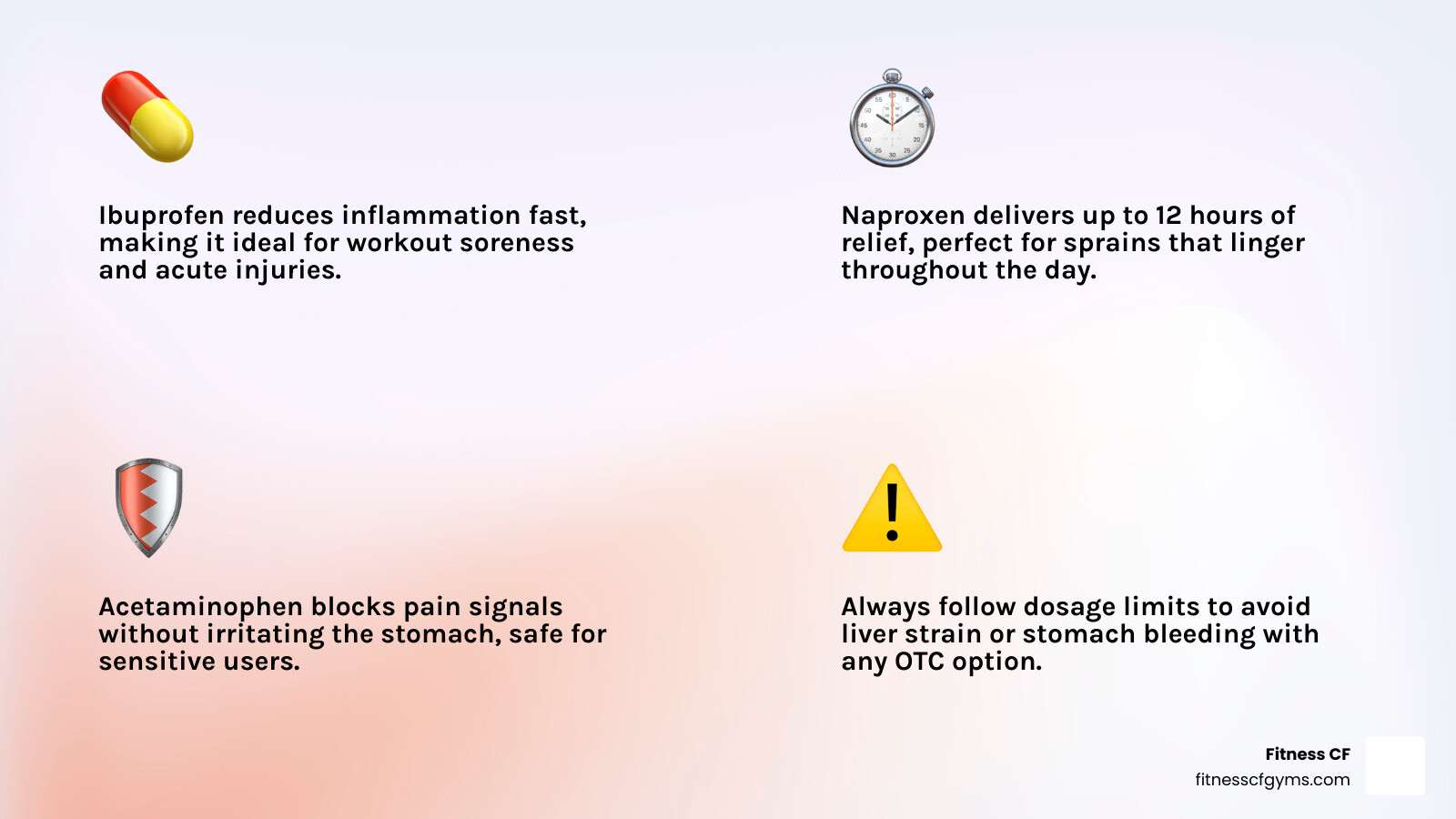
Acetaminophen is primarily a pain blocker and fever reducer. It works centrally in the nervous system to elevate your overall pain threshold. On the other hand, NSAIDs like ibuprofen and naproxen work by blocking enzymes that produce prostaglandins—the chemicals in your body that signal pain and cause swelling.
Determining what kind of pain reliever is best for me depends largely on the “why” behind your pain. Is it a dull ache from a long day, or is it a sharp, throbbing sensation accompanied by swelling?
| Feature | Acetaminophen (Tylenol) | Ibuprofen (Advil/Motrin) | Naproxen (Aleve) |
|---|---|---|---|
| Primary Action | Blocks pain signals | Reduces inflammation | Reduces inflammation |
| Stomach Impact | Gentle | Can cause irritation | Can cause irritation |
| Duration | 4–6 hours | 4–6 hours | 8–12 hours |
| Best For | Headaches, mild aches | Muscle strains, swelling | Sprains, backaches |
If you are dealing with general discomfort, you might look into painkillers for muscle aches that focus on systemic relief. However, for most of us in the fitness world, the goal is often to tackle the heat and swelling that come with a hard training session.
NSAIDs: The Best Medicine to Relieve Muscle Pain with Inflammation
For many athletes and weekend warriors, the best medicine to relieve muscle pain is an NSAID. This is because muscle injuries—whether they are tiny micro-tears from lifting or a sudden strain—usually involve inflammation.
Ibuprofen, found in products like Advil (Ibuprofen) Tablets, is a staple for a reason. It is particularly effective for Delayed Onset Muscle Soreness (DOMS). When you’ve pushed your limits and feel that “good” pain the next day, ibuprofen helps by quieting the inflammatory response. If you’re looking for the best painkillers for DOMS, NSAIDs are typically the first line of defense recommended by experts.
Naproxen (Aleve) is another heavy hitter. Its main advantage is its “staying power.” While you might need to take ibuprofen every few hours, naproxen can provide relief for up to 12 hours. This makes it a great choice for backaches or strains that might otherwise disrupt your sleep.
Acetaminophen: The Best Medicine to Relieve Muscle Pain for Sensitive Stomachs
While NSAIDs are great for inflammation, they aren’t for everyone. They can be tough on the stomach lining and aren’t recommended for people with certain kidney issues or heart conditions. This is where acetaminophen shines.
Acetaminophen is often the preferred pain meds for sore muscles when you need relief but have a sensitive stomach or are taking blood thinners. It doesn’t target the swelling, but it is excellent at making the pain feel more manageable.
Products like TYLENOL® 8 HR Muscle Aches & Pains use an extended-release formula to keep you comfortable throughout the day. Because it doesn’t cause the same gastrointestinal “burn” that some people experience with aspirin or ibuprofen, it’s a very safe, reliable option for general body aches.
Prescription Muscle Relaxants and Their Limitations
Sometimes, over-the-counter pills aren’t enough. If you’ve ever had a “thrown-out” back or a severe spasm that feels like a vice grip on your spine, a doctor might discuss muscle relaxants.

It’s important to understand that muscle relaxers aren’t a “stronger version” of Tylenol. They belong to two main classes:
- Antispastics: Used for long-term neurological conditions like Multiple Sclerosis or spinal cord injuries.
- Antispasmodics: Used for acute musculoskeletal pain and spasms (like a sudden lower back strain).
Commonly prescribed names include Cyclobenzaprine (the most frequently prescribed) and Methocarbamol. While they can be helpful, they come with significant baggage. Research suggests that the best muscle relaxants for every type of pain are often those used in conjunction with painkillers for muscle and joint pain rather than as a standalone cure.
Short-Term Use and Efficacy
Muscle relaxers are strictly for the short term. Medical guidelines generally recommend using them for no more than two to three weeks. Why? Because studies show they aren’t actually effective for chronic pain, and they carry a high risk of addiction and sedation.
In fact, statistics show that nearly 1 in 5 people who take methocarbamol stop using it because it simply doesn’t help their pain go away. Furthermore, these medications are central nervous system depressants. They don’t just relax the muscle; they relax you, often leading to extreme drowsiness, dizziness, and dry mouth. If you’re trying to relieve sore muscles so you can get back to your daily routine, the “brain fog” from a muscle relaxer might actually set you back further.
Natural Recovery and Lifestyle Strategies
While medication has its place, we believe the best medicine to relieve muscle pain often involves how you move and treat your body outside of the medicine cabinet. In our experience across Florida, from Orlando to St. Cloud, we’ve seen that a proactive approach to recovery beats a reactive one every time.
The Power of Active Recovery
It sounds counterintuitive, but sometimes the best way to alleviate sore muscles after a workout is to keep moving. Low-intensity cardio—like a light walk or a slow swim—increases blood circulation. This fresh blood flow delivers oxygen and nutrients to damaged tissues while helping to flush out metabolic waste products like lactic acid.
Strength Training as a Shield
Consistent strength training is one of the good things for muscle recovery in the long run. By building stronger muscles and denser bones, you create a body that is more resilient to strains and injuries. Strength training also improves your metabolic rate and helps maintain flexibility, which are key components in preventing the “stiffness” that often leads to pain.
The Role of Fitness in Pain Prevention
Prevention is the ultimate goal. A well-rounded fitness routine that includes both cardio and strength work ensures your joints are supported and your muscles are prepared for the demands of daily life.
- Hydration: Dehydrated muscles are more prone to cramping and injury.
- Flexibility: Incorporating yoga or dedicated stretching sessions keeps the muscle fibers long and pliable.
- Topical Support: Sometimes, localized relief is all you need. Knowing what is the best pain relief balm can help you target a specific “knot” without having to take a systemic pill.
Safety Precautions and When to See a Doctor
Even over-the-counter medications require respect. NSAIDs like Aleve® Back & Muscle Pain carry warnings for stomach bleeding, especially for those over 60 or those with a history of ulcers. They can also impact kidney function and increase the risk of heart attack or stroke if used at high doses for long periods.
Acetaminophen, while gentle on the stomach, is the leading cause of drug-induced liver failure when taken in excess. Always check your other medications—many “cold and flu” multi-symptom liquids already contain acetaminophen.
A Critical Note on Children: Never give aspirin to children or teenagers recovering from a viral infection (like the flu or chickenpox), as it can lead to Reye’s Syndrome, a rare but life-threatening condition.
Warning Signs for Professional Intervention
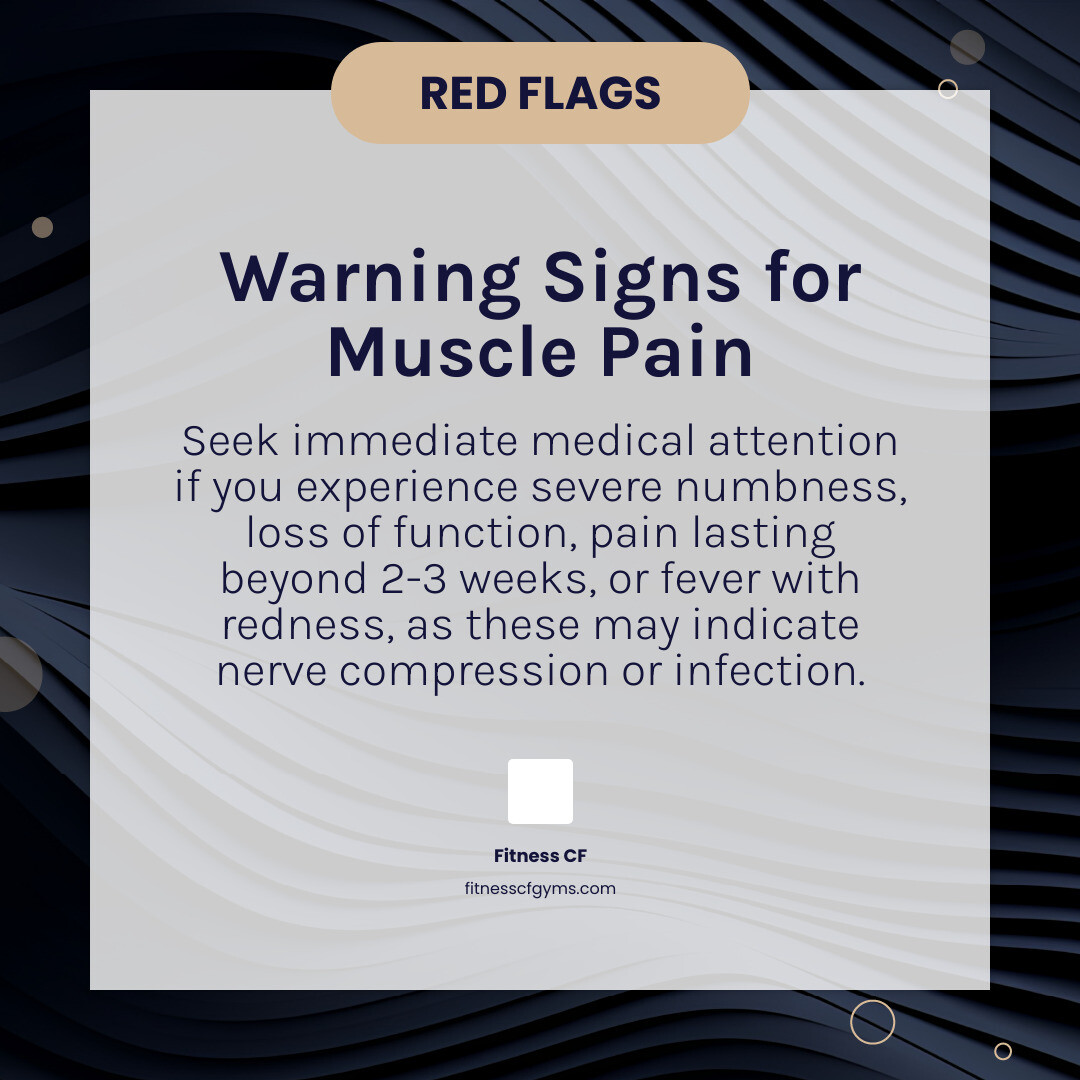
Most muscle pain is “acute,” meaning it has a known cause and goes away within a few weeks. However, you should stop relying on over the counter meds for body aches and see a healthcare provider if you experience:
- Severe Numbness or Tingling: This could indicate nerve compression rather than simple muscle strain.
- Loss of Function: If you can’t move a limb or bear weight on a leg.
- Pain that Lasts: Anything lingering beyond 2-3 weeks is considered heading toward “chronic” territory and needs a professional diagnosis.
- Fever and Redness: This could be a sign of an infection rather than an injury.
Frequently Asked Questions about Muscle Relief
Are there any over-the-counter muscle relaxers available?
In the United States, there are no over-the-counter muscle relaxants. Medications like cyclobenzaprine or carisoprodol require a prescription due to their side effects and potential for misuse. However, products like Muscle & Body Pain Relief Tablets, 8 HR are often marketed for muscle relief because they contain high doses of pain relievers that help the muscle relax indirectly by stopping the pain-spasm cycle.
How long can I safely take NSAIDs for muscle aches?
Generally, you should not take OTC NSAIDs for more than 10 days for pain unless directed by a doctor. If you find yourself reaching for the bottle every night for weeks, it’s time to investigate the root cause. For nighttime relief, some people use Extra Strength TYLENOL® Body Pain Night, which combines a pain reliever with a mild sedative effect, but this too should only be a short-term solution.
Which is better for a pulled muscle: Ibuprofen or Naproxen?
Both are excellent, but the “best” one depends on your schedule. Ibuprofen is great for fast action, but you have to take it every 4 to 6 hours. Naproxen is often better for a pulled muscle because one pill lasts up to 12 hours, providing steady relief. If you prefer a non-NSAID option for a mild pull, Regular Strength TYLENOL® Tablets are a reliable backup.
Conclusion
At the end of the day, the best medicine to relieve muscle pain is a combination of the right science and a healthy lifestyle. Whether you choose an NSAID for its anti-inflammatory powers or acetaminophen for its safety profile, these are tools to help you get back to what matters: staying active and feeling your best.
At Fitness CF, we are committed to your total wellness journey. From our locations in Clermont and Orlando to Mount Dora and St. Cloud, we provide the environment you need to build a stronger, more resilient version of yourself. Recovery is just as important as the workout itself. For those looking to take their recovery to the next level beyond the medicine cabinet, you can experience advanced recovery with HydroMassage at our facilities.
Stay hydrated, keep moving, and listen to your body—it’s the only one you’ve got!