What Does a Personal Fitness Instructor Do for Your Health?
A personal fitness instructor bridges the gap between wanting to live a healthier life and actually knowing how to move your body safely to get there. Instead of using generic workout routines found online, a professional trainer designs an individualized program tailored specifically to your physical requirements, past movement habits, and personal wellness goals.
Beyond prescribing exercise routines, personal trainers serve as movement coaches, active listeners, and accountability partners. They guide you through each exercise, adjust physical load based on your daily energy levels, and ensure you make steady progress without putting unnecessary strain on your joints.
Understanding how a structured fitness plan works is often the first step toward building a lifetime of healthy habits. If you want to explore the underlying principles of customized exercise coaching, reading about understanding personal training provides a solid foundational perspective.
Assessing Baseline Fitness and Health History
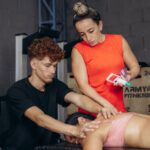
Before you ever lift a weight or complete a single cardiovascular interval, a qualified personal fitness instructor will conduct an initial wellness assessment. This process begins with an in-depth conversation regarding your medical background, lifestyle demands, sleeping patterns, stress levels, and historical activity habits.
During this foundational assessment, your instructor will typically evaluate key physical indicators:
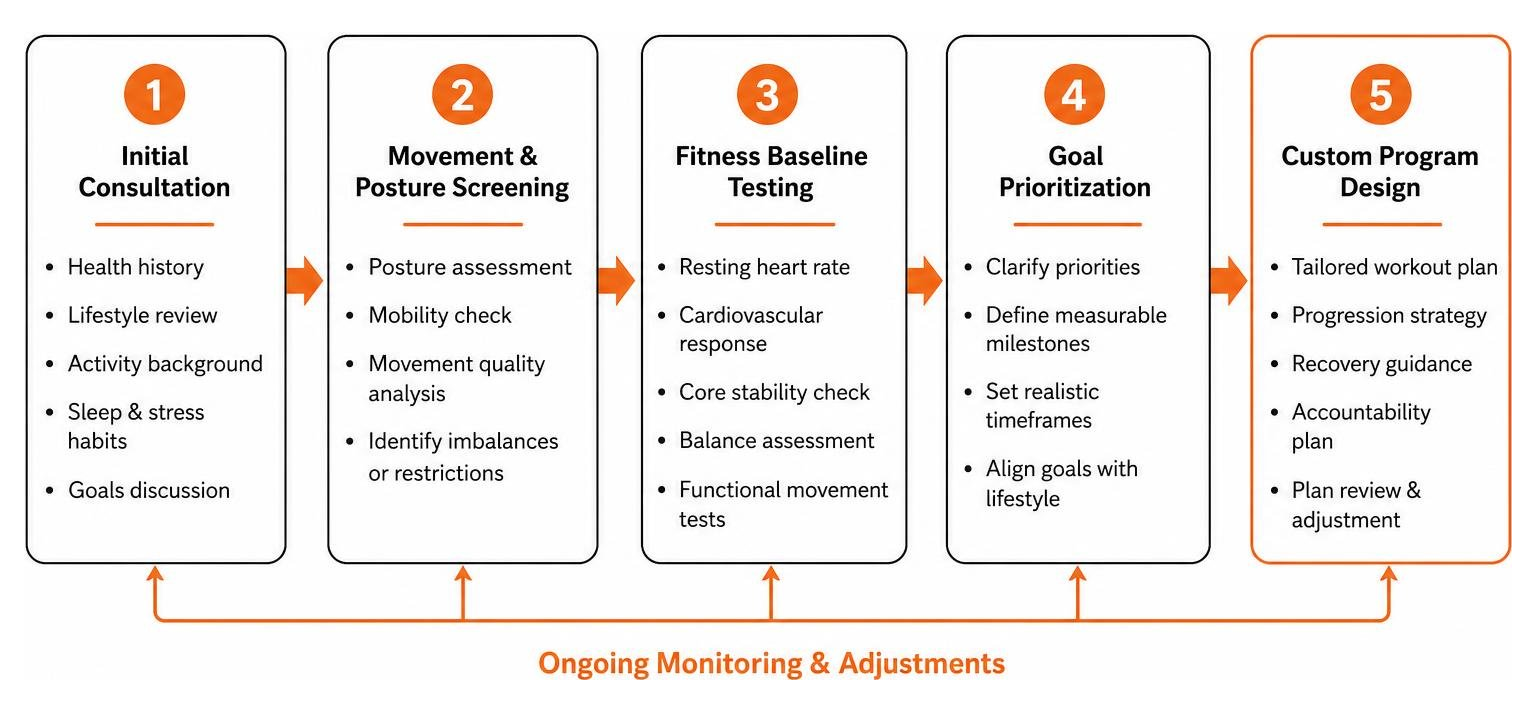
- Movement and Posture Screening: Identifying tight hip flexors, shoulder rounding, or ankle mobility limitations that affect your natural gait and exercise execution.
- Cardiovascular Baseline: Checking your resting heart rate and evaluating how your body responds to light, functional movement.
- Core Stability and Balance: Checking how well your stabilizing muscles support your spine during multi-planar movements.
- Goal Prioritization: Turning general desires—such as wanting more daily stamina or improved functional mobility—into structured, measurable physical milestones.
This initial movement analysis protects you from moving too fast into exercises your body is not yet ready to perform safely.
Designing Tailored Workouts and Demonstrating Form
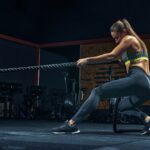
Once your initial physical evaluation is complete, your personal trainer constructs a progressive workout strategy. A well-designed routine balances resistance training, cardiovascular conditioning, core stability, and functional flexibility.
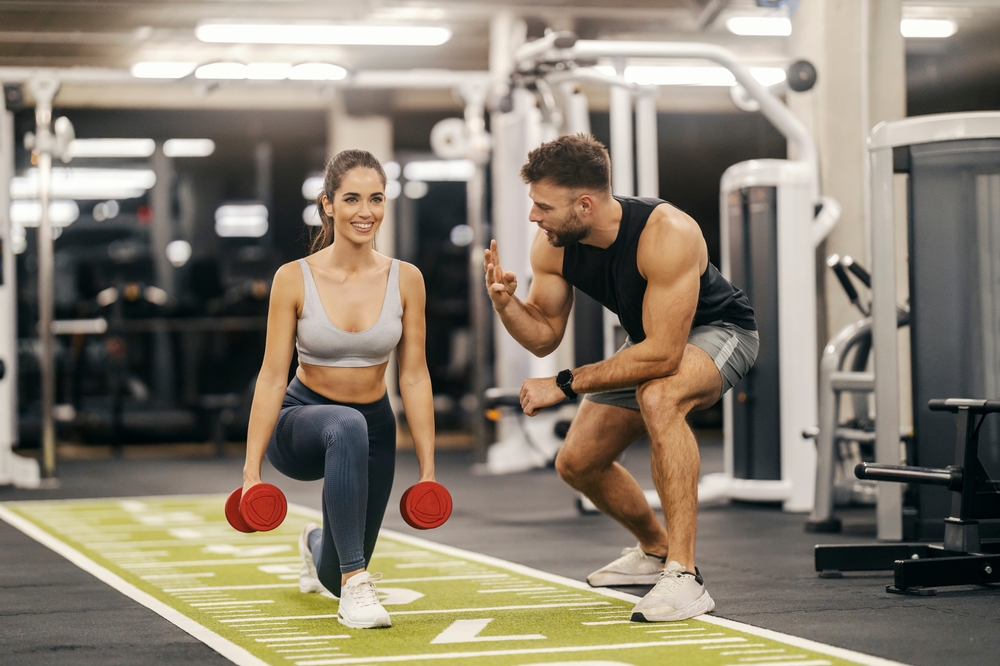
Correct physical execution is the centerpiece of every session. Your instructor physically demonstrates every movement pattern first, explaining where you should feel muscle engagement and how to breathe through each repetition. If a particular movement causes discomfort, they immediately introduce exercise modifications—such as shifting from a traditional barbell squat to a box squat or cable row—to ensure your safety.
Knowing what to expect in your first session helps eliminate initial anxiety, leaving you free to focus entirely on learning proper movement mechanics.
Credentials and Coaching Methods for Safe Workouts
The guidance you receive from a personal fitness instructor depends heavily on their underlying knowledge of human movement mechanics, exercise science, and physical physiology. Understanding how personal trainers earn their credentials gives you peace of mind when entrusting someone with your long-term physical health.
Qualifications and Role of a Certified Personal Fitness Instructor
In the fitness industry, qualification standards exist to ensure public safety and effective client coaching. While the typical entry-level education requirement for personal trainers is a high school diploma, reputable instructors pursue rigorous independent certifications accredited by national certifying commissions (such as the National Commission for Certifying Agencies, or NCCA).
Leading certifying bodies include the American College of Sports Medicine (ACSM), the National Academy of Sports Medicine (NASM), the American Council on Exercise (ACE), and the National Strength and Conditioning Association (NSCA). Earning these credentials requires passing comprehensive examinations covering exercise physiology, functional anatomy, kinesiology, emergency protocols, and program design.
In addition to written examinations, certified instructors must maintain valid adult CPR/AED and First Aid certifications to ensure immediate client safety during intense physical effort. Reviewing a breakdown of the top certified fitness instructor programs offers valuable insight into the rigorous standards required to enter the field.
Essential Qualities to Look For in a Personal Fitness Instructor
Technical knowledge alone does not guarantee an exceptional coaching experience. The best personal fitness instructors possess key interpersonal skills that foster trust, comfort, and consistent client progress.
- Active Listening: They pay attention to how your body feels each day and adjust the workout intensity if you are experiencing elevated life stress or muscle fatigue.
- Clear, Concise Communication: They explain complex movement mechanics in simple, actionable terms rather than using overly dense clinical jargon.
- Adaptability: If an exercise equipment station is occupied or a joint feels stiff, they instantly adapt the workout without breaking the flow of your session.
- Observant Posture Screening: They watch every single repetition from multiple angles to catch subtle form breakdown before it leads to strain.
Reviewing the top key qualities to look for in a trainer can help you select a professional whose coaching philosophy aligns with your personality and health goals.
How to Choose the Right Personal Training Environment
Personal fitness instruction is not limited to a single rigid setup. Modern fitness coaching adapts to a variety of schedules, preferences, and comfort levels.
In-Person, In-Home, and Online Coaching Models
Choosing where and how you exercise depends largely on your daily routine, budget, and personal comfort.
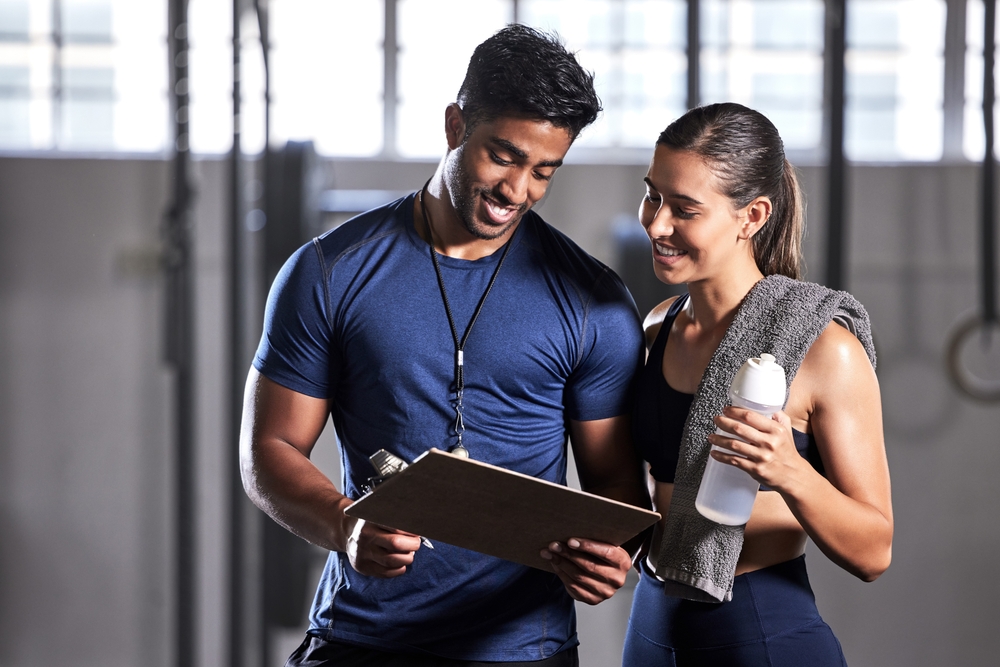
- In-Person Instruction: Working directly with an instructor inside a fully equipped physical environment gives you immediate access to a wide variety of resistance machines, free weights, and functional equipment. The coach provides continuous, physical form cues and real-time encouragement.
- In-Home Coaching: Many instructors offer mobile training options, bringing portable equipment like resistance bands, kettlebells, and suspension trainers directly to your living room, dedicated workout area, or local outdoor space. This approach demonstrates how personalized coaching can be delivered effectively in a private home or residential space.
- Virtual and Online Coaching: Remote coaching via video conferencing or dedicated fitness platforms offers maximal schedule flexibility. Trainers review your form on camera, build customized digital routines, and monitor your progress asynchronously. Interactive virtual instruction and tailored mobile app programming help remote clients remain consistent.
Evaluating freelance vs staff options will help you determine whether an independent trainer or an established coaching team best fits your lifestyle.
Corrective Exercise, Senior Fitness, and Nutrition Guidance
As the field of personal training has evolved, specialized coaching modalities have become increasingly central to healthy living:
- Corrective Exercise and Posture Realignment: Spending decades sitting at a desk frequently causes tight hip flexors, weak gluteal muscles, and rounded shoulders. Trainers specializing in corrective exercise integrate targeted mobility protocols to relieve postural discomfort and restore natural joint range of motion. Tailored corrective exercise and postural coaching benefit desk workers and mature athletes alike.
- Senior Fitness and Mobility: Specialized programs for older adults focus on preserving muscle mass, increasing bone mineral density, improving balance, and preserving independence in daily activities.
- Nutritional Habit Coaching: Exercise is only one side of physical health. Many certified instructors hold supplemental nutrition qualifications, helping clients establish balanced, nutrient-dense eating habits and proper hydration strategies to fuel their active lifestyles.
Specialized Fitness Coaching and Health Benefits
Engaging in regular, structured exercise guided by a certified professional yields profound, scientifically documented health dividends across all age groups.
| Personal Training Focus | Core Techniques Used | Primary Health Benefits |
|---|---|---|
| Functional Strength | Compound lifts, free weights, bodyweight progressions | Increased muscle density, elevated metabolic rate, joint stabilization |
| Cardiovascular Health | Interval conditioning, low-impact aerobic work | Reduced blood pressure, enhanced endurance, lower cardiovascular risk |
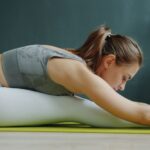
| Corrective Mobility | Dynamic stretching, postural re-education, foam rolling | Relief from desk-bound stiffness, improved balance, posture correction |
| Senior Longevity | Unilateral balance work, functional resistance | Fall prevention, bone density preservation, daily functional independence |
Physical Health Benefits, Workout Progression, and Fitness Trends
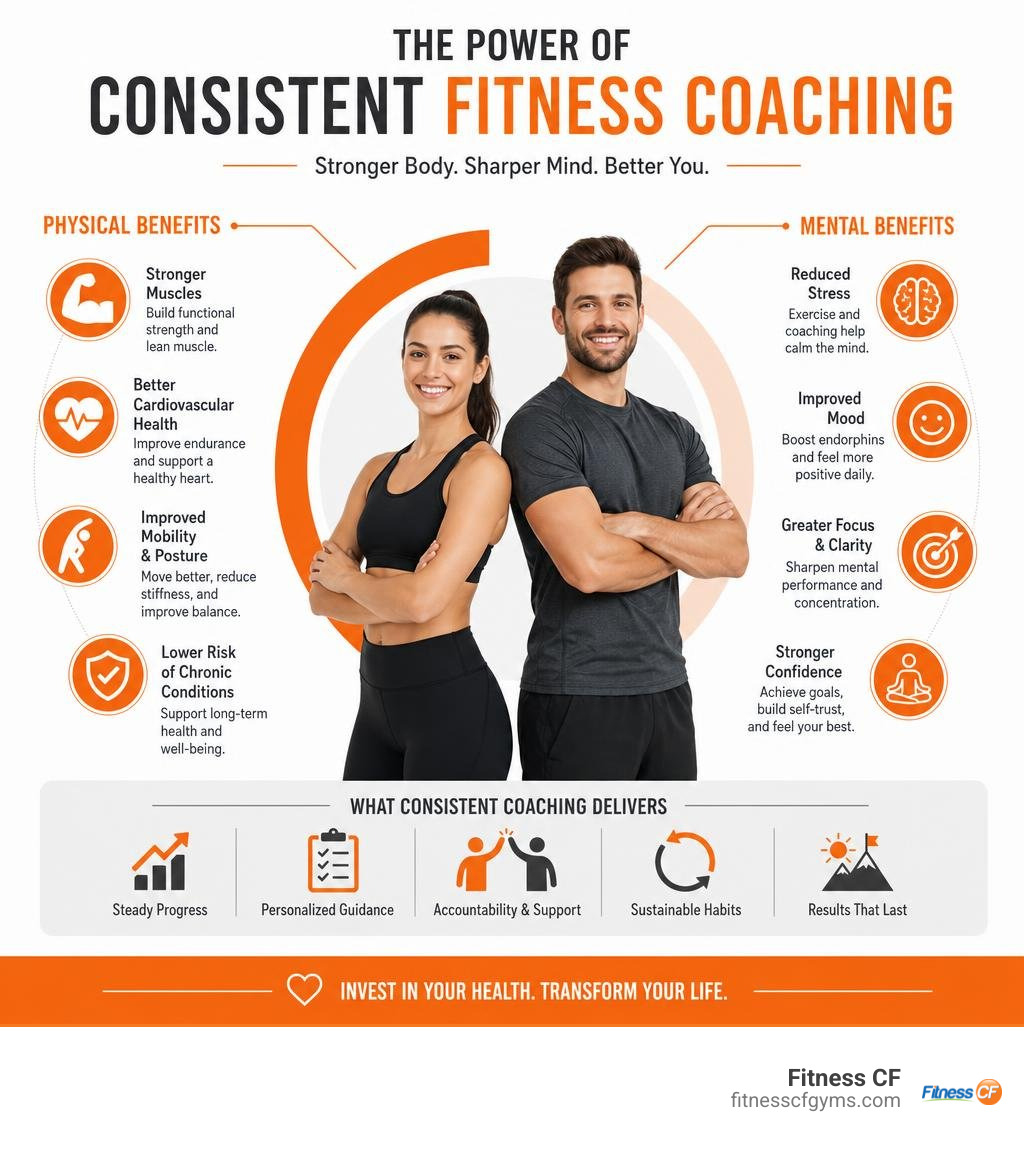
According to standard public health data, regular resistance training and cardiovascular exercise significantly lower the risk of chronic conditions, improve insulin sensitivity, and boost overall mental clarity.
Beyond basic health metrics, working consistently with an instructor drives progressive physical adaptation. Through the principle of progressive overload—gradually increasing workout volume, resistance, or structural complexity over time—your cardiovascular system becomes more efficient, your muscles adapt to stress, and your daily energy levels soar.
Tailoring Workouts for Specific Fitness Goals
Whether you are rebuilding core strength following pregnancy, conditioning your body for recreational sports, or simply striving to play with your children without fatigue, customized exercise adaptation makes all the difference. Your personal fitness instructor continuously measures your output, celebrates movement milestones, and modifies your program to prevent physical plateaus.
Frequently Asked Questions About Personal Fitness Trainers
How often should a beginner meet with a fitness trainer?
For most beginners, meeting with a personal fitness instructor two to three times per week provides the ideal balance between learning motor patterns and allowing adequate muscular recovery. Training twice a week establishes consistent exercise habits, while three weekly sessions accelerate strength adaptations and movement familiarity. Between guided sessions, your instructor may prescribe light activity such as daily walks or gentle stretching.
What credentials should a client look for in a trainer?
Look for a personal trainer who holds a certification accredited by the National Commission for Certifying Agencies (NCCA), such as ACSM, NASM, ACE, or NSCA. Additionally, verify that they hold an active adult CPR/AED certification. If you have specific physical considerations—such as lower back discomfort, joint stiffness, or advanced age—seek an instructor with secondary credentials in corrective exercise, senior fitness, or performance enhancement.
What is the average cost of personal coaching sessions?
Personal training investment varies significantly based on geographic location, trainer experience level, format, and package commitments. Across the broader fitness landscape, standard individual training sessions typically range between $50 and $150 per hour. Group training, online remote coaching, or bundled session packages often lower the overall cost per workout while maintaining dedicated professional guidance.
Sustainable Fitness Progress and Lasting Health
Working alongside a personal fitness instructor is an investment in your long-term physical vitality, health, and daily quality of life. By removing the guesswork from exercise selection, teaching safe movement patterns, and keeping you consistently engaged, a dedicated trainer turns fitness from a overwhelming task into an empowering, lifelong routine.
Whether your goal is building lean muscle, improving heart health, enhancing flexibility, or boosting daily stamina, progressive exercise guidance provides the support necessary to achieve sustainable results. Explore our complete guide to personal trainers to take the next step in establishing a healthy, active lifestyle tailored precisely to you: