Why So Many People with Asthma Are Turning to Yoga
Yoga for asthma is one of the most searched complementary health topics — and for good reason. Research shows it can genuinely help.
Quick answer: Can yoga help with asthma?
- Yes — yoga can improve lung function, reduce symptoms, and boost quality of life in people with mild to moderate asthma
- It works best alongside your prescribed medication, not as a replacement
- The most helpful components are breathing exercises (pranayama) and chest-opening poses (asanas)
- A 2023 meta-analysis found moderate evidence supporting yoga for improved lung function, symptoms, and quality of life
- A network meta-analysis of 35 trials found yoga produced the largest improvement in asthma-related quality of life of any exercise type studied
If you live with asthma, you know how quickly a simple activity — a walk, a workout, even a laugh — can leave you short of breath. It’s frustrating. And it can make staying active feel risky.
That’s where yoga stands out. Unlike high-intensity exercise, yoga combines slow movement, controlled breathing, and relaxation. These are three things that researchers have found can directly support respiratory health.
A 2024 randomized controlled trial of 165 people found that adding yoga to standard asthma care led to better symptom control, fewer flare-ups, and lower management costs after just 13 weeks. That’s a meaningful result for something you can practice at home or in a class.
This guide breaks down exactly what the science says, which yoga practices work best, and how to get started safely.
I’m Pleasant Lewis, owner and operator of Fitness CF with over 40 years in the fitness industry. I’ve seen how breathwork and mindful movement — including yoga for asthma — can transform how people feel and perform day to day. Let’s walk through everything you need to know.
The Science Behind Yoga for Asthma
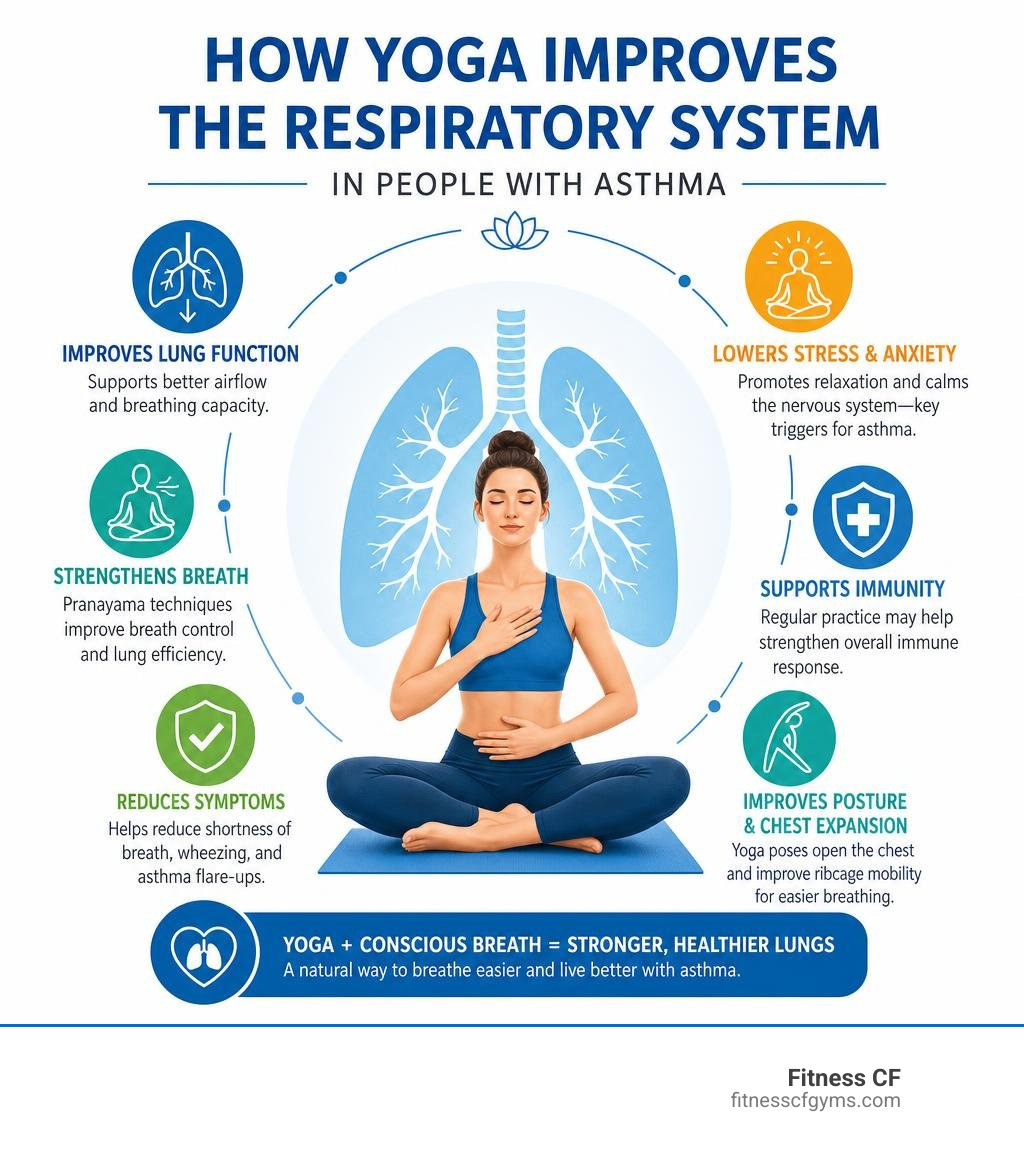
When we talk about managing asthma, we are looking at specific clinical measures: asthma control, lung function, and overall quality of life. For decades, the medical community viewed yoga with healthy skepticism. Today, a growing body of high-quality clinical research shows that yoga can be an incredibly powerful tool when used as an adjunct to standard medical therapy.
One of the most compelling pieces of evidence comes from an 8-week randomized controlled study of 100 patients with mild to moderate bronchial asthma. The study compared a supervised yoga program plus standard care against standard care alone. The results were remarkable:
- FEV1 (Forced Expiratory Volume in 1 second): Improved by +3.5% in the yoga group compared to just +1.1% in the control group.
- PEFR (Peak Expiratory Flow Rate): Increased by +30.7 L/min in the yoga group, compared to only +12 L/min in the control group.
- FEF25–75 (Forced Expiratory Flow during the middle half of the FVC): This measure of small airway function improved by a staggering +47.1% in the yoga group versus +16.2% in the control group.
- 6-Minute Walk Distance (6MWD): The yoga group increased their walking distance by 30 meters (vs. 11 meters in the control group), showing real-world functional capacity improvement.
- ACT (Asthma Control Test) Scores: The yoga group saw an average increase of 3 points (meeting the minimal clinically important difference), while the control group improved by only 1 point.
This is not an isolated finding. A landmark Systematic review on yoga for asthma analyzed 14 randomized controlled trials involving 824 patients. The researchers concluded that while yoga cannot replace routine medical treatment, it serves as a highly effective ancillary intervention. It demonstrated statistically significant benefits for asthma control, symptom reduction, and quality of life.
Furthermore, a Clinical study on adjunct yogic intervention tracked patients over three months. It revealed that while patients on conventional pharmacotherapy alone showed initial lung function improvements that began to decline by months two and three, those who practiced yoga alongside their medication maintained persistent, stable improvements in their FEV1 and FEV1/FVC% ratios.
By integrating these gentle practices into your lifestyle, you are not just stretching; you are training your respiratory system to work more efficiently. Understanding the health benefits of yoga shows us that the practice affects the body holistically, helping to calm systemic inflammation while strengthening the primary muscles we use to breathe.
How Yoga Compares to Other Exercise Modalities
For many people with asthma, traditional exercise can be a double-edged sword. While cardiovascular fitness is incredibly important, high-intensity workouts can trigger exercise-induced bronchoconstriction (EIB). This makes choosing the right form of physical activity crucial.
A comprehensive Network meta-analysis on exercise and asthma QOL analyzed data from 35 randomized controlled trials representing 3,946 participants. The study compared 10 different exercise modalities, including aerobic exercise, high-intensity interval training (HIIT), breathing exercises alone, and yoga.
The findings were clear: yoga produced the largest overall improvement in asthma-related quality of life (Standardized Mean Difference [SMD] of 2.26, 95% Credible Interval 1.63–2.90) compared to control groups. It outperformed single-mode aerobic exercises and breathing exercises alone.
While aerobic training and HIIT are excellent for cardiovascular health, they do not always address the breathing patterns and stress-induced triggers that exacerbate asthma. Yoga functions as a “comprehensive-mode” exercise because it pairs physical movement with active breath control and mental relaxation. This makes it an ideal starting point for those looking to build a fitness foundation safely. If you are wondering how to transition into a more active lifestyle, learning why you should add yoga to your fitness routine is a great place to start.
To help you visualize how these different approaches compare, we have outlined the general benefits and considerations of each modality below:
| Exercise Modality | Primary Respiratory Benefit | Risk of Triggering Asthma Flare-ups | Focus on Breath Control |
|---|---|---|---|
| Yoga | Strengthens breathing muscles, improves lung capacity, reduces stress-induced hyperventilation | Low (highly controlled, gentle movements) | Very High (core focus of every movement) |
| Aerobic Exercise | Enhances overall cardiovascular efficiency and stamina | Moderate to High (especially in cold, dry air) | Low to Moderate (mostly automatic breathing) |
| Breathing Exercises | Retrains breathing patterns, reduces hyperventilation | Very Low (no physical exertion) | Very High (pure breath focus) |
| HIIT | Rapidly builds cardiovascular power and endurance | High (intense, rapid breathing triggers) | Low (focus is on maximal physical output) |
Physiological and Psychological Mechanisms of Action
How exactly does a series of physical poses and breathing techniques change the way our lungs function? The answer lies in the deep connection between our nervous system, our stress hormones, and our physical anatomy.
1. Balancing the Autonomic Nervous System
Asthma is characterized by chronic airway inflammation and bronchial hyperresponsiveness. When we experience stress, our sympathetic nervous system (“fight or flight”) takes over. This can lead to rapid, shallow chest breathing, which cools and dries the airways, potentially triggering bronchospasm.
Yoga directly stimulates the vagus nerve, which activates the parasympathetic nervous system (“rest and digest”). This shift increases vagal tone, slows down the heart rate, and encourages deeper, slower diaphragmatic breathing. This calmer state naturally reduces the tendency of the airways to overreact to environmental triggers.
2. Regulating Cortisol and Stress Hormones
Chronic stress keeps our bodies in a state of low-grade inflammation. Yoga has been shown to help regulate the hypothalamic-pituitary-adrenal (HPA) axis, keeping cortisol levels balanced. Research published in a paper on the Research on clinical effects of yoga suggests that by stabilizing cortisol levels, adjunct yoga therapy may help mitigate some of the systemic inflammatory responses associated with asthma, potentially even counteracting some of the HPA-axis suppression caused by long-term inhaled corticosteroid use.
3. Improving Respiratory Muscle Strength and Chest Expansion
When we experience shortness of breath, we tend to tense our shoulders, neck, and chest, relying on secondary breathing muscles. Over time, this creates physical tightness in the thoracic cavity.
Yoga asanas (postures) physically stretch and strengthen the diaphragm, intercostal muscles (between the ribs), and the muscles of the upper back and chest. By opening up these areas, we increase our thoracic compliance — meaning the chest wall can expand and contract more fully and with less effort, directly improving our vital capacity and reducing the feeling of chest tightness.
Designing a Safe and Effective Yoga Practice
Before you roll out your mat, it is essential to establish a foundation of safety. Yoga is a complementary therapy, which means it works alongside your medical treatment, never in place of it.
Here are our top safety guidelines to keep in mind:
- Always Keep Your Rescue Inhaler Nearby: Keep your quick-relief medication right at the edge of your mat. Even during a gentle class, changes in breathing patterns or environmental dust can trigger symptoms.
- Avoid Environmental Triggers: If you are sensitive to dust, pollen, or cold air, practice indoors in a clean, well-ventilated space.
- Steer Clear of Hot Yoga: While hot yoga is popular, the high heat and extreme humidity can act as immediate bronchoconstriction triggers for individuals with asthma. Stick to temperature-controlled environments.
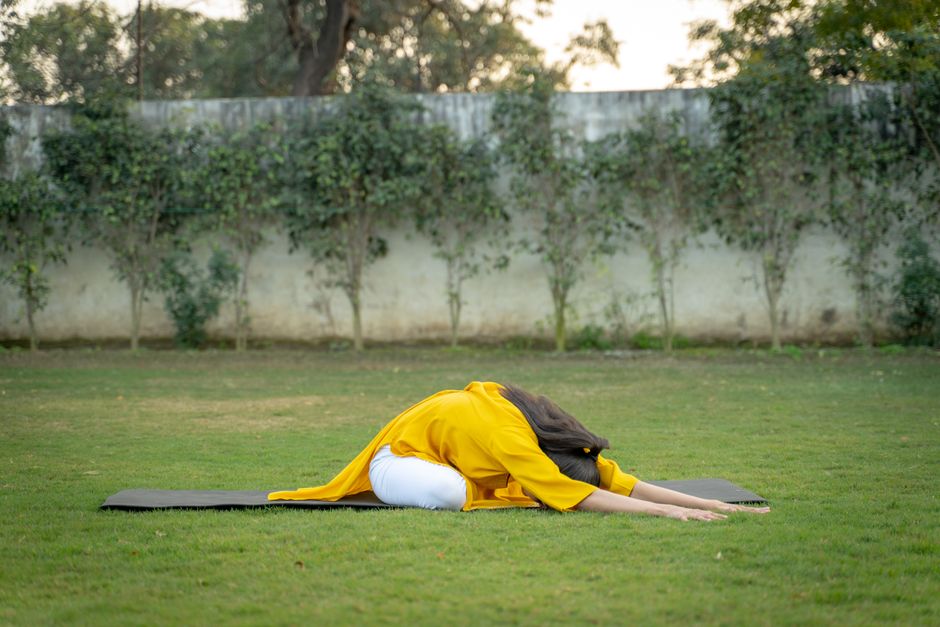
- Listen to Your Body: If a pose feels restrictive or if you start to feel wheezy, slowly back out of the pose and rest in Child’s Pose or a comfortable seated position.
To make sure you have everything you need for a comfortable and safe practice, check out our ultimate checklist for exercise and yoga before you begin.

Best Pranayama and Breathing Exercises in Yoga for Asthma
Pranayama, or yogic breath control, is the most direct way to train your lungs. When practicing these techniques, always sit comfortably with a tall spine, and never force or hold your breath to the point of discomfort.
According to the Healthline guide on yoga for asthma, several specific breathing exercises are highly beneficial:
1. Pursed Lip Breathing
This simple technique helps empty the lungs of stale air and keeps the airways open longer during exhalation.
- How to do it: Inhale slowly through your nose for 2 counts. Purse your lips as if you are about to blow out a candle, and exhale slowly and gently through your pursed lips for a count of 4.
2. Diaphragmatic (Belly) Breathing
This trains you to use your primary breathing muscle, the diaphragm, rather than shallow chest muscles.
- How to do it: Place one hand on your chest and the other on your belly. Inhale deeply through your nose, feeling your belly expand outward while your chest remains relatively still. Exhale slowly, feeling your belly gently fall back toward your spine.
3. Buteyko Breathing (Controlled Pauses)
While not traditionally a yogic pranayama, this clinical breathing method is highly integrated into modern holistic yoga practices to reduce hyperventilation.
- How to do it: Take a small, quiet breath in and out through your nose. Gently pinch your nose closed and hold your breath for a comfortable 3 to 5 seconds. Release your nose and breathe normally through your nose, focusing on keeping your breaths calm and quiet.
4. Alternate Nostril Breathing (Nadi Shodhan)
This practice balances the nervous system and encourages deep, slow breathing.
- How to do it: Use your right thumb to close your right nostril and inhale gently through your left nostril. Close the left nostril with your ring finger, release the right, and exhale through the right. Inhale through the right, close it, and exhale through the left. Repeat for a few minutes.
5. Victorious Breathing (Ujjayi)
Often called “ocean breath,” this technique creates a slight constriction in the back of the throat, warming the air before it enters the lungs and helping to regulate breathing pace.
- How to do it: Inhale through your nose. As you exhale through your nose, gently constrict the back of your throat to create a soft “hissing” or ocean-like sound.
Best Yoga Poses (Asanas) to Open the Chest and Lungs
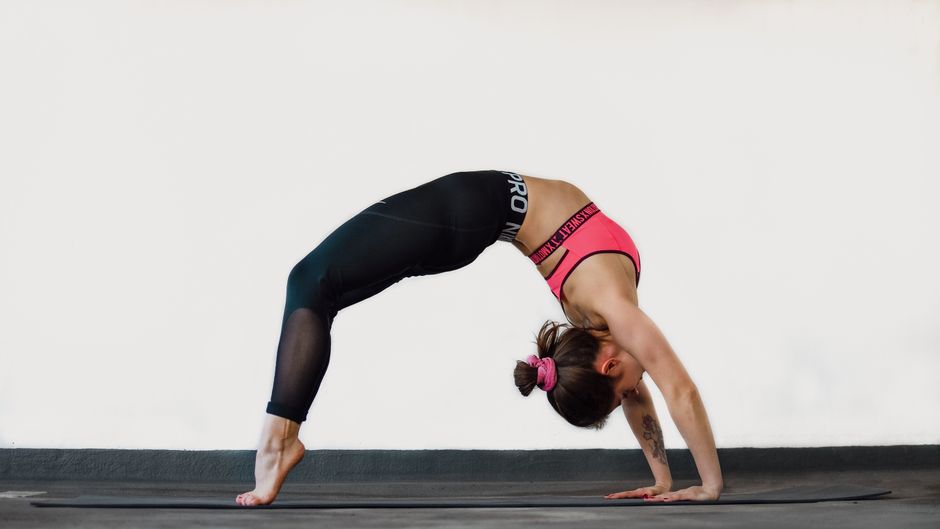
The physical poses of yoga help counter the hunched, tight posture that often develops with chronic asthma. These poses focus on opening the chest, stretching the intercostal muscles, and encouraging structural alignment. If you want to combine these poses into a complete routine, you can explore our 45-minute yoga for strength and flexibility sequence.
1. Bridge Pose (Setu Bandhasana)
This gentle backbend opens up the chest and thyroid area while stretching the front body.
- How to do it: Lie on your back with your knees bent and feet flat on the floor, hip-width apart. Press your feet into the ground and lift your hips toward the ceiling. Interlace your fingers under your back if comfortable, rolling your shoulders underneath you to expand your chest. Hold for 30 seconds while breathing deeply.
2. Cobra Pose (Bhujangasana) or Baby Cobra
This pose strengthens the spine and stretches the muscles of the chest and abdomen.
- How to do it: Lie face down on your mat with your hands placed under your shoulders. Keeping your elbows tucked close to your body, gently press into your hands to lift your chest off the floor. Keep your shoulders relaxed down away from your ears, and focus on expanding your collarbones.
3. Seated Spinal Twist (Ardha Matsyendrasana)
Twists help release tension in the spine and stretch the respiratory muscles around the ribs.
- How to do it: Sit tall with your legs extended. Cross your right foot over your left knee, placing it flat on the floor. Hug your right knee with your left arm, place your right hand on the floor behind you, and gently twist to the right. Breathe deeply into your ribs, then switch sides.
4. Cat-Cow Pose (Marjaryasana-Bitilasana)
This dynamic movement synchronizes breath with motion, warming up the spine and opening the chest.
- How to do it: Start on your hands and knees. As you inhale, arch your back, drop your belly, and look up (Cow Pose). As you exhale, round your spine toward the ceiling, tucking your chin to your chest (Cat Pose). Move slowly with your breath.
5. Low Lunge (Anjaneyasana)
This pose stretches the hip flexors and opens the front of the body, allowing for fuller diaphragmatic expansion.
- How to do it: From a hands-and-knees position, step your right foot forward between your hands. Lower your left knee to the floor. Sweep your arms overhead, lifting your chest and gently looking upward to open the front of your torso.
The Role of Overall Fitness and Healthy Living in Asthma Management
While yoga for asthma is incredibly effective, it is most powerful when integrated into a comprehensive, healthy lifestyle. Managing asthma is about reducing overall systemic inflammation and building physical resilience.
This is why we advocate for a balanced approach to fitness that includes:
- Strength Training: Building lean muscle mass supports metabolic health, reduces systemic inflammation, and improves overall physical posture. A stronger back and core naturally make breathing easier by supporting proper chest alignment.
- Cardiovascular Training: Gentle cardio, such as walking, cycling, or swimming, improves the efficiency of your heart and blood vessels. This means your muscles become better at utilizing oxygen, reducing the demand on your lungs during daily activities.
- Weight Management: Carrying excess weight can place physical pressure on the lungs and diaphragm, making breathing more difficult. Regular physical activity paired with a balanced diet helps manage weight, reducing the mechanical load on your respiratory system.
- Immune Support: Regular, moderate exercise boosts your immune system, reducing the frequency of common colds and respiratory infections, which are notorious triggers for severe asthma flare-ups.
By exploring the different types of yoga and combining gentle, restorative styles with structured fitness, you can build a lifestyle that keeps your lungs healthy and your body strong.
Frequently Asked Questions About Yoga for Asthma
Can yoga for asthma replace my prescribed inhalers and medications?
Absolutely not. Yoga is a complementary therapy, meaning it is designed to work alongside your medical treatment, not replace it. Never stop taking your controller medications or alter your dose without consulting your pulmonologist or primary care physician. Always keep your rescue inhaler with you during your practice, and follow your personalized asthma action plan.
Is hot yoga safe for individuals with asthma?
Generally, no. Hot yoga studios are kept at high temperatures (often over 100°F) with high humidity. This extreme environment can easily trigger airway hyperresponsiveness and bronchoconstriction in people with asthma. We highly recommend practicing in a temperature-controlled, well-ventilated space.
How often should I practice yoga to see improvements in my lung function?
Consistency is key. Clinical studies showing significant improvements in lung function (like FEV1 and PEFR) typically involve practicing yoga for 15 to 30 minutes daily, or attending supervised sessions 2 to 3 times per week over an 8-to-12-week period. Even a short, daily 15-minute routine of breathing exercises and gentle stretches can yield noticeable benefits.
Conclusion
Living with asthma does not mean you have to sit on the sidelines of your own life. By incorporating yoga for asthma into your routine, you can actively train your respiratory muscles, calm your nervous system, and reclaim a sense of control over your breathing.
From the breathing techniques of pranayama to the chest-opening benefits of gentle asanas, yoga offers a safe, low-cost, and clinically backed way to improve your quality of life. When combined with standard medical care and a balanced approach to overall fitness, you can build a resilient body and a calmer mind.
If you are in Central Florida and looking for a welcoming, supportive space to begin your journey, we would love to have you join us. At Fitness CF, we offer a variety of gentle, beginner-friendly yoga classes designed to help you move at your own pace. Check out our Fitness CF Yoga Classes to find a class and start breathing easier today!