Why the Best Strength Exercises for Weight Loss Outperform Cardio Alone
If you’ve been searching for the best strength exercises for weight loss, here’s your quick answer:
The top strength exercises for weight loss are:
- Squats – targets quads, glutes, and core; burns high calories
- Deadlifts – engages the full posterior chain and core
- Push-ups / Bench Press – builds chest, shoulders, and triceps
- Rows – strengthens back, biceps, and core
- Overhead Press – works shoulders and upper body
- Lunges – activates glutes, quads, and improves balance
- Loaded Carries (Farmer’s Walks) – full-body conditioning and grip strength
All seven are compound movements — meaning they work multiple muscle groups at once, burn more calories, and keep your metabolism elevated long after your workout ends.
Most people assume weight loss is mostly about cardio. Log enough miles, burn enough calories, lose the weight. But that approach misses something critical.
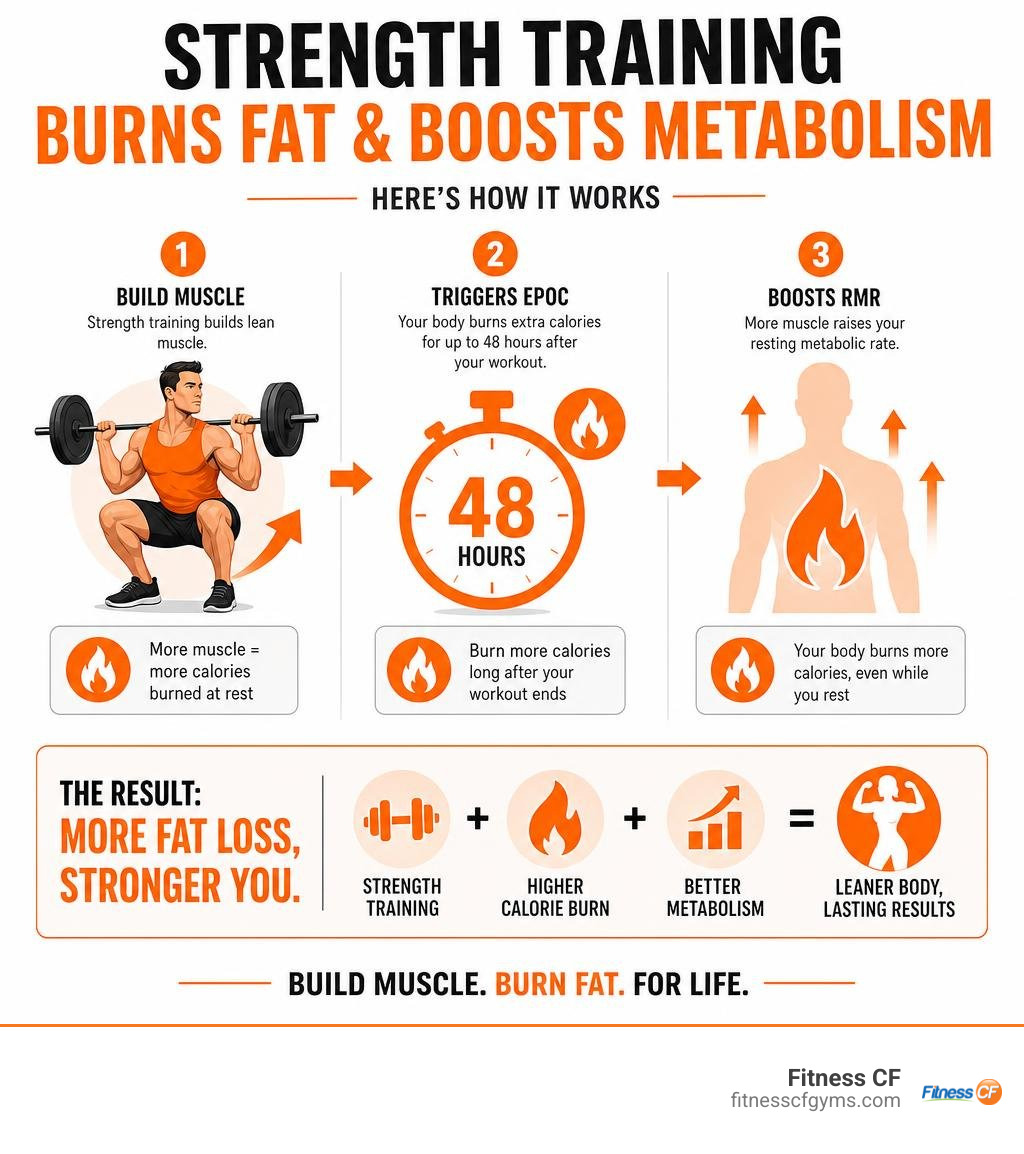
Strength training builds muscle — and muscle burns calories around the clock, even at rest.
Every pound of muscle you add burns roughly 6 to 10 extra calories per day at rest. That might sound small, but it compounds over time. It also means your body keeps burning fat for up to 48 hours after a strength session — something a 30-minute jog simply doesn’t deliver.
Research backs this up. One study found that resistance training increased resting metabolism, while aerobic exercise alone did not. Another study showed that 85% of participants who added strength training to a calorie deficit actually gained lean muscle while losing fat — flipping the common assumption that weight loss always means losing muscle too.
The difference isn’t just about the number on the scale. It’s about body composition — less fat, more muscle, a stronger metabolism.
I’m Pleasant Lewis, a fitness expert with over 40 years of experience in the fitness industry helping people find the best strength exercises for weight loss that fit their real lives. In this guide, I’ll walk you through exactly which exercises work, why they work, and how to put them together into a routine that delivers lasting results.
Relevant articles related to best strength exercises for weight loss:
How Strength Training Drives Weight Loss and Metabolic Health
When we talk about sustainable fat loss, standard cardio can only carry us so far. Running or cycling burns energy while you are actively moving, but as soon as you step off the treadmill, that elevated calorie burn drops off quickly. Strength training works differently. By challenging your muscles against resistance, you create structural changes in your body that boost your metabolic health around the clock.
To truly understand why resistance workouts are essential, it helps to examine what happens to your muscle tissue and metabolism when you lift weights. If you want a deep dive into the foundational mechanics, read our detailed guide on What is Strength Training and What Are Its Benefits?. Furthermore, recent Scientific research on resistance training as a key strategy for quality weight loss highlights that preserving lean body mass is the single most effective way to keep weight off long term.
Muscle Mass and Resting Metabolic Rate
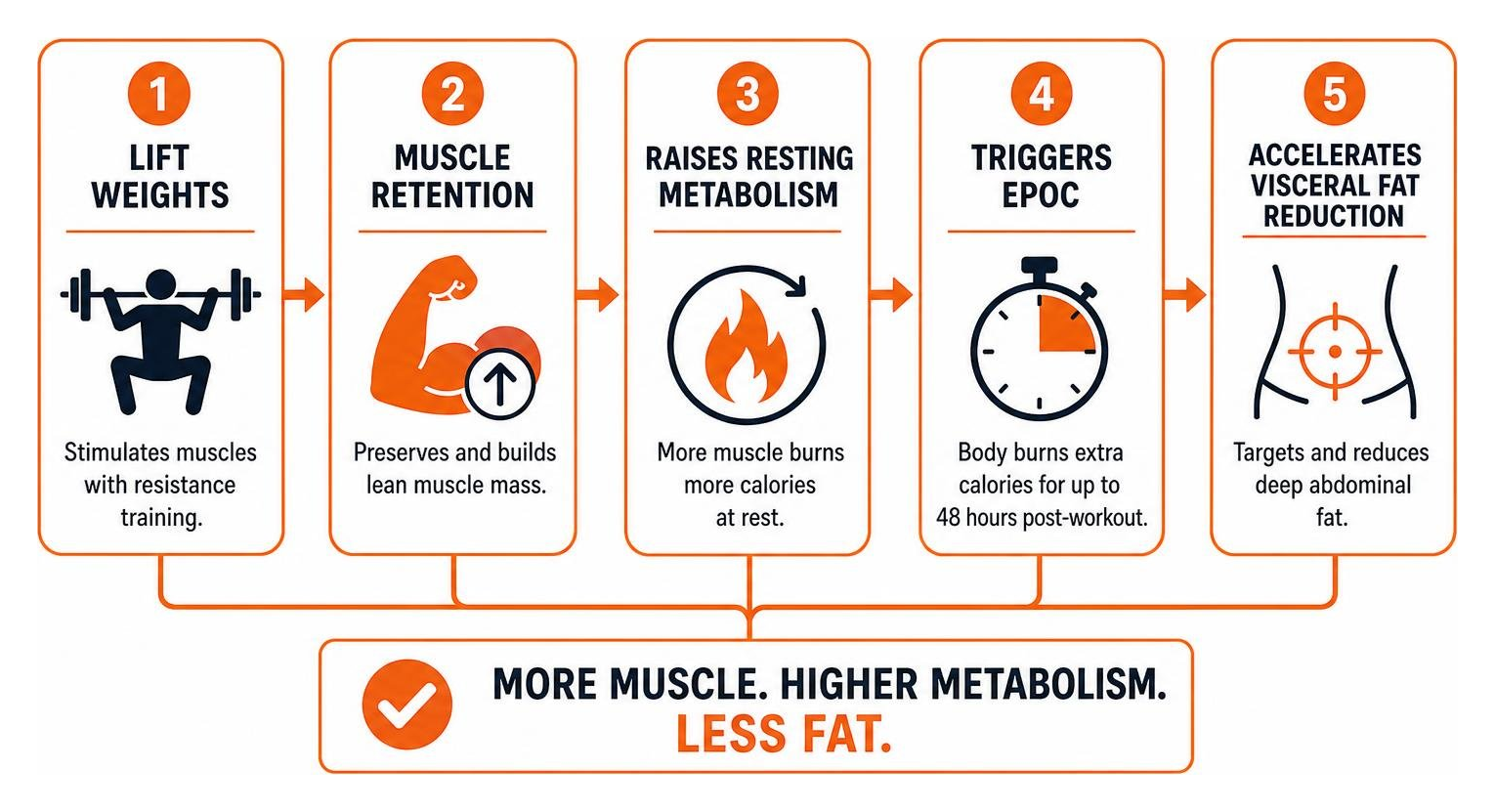
Your resting metabolic rate (RMR) represents the total energy your body expends just staying alive—keeping your heart beating, lungs breathing, and cells repairing. Muscle tissue is far more metabolically active than fat tissue. Every single pound of muscle you gain burns approximately 6 to 10 extra calories per day at complete rest. While building 5 pounds of lean tissue might sound like a simple shift, it generates a passive ongoing calorie burn that prevents the dread metabolic slowdown typical of crash diets.
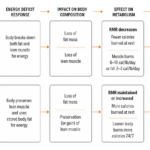
When people drop weight through severe caloric restriction alone without lifting, up to 25% to 33% of that lost weight comes from muscle mass. This loss lowers resting metabolic rate, making long-term weight maintenance frustratingly difficult. Maintaining muscle density preserves your baseline metabolism, ensuring your weight loss comes almost entirely from stored fat.
Understanding the Best Strength Exercises for Weight Loss Through Compound Movements
Not all exercises are created equal when fat loss is the goal. While isolation movements like bicep curls or calf raises target a single joint and small muscle groups, compound movements recruit multiple joints and massive muscle groups simultaneously.
Compound lifts force your upper body, lower body, and core to pull together under heavy mechanical tension. This creates a high energy output during the workout and stimulates systemic tissue repair afterward. By engaging large working muscle groups, multi-joint exercises generate significantly higher calorie expenditure per minute than single-joint moves.
Top Best Strength Exercises for Weight Loss to Build Muscle and Burn Fat
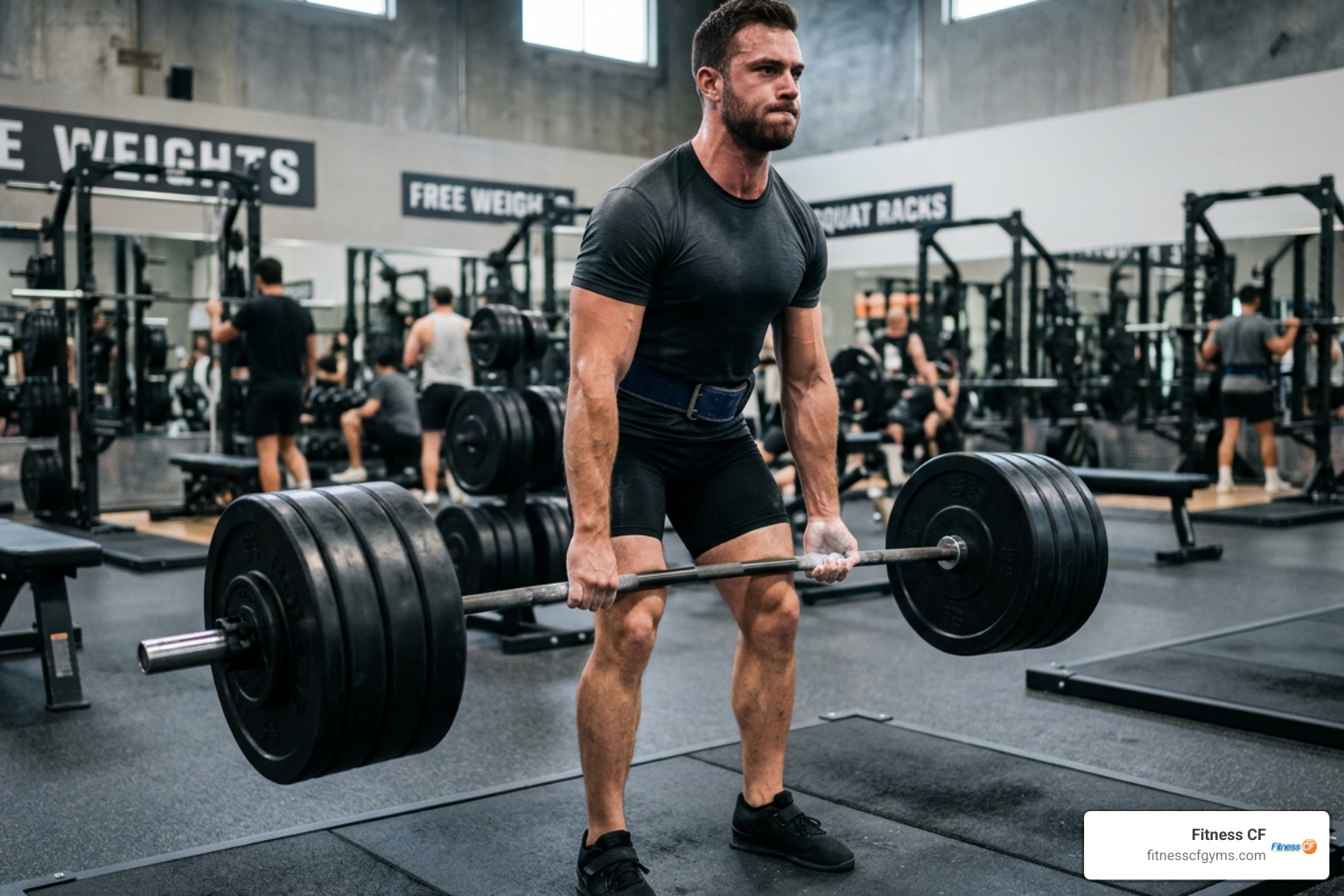
To maximize your workout efficiency, your program should center on multi-joint lifts that challenge total-body balance, core strength, and large muscle groups. Focusing on progressive overload—gradually increasing weight, repetitions, or controlling movement speed—ensures your body continuously adapts by building dense, metabolically active tissue.
For additional exercise selections and technical variations, explore our resource on Best Strength Training Exercises to Add to Your Routine.
| Exercise Name | Primary Muscle Groups Targeted | Compound Type | Fat Loss & Metabolic Potential |
|---|---|---|---|
| Squats | Quadriceps, Glutes, Hamstrings, Core | Lower Body Push | Extremely High (Massive Muscle Activation) |
| Deadlifts | Hamstrings, Glutes, Erector Spinae, Latissimus Dorsi | Full Body Pull | Maximum (Highest Mechanical Tension) |
| Push-Ups / Bench Press | Pectorals, Anterior Deltoids, Triceps, Core | Upper Body Push | High (Upper Body Calorie Burner) |
| Bent-Over Rows | Latissimus Dorsi, Rhomboids, Rear Deltoids, Biceps | Upper Body Pull | High (Postural & Metabolic Support) |
| Overhead Shoulder Press | Deltoids, Upper Chest, Triceps, Core | Upper Body Vertical Push | Moderate to High (Core & Upper Body Integration) |
| Walking Lunges | Glutes, Quadriceps, Calves, Core | Unilateral Lower Body | High (Balance & Calorie Demands) |
| Loaded Carries (Farmer’s Walks) | Full Body, Grip Strength, Trapezius, Abdominals | Dynamic Full Body | Extremely High (Systemic Conditioning) |
Lower Body Power: Squats and Deadlifts
The lower body houses the largest, most powerful muscles in your entire frame—specifically your quadriceps, hamstrings, and glutes. Training these massive muscles triggers a tremendous metabolic demand.
- Squats: Often referred to as the king of legs, squats activate your quads, glutes, hamstrings, and deep core stabilizers. Whether performing bodyweight sit-to-stands, goblet squats with a kettlebell, or barbell back squats, descending with a controlled three-second tempo forces your muscles to work harder, building dense leg strength while burning substantial energy.
- Deadlifts and Romanian Deadlifts (RDLs): Deadlifts engage almost every muscle from your heels up to your neck. By hinging at the hips, bracing your core, and lifting weight off the floor, you ignite the entire posterior chain (glutes, hamstrings, and lower back). Romanian deadlifts place targeted tension on the hamstrings and glutes, teaching proper hip hinge mechanics that protect your spine during daily activities.
Upper Body Strength: Push-Ups, Overhead Presses, and Rows
Building an athletic upper body balances your posture, supports joint health, and accelerates daily caloric expenditure.
- Push-Ups and Bench Presses: These pushing movements target the chest, front shoulders, and triceps while requiring your abs to hold a rigid plank. Beginners can perform incline push-ups against a wall or elevated bench before progressing to standard floor push-ups or dumbbell bench presses.
- Bent-Over Rows: Pulling movements are critical for counteracting long hours of sitting. Bent-over dumbbell or barbell rows recruit your latissimus dorsi, upper back, rear shoulders, and biceps. Engaging these wide back muscles broadens your shoulder line, visually narrowing the waist while boosting metabolic burn.
- Dumbbell Overhead Presses: Pressing dumbbells vertically overhead builds strong shoulders and triceps while demanding intense core bracing to prevent lower back arching.
Dynamic Full-Body Movements: Lunges and Loaded Carries
Unilateral (one-sided) movements and functional carries bridge the gap between strength, cardiovascular health, and real-world functional stability.
- Walking Lunges and Step-Ups: Lunges work one leg at a time, fixing left-to-right muscular imbalances while forcing your core and stabilizer muscles to keep you balanced. This single-leg work demands intense effort, spiking your heart rate quickly.
- Loaded Carries (Farmer’s Walks): Pick up two heavy dumbbells or kettlebells, stand tall with rolled-back shoulders, and walk for distance or time. Farmer’s carries strengthen your grip, traps, core, and legs simultaneously, creating a intense conditioning effect without the high joint impact of sprinting.
Combining Cardio and Strength Training for Sustainable Results
A common question in fat loss programming is whether you should choose cardio or strength training. The short answer is: you shouldn’t choose just one—you get far superior body composition results when you combine them strategically. This combination is known scientifically as concurrent training.

A comprehensive meta-analysis published in BMC Public Health on the Effects of concurrent training on fat mass distribution revealed that combining strength training and cardiovascular exercise preferentially targets deep visceral adipose tissue (the dangerous fat stored around internal organs). In fact, the percentage reduction in visceral fat was nearly double that of subcutaneous (surface) fat.
Cardio burns energy directly during the exercise bout, while resistance training preserves lean tissue, keeps your resting metabolic rate elevated, and optimizes insulin sensitivity. For a complete comparison of both modalities, read our breakdown on Strength Training vs Cardio: Which is Better for Weight Loss?.
Designing a Weekly Split with the Best Strength Exercises for Weight Loss
To optimize fat loss while allowing sufficient recovery, aim for 2 to 4 strength training sessions per week, complemented by daily walking and targeted cardiovascular work. Research shows that reaching at least 180 total minutes of exercise per week yields the most substantial reductions in visceral fat mass.
Here is a practical, full-body weekly template designed around high-yield compound lifts:
- Monday (Full Body Strength A): Squats, Incline Push-Ups, Bent-Over Rows, Dumbbell Lunges, Farmer’s Carries. (3 sets of 8–12 reps per movement).
- Tuesday (Active Recovery & Low-Intensity Cardio): 30–45 minute brisk walk (aiming for 8,000–10,000 steps daily).
- Wednesday (Full Body Strength B): Romanian Deadlifts, Overhead Shoulder Press, Lat Pulldowns or Inverted Rows, Bulgarian Split Squats, Core Plank Holds. (3 sets of 8–12 reps).
- Thursday (Active Recovery / Optional Steady Cardio): 30 minutes of swimming, cycling, or incline treadmill walking.
- Friday (Full Body Strength C / Circuit Style): Full-body compound circuit (Squats to Press, Push-ups, Dumbbell Deadlifts, Rows) with shorter 45-second rest intervals to keep heart rate elevated.
- Saturday / Sunday (Rest & Recovery): Rest days, light stretching, and casual family activity.
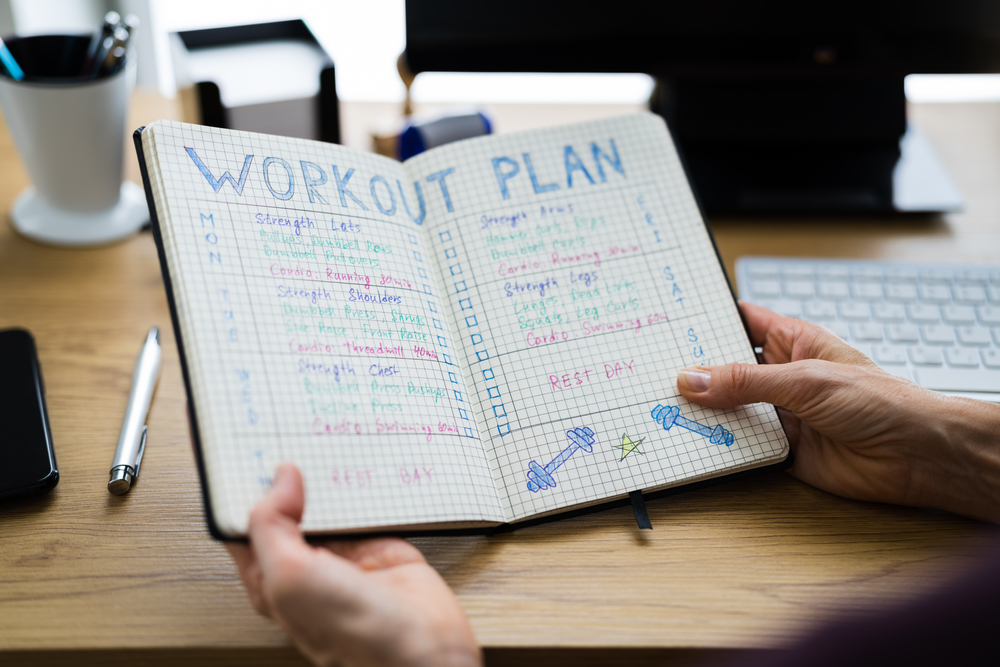
For a fully structured blueprint, check out our guide on Best Training for Weight Loss: Your Weekly Workout Blueprint.
Common Mistakes to Avoid in Resistance Training
When trying to lose weight with resistance training, it’s easy to fall into traps that slow down your results. Here are the top mistakes we see—and how you can avoid them:
- Chasing Exhaustion Over Progressive Overload: Fat loss workouts shouldn’t leave you crawling out of the gym every single time. Struggling through random high-rep circuits with light weights often leads to fatigue rather than strength gains. Instead, track your weights and try to gradually increase resistance or repetitions over time.
- Cutting Protein Calories Too Severely: A caloric deficit is necessary for fat loss, but cutting calories too low starves your body of protein. Aim for roughly 1.5 to 2.0 grams of protein per kilogram of body weight daily to support tissue repair and preserve your lean muscle.
- Sacrificing Form for Ego Lifting: Lifting weights that are too heavy leads to momentum, poor posture, and joint injuries. Always prioritize controlled eccentrics (a three-second descent) and proper alignment before adding more weight to the bar.
- Fixating Exclusively on the Bathroom Scale: Scale weight fluctuates constantly due to water retention, sodium, and muscle tissue growth. You might lose two pounds of fat while building two pounds of lean muscle—the scale stays static, but your waist shrinks and your clothes fit completely differently! Focus on body composition, photos, and tape measurements instead.
- Skipping Recovery and Rest Days: Muscle growth and fat loss happen after your workout when your body repairs itself. Skimping on sleep or lifting heavy seven days a week drives up cortisol (stress hormone) levels, causing fluid retention and systemic burnout.
Read our complete breakdown of smart training programming in the Build Muscle, Lose Fat Workout Plan.
Frequently Asked Questions About Weight Loss Workouts
How often should beginners perform strength training for weight loss?
For beginners, 2 to 3 days per week of full-body strength training is the sweet spot. This frequency allows you to learn proper movement patterns and stimulate muscle protein synthesis without overwhelming your joints or causing extreme muscle soreness.
Ensure you schedule at least one full rest or active recovery day between lifting sessions. Focus initial workouts on mastering bodyweight squats, incline push-ups, and dumbbell hinge movements before attempting heavier loaded barbells.
Is strength training or cardio better for losing abdominal fat?
While you cannot spot-reduce fat from specific areas of your body, a combination of both (concurrent training) featuring heavy strength work is superior for losing deep abdominal (visceral) fat.
Cardio burns immediate calories, but heavy compound lifting increases resting metabolism and improves insulin sensitivity—helping your body clear glucose efficiently rather than storing it as abdominal fat. Studies demonstrate that resistance training significantly reduces waist circumference and abdominal fat tissue more effectively than diet alone.
Will lifting heavy weights cause women to become overly bulky?
No, lifting heavy weights will not make women bulky! Naturally, women produce roughly 10 to 20 times less testosterone than men, making rapid accidental muscle mass buildup biologically impossible without specific high-calorie bulking diets and hyper-targeted protocols.
When you lift weights in a moderate calorie deficit, you drop body fat while shaping dense, lean tissue underneath. This is what creates that defined, athletic, “toned” look most people are striving for.
Conclusion
Finding the best strength exercises for weight loss isn’t about spending hours on cardio machines or doing endless abdominal crunches. Real, lasting body composition changes happen when you focus your energy on high-yield compound movements like squats, deadlifts, presses, rows, and loaded carries, along with balanced cardiovascular activity for healthy living.
By building lean muscle mass and boosting cardiovascular endurance, you elevate your baseline metabolism, protect your joints, burn more calories at rest, and build an energetic body that serves you for life. Committing to a consistent workout routine and an active lifestyle provides long-term health benefits far beyond the bathroom scale.
For a full breakdown of total-body fitness protocols, check out our comprehensive Ultimate Weight Loss Workout Guide.
Ready to transform your routine? Take the Next Step with Expert Weight Loss Programs and start building a healthier, stronger lifestyle today!